
5-HTP For Better Sleep And Mood: A Complete, Science-Based Guide
If you’re exploring 5-HTP for better sleep, you’re probably looking for a natural way to fall asleep faster, stay asleep longer, and feel more balanced during the day. 5-HTP sits at the center of the serotonin–melatonin pathway, which makes it especially interesting for both sleep and mood support.
This guide walks through how 5-HTP works, what the research shows, who may benefit most, and how to use it thoughtfully alongside SLP1 tools like deeper sleep, get to sleep, and the science resources on the science.
"Sleep is the golden chain that ties health and our bodies together." — Thomas Dekker
How 5-HTP Works In The Serotonin–Melatonin Pathway

5-Hydroxytryptophan (5-HTP) is a naturally occurring compound your body makes from the amino acid tryptophan. It is the direct precursor to serotonin, which in turn is converted into melatonin in the pineal gland.
Serotonin acts as a neurotransmitter in the brain and a signaling molecule in the gut, affecting mood, appetite, and sleep–wake patterns. Because melatonin is made from serotonin, supporting this pathway can influence both how you feel during the day and how well you sleep at night.
The pathway looks like this:
-
Dietary tryptophan → converted to 5-HTP
-
5-HTP → converted to serotonin
-
Serotonin → converted to melatonin
Two features make 5-HTP for better sleep particularly compelling:
-
It bypasses a rate‑limiting step. The conversion of tryptophan to 5-HTP is slow and inefficient because the enzyme (tryptophan hydroxylase) has a low affinity for tryptophan. Supplying 5-HTP directly sidesteps this bottleneck.
-
It crosses the blood–brain barrier easily. Tryptophan must compete with other amino acids for transport into the brain. 5-HTP does not rely on this competitive transport and can cross more freely, where it is then quickly turned into serotonin.
SLP1’s educational hub on the science goes deeper into this serotonin pathway and how it relates to products designed for sleep and mood support.
5-HTP Versus Tryptophan
Both tryptophan and 5-HTP influence serotonin, but they do so differently:
|
Feature |
Tryptophan |
5-HTP |
|---|---|---|
|
Position in pathway |
Starting amino acid |
Direct serotonin precursor |
|
Conversion step |
Slow, rate‑limiting |
Fast, efficient |
|
Blood–brain barrier transport |
Competes with other amino acids |
Crosses more freely |
|
Practical implication |
Less predictable serotonin support |
More targeted serotonin support |
Because of these properties, 5-HTP for better sleep is often preferred when the goal is a direct, more predictable effect on serotonin and downstream melatonin.
Why 5-HTP For Better Sleep Matters As We Age

Serotonin and melatonin are central to sleep regulation. With age, both systems tend to shift:
-
Fewer and less sensitive serotonin receptors in the brain
-
Lower nighttime melatonin production
-
More fragmented sleep, less deep sleep, and earlier awakenings
This pattern helps explain why many older adults report poor sleep quality, even when their schedules and habits haven’t changed much. Age‑related shifts in the internal clock can make sleep feel lighter and less restorative.
By supplying the building block for serotonin, 5-HTP for better sleep aims to:
-
Support steadier serotonin signaling during the day (mood and stress regulation)
-
Support more consistent melatonin production at night (sleep–wake timing and depth)
For people who want a broader protocol, 5-HTP can sit alongside structured strategies such as Reclaim Your Sleep: The SLP1 Protocol for Moms to Win Their Sleep Back, as well as targeted formulations like SLP1’s deeper sleep and get to sleep.
What The Research Says About 5-HTP For Better Sleep
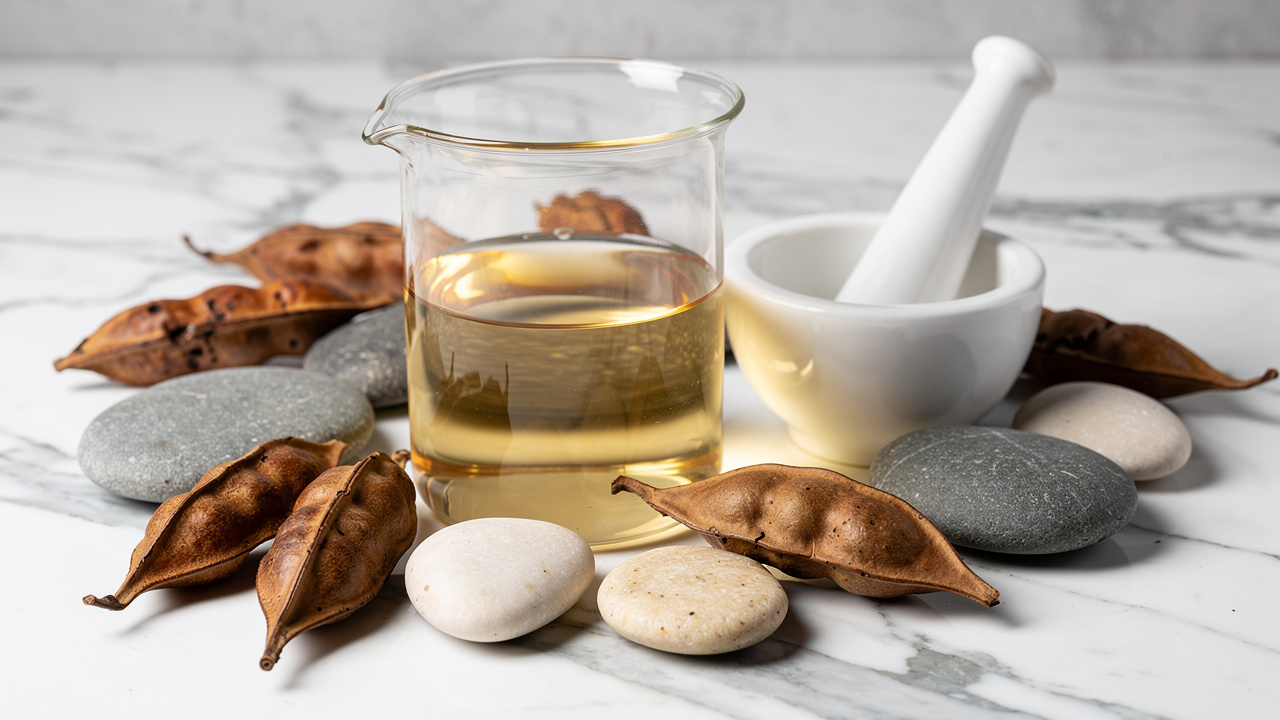
Much of the early evidence for 5-HTP came from animal studies showing improvements in slow‑wave (deep) sleep. More recently, a human randomized controlled trial (RCT) has filled in important details.
A 12-Week Trial In Older Adults
A single‑blinded, 12‑week RCT followed 30 older adults (average age ~66). Participants were randomized to:
-
Intervention group: 100 mg of 5-HTP daily
-
Control group: no 5-HTP
Researchers assessed sleep every four weeks using:
-
Subjective measures: Pittsburgh Sleep Quality Index (PSQI), producing a Global Sleep Score (GSS)
-
Objective measures: actigraphy watches to track sleep duration and fragmentation
They also measured:
-
Serum serotonin levels
-
Urine melatonin levels
-
Gut microbiota composition and short‑chain fatty acids (SCFAs)
Key finding: 5-HTP supplementation improved several aspects of sleep quality for up to eight weeks, alongside measurable increases in serotonin.
Who Benefited Most?
When participants were grouped by baseline sleep quality:
-
Poor sleepers (GSS > 5) who received 5-HTP showed a statistically significant improvement in sleep scores after 12 weeks.
-
Good sleepers (GSS ≤ 5) showed little additional benefit, suggesting a “ceiling effect.”
This pattern mirrors what earlier work with tryptophan has shown: 5-HTP for better sleep tends to produce the most noticeable improvements in people already struggling with insomnia or fragmented sleep.
The Gut–Brain Angle
The same RCT revealed that, in poor sleepers, 5-HTP was associated with:
-
Increased gut microbiota diversity
-
Higher levels of SCFA‑producing bacteria
These changes support the idea that 5-HTP for better sleep may not act only in the brain. By shifting the gut environment toward a broader mix of SCFA‑producing species, 5-HTP may influence the gut–brain axis in ways that support both mood and sleep regulation.
For a deeper dive into mechanisms and study design, SLP1’s the science page provides additional context.
5-HTP For Better Sleep, Mood, And Stress

Because serotonin sits at the intersection of sleep and emotional regulation, 5-HTP for better sleep is rarely just about sleep.
"The shorter your sleep, the shorter your life." — Matthew Walker, PhD
Mood And Emotional Balance
Balanced serotonin levels are linked with:
-
More stable mood and emotional resilience
-
Lower likelihood of stress‑related mood dips
-
Less irritability and fewer dramatic mood swings
Clinical research on the pathogenesis and medical treatment of depression suggests that 5-HTP can help with low mood, mild anxiety, and stress‑related tension, especially when these issues coexist with poor sleep.
Sleep And Mood: A Two-Way Street
Poor sleep worsens mood, and low mood often disrupts sleep. By supporting serotonin and downstream melatonin production, 5-HTP for better sleep may help on both sides:
-
Better sleep → improved emotional processing and stress tolerance
-
Better mood → less “racing mind” at night, easier time falling asleep
5-HTP can be combined with other gentle supports highlighted in SLP1 educational resources, including:
-
Glycine for Sleep: A Comprehensive Guide
-
Reishi Mushroom For Sleep: A Comprehensive Guide
-
Melatonin Nasal Spray: A Comprehensive Guide
These approaches act through different mechanisms and can complement 5-HTP for better sleep when combined thoughtfully.
Who May Be A Good Candidate For 5-HTP For Better Sleep?
Based on current evidence and clinical use, 5-HTP for better sleep may be most relevant for:
-
Adults who:
-
Take longer than they’d like to fall asleep
-
Wake up frequently during the night
-
Wake unrefreshed despite adequate time in bed
-
-
People who notice mood dips or irritability when their sleep worsens
-
Older adults who have experienced a gradual decline in sleep quality
It may be less helpful for:
-
Individuals who already sleep soundly and feel fully rested
-
Those whose sleep is disrupted primarily by environmental factors (noise, light, inconsistent schedules) that have not been addressed
For some, SLP1 formulations like get to sleep are well suited to sleep onset, while deeper sleep focuses on depth and continuity. 5-HTP can sit within these broader strategies when appropriate.
How To Take 5-HTP For Better Sleep: Dosage And Timing
There is no single “one‑size‑fits‑all” protocol, but current data and practice patterns offer helpful ranges.
Typical Dosage Ranges
For sleep support
-
50–100 mg of 5-HTP
-
Taken 30–60 minutes before bedtime
-
Often used for difficulty falling asleep or staying asleep
This is broadly consistent with the 100 mg daily dose used in the 12‑week RCT in older adults and aligns with the intent behind SLP1’s deeper sleep formulations.
For mood and daytime stress
-
50–300 mg per day, usually in divided doses (e.g., 50–100 mg, 1–3 times daily)
-
Start at the low end and increase slowly only if needed and tolerated
Practical Guidelines
When using 5-HTP for better sleep:
-
Start low. Beginning with 50 mg allows you to assess sensitivity.
-
Increase gradually. If needed, increase in 50 mg steps under professional guidance.
-
Be patient. Some people feel a change in sleep within days; mood effects may take several weeks.
-
Stay consistent. Taking it at the same time each evening supports a more predictable response.
Never exceed 300 mg per day without close professional supervision, especially if you are using other serotonin‑active substances.
Safety, Side Effects, And Risks Of 5-HTP
For many healthy adults, 5-HTP for better sleep is well tolerated when taken at recommended doses. Still, thoughtful use is important.
Common, Usually Mild Side Effects
Some people notice:
-
Nausea or mild stomach discomfort
-
Headache
-
Drowsiness (especially if taken during the day)
-
Loose stools or diarrhea
-
Occasional heartburn or indigestion
These effects are more likely at higher doses or when 5-HTP is taken on an empty stomach. Starting with a low dose and taking it with a small snack can help.
More Serious Risks
More serious issues are uncommon but deserve attention:
-
-
A rare but potentially life‑threatening state caused by too much serotonin
-
Symptoms can include agitation, confusion, rapid heartbeat, high blood pressure, tremor, and heavy sweating
-
Risk rises when 5-HTP for better sleep is combined with:
-
SSRIs, SNRIs, MAOIs
-
Triptan migraine medications
-
Certain pain medications and other serotonergic agents
-
-
-
Medication interactions
-
Antidepressants and mood stabilizers
-
other sleep aids, including strong sedating antihistamines
-
Supplements that influence serotonin or GABA
-
-
Allergic reactions (rare)
-
Rash, swelling, or difficulty breathing require immediate medical attention.
-
If you use other supports such as reishi mushroom or glycine for sleep, coordination with a healthcare professional is especially important before adding 5-HTP.
When To Talk With A Healthcare Professional First
Because 5-HTP for better sleep acts directly on serotonin pathways, certain situations call for medical guidance before starting.
Preexisting Health Conditions
Consult a clinician if you have:
-
Depression, bipolar disorder, or other mood disorders
-
5-HTP can interact with psychiatric medications and may not be appropriate in every case.
-
-
Chronic illnesses such as:
-
Uncontrolled hypertension
-
Liver or kidney disease
-
Significant cardiovascular disease
-
-
Autoimmune conditions like lupus, rheumatoid arthritis, or multiple sclerosis
Current Medications Or Supplements
Extra caution is needed if you are taking:
-
Antidepressants: SSRIs, SNRIs, MAOIs, tricyclics
-
Anti‑anxiety medications or mood stabilizers
-
Pain or migraine medications that influence serotonin (e.g., triptans)
-
Sleep aids and relaxants
Stacking multiple serotonergic substances is where serotonin syndrome risk becomes most relevant.
Pregnancy, Breastfeeding, And Younger People
-
Pregnant or breastfeeding women should not use 5-HTP without explicit medical approval, as safety data are limited.
-
For children and adolescents, 5-HTP should only be considered under specialist guidance; developing brains and serotonin systems require more caution.
If you are already exploring tools like Glycine for Sleep: A Comprehensive Guide, reishi’s calming properties from Reishi Mushroom For Sleep: A Comprehensive Guide, or structured approaches like Reclaim Your Sleep: The SLP1 Protocol for Moms to Win Their Sleep Back, a skilled practitioner can help decide how 5-HTP for better sleep fits into your broader plan.
Combining 5-HTP For Better Sleep With Other Supports
Many people are interested in how 5-HTP for better sleep works alongside other supplements or protocols.
5-HTP And Melatonin
-
5-HTP increases serotonin, the raw material that becomes melatonin.
-
Melatonin signals the body that it is time to sleep.
Together, they may help you get to sleep more reliably while also improving sleep depth. Because this combination can be quite sedating for some, it should be introduced carefully, ideally with clinical input.
5-HTP And Glycine
glycine is an amino acid that supports:
-
Reduced core body temperature
-
Smoother sleep architecture
-
A sense of calm at bedtime
As described in Glycine for Sleep: A Comprehensive Guide, glycine operates through pathways different from serotonin. Pairing it with 5-HTP for better sleep—for example, in a formula like deeper sleep—targets both sleep quality and sleep physiology.
5-HTP And Reishi Mushroom
reishi mushroom is often used for its calming, stress‑reducing effects. In the context of Reishi Mushroom For Sleep: A Comprehensive Guide, it can sit alongside 5-HTP for better sleep to address both:
-
Daytime tension that carries into the night
-
The serotonin–melatonin pathway that shapes sleep architecture
Because stacking multiple aids can raise the overall sedative effect, introduce combinations gradually and under experienced guidance.
How To Choose A High-Quality 5-HTP Supplement
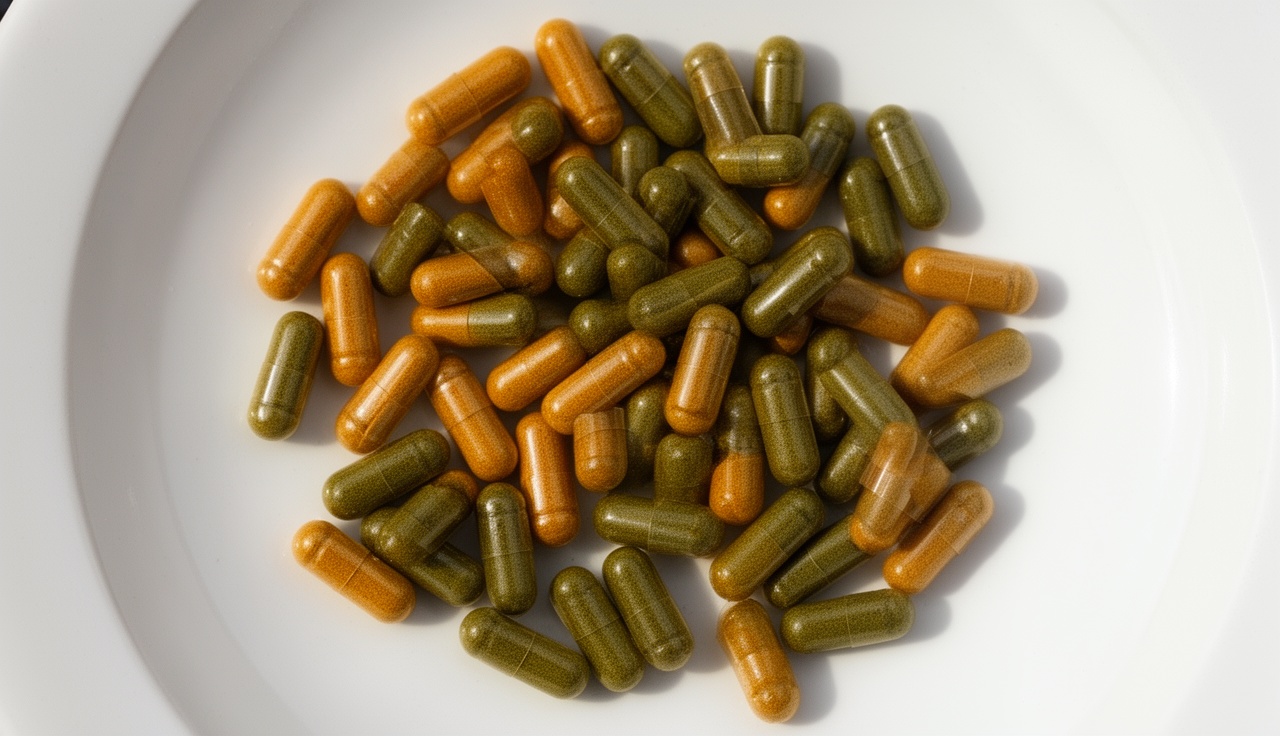
For health‑conscious and performance‑oriented users, quality is non‑negotiable. When selecting 5-HTP for better sleep, consider the following:
1. Source And Purity
-
Look for 5-HTP derived from Griffonia simplicifolia seeds.
-
Prefer brands that disclose sourcing and purity testing.
2. Third-Party Testing
-
Choose products that undergo independent, third‑party testing for:
-
Identity (it is actually 5-HTP)
-
Potency (it matches the label)
-
Contaminants (heavy metals, microbes, solvents)
-
SLP1’s commitment to transparency, reflected in the science, is an example of the level of clarity you should expect from any product positioned as 5-HTP for better sleep.
3. Thoughtful Dosage Per Serving
-
Common capsule strengths are 50 mg and 100 mg.
-
This makes it easier to match the trial‑backed 100 mg daily dose or stay at lower entry doses if you are sensitive.
4. Supportive Co‑Nutrients
Some formulas include:
-
Vitamin B6, which participates in the conversion of 5-HTP to serotonin
-
Magnesium or glycine, which support relaxation, cortisol and sleep structure
In products like deeper sleep, these combinations are designed to align with how the body naturally manages sleep rather than simply sedating you.
5. Clean, Transparent Formulations
-
Avoid unnecessary artificial colors, sweeteners, or fillers.
-
Look for labels that clearly list each ingredient and its dose.
FAQs About 5-HTP For Better Sleep And Mood
What Is 5-HTP, In Simple Terms?
5-HTP (5‑Hydroxytryptophan) is the compound your body uses to make serotonin. Because serotonin is then converted into melatonin, 5-HTP for better sleep acts one step upstream of melatonin while also influencing mood and appetite.
How Quickly Will 5-HTP Improve My Sleep?
Many people notice changes in sleep onset or sleep continuity within a few days to a couple of weeks. Mood benefits may take longer—often several weeks of consistent use. Building a broader routine, such as the structure outlined in Reclaim Your Sleep: The SLP1 Protocol for Moms to Win Their Sleep Back, can increase the likelihood of seeing results.
Can 5-HTP Help Me Fall Asleep Faster?
Yes, 5-HTP for better sleep can shorten the time it takes to get to sleep in people whose sleep issues are related to serotonin and melatonin imbalance. For some, combining 5-HTP with evening routines, light control, and targeted supports like melatonin nasal spray can further improve sleep onset.
Is 5-HTP Safe To Use With Antidepressants?
This is where caution is essential. Combining 5-HTP for better sleep with antidepressants (such as SSRIs, SNRIs, or MAOIs) can increase the risk of serotonin syndrome. Always consult your prescribing clinician before considering 5-HTP if you take any medication that affects serotonin.
Can I Take 5-HTP Every Night?
Many protocols and clinical studies use daily dosing over 8–12 weeks. Whether nightly use is appropriate for you depends on your health history, other medications, and goals. Periodic reassessment with a healthcare professional is recommended.
Should I Take 5-HTP Alone Or Stack It With Other Supplements?
Some prefer 5-HTP for better sleep as a stand‑alone tool. Others pair it with:
-
Glycine (see Glycine for Sleep: A Comprehensive Guide)
-
Calming botanicals such as reishi mushroom
If you stack supplements, adjust doses carefully and involve a knowledgeable practitioner.
Is 5-HTP For Better Sleep Right For You?
5-HTP for better sleep occupies a thoughtful middle ground between lifestyle-only approaches and prescription sleep medications. By feeding the serotonin–melatonin pathway, it addresses a root biochemical factor behind both sleep and mood.
It may be a good fit if:
-
You struggle to fall asleep, stay asleep, or feel restored in the morning
-
Your sleep issues travel together with low mood, irritability, or stress
-
You prefer natural, science‑informed tools and clean formulations
It deserves extra caution or medical supervision if:
-
You are on antidepressants or other serotonergic medications
-
You are pregnant, breastfeeding, or have significant medical conditions
-
You are considering its use for a child or adolescent
When integrated with consistent routines, exposure to morning light, and structured programs such as Reclaim Your Sleep: The SLP1 Protocol for Moms to Win Their Sleep Back, 5-HTP for better sleep can be part of a comprehensive, evidence‑aligned strategy.
For those drawn to a premium, transparent approach, SLP1 products like get to sleep and deeper sleep are formulated to align with the science of serotonin, melatonin, and sleep architecture—while the science provides the detail behind every ingredient choice.
This guide is for educational purposes only and is not medical advice. Always speak with a qualified healthcare professional before starting or changing any supplement routine.


Leave a comment
This site is protected by hCaptcha and the hCaptcha Privacy Policy and Terms of Service apply.