Reishi Mushroom For Sleep: A Calm, Evidence-Based Guide
For many health-conscious professionals, sleep is the first thing sacrificed and the last thing repaired. Late-night emails, glowing screens, and a racing mind make it hard to fall asleep, stay asleep, and wake feeling restored. Against that backdrop, interest in reishi mushroom for sleep has grown quickly.
Reishi (Ganoderma lucidum), known as Lingzhi in Traditional Chinese Medicine (TCM), has been used for centuries to “tranquilize the mind” and support longevity. Modern research is beginning to explain why this mushroom may help with stress-related insomnia, fragmented sleep, and next-day fatigue.
“Sleep is the single most effective thing we can do to reset our brain and body each day.” — Matthew Walker, PhD, neuroscientist and sleep researcher
This guide walks through how reishi mushroom for sleep works, what the science says, how to use it in daily life, and how formulas like SLP1’s deeper sleep and get to sleep can fit into a thoughtful sleep strategy.
What Is Reishi Mushroom?
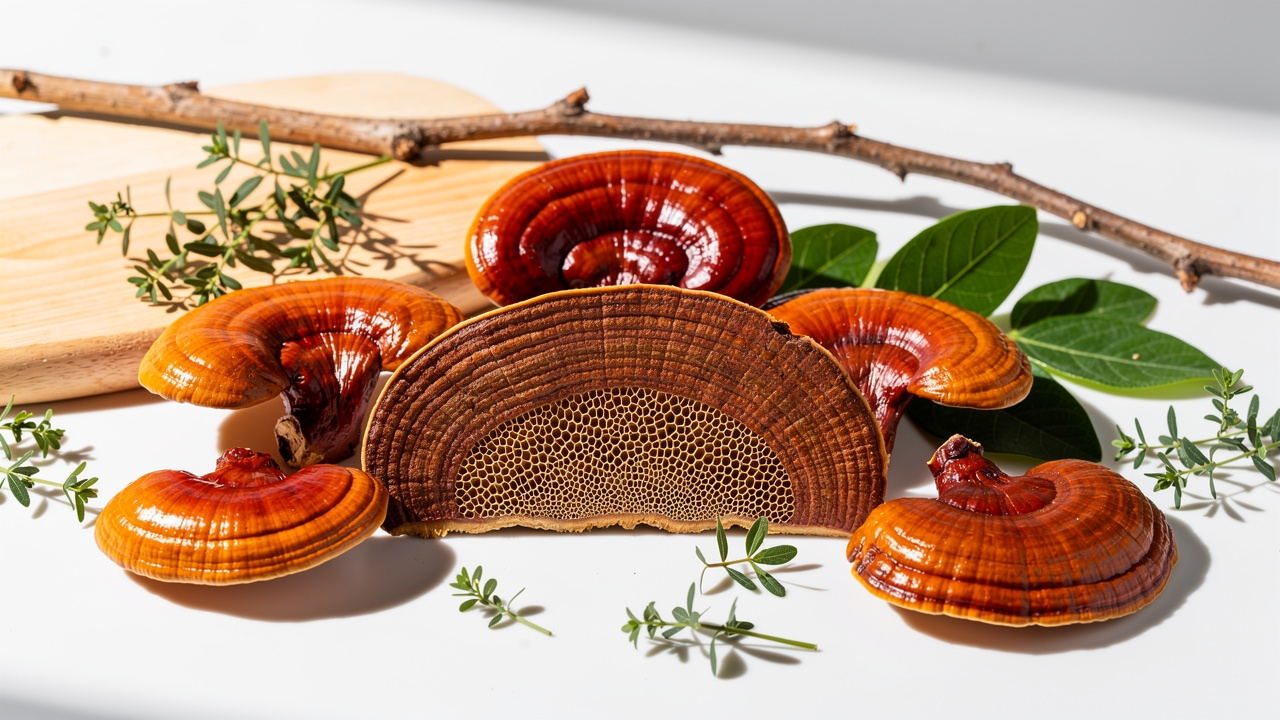
Reishi is a glossy, red-brown, fan-shaped mushroom that grows on hardwood trees. In TCM it was reserved for emperors and spiritual practitioners, earning names like “mushroom of immortality” and “queen of the mushroom kingdom.” Traditionally, it was brewed into long-simmered decoctions to calm the spirit, ease palpitations, quiet cough, and support breathing.
From a modern perspective, reishi contains a dense array of bioactive compounds that affect the nervous, endocrine, immune, and cardiovascular systems—research on mushroom marvels: understanding their role in human health has mapped many of these biological pathways in detail. While early use centered on infections and lung health, its calming effects soon made it a go-to remedy for insomnia and anxious restlessness.
Because whole reishi is tough and intensely bitter, reishi mushroom for sleep is now usually taken as a concentrated extract in:
-
Capsules
-
Powders added to drinks
-
Liquid tinctures
-
Integrated sleep formulas such as deeper sleep
This shift from raw mushroom to standardized extract makes dosing more consistent and the taste easier to manage.
How Reishi Mushroom For Sleep Works In Your Body
Reishi is not a single-compound sedative. Instead, reishi mushroom for sleep works through a network of effects on the brain, hormones, immune system, and even peripheral organs like the heart and liver.
Key Compounds Behind Reishi Mushroom For Sleep
Several groups of molecules in Ganoderma lucidum are especially relevant for sleep:
-
Triterpenes (ganoderic acids and related compounds)
These naturally calming compounds are concentrated in the fruiting body. They have mild sedative and hypnotic properties and interact with receptors linked to stress, mood, and arousal. Triterpenes are a major reason reishi is used to quiet a restless mind before bed. -
Polysaccharides (including beta-glucans)
These large sugar molecules are best known for immune support, with evaluation of bioactive compounds in medicinal mushrooms confirming their role in modulating immune activity and inflammatory responses. By modulating immune activity and inflammation—both tightly linked with sleep quality—they help set the stage for deeper, more continuous rest. -
Sterols (notably beta-sitosterol)
Beta-sitosterol can cross the blood–brain barrier and interact with many targets related to mood, stress, and sleep regulation. Systems biology research suggests it may play a central role in the broad, stabilizing effect of reishi mushroom for sleep. -
Adenosine
Adenosine is a signal molecule your body naturally builds up during the day to increase “sleep pressure.” Reishi contains adenosine and influences adenosine-related pathways, which may support the natural urge to fall asleep at night.
Together, these compounds act on both the central nervous system (brain and spinal cord) and peripheral organs (heart, thyroid, liver), helping align internal rhythms that support calm, consistent sleep.
Nervous System And GABA Support
A key piece of the puzzle is the GABA system. GABA (gamma-aminobutyric acid) is the brain’s main inhibitory neurotransmitter—its “brake pedal.” When GABA activity is strong, neural firing slows, muscles relax, and the mind becomes quieter.
Animal studies show that extracts of Ganoderma lucidum can increase GABAergic activity and prolong drug-induced sleep, suggesting that reishi mushroom for sleep:
-
Helps reduce the time it takes to fall asleep (shorter sleep latency)
-
Supports a smoother transition from wakefulness to light sleep
-
Promotes deeper non-REM stages, where physical repair and memory consolidation occur
Instead of forcing unconsciousness the way many sedative drugs do, reishi appears to encourage the brain to shift into its own sleep mode more smoothly.
Stress, Cortisol, And Adaptogenic Effects
For many people, the main barrier to sleep is not lack of tiredness but a stress system stuck “on.” Reishi is classified as an adaptogen—a substance that helps the body respond more evenly to physical, emotional, and environmental stressors.
Herbalist David Winston describes adaptogens as herbs that “help the body adapt to stress and maintain homeostasis without being overstimulating or strongly sedating.”
Research suggests reishi mushroom for sleep may:
-
Influence the hypothalamic-pituitary-adrenal (HPA) axis, which governs cortisol release
-
Help steady cortisol patterns, especially the tendency for stress hormones to remain high in the evening
-
Support the parasympathetic nervous system (“rest and digest”) by easing muscle tension and slowing heart rate
By dialing down chronic overactivation of the stress response, reishi makes it easier for the body to move from alertness into a state where sleep feels natural rather than forced.
What Studies Say About Reishi Mushroom For Sleep
The research base is still developing, but findings from animal experiments and early human trials are promising for reishi mushroom for sleep.
Effects On Sleep Latency, Duration, And Sleep Quality
Across multiple studies:
-
Faster sleep onset
Rodent models show reishi extracts significantly reduce the time it takes to fall asleep, especially under stress. This lines up with user reports that they “drift off more smoothly” after consistent use. -
Longer total sleep time
Reishi has been shown to extend the duration of sleep without the strong hangover effect associated with many pharmaceutical sedatives. -
Better subjective sleep quality
Small randomized trials in humans suggest improved sleep satisfaction and fewer awakenings after several weeks of supplementation, with fewer adverse effects and less dependence than standard hypnotic drugs—though related research on Lion's Mane Mushroom cognitive effects notes that mushroom-based interventions generally require consistent use over weeks to months for meaningful benefits.
For people considering reishi mushroom for sleep, this translates into a realistic expectation: gentler, deeper, more continuous sleep, rather than sedation that simply “knocks you out.”
Mood, Fatigue, And Daytime Function
Insomnia rarely appears alone. It often travels with low mood, anxiety, and daytime exhaustion. Studies on reishi in general wellness populations report:
-
Reduced feelings of fatigue
-
Improvements in measures of anxiety and low mood
-
Better perceived quality of life
Because mood, energy, and sleep influence one another, these daytime benefits may be one way reishi mushroom for sleep exerts its effect—by easing the very stressors that keep you awake at night.
Reishi also interacts with immune and inflammatory pathways, including cytokines such as TNF (tumor necrosis factor), which are involved in both sleep regulation and chronic inflammation. Calmer immune signaling often goes hand-in-hand with more stable, restorative sleep.
Broader Health Benefits That Support Restful Sleep
Sleep is both a cause and an effect of overall health. Many of reishi’s “extra” benefits indirectly support better nights, making reishi mushroom for sleep appealing as a whole-body ally rather than a single-symptom fix.
Key areas include:
-
Immune system support
Beta-glucans in reishi help activate and coordinate immune cells such as Natural Killer (NK) cells. A more resilient immune system means fewer infections and inflammatory flares that can disrupt sleep. -
Anti-inflammatory effects
By modulating TNF and other inflammatory pathways, reishi may help reduce chronic, low-grade inflammation associated with joint pain, headaches, and metabolic stress—all frequent reasons people wake during the night. -
Cardiovascular and metabolic health
Early research links reishi extracts with improvements in blood pressure, cholesterol, and blood sugar control. Since hypertension, diabetes, and cardiovascular disease are strongly tied to insomnia, these changes matter for long-term sleep stability. -
Respiratory and liver support
Traditional use of reishi for asthma and bronchitis, along with modern data on liver support, suggests additional ways it may ease breathing and metabolism at night, both important for deeper rest.
In other words, when you use reishi mushroom for sleep, you are also influencing several systems that feed into your ability to rest over months and quality sleep and longevity, not just tonight.
How To Use Reishi Mushroom For Sleep In Daily Life
The way you take reishi can shape how well it works for you. The goal is to weave reishi mushroom for sleep into your day in a way that feels natural and sustainable.
Choosing A Form: Capsules, Powders, And Extracts
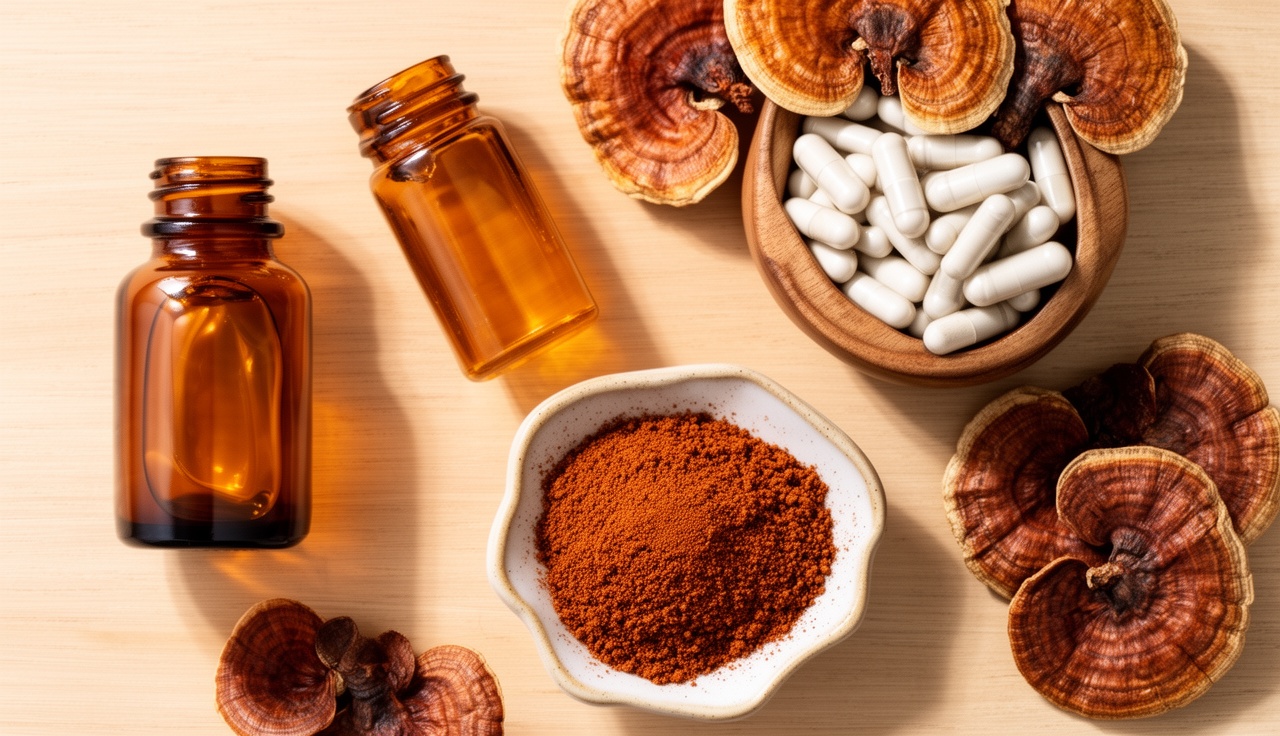
You will most often see reishi sold as:
-
Capsules – Convenient for busy schedules and consistent dosing. A good option if you dislike the mushroom’s bitterness.
-
Powders – Can be stirred into smoothies, warm milk, or evening teas. Useful if you enjoy creating your own blends.
-
Liquid tinctures/extracts – Highly concentrated drops taken under the tongue or in a small amount of water. They absorb quickly and are easy to adjust.
-
Traditional decoctions – Dried slices simmered for an extended time. Time-intensive but still used by some who prefer classic TCM methods.
Formulas such as deeper sleep deliver standardized reishi extract alongside other calming ingredients, offering a structured way to take reishi mushroom for sleep without designing your own stack.
To compare options at a glance:
|
Form |
Main Strengths |
Considerations |
|---|---|---|
|
Capsules |
Precise dosing, portable, neutral taste |
Less flexible if you want split doses |
|
Powders |
Easy to mix into drinks or recipes |
Bitter flavor if not well blended |
|
Liquid Extracts |
Fast absorption, simple to adjust drop by drop |
Alcohol base may not suit everyone |
|
Traditional Decoction |
Aligns with classic TCM practice, ritualized use |
Requires time and planning each evening |
Building A Morning, Afternoon, And Evening Routine

Reishi can be used at different times of day depending on your goals.
Morning: Grounding The Day
Some people take a small dose in the morning to support stress resilience:
-
Add powder to a smoothie or oat bowl
-
Take a capsule with breakfast on workdays when stress runs high
This steady daytime calm can set up reishi mushroom for sleep to work better at night, because the nervous system never climbs as high into overdrive.
Afternoon: Smoothing The Transition Out Of Work Mode
An afternoon dose, especially in a warm drink, can mark a gentle shift away from work intensity:
-
Stir reishi powder into non-caffeinated mushroom coffee or tea
-
Use a tincture in warm water as a mid-afternoon “exhale”
This can help prevent the common pattern of feeling wired at bedtime, even when you are tired.
Evening: Preparing For Deeper Sleep
Evening is when most people focus reishi mushroom for sleep:
-
Take your chosen form about 60–90 minutes before bed
-
Pair it with a simple ritual: dim lights, slow breathing, light stretching, or reading
If you are using a formula like deeper sleep, this pre-bed window is typically the best timing. Consistency is more important than perfection; many people notice meaningful changes after 1–3 weeks of nightly use.
Combining Reishi Mushroom For Sleep With Glycine
Reishi often pairs well with glycine, an amino acid that:
-
Supports relaxation of the nervous system
-
Helps lower core body temperature slightly, a normal part of falling asleep
-
May increase deep, slow-wave sleep in some people
If you are curious about this combination, resources like Glycine for Sleep: A Comprehensive Guide and similar articles on glycine for sleep a comprehensive guide dig deeper into why glycine and reishi mushroom for sleep can complement each other.
Many structured sleep plans use this pairing: glycine to refine sleep architecture, reishi to soften stress and quiet mental chatter.
Short Trials And The Get To Sleep 1 Week Sample
Not everyone wants to commit to a full bottle before knowing how a supplement feels. That is where a short trial can help.
SLP1’s get to sleep formula is available, allowing you to experience reishi mushroom for sleep over several nights without a long-term commitment.
During a week-long experiment, it helps to:
-
Keep a simple sleep log: bedtime, time to fall asleep, awakenings, and how you feel in the morning
-
Hold other variables fairly steady (caffeine intake, bedtime, screen time) so you can better sense what reishi is doing
-
Notice subtle shifts: feeling calmer at night, fewer middle-of-the-night awakenings, or less grogginess on waking
Many people then decide whether to fold get to sleep into their regular toolkit or move toward a longer-term formula like deeper sleep.
Safety, Side Effects, And Who Should Avoid Reishi
“Natural” does not mean “risk-free.” For most healthy adults, reishi mushroom for sleep is well tolerated, but it is still a potent medicinal fungus.
A common principle in pharmacology is that “any substance strong enough to have an effect is strong enough to have side effects.” The same respectful mindset applies to herbs.
Possible Side Effects
Reported side effects include:
-
Dryness of the mouth, throat, or nasal passages
-
Mild dizziness or light-headedness
-
Itchy skin or rash
-
Headache
-
Stomach upset, nausea, or loose stools
-
Nosebleeds or, rarely, bloody stools
Very high doses taken over long periods have been linked to rare cases of liver stress. If you choose reishi mushroom for sleep, it is wise to start low, increase gradually, and pay attention to how your body responds.
When To Be Especially Careful
You should speak with a healthcare professional before using reishi mushroom for sleep if you:
-
Take blood thinners (aspirin, NSAIDs, warfarin, heparin) or have a bleeding disorder
Reishi may increase bleeding risk. Most experts recommend stopping it at least two weeks before planned surgery. -
Have low blood pressure or take medication for high blood pressure
Reishi can lower blood pressure, which may become an issue if combined with these drugs. -
Take diabetes medications
Because reishi can affect blood sugar, combining it with these drugs could lead to levels that are too low. -
Live with an autoimmune condition (such as rheumatoid arthritis, lupus, or multiple sclerosis) or take immunosuppressant drugs
Reishi’s immune-stimulating actions may not be appropriate in these settings. -
Are pregnant or breastfeeding
There is not enough safety data, so most practitioners advise avoiding reishi during these periods.
Also remember that in the United States, dietary natural sleep aid are regulated differently from prescription drugs. Manufacturers do not have to prove effectiveness before their products reach the market. This makes choosing high-quality, third-party tested products especially important.
Choosing A High-Quality Reishi Mushroom For Sleep Supplement
Quality matters as much as dose. A well-made extract of reishi mushroom for sleep can feel very different from a low-grade powder.
Here are factors to look for:
-
Fruiting body vs. mycelium
The fruiting body (the visible mushroom) generally contains higher levels of triterpenes than mycelium grown on grain. Many practitioners prefer fruiting-body extracts for sleep support. -
Extraction method
Look for hot-water or dual (water plus alcohol) extracts. This approach pulls out both polysaccharides and triterpenes. Products often list an extraction ratio (for example, 10:1) and standardize to certain percentages. -
Standardization and transparency
Clear labeling of polysaccharide and triterpene content, along with serving size and suggested use, helps you understand what you are taking. -
Source and purity
Organically grown mushrooms from clean environments, with testing for heavy metals, pesticides, and microbial contamination, are important for long-term use.
Formulas such as deeper sleep are designed with these elements in mind, pairing quality reishi mushroom for sleep with other ingredients that sleep enhancing powers and deep, continuous rest. If you struggle more with falling asleep than staying asleep, a faster-acting blend like get to sleep may be a better fit for the start of the night.
Because there is no single officially established dose, most products provide guidance in the range that corresponds to roughly 1–3 grams of dried reishi mushroom equivalent per day. Begin with the lower end of the suggested amount and adjust with your practitioner’s input.
Reishi Mushroom For Sleep In Real-World Protocols
In practice, reishi mushroom for sleep works best as one part of a thoughtful plan rather than a stand-alone fix.
Structured Support For Parents And Busy Professionals
Exhausted parents and high-responsibility professionals often carry stress into the night, even when the workday is technically over. Programs such as Reclaim Your Sleep: The SLP1 Protocol for Moms to Win Their Sleep Back weave reishi into a broader framework that includes:
-
Consistent bed and wake times
-
Light exposure patterns that support circadian rhythm
-
Screen and stimulant boundaries
-
Gentle breathing, movement, or mindfulness practices
Within this kind of structure, reishi becomes a steady, nightly signal to the body that it is safe to let go. Many mothers following reclaim your sleep the slp1 protocol for moms to win their sleep back use reishi to soften the sharp edges of postnatal stress and interrupted sleep, especially when combined with other science backed benefits.
How Practitioners Approach Reishi Mushroom For Sleep
Integrative physicians, naturopathic doctors, and sleep-focused psychologists often:
-
Start with sleep hygiene, light exposure, and stress management
-
Add reishi mushroom for sleep in low to moderate doses for several weeks
-
Combine reishi with nutrients such as magnesium or glycine when appropriate
-
Adjust based on response, side effects, and interactions with medications
Many recommend resources such as Glycine for Sleep: A Comprehensive Guide to help patients understand how amino acids and mushrooms can be layered thoughtfully rather than used at random.
The overall pattern is consistent: respect for reishi’s depth of action, paired with a recognition that it works best when your daily life is nudged into alignment with your biology.
Bringing Reishi Mushroom For Sleep Into Perspective
Reishi has moved from the teacups of emperors to the cabinets of modern professionals for a reason. When approached with respect and patience, reishi mushroom for sleep can:
-
Help you fall asleep more easily
-
Reduce nighttime awakenings
-
Support deeper, more restorative stages of sleep
-
Ease stress, mood swings, and fatigue that feed insomnia
To work with it thoughtfully:
-
Choose quality over quantity
Select a well-made extract or a trusted formula such as deeper sleep or get to sleep, rather than chasing the highest milligram number. -
Give it time
Expect to evaluate reishi mushroom for sleep over at least 1–3 weeks, not a single night. Keep simple notes on how you feel. -
Pair it with rhythm
Anchor your use of reishi to consistent bedtimes, dim lighting, and quieting rituals that tell your nervous system the day is complete. -
Stay in conversation with your clinician
Especially if you have medical conditions or take medication, let your healthcare provider know you are using reishi so you can watch for interactions together.
As an old Irish proverb puts it, “A good laugh and a long sleep are the best cures in the doctor’s book.”
science of sleep is not just an absence of wakefulness; it is a daily return to balance. Reishi offers a time-tested, scientifically supported way to support that return. For stressed, health-conscious individuals seeking a gentler alternative to pharmaceutical sedatives, reishi mushroom for sleep can be a steady ally on the path back to deep, clear, and refreshing rest.


Leave a comment
This site is protected by hCaptcha and the hCaptcha Privacy Policy and Terms of Service apply.