
Quality Sleep And Longevity: Why Your Nights Shape Your Years
Quality sleep is not just about feeling alert in the morning; it is one of the strongest predictors of how long, and how well, you live. Large population studies now show a direct relationship between sleep quality and longevity, with people who sleep well living years longer than those who do not. For health-conscious professionals, wellness enthusiasts, and biohackers, treating sleep as a core longevity practice is no longer optional—it is foundational.
If you are already paying attention to:
-
Nutrition
-
Training
-
Supplementation
then refining your sleep is one of the most effective ways to extend healthspan. Thoughtful routines, smart use of natural sleep aids, and tools like SLP1’s Deeper Sleep and Get To Sleep formulas can help you move from merely “getting by” to genuinely restorative nights that support long-term health.
“The shorter your sleep, the shorter your life.” — Matthew Walker, PhD, neuroscientist and author of Why We Sleep
What The Research Really Says About Sleep And Lifespan
Over the past decade, research has moved from “sleep is important” to highly specific, quantified links between sleep duration, sleep quality, and lifespan.
One large study of more than 172,000 adults found that people who consistently practiced several low-risk sleep behaviors lived significantly longer. Men with strong sleep habits lived about 4.7 years longer, and women lived about 2.4 years longer, compared with peers who slept poorly. Researchers estimate that roughly 8% of deaths from any cause may be attributed to inadequate or poor-quality sleep.
The same research identified a clear dose–response pattern:
-
The more healthy sleep behaviors you adopt, the lower your risk of premature death.
-
Adults who met all five healthy sleep criteria had:
-
30% lower risk of death from any cause
-
21% lower risk of death from cardiovascular disease
-
19% lower risk of death from cancer
-
40% lower risk of death from other causes, including infections and neurodegenerative disease
-
The low-risk sleep behaviors used in this research line up with what many experts recommend for longevity-focused sleep: consistent duration, minimal insomnia symptoms, no regular sleep medication use, and waking up feeling restored.
You can explore the biological underpinnings of these findings in SLP1’s overview of the science of sleep, which walks through key mechanisms like hormone balance, immune function, and neural repair. Together, this body of evidence makes it clear: improving sleep quality is one of the most powerful, modifiable levers for extending life.
How Restorative Sleep Protects Your Body And Brain
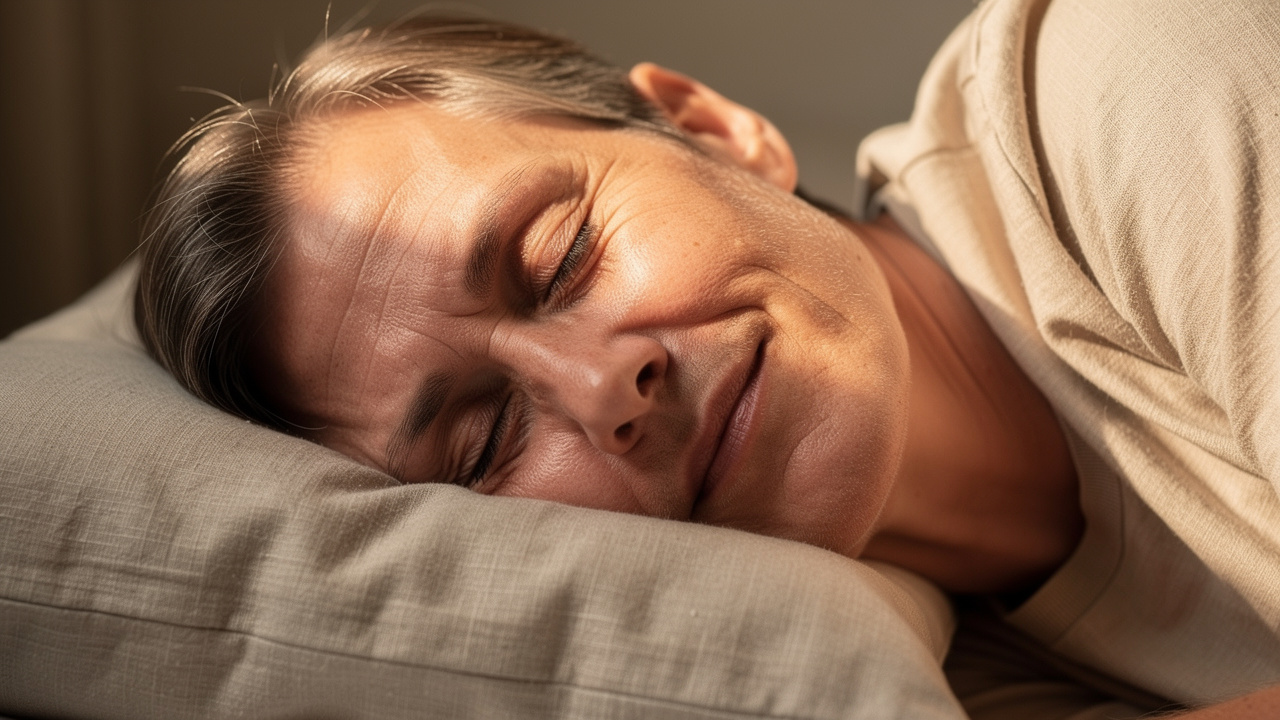
Understanding the connection between quality sleep and longevity starts with what happens while you sleep. Sleep is not passive downtime; it is an active, coordinated repair process that touches nearly every system in your body. Think of it as a nightly full-body maintenance cycle.
Physical Restoration And Metabolism
During deep non-REM sleep, the body:
-
Repairs muscles and connective tissue
-
Rebuilds energy stores in cells
-
Releases growth hormone and testosterone that support tissue maintenance and resilience
Sleep also regulates the hormones that control appetite and metabolism:
When sleep is restricted, leptin drops and ghrelin rises. In a Mayo Clinic study, healthy adults who slept only four hours ate about 350 extra calories the next day. Over time, this pattern favors the storage of visceral fat—the deep abdominal fat strongly linked to heart disease, insulin resistance, and systemic inflammation.
For active people and athletes, this means that deep sleep is as important as training and nutrition for body composition and recovery.
Brain Cleansing And Cognitive Health
The brain has its own nightly maintenance program. During certain sleep stages, the spaces between brain cells widen, allowing cerebrospinal fluid to wash away metabolic waste products, including beta-amyloid, the protein associated with Alzheimer’s disease. Researchers often refer to this as the glymphatic system.
At the same time, sleep consolidates memory:
-
Short-term experiences are sorted and stored as long-term memories
-
Neural circuits are strengthened or pruned
-
Learning and problem-solving capacity improve
Consistent, high-quality sleep appears to protect brain health over decades, delaying age-related decline and preserving mental sharpness. This is one of the clearest ways quality sleep and longevity intersect.
Hormonal And Immune Regulation
Sleep orchestrates dozens of hormones beyond melatonin:
-
Cortisol follows a daily rhythm, peaking in the morning and falling at night when sleep is healthy
-
Thyroid, sex hormones, and growth factors synchronize to your 24-hour clock
-
Immune signaling proteins (cytokines) rise and fall in ways that prepare your body to fight infection and repair damage
Disrupt this nightly coordination, and you see consequences that accumulate year after year: higher blood pressure, impaired blood sugar control, chronic low-grade inflammation, and weaker immune defenses. Over decades, this pattern helps explain why poor sleep is tightly linked with chronic disease and reduced lifespan.
When Sleep Suffers: How Health Risks Add Up
Chronic poor sleep does not just make you feel tired; it systematically raises disease risk across multiple systems. That is why the link between quality sleep and longevity is so strong in the data.
Metabolic Health And Weight Gain
Consistently short or fragmented sleep:
-
Increases hunger and cravings, especially for refined carbohydrates and high-fat foods
-
Promotes visceral fat accumulation
-
Alters lipid profiles, lowering protective HDL and raising triglycerides
Studies of adults living into their late 80s, 90s, and beyond show that many have more favorable lipid patterns—higher HDL and lower triglycerides—which may reflect years of healthier sleep architecture, especially preserved deep sleep. Protecting metabolic health is one key way that sleep extends healthspan.
Cardiovascular Strain
Sleep deprivation raises daytime and nighttime blood pressure. Notably, some research shows that even when a sleep-deprived person finally enters deep sleep, blood pressure often remains elevated, putting consistent strain on the heart and vessels.
This helps explain why people who sleep fewer than seven hours have a higher risk of:
-
Hypertension
-
Coronary artery disease
-
Heart attack
-
Stroke
In contrast, adults with the best sleep patterns are 21% less likely to die from cardiovascular disease.
For those who struggle mainly with falling asleep, targeted support from products like Get To Sleep can help shorten sleep latency and support a more consistent nightly rhythm.
Blood Sugar And Diabetes Risk
Repeated nights of short sleep reduce insulin sensitivity and impair how cells handle glucose. Over time, this can progress toward:
-
Elevated fasting blood sugar
-
Insulin resistance
-
Type 2 diabetes
Combined with weight gain around the abdomen, this creates a metabolic environment that accelerates biological aging.
Brain Aging And Neurodegenerative Disease
When the brain cannot complete its nightly cleansing and memory consolidation cycles, waste products accumulate and neural networks degrade more quickly. Sleep disorders such as sleep apnea—which repeatedly interrupt breathing and sleep—are associated with:
-
Accelerated cognitive decline
-
Higher rates of dementia
-
Increased cardiovascular risk due to intermittent drops in oxygen and surges in blood pressure
These links again show how deeply quality sleep and longevity are intertwined.
Cancer And Immune Surveillance
The same large studies that tied healthy sleep to lower cardiovascular risk also found that people with high-quality sleep patterns were 19% less likely to die from cancer. While the mechanisms are still under investigation, long-term sleep loss appears to:
-
Weaken immune surveillance for abnormal cells
-
Promote a pro-inflammatory state
-
Disrupt hormone cycles that modulate cell growth and repair
Consistently supporting restorative sleep is therefore a meaningful component of long-term cancer prevention and overall disease resilience.
Deep Sleep, Circadian Rhythm, And Successful Aging
Not all sleep contributes equally to longevity. Two elements stand out in the research: slow-wave (deep) sleep and regular sleep–wake timing.
The Significance Of Slow-Wave Sleep
Stage N3, or slow-wave sleep, is the deepest, most physically restorative stage. During this phase:
-
Growth hormone peaks
-
Tissue repair accelerates
-
Neural networks stabilize and clear metabolic waste
Polysomnography studies comparing young adults, older adults (60–70), and the “oldest old” (ages 85–105) show something remarkable:
-
The oldest individuals often have less total sleep and less REM sleep
-
Yet they maintain a similar percentage of slow-wave sleep and delta-wave power as much younger adults
This preservation of deep sleep appears to be a neurophysiological marker of successful aging. Supporting slow-wave sleep is therefore central to improving sleep quality and longevity. Formulas such as Deeper Sleep are designed with this stage in mind, focusing on ingredients that help you spend more time in truly restorative sleep.
You can explore more of the underlying mechanisms on SLP1’s science page, which outlines how different sleep stages contribute to cellular and cognitive health.
“You’re not healthy unless your sleep is healthy.” — William C. Dement, MD, pioneer in sleep medicine
The Power Of Consistent Sleep–Wake Timing
Long-lived adults tend to have another common pattern: very regular sleep schedules. Actigraphy data show that they:
-
Go to bed at nearly the same time every night
-
Wake at nearly the same time every morning
-
Often maintain consistent nap timing as well
This stability anchors the circadian rhythm, coordinating hormone release, body temperature, digestion, and cell repair. In practice, it means:
-
Falling asleep more easily
-
Fewer nighttime awakenings
-
More predictable energy and focus during the day
Regularity can be just as important as duration when it comes to quality sleep and longevity.
How Sleep Needs Change Across The Lifespan
It is a misconception that older adults need far less sleep. In reality, most adults at every age require at least seven hours to wake feeling restored. What changes is the architecture of sleep and the ability to sustain deep stages.
A quick overview:
|
Life Stage |
Typical Nightly Need |
Common Pattern Or Challenge |
|---|---|---|
|
Children And Adolescents |
8–10+ hours |
Rapid growth, later natural bedtimes in the teen years |
|
Young And Midlife Adults |
7–9 hours |
Work stress, parenting, and screens often cut sleep short |
|
Older Adults |
~7 hours |
Earlier bed and wake times, lighter and more fragmented sleep |
In more detail:
-
Children and adolescents need more sleep overall as their brains and bodies grow. Teens often experience a delayed melatonin release, making them naturally inclined to fall asleep and wake later.
-
Young and midlife adults typically function best with 7–9 hours. Work stress, parenting, and technology overuse often cut into this need, leading to chronic deficits.
-
Older adults may fall asleep earlier and wake earlier (a “phase advance”) due to circadian changes and lower melatonin production. Sleep may become lighter and more fragmented, but the need for around seven hours of restorative time remains.
A small fraction of people are “natural short sleepers” who feel fully rested with about five hours, without daytime sleepiness. This is rare. If you rely on an alarm most mornings, or you feel drowsy during the day, you almost certainly need more—or better—sleep.
For parents, especially new mothers, fragmented sleep is nearly unavoidable. Structured plans like The SLP1 Protocol For Moms are designed to help reestablish stable routines and reclaim restorative sleep once family schedules allow.
The Five Pillars Of Longevity-Promoting Sleep
Research has identified five practical, measurable behaviors that link quality sleep and longevity. Together, they form a checklist you can use to gauge your current sleep health:
-
Duration: You regularly sleep 7–8 hours per night.
-
Ease Of Falling Asleep: You struggle to fall asleep no more than twice per week.
-
Ability To Stay Asleep: You wake up and have trouble returning to sleep no more than twice per week.
-
No Dependence On Sleep Medication: You do not rely on prescription or over-the-counter sleep aids to initiate or maintain sleep.
-
Feeling Rested: You wake up feeling well-rested at least five days per week.
Adults who meet all five criteria have substantially lower risk of death from any cause compared with those who meet zero or one. If you fall short on several of these, it is a clear signal to re-evaluate your routines and supports. In some cases, adding a dedicated formula such as Deeper Sleep for deeper stages or Get To Sleep for sleep onset can help you move closer to this low-risk profile as you refine your habits.
Strategies To Improve Sleep Quality For A Longer Life
Improving sleep is often more straightforward than people expect. Small, consistent changes can meaningfully strengthen the relationship between quality sleep and longevity.
1. Stabilize Your Schedule
-
Go to bed and wake up at the same time every day, including weekends.
-
Avoid large shifts in either direction; even a one- to two-hour difference can throw off your internal clock.
This is one of the most effective ways to consolidate deep sleep and align your circadian rhythm.
2. Create A Wind-Down Routine
In the 60–90 minutes before bed, follow a predictable, calming sequence:
-
Dim household lights
-
Stop work and intense problem-solving
-
Read a physical book, stretch gently, or practice light breathing exercises
-
Keep screens out of the bedroom whenever possible
Your brain learns to associate this routine with sleep, making it much easier to drift off. Even a short, consistent ritual can signal that the day is over and recovery has begun.
3. Optimize Your Sleep Environment
Your bedroom should support, not fight, restorative sleep:
-
Dark: Block outside light with blackout curtains or an eye mask. Even dim LEDs can suppress melatonin.
-
Cool: Most people sleep best around 60–67°F (15–19°C).
-
Quiet: Use earplugs or a white-noise machine if external noise is an issue.
-
Comfortable: Invest in a mattress and pillows that support your preferred sleep position.
You can read more about how these variables interact with circadian biology on SLP1’s science page, which discusses the physiology behind temperature, light, and melatonin.
4. Move, Eat, And Drink In Ways That Support Sleep

Daily choices strongly influence both sleep quality and longevity:
-
Exercise: Aim for regular, moderate aerobic activity such as brisk walking or cycling. Morning or afternoon sessions tend to support nighttime sleep best.
-
Caffeine: Stop caffeine intake at least 6–8 hours before bedtime; some people need even more of a buffer.
-
Alcohol: Avoid drinking close to bedtime. Alcohol may shorten sleep latency but fragments deep and REM sleep later in the night.
-
Meals: Keep late-night meals lighter and lower in sugar and refined carbohydrates to reduce reflux and blood sugar swings.
-
Daylight: Spend time outside in natural light during the morning or early afternoon to reinforce your circadian rhythm.
5. Address Stress, Hormones, And Medical Issues
If you do “everything right” and still struggle, underlying factors may be at play:
-
Chronic stress and elevated cortisol can make it hard to fall or stay asleep.
-
Hormonal transitions (perimenopause, andropause, thyroid shifts) can disrupt temperature regulation and sleep depth.
-
Conditions such as sleep apnea, restless legs syndrome, prostate enlargement, and chronic pain often fragment sleep.
-
Some medications (stimulants, certain antidepressants, diuretics) interfere with normal sleep cycles.
A medical evaluation can uncover treatable contributors. In parallel, mind–body practices, therapy, and structured routines can reduce stress-related arousal at night.
“Sleep is the golden chain that ties health and our bodies together.” — Thomas Dekker
Natural Sleep Support: Glycine, Reishi, And Melatonin Spray

For many high-performing adults, foundational habits get you part of the way, but you still want targeted support that is clean, transparent, and science-based. This is where thoughtfully designed supplements and advanced delivery systems can complement your routine.
Glycine For Deeper, Cooler Sleep
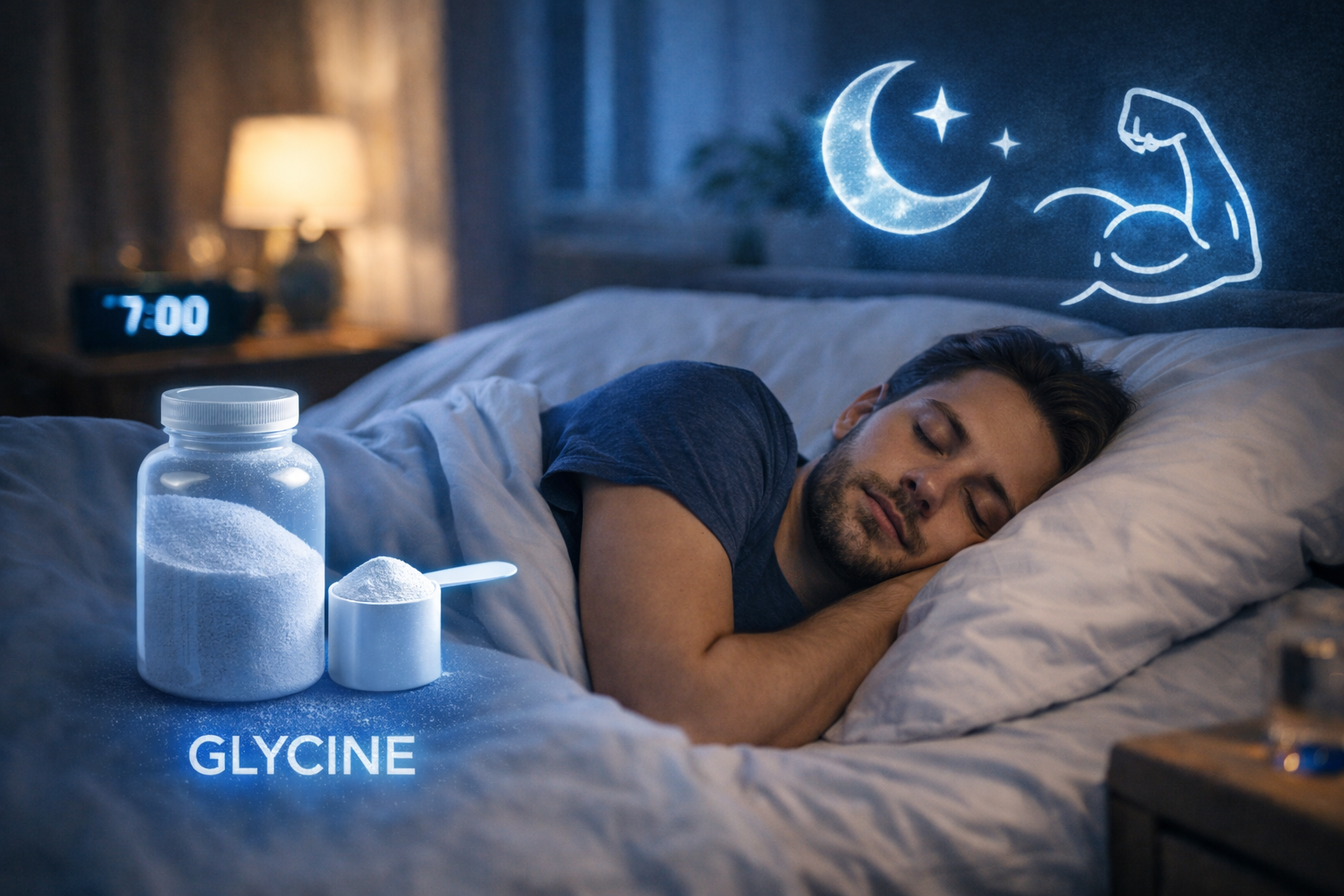
Glycine is a naturally occurring amino acid that has been studied for its sleep-supportive effects. Research suggests that taking glycine before bed can:
-
Slightly lower core body temperature, a key trigger for sleep onset
-
Promote a sense of calm without sedation
-
Improve subjective sleep quality and next-day performance
SLP1 explores these findings in detail in Glycine For Sleep, including ideal timing and dosing strategies. Formulas such as Deeper Sleep incorporate glycine alongside other synergistic ingredients to support slow-wave sleep and nighttime recovery.
Reishi Mushroom For Stress Modulation And Sleep Cycles
Reishi (Ganoderma lucidum) is an adaptogenic mushroom traditionally used to support stress resilience and rest. Early research and longstanding clinical experience suggest that reishi may:
-
Reduce feelings of tension and overarousal
-
Support more stable sleep cycles
-
Improve subjective sleep satisfaction over time
You can learn more about how reishi interacts with stress hormones and sleep architecture in SLP1’s Reishi Mushroom Sleep Guide. Products like Deeper Sleep draw on this evidence, combining reishi with other non-sedating botanicals for a calm, restorative night.
Melatonin Nasal Spray For Precise Circadian Support
Melatonin is the hormone that signals “biological night” to your brain. While oral melatonin is widely used, nasal delivery has attracted attention among biohackers and clinicians because it:
-
Absorbs rapidly through the nasal mucosa
-
May achieve more predictable blood levels at lower doses
-
Can be timed precisely to adjust circadian phase in shift work or jet lag
SLP1’s Comprehensive Guide reviews the emerging science, ideal use cases, and safety considerations so you can make informed decisions. For individuals who fall asleep too late due to circadian delay, pairing a melatonin nasal spray with a behavior-focused product like Get To Sleep and a consistent schedule can be especially effective.
When To Suspect A Sleep Disorder
Sometimes, difficulty sleeping is more than a lifestyle issue. Recognizing warning signs early can protect both sleep quality and longevity. Consider a professional evaluation if you experience:
-
Persistent Daytime Fatigue
-
You feel exhausted despite spending seven or more hours in bed most nights.
-
-
Loud Snoring, Gasping, Or Pauses In Breathing
-
A bed partner notices choking sounds or breathing pauses, which may signal sleep apnea.
-
-
Trouble Falling Asleep Or Staying Asleep For Months
-
You lie awake for long periods, or you wake multiple times and cannot return to sleep, suggesting chronic insomnia.
-
-
Morning Headaches Or Brain Fog
-
You wake unrefreshed with headaches, poor concentration, or memory issues.
-
-
Marked Mood Changes
-
Irritability, anxiety, or low mood worsen when your sleep is disrupted.
-
Conditions such as insomnia and sleep apnea respond best to targeted therapies—ranging from Cognitive Behavioral Therapy for Insomnia (CBT-I) to positive airway pressure devices and, in some cases, medications. If thoughtful routines and supportive tools like Deeper Sleep and Get To Sleep do not improve your nights, it is worth involving a sleep specialist. Early treatment can meaningfully improve long-term health outcomes.
Bringing It All Together: Making Sleep A Core Longevity Practice
The evidence is clear: quality sleep and longevity are inseparable. Consistent, restorative sleep:
-
Lowers your risk of cardiovascular disease, diabetes, cancer, and dementia
-
Supports favorable body composition and metabolic health
-
Preserves cognitive function and emotional balance
-
Supports immune resilience and cellular repair
In practical terms, that means more healthy years with the energy, focus, and resilience to do what matters most to you.
By combining:
-
A regular sleep–wake schedule
-
A calm, dark, cool sleep environment
-
Thoughtful choices around movement, meals, caffeine, alcohol, and technology
-
Strategic use of natural support such as glycine, reishi, and melatonin spray
-
Structured frameworks like The SLP1 Protocol For Moms To Win Their Sleep Back
-
Targeted formulations such as Deeper Sleep and Get To Sleep
you can shift sleep from an afterthought to a deliberate longevity tool.
For a deeper dive into the mechanisms behind these strategies and how they relate to long-term health, explore SLP1’s overview of the science of sleep and the related guides on Glycine For Sleep: A Comprehensive Guide.
Prioritizing high-quality sleep, night after night, is one of the most reliable ways to extend both lifespan and healthspan—letting you invest in your future by the way you rest today.


Leave a comment
This site is protected by hCaptcha and the hCaptcha Privacy Policy and Terms of Service apply.