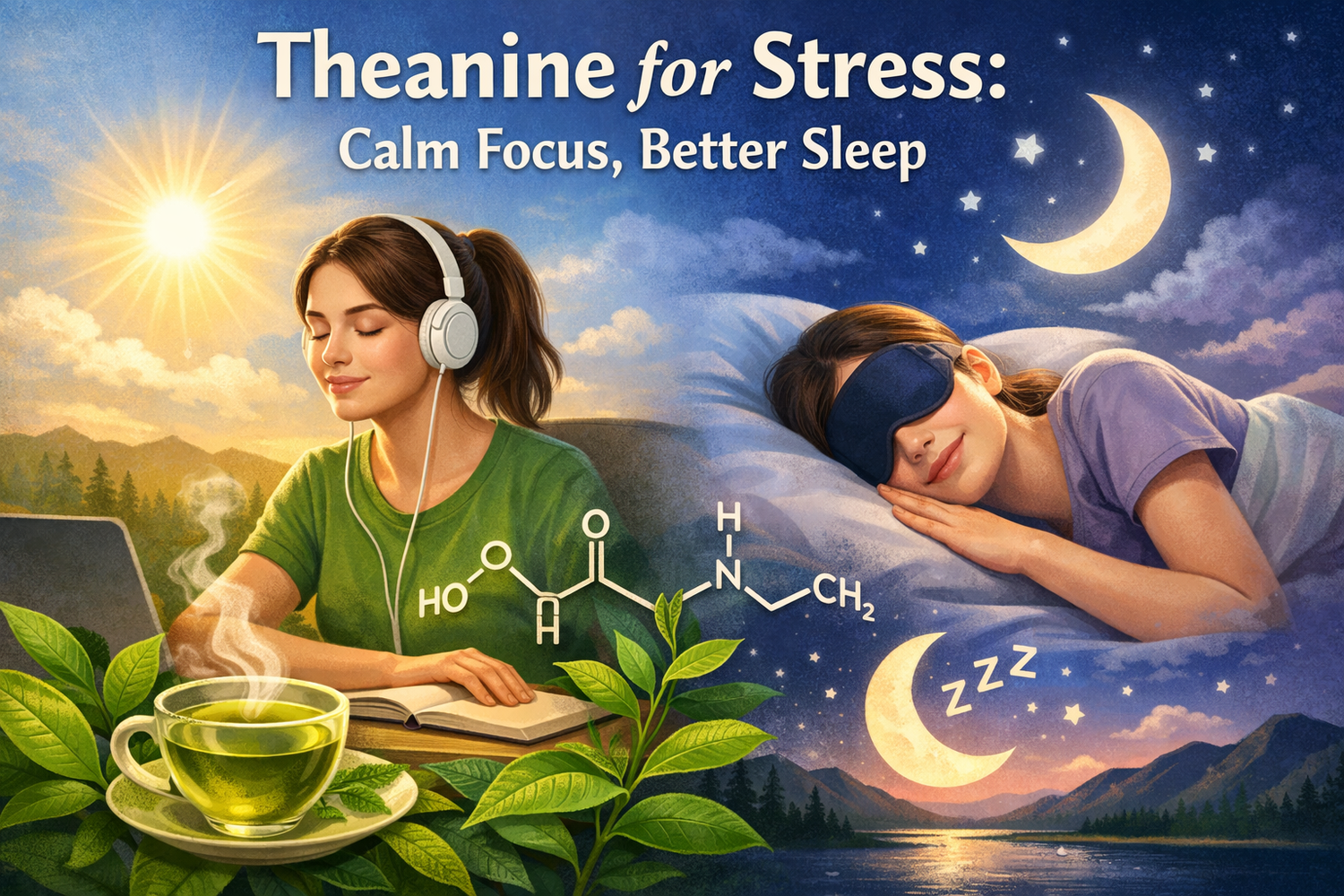
Your Mind’s Tranquility: Exploring The Calming Power Of Theanine For Stress
Stress pulls the mind in a dozen directions at once: deadlines, glowing screens, constant notifications, and the quiet worry that sleep will be short again tonight. Many people reach for coffee to keep going during the day, then turn to sleep aids to switch off at night.
Somewhere between those two extremes sits a gentler option: theanine for stress.
L-theanine, an amino acid most people know through green tea, has earned attention for its calm, steadying influence on the mind. Unlike sedatives, it doesn’t knock you out. Unlike stimulants, it doesn’t wind you up. It encourages a quieter, clearer state in which thoughts feel more orderly and the nervous system can rest.
“The greatest weapon against stress is our ability to choose one thought over another.” — William James
This article explores the science behind theanine for stress, how it affects sleep and focus, what research tells us, and how to use it thoughtfully as part of a broader approach to mental calm.
What Is L-Theanine?
L-theanine (often just called theanine) is a unique functional amino acid naturally found in:
-
Tea leaves from Camellia sinensis (green, black, oolong, and especially matcha)
-
A few species of mushrooms
This compound has been extensively studied for its multiple health benefits and food applications across various research domains.
Chemically, it resembles glutamic acid, a key brain messenger. Because of this resemblance, theanine can cross the blood–brain barrier and interact directly with brain cells.
Although it isn’t one of the amino acids your body needs to survive, it has clear effects on:
-
Mental calm
-
Stress response
-
Focus and cognitive performance
-
Sleep quality
You can get modest amounts of theanine for stress simply by drinking tea. A typical cup of green tea provides roughly 8–30 mg of L-theanine, depending on the variety and brewing method. Supplements, on the other hand, usually provide 100–200 mg per capsule, allowing you to reach the doses studied in clinical research without drinking multiple cups of tea in a row.
How Theanine For Stress Works In The Brain
The calming effects of theanine for stress begin with its ability to enter the brain and gently adjust the balance between excitation and relaxation.
Balancing Excitatory And Calming Signals
Glutamate is the brain’s main excitatory neurotransmitter. It helps with learning, memory, and alertness—but too much activity can feel like mental overdrive.
Because L-theanine looks structurally similar to glutamate, it can:
-
Interact with glutamate receptors (including NMDA receptors)
-
Influence how strongly glutamate excites brain cells
-
Help reduce the “over-firing” that contributes to anxiety and tension
At the same time, L-theanine supports GABA, the brain’s primary calming neurotransmitter. Higher GABA activity is associated with quieter, steadier brain activity and a more relaxed bodily state.
Supporting Mood Messengers: Dopamine And Serotonin
Research suggests that L-theanine can increase levels of:
-
Dopamine – involved in motivation, reward, and drive
-
Serotonin – deeply connected to mood, contentment, and emotional balance
Multiple studies, including research showing that L-Theanine can relieve depression and anxiety, have documented these neurochemical effects across various populations.
By gently raising these mood-related chemicals, theanine for stress may:
-
Lighten emotional heaviness
-
Ease feelings of restlessness and unease
-
Support a more even, balanced mood through the day
Encouraging Alpha Brain Waves
Electroencephalogram (EEG) studies show that L-theanine increases alpha brain waves, which are most prominent when we are:
-
Awake
-
Relaxed
-
Calmly focused (as in meditation or thoughtful reading)
This state is often described as relaxed alertness—present and clear, but not tense. This is how theanine for stress can reduce anxiety and mental noise without making you groggy.
Easing The Physical Stress Response
Stress is not just emotional; it’s physiological. Studies on L-theanine have found that it can:
-
Reduce stress-induced increases in heart rate
-
Support healthier blood pressure responses during mental challenges
-
In some acute studies, reduce stress biomarkers like salivary cortisol and immunoglobulin A
Together, these brain and body effects help explain why many people feel both calmer and more centered after taking theanine for stress.
Theanine For Stress, Anxiety, And Mood
For many adults, stress shows up as:
-
A constant sense of “on-edge”
-
Tight shoulders and jaw
-
Racing thoughts before bed
-
A background hum of dread or irritability
Human clinical trials suggest that theanine for stress can soften many of these experiences.
A notable randomized, placebo-controlled, double-blind trial in 2019 followed healthy adults who took 200 mg of L-theanine daily for four weeks. Compared with placebo, those taking L-theanine showed:
-
Lower scores on standard measures of trait anxiety (their general tendency to feel anxious)
-
Improvements on a self-rated depression scale, reflecting lighter, more stable mood
-
Better self-rated sleep quality and daytime functioning (more on this below)
Other studies looking at single doses show that L-theanine can calm stress responses during acute challenges, such as performance tests or mentally demanding tasks.
For people seeking non-pharmaceutical support, theanine for stress offers:
-
A gentle lift for mood
-
A reduction in “background” worry
-
A calmer baseline from which to respond to daily pressures
It is not a replacement for therapy, medication, or professional care in cases of severe sleep and mental health, but it can be a helpful complement for many.
Theanine, Sleep, And Nighttime Calm
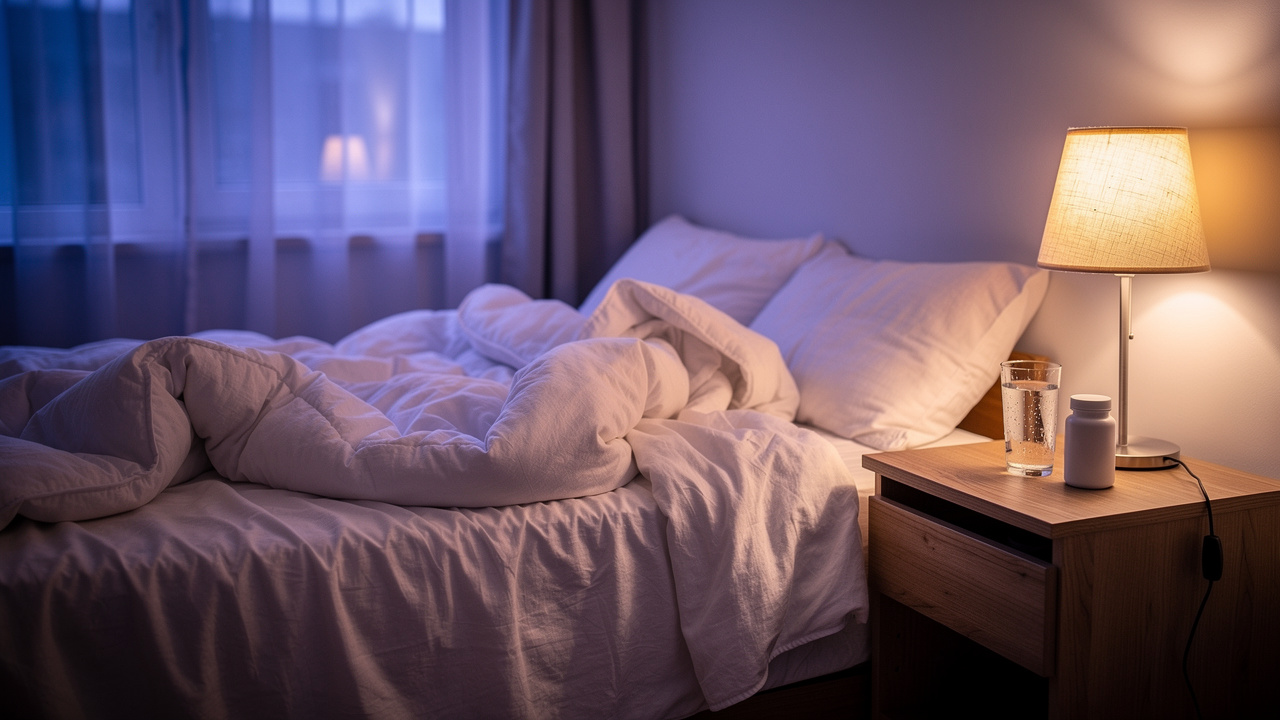
Stress and sleep feed into each other. Stress makes it harder to sleep; poor sleep makes everyday stress feel heavier.
One reason many people explore theanine for stress is the hope that a quieter mind will finally allow deeper rest.
“Sleep is the golden chain that ties health and our bodies together.” — Thomas Dekker
What The Research Shows About Sleep
In the same 2019 trial, researchers used the Pittsburgh Sleep Quality Index (PSQI) to look at how four weeks of L-theanine changed participants’ sleep. Those taking 200 mg nightly reported:
-
Falling asleep faster (reduced sleep latency)
-
Fewer awakenings and disturbances during the night
-
Less reliance on sleep medications
-
Improved daytime function, such as feeling more alert and capable
Other studies have looked at combinations of L-theanine with GABA and found increases in total sleep time and time spent in REM sleep, the stage tied to emotional processing and memory.
How Theanine For Stress Supports Better Rest
Rather than acting as a sedative, theanine for stress:
-
Reduces mental overactivity that keeps you awake
-
Promotes alpha waves that help you move from busy thinking into relaxed drowsiness
-
Helps lower the physical arousal that often accompanies worry
This makes it especially helpful for those whose insomnia is stress-driven—lying in bed mentally replaying the day or anticipating tomorrow.
For sleep support, many people take:
-
100–200 mg of L-theanine about 30–60 minutes before bed
It can be taken alongside melatonin or magnesium, but combining several calming supplements should always be discussed with a healthcare professional, especially if you already use prescription sleep aids.
Calm Focus: Cognitive Benefits Of Theanine For Stress

One of the most intriguing aspects of theanine for stress is that it doesn’t simply quiet the mind; it can also sharpen it.
In the same 2019 study that looked at stress and sleep, researchers tested cognitive function and found that L-theanine:
-
Improved verbal fluency (quickly generating words that meet specific criteria)
-
Improved executive function (planning, problem-solving, mental flexibility)
These benefits were especially noticeable in participants who started with lower baseline scores—suggesting that theanine can help you sleep better may be particularly helpful when stress has already been eroding clarity and performance.
Synergy With Caffeine: Calm, Not Jittery
Tea has long been associated with a calm, focused state. Part of that comes from the natural pairing of caffeine and L-theanine.
Research on this combination shows that:
-
Caffeine boosts alertness and reaction time
-
L-theanine smooths out the “edges” of caffeine, reducing jitteriness and racing thoughts
-
Together, they can improve focus, accuracy, and mental endurance more than either alone
For many professionals, pairing coffee or tea with theanine for stress during the day:
-
Supports concentration during long work sessions
-
Maintains more stable energy
-
Reduces the anxious, overstimulated feeling caffeine sometimes brings
If you are sensitive to caffeine or dealing with insomnia, keep stimulants earlier in the day and use theanine alone in the evening.
How To Use Theanine For Stress: Dosage, Timing, And Forms
Because theanine for stress is available in both foods and supplements, the best way to use it depends on your goals.
Tea Versus Supplements
Tea (especially green tea and matcha):
-
~8–30 mg L-theanine per cup
-
Also contains caffeine and beneficial polyphenols
-
Encourages a slow, mindful ritual that itself can ease stress
Supplements (capsules, tablets, powders):
-
Typically 100–200 mg per serving
-
Allow you to reach clinically studied doses without large volumes of tea
-
Can be caffeine-free, which is helpful for evening use
If you enjoy tea, it can form a benefits of theanine for restful sleep. Supplements allow you to use theanine for stress more precisely around challenging situations or bedtime.
Typical Dosage Ranges
Research and clinical experience suggest these ranges for adults:
-
General daily stress support:
100–200 mg once or twice daily -
Acute stress (big presentation, exam, travel):
200 mg taken 30–60 minutes beforehand -
Sleep and nighttime calm:
200 mg in the evening, about 30–60 minutes before bed
Most healthy adults can safely take 200–400 mg per day, and many guidelines recommend not exceeding 500 mg per day unless advised by a healthcare professional.
Timing Strategies For Busy Schedules
You can fit theanine for stress into your day in different ways:
-
Morning:
100–200 mg with coffee or tea to support focused calm during work -
Midday or late afternoon:
100–200 mg during peak stress hours to ease tension without drowsiness -
Evening:
200 mg on its own, away from caffeine, to help the mind and body settle before bed
Example: Dosing Overview
|
Goal |
Example Dose |
Timing |
Notes |
|---|---|---|---|
|
Steady daily stress support |
100 mg, 2× per day |
Morning and mid-afternoon |
Pairs well with tea or light snacks |
|
Big event or acute stress |
200 mg |
30–60 minutes before event |
Can be combined with a moderate dose of caffeine |
|
Better sleep quality |
200 mg |
30–60 minutes before bedtime |
Avoid caffeine at the same time |
Always read product labels carefully and talk with your healthcare provider before starting theanine for stress, especially if you’re on medication or managing chronic conditions.
Safety, Side Effects, And Precautions
L-theanine has been granted “Generally Recognized As Safe” (GRAS) status by the U.S. Food and Drug Administration when used in foods. Clinical trials using 200 mg per day for four weeks have reported no significant adverse events in healthy adults.
Still, it remains a supplement, and thoughtful use matters.
Possible Side Effects
Side effects are uncommon and usually mild, but may include:
-
Headache
-
Dizziness
-
Nausea or stomach discomfort
-
Loose stools or diarrhea
-
Irritability or jitteriness (more likely with high caffeine intake)
If you notice these symptoms after starting theanine for stress, consider:
-
Reducing your dose
-
Taking it with food
-
Reviewing your caffeine intake
-
Stopping the supplement and consulting a healthcare professional if symptoms persist
Medication Interactions And Special Populations
Because L-theanine can influence neurotransmitters and blood pressure, caution is wise if you:
-
Take medications for anxiety, depression, or other mood disorders
-
Use stimulant medications (for ADHD or narcolepsy)
-
Are on blood pressure medications
-
Have significant liver or kidney disease
In these cases, always speak with your clinician before using theanine for stress.
The research on L-theanine is limited in:
-
Pregnant individuals
-
People who are breastfeeding
-
Children and adolescents
For these groups, professional guidance is essential before considering use.
Choosing A Quality Product
Because supplements are not pre-approved by the FDA the way prescription drugs are, quality can vary widely. Look for products that:
-
Are made by reputable companies
-
Provide clear dosing information
-
Undergo third-party testing for purity and potency
-
Avoid unnecessary fillers, coloring agents, or proprietary blends that hide exact amounts
Integrating Theanine For Stress Into A Calming Routine
No single supplement, including theanine for stress, can carry the full weight of chronic exhaustion, overwork, and emotional strain. It works best when it supports, rather than replaces, foundational practices.
Consider pairing theanine for stress with:
-
Sleep discipline
-
Regular bed and wake times
-
Dimmer light in the evening
-
Minimal screens in the last hour before bed
-
-
Simple breathing practices
-
4–6 slow breaths per minute for a few minutes can shift your nervous system toward rest-and-digest mode
-
-
Movement
-
Light daily exercise: walking, yoga, stretching, or resistance training to release tension and support better sleep
-
-
Caffeine awareness
-
Keep stronger caffeine earlier in the day
-
If you love coffee but dislike jitters, pairing it with theanine for stress can bring a steadier alertness
-
-
Nourishing rituals
-
An evening cup of decaf green tea with L-theanine
-
A brief journaling practice to externalize worries
-
A few minutes of quiet reflection to close the day
-
Some people also combine theanine with nutrients such as magnesium or glycine for sleep. If you stack calming supplements, start low and increase gradually under the guidance of a practitioner to avoid excessive sedation.
Frequently Asked Questions About Theanine For Stress
Will Theanine For Stress Make Me Sleepy During The Day?
Most people experience theanine for stress as calming rather than sedating. It typically promotes a relaxed but alert feeling. At higher doses or in very sensitive individuals, some drowsiness is possible, so start with lower amounts when first trying it on workdays.
How Quickly Does Theanine For Stress Work?
When taken as a supplement, many people notice effects from theanine for stress within 20–60 minutes. For stress-related sleep problems, benefits may deepen over several weeks of consistent nightly use.
Can I Take Theanine For Stress Every Day?
Current research—including multi-week human trials—suggests that daily use of theanine for stress at common dosages (around 200–400 mg per day) is generally well-tolerated in healthy adults. Long-term data are still developing, so periodic check-ins with a healthcare professional are wise, especially if you use it continuously.
Is Theanine For Stress A Substitute For Anxiety Or Sleep Medication?
No. Theanine for stress can be a valuable adjunct, but it is not a stand-alone treatment for severe anxiety disorders, major depression, or chronic insomnia. If you are on psychiatric or sleep medication—or think you may need it—speak with a clinician before making any changes.
Is Supplement Theanine Different From Theanine In Tea?
Chemically, supplemental L-theanine and the theanine in tea are the same compound. The main differences are:
-
Dose: Supplements provide higher, precise amounts of theanine for stress
-
Context: Tea also contains caffeine and other compounds that influence how you feel
-
Ritual: The act of brewing and sipping tea can itself be calming
Many people enjoy both: tea for daily rhythm, supplements for targeted support.
Final Thoughts: A Calmer Mind, By Design
The rhythm of modern life rarely invites stillness on its own. Creating that stillness requires intention—and sometimes, support.
Used thoughtfully, theanine for stress offers one such support. By influencing neurotransmitters, brain-wave patterns, and the physical stress response, it can help restore a state where:
-
Thoughts feel more orderly than chaotic
-
The body can exhale a little more fully
-
Sleep is more restorative and less of a nightly battle
Whether you meet theanine in a warm cup of tea during a quiet pause, or in a carefully chosen supplement on your nightstand, it works best as part of a larger commitment to care for your mind and body.
If chronic stress, poor sleep, or anxiety are weighing on your life, consider discussing theanine for stress with a trusted healthcare provider. With clear guidance, you can explore whether this gentle amino acid fits into a calm, sustainable rhythm that supports both clarity and rest.


Leave a comment
This site is protected by hCaptcha and the hCaptcha Privacy Policy and Terms of Service apply.