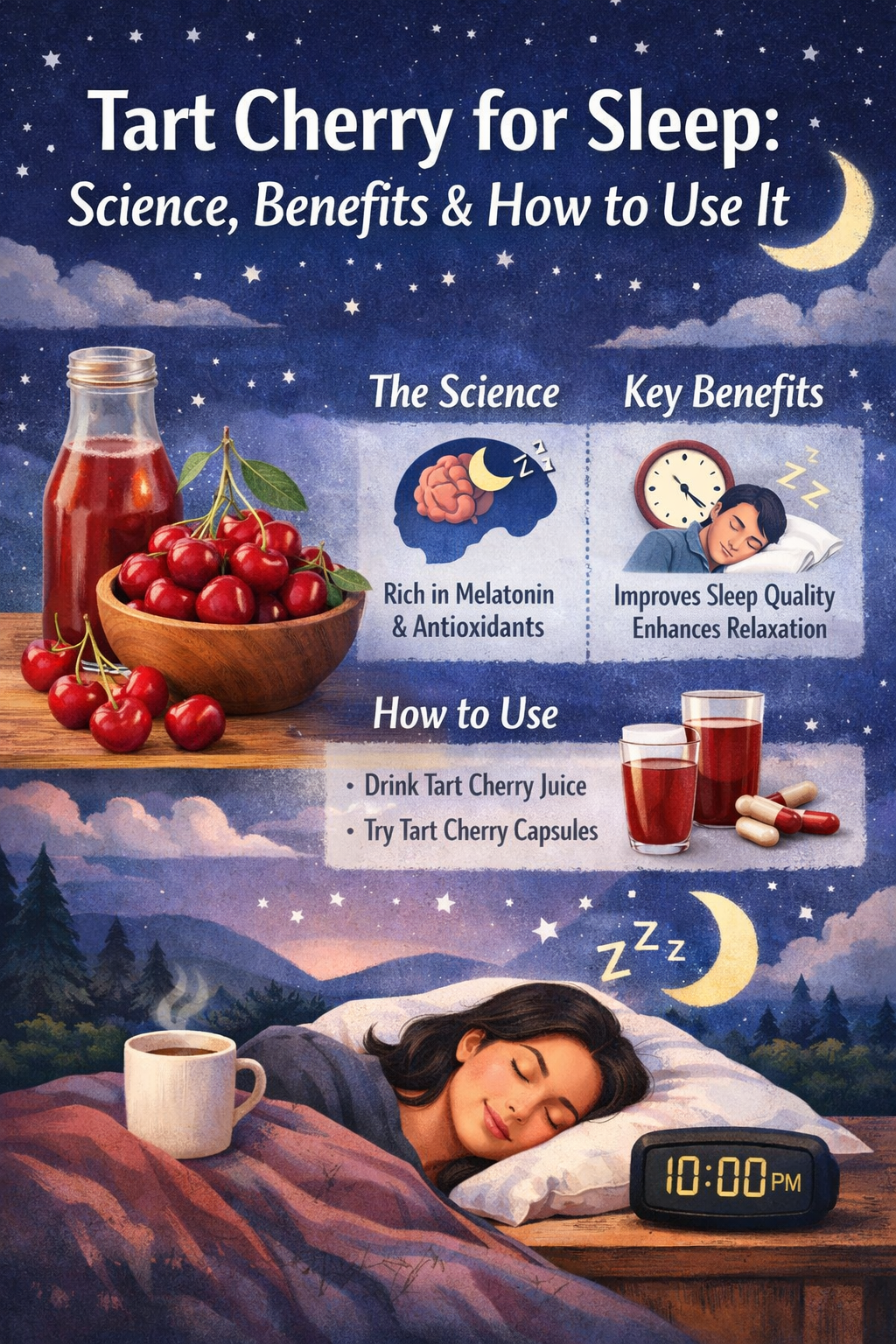
Tart Cherry For Sleep: A Calm, Science-Grounded Guide
Most of us know the feeling: you finally get into bed, but your thoughts keep circling the day behind you and the day ahead. For many health‑conscious people, prescription sleeping pills feel too heavy‑handed, yet doing nothing about poor sleep no longer feels acceptable. That tension is why interest in tart cherry for sleep has grown so quickly.
Within the SLP1 community, tart cherry shows up both as a gentle evening ritual and as a research‑backed ingredient that pairs well with broader sleep strategies like Deeper Sleep. Instead of forcing your body to shut down, tart cherry supports the hormones and signaling pathways that already know how to guide you toward rest.
This guide looks at the science behind tart cherry for sleep, what the clinical studies actually found, how to use it thoughtfully, and where it fits alongside SLP1 resources such as the science, Reclaim Your Sleep: The SLP1 Protocol for Moms to Win Their Sleep Back, Glycine for Sleep: A Comprehensive Guide, and Reishi Mushroom For Sleep Support.
“Sleep is the single most effective thing we can do to reset our brain and body health each day.” — Matthew Walker, PhD, neuroscientist and author of Why We Sleep
What Is Tart Cherry And Why It Matters For Sleep
Tart cherries, especially the Montmorency variety (Prunus cerasus), are small, sour cousins of the sweet cherries you might snack on in summer. They have a long history in traditional remedies for joint pain and recovery, but over the last decade researchers have paid special attention to tart cherry for sleep.
What sets tart cherries apart is not a single magical compound, but a cluster of molecules that speak directly to your sleep–wake system: naturally occurring melatonin, the amino acid tryptophan, and deep‑red pigments called anthocyanins. Together, they touch three levers that matter for sleep quality—circadian rhythm, mood, and inflammation.
You can think of tart cherry for sleep as a quiet nutritional signal. It does not knock you out. Instead, it gives your brain more of what it needs to generate its own melatonin while easing some of the inflammatory “noise” that keeps many stressed professionals awake at night.
How Tart Cherry For Sleep Works In Your Body
As summarized on SLP1’s the science page, the effects of tart cherry for sleep come from several overlapping pathways rather than one dramatic intervention. Understanding those pathways can make your nightly glass of tart cherry juice feel less like a superstition and more like an informed choice.
Melatonin: A Gentle Signal Of Darkness
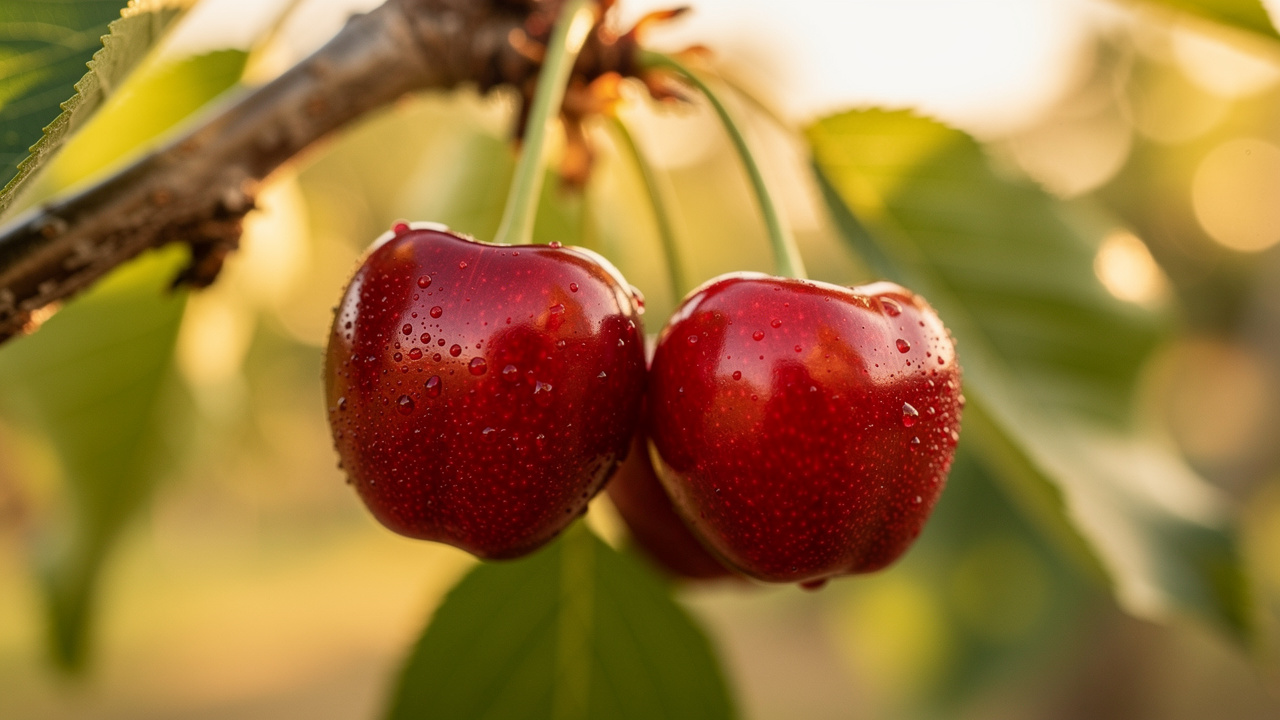
Melatonin is the hormone most closely associated with sleep. Your pineal gland releases it in response to darkness, telling every cell that night has arrived. Tart cherries contain measurable amounts of melatonin themselves—typically between 2.1 and 13.5 nanograms per gram of fruit, higher than most other commonly eaten fruits.
That dose is tiny compared with a standard melatonin supplement, which is measured in milligrams rather than nanograms. Yet studies show that drinking tart cherry juice can raise levels of 6‑sulfatoxymelatonin, the main metabolite of melatonin, in the urine. In other words, the melatonin in the juice is absorbed, circulated, and processed by the body.
Melatonin works by binding to MT1 and MT2 receptors in the brain’s “master clock,” the suprachiasmatic nucleus. MT1 is linked with the sensation of sleepiness, while MT2 helps fine‑tune circadian timing. By delivering a modest, food‑based dose of melatonin, tart cherry for sleep may feel smoother and less jarring than larger supplemental doses, especially if you are sensitive to grogginess or vivid dreams.
Tryptophan, Serotonin, And Protecting The Precursors
Tart cherries also contain tryptophan, an essential amino acid that your body uses to make serotonin and then melatonin. Every 100 grams of tart cherries provide roughly 9 milligrams of tryptophan. That may not sound dramatic, but the way tart cherries protect this amino acid appears to matter just as much as the amount they provide.
Under inflammatory stress, the enzyme indoleamine 2,3‑dioxygenase (IDO) begins breaking down tryptophan along a pathway that does not lead to serotonin or melatonin. Bioactive compounds in tart cherry juice—particularly procyanidin B‑2—have been shown to inhibit IDO. When IDO slows down, more tryptophan remains available for the serotonin–melatonin pathway that supports deeper, more continuous sleep.
For people whose insomnia sits at the intersection of mood, stress, and low‑grade inflammation, this preservation of tryptophan may be one reason tart cherry for sleep feels different from taking melatonin alone.
Anthocyanins, Inflammation, And Oxidative Stress
The rich red color of tart cherries comes from anthocyanins, a family of polyphenols with strong antioxidant and anti‑inflammatory effects. These compounds have been shown to inhibit cyclooxygenase‑2 (COX‑2), an inflammatory enzyme targeted by certain pain‑relief drugs, and to calm signaling pathways such as NF‑κB that amplify inflammatory messages throughout the body.
Poor sleep and inflammation feed each other. Fragmented sleep raises inflammatory cytokines like interleukin‑6 (IL‑6) and tumor necrosis factor (TNF), while chronic inflammation disrupts normal sleep architecture, leading to lighter, more restless nights. Clinical trials suggest that tart cherry juice can lower C‑reactive protein (CRP) and prostaglandin E2 (PGE‑2), as well as markers of oxidative stress such as malondialdehyde (MDA) and oxidized LDL.
By easing this background inflammation and oxidative stress, tart cherry for sleep does more than shorten the time it takes to fall asleep. It helps create internal conditions that favor longer stretches of restorative slow‑wave and REM sleep.
What The Research Actually Shows About Tart Cherry For Sleep
Beyond biochemistry, several small but carefully designed trials have explored how tart cherry for sleep performs in real people—older adults with insomnia, healthy volunteers, and even elite athletes.
|
Study |
Participants |
Tart Cherry Protocol |
Main Sleep Outcomes |
|---|---|---|---|
|
Howatson et al., 2012 |
20 healthy adults |
30 mL tart cherry concentrate twice daily for 7 days |
Increased total sleep time, time in bed, and sleep efficiency; higher melatonin metabolite in urine |
|
Pigeon et al., 2010 |
15 older adults with chronic insomnia |
8 oz tart cherry beverage twice daily for 2 weeks |
Reduced insomnia severity, shorter time to fall asleep, less time awake after sleep onset |
|
Losso et al., 2018 |
11 older adults with insomnia |
8 oz tart cherry juice twice daily for 2 weeks |
About 84 minutes more nightly sleep and better sleep efficiency on polysomnography |
|
Langan‑Evans et al., 2023 |
16 adults |
Nutritional blend with 220 mg tart cherry powder plus tryptophan, glycine, magnesium, L‑theanine for 3 nights |
Fell asleep ~24 minutes faster, slept ~22 minutes longer, modest rise in sleep efficiency |
|
Simper et al., 2019 |
20 adults |
Cherry extract supplement for 7 days |
Shorter sleep latency; no clear change in other sleep measures |
|
Chung et al., 2022 |
19 elite female field hockey players |
Tart cherry juice for 5 days during competition |
More total time in bed and less wake time after sleep onset; useful for recovery and sleep on heavy training days |
When you look across these studies, including comprehensive systematic reviews like The Effect of Tart cherry on sleep quality and disorders, a pattern emerges. Tart cherry for sleep does not sedate in the way a prescription drug might, but it tends to:
-
Increase total sleep time by roughly 20–80 minutes in people with insomnia
-
Improve sleep efficiency (the percentage of time in bed spent asleep)
-
Shorten sleep onset latency, especially in formulations that also include tryptophan and glycine
-
Support sleep quality during periods of intense physical or mental stress
The sample sizes in these trials are small, and the protocols differ, so tart cherry for sleep is not a guaranteed cure. But the consistent direction of change—more sleep, better continuity—makes it a reasonable experiment for many adults. You can explore more of the underlying data on SLP1’s the science page.
Tart Cherry For Sleep Versus Other Sleep Aids
When you are staring at the ceiling at 2 a.m., it is natural to ask how tart cherry for sleep compares with familiar options like melatonin tablets, prescription sleep medications, or other natural compounds such as glycine and reishi mushroom.
Here is a high‑level comparison:
-
Melatonin supplements. These provide a concentrated dose of melatonin, often 1–5 mg or more. They can be helpful for circadian rhythm issues, jet lag, or occasional insomnia, but higher doses may leave some people groggy, trigger vivid dreams, or stop working as well over time. Tart cherry for sleep offers a far smaller, food‑based melatonin signal, supported by tryptophan and polyphenols, which many find gentler.
-
Prescription sleep medications. Drugs such as benzodiazepines and “Z‑drugs” can shorten sleep latency and keep you asleep, but they often change sleep architecture, may impair next‑day cognition, and can lead to dependence. Tart cherry for sleep will never be as strong, yet its non‑habit‑forming profile makes it appealing for long‑term use or as a first step before considering medication.
-
Other natural aids (glycine, reishi mushroom, magnesium). Glycine appears to cool the body slightly and calm the nervous system, while reishi mushroom may support immune balance and stress resilience. SLP1 explores these in depth in Glycine for Sleep: A Comprehensive Guide and Reishi Mushroom For Sleep Support. Tart cherry for sleep works on different levers—melatonin, tryptophan, and inflammation—so many people use it alongside these nutrients rather than instead of them.
Tart cherry also appears in multi‑ingredient formulas, including products like Deeper Sleep, which combine it with other sleep‑supportive ingredients. For some, this “stacked” approach feels more complete than any single compound taken alone.
How To Use Tart Cherry For Sleep In Daily Life
The research gives a useful frame, but your body still deserves a personal experiment. The aim is to test tart cherry for sleep long enough, and consistently enough, that you can sense its subtle effects.
Dosage: Juice Versus Extract
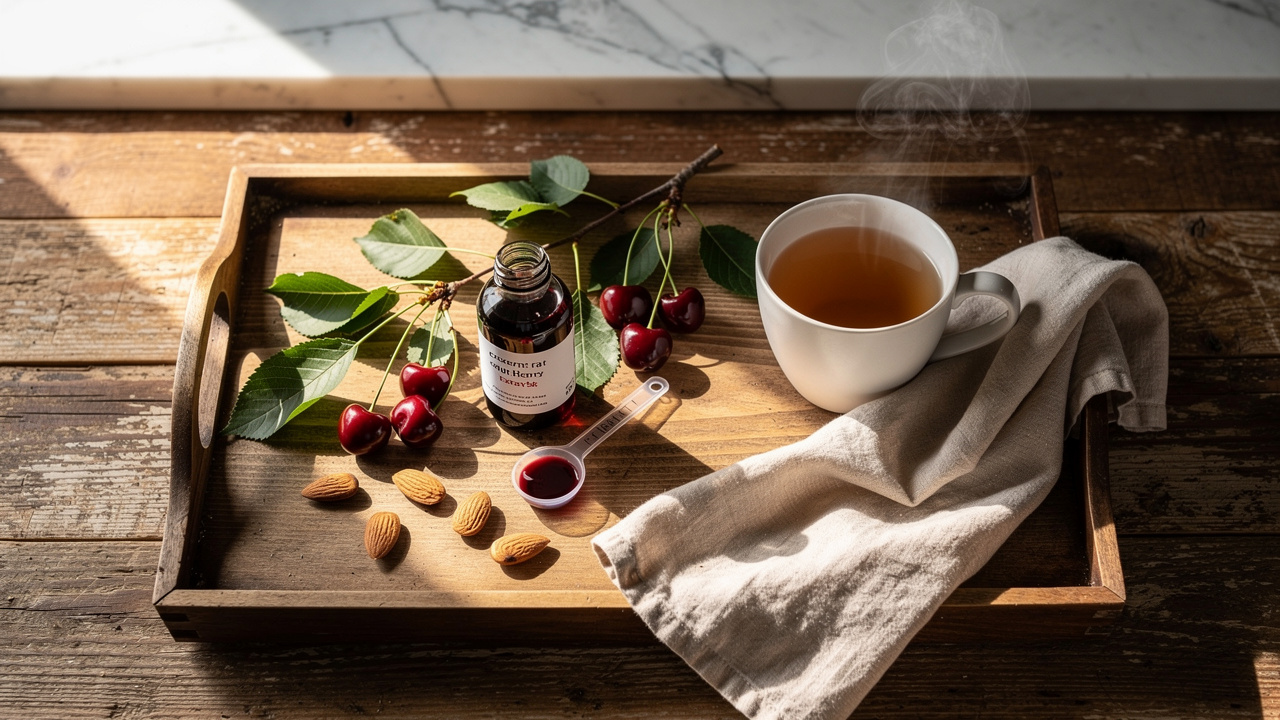
Most studies that observed benefits from tart cherry for sleep used either 100% tart cherry juice or a concentrated extract. The ranges below draw from that research and from SLP1’s review on the science of tart cherry and sleep.
|
Form |
Typical Research Dose |
Practical Starting Point |
|---|---|---|
|
100% tart cherry juice (Montmorency) |
About 16 oz (480 mL) daily, often as two 8 oz servings |
8–16 oz daily, ideally unsweetened and not blended with other juices |
|
Tart cherry juice concentrate |
30 mL (about 2 Tbsp) once or twice daily, diluted in water |
1–2 Tbsp in water or tea, once in the evening |
|
Tart cherry extract capsules or powder |
Around 480 mg extract per day |
Follow label directions; many start with 400–500 mg in the evening |
If you are sensitive to sugar or prefer fewer calories at night, capsules or powder are usually a better fit than juice. Whichever form you choose, give tart cherry for sleep at least 1–2 weeks of regular use before deciding whether it is helping.
Timing: When To Take Tart Cherry For Sleep
Many people take tart cherry about 1–2 hours before bed. This timing allows melatonin levels to rise as you move through your wind‑down routine and reduces the odds of waking to use the bathroom in the middle of the night.
Interestingly, some studies found benefits even when participants drank tart cherry juice earlier in the day. Because inflammation and tryptophan pathways respond over hours to days, consistent daily intake may matter more than an exact clock time. If evenings are crowded, you can still test tart cherry for sleep by building it into breakfast or an afternoon snack.
Building A Simple Night Ritual
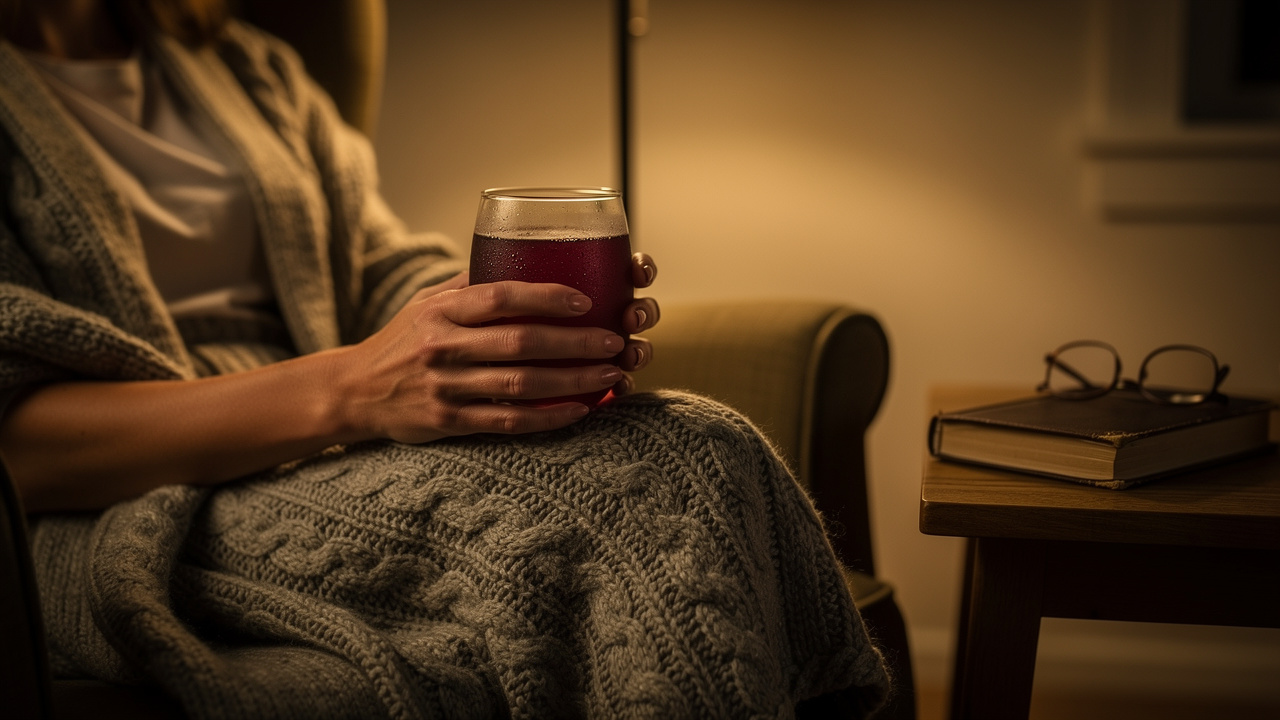
Sleep improves most when you pair nutrients with rhythm—light, temperature, and behavior that all point in the same direction. Here is one example of how tart cherry for sleep can sit inside a larger, calming pattern:
-
60–90 minutes before bed. Dim lights, silence nonessential notifications, and pour your tart cherry juice or mix your extract in water. Sip it slowly rather than treating it like a shot.
-
30–60 minutes before bed. If you use other nutrients, this is a natural time to take them—glycine, magnesium, reishi mushroom, or a combined formula such as Deeper Sleep. Reading Glycine for Sleep: A Comprehensive Guide and Reishi Mushroom For Sleep Support can help you decide which of these fit your physiology and preferences.
-
Bedtime. Keep your room cool and dark, reserve the bed for sleep and intimacy, and give yourself permission to be offline. Over several nights, observe whether tart cherry for sleep shortens the restless window between lying down and drifting off or reduces night‑time awakenings.
If you are a parent—or especially a new mother—trying to reclaim some sense of rest in a house that rarely stays quiet, tart cherry for sleep can also be woven into broader frameworks like Reclaim Your Sleep: The SLP1 Protocol for Moms to Win Their Sleep Back. In that context, tart cherry becomes one supportive thread among many: light timing, naps, shared caregiving, and realistic expectations.
Safety, Side Effects, And Who Should Be Careful
“Natural” does not automatically mean “risk‑free.” For most healthy adults, tart cherry for sleep is well tolerated, but certain situations call for extra care and a conversation with a clinician. Many of these points are discussed in more depth in SLP1’s review of the science.
Digestive Sensitivity And Sorbitol
Tart cherries, like other stone fruits, contain sorbitol, a sugar alcohol that some people do not digest well. Large amounts can cause gas, bloating, or loose stools—especially if you already react this way to apples, plums, or prunes. If this sounds familiar, begin with a very small serving or choose a low‑sugar extract and watch how your digestion responds.
Blood Thinners And Medication Interactions
Tart cherries provide quercetin, a flavonoid with antioxidant activity that may interact with certain anticoagulant medications such as warfarin. If you take a blood thinner, talk with your healthcare provider before drinking tart cherry juice daily or starting a concentrated extract. They may wish to monitor your labs more closely at first.
Blood Sugar And Metabolic Health
Even unsweetened tart cherry juice contains natural sugars. If you live with diabetes, prediabetes, or insulin resistance, it is wise to check your glucose response to tart cherry for sleep or favor capsule and powder forms that contain negligible sugar. Some people in this situation explore lower‑sugar options such as glycine after reading Glycine for Sleep: A Comprehensive Guide.
Pregnancy, Breastfeeding, And Allergies
Research on tart cherry for sleep in pregnancy or breastfeeding is very limited. Eating small amounts of whole cherries as part of a varied diet is generally considered acceptable, but concentrated juices and extracts have not been well studied in these groups. If you are pregnant, nursing, or planning pregnancy, ask your clinician before starting regular supplementation. Anyone with a known cherry allergy should, of course, avoid tart cherry products altogether.
Teeth And Long-Term Use
Like other fruit juices, tart cherry juice is acidic and, over time, may contribute to enamel wear if you sip it frequently without rinsing. To reduce this risk, drink it in a short window rather than nursing it for hours, then rinse your mouth with water and wait about 30 minutes before brushing your teeth. Short‑term studies up to about 12 weeks suggest that daily tart cherry for sleep is safe for most adults, but we do not yet have long‑term data over many years.
Remember The Foundations
No supplement, including tart cherry for sleep, can compensate for bright screens at midnight, caffeine late in the day, or a schedule that changes dramatically from night to night. Think of tart cherry as support for a nervous system that is already being offered reasonable conditions for rest.
Beyond Sleep: Other Benefits Of Tart Cherry
Many people first encounter tart cherry for sleep, then notice side benefits they were not expecting. Because the same anthocyanins and polyphenols that calm nighttime inflammation also act throughout the body, tart cherries have been studied in several other contexts.
Muscle Recovery And Athletic Performance
Strenuous workouts create microscopic muscle damage and a temporary spike in inflammation. Multiple trials in runners, cyclists, and team‑sport athletes have found that tart cherry juice or extract taken before and after intense sessions can:
-
Reduce soreness
-
Lower markers of muscle damage
-
Support a faster return to baseline performance
Better sleep is part of that recovery story; less pain and inflammation are the other part.
Joint Comfort And Arthritis
In people with osteoarthritis, daily tart cherry juice has been linked to less joint pain and stiffness, likely through the same COX‑2 and cytokine pathways discussed earlier. For those with gout, tart cherry intake may help reduce uric acid levels and the frequency of flares. While tart cherry for sleep is often the headline, these joint effects can make daily life feel more manageable.
Brain, Heart, And Immune Support
The brain is especially vulnerable to oxidative stress. In small studies with older adults, anthocyanin‑rich tart cherry juice has been associated with modest improvements in memory and cognitive function. Elsewhere, the polyphenols in tart cherries appear to support healthy blood pressure, improve certain markers of cholesterol oxidation, and contribute vitamin C and other micronutrients that help the immune system respond to everyday challenges.
Real-Life Snapshots: How People Use Tart Cherry For Sleep
Data and mechanisms matter, but it can also help to see how tart cherry for sleep plays out in ordinary lives. The following composite stories reflect patterns clinicians and researchers have observed, while keeping individual identities private.
Snapshot 1: The Wired Professional
-
Background. A 42‑year‑old marketing director falls asleep with difficulty three to four nights per week, often waking around 3 a.m. with work worries.
-
Approach. She begins drinking 8 oz of unsweetened tart cherry juice 60 minutes before bed, reduces late‑night emails, and adds light daytime movement.
-
Outcome. After three weeks, she reports falling asleep about 20 minutes faster and waking only once most nights. Her smartwatch data show slightly longer total sleep and fewer restless periods.
Snapshot 2: The Older Adult With Fragmented Sleep
-
Background. A 70‑year‑old retiree has trouble staying asleep and meets criteria for chronic insomnia.
-
Approach. Under guidance from his physician, he drinks 8 oz of tart cherry juice in the morning and another 8 oz in the evening for two weeks, based on protocols used in clinical studies of tart cherry for sleep.
-
Outcome. Overnight sleep studies show an increase in total sleep time of roughly an hour and better sleep efficiency. Subjectively, he feels more refreshed and less irritable during the day.
Snapshot 3: The Postpartum Mom Rebuilding Rest
-
Background. A 32‑year‑old mother six months postpartum feels constantly overtired but has trouble napping or falling back to sleep after nighttime feedings.
-
Approach. Working through Reclaim Your Sleep: The SLP1 Protocol for Moms to Win Their Sleep Back, she adds a small dose of tart cherry extract in the evening, cleans up light exposure at night, and enlists a partner to share one early‑morning feeding.
-
Outcome. Over a month, she notices that once the baby settles, she can fall back to sleep more easily. While total hours remain limited, sleep feels deeper and more continuous, and her mood steadies.
Experiences like these do not replace formal trials, but they echo what researchers have seen in controlled settings and what SLP1 summarizes on the science page: tart cherry for sleep most often adds minutes and depth, rather than knocking people out, and those small changes can accumulate into meaningful rest over time.
When Tart Cherry For Sleep May Not Be Enough
If you have tried tart cherry for sleep consistently for a few weeks and notice little or no change, it may be pointing to deeper contributors—chronic stress, anxiety, depression, sleep apnea, hormone shifts, or certain medications.
In those cases, tart cherry can still have a place, but it should sit alongside a more complete plan: discussion with your healthcare provider, attention to breathing and airway health, therapy or coaching for stress, and structured routines such as Reclaim Your Sleep: The SLP1 Protocol for Moms to Win Their Sleep Back. Resources like Glycine for Sleep: A Comprehensive Guide and Reishi Mushroom For Sleep Support can also help you think about how other nutrients fit into the picture.
If you prefer an integrated formula rather than assembling pieces yourself, products like Deeper Sleep combine tart cherry with complementary ingredients in doses designed to support calm, unbroken rest.
“Adults should sleep 7 or more hours per night on a regular basis to promote optimal health.” — American Academy of Sleep Medicine and Sleep Research Society
Key Questions About Tart Cherry For Sleep
A few practical questions come up often when people first consider testing tart cherry for sleep.
Is tart cherry juice better than sweet cherry juice for sleep?
Yes. Tart cherry, particularly Montmorency, contains higher levels of melatonin and anthocyanins than sweet cherry varieties. For sleep benefits, look for products that clearly specify “tart cherry” on the label.
How long does it take to notice a difference?
Some people feel a change within a few nights; others need 1–2 weeks of steady intake. In clinical trials of tart cherry for sleep, most protocols ran for at least 7–14 days before outcomes were measured.
Can I combine tart cherry with melatonin supplements?
The melatonin content of tart cherry is tiny compared with a standard supplement, so using them together is unlikely to cause an overdose. If you already take melatonin and add tart cherry for sleep, you might experiment with a lower melatonin dose and see how you feel, ideally with guidance from a clinician.
Is tart cherry safe for children?
Current research on tart cherry for sleep has focused on adults. For toddlers and children, it is better to start with behavioral sleep routines and light hygiene, and to consult a pediatrician before offering tart cherry juice or any sleep supplement.
Can I drink tart cherry juice every night?
Short‑term studies up to about 12 weeks have not flagged major safety concerns in adults. For longer‑term use, many people cycle their intake—using tart cherry for sleep during periods of stress, heavy training, travel, or life transitions, then taking breaks—while keeping an eye on digestion, blood sugar, and dental health.
A Quiet Closing Thought On Tart Cherry For Sleep
Good sleep is not just about feeling less tired; it shapes how you think, relate, and create. In that sense, experimenting with tart cherry for sleep is less about chasing a trend and more about listening carefully to what your nights are already telling you, then offering your body a bit of biochemical support.
The evidence to date suggests that tart cherry can lengthen sleep, smooth jagged nights, and ease some of the inflammatory load that keeps the nervous system on edge. It is not as dramatic as a sedative, yet for many, that is precisely the appeal.
If you feel called to explore tart cherry for sleep further, consider reading SLP1’s overview of the science and, if you wish to build a more complete evening ritual, looking into formulas such as Get to Sleep, alongside guides on glycine, reishi mushroom, and the Reclaim Your Sleep protocol. Small, consistent choices before bed—quiet light, kinder thoughts, and, perhaps, a glass of tart cherry juice—can add up to nights that restore you rather than drain you.


Leave a comment
This site is protected by hCaptcha and the hCaptcha Privacy Policy and Terms of Service apply.