Inositol for PCOS Benefits, Dosage, and What the Science Says
For many people with PCOS, it can feel like the body is speaking a language that is hard to understand. Cycles are irregular, energy swings from wired to drained, and sleep often feels light or broken. In the middle of all this, inositol for PCOS keeps coming up in research papers, support groups, and conversations with forward-thinking clinicians.
Inositol is a simple sugar-like molecule that the body makes from glucose. It acts as a quiet messenger inside cells, helping hormones like insulin and follicle-stimulating hormone (FSH) deliver their signals. That same signaling role also extends to the brain, where inositol supports pathways linked to mood, mental calm, and even how smoothly the nervous system winds down for sleep.
PCOS affects an estimated 5 to 10 percent of women of reproductive age and often goes hand in hand with insulin resistance, weight changes, skin concerns, and trouble sleeping. Inositol is an effective and safe treatment in polycystic ovary syndrome, as research on inositol for PCOS shows that specific forms and doses can improve insulin sensitivity, menstrual regularity, ovulation, and some hormone markers, with a safety profile that compares very favorably to standard drugs like metformin.
As many PCOS-focused clinicians tell their patients, “Metabolism, hormones, and mood are not separate problems — they’re different expressions of the same underlying biology.”
Across this article, the focus stays on the science. First comes what inositol actually is and how it works. Then comes how it interacts with PCOS biology, what studies say about benefits, how to dose it, what to expect over time, and how it may also support nervous system balance and sleep. By the end, it should be much easier to decide, together with a healthcare provider, whether inositol for PCOS fits into a personal plan for hormone and sleep support.
Key Takeaways
Before diving into the details, it helps to see the main points in one place. These ideas show up again and again in the research on inositol for PCOS and inositol to stay sleep.
-
About 4 grams of myo-inositol per day is the most studied dose for PCOS. Studies show this intake can improve insulin sensitivity and support more regular cycles and ovulation. Many people split the dose into morning and evening to keep blood levels steadier and to match daily rhythms.
-
Inositol works on the root drivers of many PCOS symptoms rather than just masking them. By improving how cells respond to insulin, it can lower insulin levels, ease pressure on the ovaries to make androgens, and support a more balanced hormonal pattern over time. This same signaling support also matters for brain cells that rely on steady communication.
-
A combination that keeps myo-inositol and D-chiro-inositol near a natural 40 to 1 ratio appears helpful for both metabolism and ovarian function. Research often uses 4 grams of myo-inositol with about 100 milligrams of D-chiro-inositol to mirror the body’s own balance. High doses of D-chiro-inositol alone, in contrast, do not show the same ovarian benefits.
-
In head-to-head research, inositol often matches metformin on key outcomes like insulin resistance and ovulation, and sometimes surpasses it on menstrual regularity and triglycerides. The major difference is tolerability, since inositol tends to cause far fewer digestive side effects, which helps long-term adherence.
-
Inositol also plays a meaningful role in nervous system signaling. That is why brands like SLP1 include it in sleep-focused formulas, where the goal is calmer, more stable communication in the brain, not forced sedation. Benefits for PCOS hormones such as SHBG generally require at least six months of consistent use, and therapeutic doses are considered very safe for most adults when guided by a healthcare professional.
What Is Inositol? Understanding the Cellular Messenger Behind the Benefits

Inositol is a carbocyclic sugar alcohol made from glucose in the body. It is sometimes called vitamin B8, but that label is not quite accurate, since true vitamins must come from the diet and inositol can be produced internally. Chemically, it has six carbon atoms arranged in a ring, which allows it to sit inside cell membranes and act as a building block for many signaling molecules.
Inside cells, inositol is used to form compounds that help transmit messages from hormones and neurotransmitters. When insulin binds to its receptor, for example, inositol-based molecules help carry that signal inward so the cell can pull glucose out of the blood. In the ovaries, similar inositol messengers carry FSH signals that guide follicle growth and egg quality. In brain tissue, inositol is part of signaling pathways for serotonin and dopamine, which matter for mood and stress response.
Food does provide inositol, though usually at lower levels than those used in research on inositol for PCOS. Typical intake is around one gram per day from:
-
Fruits such as oranges and cantaloupe
-
Grains like bran and oats
-
Legumes and nuts
-
Corn and some meats
Supplements use purified forms of inositol to reach higher intakes that are hard to get from diet alone. Of the nine known forms of inositol, myo-inositol and D-chiro-inositol are the two that carry most of the research weight.
The Two Powerhouses Myo-Inositol (MI) Vs D-Chiro-Inositol (DCI)
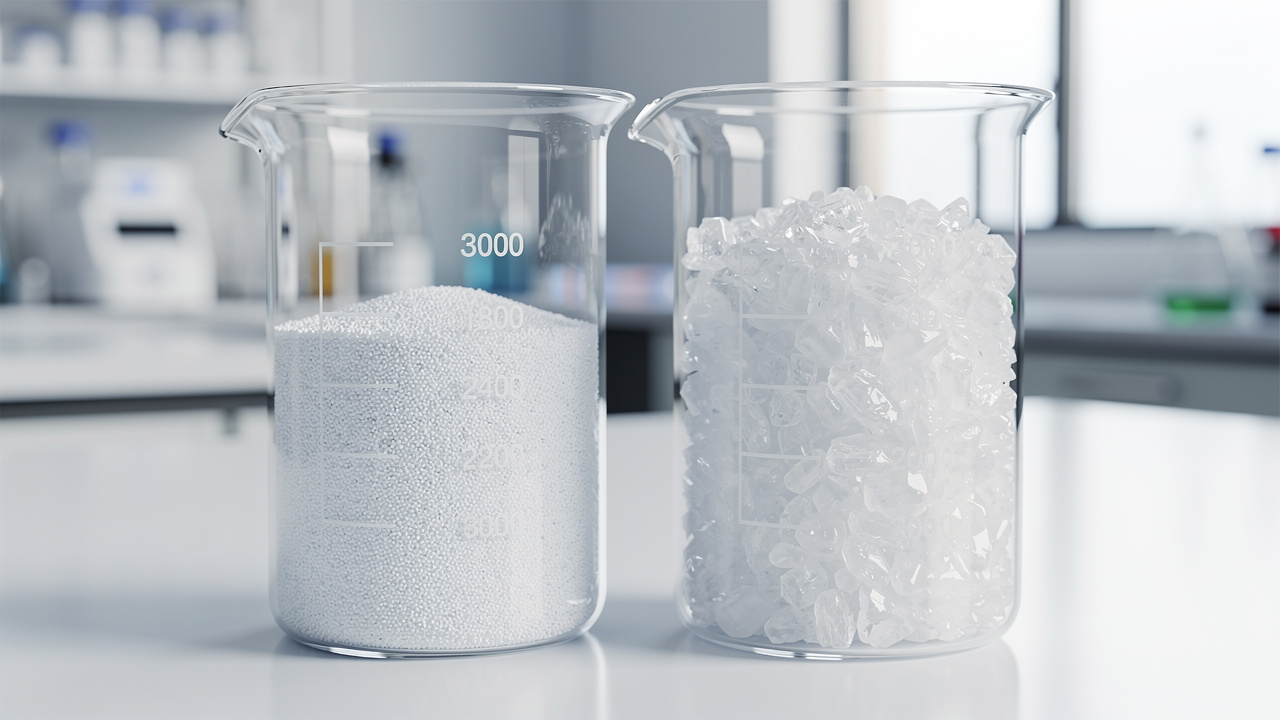
Although all inositol types share the same basic structure, the body uses myo-inositol (MI) and D-chiro-inositol (DCI) in different ways. It can help to think of them as specialists that divide the work of managing blood sugar, ovarian function, and hormone signaling.
Myo-Inositol (MI) The Metabolic and Reproductive Workhorse
Myo-inositol is by far the most common form in human tissues. It serves as a starting point for inositol triphosphate, a key messenger that passes along insulin and FSH signals inside cells. In muscle and fat cells, myo-inositol helps move glucose transporters to the cell surface so that sugar can slip from the blood into the cell more easily. This is a main reason why myo-inositol for PCOS is studied as an insulin sensitizer.
In the ovaries, myo-inositol supports FSH signaling in granulosa cells, the cells that surround and nourish growing follicles. Adequate myo-inositol in follicular fluid is linked to better egg quality and more predictable ovulation. There is also evidence that myo-inositol influences fat metabolism by lowering the release of free fatty acids from fat tissue, which may ease some pressure on insulin pathways. Put together, these roles explain why research often centers on myo-inositol as the base of any inositol for PCOS plan.
D-Chiro-Inositol (DCI) The Glycogen Synthesis Specialist
D-chiro-inositol is made from myo-inositol through an enzyme that responds to insulin. Different tissues convert myo-inositol to D-chiro-inositol at different rates, which leads to distinct myo to D-chiro ratios from one organ to another. In the liver and muscle, D-chiro-inositol helps direct glucose toward storage as glycogen by activating glycogen synthase and related enzymes.
Within the ovaries, D-chiro-inositol also plays a part in how insulin influences androgen production. At normal levels, that can be part of a balanced system. The trouble begins when the local ratio between myo-inositol and D-chiro-inositol shifts too far. In the follicular fluid of people without PCOS, the myo-inositol to D-chiro-inositol ratio tends to sit near 100 to 1. In PCOS, this ratio can fall dramatically, and that shift is a key part of why specific forms and amounts of inositol for PCOS matter so much.
The Inositol-PCOS Connection How Insulin Resistance Disrupts the Balance
PCOS is usually described as an endocrine disorder, but at its core it often involves a metabolic problem. Between half and two thirds of people with PCOS have insulin resistance, even when body weight is in a normal range. In this state, cells respond poorly to insulin, so the pancreas produces more of it to keep blood sugar under control. That extra insulin does more than manage sugar. It also pushes the ovaries to make more androgens and influences how inositol is handled in different tissues.
Doctors typically diagnose PCOS using criteria known as the Rotterdam guidelines. At least two of three features must be present, after ruling out other causes:
-
Irregular or absent ovulation
-
Signs of high androgens, either in blood work or on the skin
-
Polycystic appearing ovaries on ultrasound
Insulin resistance does not appear in the criteria, but it drives many of the symptoms and ties directly into how myo-inositol and D-chiro-inositol behave inside the ovaries.
A common teaching in endocrinology is that “insulin is one of the most powerful hormones in the body — when it’s out of balance, many other hormones follow.”
The Impaired MI-to-DCI Conversion and Ovarian Dysfunction
Under normal conditions, the enzyme that converts myo-inositol to D-chiro-inositol responds rhythmically to insulin signals. That keeps each tissue at the ratio it needs for its specific job. In PCOS, chronic high insulin levels press that conversion switch harder and more often, especially in the ovaries, which tend to stay insulin sensitive even when other tissues are resistant.
As a result, the ovaries convert myo-inositol to D-chiro-inositol at an accelerated rate. Local myo-inositol stores in the follicular fluid become depleted, while D-chiro-inositol levels rise. Research suggests the myo to D-chiro ratio can fall from the healthy 100 to 1 range to as low as around 1 to 5 or lower in PCOS. That shift matters, because myo-inositol is central for FSH signaling and egg quality, while excess D-chiro-inositol in the ovary can push more androgen production. The net effect is stalled follicle development, poorer oocyte quality, and stronger androgen signals.
The "D-Chiro-Inositol Paradox" Explained
The D-chiro-inositol paradox refers to the fact that D-chiro-inositol can improve insulin resistance in the body as a whole yet harm ovarian function when present in excess there. Muscle and liver tissues can become insulin resistant in PCOS, so they benefit from higher D-chiro-inositol activity to store more glucose as glycogen. Ovarian tissue, however, usually does not gain that resistance and continues to respond strongly to insulin.
High insulin in the bloodstream, combined with insulin-sensitive ovaries, pushes the local conversion of myo-inositol to D-chiro-inositol far beyond what is helpful. Clinical trials that used high-dose D-chiro-inositol alone reported worse egg quality and weaker ovarian responses. This is why many experts caution against large doses of D-chiro-inositol by itself in people using inositol for PCOS. The goal is not to flood the ovaries with more D-chiro-inositol but to restore a healthy balance, mainly by replenishing myo-inositol.
Inositol's Impact on Metabolic Health Reversing Insulin Resistance
Because insulin resistance sits so close to the center of PCOS biology, any nutrient that can meaningfully improve insulin signaling is worth serious attention. Inositol, especially myo-inositol, has been tested in multiple randomized trials for this exact purpose. The pattern that emerges across studies is consistent: myo-inositol makes insulin’s job easier, so the pancreas can ease off, and blood sugar handling looks more like that of someone without insulin resistance.
Improving Insulin Sensitivity and Glucose Control
When insulin binds to its receptor, inositol-based molecules known as inositolphosphoglycans help pass the message inward. Myo-inositol supplies the raw material for these messengers, which in turn help move glucose transporters to the cell surface. Trials of myo-inositol for PCOS at 4 grams per day often show lower fasting insulin levels and better scores on HOMA-IR, a simple marker of insulin resistance. In some studies, these changes are comparable to those seen with metformin.
D-chiro-inositol tends to show its strengths in tests that measure how the body handles a sugar load. During an oral glucose tolerance test, people taking D-chiro-inositol often have lower areas under the curve for both glucose and insulin. This means their bodies move sugar out of the blood more efficiently after a meal. Over time, better insulin sensitivity can lower the chance of sliding toward type 2 diabetes, a long-term concern in PCOS.
Effects on Lipid Profiles and Cardiovascular Risk Factors
PCOS is often paired with changes in blood lipids such as higher triglycerides and lower HDL cholesterol. Those shifts add to cardiovascular risk over the long term. Research on inositol shows encouraging but sometimes mixed patterns here. Several trials report meaningful drops in triglycerides, and in some comparisons myo-inositol performs better than metformin on this marker.
Findings for total cholesterol, LDL, and HDL are less consistent. Some groups see modest improvements, while others see little change compared to placebo or metformin. Mechanistically, it makes sense that easing insulin resistance would reduce production of very low-density lipoprotein particles in the liver and gradually support a healthier lipid picture. Even when lipid changes are modest, improving insulin and glucose control is a win for cardiovascular health, especially when paired with nutrition and movement habits that point in the same direction.
Restoring Hormonal Balance Inositol's Effects on Androgens and Reproductive Hormones
Hormones sit at the center of how PCOS feels day to day. High androgens drive skin and hair changes, while shifts in LH, FSH, and SHBG alter cycles and how the ovaries respond. Because insulin and androgen production are tied together in PCOS, it makes sense that improving insulin signaling with inositol for PCOS can ripple into more balanced hormone patterns over time.
Reducing Androgen Levels and Hyperandrogenic Symptoms
High insulin levels stimulate theca cells in the ovaries to make more androgens. By making cells more responsive to insulin, myo-inositol and D-chiro-inositol can lower the amount of insulin circulating, which reduces that constant push on theca cells. Many studies report small but meaningful declines in total testosterone with myo-inositol, though not every trial reaches strong statistical significance. Some data suggest D-chiro-inositol may have more influence on free testosterone in particular.
In addition to lowering the stimulus for androgen production, myo-inositol may support aromatase activity in granulosa cells. Aromatase converts androgens into estrogens, which can shift the local hormone balance toward a more typical pattern. In practice, people often report gentler improvements in acne, scalp hair shedding, and body hair over several months on inositol for PCOS. That said, some studies find metformin more effective for severe hirsutism, so inositol is best viewed as part of a broader plan.
Increasing SHBG The Time-Dependent Hormonal Reset
Sex hormone binding globulin, or SHBG, is a protein made by the liver that binds testosterone and other sex hormones. When SHBG is low, more testosterone stays unbound and active, which can worsen androgen-related symptoms. Insulin tends to suppress SHBG production, so insulin resistance and hyperinsulinemia go hand in hand with lower SHBG in many people with PCOS.
Meta-analyses that combine multiple trials show a clear time pattern for how inositol affects SHBG. Short trials lasting 16 weeks or less often do not see a big change. Studies that extend to at least 24 weeks, however, show significant increases in SHBG with myo-inositol for PCOS. This makes sense, since the liver needs time to respond to a calmer insulin environment and ramp up SHBG output. It also aligns with SLP1’s rhythm-centered view of long-term supplements: the body tends to shift more slowly and steadily than quick-fix marketing suggests, and patience pays off.
Supporting Fertility and Reproductive Function From Ovulation to Pregnancy
For many people, the most stressful part of PCOS is its effect on fertility. Cycles can stretch unpredictably, ovulation may be rare or absent, and fertility treatments can feel overwhelming. Inositol for Polycystic Ovary Syndrome acts on FSH signaling, follicle development, and insulin resistance, making it one of the best studied non-drug options for supporting ovulation and pregnancy chances.
Restoring Menstrual Regularity and Ovulation
When ovarian myo-inositol stores are low and the local ratio to D-chiro-inositol is distorted, FSH signals do not travel cleanly. Follicles stall out, and ovulation becomes unreliable. Supplementing with myo-inositol helps refill that local pool and restore more normal FSH signaling. Trials comparing myo-inositol to metformin often find that myo-inositol performs as well or better at bringing cycles back toward a more predictable rhythm.
In some studies, daily intake of 4 grams of myo-inositol with folic acid led to spontaneous ovulation in roughly two thirds of participants, without the need for additional ovulation drugs. Blood tests in these trials also show lower LH levels and a more balanced LH to FSH ratio, which is another sign that the hypothalamus and pituitary are receiving more appropriate feedback from the ovaries. Most people who respond begin to notice cycle and ovulation changes between three and six months.
Pregnancy Outcomes and Assisted Reproductive Technology (ART) Success
Once ovulation improves, the natural next question is whether pregnancy rates follow. Research here is promising but not as consistent as it is for menstrual regulation. Several randomized studies show similar pregnancy rates for myo-inositol and metformin in people with PCOS, both for natural conception and for those using ovulation induction. In the context of in vitro fertilization, myo-inositol has been linked to better egg and embryo quality and higher clinical pregnancy rates in some groups.
At the same time, not every study sees a clear advantage. Trials that compare myo-inositol plus folic acid with folic acid alone sometimes do not find large differences in pregnancy outcomes, likely because of differences in dosage, timing, and participant characteristics. A careful read of the research suggests that inositol works best as part of a complete fertility plan that also addresses nutrition, body weight where relevant, sleep, and stress. There is also early evidence that myo-inositol with folic acid during pregnancy may lower the risk of gestational diabetes and preterm birth, though this should always be done with medical guidance.
Inositol Vs Metformin A Head-to-Head Comparison for PCOS Management
Metformin has been a standard drug for insulin resistance in PCOS for many years. As research on inositol for PCOS has grown, more direct comparisons between these two options have appeared. Both act as insulin sensitizers, but through different pathways, and they carry very different side effect patterns. Looking at them side by side helps clarify where each one shines.
Comparative Efficacy Across PCOS Outcomes
Across multiple trials, myo-inositol usually matches metformin on improving insulin resistance and often does better on menstrual regularity. Moderate strength evidence supports myo-inositol as slightly more effective at restoring regular cycles, which many people see as a primary goal. For fasting insulin and HOMA-IR, both approaches show similar benefits in most analyses.
When it comes to body measurements, metformin has an edge in reducing waist-to-hip ratio and sometimes body mass index. Myo-inositol tends to perform better on triglycerides in several studies, while effects on total cholesterol and LDL are usually comparable. On hormone markers, myo-inositol may be stronger for raising SHBG, while metformin has shown more improvement in some measures of hirsutism.
A simple table helps pull these comparisons together.
|
Outcome |
Myo-Inositol for PCOS |
Metformin |
|---|---|---|
|
Menstrual Regularity |
Often superior |
Effective |
|
Insulin Resistance Markers |
Strong improvement |
Strong improvement |
|
Waist-to-Hip Ratio and BMI |
Modest change |
Greater average reduction |
|
Triglycerides |
Often larger decrease |
Helpful but sometimes less than inositol |
|
SHBG |
Clear increase with longer use |
Smaller or variable change |
|
Hirsutism Scores |
Some improvement |
Often stronger improvement |
|
Ovulation and Pregnancy Rates |
Comparable to metformin in many trials |
Comparable to inositol in many trials |
Taken together, many reviewers describe the overall effect of inositol and metformin on core PCOS outcomes as broadly similar, with differences that depend on which markers matter most to the individual.
The Critical Difference Safety, Tolerability, and Patient Compliance
Where inositol really stands apart from metformin is in how it feels to take over time. Metformin commonly causes digestive side effects such as nausea, loose stools, abdominal discomfort, and bloating. For some people these effects fade with slow titration, but many still struggle, which lowers long-term adherence.
In contrast, inositol for PCOS is usually very easy to tolerate at standard doses around 4 grams per day. When side effects do appear, they tend to be mild and short lived. This difference matters because PCOS is a long-term condition. Treatments only work when they are taken consistently for months and years. Some trials even suggest that combining myo-inositol with metformin can reduce digestive complaints from metformin, though that strategy should always be guided by a clinician. For those who cannot tolerate metformin or who prefer a supplement-based approach under medical oversight, inositol provides a well supported option.
Evidence-Based Dosing Protocols Getting Inositol Right

Once the decision is made to try inositol, the next questions are how much to take, which form to use, and how long to stay on it. Research on inositol for PCOS is helpful here, since many trials use similar dosing patterns. That makes it easier to translate lab findings into real-world practice.
The Gold Standard 4 Grams Daily of Myo-Inositol
Most clinical trials that show clear benefits for PCOS use about 4 grams of myo-inositol per day. Often this dose is split into 2 grams in the morning and 2 grams in the evening. Dividing the dose this way keeps blood levels steadier and lines up with the natural ebb and flow of insulin and other hormones across the day.
Studies that compare lower doses such as 1 or 2 grams to 4 grams generally see stronger effects at the higher intake. Early changes in insulin and glucose markers may appear within 12 weeks, while shifts in SHBG and other hormone markers often need at least 24 weeks. In powders, 2 grams is roughly a level teaspoon, though this can vary by brand. Capsules and soft gels list the amount per unit, so labels must be read carefully to reach the totals used in studies.
The Physiological 40 to 1 MI to DCI Ratio for Optimal Results
Some products combine myo-inositol and D-chiro-inositol to mirror the body’s own ratios. Research and biochemical studies point to a roughly 40 to 1 ratio between myo-inositol and D-chiro-inositol in plasma and follicular fluid. Formulas that follow this pattern, such as 4 grams of myo-inositol with 100 milligrams of D-chiro-inositol, appear to support both systemic insulin sensitivity and healthy ovarian function.
This ratio matters because it prevents the D-chiro-inositol paradox from playing out in the ovary. Enough D-chiro-inositol is present to help with glycogen storage in muscle and liver, but myo-inositol stays dominant where it is needed for FSH signaling and egg quality. Not all products that advertise inositol for PCOS stick to this ratio, so it is worth checking the label. In many cases, starting with pure myo-inositol or a physiological combination works best, rather than high-dose D-chiro-inositol alone.
Formulations and Bioavailability Does Delivery Method Matter?
Inositol is available in several forms, and the choice can affect both convenience and how well the body absorbs it. Powders are the most traditional option. They mix into water or another drink and make it easy to reach higher doses such as 4 grams. The tradeoff is that the volume can be bulky, and the taste may not appeal to everyone without flavoring.
Capsules and soft gels offer a more compact way to take inositol. Emerging research suggests that certain soft gel designs can improve bioavailability. In one study, a 600 milligram soft gel delivered blood levels similar to a 2 gram powder dose, which hints that better absorption can reduce the amount needed. This area is still developing, so most clinicians still base dosing on the gram amounts used in powder trials.
Product composition also matters. Some formulas pair inositol with folic acid, alpha-lipoic acid, or other vitamins. These additions may be helpful in some cases but are not required for every person. Quality is a key point as well. Brands that use third-party testing, avoid excess fillers, and choose bioavailable ingredient forms tend to align best with people who research their supplements carefully.
SLP1 protocol, for example, designs its sleep-centered formulas with advanced delivery systems and thorough testing. In its products, inositol plays a supporting role for nervous system signaling rather than a direct PCOS therapy. The same care in form and testing, however, reflects the kind of standards worth seeking for any inositol product.
Safety Profile and Side Effects What to Expect
One of the strongest arguments in favor of inositol for PCOS is how safe it appears in clinical studies. Most trials report that people taking inositol have similar rates of side effects as those taking placebo. Compared to drugs like metformin, inositol’s side effect profile looks very mild, especially at doses used for PCOS and metabolic support.
Minimal Side Effects at Therapeutic Doses
At the commonly used 4 gram dose of myo-inositol per day, side effects are usually rare and mild. When they do show up, they are most often related to digestion, such as slight nausea, soft stools, or gas. These effects tend to appear more often when people jump straight to a high dose rather than building up gradually.
Other occasional reports include headaches, tiredness, or light dizziness, though these are not common. Studies that used very high doses, above 12 grams per day, see more digestive complaints, which suggests that side effects are dose related. This pattern is another contrast with metformin, where even standard therapeutic doses often cause digestive distress. A practical approach is to start with a smaller amount of inositol and increase over one to two weeks while watching how the body responds.
Long-Term Safety and Special Populations
Most inositol for PCOS trials last between 12 and 24 weeks, and within that window the safety record is very reassuring. There is less formal data beyond six months, but given that inositol is a natural part of human biochemistry and present in food, experts generally view the risk as low when supervised by a healthcare provider. That said, more long-term research would always be welcome.
During pregnancy, several studies use myo-inositol with folic acid to reduce the risk of gestational diabetes, especially in women who start pregnancy with insulin resistance or higher body weight. Results here are encouraging, and some trials also report lower rates of preterm birth. Because pregnancy is a sensitive time, any supplement, including inositol, should only be used with an obstetric provider’s guidance. Known drug interactions with inositol are minimal, but individual health situations vary, and quality can differ widely between brands, so medical input is wise.
Beyond PCOS Inositol's Emerging Role in Sleep and Mental Health

While much of the attention sits on inositol for PCOS, the same signaling roles that help with insulin and ovarian function also matter in the nervous system. Neurons rely on clear, steady communication, and inositol-containing molecules help carry messages from neurotransmitters such as serotonin and dopamine into the cell. That makes inositol interesting for mood, stress response, and how easily the brain shifts into rest states.
SLP1 focuses on this side of inositol rather than on reproductive health. In its a get to sleep-focused products, inositol supports calmer signaling across networks involved in worry, rumination, and arousal. This fits well with people who want better sleep and mental performance during the day but prefer to avoid heavy sedatives.
A helpful framing from sleep medicine is that “good sleep is less about forcing the brain off and more about giving it permission to relax.”
Inositol for Mental Calm and Neurotransmitter Balance
Several early studies explore inositol as a support for mental health conditions. Some research finds lower inositol levels in certain brain regions of people with depression. Supplement trials suggest that higher inositol intake may ease depressive symptoms for some individuals, likely through smoother serotonin signaling. Results are promising but not yet as strong or consistent as those for inositol for PCOS.
There is also limited evidence that inositol might reduce the frequency or intensity of panic attacks in panic disorder and play a small supportive role in bipolar disorder when added to standard treatment. These findings point in the same direction. Inositol seems to help nerve cells receive and process signals in a more balanced way. The theme is not sedation or numbing but steadier, less reactive communication.
Inositol for Sleep Supporting Calm Signaling and Restful Nights
Sleep is partly mechanical and partly emotional. Physical circadian rhythms matter, but so does the ability to let go of racing thoughts and move into a calmer state. Because inositol influences pathways for serotonin and other calming neurotransmitters, many people are interested in inositol for sleep as well as for PCOS.
SLP1 builds on this idea in its sleep systems. The brand does not use inositol as a knock-out agent. Instead, inositol is one part of a coordinated blend with ingredients like magnesium and carefully chosen botanicals. The aim is to support smoother signaling in the brain so that ease and sleepiness can arise naturally at night, without creating a hangover feeling the next morning.
For people with PCOS, this nervous system support can be especially helpful. Research shows higher rates of anxiety and sleep disorders in PCOS, and poor sleep can worsen insulin resistance, creating a frustrating cycle. A science-based, non-sedating approach such as SLP1’s matches well with the long-term view needed for both hormone and sleep health.
Other Promising Applications Metabolic Syndrome and Gestational Diabetes
Beyond PCOS and mental health, researchers are testing inositol in other metabolic settings. The same insulin-sensitizing and signaling roles that make inositol helpful in PCOS suggest that it could benefit related conditions tied to blood sugar, blood pressure, and lipid patterns.
Metabolic Syndrome in Postmenopausal Women
Metabolic syndrome describes a cluster of findings that travel together. These include increased waist size, high fasting blood sugar, elevated blood pressure, high triglycerides, and low HDL cholesterol. Together they raise the risk of heart disease and type 2 diabetes. Some studies in postmenopausal women with metabolic syndrome show that myo-inositol can improve several of these markers, particularly fasting glucose and triglycerides.
This suggests that inositol’s benefits extend beyond reproductive years. For women who have moved past menopause but still face insulin resistance and related metabolic risks, myo-inositol may offer a gentle way to nudge numbers in a better direction alongside lifestyle changes.
Preventing Gestational Diabetes Mellitus (GDM)
Gestational diabetes develops during pregnancy and can affect both mother and baby. It raises the risk of high birth weight, preterm delivery, and later type 2 diabetes. Given inositol’s effect on insulin sensitivity, several trials have explored myo-inositol with folic acid in pregnant women who are at higher risk for GDM.
Results are encouraging. Women taking myo-inositol often show lower rates of gestational diabetes compared to control groups, and some studies also note fewer preterm births. The likely mechanism is smoother insulin signaling through pregnancy, which keeps blood sugar in a safer range. Because pregnancy requires special care, these protocols should only be followed under direct medical supervision, with products that meet high quality standards.
Practical Considerations How to Incorporate Inositol Into Your PCOS Management Plan
Inositol can be a powerful tool, but it works best when it sits inside a full picture of PCOS care. That picture often includes a nutrient-dense, lower glycemic eating pattern, regular movement, stress management practices, and attention to sleep. Thinking of inositol for PCOS as a support for how the body already wants to function, rather than a stand-alone fix, helps set healthy expectations.
Getting Started Dosing, Timing, and Expectations
For most adults, a common starting protocol is 4 grams of myo-inositol per day, either alone or paired with D-chiro-inositol in a 40 to 1 ratio. Splitting the total into two doses, morning and evening, fits well with daily routines and may smooth any impact on digestion. Powders mix into water or tea, while capsules or soft gels can be taken with a sip of water.
People who are sensitive or prone to digestive upset sometimes start at 2 grams per day and increase by 1 gram every few days until they reach 4 grams. Early improvements such as lower fasting insulin or a slight change in energy patterns can appear within a couple of months. Menstrual regularity, ovulation, and SHBG shifts generally require three to six months or more. Consistency matters far more than perfection on any single day.
Combining Inositol With Other Therapies
Many people use inositol for PCOS alongside other treatments. It can be combined with metformin under medical supervision, and some clinicians report that the addition of myo-inositol allows lower metformin doses or fewer digestive complaints. Inositol also pairs well with lifestyle steps such as resistance training, walking after meals, and an eating pattern that keeps blood sugar steadier.
Those using hormonal contraceptives, fertility drugs, or assisted reproductive technologies should discuss inositol with their specialists, since timing and dosing may need to be adjusted. Beyond hormones and insulin, inositol can support sleep strategies, especially when combined with brands such as SLP1 that focus on rhythm and nervous system. Above all, clear communication with healthcare providers helps weave inositol into a coherent, evidence-based plan rather than adding it at random.
Choosing Quality Inositol What to Look For
Not all supplements sold as inositol for PCOS are equal. Because supplements do not go through the same approval process as prescription drugs, quality, purity, and dosing accuracy can vary widely. Knowing what to check on a label makes it much easier to choose a product that matches the research.
Key points to look for include:
-
Type and dose: For PCOS, that usually means 4 grams of myo-inositol per day, or a formula that provides 4 grams of myo-inositol plus around 100 milligrams of D-chiro-inositol in a 40 to 1 ratio.
-
Transparent labeling: Clear, non-proprietary labels that list exact amounts are a good sign. Products that hide behind blends without exact numbers make it hard to know what is being taken.
-
Third-party testing: Reputable brands test for potency and for contaminants such as heavy metals and microbes, and follow Good Manufacturing Practices.
-
Clean formulations: Minimal fillers, no unnecessary artificial colors, and attention to common allergens.
SLP1, for instance, applies this kind of rigorous standard to its sleep-focused formulas, including inositol, even though its products are not marketed as treatments for PCOS. That level of care is a useful benchmark. Choosing inositol with similar transparency and testing helps align supplement use with the same science-minded care used for other areas of health.
Conclusion
Inositol sits at a crossroads between metabolism, hormones, and nervous system function. In the context of PCOS, research on inositol for PCOS shows that specific forms and doses can support healthier insulin signaling, more regular ovulation, and gradual shifts in androgen-related markers like SHBG. Rather than chasing a quick symptom cover, inositol works with the body’s own signaling systems, which is why benefits often build slowly across several months.
A practical, research-aligned pattern uses about 4 grams of myo-inositol daily, sometimes in combination with D-chiro-inositol in a physiological 40 to 1 ratio. Trials suggest that at least three months of steady use are needed to see early metabolic changes, and six months or more for deeper hormonal shifts. Along the way, inositol’s safety profile and gentle feel make it easier for many people to stay consistent compared with options like metformin, especially for those who struggle with digestive side effects.
At the same time, inositol reaches beyond PCOS. Its role in neurotransmitter signaling makes it a thoughtful part of sleep and calm-focused formulas such as those from SLP1, which aim to support natural rhythms rather than forcing sedation. All of these threads point in the same direction: metabolic health, hormone balance, mental state, and sleep quality are deeply linked.
A helpful way to think about PCOS support is, “Small, science-based changes, repeated over time, are far more powerful than any short-lived quick fix.”
For anyone living with PCOS, the next best step is a conversation with a knowledgeable healthcare provider. Together you can review current health status, lab markers, and medications, then decide whether inositol has a place in the plan, and in what form. Layered with steady nutrition, movement, stress management, and high-quality sleep support, inositol can be one of several tools that nudge the body toward a steadier, more sustainable kind of health.
FAQs
Question: How Long Does It Take for Inositol to Work for PCOS?
Most people need at least 12 to 16 weeks of steady inositol use to see early metabolic shifts such as lower fasting insulin or better HOMA-IR scores. Changes in menstrual regularity and ovulation often appear between three and six months, especially with 4 grams of myo-inositol per day. Hormone markers like SHBG tend to respond more slowly and usually need at least 24 weeks. Improvements in acne or excess hair growth also follow this slower timeline. In many ways, inositol behaves like a rhythm support, where small, consistent steps compound over time.
Question: Can I Take Inositol If I'm Already on Metformin?
Many studies and clinical experiences suggest that inositol and metformin can be used together safely under medical supervision. The combination may support insulin sensitivity from two different angles, and some people find that adding myo-inositol makes metformin easier to tolerate. That said, decisions about dose and timing should always rest with a healthcare provider who knows the full medical picture. Sometimes metformin doses are adjusted once inositol is added. Self-directed changes without guidance are not recommended.
Question: What Is the Best Form of Inositol for PCOS—Myo-Inositol or D-Chiro-Inositol?
Based on current research, myo-inositol is the primary form recommended when using inositol for PCOS. A daily intake around 4 grams of myo-inositol has the strongest track record for improving insulin resistance, menstrual regularity, and ovulation. Some products pair myo-inositol with D-chiro-inositol in a 40 to 1 ratio, usually 4 grams to 100 milligrams, to mirror the body’s own balance. This approach can help with both systemic insulin sensitivity and ovarian function. High-dose D-chiro-inositol alone is generally discouraged, since it may worsen ovarian outcomes due to the D-chiro-inositol paradox.
Question: Are There Any Side Effects of Taking Inositol for PCOS?
In clinical trials, inositol for PCOS is very well tolerated by most people. At a standard 4 gram daily dose of myo-inositol, side effects are usually mild when they occur at all. The most common are digestive, such as slight nausea, gas, or soft stools, and these often fade with time or slower dose increases. Headaches or a sense of tiredness are occasionally reported but are not frequent. Long-term safety data out to six months look reassuring, and more research is underway. As with any supplement, checking with a healthcare provider is wise, especially during pregnancy or when other conditions are present.
Question: Can Inositol Help With PCOS Symptoms Like Acne and Excess Hair Growth?
Inositol can support improvements in acne and excess hair growth over time, mainly by acting on the hormone patterns that drive these symptoms. By improving insulin sensitivity, inositol helps lower insulin levels, which in turn reduces the signal that pushes the ovaries to make excess androgens. Myo-inositol also supports higher SHBG, which binds free testosterone and reduces its impact on skin and hair follicles. These changes develop slowly and typically require at least six months of consistent use. Some studies find that metformin may still be stronger for severe hirsutism, so inositol is best viewed as part of a broader treatment plan.
Question: Should I Take Inositol With Food or on an Empty Stomach?
Inositol can be taken with or without food, and most studies do not require a specific timing relative to meals. Many people find it most comfortable to take inositol with a small snack or as part of breakfast and an evening drink, especially when using powder. Dividing the daily intake into two doses helps keep blood levels steadier and may lessen any digestive sensitivity. The most important factor is taking it at roughly the same times each day so the body receives a consistent signal over weeks and months.

Leave a comment
This site is protected by hCaptcha and the hCaptcha Privacy Policy and Terms of Service apply.