Introduction
The moment your head touches the pillow, it can feel like nothing much is happening. Maybe there is a quiet fade into darkness, or a stream of random thoughts that slowly blur. Yet if someone could watch your brain at that exact moment, they would see one of the most active and organized events of your day beginning. That is the real answer to what happens when you fall asleep.
Sleep is not a simple power-down. It is more like a night shift in a busy city. Streets clear, lights dim, and a different set of workers come in. While awareness shuts off, your brain starts sorting memories, clearing waste, and rebalancing hormones that affect mood, appetite, and focus. When sleep goes well, this hidden work leaves you clear and steady. When it goes badly, the whole next day feels off.
Understanding what happens when you fall asleep is more than a fun science fact. It can explain why stress makes it hard to get to sleep, why broken nights hurt memory as shown in behavioral and cognitive research on the impact of sleep patterns on academic performance, and why people can feel exhausted even after eight hours in bed. It also shows why quick fixes that simply knock you out do not always give the deep, restoring rest your brain needs.
In this guide, we will walk through what your brain does from the first drowsy moments into deeper sleep, how your internal clocks control timing, which brain chemicals run the show, and why stages like REM matter for emotions and memory. Along the way, you will see how SLP1’s philosophy fits in, working with your natural rhythms instead of forcing them. By the end, you will have a clear picture of what your brain needs at night, and simple ways to offer it better support.
“Sleep is the single most effective thing we can do to reset brain and body health each day.”
— Matthew Walker, PhD, sleep researcher and author of Why We Sleep
Key Takeaways
-
Sleep is an active process. When you ask what happens when you fall asleep, the answer is that your brain runs a series of planned steps rather than simply shutting off.
-
A typical night includes four or five cycles that each move through light NREM, deep NREM, and REM sleep. Each stage has its own pattern of brain waves and body changes.
-
Two main systems control sleep timing. Circadian rhythms tell your body when to sleep, while sleep-wake homeostasis tracks how much sleep you need and drives sleep pressure.
-
During deep NREM sleep, the brain’s glymphatic system clears waste products, including proteins linked with conditions such as Alzheimer’s. This works best when you reach deeper sleep.
-
REM sleep is when most vivid dreams appear. It plays a key role in memory consolidation, emotional processing, and learning.
-
Neurotransmitters like GABA, adenosine, and melatonin help start and maintain sleep, while chemicals such as orexin and norepinephrine keep you awake when they are active.
-
Sleep architecture shifts through the night, with more deep sleep early and more REM later. Good health depends on both enough hours and intact cycles.
What Actually Happens the Moment You Fall Asleep
The answer to what happens when you fall asleep starts with a very specific tipping point. You lie in bed, thoughts wander, and then awareness suddenly slips. That shift marks your entry into Stage 1 NREM sleep, the lightest stage and the first step away from wakefulness.
In your brain, fast beta and relaxed alpha waves from wakefulness give way to slower theta waves. Neurons begin firing in a more synchronized pattern. At the same time, special sleep-promoting cells release the calming neurotransmitter GABA, which dampens activity in arousal centers that keep you alert during the day. This chemical “quieting” is what lets the sleep state take hold.
Your body also begins to change:
-
Heart rate slows a little and breathing becomes more regular.
-
Muscles relax, and body temperature starts to drift downward.
-
Brief muscle twitches called hypnic jerks may appear as the brain disconnects the body from sudden reflex movements.
These twitches can feel odd, but they are common and not a sign that something is wrong.
At this point the thalamus, which usually relays sights and sounds to the thinking parts of the brain, starts closing the gates. Less external information reaches your awareness, which is why the room feels more distant even if sounds are the same. Yet Stage 1 is fragile. A small noise, a light vibration from a phone, or a brief worry can wake you, and you might say you were never asleep at all.
Many people feel anxious here, trying to force sleep. That effort can backfire, because worry turns arousal centers back on. SLP1’s approach focuses on supporting this natural transition instead of fighting it. When you understand what happens when you fall asleep, it becomes easier to respect this light gateway stage, give it space, and trust that if you let go, the deeper stages will follow.
The Two Master Systems That Control Your Sleep
Behind every night of sleep stand two master control systems. One tells you when you should feel sleepy based on time of day. The other tracks how long you have been awake and how strong your need for rest has become. When both systems are in sync, it is much easier to fall asleep, move into deeper sleep, and wake refreshed.
These two forces also explain why staying up late with bright screens, drinking coffee at 5 p.m., or sleeping in until noon can leave someone feeling off for days. The internal clocks keep running, even when daily habits pull in the opposite direction. SLP1 designs its protocols and products with these systems in mind, always aiming to work with their natural flow.
|
System |
What It Tracks |
Main Signals |
Key Effect On Sleep |
|---|---|---|---|
|
Circadian Rhythm |
Time of day |
Light, melatonin, cortisol |
Sets when you feel sleepy or alert |
|
Sleep-Wake Homeostasis |
Time spent awake vs. asleep |
Adenosine, sleep pressure |
Sets how strongly you feel the need to sleep |
Your Circadian Rhythm: The 24-Hour Internal Clock
The circadian rhythm is the body’s built-in 24-hour timing system. In the brain, a tiny cluster of cells called the suprachiasmatic nucleus (SCN) acts as the master clock. It sits in the hypothalamus, just above where the optic nerves cross, which allows it to receive light information straight from the eyes.
Special cells in the retina detect brightness and color, even when the eyes are not focused on anything. When they sense daylight, they signal the SCN. The SCN then tells the rest of the brain and body that it is time to be awake, raising alertness, body temperature, and certain hormones. When darkness falls, the SCN sends a different set of signals. The pineal gland begins releasing melatonin, sometimes called the darkness hormone, which nudges the body toward sleep.
This clock does more than control what happens when you fall asleep. It affects body temperature, digestion, hormone release, and even how well medications work. Strong evening light, especially blue light from phones and laptops, confuses the SCN. The brain reads that light as daytime and delays melatonin, which can push sleep later and make it harder to get to sleep at a healthy hour.
People also differ in their natural timing. Some are “morning larks” who feel best when they sleep and wake early, while others are “night owls” who naturally drift later. These patterns have a genetic base and are not easy to change by willpower alone. Rather than forcing the clock, SLP1 focuses on supporting healthy circadian alignment through light habits, routines, and gentle aids such as melatonin that work with this timing system instead of overriding it.
Sleep-Wake Homeostasis: Your Body's Sleep Pressure System
While the circadian clock tells you when sleep should happen, sleep-wake homeostasis decides how badly you need it. This system tracks how long you have been awake and builds sleep pressure the longer you stay up. Think of it like sand piling up in an hourglass. The higher the pile, the stronger the need for sleep.
A key player here is adenosine. As brain cells use energy through the day, they create adenosine as a byproduct. This chemical slowly builds up outside neurons and binds to special receptors that signal tiredness. When adenosine levels are high, people feel heavy-eyed and have trouble focusing. This is a big part of what happens when you fall asleep, because high adenosine helps push the brain toward deeper stages once sleep begins.
Caffeine affects this system by blocking adenosine receptors. It does not remove sleep pressure. It simply hides the signal for a few hours. The adenosine is still there, which is why a person can crash hard when the caffeine wears off. During good sleep, adenosine levels drop as the brain clears it. By morning, the pressure is reset and you feel ready for the day.
If sleep is too short or broken, that pressure never fully clears. This unspent load is often called sleep debt. The body will try to repay it by pushing harder for deeper sleep the next night, or by stealing brief “microsleeps” during the day when attention drifts for a second or two. Long or late naps can also reduce sleep pressure, which explains why many people struggle to get to sleep at night after napping at 6 p.m.
Consistent bedtimes and wake times help this system stay stable. SLP1’s natural ingredients, such as glycine and calming adaptogens, are chosen to support the brain processes that respond to sleep pressure, helping the body slide into restorative stages without drugs that simply knock you out.
The Architecture of Sleep: Your Nightly Cycle Through Four Stages
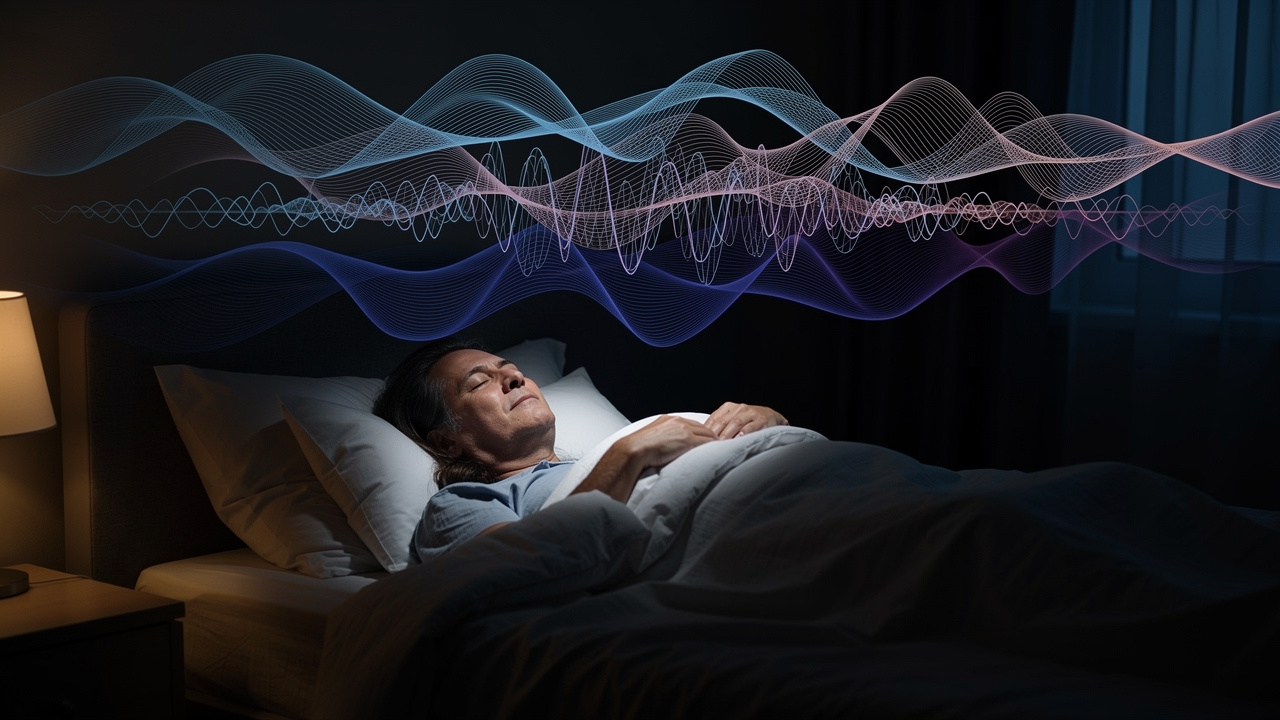
Once you cross the line into sleep, your brain does not stay in one state. Instead, it moves through a repeating pattern of stages, known as sleep architecture. Each cycle lasts about 70 to 120 minutes and includes light NREM sleep, deeper NREM sleep, and REM sleep. Across a normal night, most adults complete four or five of these cycles.
The mix of stages changes as the night goes on. Early cycles are rich in Stage 3 deep sleep, which restores the body and drives the brain’s waste clearance systems. Later cycles contain longer REM periods, which support memory, learning, and emotional balance. To answer what happens when you fall asleep fully, we need to look at each stage.
|
Stage |
Approx. Share Of Night |
Brain Activity |
Main Roles |
|---|---|---|---|
|
Stage 1 NREM |
1–5% |
Alpha → theta waves |
Transition from wake, lightest sleep |
|
Stage 2 NREM |
45–50% |
Spindles, K-complexes on slower waves |
Memory support, protection of sleep, further calming |
|
Stage 3 NREM (Deep) |
15–25% (mostly early) |
Slow, high-amplitude delta waves |
Physical restoration, glymphatic cleaning, growth |
|
REM Sleep |
20–25% (more later) |
Mixed, fast waves like quiet wake |
Dreaming, emotion processing, skill and memory tuning |
Stage 1 NREM: The Gateway
Stage 1 NREM is the true entry point into sleep and usually lasts just one to seven minutes. This stage makes up only a small slice of the night, often around 1 to 5 percent of total sleep time. Brain waves shift from relaxed alpha patterns into slower theta waves, showing that awareness is loosening but not gone.
People often feel as if they are drifting or floating during this time. The mind may flash with quick images or bits of thought that do not quite form dreams. Muscles relax and may twitch, creating the familiar feeling of “falling” that can jerk someone awake. Because Stage 1 is so light, small sounds or movements can wake a person, who may insist they were still awake. This stage is less about deep rest and more about crossing the bridge into the rest of the night.
Stage 2 NREM: Settling Into Sleep
Stage 2 NREM is where you spend most of your night. It often accounts for 45 to 50 percent of total sleep time. After passing through Stage 1, the body enters this more stable state. Heart rate and breathing slow further, body temperature drops a bit, and eye movements stop.
On an EEG, Stage 2 has a special look. Slower background brain waves are interrupted by brief bursts called sleep spindles and by large single waves known as K-complexes. Sleep spindles help with memory consolidation and protect sleep by blocking out minor noises. K-complexes are thought to support both memory and the ability to stay asleep when the environment changes.
People in Stage 2 are harder to wake than in Stage 1, but they are still in light sleep compared with deep slow-wave sleep. This stage acts as the bridge toward deeper sleep, giving the body time to settle and the brain time to begin its night work of sorting and storing information.
Stage 3 NREM: Deep, Restorative Sleep
Stage 3 NREM is often called deep sleep or slow-wave sleep. It is the most physically restoring part of the night and is packed into the first half of sleep. In this stage, brain waves are dominated by slow, high-amplitude delta patterns, which show large groups of neurons firing in a steady, rhythmic way.
This is the hardest stage to wake from. If someone shakes you during Stage 3, you are likely to feel heavy, confused, and foggy for several minutes. That sluggish feeling is known as sleep inertia. During this stage, blood pressure drops to its lowest point, muscles are fully relaxed, and growth hormone release peaks. The immune system ramps up repair processes, and tissues all over the body renew themselves.
Most important for long-term brain health, Stage 3 is when the glymphatic system works hardest to wash away waste products like beta-amyloid and tau proteins. This is a key part of what happens when you fall asleep, even though you never feel it directly. Because of this, SLP1’s Deeper Sleep product is designed to support the timing and quality of this stage, so the brain has the time and depth of rest it needs for cleaning and repair. As people age, time spent in Stage 3 often shrinks, which is why habits and supports that protect deep sleep grow more important over time.
REM Sleep: The Dreaming, Memory-Consolidating Stage
REM sleep usually first appears about 90 minutes after sleep begins. It is often called paradoxical sleep because the brain looks awake on a scan while the body is mostly paralyzed. During REM, brain waves become faster and more mixed, closer to those in quiet wakefulness.
This is the stage when vivid, story-like dreams show up. The eyes dart back and forth under closed lids, breathing becomes more irregular, and heart rate rises toward daytime levels. At the same time, a system in the brainstem shuts off most voluntary muscles so that people do not act out their dreams. Only muscles needed for breathing and eye movement stay active.
REM sleep is central for learning and memory. Skills such as playing an instrument, speaking a new language, or mastering a sport rely on REM to lock in patterns. Emotional memories are also processed here, often with their emotional “sting” softened by replay. REM periods get longer toward morning, which is why many people remember dreams that happen close to waking. SLP1’s holistic focus is not just on deeper sleep, but on supporting full, healthy cycles that give both NREM and REM stages what they need.
The Chemical Symphony: Neurotransmitters Orchestrating Your Sleep
If sleep stages are the scenes in a play, neurotransmitters are the backstage crew moving scenery and lights. They are the chemicals that shift the brain from wakefulness into sleep, keep it there, and then bring it back to alertness in the morning. When people ask what happens when you fall asleep, much of the answer lies in which neurotransmitters rise and which fall.
Wakefulness depends on several arousal systems that keep the cortex active and responsive. During healthy sleep onset, sleep-promoting systems release inhibitory transmitters that quiet those networks. Small changes in this balance can make it hard to get to sleep, cause early morning waking, or lead to light, broken nights. SLP1 builds its natural formulas around these systems, aiming to support their normal swings rather than overpower them.
The Sleep Promoters: GABA, Adenosine, and Melatonin
GABA (gamma-aminobutyric acid) is the brain’s main inhibitory neurotransmitter. Cells in the hypothalamus and brainstem release GABA to calm arousal centers when it is time to sleep. This reduces overall brain activity, relaxes muscles, and helps thought patterns slow down. Many prescription sleeping pills act on GABA receptors, but they can carry issues with tolerance and dependence. SLP1 focuses instead on nutrients and habits that help the body’s own GABA system function smoothly.
Adenosine is the chemical that reflects sleep pressure. As discussed earlier, it builds up in the brain during wakefulness as cells burn energy, making you feel sleepy. When you fall asleep, adenosine levels gradually drop as the brain clears it, which is a key part of what happens when you fall asleep and move into deeper sleep. Caffeine works by blocking adenosine receptors, so you feel less tired even though the pressure is still there.
Melatonin is produced by the pineal gland when the SCN senses darkness. Its main job is to tell the body that night has arrived, helping set the timing of sleep rather than forcing it. Levels rise in the evening, peak in the middle of the night, and fall toward morning. Bright screens and overhead lights in the late evening can delay this rise and confuse the clock. SLP1’s melatonin nasal spray is designed for fast, efficient absorption, supporting circadian timing with lower doses that align with the body’s natural pattern, rather than flooding the system.
Other natural compounds, such as glycine, can help support these systems by easing body temperature down and gently promoting relaxation. The goal is not to knock the brain out, but to guide it toward the state it already wants to reach.
The Wakefulness Promoters: The Arousal Network
Several neurotransmitters work together to keep you awake and alert. For healthy sleep, these systems need to quiet down at night. Orexin, also called hypocretin, acts as a master stabilizer of wakefulness. It helps prevent unwanted sleep during the day and keeps arousal networks steady. People who lack orexin often develop narcolepsy, a disorder marked by sudden sleep attacks.
Norepinephrine and acetylcholine are also important for attention. They keep cortical neurons firing actively, helping you focus and react. During NREM sleep, their levels drop, lowering brain responsiveness to outside input. During REM sleep, norepinephrine falls very low while acetylcholine rises again, which helps create waking-like brain activity alongside dream paralysis.
Histamine, produced in a small region of the hypothalamus, promotes wakefulness as well. That is why older antihistamine drugs often make people drowsy; they block histamine’s action in the brain. Serotonin has a mixed role. It supports wakefulness in some areas but also serves as a building block for melatonin production at night. Cortisol, the main stress hormone, follows a daily rhythm with low levels in the first part of the night and a rise before dawn to help you wake.
Sleep happens when inhibitory forces like GABA and adenosine outweigh these arousal systems. SLP1’s philosophy is to respect this balance and support its natural swing. Instead of pushing one lever hard, SLP1 focuses on guiding the entire network toward calm at night and steady alertness during the day.
Your Brain's Nightly Maintenance: The Glymphatic System and Waste Clearance
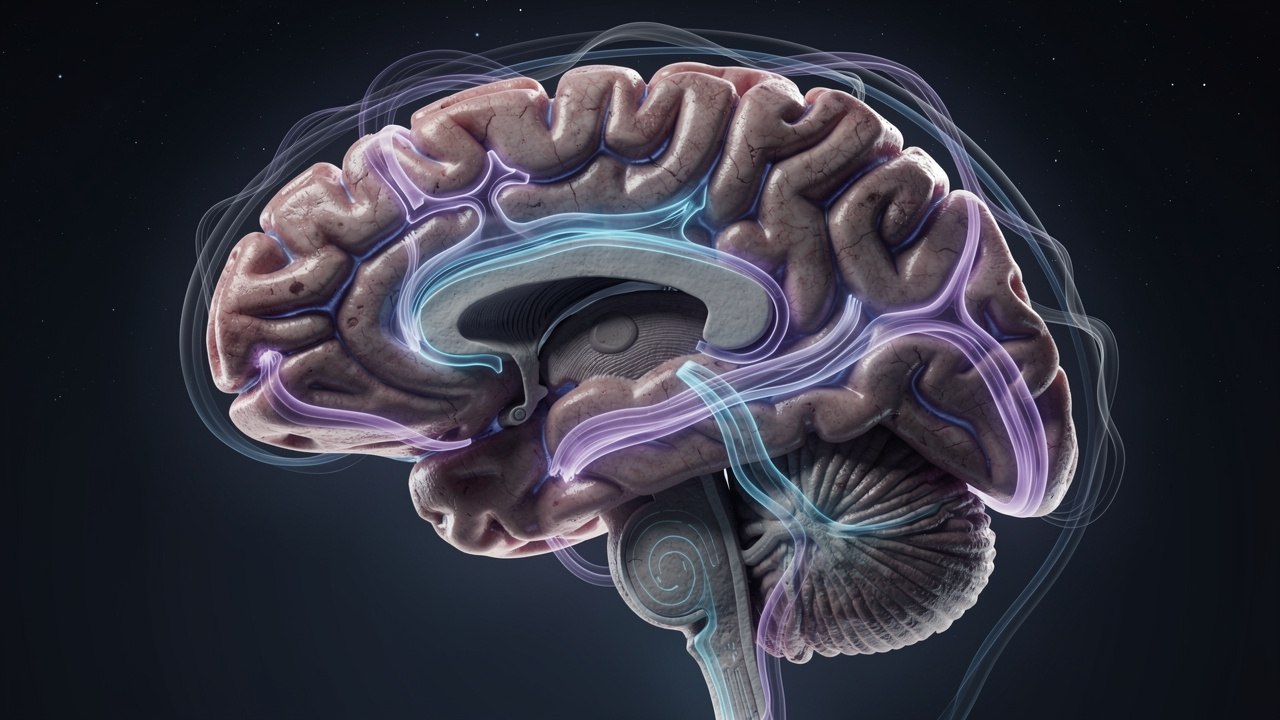
One of the most important discoveries in sleep science over the past decade involves the glymphatic system. This is the brain’s cleaning network, and it switches on most strongly during deep NREM sleep. When people ask what happens when you fall asleep, this hidden wash cycle is a key part of the answer.
During wakefulness, brain cells sit close together, with only narrow spaces between them. Cerebrospinal fluid still moves through those spaces, but not very efficiently. When you enter deeper sleep, something remarkable happens. Brain cells shrink slightly, opening wider channels between them. Cerebrospinal fluid can then flow more quickly, washing through brain tissue and carrying waste products away.
The glymphatic system clears metabolic byproducts that build up during the day. These include beta-amyloid and tau proteins, which are linked with Alzheimer’s disease, as well as other misfolded proteins tied to conditions such as Parkinson’s. Studies in animals show that glymphatic flow can increase by more than half during sleep compared with wakefulness. That rise does not happen when sleep is short or broken.
This maintenance work cannot run at full speed while awake. Conscious processing demands energy and tight coordination, which conflicts with the wide, sweeping flow of cleansing fluid. Deep NREM sleep, especially Stage 3, offers the perfect window. Brain activity slows, awareness is off, and blood flow patterns shift in ways that support cleaning.
Sleep position may matter as well. Some research suggests that side sleeping may support better glymphatic flow than back or stomach positions, though this is still being studied. What is clear is that enough Stage 3 time is vital. One bad night is not a crisis, but years of short or poor sleep may allow waste products to accumulate, raising the risk of neurodegenerative disease.
“It’s as if the brain has a dishwasher that only runs during sleep.”
— Maiken Nedergaard, MD, DMSc, on the glymphatic system
This is why SLP1’s Deeper Sleep product focuses so strongly on supporting deep slow-wave sleep. It is not only about feeling rested the next day. It is about giving the brain the nightly cleaning it needs to stay healthy over decades. When you protect what happens when you fall asleep at the deepest levels, you are also protecting your future self.
Memory Consolidation: How Your Brain Processes and Stores Information While You Sleep
Every day, the brain takes in far more information than it can keep, and research on the association between sleep quality and academic performance shows just how critical this nighttime processing is for learning outcomes. Sleep helps decide what to store, what to weaken, and how to connect new knowledge with old. Without this offline processing, learning falls apart. This is another key part of what happens when you fall asleep and move through different stages.
Memory has several phases:
-
Encoding – taking in new material during the day.
-
Consolidation – stabilizing and reorganizing that material, often during sleep.
-
Retrieval – calling the memory back when you need it.
Poor sleep mostly harms the middle step, which then makes recall harder later.
Different types of memory depend on different sleep stages:
-
Declarative memories (facts, names, events) lean heavily on NREM sleep, especially Stage 2 and Stage 3.
-
Procedural memories (skills like playing music or sports) draw strongly on REM sleep.
-
Emotional memories are shaped by both NREM and REM, with REM especially involved in softening emotional charge.
During NREM sleep, sleep spindles and slow waves help move information from the hippocampus, the brain’s “temporary holding area,” into the cortex for long-term storage. Emotional and procedural memories rely more on REM sleep for fine-tuning and integration.
One guiding idea is the synaptic homeostasis hypothesis. During the day, many synapses strengthen as you learn and respond to life. If they all stayed at full strength, the brain would become noisy and less efficient. During sleep, especially deeper sleep, the brain downscales overall strength while preserving the most important connections. In this way, sleep both protects key memories and frees room for new learning.
The phrase “sleep to remember, sleep to forget” fits here. Sleep does not keep every detail. It keeps what matters and lets go of clutter. That is why cramming all night for a test often leads to worse performance than studying and then sleeping. Naps that include NREM and REM stages can also boost learning, as long as they are timed so they do not disturb night sleep.
SLP1 views support for deep and REM sleep as an investment in cognitive performance. By caring for what happens when you fall asleep, especially in the middle of the night, you help your brain think more clearly, learn faster, and stay mentally flexible over time.
What Happens to Your Body During Sleep: Beyond the Brain
Sleep may begin in the brain, but its effects travel through every system in the body. While the brain runs its programs, the heart, immune system, hormones, muscles, and even temperature control all shift into a different mode. This whole-body reset is just as important as dreaming or memory.
Key changes include:
-
Cardiovascular system – Blood pressure often drops by 10 to 20 percent compared with daytime levels, a pattern known as nocturnal dipping. Heart rate slows, especially during Stage 3 deep sleep, and blood vessels relax. When people chronically miss sleep or have disrupted nights, this dipping pattern can be lost, raising the risk of high blood pressure and heart disease.
-
Immune system – While you rest, the body increases production of cytokines, which are proteins that help fight infection and control inflammation. T-cells become more effective at binding to targets. People who sleep well respond better to vaccines and get sick less often. Even a single night of short sleep can weaken the immune response the next day.
-
Metabolism and hormones – Growth hormone peaks during deeper sleep, helping repair tissues and build muscle. Insulin sensitivity stays steadier when sleep is regular, while sleep loss can create a temporary prediabetic state. Appetite hormones change as well: leptin, which signals fullness, tends to fall with poor sleep, while ghrelin, which signals hunger, rises. This mix often leads to stronger cravings, especially for high-calorie foods.
-
Muscles and tissues – Muscles relax as NREM stages deepen, which helps reduce built-up tension. At the same time, protein synthesis and tissue repair speed up.
-
Temperature and breathing – Core body temperature drops by about one or two degrees, which not only supports the brain’s timing for what happens when you fall asleep, but also conserves energy. Breathing slows and becomes more regular in NREM, then turns faster and less regular during REM.
These shifts cannot be fully “caught up” with sporadic long sleeps. The body does its best, but regular, high-quality sleep is what keeps these systems steady. SLP1’s holistic view of sleep support reflects this, aiming not just for more hours in bed, but for nights that truly restore both brain and body.
When Sleep Goes Wrong: Understanding Disrupted Sleep Architecture
Many people spend seven or eight hours in bed yet wake feeling drained. Often, the problem is not just how long they sleep, but how their sleep architecture is disturbed. To understand what happens when you fall asleep on a bad night, it helps to see how normal cycles get broken.
Common patterns include:
-
Sleep fragmentation – The person falls asleep, but frequent brief awakenings keep pulling them back toward light stages. On paper, total sleep time may look normal, but in reality they get little deep or REM sleep. The result is daytime fatigue, brain fog, and low mood.
-
Sleep apnea – In this condition, breathing repeatedly pauses or becomes shallow during sleep. Each pause briefly wakes the brain enough to restart breathing, though the person may not remember these events. This constant cycling prevents deeper sleep, strains the heart, and is linked with higher risks of cardiovascular and cognitive problems.
-
Insomnia – People with insomnia struggle to get to sleep, stay asleep, or both. They may lie awake for long stretches, which cuts the number of full sleep cycles. The brain may react by increasing REM the next chance it gets, a pattern called REM rebound. This can bring intense dreams and even more broken sleep, sometimes worsening anxiety or low mood.
-
Restless legs syndrome – Uncomfortable sensations in the legs, often in the evening, create a strong urge to move just when the body should be calming. This makes it harder to enter Stage 1 and Stage 2 peacefully and can lead to repeated awakenings across the night.
-
Circadian rhythm disorders – Shift work, jet lag, or naturally delayed sleep timing can push sleep to hours when the body expects to be awake. The person might sleep, but deep and REM stages may be reduced or mistimed, which leaves them unrefreshed. Hypersomnia, or sleeping too much, can still come with poor deep sleep and daytime sleepiness.
Medications that sedate the brain may help someone pass out, but they do not always support natural architecture. That is why SLP1 focuses on rhythm-supporting, non-pharmaceutical approaches that aim to repair the underlying patterns. Chronic sleep issues always deserve professional evaluation, yet it is encouraging that many problems improve when timing, pressure, and environment are brought back into balance.
Natural Strategies to Support Your Brain's Sleep Process
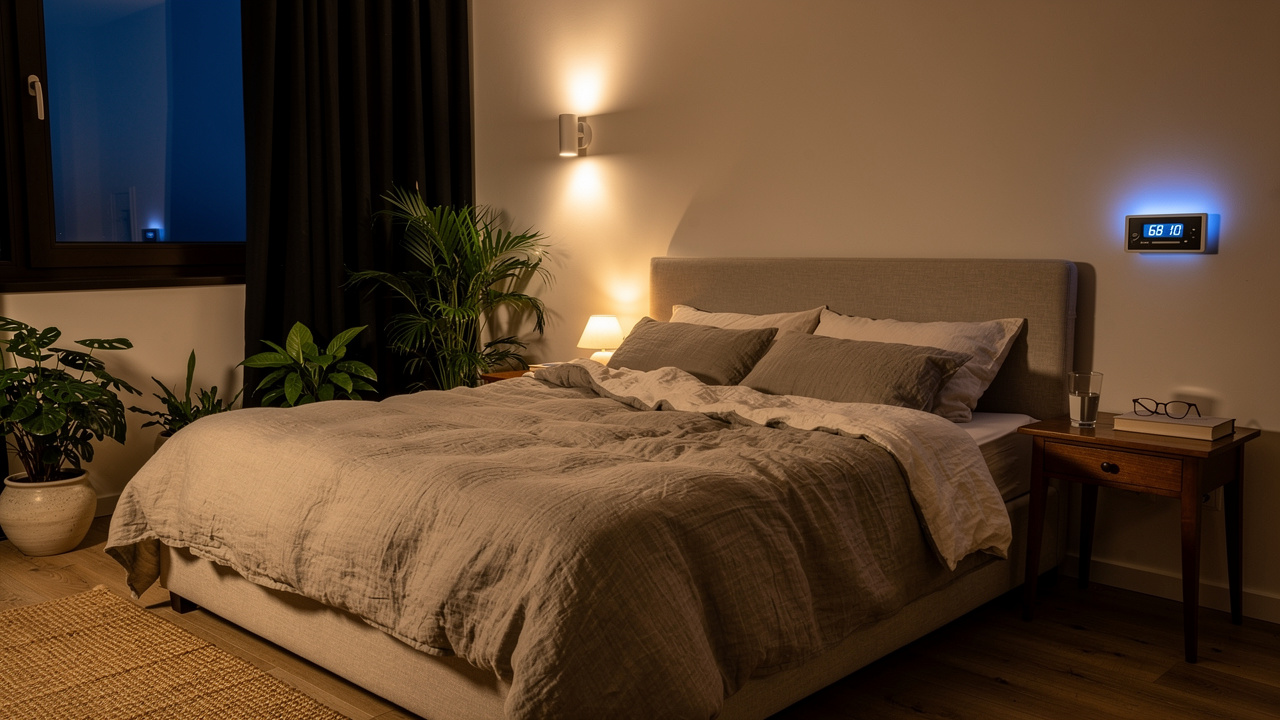
Knowing what happens when you fall asleep is useful only if it leads to better nights. The good news is that many simple, natural steps can support the brain systems that control sleep. SLP1 encourages people to think in terms of steady habits and gentle supports instead of quick fixes.
Helpful strategies include:
-
Align with your circadian rhythm
Go to bed and wake up at roughly the same time every day, including weekends, to help the SCN keep a stable schedule. Getting bright natural light within an hour of waking sends a clear daytime signal. In the evening, dimming lights and limiting blue light from phones and laptops lets melatonin rise on time. Skipping late naps helps keep sleep pressure strong for night. -
Build healthy sleep pressure during the day
Keep caffeine to the morning so adenosine can do its job later. Regular physical activity can deepen NREM sleep, though hard workouts are best finished a few hours before bed so the body has time to cool down again. Waking at a consistent time, even after a bad night, helps the homeostatic system reset so it can drive deeper sleep the next night. -
Shape your sleep environment
Your sleep setting sends strong signals to the brain about what happens in bed. A cool bedroom, often around 65 to 68 degrees Fahrenheit, supports the body’s natural temperature drop. Darkness from curtains or a sleep mask encourages melatonin production. Quiet helps, though some people like steady background sound. Keeping the bed for sleep and intimacy only, rather than work or scrolling, trains the brain to associate that space with rest. -
Create a wind-down routine
A wind-down routine tells the nervous system that wake time is ending. Starting about an hour before bed, it helps to slow stimulation, step away from intense work, and choose calming activities. Gentle stretching, breathing exercises, or a warm shower can ease the shift. Reading a physical book, journaling to clear thoughts, or using a guided meditation from an app can all help the mind settle so it is easier to get to sleep. -
Support the brain’s chemistry wisely
SLP1’s Deeper Sleep formulation is built to support natural sleep architecture, not just knock you out. Ingredients such as glycine may help with relaxation and body temperature control, while reishi mushroom is often used to ease stress and smooth sleep cycles. SLP1’s innovative melatonin nasal spray aims to match the body’s own timing with fast, gentle support rather than heavy doses taken at random hours. These tools work best when used consistently alongside strong habits. -
Tend to stress and racing thoughts
Stress management is vital for people whose minds race in bed. Mindfulness practice, even for a few minutes a day, can weaken patterns of late-night worry. Scheduling “worry time” earlier in the day, writing down concerns and possible steps, can keep them from rushing back at bedtime. Cognitive behavioral therapy for insomnia (CBT-I) is the gold standard non-drug treatment and pairs well with SLP1’s resources and product line. -
Use the twenty-minute rule
One simple rule that sleep doctors often suggest is the twenty-minute rule. If you cannot fall asleep after what feels like twenty minutes, get out of bed and do a quiet, low-light activity in another room. Return to bed only when you feel sleepy. This breaks the link between bed and frustration. With time, these natural strategies work together, helping what happens when you fall asleep become smoother, deeper, and more restoring.
“You’re not healthy unless your sleep is healthy.”
— William C. Dement, MD, PhD, sleep medicine pioneer
Conclusion
Sleep is not empty time. It is a highly organized process in which the brain and body do jobs that cannot happen while awake. From the first moments of Stage 1, through deeper sleep and into vivid REM dreaming, every stage has a purpose. Asking what happens when you fall asleep leads straight to the heart of health, focus, and emotional balance.
While you sleep, the glymphatic system clears waste, helping protect the brain from harmful buildup. Memories are sorted, with some strengthened and others gently faded. Hormones shift in patterns that affect appetite, blood sugar, growth, and stress response. The heart and blood vessels get a break, muscles repair, and the immune system prepares for the next day’s challenges.
Modern life makes all of this harder. Late-night work, screens, stress, and irregular schedules pull people away from the rhythms their brains expect. Yet understanding how sleep works gives you a way back. Small, steady changes in timing, light, routine, and mindset can slowly restore healthy cycles and make it easier to get to sleep and stay asleep.
“If sleep does not serve an absolutely vital function, then it is the biggest mistake the evolutionary process ever made.”
— Allan Rechtschaffen, PhD, sleep researcher
SLP1 aims to be a thoughtful partner in that process. With science-based formulations like Deeper Sleep, clear guides on tools such as glycine, reishi, and melatonin nasal spray, and practical protocols for different life stages, SLP1 is built around the idea that quality sleep comes from working with the body, not against it.
Every night offers another chance. By giving your brain the darkness, timing, and support it needs, you invest in clearer thinking, steadier mood, and better health for years to come. The next time you lie down and wonder what happens when you fall asleep, you will know that an entire hidden world of repair and renewal is ready to begin.
FAQs
Question: How Long Does It Take For Your Brain To Fall Asleep?
For most healthy adults, it takes about 10 to 20 minutes to fall asleep. This span, known as sleep latency, is the time it takes to move from relaxed wakefulness into Stage 1 NREM, where what happens when you fall asleep truly begins. Falling asleep in just a few minutes can mean heavy sleep deprivation, while taking much longer may hint at insomnia or poor sleep habits. Trying hard to force sleep often backfires, so a calm routine and consistent schedule are more helpful than effort.
Question: What Part Of The Brain Controls Sleep?
There is no single “sleep center” that handles everything. Instead, several brain regions work together to control what happens when you fall asleep and wake up. The hypothalamus houses the suprachiasmatic nucleus, which sets circadian timing, while nearby areas contain sleep-promoting cells. The brainstem manages transitions between sleep and wake and controls REM muscle paralysis. The thalamus acts as a gate for sensory input, and the pineal gland produces melatonin. Damage to any of these areas can change sleep patterns in specific ways, which shows how carefully coordinated this network is.
Question: Does Your Brain Rest During Sleep?
It might seem that the brain shuts down at night, but that is not what happens when you fall asleep. Brain activity stays high, just in different ways than during the day. In NREM sleep, the brain uses slow waves and sleep spindles to consolidate memories and clear waste products. In REM sleep, activity rises to near waking levels while you dream and process emotions. Rather than true rest, sleep is a shift to behind-the-scenes work that keeps brain function healthy.
Question: Can You Remember Falling Asleep?
Most people cannot remember the exact moment they go from awake to asleep. This is because of sleep onset amnesia. As the brain crosses into Stage 1 NREM, it stops forming normal memories, so the transition itself is not stored. You may recall lying in bed or brief images from the hypnagogic state just before sleep, but there is usually a blank spot where what happens when you get to sleep actually occurs. That small gap is a sign that the brain has made a clean shift into sleep.
Question: Why Do I Dream More In The Morning?
Dreams often feel more frequent and vivid in the morning because REM periods get longer as the night goes on. The first REM stage may last only 10 minutes, but later ones can stretch to 30 or even 60 minutes. Since REM is where the most intense dreaming happens, more time spent there means more dreams. You are also more likely to wake up during or right after REM close to your alarm time. Waking from REM makes it easier to remember dreams, which is why morning dreams stand out.
Question: Is Deeper Sleep The Same As Sleeping Longer?
Deeper sleep and longer sleep are related but not the same thing. Deeper sleep refers mainly to Stage 3 NREM, the slow-wave stage that restores the body and powers the glymphatic cleaning system. It is possible to sleep eight or nine hours but have very little deep sleep because of fragmentation, which can leave you tired. It is also possible to have somewhat shorter sleep with well-preserved deep stages and feel better than the total hours suggest. SLP1’s Deeper Sleep product focuses on quality and healthy architecture, not simply on adding time in bed. Paying attention to how rested you feel is just as important as counting hours.


Leave a comment
This site is protected by hCaptcha and the hCaptcha Privacy Policy and Terms of Service apply.