
Introduction
The first night after starting a new supplement can feel like a small experiment. The clock creeps past midnight, the mind is still busy, and a quiet question shows up again and again – how long does 5-HTP take to work?
5-HTP is not a sedative drug. It is a natural amino acid that the body already uses to make serotonin, and then melatonin. That is why many people reach for it when they want better sleep, steadier mood, or less “wired but tired” energy during the day. Research shows that 5-HTP begins to act in the body within hours, yet the clear, day-to-day benefits often appear over days or weeks.
This gap between fast chemistry and slower results is where most confusion starts. Some notice drowsiness the first night. Others wonder after a week if anything is happening at all. The honest answer to how long 5-HTP takes to work is “it depends” – on the goal, the dose, the quality of the supplement, and personal biology.
SLP1 focuses on that middle ground between quick fixes and vague promises. The SLP1 5-HTP approach is built around clean, melatonin-free sleep support that works with natural serotonin and melatonin rhythms, not against them.
By the end of this article, the timelines will be clearer. It will walk through:
-
How fast 5-HTP acts in the brain
-
How long it tends to take for sleep, mood, appetite, pain, and migraine support
-
What speeds things up or slows them down
-
How the SLP1 philosophy fits into a long-term sleep strategy
Key Takeaways
-
5-HTP starts to change brain chemistry within about one hour, yet clear symptom relief takes longer. Short-term effects, such as feeling sleepy faster at night, can appear the first evening, while deeper shifts in mood and sleep quality usually take several weeks of steady use.
-
The answer depends on the goal. For sleep onset, benefits can appear on night one and build over one to twelve weeks. For mood, two to three weeks is a common minimum. Appetite effects can show up within days, while migraine and fibromyalgia support often need many weeks or even months of consistent intake.
-
Dose, timing, product quality, and biology shape the timeline. Standardized, third-party tested 5-HTP, daily consistency, and support nutrients such as vitamin B6 and magnesium improve the odds of steady progress. SLP1 designs melatonin-free 5-HTP formulations around these details, so the supplement fits smoothly into natural sleep and serotonin cycles instead of fighting them.
What Is 5-HTP and How Does It Work in Your Body?

5-hydroxytryptophan, or 5-HTP, is an amino acid that the body makes on its own. It sits in the middle of a simple yet powerful chain. Dietary protein provides tryptophan. Cells convert tryptophan into 5-HTP. Then 5-HTP turns into serotonin, one of the main chemical messengers in the brain.
From there, serotonin can turn into melatonin in the pineal gland, and recent findings show that gut bacteria found to make serotonin can also boost intestinal motility, revealing the deep connection between gut health and neurotransmitter production. Melatonin is the hormone that tells the body it is time to sleep. So the flow is:
-
Tryptophan → 5-HTP → serotonin → melatonin
Each step can affect mood, sleep, appetite, pain, and many other functions, yet 5-HTP is the direct bridge into serotonin.
Food contains tryptophan, not 5-HTP. Tryptophan is found in turkey, chicken, eggs, cheese, nuts, seeds, and whole grains. When someone swallows a standard tryptophan supplement, it still must pass through a rate-limiting enzyme before it becomes 5-HTP. It also competes with other amino acids for entry into the brain. 5-HTP skips that slow step and does not have the same level of competition at the blood–brain barrier, so it can raise brain serotonin more directly.
This is a key reason people use 5-HTP instead of tryptophan for targeted support. 5-HTP itself is not taken from food. Supplements usually come from the seeds of Griffonia simplicifolia, a plant native to West Africa that naturally contains high levels of 5-HTP. The extract is purified and standardized so that each capsule provides a known amount of the active compound.
Serotonin touches many parts touches many parts of daily life. It helps shape:
-
Mood and emotional resilience
-
How easily sleep comes at night
-
How refreshed someone feels in the morning
-
Hunger and fullness
-
Pain sensitivity and body temperature
When serotonin is low, mood and sleep often suffer, and some people feel more pain or stronger food cravings.
Because 5-HTP crosses the blood–brain barrier while serotonin cannot, it offers a way to raise serotonin where it matters most for mood and sleep. Once serotonin levels rise in the brain, more raw material is also available to make melatonin in the evening. This is the core reason 5-HTP is so closely linked to sleep support, and why understanding this chain helps explain the timing of results.
The Immediate Biochemical Response: What Happens Within Hours
After swallowing a 5-HTP capsule, absorption happens fairly quickly. The compound passes through the stomach and small intestine and enters the bloodstream. Enzymes in the gut lining, liver, kidneys, and other tissues begin converting 5-HTP into serotonin. This process does not take days. It happens within hours.
Studies show that serotonin levels in the blood and in the brain rise soon after a dose of 5-HTP. In many tests, blood serotonin peaks at about one hour after intake. Because 5-HTP can cross the blood–brain barrier, part of the dose reaches the central nervous system and is converted into serotonin directly in brain tissue.
This fast change in change in chemistry is why some people feel relaxed or even drowsy the first time they use 5-HTP. Many experts suggest taking it after five in the evening or within an hour of bedtime. Evening use lines up the peak in serotonin with the body’s own push toward rest and reduces the chance of feeling sleepy during the workday.
It is important to separate these short-term shifts from deeper changes in symptoms. Serotonin levels may spike within an hour, yet chronic issues such as low mood, long-term insomnia, or migraine patterns often need stable shifts over many days. The brain needs time to adapt to a higher, steady baseline, and that requires consistent dosing rather than one or two scattered capsules.
As many neurologists explain, “brain chemistry tends to change over weeks, not hours.” That idea is central to understanding how 5-HTP works in real life.
The Timeline: How Long Does 5-HTP Take to Work for Different Goals?
When someone asks how long 5-HTP takes to work, the honest answer starts with another question: work for what? Sleep onset, overall sleep quality, mood, appetite, chronic pain, and migraine prevention each have different timelines in research. The same person can even notice some effects in a day and others only after weeks.
It also helps to separate first signs from full benefits:
-
For sleep, the first sign may be falling asleep faster on the first or second night, while deeper sleep stages and better next-day energy may take many weeks.
-
For mood, early shifts might be fewer emotional dips after two weeks, yet a steady sense of well-being may only appear after longer use.
The sections below walk through what current studies suggest for each major goal.
For Sleep Quality and Sleep Latency (5-HTP for Sleep)

For sleep, the key pathway is serotonin turning into melatonin in the evening. When 5-HTP raises serotonin, the pineal gland has more raw material to build build melatonin. Higher melatonin at night signals the brain and body to slow down, lower core temperature, and move into the first stages of sleep.
Research shows that this process can affect sleep latency (the time it takes to fall asleep) fairly quickly. One controlled study in 2021 found that 5-HTP reduced the time to fall asleep, even in the short term. Many people notice that when they take 100–300 mg about thirty to sixty minutes before bed, their mind settles more easily and sleep starts sooner that same night.
Over the first one to two weeks, a pattern often appears:
-
It may become easier to get to sleep on most nights.
-
Total sleep time and depth can still vary.
-
Some people feel heavier eyelids or a calmer mental “background noise” as they wind down.
-
A few may notice stronger drowsiness at first, which often settles as the body adapts.
Longer-term studies give more detail on deeper sleep changes. A review from 2020 suggested that 5-HTP can lengthen rapid eye movement (REM) sleep, which is a stage linked with memory and emotional processing. In 2024, a twelve-week study in older adults with sleep issues found that daily 5-HTP improved overall sleep quality scores and even shifted the mix of gut bacteria in a favorable direction. That suggests both brain and gut serotonin systems may adapt over time.
For most adults who use 5-HTP for sleep, the working range is 100–300 mg taken in the evening, usually thirty to sixty minutes before bedtime. SLP1 pairs this amount of standardized 5-HTP with calming nutrients such as glycine and magnesium in a melatonin-free formula. The goal is steady support of the body’s own melatonin production and smoother sleep structure, without the hormone overload or morning fog that many people experience with direct melatonin pills.
For Mood Support and Depression
Mood changes tend to move more slowly than sleep onset. Even though serotonin levels rise within hours, the brain’s networks involved in mood need time to adapt to a new chemical balance. This is similar to how standard antidepressant drugs take weeks to show full effect, even though they alter serotonin handling on day one.
Most clinical studies that look at 5-HTP for mood or depression run for at least two to three weeks. Many people in these trials report that the first clear improvements – such as fewer crying spells, better motivation, or less sense of heaviness – show up after that window of daily use. The time frame mirrors common timelines for selective serotonin reuptake inhibitors (SSRIs) used in standard care.
Some research has compared 5-HTP directly with an SSRI. In one older study, 5-HTP showed similar improvement to fluvoxamine in people with depression. Other work has explored 5-HTP as part of a combination approach. A 2017 pilot study in women with treatment-resistant depression combined 5-HTP with creatine for eight weeks and found notable symptom relief. A small 2020 trial in people with Parkinson’s disease, who often struggle with mood symptoms, also reported better mood scores with 5-HTP than with placebo.
At the same time, the science is not settled. A more recent review pointed out that the overall evidence base is limited and that depression is not is not driven by serotonin alone. For this reason, many experts view 5-HTP as a possible supportive tool rather than a first-line stand-alone treatment for major depression.
Typical research doses for mood range from 100 mg twice daily to higher totals such as 150–800 mg per day, always under medical care. Anyone with depression or on antidepressant medication needs careful guidance from a physician before using 5-HTP, both for safety and to set realistic expectations. As a general rule, a fair trial for mood support should last at least two to three weeks of steady dosing before deciding whether it helps.
For Weight Management and Appetite Control
Serotonin does not only affect mood and sleep. It also plays a strong role in appetite control and feelings of fullness. When serotonin levels rise in certain brain regions, signals related to satiety become stronger. This is one reason some people notice less interest in snacking or smaller portions after they begin 5-HTP.
Research on appetite suggests that 5-HTP may act faster for hunger than for mood. In one study in people with diabetes, those who took 5-HTP for two weeks ate about 420 fewer calories per day than those who took placebo. They also reported feeling fuller. That means a clear change in daily calorie intake appeared within a fourteen-day period.
A 2023 study took a longer view and used 100 mg of 5-HTP per day for eight weeks. Even without a strict diet, participants in the 5-HTP group lost fat mass compared with controls. This suggests that small day-to-day changes in appetite and food choice can add up over two months to measurable changes in body composition.
For appetite support, studies often use 250–300 mg taken about thirty minutes before each meal, for a total of 750–900 mg per day. Many people can feel stronger fullness signals within the first few days of that pattern, though steady weight changes still depend on the full picture of diet, movement, and sleep.
For Fibromyalgia and Chronic Pain
Fibromyalgia is marked by widespread pain, poor sleep, fatigue, and often anxiety. Several studies have found that people with this condition have lower serotonin levels. Because of this, 5-HTP has been tested as a way to support both pain and sleep in fibromyalgia.
In one double-blind study, people with fibromyalgia took 100 mg of 5-HTP three times per day, and research examining the clinical efficacy of fecal microbiota transplantation suggests that improving gut health may also support pain management through serotonin pathways. After at least two weeks, many showed less pain, less morning stiffness, lower anxiety, and less fatigue compared with the placebo group. Other work that ran for around ninety days reported similar trends, including better sleep quality.
Most protocols for fibromyalgia use 100 mg three or four times per day with meals. A realistic trial period is at least two weeks, and often several months, before judging the full effect. The research base is still early and not large, so 5-HTP should be seen as one possible part of a wider pain and sleep plan, not a stand-alone fix.
For Migraine Prevention
Migraine is a complex condition that involves nerves, blood vessels, and many chemicals, including serotonin. Some older theories suggest that drops in serotonin may help trigger migraine attacks in some people. That led researchers to test whether raising serotonin with 5-HTP over time could reduce attack frequency.
One major older study followed 124 people with migraine and compared 5-HTP with methysergide, a standard preventive drug at the time. Participants took 5-HTP daily for six months. About 71% of those in the 5-HTP group had fewer or milder attacks, a rate close to the drug group.
The dose used for migraine prevention in that work was high, around 600 mg per day. The key point for timing is that benefits in attack frequency showed clearly only after several months. So for migraine, 5-HTP is best viewed as a long-term preventive option rather than a way to stop a headache that has already begun. Close medical supervision is essential because of the high doses and long duration.
Factors That Influence How Quickly 5-HTP Works for You
Two people can take the same 5-HTP dose at the same time of day and notice very different timelines. One might fall asleep faster that night, while the other needs several weeks to see any change. That does not mean the supplement is “good” or “bad.” It reflects a mix of:
-
Product quality
-
Dose and timing
-
Daily consistency
-
Individual biology
Supplement Quality and Standardization
The quality of a 5-HTP product has a direct effect on how fast and how strongly it acts. 5-HTP in supplements comes from Griffonia simplicifolia seeds, and the amount of active molecule in raw plant material can vary a lot. Standardization solves this by adjusting the extract so that each batch contains a defined percentage of pure 5-HTP.
Higher-quality products often use extracts that contain up to 98% 5-HTP. That means each capsule on the label actually delivers close to the stated amount and behaves in a predictable way in the body. Non-standardized blends may contain much less active ingredient per capsule, which leads to weak or inconsistent results even when the label looks similar.
Purity also matters for safety and effectiveness. A serious condition called eosinophilia–myalgia syndrome (EMS) was linked to contaminated tryptophan products in the past, and rare EMS cases have also appeared in people using 5-HTP. While contamination appears to be the driving issue, not 5-HTP itself, this history shows why careful careful manufacturing and third-party testing are so important. SLP1 uses pharmaceutical-grade, standardized 5-HTP from Griffonia simplicifolia, produced under strict GMP conditions and screened by outside labs for identity, potency, and contaminants.
Dosage, Timing, and Consistency
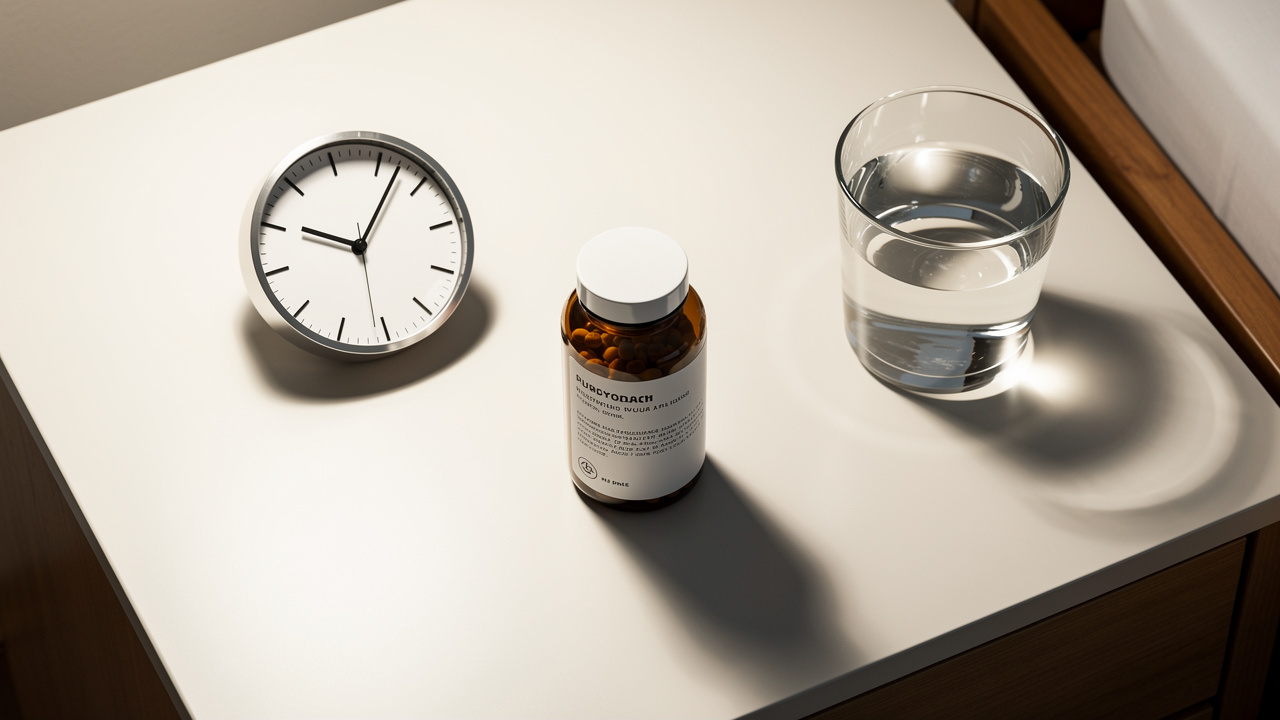
Even the best 5-HTP will not work well at the wrong dose or with scattered use. Too little may do almost nothing. Too much raises the risk of nausea, stomach upset, or excessive drowsiness. A helpful approach is often called “start low, go slow.” A person might begin with 50–100 mg per day and increase gradually every few days while watching for both benefits and side effects.
Timing connects to the goal:
-
For sleep, taking 5-HTP in the evening, often thirty to sixty minutes before bed, lines up the serotonin rise with melatonin production.
-
For appetite control, doses taken about thirty minutes before meals work better because they are in place when eating begins.
-
For mood or chronic pain, doses are usually spread across the day to keep levels steady.
Consistency is just as important as dose. The brain and body need a reliable supply of 5-HTP to build a new balance in serotonin and melatonin systems. Skipping days or taking capsules only “when needed” often leads to flat results, especially for mood, migraine, and fibromyalgia.
As many sleep clinicians tell their patients, “Supplements support routines – they do not replace them.” Regular timing is part of that routine.
Following research-based ranges and, when possible, working with a physician can help find the right balance between effect and tolerance.
Individual Biochemistry and Baseline Status
Each body starts in a different place. Someone with very low baseline serotonin can need more time to reach a comfortable level than someone with only a mild shortfall. Metabolism also matters. Faster metabolisms may clear 5-HTP more quickly, while slower ones may hold on to it longer, changing both effect strength and side effect risk.
Genetic differences affect enzymes that convert tryptophan to 5-HTP and 5-HTP to serotonin, as well as receptors that respond to serotonin. Levels of support nutrients such as vitamin B6, magnesium, and folate also change how smoothly those conversions run. High stress, poor diet, and irregular sleep can all pull against the gains from 5-HTP.
Because of this, people should allow at least two to four weeks of regular use before deciding how well 5-HTP works for them, and adjust only one factor at a time. Some will respond quickly at low doses, while others will need more time or a different strategy.
Synergistic Ingredients and Formulation Design
5-HTP does not work alone inside the body. Vitamin B6 is a required cofactor for the enzyme that turns 5-HTP into serotonin. Minerals such as magnesium and amino acids like glycine support muscle relaxation, nervous system calm, and healthy sleep structure. A formula that brings that brings these together can act more smoothly than 5-HTP by itself.
SLP1 designs its sleep support products around these synergies, combining standardized 5-HTP with vitamin B6, glycine, magnesium, and other gentle sleep-supporting nutrients in ratios that reflect clinical research.
Recommended Dosages for Different Applications
Before adjusting any routine, especially one that involves mood, pain, or prescription drugs, it is wise to talk with a healthcare provider. 5-HTP is powerful enough to change brain chemistry, so professional guidance helps keep use safe and effective. The figures below come from research and expert summaries and are not personal medical advice.
A helpful rule across all goals is to start with a small dose, often 50–100 mg per day, and only increase after several days if the supplement is well tolerated. Many side effects show up when people jump straight to high amounts. Slow increases give the brain and gut time to adapt while still moving toward an effective dose.
A simple way to see the main ranges is in the table below.
|
Goal |
Typical Daily Range |
Timing and Notes |
|---|---|---|
|
Sleep support |
100–300 mg |
Taken thirty to sixty minutes before bedtime. Many start at 100 mg and raise slowly if needed while watching for morning grogginess. |
|
Mood support and depression |
150–800 mg |
Often begins at 100 mg twice per day. Higher doses should only be used with physician supervision. At least two to three weeks of steady intake are needed before judging effect. |
|
Appetite control and weight |
750–900 mg |
Commonly 250–300 mg about thirty minutes before each meal. Fullness changes may appear within days, while weight changes require weeks. |
|
Fibromyalgia symptoms |
300–400 mg |
Usually 100 mg three or four times per day with meals. A minimum two-week trial is needed, and longer use is common in studies. |
|
Migraine prevention |
About 600 mg |
Often divided across the day. Research suggests use for up to six months in preventive plans, always under medical guidance. |
General safety data suggest that doses up to about 400 mg per day have been used for up to a year in adults under medical care. Extremely high doses in the range of several grams per day have been linked to severe stomach pain and muscle problems and should be avoided.
Even for sleep, evening dosing has clear advantages. It fits the natural rise in melatonin, helps people feel sleepy at the right time, and reduces the chance of mid-day drowsiness. SLP1 designs its 5-HTP sleep formulations around these clinically used ranges so that most users do not need to guess at doses or timing.
Potential Side Effects and How to Minimize Them
5-HTP is considered safe for many adults when used in reasonable amounts, but it is not free of side effects. Most reactions appear in the gut because serotonin is very active there. Common issues include:
-
Nausea
-
Heartburn
-
Stomach cramps
-
Vomiting
-
Diarrhea
Some people also notice drowsiness, restlessness, muscle aches, or sexual side effects.
These reactions often follow a dose pattern: the higher the dose, the more frequent and intense the symptoms tend to be. That is why the “start low, go slow” method is so helpful. Beginning with 50 mg once or twice per day and increasing only after several days gives both the gut and the brain time to adjust to new serotonin levels. If side effects show up, staying at that dose or stepping back can allow the body to settle.
Taking 5-HTP with food can also help reduce stomach upset for some people. A small snack or part of a meal can soften the impact on the stomach lining without blocking absorption. For sleep support, many people take 5-HTP with a light evening snack rather than on an empty stomach.
There is a rare but serious concern called eosinophilia–myalgia syndrome (EMS). This condition causes severe muscle pain, nerve issues, and skin changes. Past outbreaks were linked to contaminated tryptophan products, and a few cases have involved people who used 5-HTP. It is still not clear whether the impurity or the active ingredient was at fault in those rare events, but the lesson is clear: high-quality manufacturing and independent testing matter for safety as well as for results.
People should stop 5-HTP and speak with a healthcare provider if they notice:
-
Intense or long-lasting side effects
-
Muscle pain or weakness that does not match normal soreness
-
Rashes or other skin changes
-
Trouble breathing
-
Any other unusual symptoms
In many cases, mild side effects fade with time as the body adjusts. Choosing a pharmaceutical-grade, third-party tested product, such as those produced by SLP1, lowers the risk of hidden contaminants and unnecessary additives that can also irritate the gut or immune system.
Critical Safety Precautions and Drug Interactions
5-HTP changes serotonin levels in the brain, which is the same system that many prescription drugs target. That means benefits and risks exist side by side. Used carelessly, 5-HTP can interact with medications in ways that are dangerous rather than helpful. Used with guidance, it can be part of a safe plan. This section lays out the most important cautions, yet it is not a complete list. A doctor or pharmacist should always review personal medications before 5-HTP is added.
As pharmacists often warn, “If you’re already on a serotonin-acting drug, adding another one on your own is never a good idea.”
The Risk of Serotonin Syndrome
The most serious risk with 5-HTP is a condition called serotonin syndrome. This happens when serotonin levels in the brain climb too high. It most often occurs when several serotonin-raising agents are taken together, such as 5-HTP with an antidepressant.
Symptoms can start mild, with:
-
Shivering or sweating
-
Diarrhea
-
Headache
-
A fast heartbeat
As levels climb, people may develop rigid muscles, fever, confusion, or strong agitation. In severe cases, seizures, dangerous heart rhythm changes, or loss of consciousness can occur. Serotonin syndrome is a medical emergency and needs prompt care in an emergency room.
Certain medications should never be mixed with 5-HTP unless a physician gives clear, close guidance. These include:
-
SSRIs such as fluoxetine, sertraline, citalopram, and escitalopram
-
SNRIs such as duloxetine and venlafaxine
-
MAO inhibitors
-
Most tricyclic antidepressants
-
Tramadol and some other pain relievers
-
Triptan drugs used for acute migraine attacks
-
Cough syrups that contain dextromethorphan
-
Herbal products like St. John’s wort
Anyone taking any of these should avoid 5-HTP unless their prescriber has weighed the risks and set up careful monitoring.
Other Medication Interactions and Special Populations
Sedative medications are another area of concern. 5-HTP itself can cause drowsiness, especially when used for sleep. When combined with benzodiazepines such as clonazepam, lorazepam, or alprazolam, or with prescription sleep aids such as zolpidem or eszopiclone, the calming effect can become too strong. People may feel very groggy, have slower reflexes, or in extreme cases, have slowed breathing. Alcohol adds to this effect as well, so mixing 5-HTP with heavy drinking is not wise.
Carbidopa, a drug used for Parkinson’s disease, also interacts with 5-HTP. The two together can raise the risk of unwanted mental effects such as rapid, pressured speech, anxiety, or aggressive behavior. For this reason, Parkinson’s patients should not add 5-HTP on their own and should only do so under a neurologist’s care if at all.
Because many anesthesia drugs affect serotonin, people who are planning surgery should stop taking 5-HTP at least two weeks before their procedure, unless their surgeon or anesthesiologist gives different advice. This gap lowers the risk of unexpected serotonin-related reactions during and after surgery.
There is not enough solid data to say that 5-HTP is safe in pregnancy or during breastfeeding. Since serotonin and melatonin are deeply involved in development, most experts recommend avoiding 5-HTP during these times unless a specialist gives a clear reason and monitors closely. Children sometimes receive 5-HTP under medical supervision for specific conditions, at doses up to around 5 mg per kilogram of body weight per day, but it should never be given to a child without a doctor’s guidance.
Some medical conditions are clear red flags. People with scleroderma or Down syndrome are advised not to use 5-HTP at all. Anyone with chronic illness, especially heart disease, kidney disease, or serious mental health conditions, should check with a healthcare provider before starting 5-HTP. When in doubt, a short conversation with a doctor or pharmacist is far safer than guessing.
Maximizing Your Results: Quality, Lifestyle, and the SLP1 Approach
Supplements work best when they fit into a broader pattern of good sleep habits, steady nutrition, and realistic expectations. 5-HTP can support that pattern, but it cannot replace it. SLP1 builds its 5-HTP products and protocols around this idea, focusing on clean ingredients, smart timing, and long-term use rather than quick, dramatic changes that fade.
Prioritize Pharmaceutical-Grade, Standardized Supplements
The first step is simple: choose a product that delivers what the label claims. Standardization to high percentages of 5-HTP means each capsule is consistent, night after night. That steadiness makes it much easier to judge dose and timing rather than guessing how much active ingredient is present in each pill.
Pharmaceutical-grade manufacturing adds further control, with careful handling at every step. Third-party testing checks for heavy metals, microbes, and other contaminants and confirms potency. GMP certification shows that a facility follows strict quality rules. SLP1 ties all of these pieces together, using standardized 5-HTP at clinically relevant concentrations and avoiding common allergens, artificial colors, flavors, and unnecessary fillers that do not support health.
Support Natural Serotonin Production Through Diet

5-HTP supplements give a direct boost, yet diet still matters. The body makes its own 5-HTP from tryptophan in food. Good tryptophan sources include:
-
Nuts and seeds such as pumpkin seeds, sesame seeds, and walnuts
-
Whole grains like brown rice and oats
-
Animal foods such as turkey, chicken, eggs, and cheese
-
Legumes such as soybeans and chickpeas
-
Dark chocolate
Several vitamins and minerals act as helpers in this chain. Vitamin B6, found in foods such as bananas, chickpeas, and potatoes, is needed to turn 5-HTP into serotonin. Magnesium, present in leafy greens, nuts, and whole grains, supports relaxation and nerve health. Folate and other B vitamins help with broader brain chemistry. Some people also use L-tryptophan supplements when diet is limited.
When a nutrient-dense eating pattern works alongside a high-quality 5-HTP product, the whole serotonin pathway tends to function more smoothly.
Optimize Timing with Circadian Biology
The brain already follows a daily daily rhythm for serotonin and melatonin. Serotonin is higher with daytime light and activity. As evening comes, the body converts more serotonin into melatonin to prepare for sleep. Evening 5-HTP dosing taps into this natural pattern instead of working against it.
Taking 5-HTP after late afternoon or within an hour of bedtime helps the main serotonin rise line up with melatonin production. Regular evening use at about the same time each night teaches the circadian system what to expect, which can make sleep onset more predictable. Daytime dosing for sleep support can backfire by causing unwanted drowsiness at work or during important tasks.
SLP1 designs its formulas and protocols specifically for evening use along with healthy sleep habits such as:
-
A consistent bedtime and wake time
-
A dark, quiet bedroom
-
Limited screens and bright light before bed
Practice Consistency and Patience
Neurochemistry rarely changes overnight in a lasting way. Even when someone feels sleepy the first night on 5-HTP, the deeper benefits for mood, resilience, and stable sleep patterns usually build slowly. A fair expectation is:
-
1–2 weeks to test basic sleep-onset effects
-
2–3 weeks to judge mood support
-
Several months for chronic issues such as migraine or fibromyalgia
When 5-HTP is taken every evening at an appropriate dose, the benefits can build on one another. Better sleep supports supports better mood and appetite control. More stable mood makes it easier to keep good sleep habits.
SLP1 focuses on this long view, offering not just products but guidance such as the SLP1 SLP1 protocol for moms who want to regain healthy sleep. The emphasis stays on steady progress and informed decisions rather than quick changes that fade.
Conclusion
So, how long does 5-HTP take to work? At the chemical level, it acts within about an hour, as the body converts 5-HTP into serotonin and then melatonin. For real-life real-life benefits, the picture is broader. Sleep latency can improve on the first night, yet richer sleep quality often develops over one to twelve weeks. Mood commonly needs at least two to three weeks of steady intake. Appetite changes appear within days to two weeks, while migraine and fibromyalgia support often require months of consistent use.
Three main factors shape that timeline:
-
Product quality and standardization decide how much active 5-HTP reaches the body each time.
-
Dose, timing, and daily consistency control how steady serotonin and melatonin support become.
-
Personal biology – from genetics and stress levels to nutrient status – decides how strongly the brain and body respond.
All three work together to answer the personal version of how long 5-HTP takes to work.
5-HTP is not magic. It is a tool that can fit into a thoughtful plan for sleep and mood, especially when combined with healthy habits and professional guidance. Talking with a healthcare provider is essential, particularly for anyone on antidepressants, pain medications, or other drugs that affect serotonin or cause drowsiness.
Next steps are simple yet powerful:
-
Clarify the main goal, such as better sleep onset or steadier mood.
-
Choose a pharmaceutical-grade, standardized 5-HTP from a trusted brand.
-
Commit to consistent use for the minimum trial period that matches that goal.
-
Support the process with tryptophan-rich foods, good sleep hygiene, and realistic expectations.
-
Adjust dose gradually if needed and keep an open line with a healthcare provider.
SLP1’s melatonin-free 5-HTP formulations are built for this kind of careful use. By combining standardized 5-HTP with nutrients such as glycine and magnesium, and by focusing on natural melatonin production instead of hormone overload, SLP1 aims for steady, reliable progress rather than quick spikes followed by crashes. For health-conscious people who study products before they buy, that careful, research-driven approach offers a clear path toward deeper, more sustainable sleep.
FAQs
FAQ 1: Can I Take 5-HTP Every Day?
Yes, many adults take 5-HTP every day at moderate doses. Studies have used amounts up to about 400 mg per day for as long as a year under medical supervision without major safety issues in most participants. Daily use is often needed to support mood, sleep quality, or migraine prevention.
It is still wise to start with a lower dose, watch for side effects, and increase only if needed. Very high intakes in the gram range are unsafe and should be avoided.
FAQ 2: Should I Take 5-HTP in the Morning or at Night?
For sleep and mood support, evening use works best for most people. Taking 5-HTP after late afternoon or thirty to sixty minutes before bed lines up its effect with the body’s own melatonin rhythm. That timing usually reduces the risk of feeling sleepy during work or school hours.
There is one main exception. When 5-HTP is used for appetite control, doses are often taken about thirty minutes before each meal, yet the total daily amount should still stay within safe ranges discussed with a healthcare provider.
FAQ 3: Can I Take 5-HTP with Melatonin?
Some people do take 5-HTP and melatonin together, yet the combination is not always needed. Because 5-HTP raises serotonin, which then turns into melatonin, many people get enough melatonin support from 5-HTP alone.
Adding melatonin on top can cause very deep sleep, morning grogginess, or vivid dreams in some users. For that reason, it is often better to test 5-HTP by itself first. SLP1 chooses a melatonin-free strategy on purpose, to support the body’s own hormone production and avoid pushing melatonin too high. Anyone thinking about combining sleep supplements should ask a healthcare provider for guidance.
FAQ 4: Why Isn't My 5-HTP Working?
There are several common reasons why 5-HTP might seem ineffective:
-
The dose may be too low for the goal.
-
The product may not be standardized, so each capsule delivers less active 5-HTP than expected.
-
Some people take it only on stressful days or restless nights instead of daily, which prevents a new serotonin balance from forming.
-
Others stop after a week, before the usual two- to three-week window needed for mood changes.
-
Missing support nutrients such as vitamin B6 or magnesium and hidden drug interactions can also blunt effects.
It helps to check product quality, use 5-HTP daily for an adequate trial period, adjust the dose slowly within safe ranges, review diet, and speak with a clinician about possible medication issues.
FAQ 5: Is 5-HTP Better Than L-Tryptophan for Sleep?
5-HTP is closer to serotonin in the body’s own pathway, so it often acts more directly for sleep support. It does not have to pass through the same rate-limiting enzyme that slows tryptophan and does not face as much competition from other amino acids at the blood–brain barrier. That is why many people notice faster sleep effects from 5-HTP than from tryptophan.
However, some people tolerate tryptophan better or prefer its gentler feel, especially if their gut is sensitive. Both can be helpful, and the better choice depends on individual response and medical history, so a conversation with a healthcare provider is the best guide.
FAQ 6: How Long After Taking 5-HTP Will I Feel Sleepy?
Most people who respond to 5-HTP for sleep start to feel drowsy within 30–90 minutes after a dose. Research shows that serotonin levels usually peak at about one hour, and that rise helps the body make more melatonin in the evening.
The exact timing depends on dose, personal metabolism, and whether the capsule is taken with food, which can slow absorption. Taking 5-HTP about thirty to sixty minutes before the planned bedtime gives the best chance that sleepiness will arrive at the right time. With regular nightly use, this response often becomes more predictable.


Leave a comment
This site is protected by hCaptcha and the hCaptcha Privacy Policy and Terms of Service apply.