The Best Sleep Supplements 2026: A Guide to Truly Clean Formulas
Introduction
Most of us know the feeling: your body feels heavy, but your mind refuses to slow down. After an hour of tossing and turning, you reach for your phone, skim a few star ratings, and pick the first cute-looking sleep gummy that pops up. That pattern is exactly why we created The Best Sleep Supplements 2026: A Guide to Truly Clean Formulas—to move past marketing and focus on what actually helps you sleep.
The sleep supplement market has grown fast, and choice can feel more confusing than helpful. Many labels hide behind proprietary blends, use underdosed ingredients, or rely on sugar, artificial colors, and large amounts of melatonin instead of smart design. At the same time, more health-conscious buyers now want clean, transparent, science-backed sleep support that works with their biology instead of trying to overpower it.
Good sleep is not a luxury. It underpins focus, mood, immune function, metabolic health, and physical performance. When sleep falters, everything from blood sugar control to patience at work can slide. Picking the right supplement matters, because poor choices can lead to grogginess, tolerance, or wasted money.
In this guide, we share how we evaluate sleep products at SLP1 Protocol, what counts as a truly clean formula in 2026, and which ingredients and delivery systems are worth paying for. We also compare leading supplements, explain where SLP1 fits, and show how to use any high-quality product as part of a complete sleep strategy—not as a quick fix.
Key Takeaways
Before diving into details, keep this checklist in mind when judging The Best Sleep Supplements 2026: A Guide to Truly Clean Formulas in real life:
-
Clean formulas show every ingredient and exact dose, avoid proprietary blends, and skip artificial sweeteners, colors, and cheap fillers. They use well-absorbed forms such as magnesium glycinate, standardized herbal extracts, and research-level dosing rather than shock-value numbers.
-
Synergistic design beats single-ingredient products. Strong formulas combine minerals, amino acids, and botanicals that support GABA, serotonin, stress response, and circadian cues together, instead of dumping random trendy ingredients into a “kitchen sink” mix.
-
Quality-focused brands back claims with third-party testing, certificates of analysis, and delivery systems that help ingredients reach where they need to go. When a product combines clean ingredients, thoughtful ratios, independent verification, and smart delivery, it stands out for long-term use.
What Defines a "Truly Clean" Sleep Supplement in 2026
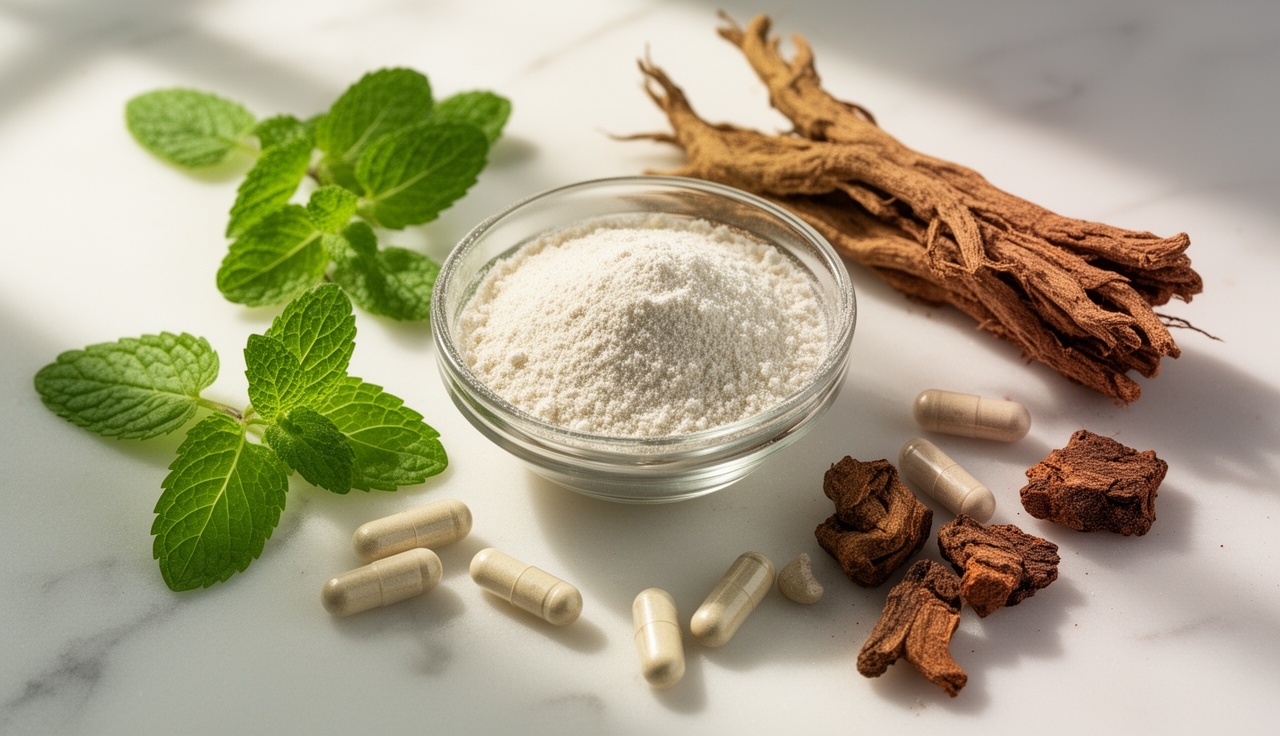
A truly clean sleep supplement is more than a pretty label and a few buzzwords. It starts with transparency: every active and inactive ingredient is listed with exact amounts, and there are no vague “proprietary blends” that hide weak dosages behind a single big number.
Clean also means avoiding additives that add cost savings rather than health value. That includes artificial colors, artificial sweeteners, heavy sugar loads, and cheap fillers such as maltodextrin used only to bulk up powders. For many people, gluten, soy, and dairy are nonstarters, so serious brands treat those as priorities, not afterthoughts.
Quality then comes down to ingredient forms and proof. Bioavailable options such as magnesium glycinate or high-grade marine magnesium perform far better than oxide forms that mostly pass through the body. Standardized herbal extracts with known levels of active compounds beat generic powders. Finally, clean products show evidence: third-party testing (NSF, USP, Informed Choice, etc.) and batch-specific certificates of analysis turn “trust us” into verifiable data.
Key markers of a truly clean sleep supplement:
-
Transparent label with exact dosages
-
No artificial colors, artificial sweeteners, or unnecessary fillers
-
Allergen-conscious formulas (e.g., gluten-free, soy-free, dairy-free)
-
Bioavailable mineral and vitamin forms
-
Standardized, purity-tested herbal extracts
-
Recent, batch-specific third-party lab reports
The Science Behind Synergistic Sleep Formulations

Sleep is not controlled by a single switch in the brain. It depends on overlapping systems: GABA and serotonin signaling, cortisol patterns, body temperature, and the circadian clock. That is why serious sleep supplements focus on synergy rather than one “magic” ingredient.
For example, 5-HTP feeds into the serotonin–melatonin pathway, but it works far better with cofactors such as vitamin B6 and magnesium. L-theanine can calm mental chatter by encouraging alpha brain waves, while magnesium supports GABA activity and muscle relaxation. Combined, they can reduce both racing thoughts and physical tension in a more balanced way than any one of them alone.
“Sleep is the single most effective thing we can do to reset our brain and body health each day.” — Matthew Walker, PhD, Why We Sleep
Ratios and timing matter as well. Too much of a sedating herb can cause next-day grogginess; too little does nothing. The best formulas support both sleep onset and sleep maintenance, blending faster-acting ingredients with those that help keep sleep deep and stable. At SLP1, every compound is included with a clear role in that overall pattern—not just because it is trending on social media.
Core Ingredients in Premium Sleep Formulations: What Actually Works
Premium clean sleep supplements usually draw from four main ingredient groups:
-
Minerals (especially magnesium) to calm the nervous system
-
Amino acids to support neurotransmitters like GABA and serotonin
-
Botanicals to ease anxiety, reduce mental noise, and support stress resilience
-
Hormones (mainly melatonin) to influence sleep timing more than depth
Within each group, form and dose matter as much as the ingredient itself. Well-absorbed minerals, standardized plant extracts, and realistic dosing distinguish thoughtful formulas from products built mostly around label appeal.
Magnesium: The Foundation Mineral
Magnesium supports hundreds of enzymatic reactions, many of which relate directly to sleep: nerve firing, muscle relaxation, and GABA function. Low magnesium intake is common and is linked with restless sleep, cramps, and heightened stress responses.
Forms such as magnesium glycinate and high-quality marine magnesium tend to absorb well and are gentle on digestion. Glycine, the amino acid bound to magnesium in glycinate, has its own calming effect and helps the body drop core temperature slightly before bed—a natural cue for sleep. In contrast, magnesium oxide looks strong on paper due to high elemental content, but the body absorbs very little and digestive upset is common.
For most adults, a total daily intake of about 200–400 mg of magnesium from all sources is a sensible target, usually starting low and adjusting gradually according to how the body responds.
Amino Acids for Neurotransmitter Support
Amino acids offer a direct way to support the brain’s calming chemistry:
-
L-theanine encourages relaxed, focused brain activity without sedation. Paired with magnesium, it can help quiet the mind while avoiding a “knocked out” feeling.
-
Glycine supports inhibitory signaling and helps the body reach the cooler core temperature associated with good sleep.
-
GABA supplements may not fully cross the blood–brain barrier, but many users report a sense of mental quiet when it appears in balanced formulas.
-
Tryptophan → 5-HTP → serotonin → melatonin: providing 5-HTP, plus vitamin B6 and magnesium as cofactors, can support the body’s own production of melatonin rather than relying on high-dose melatonin itself.
Thoughtful blends use several amino acids in realistic amounts to create gentle, steady relaxation instead of heavy sedation.
Botanical Extracts with Documented Efficacy
Herbal extracts add a grounded, traditional layer to modern sleep formulas:
-
Valerian root + hops: one of the best-studied combinations for shortening sleep onset and improving perceived sleep quality.
-
Passionflower: appears to support GABA pathways, easing worried or looping thoughts helping you get to sleep.
-
Lemon balm: long-used for tension and mental overactivity, helpful for those who replay the day once they lie down.
-
Ashwagandha: supports stress resilience and smoother cortisol patterns, often improving sleep over weeks rather than a single night.
-
Reishi mushroom: gently supports sleep patterns and stress balance over time.
With botanicals, quality varies widely. Standardized extracts with testing for identity, pesticides, heavy metals, and microbes are far more reliable than generic whole-herb powders that can swing in potency from batch to batch.
Advanced Delivery Systems: How Format Affects Efficacy
A formula is only as good as its delivery. Standard capsules and tablets still work well, but they rely on proper breakdown and absorption in the digestive tract. Sensitive compounds can degrade before they are fully absorbed, leaving users paying for ingredients that barely reach circulation.
To address this, some products use advanced encapsulation methods to protect fragile nutrients until they reach the small intestine. Liposomal forms surround ingredients with lipid layers similar to cell membranes, which can improve uptake. Sublingual sprays and dissolving tablets absorb through tissues under the tongue, often acting faster for certain compounds.
Time-release technology can be especially helpful for sleep. Instead of dumping everything into the system at once, a sustained-release matrix provides a slower, steady flow of calming support through the night. High-quality powders also have a role, allowing more flexible dosing and a calming bedtime drink—as long as they avoid heavy sugars and unnecessary additives.
Evaluating Third-Party Testing and Quality Certifications

Because dietary supplements do not go through drug-level approval, independent testing becomes one of the strongest safety nets for consumers. True third-party testing means an outside lab checks that:
-
The product matches label claims for each active ingredient
-
Heavy metals, microbes, and other contaminants remain below strict limits
-
Batches are tested regularly, not just once during product launch
Certifications from groups such as NSF International and USP often involve facility audits and random lot testing. Informed Sport and Informed Choice focus on screening for banned substances, which matters to athletes and offers extra reassurance for anyone.
“Trust, but verify” applies to supplements too—look for real lab reports, not vague marketing phrases.
Look for recent certificates of analysis (COAs) tied to specific batches, not just general claims like “lab tested.” Vague language, missing dates, or seals that do not connect back to real organizations are clear warning signs.
The Top Clean Sleep Supplements for 2026
When we review sleep products, we use the same framework we apply to our own formulas. We look for full transparency, bioavailable ingredient forms, synergy rather than random mixing, serious third-party testing, and delivery systems that make sense for the ingredients involved. Price matters too, but we focus on cost per effective serving rather than just the sticker.
Different people prefer different formats—capsules, powders, sprays—so we highlight that as well. Below is a straightforward look at several leading options for 2026, starting with our own SLP1 formula for deeper sleep. The goal is to show where each product stands so you can decide which lines up with your needs and values.
SLP1 Premium Sleep Formula
SLP1 Premium Sleep Formula is our answer to what a clean, synergistic sleep supplement should be in 2026. We design this formula in-house rather than buying a white-label blend, which lets us control every ratio. The core stack includes magnesium glycinate, L-theanine, 5-HTP supported by vitamin B6, glycine, and carefully selected botanicals such as lemon balm and standardized ashwagandha extract.
We built SLP1 around support for GABA, serotonin, and cortisol balance instead of heavy sedation, and we deliberately keep it melatonin-free for most users. That approach aims to help the body restore its own rhythm rather than depend on large hormone doses. Sensitive compounds use advanced encapsulation with a release profile tuned to cover both falling asleep and staying asleep.
Every ingredient and dose appears clearly on the label—no proprietary blends. Each lot goes through third-party testing, and we provide batch-specific COAs instead of vague “lab tested” claims. The formula avoids artificial colors, artificial sweeteners, gluten, soy, and common allergens, and uses recyclable packaging. SLP1 is designed for steady benefits over weeks and months, making it a strong fit for health-conscious professionals and performance-focused users who care about long-term sleep quality.
Nutravita Natural Night Complex
Nutravita Natural Night Complex combines magnesium, vitamins D3 and B12, L-tryptophan, lemon balm, and chamomile in capsule form. We appreciate that it moves beyond a single herb and adds basic nutrients that support the nervous system and overall wellness. For many people, it can be a straightforward first step into sleep supplementation.
Questions remain around ingredient forms and full testing details. Labels sometimes list “magnesium” without specifying whether it is glycinate, citrate, or oxide, which makes absorption harder to judge. Third-party certifications are not always clearly presented. On the positive side, the cost per serving is attractive, which suits those testing the waters with an affordable, multi-ingredient formula.
Healthspan Night Time 5-HTP
Healthspan Night Time 5-HTP takes a targeted route by centering on 5-HTP from Griffonia seed, combined with magnesium and B vitamins. That combination acknowledges the cofactors needed for serotonin and melatonin production and can make sense for individuals who suspect serotonin plays a central role in their mood and sleep.
Because the emphasis sits mainly on one pathway, this product may not fully address GABA function, high stress, or muscle tension. Responses to 5-HTP vary, and anyone on antidepressants must be cautious due to potential interactions. We see this as a focused option best used with professional guidance, especially when mood and sleep are closely linked.
Together Health Night Time
Together Health Night Time stands out for using several forms of natural marine magnesium, alongside 5-HTP and hops. The marine source offers a broad mineral profile and often sits well with sensitive digestion. Compostable, plastic-free packaging also appeals to buyers who prioritize sustainability.
The formula centers on magnesium and the serotonin pathway with modest herbal support, which suits people whose main goal is raising magnesium intake with some added sleep help. Compared with broader-spectrum products, it taps into fewer calming mechanisms, but for environmentally minded users wanting a magnesium-focused choice, it can be a thoughtful fit.
Understanding Supplement Formats: Choosing What Works for Your Lifestyle
Even the best ingredient list will not help if the format does not match your routine. Each common form has trade-offs:
-
Capsules/Tablets: Precise dosing, easy to travel with, no taste issues; onset depends on digestion.
-
Powders: Can be mixed into water or herbal tea and turned into a calming ritual; allow small dose adjustments; taste and texture vary widely.
-
Gummies: Easy and pleasant to take but often contain sugar or sugar alcohols and typically hold lower amounts of active compounds—hard to call them truly clean for serious sleep support.
-
Sprays/Discs/Patches: Sublingual sprays can act faster for certain ingredients; patches provide slow release through the skin but still have limited research for many nutrients.
At SLP1, we favor capsule formats for precise dosing, ingredient stability, and the ability to support more advanced delivery (like staged release) while still fitting smoothly into an evening routine.
How to Integrate Sleep Supplements into a Comprehensive Sleep Strategy
Supplements work best as helpers, not as replacements for good habits. Health optimization experts like those featured in the Rhonda Patrick Supplement List emphasize that strategic supplementation should always complement foundational lifestyle practices rather than replace them. Even the most advanced formula cannot completely offset late caffeine, scrolling under bright screens, or wildly inconsistent bedtimes.
Most people do well taking their sleep supplement 30–60 minutes before planned bedtime, at roughly the same time each night. Light, earlier dinners and a small amount of healthy fat can support absorption of some herbs and vitamins, while heavy late meals and sugar can interfere with sleep.
Pair your supplement with simple nervous-system calming practices, such as:
-
Slow, nasal breathing or a short meditation
-
Gentle stretching or yoga
-
Quiet reading away from bright screens
-
Dim lighting or warm-color bulbs in the evening
Follow this pattern steadily for two to four weeks before judging results; the combination of routine plus clean supplementation usually outperforms either one alone.
Common Myths and Misconceptions About Sleep Supplements
Misunderstandings around sleep support can lead to poor choices or unrealistic expectations. Some of the most common myths include:
-
“Natural means completely safe.” Herbs and amino acids are biologically active and can interact with medications or cause side effects at high doses.
-
“More is always better.” Pushing doses far beyond what research supports often increases morning grogginess, headaches, or intense dreams without better sleep.
-
“Proprietary blends are secret formulas worth paying for.” In many cases, they hide very low amounts of expensive ingredients. Transparent labels are easier to assess.
-
“All sleep aids cause dependence.” While habits can form around any bedtime routine, well-designed supplements that work with normal sleep architecture have a far lower risk of dependence than many prescription sedatives.
Potential Side Effects and Safety Considerations
Most clean sleep supplements are well tolerated when used as directed, but no active formula is risk-free. The most common issues include:
-
Next-day drowsiness, often from doses that are too high or taken too late
-
Vivid or intense dreams, especially with melatonin, 5-HTP, or certain herbs
-
Digestive discomfort from particular magnesium forms or new herbal blends
-
Headaches or mood shifts in sensitive individuals
Some ingredients can interact with medications. Valerian and GABA may add to the effects of blood pressure or anti-anxiety drugs. 5-HTP and other serotonin-related compounds can interact with SSRIs and other antidepressants in ways that require close medical oversight. People who are pregnant, breastfeeding, older, or managing chronic conditions should always speak with a healthcare professional before starting any sleep supplement.
Starting with the lowest effective dose and increasing gradually, while watching for side effects, is usually the safest path.
Why Formulation Quality Varies So Dramatically Across Brands
From the outside, many sleep supplements look similar. Behind the scenes, they can be very different. A large number of brands rely on white-label formulas from contract manufacturers. They choose a predesigned blend from a catalog, change flavor or capsule color, and focus much more on marketing than on formulation science.
Raw ingredient quality spans a wide range—from pharmaceutical-grade materials with tight purity standards to far cheaper options with minimal oversight. Advanced delivery systems and thorough testing increase production costs, so some companies invest heavily in these areas while others pour more into influencers and ads.
Proprietary blends offer room to play games with dosages: expensive herbs can appear near the top of a long list even when included at tiny levels. At SLP1, we use the opposite approach. We formulate in-house, publish exact doses, and direct our budget toward quality materials and deep testing instead of flashy claims. That path costs more to produce but aligns with what users expect from a product they rely on every night.
The Long-Term Approach: Why Consistency Outperforms Quick Fixes
Sleep regulation depends on patterns that build over time, not just single nights. Thoughtful supplements are designed to support those patterns—steady neurotransmitter balance, restored mineral status, and stable circadian cues—rather than to simply knock someone out.
Some people notice changes within a few nights, such as calmer pre-bed evenings or waking slightly more refreshed. The deeper benefits often appear after several weeks: magnesium levels normalize, stress responses soften, and bedtimes and wake times become more predictable.
The “quick-fix” mindset, shaped by strong sedative drugs, assumes that anything helpful must work dramatically on night one. For long-term health and performance, we favor another approach. At SLP1, our philosophy is to support the body so that its own systems can carry more of the work over time. That is why we design for daily use without reliance and suggest thinking in terms of months, not just nights, when judging results.
Frequently Asked Questions About Clean Sleep Supplements
People who care about clean formulas and research often have detailed questions before adding a new product. Here are clear, straightforward answers to the ones we hear most often when discussing The Best Sleep Supplements 2026: A Guide to Truly Clean Formulas with our community.
How Long Does It Take for Sleep Supplements to Work?
Some ingredients, such as L-theanine, GABA, or certain calming herbs, can feel different within the first few nights. Many users find it easier to drift off after three to five days of consistent use. Deeper changes—waking more rested, fewer night awakenings, a steadier schedule—often appear after three to four weeks.
Timing depends heavily on stress levels, nutrient status, and how disrupted sleep is at the start. Matching a clean supplement with a regular bedtime, dimmer evening light, and moderate caffeine use usually speeds progress.
Can I Take Sleep Supplements Every Night Long-Term?
For most formulas based on minerals, amino acids, and gentle botanicals, the answer is generally yes—they are usually designed for nightly use and tend to work best that way. They support your own sleep chemistry in a steady manner, rather than forcing sedation.
Melatonin is different. Lower doses and shorter stretches of use (for example, during travel or shift changes) are often better unless your clinician suggests a specific long-term plan. Some people will always benefit from ongoing support, while others can reduce or stop once better sleep patterns hold. Regular check-ins with how you feel—and with a healthcare professional, when possible—help guide that choice.
Are Sleep Supplements Safe to Combine with Other Medications?
They can be, but the answer is very individual and deserves careful attention. Ingredients that calm the nervous system, such as GABA, valerian, or high-dose magnesium, can add to the effects of sedatives or blood pressure medications. This may cause excessive drowsiness or lower blood pressure in some people.
Serotonin-related compounds like 5-HTP can interact with antidepressants, especially SSRIs, which is a serious concern. Blood thinners may also conflict with certain herbs. The safest step is to keep a written list of all supplements and medications and share it with a doctor or pharmacist who can check for known interactions before you start a new sleep product.
What's the Difference Between Sleep Supplements and Prescription Sleep Medications?
Prescription sleep medications (such as zolpidem) act directly on specific brain receptors to create strong sedation, often regardless of your natural circadian timing. They go through strict approval processes that document both benefits and significant risks, including dependence, next-day impairment, and unusual nighttime behaviors.
Clean sleep supplements work differently. They aim to support the systems that control natural sleep—neurotransmitter balance, mineral status, and circadian cues—rather than forcing the brain into shutdown. Their effects are usually gentler and build over time. Medications may be needed for short-term, severe insomnia or particular sleep disorders under medical care, while supplements fit better as tools for long-term optimization and maintenance.
Conclusion
By 2026, the sleep support market offers more options than ever, which can feel confusing from the outside. When you strip away marketing gloss, the products that deserve a place on your nightstand share clear traits: transparent labels, bioavailable ingredients at research-backed doses, thoughtful synergy across pathways, appropriate delivery systems, and honest third-party testing. These are the markers we look for when discussing The Best Sleep Supplements 2026: A Guide to Truly Clean Formulas.
The deeper divide is between products that work with your body and those that try to overpower it. Clean sleep formulas respect circadian rhythm, support neurotransmitter production, and avoid unnecessary additives that add burden rather than benefit. They are built for long-term wellness, not just for knocking you out after a stressful day.
At SLP1, we design our Premium Sleep Formula around this long-range, biology-first mindset. High-grade raw materials, smart delivery, and independent testing carry real costs, but for those willing to invest in their rest, that cost reflects value you can feel after you wake. As you explore sleep support, think beyond quick fixes, build strong habits, and choose brands that respect both science and your health. Better nights are the path to better days—and that is where the real payoff of quality sleep shows up.


Leave a comment
This site is protected by hCaptcha and the hCaptcha Privacy Policy and Terms of Service apply.