
Lemon Balm
Introduction
Falling asleep should feel like easing into calm water, yet for many people it feels more like slamming on the brakes after a high‑speed drive. Screens, late emails, and constant mental loops keep the nervous system on high alert. No wonder interest in natural sleep support keeps rising while dependence on heavy sedatives and high‑dose melatonin feels less appealing.
Lemon balm, also known as Melissa officinalis, sits at a sweet spot between tradition and modern research. This lemon‑scented member of the mint family has more than two thousand years of documented use for sleep, mood, and digestion. Today, careful clinical work confirms many of those traditional claims and shows how lemon balm encourages relaxation through gentle support of GABA and other neurotransmitters.
This article walks through lemon balm from root to receptor. It covers the plant itself, key active compounds, how it influences sleep, anxiety, and cognition, plus practical guidance on forms, dosing, safety, and product quality. Throughout, the focus stays on clear, evidence‑based explanations rather than wellness buzzwords.
For SLP1, lemon balm is not a trendy extra. It is a cornerstone ingredient in melatonin‑free sleep formulations, chosen because it works with the body’s own rhythms rather than forcing sedation. By the end, it becomes easier to judge whether lemon balm fits personal goals for better sleep, steadier focus, and sustainable daily performance—and how SLP1 builds on this herb with modern delivery systems and clean, tested ingredients.
“Sleep is the single most effective thing we can do to reset our brain and body health each day.”
– Matthew Walker, PhD, neuroscientist and sleep researcher
Key Takeaways
-
Lemon balm is a lemon‑scented herb from the mint family with a long history of use for calm, sleep, and digestion. Modern studies show that concentrated extracts help raise levels of calming neurotransmitters such as GABA, which settles the nervous system without heavy sedation or a drug‑like effect. This makes lemon balm well suited to people who want to feel relaxed yet still clear.
-
Clinical research links lemon balm to better sleep quality, lower anxiety, improved stress handling, and modest gains in cognitive performance. In trials, subjects often fall asleep faster, feel more at ease during stressful tasks, and report a lighter, more positive mood. These effects build over consistent use rather than through a single large dose.
-
The main active compounds in lemon balm include rosmarinic acid, citral isomers, and several terpenes. Together they provide antioxidant, anti‑inflammatory, and neurotransmitter‑modulating actions that support both emotional balance and mental clarity. Whole‑plant extracts tend to outperform isolated single molecules because these compounds work together.
-
Melatonin pushes the sleep switch directly and, especially at high doses, may affect the body’s own hormone production and timing. Lemon balm supports the natural transition into sleep instead, mainly by quieting mental chatter and reducing stress signals. Many people find this leads to easier sleep without morning fog or dependency.
-
Real benefits depend on dose and quality. Weak teas or capsules with tiny amounts of powdered leaf rarely match the results seen in research. SLP1 protocol uses concentrated lemon balm extract at clinically studied levels inside melatonin‑free, bioavailable sleep formulations, aiming for steady, gentle support that fits nightly use without crashes or withdrawal.
Understanding Lemon Balm – Botanical Profile and Historical Context
Lemon balm is a perennial herb in the Lamiaceae family, the same broader group that includes mint, basil, and thyme. The plant forms bushy clumps up to about three feet tall, with soft, heart‑shaped leaves that have a textured, veined surface and scalloped edges. When a leaf is rubbed, it releases a clear lemon aroma rather than a mint scent, which makes the plant easy to identify in a garden.
In summer, lemon balm produces small white or pale pink flowers that are rich in nectar. These blossoms attract large numbers of honeybees, which explains the name Melissa, the Greek word for honeybee. The second part of the Latin name, officinalis, signals historical use in medicinal shops and apothecaries. The plant often lives for close to a decade, although farmers usually replant every few years to keep quality high.
Use of lemon balm reaches back to ancient Greece and Rome. Theophrastus mentioned it in Historia Plantarum around 300 BCE, already noting its link with bees. In medieval Europe, it became a staple in monastic gardens for its calming and digestive effects. During Tudor times in England, people scattered the fresh leaves on floors for a clean scent and to freshen the air in crowded rooms.
Herbalists such as Nicholas Culpeper praised lemon balm for lifting low mood, settling a weak or upset stomach, and easing what they called melancholy vapors. Carmelite Water, a traditional tonic where lemon balm plays a lead role, has been produced for hundreds of years and remains available in some European pharmacies. Early settlers carried the herb to North America, and records show it grew in the gardens at Monticello.
“Balm, given every morning, will renew youth, strengthen the brain, and revive a weak memory.”
– Nicholas Culpeper, 17th‑century herbalist
Today, commercial production of lemon balm thrives in Hungary, Egypt, Italy, and several other temperate regions. The plant prefers rich, moist soil and full sun to partial shade. Growers harvest the leaves on dry days, usually twice per season, since wet leaves darken and lose aroma during drying. It is important not to confuse lemon balm with bee balm, which comes from a different genus, Monarda, and has a different chemical profile and effect on the body.
The Science of Calm – Active Compounds and Mechanisms of Action
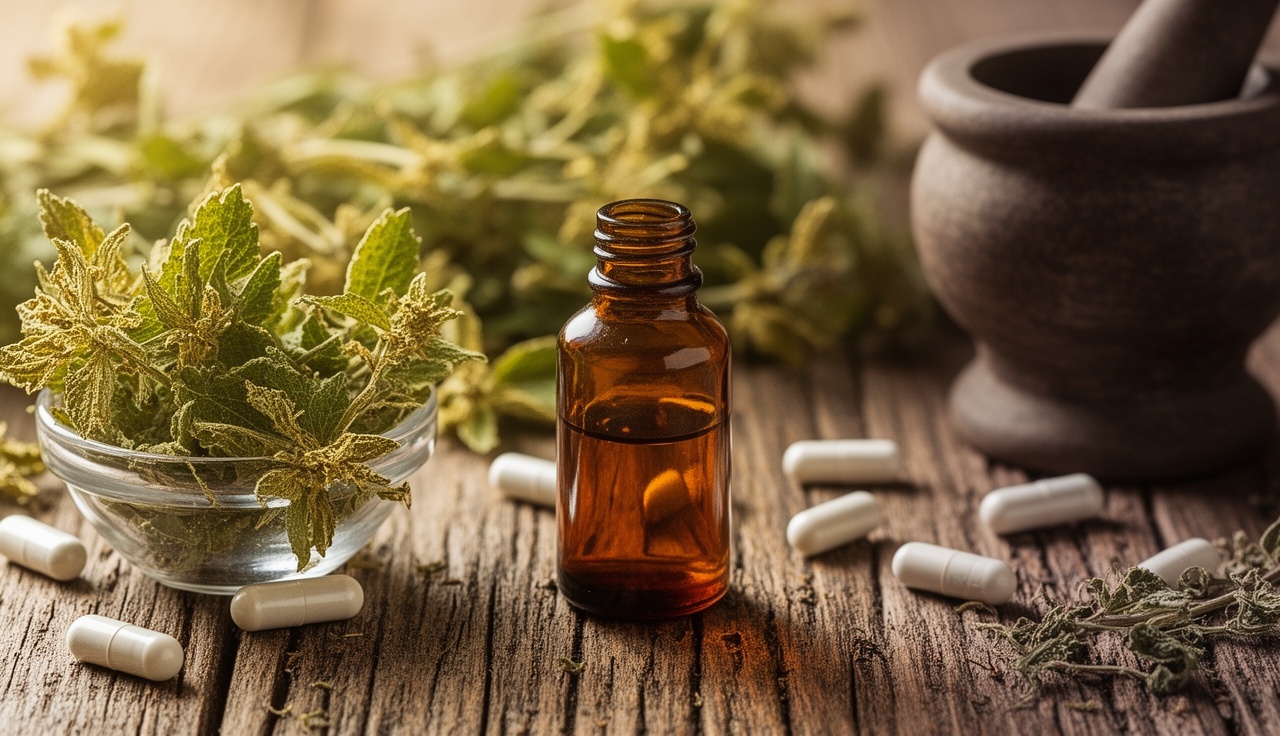
The calming and mood‑supporting effects of lemon balm come from a dense mix of phytochemicals in its leaves. The essential oil fraction carries key aromatic compounds such as geranial and neral, the two main citral isomers that create the lemon scent. Other important molecules include citronellal, caryophyllene, and linalool. Each of these contributes specific effects that range from mild sedation to anti‑inflammatory action.
Beyond the essential oil, lemon balm contains rosmarinic acid, a polyphenol with strong antioxidant and anti‑inflammatory properties. Rosmarinic acid appears in many of the studies that track lemon balm’s influence on the brain. It helps increase the availability of gamma‑aminobutyric acid (GABA), a calming neurotransmitter that slows neural firing and quiets overactive circuits. Researchers believe lemon balm partly works by limiting the breakdown of GABA in synapses.
Unlike benzodiazepine drugs that clamp directly on GABA receptors and can cause heavy sedation, dependence, and memory problems, lemon balm produces a more modest shift:
-
It slightly raises GABA levels.
-
It supports normal receptor function.
-
It encourages ease and relaxation without numbing thought.
This is one reason many users describe the effect as smooth rather than blunt.
Some compounds in lemon balm also interact with acetylcholine receptors, both nicotinic and muscarinic types. Acetylcholine is central for attention, memory, and learning. By supporting balanced acetylcholine signaling, lemon balm may help improve accuracy and speed on memory tasks and promote better mental clarity along with calm. Early work hints that serotonin pathways also respond to lemon balm, which would help explain mood‑lifting effects seen in both animals and humans.
These compounds rarely act alone. Flavonoids such as quercetin and luteolin, along with tannins and other terpenes, add antioxidant and anti‑inflammatory support. Together they protect brain cells from oxidative stress and support healthy blood flow. Studies that compare whole‑plant extracts with isolated constituents often find that the full‑spectrum extract works better, which suggests important synergy across the phytochemicals.
Delivering enough of these active compounds is a real challenge. The essential oil yield from raw lemon balm leaf is very low, which makes pure oil expensive. Simple teas or low‑dose powders have pleasant flavor and light calming effects; however, they may not reach the same therapeutic levels used in research. That drives the need for concentrated extracts.
SLP1 uses standardized lemon balm extract that focuses on rosmarinic acid and related compounds, delivered in doses that track with clinical trials rather than token levels. This fits our philosophy that every ingredient on the label needs a meaningful role, not just marketing appeal.
|
Compound |
Concentration Range |
Primary Therapeutic Action |
|---|---|---|
|
Geranial |
25.3–47.5 percent |
Gentle sedative effect and support for calm mood |
|
Neral |
19.6–36.1 percent |
Stress reduction and soothing aroma |
|
Citronellal |
1.0–44 percent |
Relaxation support and natural insect repellent |
|
Caryophyllene |
0–14 percent |
Anti‑inflammatory action and CB2 receptor effect |
|
Linalool |
0.5–2.7 percent |
Anxiolytic and sleep‑promoting properties |
|
Rosmarinic Acid |
Variable |
Antioxidant, neuroprotective, and calming roles |
Lemon Balm for Sleep – Supporting Natural Rhythms Without Hormonal Override

Modern life keeps many people in a chronic fight‑or‑flight state and makes it difficult to get to sleep. Late‑night work, blue light, and constant stimulation push the nervous system toward sympathetic dominance. The problem is not only falling asleep but shifting the whole internal state from alert to restful. Lemon balm shines in this transition phase, which is why it fits so well at the heart of SLP1’s melatonin‑free sleep support.
By supporting GABA and easing stress signals, lemon balm helps quiet the inner commentary and reduces physical tension. People often describe a softer edge on worries and a sense that falling asleep requires less effort. Rather than forcing drowsiness, the herb seems to lower the volume on mental noise so that the natural drive for sleep can surface.
Clinical research backs this up. In several human trials, participants who took standardized lemon balm extract reported:
-
Shorter time to fall asleep.
-
Fewer nighttime awakenings.
-
Better overall sleep‑quality scores compared with placebo.
Benefits were especially clear in people whose insomnia linked to mild anxiety or stress rather than in those with deeper medical sleep disorders.
Lemon balm is often studied together with valerian root, another classic sleep herb. In combinations where both are present at adequate doses, researchers see stronger effects on sleep continuity and sleep satisfaction than with either herb alone. Children with restlessness and menopausal women with sleep disruption both showed improvement in studies using this pairing. The data suggest a synergistic effect that aligns with traditional herbal practice.
This gentle action matters for fragile sleepers. People who wake easily, who react strongly to drugs, or who fear morning fog often do poorly with heavy sedatives or high doses of melatonin. Melatonin acts as a hormone signal that shifts circadian timing. When used in large amounts night after night, it may blunt the body’s own production or create a reliance on external input. Over time, some users report vivid dreams, mood changes, or persistent grogginess.
Lemon balm works upstream by calming the nervous system. This allows normal nighttime melatonin pulses to appear and supports the cascade of events that lead into deep and REM sleep without overriding hormone signaling. When used at night in a consistent routine, many users notice they wake more refreshed, with less of the hangover effect tied to strong hypnotic drugs.
Best practice is to take lemon‑balm‑based sleep support about sixty to ninety minutes before the target bedtime. Pairing it with:
-
Dimmed lights,
-
Lighter evening meals, and
-
A simple wind‑down ritual such as stretching or reading
can make the effect even more reliable. SLP1 combines concentrated lemon balm extract with other non‑sedative calming agents, such as magnesium and L‑theanine, to support several sleep pathways at once while staying free of melatonin.
Anxiety Reduction and Stress Resilience – Evidence‑Based Calming Effects

Not all anxiety looks the same. Some people deal with sharp spikes of stress around presentations, exams, or deadlines. Others feel a constant background hum of worry that drains focus and energy. Lemon balm does not replace therapy or medication for severe anxiety disorders, yet it offers meaningful support for mild to moderate tension and situational stress.
Through GABA modulation and influence on stress hormones such as cortisol, lemon balm helps nudge the nervous system toward balance. In human studies where subjects faced difficult cognitive tasks, those who drank beverages or took capsules with standardized lemon balm often reported a sense of calm and performed better than control groups. Anxiety ratings dropped while alertness stayed stable, which suggests an “alert calm” state rather than sedation.
This quality sets lemon balm apart from many pharmaceutical anxiolytics. Drugs such as benzodiazepines can quiet acute panic, yet they also impair memory, slow reaction time, and carry strong addiction and withdrawal risks. Lemon balm, by contrast, has not shown habit‑forming behavior in available trials and does not appear to cloud thinking when used at typical doses.
People who may benefit from lemon balm during the day include:
-
High‑performing professionals under chronic pressure.
-
Students during exam periods.
-
Parents and caregivers juggling many responsibilities.
-
Individuals prone to racing thoughts before stressful events.
Doses for anxiety support often range from 300 to 600 milligrams of standardized extract, taken once or a few times per day, depending on personal response and product strength.
Expectations still need to stay realistic. Lemon balm works best when combined with basic stress‑management tools such as breathing practices, time in daylight, physical activity, and adequate sleep. For persistent anxiety that disrupts work, relationships, or health, professional evaluation remains essential. At SLP1, we see anxiety relief as a vital part of healthy sleep architecture, which is why lemon balm appears in formulas that aim to calm pre‑sleep worry as much as they support the sleep process itself.
Cognitive Enhancement – Memory, Focus, and Mental Clarity
A relaxed mind often thinks more clearly than a tense one. Lemon balm supports cognition through this emotional route and also through more direct effects on neurotransmitters related to memory. That dual action makes it interesting to people who want better focus without stimulant jitters.
In controlled trials, volunteers who took lemon balm extract before completing computer‑based tasks showed better performance on measures of memory, accuracy, and processing speed. Many also reported an improved mood and a more positive outlook during the tests. The combination of lighter mood and sharper recall suggests that both GABA and acetylcholine pathways likely take part.
Rosmarinic acid and other antioxidants in lemon balm also help shield brain tissue from oxidative stress. Over the long term, excessive oxidative damage can contribute to cognitive decline. While current studies are still early, this protective angle hints that regular use of lemon balm might support brain health beyond short‑term test performance.
People who need steady concentration through long workdays, or who feel scattered under stress, may benefit from lemon balm taken before demanding tasks. The effect tends to be subtle and smooth. It does not feel like caffeine; instead, it lowers background noise so that focus feels more natural. When combined with better sleep quality, which lemon balm also supports, these cognitive benefits can continue to build.
At SLP1, we view sleep optimization as one of the most powerful supports for cognition available. That guides our use of lemon balm in formulations that promote both deep rest at night and clear thinking during the day.
Additional Therapeutic Applications – Digestion, Antiviral Properties, and Beyond
Lemon balm is best known for its effects on mood and sleep, yet its traditional use extends well into digestive and skin health. Herbalists have long used it as a carminative, a term for herbs that relieve gas and bloating, and as an antispasmodic that calms cramping in the gut. Modern studies are starting to validate that practice.
In functional dyspepsia, a condition marked by chronic indigestion without structural disease, extracts containing lemon balm have helped reduce fullness, discomfort, and bloating. The herb appears to relax smooth muscle in the gastrointestinal tract and may also reduce local inflammation. When combined with ginger, chamomile, or peppermint, lemon balm often forms part of multi‑herb formulas for occasional stomach upset.
Lemon balm also shows antiviral activity, especially against Herpes simplex virus type 1, the virus that causes most lip cold sores. Rosmarinic acid and related polyphenols seem to block the virus from attaching to and entering cells. Clinical work using creams with about one percent lemon balm extract reports faster healing of cold sores, fewer recurrences, and less itching and burning.
For topical use, proper dilution is vital:
-
Essential oil or concentrated extract should mix with a neutral carrier such as coconut or jojoba oil.
-
Test a small area of skin first.
-
Avoid applying very strong preparations to sensitive or damaged skin.
Overly strong preparations can irritate the skin instead of soothing it. When done correctly, though, lemon balm can support both antiviral defense and tissue comfort.
The herb’s antioxidant and anti‑inflammatory profile also suggests broader wellness value. By calming low‑grade inflammation and oxidative stress, lemon balm may indirectly support metabolic health, immune function, and even cardiovascular balance, though more human research is needed in these areas. For someone focused on sleep, these extra benefits matter because digestion, immune activity, and inflammation all feed back on sleep quality and nighttime restlessness.
Forms, Dosing, and Bioavailability – What Actually Works
Walk through a supplement aisle and lemon balm appears in many forms. There are loose dried leaves for tea, tablets and capsules with either powder or extract, liquid tinctures, and concentrated essential oils. Each route has advantages and limits, and not all deliver the same level of active compounds.
The main options include:
-
Tea (infusion) – Pleasant and relaxing, ideal as part of a nightly ritual. A single cup usually extracts only modest amounts of rosmarinic acid and related constituents. Strong tea two or three times per day can provide gentle support, yet it often falls short of the doses used in clinical sleep and anxiety trials.
-
Capsules and tablets (standardized extract) – Offer more predictable dosing. Quality products often state a specific amount of rosmarinic acid or total hydroxycinnamic acids, commonly in the range of three to five percent. For sleep, studies often use 300 to 600 milligrams of standardized extract taken about an hour before bed. For anxiety or cognitive support, similar doses may be taken one to three times daily, depending on individual tolerance and product instructions.
-
Liquid extracts and tinctures – Absorb quickly and allow flexible dosing, though their strength varies widely. Labels should clearly indicate extract ratios and recommended serving sizes.
-
Essential oil – Too concentrated for internal use and best reserved for diluted topical or aromatic applications only.
A major problem in the supplement industry is what many call fairy dusting. Brands sprinkle very small amounts of lemon balm into complex formulas, often only 25 to 100 milligrams of non‑standardized powder, so they can list it on the label. Those amounts rarely match research‑backed doses and are unlikely to create noticeable effects, yet they help marketing.
When reading labels, it helps to look for:
-
Clear extract ratios (for example, 10:1).
-
Standardization markers (such as a stated percentage of rosmarinic acid).
-
Third‑party testing seals for purity and potency.
-
Absence of unnecessary fillers and common allergens.
SLP1 designs lemon‑balm‑inclusive products around effective dosing and bioavailability rather than label decoration. We use concentrated extract forms paired with delivery methods that support consistent absorption, and we back every batch with independent lab testing for potency and purity. That way, when lemon balm appears on the front of the bottle, it also appears in meaningful amounts inside each serving.
Safety, Side Effects, and Contraindications – Responsible Use Guidelines
Lemon balm carries a strong safety record when adults use it for short to medium periods at reasonable doses. Most people tolerate it well, and side effects, when they appear, tend to be mild. Still, any active herb deserves respect, and thoughtful use helps avoid problems.
Reported side effects include headache, dizziness, nausea, or general stomach upset. These reactions often relate to higher doses or very sensitive individuals and usually fade when the dose decreases or use stops. Because lemon balm supports GABA and has gentle sedative qualities, some users may feel drowsy, especially when they first start. It is wise to avoid driving or operating machinery until personal response is clear.
Combining lemon balm with other central nervous system depressants can intensify sedation. Alcohol, prescription sleep drugs, certain anti‑anxiety medications, and even other strong calming herbs may stack their effects. People who use these substances should involve a healthcare professional before adding lemon balm to the mix.
Situations where extra caution is needed include:
-
Thyroid disorders – Especially hypothyroidism, since some research suggests lemon balm can influence thyroid hormone activity.
-
Planned surgery – Most guidelines advise stopping lemon balm about two weeks before procedures to avoid any interaction with anesthesia and related drugs.
-
Pregnancy and breastfeeding – Strong safety data are lacking, so conservative practice is to avoid supplemental use unless a medical provider supervises.
-
History of allergies to mint‑family plants – Rarely, allergic reactions can occur, usually showing as skin rash or itching. Topical products should always be patch‑tested on a small area first.
Long‑term, multi‑year continuous use has not been studied in depth. Many practitioners suggest periodic breaks—such as several nights off every few weeks—especially when higher doses are involved. SLP1 supports thoughtful, informed use and designs clean formulas that avoid common allergens and unnecessary additives, but we still encourage customers to speak with their clinician before starting any new regimen, especially if they take medications or have chronic conditions.
Lemon Balm in Context – Synergistic Formulations and Complementary Approaches
Sleep and stress issues rarely come from a single cause. They reflect a web of factors such as nervous system tone, hormone patterns, light exposure, and daily habits. Relying on a single ingredient can help, yet multi‑pathway support often works better. Lemon balm fits naturally into this broader framework.
Traditional herbal practice frequently pairs lemon balm with other calming plants:
-
Valerian root deepens the sedative side of the formula, while lemon balm smooths anxiety and mental restlessness.
-
Passionflower adds more GABA support and helps people whose insomnia springs mainly from looping thoughts.
-
Chamomile offers gentle relaxation that many sensitive individuals tolerate well, and lemon balm strengthens the overall calming effect without making the blend too heavy.
Minerals and amino acids also pair well with lemon balm. For example:
-
Magnesium helps relax muscles and supports healthy neurotransmitter balance.
-
L‑theanine promotes alpha brain waves tied to relaxed alertness.
-
Apigenin and glycine support sleep depth and sleep maintenance.
Each of these compounds acts through a slightly different path, and together they provide more stable sleep architecture than any single one alone.
As many herbal clinicians like to say, “Herbs work best when they are part of a wider pattern of care, not a stand‑alone fix.”
For long‑term use, melatonin‑free strategies hold clear advantages. Supporting the body’s own melatonin rhythm and stress response avoids hormonal overshoot and the risk of growing dependent on higher and higher doses. Lemon balm aligns with this view because it helps the nervous system find rest rather than acting as a hormone substitute.
Lifestyle choices still set the foundation. Consistent bed and wake times, limited late‑night screen use, daylight exposure early in the day, and some physical movement all prime the system for healthy sleep. Within this context, lemon balm functions like a gentle guide that nudges the body in the right direction. SLP1 builds formulations around this systems‑based view, using lemon balm as one part of a thoughtful plan rather than a lone hero.
Sourcing, Quality, and Sustainability – What Separates Premium Products
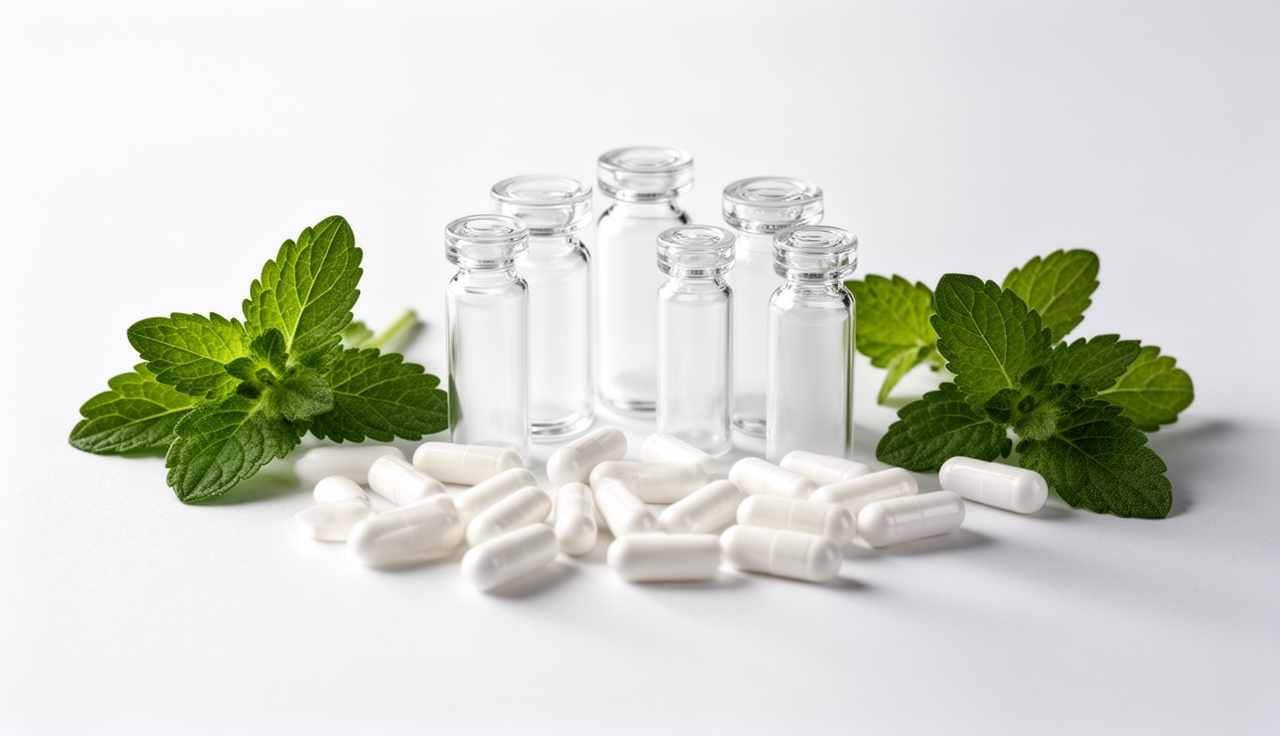
Not all lemon balm is created equal. Soil, climate, farming methods, and processing steps all influence the final profile of active compounds. Herbs grown in rich, clean soil under stable sun and moisture patterns tend to develop stronger phytochemical content than those from stressed or contaminated land.
European producers in countries such as Hungary and Italy have a long history with lemon balm cultivation. Fields managed with organic practices avoid synthetic pesticides and herbicides that can leave residues and may also interfere with the plant’s natural defenses. Organic certification offers some assurance on these points, though it is still important to look at broader quality practices.
Extraction methods matter as well. High heat or harsh solvents can degrade delicate compounds. Gentle water or alcohol extracts and carefully controlled modern methods such as CO₂ extraction help preserve the full spectrum of beneficial molecules. Once produced, extracts need protection from light, heat, and oxygen to prevent breakdown.
Signs of a high‑quality lemon balm product include:
-
Third‑party certificates of analysis confirming potency.
-
Screening for heavy metals, microbial counts, and pesticide residues.
-
Clear standardization of key constituents such as rosmarinic acid.
-
Transparent sourcing and manufacturing information.
Very low‑cost products often skip these steps or rely on low‑grade raw material, which can mean lower efficacy and higher impurity risk.
SLP1 holds sourcing and testing to a high bar. We vet suppliers, use standardized, concentrated lemon balm extracts, and verify every batch through independent labs. Our stance is simple: if we would not feel comfortable using a product nightly ourselves, we will not offer it to anyone else.
SLP1's Approach – Lemon Balm as Part of Intelligent Sleep Support
SLP1 selected lemon balm as a central ingredient because it aligns closely with our vision for sleep health. We focus on gentle, non‑hormonal support that respects the body’s own design. Lemon balm’s history of safe use, its modern clinical backing, and its broad effects on calm and cognition fit this vision extremely well.
We chose a melatonin‑free path for clear reasons. Many off‑the‑shelf melatonin products deliver several times more hormone than the body normally produces at night. That can lead to morning fog, disruption of natural circadian timing, and concern about long‑term hormonal impact. Instead of pouring more melatonin into the system, we aim to support the nervous system so that natural melatonin rhythms can do their job.
In SLP1 formulations, lemon balm appears at research‑backed doses using concentrated extract, not as a trace amount added for label appeal. It works alongside other carefully selected compounds that support GABA, promote muscle relaxation, ease stress hormones, and protect brain cells from oxidative stress. Each ingredient earns its place with clear evidence and a defined role within the larger formula.
We also pay close attention to delivery. Bioavailable forms and thoughtful combinations reduce guesswork about absorption and onset. That helps users know what to expect when they take an SLP1 product ninety minutes before bed. Clean labels round out the picture. We leave out artificial colors, flavors, and unnecessary fillers, since these bring no value to sleep and can bother sensitive users.
Our lemon‑balm‑based formulations fit several groups especially well:
-
Professionals who lie awake replaying work conversations.
-
People who feel uneasy about long‑term melatonin use.
-
Those with fragile sleep who want rhythm restoration rather than knockout sedation.
Many notice quieter mental chatter within days and deeper improvements in sleep quality over two to four weeks of consistent use.
At SLP1, education sits beside formulation. We aim to give clear explanations of how ingredients such as lemon balm work, what realistic timelines look like, and how to combine supplements with lifestyle habits for the best outcome. Sleep sits at the base of long‑term health and performance, and our goal is to support that base with products designed for regular, sustainable use.
Practical Applications – How to Incorporate Lemon Balm into Your Routine
Lemon balm works best when it fits smoothly into daily rhythms. For sleep support, taking a standardized extract about sixty to ninety minutes before the planned bedtime gives it time to absorb and start shifting the nervous system toward calm. Many people find that linking the dose with a regular cue, such as brushing teeth or making evening tea, helps keep the routine consistent.
Most adults can take lemon balm with or without food. Those with sensitive stomachs may prefer a light snack, such as a small amount of yogurt or nuts, to avoid mild nausea. Pairing the supplement with a broader wind‑down ritual amplifies benefits. Dim lights, reduced screen time, light stretching, or reading signal the brain that the active part of the day has ended.
For daytime stress or anxiety spikes, some people use smaller doses of lemon balm in the 300‑milligram range as needed. This can ease tension around meetings, travel, or difficult conversations without creating drowsiness in most users. As always, starting at the lower end and watching personal response provides useful feedback.
A rough timeline many people notice is:
-
First few nights: Falling asleep may feel a bit smoother; it may be easier to let go of looping thoughts.
-
Weeks two to four: Clearer shifts in sleep continuity, fewer nighttime awakenings, and a brighter mood upon waking.
-
Beyond a month: More stable patterns, especially when paired with good sleep hygiene.
Because lemon balm works through modulation rather than force, patience pays off.
If there is no noticeable improvement after about four weeks of consistent use, or if unwanted effects appear, it is reasonable to pause and talk with a healthcare provider. Choosing products with standardized extracts, clear dosing, and third‑party testing, such as those from SLP1, sets a solid starting point for that experiment.
Comparing Lemon Balm to Other Sleep and Calming Botanicals
Lemon balm sits in a crowded field of herbs and nutrients used for sleep and calm. Understanding how it compares helps match the right tool to the right need and explains why many effective formulas mix several ingredients rather than relying on only one.
-
Valerian root provides deeper sedative effects by influencing both GABA and adenosine. Many people find it helps them fall asleep faster, yet some wake with grogginess or a heavy head, especially at higher doses. Lemon balm is milder and more focused on anxiety and mental quieting. When combined, valerian can support the body side of sleep while lemon balm softens the mind side, which often works better than either alone.
-
Passionflower also works through GABA pathways and shines in cases of racing thoughts and worry‑based insomnia. Lemon balm covers similar ground but adds more cognitive and mood benefits, plus digestive support. A blend of both plants can provide a deeper sense of emotional ease with less risk of oversedation.
-
Chamomile is famous as a very gentle sleep herb and is common in evening teas. It contains apigenin, a compound with mild affinity for the same receptors that benzodiazepines target. For very sensitive people or children, chamomile alone may be enough. For adults with stronger sleep trouble, lemon balm often feels more noticeable, and the two pair well together.
-
L‑theanine, an amino acid from green tea, promotes relaxed alertness and increases alpha brain waves. It is excellent for focus during the day and for easing pre‑sleep tension, yet its direct sleep effects can be modest. Lemon balm adds a more pronounced sleep‑supportive element.
-
Magnesium, another common supplement for sleep, relaxes muscles and supports nervous system stability, while lemon balm adds targeted neurotransmitter modulation.
Multi‑ingredient formulations have a clear edge because sleep involves many levers at once. By working on GABA, serotonin, acetylcholine, muscle tone, and stress hormones, a formula can create a more stable sleep pattern than any one nutrient by itself. SLP1 products take this systems view, with lemon balm in the first chair yet supported by a full section of complementary players, each at meaningful doses.
The Future of Lemon Balm Research – Emerging Applications and Studies
Research on lemon balm continues to expand beyond sleep and simple anxiety. Early work suggests possible roles in metabolic health, with some studies in animals and small human trials hinting at improved blood sugar control and lipid profiles. These findings remain early, yet they open interesting questions about how nervous system balance and metabolic function intersect.
Scientists are also exploring lemon balm’s potential in cognitive aging and neurodegenerative conditions. The antioxidant and anti‑inflammatory activity of rosmarinic acid makes it a candidate for protection against age‑related brain changes. Larger and longer human trials are needed before firm conclusions, yet this area of inquiry continues to grow.
On the technical side, newer delivery strategies such as nanoencapsulation and liposomal forms may improve bioavailability of key compounds. Better analytical tools also allow researchers to map which specific molecules drive particular effects. In time, this could support more personalized use of lemon balm based on genetic or biomarker profiles.
SLP1 tracks this evolving science closely and remains ready to adjust formulations as solid human data accumulate. While it is exciting to watch new applications take shape, we stay grounded in what is already well supported. For now, lemon balm stands as a well‑studied ally for calm, sleep, and gentle cognitive support, with promising horizons under active study.
Conclusion
Lemon balm offers a rare combination of deep history and modern scientific support. From ancient Greek gardens to current clinical trials, this lemon‑scented mint has shown consistent value for easing anxiety, settling digestion, and supporting restful sleep. Rather than forcing unconsciousness, it helps the nervous system relax and allows the body’s own sleep machinery to work as intended.
For people who want an alternative to heavy sedatives or high‑dose melatonin, lemon balm provides a clear path. By modulating GABA, supporting serotonin and acetylcholine, and protecting brain cells from oxidative stress, it supports sleep, stress resilience, and cognitive steadiness through several gentle routes at once. The key is quality and dose. Weak teas and trace amounts hidden in complex blends rarely deliver the same impact as standardized extracts at clinically studied levels.
Botanical support works through accumulation and rhythm. Night after night of consistent use, alongside better sleep hygiene and basic lifestyle care, tends to deliver deeper gains than occasional high doses. Lemon balm fits well inside this longer view of health.
SLP1 builds on these principles with clean, melatonin‑free formulations that put lemon balm in a central role, supported by complementary nutrients and verified by third‑party testing. For anyone ready to invest in sustainable sleep and sharper days—rather than quick fixes and next‑morning regret—well‑designed lemon‑balm‑based products can become a steady ally.
The most important step is informed choice. Ask brands for testing data, read labels carefully, and listen to how the body responds. With that approach, lemon balm shifts from a simple herb on a shelf to a thoughtful part of a wider plan for long‑term wellness and performance.
FAQs
Question 1 – What Is Lemon Balm and What Are Its Primary Benefits?
Lemon balm is an aromatic herb from the mint family with soft, green, lemon‑scented leaves. Its scientific name is Melissa officinalis. Research supports several main benefits, including help with sleep onset and quality, reduction of mild anxiety, support for calm focus, and relief of occasional digestive upset. It works through gentle modulation of GABA and other neurotransmitters, along with antioxidant and anti‑inflammatory actions. Unlike heavy sedatives, it promotes a relaxed yet clear state that fits the body’s natural sleep rhythm.
Question 2 – How Long Does It Take for Lemon Balm to Work?
Many people notice a sense of calm and softer anxiety about thirty to sixty minutes after taking a standardized lemon balm extract. For sleep, initial improvements often appear within three to seven nights, especially in how easy it feels to drift off. Deeper gains in overall sleep quality and stress resilience tend to build over two to four weeks of steady use. Cognitive effects such as smoother focus can show up within hours yet also benefit from regular intake. Individual response varies based on dose, product quality, and personal physiology, which is why consistency matters.
Question 3 – What Is the Optimal Lemon Balm Dosage for Sleep?
Most clinical work on sleep uses between 300 and 600 milligrams of standardized lemon balm extract taken about sixty to ninety minutes before bed. Look for products that clearly state standardization to rosmarinic acid or related hydroxycinnamic acids in the three to five percent range, since that helps match research conditions. Simple powdered leaf or very weak teas may not supply enough active compounds to reach this level. SLP1 builds its lemon‑balm‑based sleep formulations around these studied ranges so that each serving has a realistic chance to make a difference. Starting at the lower end and adjusting after one or two weeks is a reasonable plan.
Question 4 – Is Lemon Balm Safe to Use Every Night?
Short‑ to medium‑term studies suggest that lemon balm is well tolerated when used nightly for several weeks or a few months at appropriate doses. It does not appear to cause dependence or the kind of tolerance seen with many sleep drugs or even with high‑dose melatonin. Long‑term, multi‑year data remain limited, so many experts recommend occasional breaks, such as weekends off, especially at higher doses. People who are pregnant, breastfeeding, have thyroid conditions, or face planned surgery should talk with a doctor before use. Anyone taking medications or still struggling after four weeks should also seek medical advice. SLP1 designs its formulas for regular, sustainable use yet still encourages wise, individualized guidance.
Question 5 – Can Lemon Balm Replace Melatonin for Sleep?
For many people, lemon balm can serve as a more sustainable option than nightly high‑dose melatonin. Melatonin supplements often contain far more hormone than the brain normally produces, and labeling is frequently inaccurate, which raises concern about long‑term use, morning grogginess, and potential hormonal disruption. Lemon balm works in a different way. It reduces stress signals, supports GABA, and allows the body’s own melatonin rhythm to unfold rather than replacing it. People who feel side effects from melatonin, or who want a more gentle path, often do well shifting to lemon‑balm‑based support. Some may still benefit from very low‑dose melatonin together with lemon balm during specific situations such as jet lag, but SLP1 focuses on melatonin‑free formulas for everyday sleep health. When making a switch, it can take a week or two for the body to adjust.
Question 6 – Are There Any Side Effects or Drug Interactions?
Lemon balm has a low‑risk profile when used at suggested doses, yet side effects can occur. These can include headache, mild dizziness, nausea, or general stomach upset, which usually ease when the dose decreases or use stops. Because lemon balm has calming effects, it can add to the sedative action of alcohol, sleeping pills, benzodiazepines, or other central nervous system depressants. People with thyroid conditions need special caution, since lemon balm may influence thyroid hormones and could interact with related medications. It is also wise to stop lemon balm about two weeks before surgery and to avoid supplemental use during pregnancy and breastfeeding unless a clinician advises otherwise. Allergic reactions are rare but possible; any rash or breathing change requires immediate medical care. When used thoughtfully at recommended amounts, lemon balm remains one of the safer herbal options for sleep and calm.

Leave a comment
This site is protected by hCaptcha and the hCaptcha Privacy Policy and Terms of Service apply.