
Introduction
The body can feel ready for bed while the mind keeps sprinting. The clock moves past midnight, alarms sit set for the morning, and yet thoughts keep looping through work, family, and the next day’s to‑do list. For many professionals, that long stretch between turning off the light and actually falling asleep has become the hardest part of the night.
Standard sleep aids often act like a hammer. They knock a person out, but they can also leave heavy grogginess, foggy thinking, and, over time, a sense of dependence. That is why more people are reaching for gentle, plant‑based support such as lemon balm tincture and other botanical extracts that help the nervous system settle instead of forcing it to shut down.
“Sleep is the single most effective thing we can do to reset our brain and body health each day.” — Matthew Walker, Why We Sleep
lemon balm, or Melissa officinalis, has a long record in traditional medicine for calming the mind, soothing digestion, and easing restless sleep. Modern research now shows how lemon balm tincture interacts with GABA, inflammation, and even the gut–brain axis. The difference is simple but important. Rather than pushing the brain into an artificial sleep state, it helps natural sleep rhythms return.
This article walks through that story step by step. It explains what lemon balm tincture is, how it works for sleep, the science behind its active compounds, and how to use it safely. It also covers how to make tinctures at home, how to judge product quality, and how SLP1 uses standardized lemon balm extract inside advanced, melatonin‑free sleep formulations for long‑term rhythm support.
Key Takeaways
-
Lemon balm tincture works with the brain’s calming messenger, GABA, so the nervous system can slow down without feeling drugged. It does this by blocking the enzyme that breaks GABA down and by adding gentle support at GABA receptors. The effect is a softer landing into sleep instead of a forced blackout.
-
Fresh‑herb lemon balm tincture holds more aromatic oils and active plant compounds than most dried preparations. Those lemon‑scented oils are not only pleasant; they also act quickly on the nervous system. When the herb is extracted in proper alcohol strength, the tincture becomes concentrated, stable, and easy to use in small doses.
-
For sleep, most adults start with about one dropperful of lemon balm tincture, sometimes two, taken around thirty minutes before bed. Drops can go under the tongue for faster entry into the bloodstream or into a little water or tea if the flavor feels strong. Consistent nightly use over several weeks usually brings deeper changes than a single dose.
-
Quality matters far more than clever marketing. Strong lemon balm for sleep comes from clearly labeled plant material, an honest herb‑to‑solvent ratio, and standardized levels of rosmarinic acid. Third‑party testing for purity and potency helps confirm that the tincture contains what the label promises and that it is free of unwanted contaminants.
-
Lemon balm tincture is not right for everyone. People with thyroid disease, those on certain medications, and anyone close to surgery need to be careful or avoid it. The best results also come when lemon balm sits inside a full sleep routine with light control, temperature, and stress practices, which is exactly how SLP1 protocol designs its melatonin‑free, lemon balm–centered formulations.
What Is Lemon Balm Tincture?
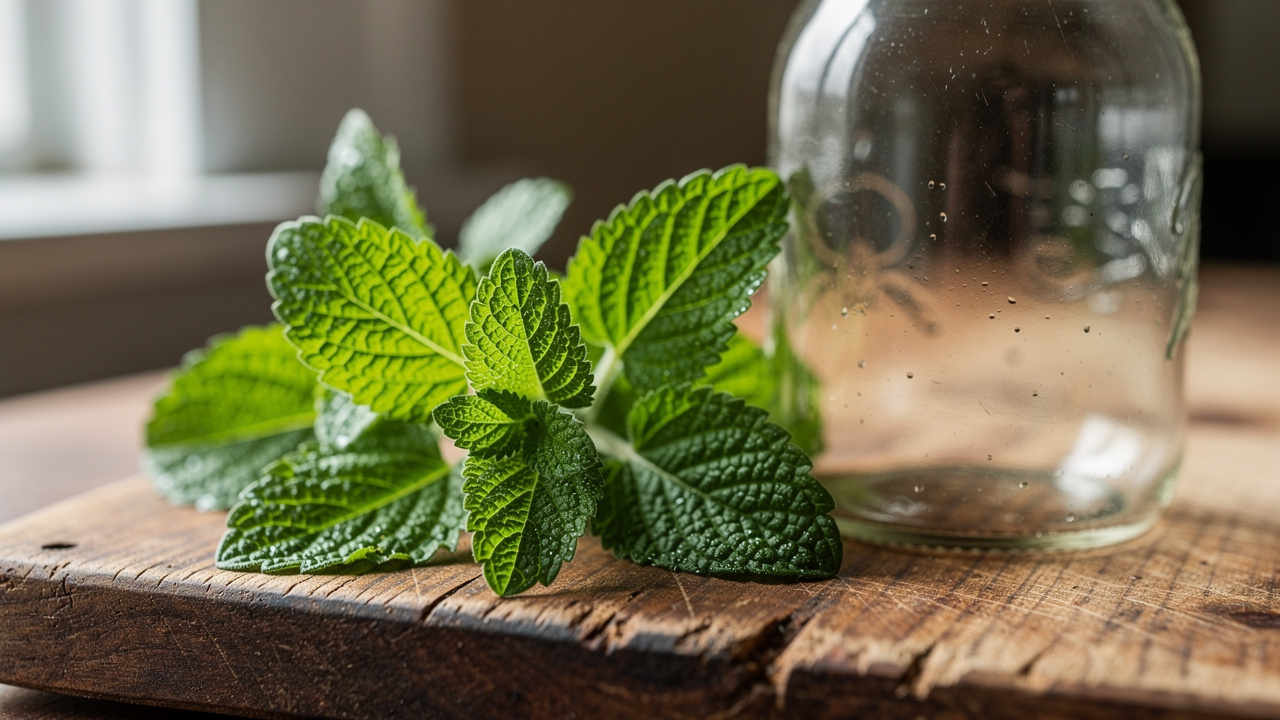
Lemon balm is a gentle herb with bright green, slightly heart‑shaped leaves that give off a clean lemon scent when rubbed between the fingers. It belongs to the mint family and has grown in monastery gardens and home plots for centuries, often brewed as tea for nervousness, gas, and restless sleep. Herbalists have long described lemon balm as “gladdening” to the heart and steadying for a restless mind.
A lemon balm tincture takes those same leaves and concentrates their active compounds in liquid form. To make a tincture, plant material sits submerged in a solvent such as high‑proof alcohol for several weeks. The alcohol pulls out aromatic oils, polyphenols, and other plant chemicals, then keeps them stable for years. What ends up in the bottle is a powerful liquid extract that requires only a small dose.
This delivery style has several advantages over teas or capsules:
-
Faster absorption: Held under the tongue, tincture drops pass through thin mouth tissues into the bloodstream.
-
Less digestive breakdown: Sublingual use skips much of the digestion that can reduce the strength of pills.
-
Quicker feedback: Many people feel a shift toward calm within twenty to thirty minutes, which is helpful when bedtime is near.
It helps to sort out a few related terms. Every tincture is an extract, but not every extract is a tincture. In common use, a tincture means an herbal extract that uses alcohol, while “extract” can mean many formats, including concentrated powders for capsules. Glycerites use vegetable glycerin instead of alcohol, and vinegars use apple cider vinegar. Lemon balm fits especially well in alcohol‑based tinctures because its lemony volatile oils and rosmarinic acid dissolve readily in that medium and remain stable over time.
Fresh lemon balm is especially well suited to tincture form. Its young leaves hold more delicate oils and aromatics than dried material. When those compounds move into the alcohol, they give the tincture a bright scent and strong activity, which is exactly what makes lemon balm tincture so helpful at the end of a long, demanding day.
The Science Behind Lemon Balm for Sleep – How It Works

Poor sleep is often less about “not being tired enough” and more about a nervous system that does not downshift when it should get to sleep. The racing thoughts, stress hormones stay high, and the body has trouble moving from task mode into rest mode. Lemon balm tincture belongs to a class of herbs that helps that downshift happen.
A big part of this effect comes from GABA, short for gamma‑aminobutyric acid. GABA acts as the brain’s main calming chemical. When GABA signals rise, neurons fire less often, muscles relax, and mental chatter eases. Many sleep drugs act on GABA receptors, but they often do so in a heavy‑handed way that forces deep sedation. Lemon balm supports GABA in a lighter, more regulated way.
One of lemon balm’s key compounds, rosmarinic acid, blocks an enzyme called GABA transaminase. That enzyme normally clears GABA from the brain. When it is blocked, GABA levels stay higher for longer, and the brain remains a little more quiet. Think of it as easing off the gas pedal rather than slamming on the brakes.
Lemon balm also contains lemon‑scented volatile oils such as citral, citronellal, and geraniol. These aromatic molecules can interact with GABA‑A receptors and may help create a quick calming signal, similar to the way certain essential oils feel relaxing when inhaled. At the same time, polyphenols and flavonoids in lemon balm show antioxidant and anti‑inflammatory effects, which support cells throughout the nervous system.
Human research backs up these mechanisms. Trials using standardized lemon balm extract have found that adults with mild anxiety and sleep trouble reported less difficulty falling asleep, fewer night awakenings, and calmer mood after daily use. In some studies, participants took lemon balm alone, and in others they combined it with herbs such as valerian or lavender. Across these studies, people generally felt more relaxed and slept better, but without the heavy dullness linked to many sedatives.
Traditional European herbalists used to say that “lemon balm makes the heart merry,” reflecting its long‑standing place as a gentle nerve and mood tonic.
This difference matters. Classic sedatives override the body’s own signals and can disrupt natural sleep architecture. Lemon balm tincture helps the body restore its own rhythm. It lowers the stress load that blocks sleep, rather than forcing unconsciousness. That fits with the way SLP1 looks at sleep. The goal is to support healthy melatonin production, stable GABA activity, and a steady circadian rhythm, not simply to knock someone out for the night.
Key Active Compounds and Their Functions
The calming effect of lemon balm tincture does not come from a single magic molecule. It comes from a network of compounds that work together:
-
Rosmarinic acid is the star in many research papers. It blocks GABA transaminase so GABA levels rise. It also shows anti‑inflammatory and antioxidant actions that help protect brain tissue under stress. By quieting both electrical activity and low‑grade inflammation, it supports a smoother shift into rest.
-
The volatile oils give lemon balm its lemon fragrance. Citral, citronellal, and geraniol act on the nervous system in several ways. Their scent alone can signal the brain to relax. Inside the body, these oils appear to support GABA receptors and may ease muscle tension, which often shows up as a tight jaw or clenched shoulders at bedtime.
-
Flavonoids in lemon balm add another layer. These plant pigments offer antioxidant protection and may support memory and mood. They help buffer the nervous system against daily wear, which can make the whole sleep process more steady over time.
-
Tannins and other polyphenols tend to act in the gut. They have mild astringent and antimicrobial effects and may support a healthier gut environment. Since the gut produces many signaling molecules that talk to the brain, calmer digestion can feed into calmer sleep.
Because these compounds matter, the science matters too. A high‑quality lemon balm tincture will use plant material and extraction methods that produce reliable levels of rosmarinic acid and related molecules from batch to batch. SLP1 builds this into its lemon balm extract, then confirms levels with third‑party testing so each serving supports the same effect.
Comprehensive Benefits of Lemon Balm Tincture
Sleep support sits at the center of what lemon balm tincture does, but its effects extend into several connected areas of health. That wide reach is one reason it fits so well for people whose sleep, stress, and digestion all seem tangled together.
For sleep itself, research on lemon balm extract shows promising changes in both how fast people fall asleep and how well they stay asleep. In clinical settings, adults with mild insomnia and anxiety reported:
-
Shorter time to fall asleep
-
Fewer night awakenings
-
Better overall sleep ratings
after several weeks of daily use. Many also described feeling more refreshed on waking, which signals that the herb supports natural sleep cycles rather than flattening them.
Anxiety and stress relief form the other half of this picture. Many sleepless nights start with a loop of worry thoughts. By boosting GABA and calming the nervous system, lemon balm tincture helps the mind step out of that loop. Studies in stressed adults have shown improved calmness and even better alertness, which may sound surprising. The key is that less background anxiety frees up mental energy, so people feel more clear rather than sedated.
Cognitive and mood support also appear in the data. Some trials have found that single doses of lemon balm extract can improve memory performance and increase feelings of contentment. For someone who wants better sleep without dulling daytime functioning, this mix of calm and clarity can be valuable.
The herb’s effects on the digestive system bring more indirect sleep benefits. Lemon balm acts as an antispasmodic in the gut, easing cramping, gas, and bloating. Many people notice that they sleep more soundly when their stomach feels settled and quiet. Since the gut and brain share many signaling pathways, calming one often helps the other.
Lemon balm’s antiviral and pain‑relieving properties fill out the rest of the picture. It can shorten the course of cold sores when used on the skin, and it may reduce headache pain, especially when stress plays a role. Fewer physical irritations like these can reduce night‑time awakenings and help regular sleep return.
For SLP1, this broad support is not an accident. The brand treats sleep as a system. When lemon balm tincture lowers stress, soothes digestion, and improves mood, it creates conditions where good sleep becomes much easier, night after night.
How to Make Lemon Balm Tincture at Home – Complete Guide
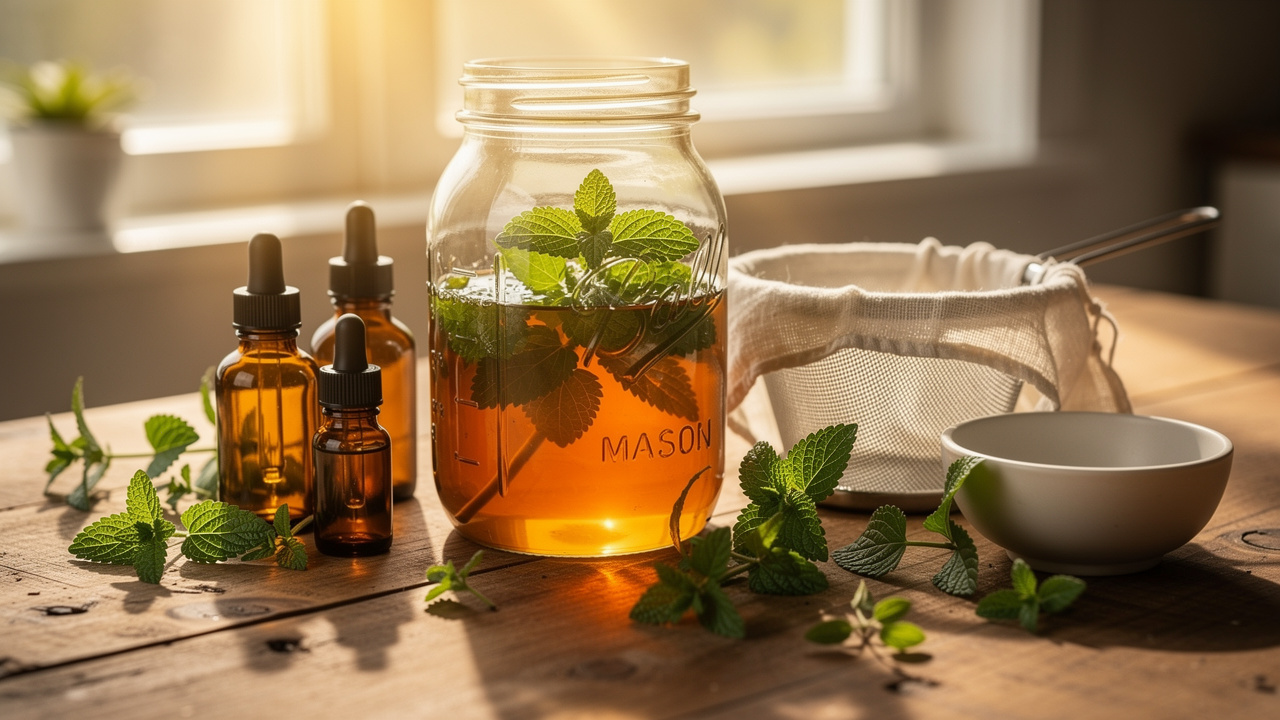
Some people like the control and ritual of preparing their own herbal remedies. Others prefer the precision and convenience of a tested commercial formula. Both options have a place. A homemade lemon balm tincture can be a gentle, satisfying project, while products like SLP1 offer standardized dosing and advanced delivery methods for more demanding needs.
To make lemon balm tincture at home with the folk method:
-
Gather fresh lemon balm.
Start with fresh lemon balm if possible. Fresh leaves contain more of the lemon‑scented oils that give the tincture its fast‑acting calm. Harvest young, healthy leaves, ideally late in the morning once dew has dried. Rinse them lightly if needed and pat them dry. -
Prepare a clean glass jar.
A pint‑size mason jar works well for a first batch. Roughly chop enough leaves and tender stems to fill the jar almost to the top, without crushing them into a solid mass. This loose fill allows the alcohol to move through the plant material. -
Add the solvent.
Choose a neutral spirit with at least forty percent alcohol, such as 80‑proof vodka. Pour the alcohol over the lemon balm until every bit of plant material sits below the liquid. Leaving even a small cluster of leaves above the surface invites oxidation, which darkens the tincture and may reduce potency over time. If pieces float, press them down with a clean spoon and leave a little extra alcohol above the top. -
Seal and steep.
Seal the jar tightly and place it in a cool, dark cupboard. For the first week, give it a gentle shake once a day and check that all leaves stay covered. The tincture needs at least four to six weeks for a decent extraction. Some home herbalists leave lemon balm for two or three months to draw out as much as possible, especially when fresh leaves are plentiful. -
Strain and press.
After the steeping period, line a fine‑mesh sieve with several layers of cheesecloth and set it over a clean bowl. Pour the mixture through the cloth, then gather the edges and squeeze firmly. This press step often yields a surprising amount of extra tincture. Discard the spent plant material in compost. -
Bottle and store.
Pour the finished lemon balm tincture into dark glass dropper bottles. Label them with the herb name and date. Stored away from heat and light, an alcohol‑based tincture remains usable for many years. Over time, a slight change in color is normal, but a sour or off smell suggests contamination and that batch should be thrown away.
The main limit of the DIY path is that it does not give a precise concentration. The strength of the herb, the exact plant‑to‑alcohol ratio, and the extraction time all affect how much rosmarinic acid and other compounds end up in each milliliter. For many home users that is acceptable. For professionals who want repeatable effects and clear milligram amounts, a standardized lemon balm extract such as the one used by SLP1 offers far more certainty.
Alcohol-Free Alternatives – Glycerite Preparation
Not everyone wants alcohol in a nightly sleep aid. Children, people with alcohol sensitivity, and those whose medications do not mix well with alcohol often need another option. A lemon balm glycerite fills that role.
Vegetable glycerin is a clear, sweet liquid derived from plant oils. It has a thick texture and can pull many of the same compounds from herbs that alcohol does. To make a lemon balm glycerite, follow nearly the same steps as for an alcohol tincture. Chop fresh lemon balm, fill a jar, and cover the herb, this time with food‑grade vegetable glycerin. Because glycerin is thick, some people thin it slightly with distilled water, but the final mix still needs enough glycerin to protect against spoilage.
The jar then rests in a cool, dark place for four to six weeks, with regular shaking. After steeping, strain and press the plant material just as with an alcohol tincture. Store the finished liquid in dark glass bottles in the refrigerator. A good glycerite usually stays fresh for about a year.
Glycerites taste naturally sweet and often feel more pleasant than straight alcohol under the tongue, especially for children. The trade‑off is that glycerin does not pull every compound as effectively as alcohol, so the extract can be somewhat weaker. For very sensitive people, that gentler action is welcome. For those who need strong, repeatable sleep support, a standardized tincture or advanced extract such as SLP1 uses will usually be more reliable.
Proper Dosage and Usage Guidelines for Sleep
Getting the most from lemon balm tincture means using enough to help the nervous system but not so much that the body feels dull or heavy. It also means giving the herb enough nights in a row to do its work.
A common starting point for adults is:
-
Dose: One dropperful (about 1–2 milliliters, or roughly thirty drops)
-
Timing: About thirty minutes before the time they intend to be asleep
There are two main ways to take lemon balm for sleep:
-
Sublingual use: Drops go under the tongue. Holding the tincture there for thirty to sixty seconds before swallowing allows faster entry into the bloodstream.
-
Diluted in a drink: Mix the tincture into a small amount of water or herbal tea. That approach softens the taste and pairs well with a quiet, pre‑bed ritual.
The “start low, go slow” idea applies here. If one dropperful does not bring noticeable calm after several nights, many adults do well with two dropperfuls. It is better to raise the dose gradually over a week or two rather than jump quickly, because nervous systems differ in how strongly they respond. At the same time, very large doses can sometimes cause digestive upset or morning grogginess, so it makes sense to increase with care.
Consistency matters more than occasional big doses. Lemon balm tincture supports rhythm over time, especially when stress has been high for months or years. Some people feel a more relaxed state the first night. Deeper changes in sleep onset, fewer awakenings, and calmer mornings often show up over two to four weeks of nightly use.
Homemade tinctures make precise dosing difficult because their strength is unknown. Commercial products list not only dropper size but also milligrams of extract per serving. SLP1 goes a step further and uses standardized lemon balm extract with known rosmarinic acid content, so each serving delivers clinically relevant, repeatable amounts without guesswork.
In practice, a person’s “effective dose” is the smallest amount that gives better sleep with no unwanted effects. Most healthy adults stay well below any safety limit with normal lemon balm tincture use. Even so, special health conditions and medications can change that picture, which is why safety and interactions deserve careful attention.
Safety Profile – Side Effects, Warnings, and Contraindications
Lemon balm has a long record as a gentle herb, and modern data agree that it is generally well tolerated for most adults. Studies using lemon balm extract by mouth in daily doses up to about 500 milligrams for several months have not raised major safety concerns. Still, natural products can cause problems for some people, and it is wise to understand where caution is needed.
Most reported side effects are mild and uncommon. A few people notice increased appetite, nausea, or abdominal discomfort at higher doses. Others report lightheadedness or a faint feeling of tightness in the chest. Topical creams that contain lemon balm can sometimes cause slight skin irritation or rash in sensitive individuals. These reactions usually fade when the herb is reduced or stopped.
Groups that need extra care include:
-
People with thyroid disease:
Laboratory work and early human data suggest that lemon balm may interfere with thyroid hormone activity and possibly lower levels of circulating thyroid hormone. For someone taking thyroid hormone replacement, this can blunt the effect of their medication and change lab numbers in a way that puts health at risk. Because of this, individuals with hypothyroidism or any diagnosed thyroid condition are generally advised not to use lemon balm tincture. -
Pregnant or breastfeeding individuals:
There is not enough high‑quality information on long‑term lemon balm use in these groups. Since both mother and child could be affected, the safest course is to avoid lemon balm tincture unless a knowledgeable healthcare provider sees a clear reason and monitors use closely. -
Children:
Children can sometimes use lemon balm, often in glycerite form, to help with restlessness or occasional sleeplessness. Short‑term use, over days or a few weeks, appears safe when doses match body weight and a practitioner guides the plan. Even so, the alcohol‑free format fits better for children, and ongoing problems with a child’s sleep always deserve medical attention. -
People scheduled for surgery:
Because lemon balm can add to sedative effects, it may interact with anesthesia and slow the recovery of normal alertness. Most guidelines suggest stopping lemon balm at least two weeks before any planned operation.
As many clinicians like to remind patients, “natural” describes where a substance comes from, not how safe it is for every person in every situation.
Beyond herb‑specific safety, product quality matters. Herbs can absorb heavy metals and pesticides from soil, and low‑quality factories can introduce solvent residue or microbial contamination. SLP1 addresses these concerns with cGMP manufacturing and third‑party testing for identity, purity, and potency. That way, people know their lemon balm tincture contains the herb they expect and nothing that does not belong there.
Drug Interactions and Medication Considerations
Even safe herbs can cause trouble when combined with the wrong drugs. Lemon balm tincture has a few important interaction points that deserve close attention.
Key concerns include:
-
Sedative medications:
These include benzodiazepines such as diazepam, many prescription sleep drugs, certain pain medicines like opioids, and even some over‑the‑counter antihistamines that cause drowsiness. Lemon balm on top of these can push the nervous system too far toward sleep, leading to excessive drowsiness, poor coordination, or slowed breathing. People taking such medications should only consider lemon balm tincture with direct guidance from a healthcare professional. -
Thyroid hormone replacement:
Because lemon balm may reduce thyroid hormone activity, it can interfere with medications such as levothyroxine. This can leave a person under‑treated, with more fatigue, weight gain, or mood changes, even if labs were stable before. For that reason, most endocrinologists recommend avoiding lemon balm tincture altogether when thyroid disease is present. -
Antidepressants (especially SSRIs):
Some people use lemon balm alongside these medications without issue, but research is limited. There is potential for interaction through liver enzymes and through combined effects on mood and sleep. If a prescription label or physician has advised against alcohol use, any alcohol‑based tincture is off the table, and an alcohol‑free lemon balm glycerite, if used at all, should only come into the plan after a careful discussion with the prescriber. -
Multiple medications processed through the liver:
Other drugs that rely on liver enzymes may, in theory, interact with lemon balm, although firm data are scarce. When someone already takes several prescriptions, the safest course is to bring a complete list, including herbs and supplements, to their clinician.
SLP1 encourages this level of openness. Clear education and honest conversation with healthcare providers protect both safety and the long‑term success of any sleep program.
Comparing Lemon Balm Tincture to Other Sleep Supplements
The supplement shelf for sleep can feel crowded. Melatonin, valerian, magnesium, passionflower, chamomile, and many more options sit side by side. Understanding how lemon balm tincture differs from these helps place it in the right role.
Melatonin is the best‑known sleep supplement, but it works in a very different way. Melatonin is a hormone that the body produces in darkness to signal bedtime. Many products add large amounts of synthetic melatonin on top of the body’s own production. This can help people fall asleep faster in the short term or shift time zones, yet frequent use in high doses may cause vivid dreams, morning grogginess, and, in some people, a blunted response over time. Lemon balm tincture does not add hormones at all. It calms the nervous system so the body can release its own melatonin on a normal schedule. SLP1 chooses to stay melatonin‑free for that reason.
Valerian is another classic herbal sleep aid. It seems to work partly through GABA, but its action can feel heavier. Some people wake with a “hangover” feeling after valerian, and many dislike its strong, earthy smell. Lemon balm tincture tends to feel lighter, clearer, and more focused on easing tension rather than deep sedation. In some formulations, low doses of valerian and lemon balm work together, each covering slightly different parts of the sleep process.
Magnesium fills a separate but related role. As a mineral cofactor for hundreds of enzymes, magnesium supports muscle relaxation, heart rhythm, and the nervous system. When a person is low in magnesium, they may have cramps, twitching, or restless legs that disturb sleep. Adding magnesium, especially in gentle forms such as magnesium glycinate, can quiet the body’s physical restlessness. Lemon balm tincture, in contrast, centers on calming thought loops and nervous system overactivity. Used together, they can complement each other.
Herbs like chamomile and passionflower sit in the same calming family as lemon balm. Chamomile is often used as a tea and provides mild relaxation along with digestive support. Passionflower seems to support GABA as well but with its own profile of flavonoids. Many people enjoy blends where these herbs mix, since each plant nudges the system from a slightly different angle.
Delivery form also shapes the experience:
|
Supplement/Form |
Main Action |
Onset Speed |
Typical Use Case |
|---|---|---|---|
|
Lemon balm tincture |
Calms GABA system, eases tension |
Fast (sublingual) |
Racing thoughts, stress‑linked insomnia |
|
Melatonin |
Shifts sleep timing signal |
Moderate |
Jet lag, shift work, short‑term timing issues |
|
Valerian (capsule/tincture) |
Deeper sedation via GABA |
Moderate to fast |
Trouble staying asleep, high arousal at night |
|
Magnesium (capsule/powder) |
Muscle and nerve relaxation |
Slower, cumulative |
Restless legs, cramps, general relaxation |
|
Chamomile/passiflora tea |
Mild calming, digestive support |
Gentle, ritual‑based |
Light support, bedtime routine |
Standardized extracts inside tinctures or capsules address dosing concerns by providing a known amount of active compounds in a compact form. SLP1 uses this type of extract, synergistic formulas with ingredients such as valerian, taurine, specific forms of magnesium, and BHB. This kind of planned combination targets multiple sleep pathways without random overlap or over‑reliance on any single ingredient.
What to Look for in a High-Quality Lemon Balm Tincture
Not all bottles that mention lemon balm offer the same value. Looking at a few key markers helps sort thoughtful products from those that rely more on marketing than substance.
Key features to check:
-
Clear labeling:
The label should state the plant’s Latin name, Melissa officinalis, along with the plant part used, usually the leaf. That detail confirms that the product contains the correct species rather than a distant relative. The label should also show the herb‑to‑solvent ratio, such as 1:2 for fresh plant tinctures or 1:5 for dried. This ratio gives a rough sense of concentration. -
Standardization to active compounds:
For lemon balm tincture, that often means listing the amount of rosmarinic acid per serving. When a product offers a set milligram amount of rosmarinic acid in each dose, it becomes far easier to compare strength across brands and from batch to batch. SLP1 builds this level of detail into its lemon balm extract and confirms it through lab testing. -
Type and strength of alcohol:
An honest label will state both the alcohol percentage and any other solvents used. Many high‑quality tinctures rely on organic, gluten‑free alcohol at around forty to seventy percent strength. This range balances extraction power with safety and taste. -
Sourcing and farming practices:
Organic or pesticide‑free lemon balm lowers the chance of residue from farm chemicals in the final tincture. Herbs can concentrate substances from soil, so clean growing conditions count. Fresh plant tinctures often bring more volatile oils into the mix than dried herb products, though high‑grade dried herb extracts can still be very effective when handled well. -
Independent testing and manufacturing standards:
Look for brands that publish or at least state that they perform third‑party testing for heavy metals, microbial contamination, and active compound levels. cGMP certification for the manufacturing site adds further reassurance that every batch follows clear, audited procedures.
Price often reflects these factors. Very cheap lemon balm tincture may save money up front but can cost more over time if it does little for sleep. Paying for high‑grade starting material, careful extraction, and thorough testing is not just a branding exercise; it supports real, repeatable effects. SLP1 invests in these steps so that its lemon balm extract can hold a reliable place in long‑term sleep support.
Integrating Lemon Balm Tincture into a Comprehensive Sleep Routine
Even the best lemon balm tincture cannot make up for a blaring screen in bed, late‑night caffeine, or a wildly shifting sleep schedule. Herbal support shines brightest when it joins a larger set of healthy sleep habits.
A steady sleep and wake time anchors that set. Going to bed and waking at roughly the same hours each day gives the brain a clear signal about when to release melatonin and when to raise cortisol. A cool, dark room, with light blocked as much as possible, supports that signal. Simple changes such as blackout curtains or a sleep mask can make a big difference.
What happens in the sixty to ninety minutes before bed also matters. This window is a perfect place for lemon balm tincture:
-
Take your dose about thirty minutes before planned bedtime.
-
Dim lights and put devices away or on night mode.
-
Read something low‑stress, stretch, or practice breathing exercises.
-
Keep conversations and content light rather than emotionally charged.
Daytime habits build “sleep pressure” as well. Morning light exposure, regular movement, and a cut‑off time for caffeine in the early afternoon all help the body feel ready for bed later. Evening meals that are too heavy or too late can keep the digestive system busy and disturb rest, so shifting the main meal earlier often supports better sleep. Lemon balm’s mild digestive calming effect fits nicely with this bigger picture.
Consistency matters more than having a perfect routine every single night. Even if travel, deadlines, or family needs interrupt plans, keeping at least a few anchors in place helps the nervous system stay oriented. Lemon balm tincture used regularly, instead of just on very bad nights, supports this kind of steady pattern.
This approach mirrors SLP1’s philosophy. The goal is not a quick knockout, but a gradual return to healthy sleep architecture. By combining standardized lemon balm extract with other supportive nutrients in melatonin‑free formulations, and by encouraging strong sleep hygiene, SLP1 helps people build a sleep system that holds up under real‑world stress.
SLP1 Lemon Balm Extract – Advanced Formulation for Modern Sleep Challenges
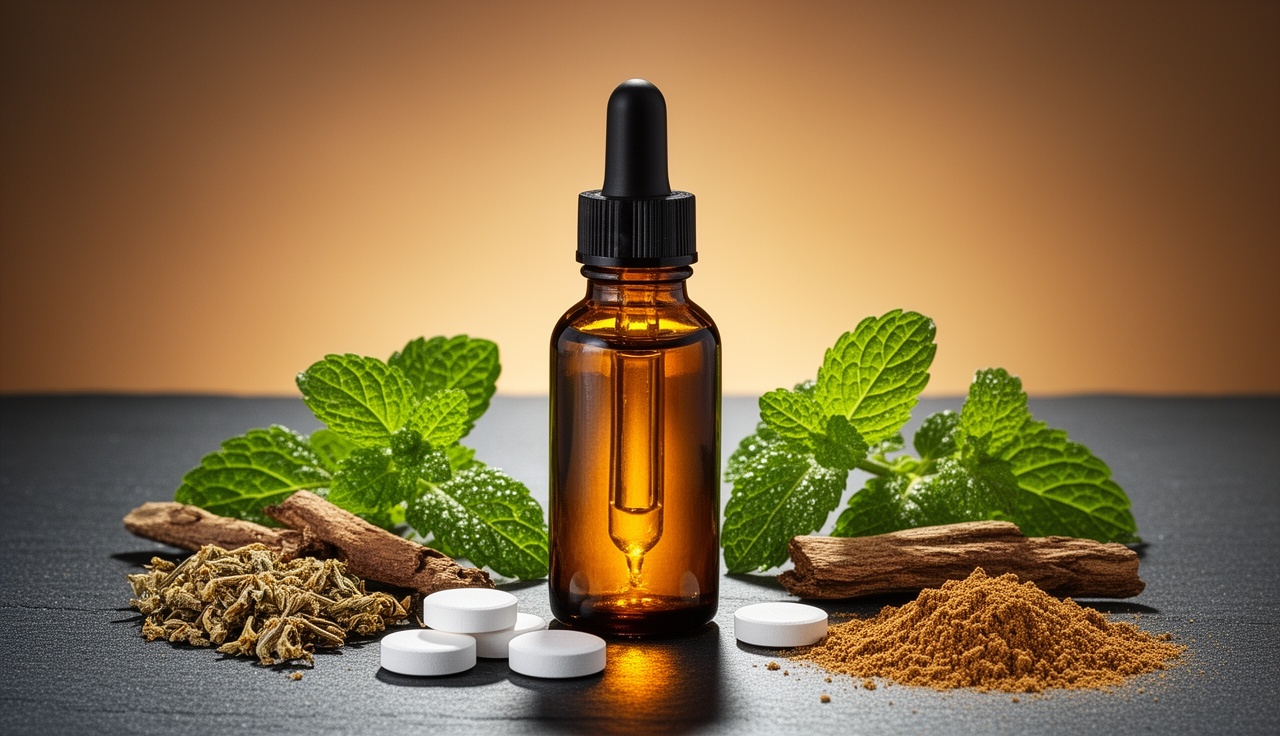
Many people love the idea of lemon balm tincture but prefer not to guess about strength, extraction methods, or interactions with other ingredients. SLP1 designs its lemon balm extract and sleep formulations for those who want plant‑based support backed by clear science and careful manufacturing.
At the core is a standardized lemon balm extract, not just a simple soak of leaves. This extract is calibrated for rosmarinic acid and other active compounds, so each serving delivers a predictable effect. Third‑party labs test every batch for potency and purity, checking for heavy metals, microbes, and solvent residue, which gives added confidence in nightly use.
SLP1 rarely uses lemon balm alone. Instead, the brand builds synergistic formulas that reflect how sleep actually works. Lemon balm pairs with carefully chosen partners such as valerian root, taurine, specific forms of magnesium, and BHB. Valerian adds deeper calming support, taurine helps stabilize cell membranes and support GABA, magnesium relaxes muscles and nerves, and BHB supports brain energy balance. Together, they help the brain and body move from high gear into rest without a crash.
A key choice in SLP1 products is the melatonin-free. Many customers already produce enough of their own melatonin but struggle with stress, racing thoughts, or tension. By supporting natural melatonin release instead of adding more hormone, SLP1 reduces the risk of issues like morning grogginess or dampened internal production. This approach lines up with the idea of restoring rhythm rather than forcing sleep.
Clean labels and thoughtful delivery methods complete the picture. SLP1 avoids common allergens, artificial colors, and unnecessary fillers. Advanced delivery systems focus on bioavailability, so the active compounds from lemon balm and its partners actually reach their targets in the body. Suggested use often centers on one to two dropperfuls or the labeled serving about thirty minutes before bed, as part of a consistent evening routine.
For health‑conscious professionals, biohackers, and anyone who wants clear mornings along with steady sleep, this kind of engineering means less experimentation and more predictable nights. SLP1 pairs its products with deep educational content so that customers understand not just what they are taking, but why it works.
Troubleshooting Common Issues with Lemon Balm Tinctures
Even with a solid herb like lemon balm, real life can raise questions. A few common patterns come up often and are usually easy to address with small adjustments.
“I do not feel anything.”
Several factors may sit behind that:
-
The tincture itself might be weak if it comes from low‑quality herb or an unclear extraction process.
-
The dose might simply be too low for that person’s nervous system, especially if stress has been high for a long time.
-
Expectations might lean toward a drug‑like knockout, while lemon balm tincture works in a gentler, rhythm‑supporting way.
In practice, checking product quality, then raising the dose slowly over a week or two while keeping a sleep diary often brings clarity.
“My homemade tincture turned very dark.”
A lemon balm tincture that turns very dark brown or almost black often reflects oxidation. This happens when some leaves stick up above the alcohol and react with oxygen. The tincture is usually still safe if it smells normal, but its active compounds may not last as long. Keeping herbs fully submerged with enough alcohol and shaking the jar during the first week help prevent this problem.
“I dislike the taste.”
Lemon balm tincture has a sharp, herbal flavor with a hint of lemon and bitterness. To make it easier:
-
Place the drops under the tongue and chase with a sip of water.
-
Add the dose to a small cup of warm herbal tea or a little juice.
-
Take a spoonful of honey afterward to soften any lingering taste.
-
If taste remains a major barrier, consider a glycerite or a combined formula such as those from SLP1, where flavors can be balanced more carefully.
“The timing feels off.”
A person who feels a bit too relaxed or groggy right at bedtime might do better taking lemon balm tincture forty‑five to sixty minutes before sleep instead of thirty. Someone who still feels wired at lights‑out may move the dose closer in. Small shifts like this can make the herb feel more in sync with an individual rhythm.
Finally, there are times when lemon balm alone is not enough. Long‑standing insomnia, loud snoring with gasps, extreme early waking, or signs of depression or mania all suggest a why sleep aids fail that herbs cannot address alone. In those cases, a medical evaluation comes first. Herbs, including lemon balm tincture and SLP1’s advanced formulations, can then serve as supportive tools inside a broader treatment plan.
The Future of Sleep Science and Plant-Based Support
Sleep research is moving fast. New work on the gut–brain axis, circadian biology, and personalized medicine is changing how scientists think about rest and recovery. Herbs like lemon balm are part of that trend, moving from folk wisdom into formal study.
One major shift is the focus on rhythm rather than sedation. Researchers now look closely at how to support natural melatonin curves, body temperature cycles, and sleep stages instead of simply lengthening sleep time. Lemon balm fits here because it calms the systems that keep people wired at night—anxiety, racing thoughts, and low‑grade inflammation—without flattening normal patterns.
Advances in extraction and delivery technology are also reshaping herbal medicine. New techniques allow companies to pull specific fractions from plants, standardize them carefully, and design formats that make absorption more efficient. Liposomal carriers, improved tincture bases, and thoughtful combinations of water‑soluble and fat‑soluble compounds all help more of each plant’s power reach target tissues.
Personalization may be the next step. As tests for genetics, microbiome profiles, and sleep patterns become more accessible, it may be possible to match people to botanicals, doses, and combinations that fit their particular nervous system and lifestyle.
SLP1 stays close to this research edge. The brand’s focus on standardized lemon balm extract, melatonin‑free sleep support, and advanced delivery systems already reflects where science points. As new findings arrive, those insights can feed into updated formulas and guidance, giving people access to plant‑based sleep support grounded in careful evidence rather than short‑lived trends.
Conclusion
Lemon balm tincture offers a calm, measured answer to modern sleep strain. By supporting GABA, easing low‑grade inflammation, and soothing the gut–brain axis, it helps the mind and body slide into rest without the heavy sedation linked to many drugs and high‑dose hormones. Most people notice less mental noise at night, easier sleep onset, and clearer mornings, especially when they use the tincture regularly.
Quality, dose, and context all play key roles. A well‑made lemon balm tincture uses clean plant material, honest extraction ratios, and standardized levels of rosmarinic acid. It also comes with clear dosing guidance and proof of third‑party testing. Products from SLP1 build all of this in and then go further by combining lemon balm with other supportive nutrients in melatonin‑free, rhythm‑friendly formulas.
At the same time, lemon balm is just one piece of a larger sleep picture. Good light habits, a steady schedule, comfortable sleep spaces, and daytime stress skills all support what the tincture is trying to do. When people pair a thoughtful lemon balm product with these habits and give the process a few weeks, the benefits tend to stack.
For anyone considering lemon balm tincture, it is wise to review health history, medications, and thyroid status with a trusted clinician. With that safety net in place, informed users can choose options that fit their values, whether that is a simple homemade tincture or a science‑driven formula from SLP1. Better sleep does not start with force. It starts with calm, consistency, and respect for the body’s natural timing.
FAQs
Question 1 – How Long Does It Take for Lemon Balm Tincture to Work for Sleep?
Many people feel the first calming effects of lemon balm tincture within twenty to thirty minutes of a dose. This is especially true when drops sit under the tongue, because the herb can move quickly into the bloodstream. That early calm often shows up as slower thoughts and less tension in the body rather than sudden drowsiness.
Deeper changes in sleep quality, such as falling asleep faster or waking less often, usually take longer. Most studies and real‑world reports point to two to four weeks of steady nightly use before the full benefit appears. People with long‑term stress or shifting schedules may need the full month to notice stable changes.
Question 2 – Can I Take Lemon Balm Tincture Every Night, or Will I Build Tolerance?
Current research and long herbal experience both suggest that lemon balm tincture can be used nightly for extended periods without the kind of tolerance seen with many prescription sedatives. Because lemon balm supports the GABA system rather than forcing it in one direction, the brain does not seem to adapt in a way that demands ever higher doses.
Studies have followed adults using lemon balm extract daily for several months with good safety and maintained effect. Some people like to skip a night once in a while to check how they feel, but strict cycling is not usually needed. This pattern is very different from melatonin or strong sedatives, which can lead to dependence or reduced responsiveness.
Question 3 – Is Lemon Balm Tincture Stronger Than Lemon Balm Tea?
In most cases, yes. Lemon balm tincture is more concentrated than lemon balm tea and offers better control over dose. The alcohol in a tincture pulls out both water‑soluble and alcohol‑soluble compounds, including delicate aromatic oils that may float off in steam when the herb is brewed as tea. When tincture drops go under the tongue, they also bypass much of the digestive process and act more quickly.
Tea still has a valuable place, especially for those who enjoy a warm bedtime ritual and want very gentle support. For people with more stubborn sleep issues or high stress, a standardized lemon balm tincture usually offers a stronger and more reliable effect.
Question 4 – Can I Combine Lemon Balm Tincture With Melatonin or Other Sleep Supplements?
Lemon balm tincture often pairs well with other natural sleep supports, but combining products deserves a thoughtful approach. Many people safely use lemon balm along with magnesium, glycine, or calming herbs like chamomile and passionflower. These combinations can help different parts of the sleep process, such as muscle relaxation and mental quiet.
Melatonin sits in a special category because it is a hormone. Small doses used occasionally with lemon balm are usually fine for healthy adults, yet higher doses or nightly use can cause grogginess or vivid dreams. SLP1 avoids melatonin in its formulas for this reason. Anyone taking prescription sedatives, antidepressants, or multiple sleep aids should talk with a healthcare provider before adding lemon balm, to avoid stacking too many calming effects at once.
Question 5 – Why Shouldn’t People With Thyroid Conditions Use Lemon Balm?
Lemon balm appears to interact with thyroid function at several points. Lab work suggests that compounds in lemon balm can interfere with how thyroid hormone binds and acts at target tissues. This may lower the hormone’s effect even when blood levels look normal.
For someone with hypothyroidism who relies on replacement medication such as levothyroxine, that interference can push them back toward symptoms like fatigue, weight gain, and feeling cold. Because of this risk, many thyroid specialists advise their patients to avoid lemon balm tincture entirely. People with any thyroid diagnosis should always discuss herbs with their endocrinologist and consider other sleep supports that do not carry this concern.
Question 6 – What Is the Difference Between a Lemon Balm Tincture and a Lemon Balm Extract?
A lemon balm tincture is one specific type of lemon balm extract. It is made by soaking the herb in alcohol and then using the resulting liquid. The word extract is broader. It can refer to alcohol tinctures, glycerites, vinegars, or concentrated powders used in capsules.
Some extracts are standardized, which means they contain a known amount of certain active compounds, such as rosmarinic acid. Others are made by traditional folk methods and vary more from batch to batch. SLP1 uses standardized lemon balm extract in its formulations. That gives clear information on strength and allows careful pairing with other ingredients, which is harder to achieve with homemade tinctures alone.


Leave a comment
This site is protected by hCaptcha and the hCaptcha Privacy Policy and Terms of Service apply.