
Introduction
Learning how to use lemon balm can feel like finding a dimmer switch for an overlit brain. Instead of knocking you out, this small, citrus-scented leaf quiets the noise so the rest of your system can do its job. For many people, that means calmer days, easier sleep, and a body that does not feel like it is running on fumes.
Lemon balm, or Melissa officinalis, comes from the mint family, yet it smells more like a gentle lemon peel than menthol. For centuries, herbalists have used it to relax the nervous system, settle digestion, and support mood. Modern research is starting to give numbers and structure to what traditional medicine has worked with for a long time.
There is also growing interest in simple plants that support sleep, stress, and focus without harsh drugs or mystery blends. At the same time, educated consumers are skeptical of underdosed, white-labeled supplements that lean more on marketing than science. That is where understanding how to use lemon balm well really matters.
This guide walks through the full picture. You will see what lemon balm is, the best-studied lemon balm benefits, how to use it for sleep, stress, digestion, and skin, plus how to cook with it, grow it, and pick high-quality formulas. You will also see how brands like SLP1 use standardized lemon balm in advanced sleep protocols that work with your biology, not against it. By the end, you will know exactly where lemon balm fits in your own routine and how to use it with confidence.
Key Takeaways
Before diving into the details, it helps to see the big picture of how to use lemon balm in daily life.
-
Lemon balm is a gentle, citrus-scented member of the mint family that supports stress relief, sleep quality, digestion, and mood. Traditional use lines up well with modern research, especially around calming the nervous system and easing tension without heavy sedation.
-
How to use lemon balm depends on the goal. Tea and fresh leaves work well for general relaxation and daily rituals, while standardized supplements are better when someone wants consistent support for sleep, anxiety, or cognition. Topical creams are most useful for cold sores and local skin irritation.
-
Safety is generally good for short- to medium-term use, but there are important exceptions. People who are pregnant, on sedative medications, or managing thyroid disease need medical guidance before using lemon balm regularly, especially in supplement form.
-
Product quality matters. Standardized extracts, clear dosing, third‑party testing, and clean ingredient lists separate serious products from cheap blends. SLP1 builds on this by combining lemon balm with other sleep-supporting ingredients in a three-part protocol that supports rhythm instead of forced knockout sleep.
What Is Lemon Balm? Understanding The Botanical Basics
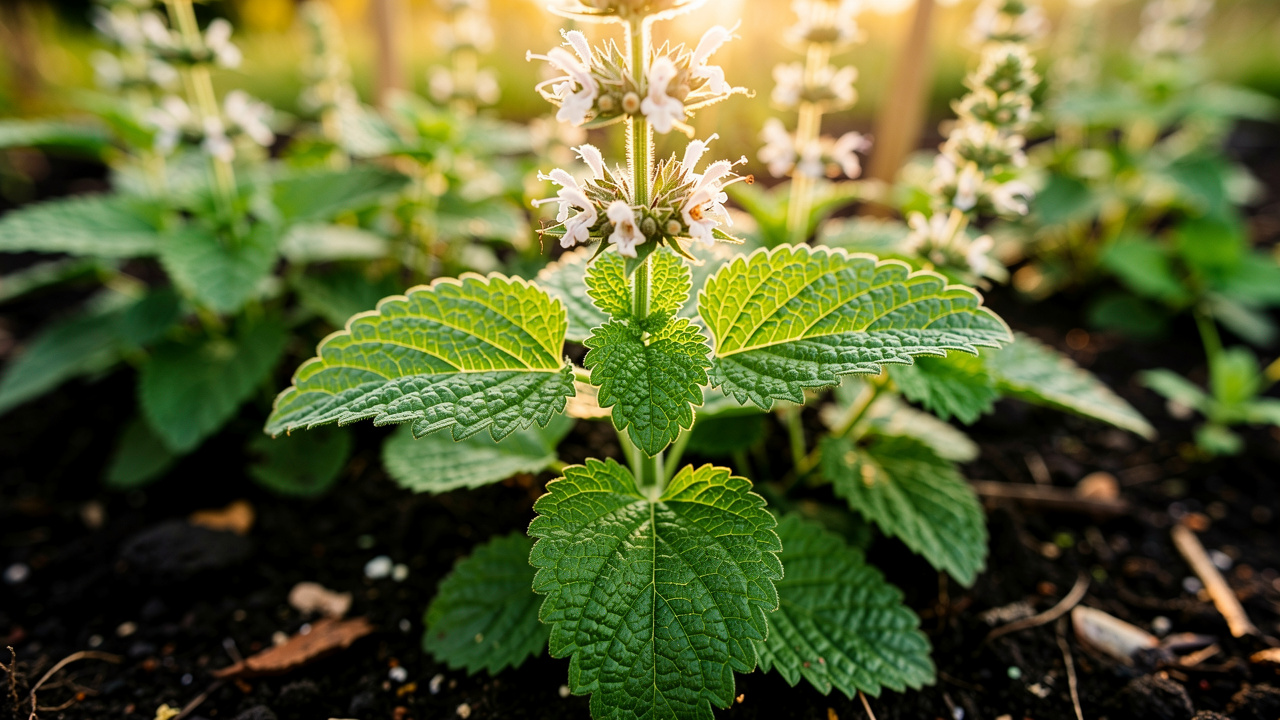
Lemon balm (Melissa officinalis L.), a perennial herb in the mint family, has been valued for its medicinal properties for over 2,000 years. It belongs to the Lamiaceae, or mint family, alongside mint, basil, oregano, and shiso. Even though it is related to mint, its scent is more like a gentle lemon with soft herbal notes, which is where the common name “lemon balm” comes from.
The plant grows into a compact bush, usually up to about 18–24 inches tall. Its leaves are soft, slightly crinkled, and either heart-shaped or arrowhead-shaped with scalloped edges. When you rub or crush the leaves, they release a noticeable lemon aroma that some people liken to lemon furniture polish, only fresher and more pleasant. In the garden, the plant produces small white flowers that attract bees.
Lemon balm is native to Europe, North Africa, and West Asia but now grows in temperate regions around the world, including much of the United States. The name Melissa comes from the Greek word for “honey bee,” reflecting its long history as a bee-attracting plant around hives and in monastery gardens. For centuries it has been brewed as tea, added to wine, and used in traditional medicines for nerves, digestion, and skin.
Chemically, lemon balm is rich in plant compounds that help explain its effects, including:
-
Rosmarinic acid and other polyphenols, which provide antioxidant and calming activity
-
Terpenes that influence the nervous system and mood
-
Tannins that support digestive tone
-
Eugenol, which can have mild numbing and antimicrobial actions
The mix of these compounds appears to give lemon balm its relaxing, antiviral, and anti-inflammatory properties seen in lab and human studies.
As many herbalists like to say, “The herbs that work best are the ones you use regularly.”
You can find lemon balm in many forms. Fresh and dried leaves are used for tea, cooking, and home remedies. Standardized capsules and tablets offer measured doses for sleep, stress, and mood support. Liquid extracts and tinctures provide flexible dosing in drops or milliliters. Essential oil and topical creams use concentrated extracts for aromatherapy or for skin uses such as cold sores. How to use lemon balm safely and effectively depends a lot on which of these forms you choose and how carefully they are produced.
The Science-Backed Health Benefits Of Lemon Balm
Lemon balm is not just a “calming tea” passed down through folklore. Over the last few decades, researchers have studied it in human trials for stress, anxiety, sleep, cognition, digestion, and even heart rhythm support. While the research is still growing, several areas already show promising and repeatable effects.
Most of the calming and lemon balm benefits seem to trace back to how it interacts with the nervous system, especially through GABA, the main calming neurotransmitter in the brain. At the same time, its antispasmodic and anti-inflammatory actions can ease digestive discomfort and soothe overactive gut muscles. In topical uses, antiviral compounds may help shorten the course of cold sores.
To make sense of how to use lemon balm in real life, it helps to break the science into the main areas people care about most.
Stress Reduction And Anxiety Management
Lemon balm’s best-known effect is its ability to take the edge off stress and mild anxiety. The key seems to be its impact on GABA, the brain chemical that slows down overactive nerve firing. Compounds in lemon balm, especially rosmarinic acid, appear to inhibit the enzyme that breaks down GABA. When that enzyme is less active, GABA levels can rise, and the nervous system shifts toward calm.
Clinical studies support this mechanism. In several trials, adults under mental stress took standardized lemon balm extracts and reported greater calmness and improved alertness compared to placebo. In others, people with mild to moderate anxiety noticed lower anxiety scores and better sense of well-being after several weeks of use.
Typical doses in anxiety studies range from about 300 to 600 milligrams per day of a standardized extract, often split into two or three doses. Unlike pharmaceutical anti-anxiety drugs, lemon balm does not carry a known risk of dependence or withdrawal when used at these levels. Many formulas combine it with other soothing herbs like valerian, passionflower, or lavender, which seem to work together to support a calmer baseline.
Supporting Natural Sleep Rhythms
When people talk about how to use lemon balm to get to sleep, they often imagine a knockout effect. In practice, lemon balm works more like a gentle nudge that helps the body move from a “fight or flight” state into a “rest and digest” state. This means it supports the natural sleep rhythm instead of forcing unconsciousness.
By calming the nervous system and easing anxious thoughts, lemon balm helps the switch from sympathetic (alert, active) to parasympathetic (resting, restoring) dominance. Several studies have tested combinations of lemon balm and valerian root for insomnia and restlessness. Many of these show improvements in sleep onset time, night awakenings, and overall sleep quality that are comparable to some prescription sleep aids, but with far fewer reports of morning grogginess.
This is exactly how SLP1 thinks about sleep support. In SLP1’s three-part sleep protocol (Get To Sleep, Deeper Sleep, Stay Sleep), lemon balm extract appears as a key ingredient in the portions that focus on unwinding and keeping sleep stable through the night. Doses fall in the research-backed range of roughly 600–1000 milligrams of concentrated extract across the protocol, combined with other calming and circadian-supporting compounds.
SLP1 builds its formulas around the idea of “restore rhythm, not force rest.” Instead of a single heavy sedative, you get a balanced mix of standardized botanicals, including lemon balm, in advanced delivery formats designed for smooth, predictable absorption. That means support for falling asleep and staying asleep without the heavy, dulled feeling the next morning that many people want to avoid.
Cognitive Function And Mood Enhancement
Beyond relaxation, lemon balm has effects on attention, memory, and general mood. Some of this seems linked to its gentle action on acetylcholine receptors, which are important for learning and memory, though more research is needed. In small human trials, a single dose of lemon balm extract has improved measures of working memory, accuracy, and calm alertness during cognitive tests.
For mood, studies in people with mild to moderate anxiety and depressive symptoms show improvements after several weeks of daily use. Participants often report less restlessness, better sleep, and brighter mood across the day. Early research also suggests that lemon balm may help reduce agitation in people with dementia and may support quality of life in Alzheimer’s disease when used in extracts or aromatherapy.
These cognitive and mood benefits tend to build with consistent use rather than as a one-time “boost.” Regular daily intake over weeks is when the most noticeable steady improvements appear.
Digestive Health Applications
Lemon balm has a long history as a stomach and gut herb, and that tradition lines up with what we know about its antispasmodic properties. Compounds in the plant can relax smooth muscles in the digestive tract, which helps reduce cramping, gas, and the sharp discomfort of indigestion.
In modern herbal practice, lemon balm often appears in combination formulas for functional dyspepsia, bloating, and irritable bowel syndrome (IBS). Studies using blends of lemon balm with peppermint, chamomile, and other carminative herbs show meaningful relief in abdominal pain and uncomfortable fullness. A standardized liquid formula that included lemon balm has even been studied in infants with colic, where it reduced crying time without clear side effects.
If digestive tension tends to flare when stress is high, lemon balm offers a double benefit. Calming the nervous system and soothing the gut at the same time can break the stress–stomach cycle that many people recognize all too well.
How To Use Lemon Balm For Medicinal Purposes
Knowing that lemon balm works is only half the picture. The other half is learning how to use lemon balm to stay asleep correctly for a specific goal, whether that is better sleep, calmer days, or digestive comfort. Dose, form, and timing all shift depending on whether it is taken as tea, capsule, tincture, or cream.
For mild support, food-level amounts in teas and recipes may be enough. For more targeted effects on sleep, anxiety, or cold sores, research points toward standardized extracts and specific dose ranges. It is also important to remember that lemon balm often works best as a steady habit over weeks, not as a one‑time fix.
Understanding Dosage Guidelines And Forms
Dosing for lemon balm varies quite a bit because different products use different extraction methods and strengths. Reading labels carefully and understanding the form you are using is the first step in learning how to use lemon balm safely.
Here is a simple overview of common forms and dosage ranges often used in practice:
-
Dried herb (tea):
-
About 1.5 to 4.5 grams of dried leaf per cup of hot water
-
Usually one to two rounded teaspoons per cup
-
Taken two or three times per day
-
-
Standardized capsules or tablets:
-
Stress and anxiety: roughly 300–500 milligrams per day of extract
-
Sleep support: roughly 600–1000 milligrams per day of extract, often with other calming herbs
-
-
Liquid extracts and tinctures:
-
Commonly 2–4 milliliters, two or three times per day
-
Exact amounts depend on the concentration of the product, so follow label directions
-
-
Topical creams (for cold sores):
-
Around 1% lemon balm extract in a cream base
-
Applied two to four times per day at the first sign of a sore
-
Standardized extracts are important here because they give more consistent levels of key compounds like rosmarinic acid. Brands such as SLP1 go further, pairing standardization with delivery systems that improve absorption and keep blood levels steady instead of spiky. Human data so far suggest that daily use of lemon balm at appropriate doses for up to about six months is generally safe for most adults. Benefits tend to grow with regular, moderate use rather than occasional large doses.
Making Lemon Balm Tea For Daily Wellness
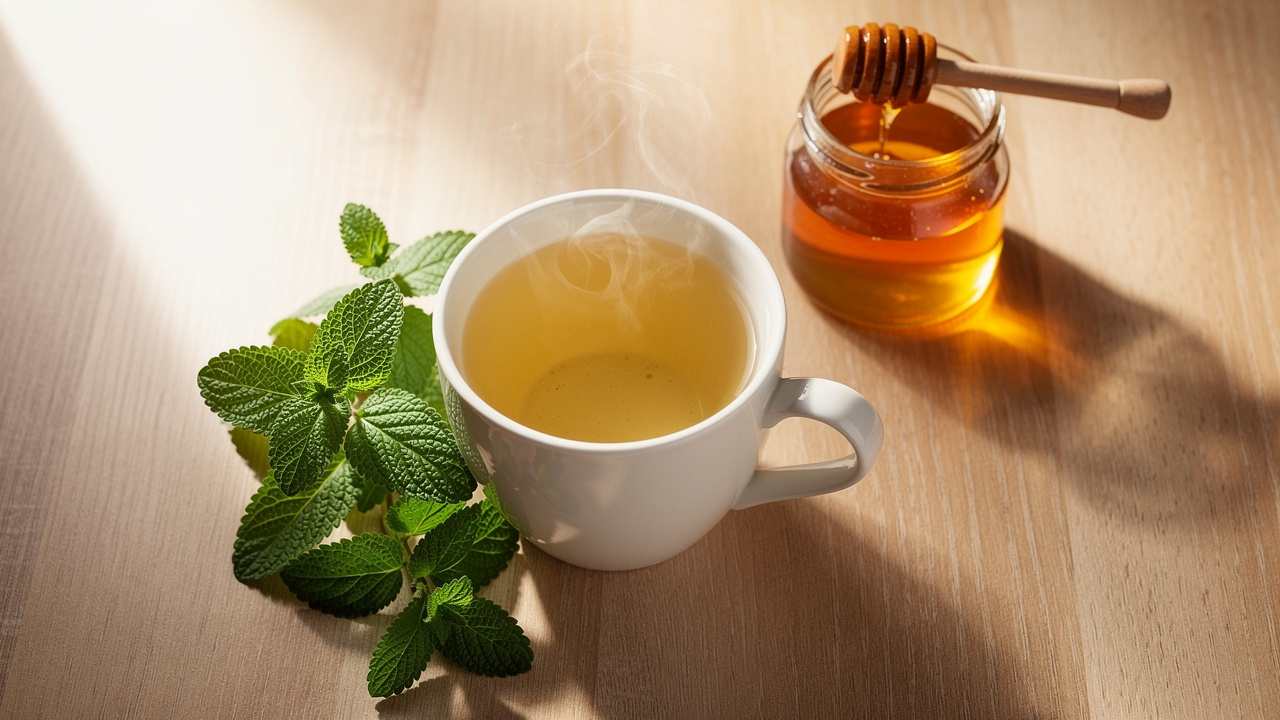
Herbal tea is one of the simplest ways to bring lemon balm into daily life. It offers a pleasant, gentle way to test how the herb feels in your body while also creating a calming ritual.
For fresh-leaf tea:
-
Pick about one quarter cup of clean lemon balm leaves, lightly packed.
-
Gently crush or tear them to release the aromatic oils.
-
Place them in a mug or teapot and pour boiling water over the leaves.
-
Cover and let the tea steep for about five to ten minutes before straining.
For dried-leaf tea:
-
Use about one tablespoon of dried lemon balm per cup of hot water.
-
Steep around ten minutes to pull out the flavor and beneficial compounds.
The aroma should be soft and lemony, not bitter. Morning harvest after the dew has dried tends to give leaves with the highest volatile oil content if you grow your own.
You can drink lemon balm tea plain or add a slice of lemon, a teaspoon of raw honey, or complementary herbs like chamomile or lavender for extra relaxation. For sleep support, many people do best drinking a cup about 30 to 60 minutes before bed. For daytime stress relief, smaller cups spaced through the day work well. Just remember that while tea is excellent for comfort and routine, supplements provide more precise dosing for targeted therapeutic use.
Topical Applications For Skin Health
Topical lemon balm stands out most for one thing, and that is cold sores caused by herpes simplex virus. Creams with standardized lemon balm extract, often at around 1 percent concentration, have been shown to shorten healing time and reduce redness, swelling, and pain when applied at the earliest sign of a sore.
The antiviral compounds in lemon balm appear to interfere with viral attachment and replication in the skin. When used quickly at the tingling stage and applied two to four times a day, people often notice faster resolution and a gentler course of the sore. This is a good example of how to use lemon balm in a very local, targeted way instead of as an oral supplement.
Some people also use diluted lemon balm oil or extract on sore muscles, patches of eczema, or irritated skin because of its soothing and anti-inflammatory actions. This should always be done with care, using proper dilution in a carrier oil or cream. Because lemon balm can irritate sensitive skin in some individuals, it is wise to test a small area first. Remember that topical and oral forms serve very different purposes, so they should not be swapped without guidance.
Culinary Uses For Cooking And Baking With Lemon Balm
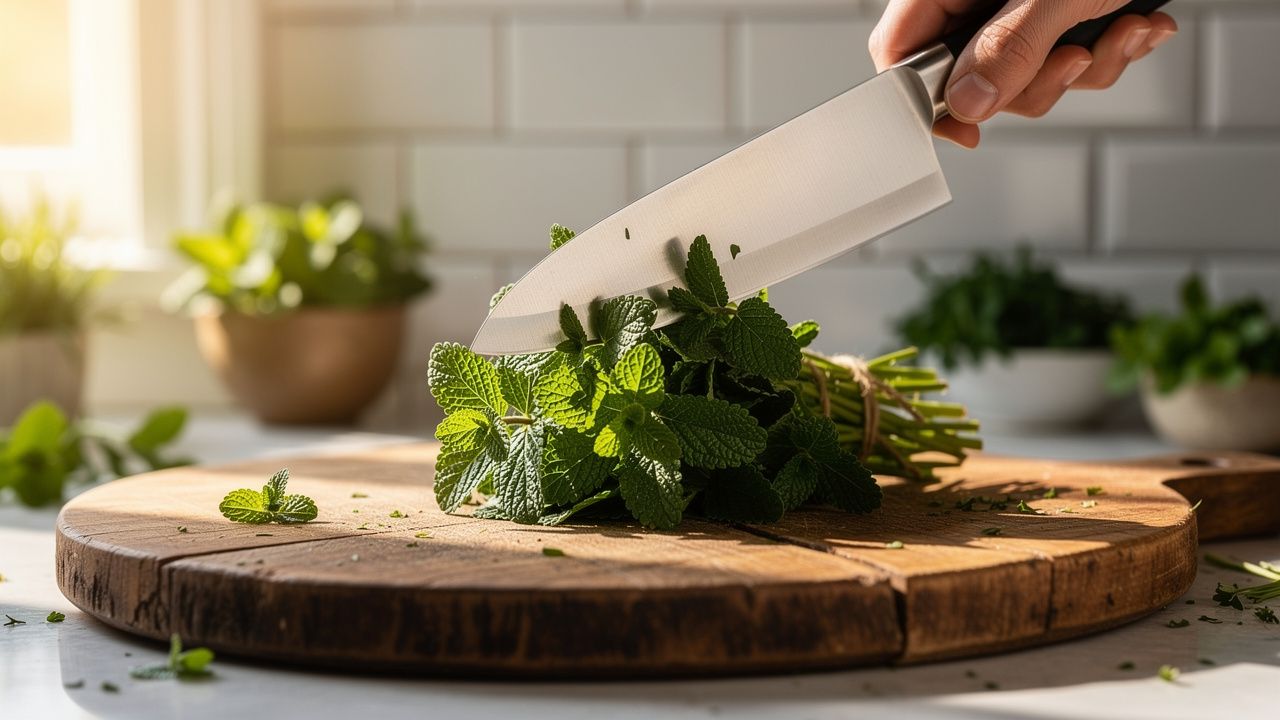
Lemon balm is not only a medicinal herb. It is also a bright, refreshing kitchen herb that can slip into both savory and sweet dishes. The flavor is lighter than lemon zest and softer than mint, which makes it easy to use without overpowering a recipe.
Thinking about how to use lemon balm in food is helpful for people who want more plant-based support but dislike swallowing more pills. Fresh leaves work best for cooking because they hold more aromatic oils and subtle flavors than dried leaves. In many recipes, you can think of it as mint with a citrus accent.
Using Fresh Lemon Balm In Savory Dishes
Fresh lemon balm brings a gentle lemon-herb note to salads, proteins, and vegetable dishes. In green salads, you can scatter whole small leaves or tear larger ones so each bite has a mild citrus lift. For fruit salads, a fine chiffonade of leaves mixed with berries, peaches, or melon adds an herbal brightness that is less sharp than straight lemon.
It also pairs nicely with proteins. You can tuck a handful of lemon balm and other soft herbs into the cavity of a chicken before roasting, or mix chopped leaves into a chicken salad with yogurt or olive oil. For fish, a layer of lemon balm, parsley, and chives over white fillets before baking adds aroma without heavy seasoning.
Grain salads such as quinoa, farro, or couscous also welcome lemon balm. Stir chopped leaves through the warm grains with olive oil, salt, and maybe some toasted nuts for texture. Because the flavor comes from delicate oils, it is best to add lemon balm near the end of cooking or just before serving. It has a special harmony with cheeses like feta, goat cheese, fresh mozzarella, and burrata, where the gentle citrus note cuts through the richness.
Incorporating Lemon Balm Into Beverages
Beverages may be the easiest entry point for anyone curious about how to use lemon balm day to day. Beyond simple tea, lemon balm works in a wide range of cooling, refreshing drinks.
Options include:
-
Classic hot herbal infusion, steeped for about ten minutes and served warm or over ice
-
Sun tea made by placing a large handful of fresh sprigs into a jar of water and setting it in indirect sun for several hours
-
Black or green tea blended with lemon balm for a gentle citrus-herb twist
-
Flavored water with lemon balm sprigs, cucumber rounds, and slices of lemon or orange
For a more concentrated base, you can make a simple syrup. Combine one cup of water, one cup of sugar, and about one cup of lightly packed fresh lemon balm leaves in a small pot. Simmer for about ten minutes, let it cool, then strain. This syrup sweetens homemade lemonades, limeades, mocktails, and cocktails with a bright herbal note. Some people also infuse vodka or brandy with lemon balm for a few weeks to create a mellow, aromatic liqueur. Freezing single leaves inside ice cubes adds visual appeal and a gentle herbal scent as the cubes melt into drinks.
Lemon Balm In Desserts And Baked Goods
Lemon balm also belongs in the dessert kitchen. One classic method is to infuse cream or milk. Warm heavy cream with a generous handful of fresh leaves, let it steep for fifteen to twenty minutes off the heat, then strain. You can use this scented cream in panna cotta, crème brûlée, custards, or ice cream bases for a soft lemon-herb profile.
Finely chopped lemon balm works well folded into cake, muffin, and scone batters. It pairs especially well with recipes that already include lemon zest or berries, where the herb amplifies the fruit and adds depth. A simple loaf cake with almond flour, sugar, butter, eggs, buttermilk, vanilla, and a quarter cup of minced lemon balm leaves bakes into a moist, fragrant dessert that feels special without extra frosting.
For fresh fruit, tossing sliced strawberries, peaches, or nectarines with a spoonful of sugar and torn lemon balm leaves creates a quick topping for yogurt, shortcakes, or ice cream. In homemade jams, especially raspberry or blackberry, adding a small handful of chopped lemon balm near the end of cooking gives a floral-citrus edge. You can even make candied leaves by brushing dry leaves with beaten egg white, sprinkling with fine sugar, and drying them until crisp. These crystallized leaves make delicate garnishes for cakes and tarts. For baking and sweets, fresh lemon balm is far better than dried, which loses most of its bright character.
Safety Considerations, Side Effects, And Drug Interactions
For most healthy adults, lemon balm is considered safe when used in typical food amounts and in studied supplemental doses for several months. That said, it is still a biologically active plant, not a neutral garnish, and some people do experience mild side effects.
When taken by mouth, reported side effects include increased appetite, mild nausea, dizziness, and occasional wheezing or breathing changes. These effects are usually seen at higher doses or in more sensitive users. When applied to the skin, lemon balm can sometimes cause local irritation or redness, especially if used in concentrated essential oil form without proper dilution.
Another key point is that “natural” does not mean “free of interactions.” Lemon balm has calming and hormone-related actions that can add to or interfere with certain medications and health conditions. Understanding where these issues show up is part of using the herb responsibly, especially if you plan to take it daily as a supplement rather than only as a tea.
“All things are poison and nothing is without poison; only the dose makes a thing not a poison.” — Paracelsus
Special Populations And Precautions
Some groups need to be careful or avoid lemon balm altogether, at least until they have spoken with a qualified healthcare provider. This is not because the herb is harmful by nature, but because we have limited safety data or known interactions in these situations.
-
Pregnancy and breastfeeding:
There is not enough high-quality human research to say that lemon balm is safe in these periods when taken in medicinal doses. Most experts suggest sticking to food-level amounts at most, or waiting until after pregnancy and breastfeeding to use lemon balm consistently as a supplement. -
Children:
Children can usually use lemon balm short term under guidance. Clinical trials have given lemon balm-containing formulas to infants and children for colic and restlessness for about one month without major issues. Still, doses must be adjusted for body weight, and products need to be chosen carefully to avoid alcohol-based tinctures or adult-strength capsules. -
Surgery:
Anyone with surgery scheduled should stop lemon balm at least two weeks beforehand. Because the herb can cause drowsiness, it may interact with anesthetic drugs and other medications used during and right after operations. Stopping gives time for the plant compounds to clear from the body. -
Thyroid disease:
Some research suggests that lemon balm may interfere with thyroid-stimulating hormone (TSH) binding and could lower thyroid hormone levels or reduce the effectiveness of thyroid medication. For this reason, people with hypo- or hyperthyroidism are usually advised to avoid lemon balm supplements unless their endocrinologist is directly involved in the plan.
Medication Interactions To Know
Because lemon balm can calm the nervous system, it may interact with other substances that do the same. This is most relevant for sedative medications, sometimes called central nervous system (CNS) depressants. These include:
-
Benzodiazepines such as lorazepam and diazepam
-
Barbiturates
-
Prescription sleep aids
-
Certain antidepressants that cause drowsiness
Combining these drugs with high doses of lemon balm could lead to extra sleepiness or, in extreme cases, slowed breathing.
Thyroid hormone replacement is another important area. As mentioned earlier, lemon balm may reduce the action of thyroid hormones or interfere with their binding sites. People taking levothyroxine or other thyroid medicines should not add lemon balm supplements on their own. Any experiment here needs to be supervised by the clinician who manages their thyroid.
There are also theoretical concerns about interactions with some HIV medications and with drugs used for glaucoma, based mostly on lab studies of how plant compounds act on enzymes and receptors. Evidence in humans is limited, but it is wise to be cautious. High-quality companies such as SLP1 protocol help by placing clear interaction warnings on labels and educational materials so you and your healthcare team can see issues at a glance.
Above all, it makes sense to treat lemon balm like any other active compound. Tell your doctor and pharmacist about it just as you would for a prescription or over‑the‑counter drug, especially when you change medications or add new ones.
Growing And Harvesting Your Own Lemon Balm
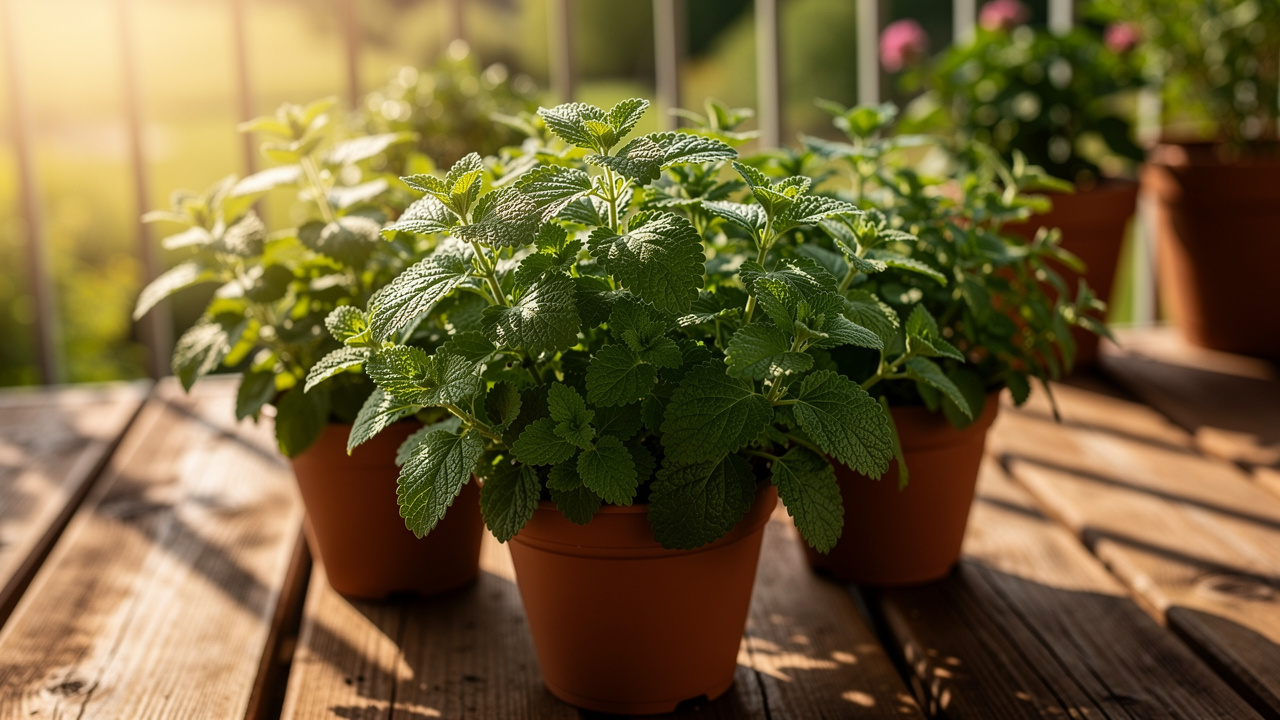
For people who like to see and touch their herbs, growing lemon balm at home is a rewarding step. The plant is forgiving, spreads easily, and gives a steady supply of fresh leaves for tea, cooking, and small home remedies. It also attracts bees and other pollinators, which is a nice bonus for any garden.
Once you understand how to use lemon balm internally and in the kitchen, keeping a pot or patch nearby makes that use much easier and cheaper. You do not need a large yard, either. A sunny balcony or even a bright windowsill can be enough for a healthy plant if the container is deep enough and you stay on top of watering.
Planting And Care Requirements
Lemon balm prefers plenty of light. In most parts of the United States, it does best in full sun, though it will accept partial shade with at least four to six hours of direct light each day. Less light often means leggier plants with weaker flavor. Soil should be well-draining and moderately rich, with a pH somewhere between about 6.0 and 7.5. Standard potting mix with a bit of compost usually works fine for containers.
Water is important but should not be overdone. Aim to keep the top inch of soil slightly moist, watering when it starts to dry out. Constant soggy soil can cause root problems, while completely dry soil can lead to limp, stressed plants and poor flavor. As a member of the mint family, lemon balm can spread quickly in garden beds, so many gardeners prefer to keep it in containers or in areas with root barriers.
In terms of climate, lemon balm is a cold-hardy perennial in roughly USDA zones 3 through 7. That means it usually dies back to the ground in winter and re-sprouts in spring from the root system. Above-ground parts may also survive in milder climates. Pests are rarely a big issue, though powdery mildew can appear in very humid conditions with poor air flow. Two healthy plants are generally more than enough for daily teas and cooking in a typical household.
Harvesting And Storage Methods
Harvesting lemon balm is straightforward and forgiving. You can pick leaves or cut stems throughout the growing season, from late spring through early fall. For the strongest aroma and flavor, harvest in the morning after the dew has dried but before the day becomes very hot. This is when the essential oils in the leaves tend to be highest.
Use clean scissors or pruning shears to cut stems about two to three inches above the soil, leaving enough growth for the plant to recover. Regular harvesting encourages bushier growth and delays flowering, which helps keep flavor concentrated in the leaves. Once plants start to flower heavily, leaf quality often declines.
For short-term use, wrap freshly cut stems in a slightly damp paper towel and place them in a breathable bag in the refrigerator. They usually stay fresh for about a week. For longer storage, you can air-dry small bundles upside down in a warm, dark, well-ventilated area, or use a dehydrator set to a low temperature (around 95–105°F) until the leaves are crisp.
Store dried lemon balm in airtight containers away from heat and light, and try to use it within a year for best potency. Homegrown, recently dried herb usually tastes and smells brighter than most store-bought dried lemon balm, which may have sat in warehouses and on shelves for long periods.
Choosing Quality Lemon Balm Products
Once you know how to use lemon balm and why it works, the next question is which products are worth trusting. Not all capsules, tinctures, and teas are the same. Formulation, sourcing, extraction, and testing all affect how much benefit you actually receive per dose.
Many low-cost, generic supplements underdose lemon balm or hide the actual amounts in “proprietary blends.” Others use raw herb powders instead of concentrated extracts, which can make it hard to reach the levels used in research without swallowing large numbers of pills. For health-conscious readers who care about clean labels and real effects, reading the fine print matters.
What To Look For On Supplement Labels
When you pick up a lemon balm product, the label should give clear, specific information. Points to scan for include:
-
Standardized extract:
The label lists not only the amount of lemon balm per capsule but also the percentage of key active compounds, such as rosmarinic acid or total hydroxycinnamic acids. -
Extraction ratio:
A 10:1 extract, for example, means ten parts of raw herb were concentrated down into one part of extract. Combined with standardization, this gives a useful clue about potency. -
Research-level dosing:
For most sleep and anxiety uses, you want total daily doses in the rough ranges tested in research, around 300 to 1000 milligrams of extract depending on the formula. -
Third-party testing:
Reputable companies test for heavy metals, pesticides, and microbes, and verify that the claimed amount of active compounds is actually present. -
Clean excipients:
Better products avoid unnecessary fillers, artificial colors, synthetic flavors, and common allergens such as gluten, dairy, or soy.
Bioavailability features round out the picture. Some brands use delivery systems that improve absorption and reduce sharp peaks and crashes. SLP1 takes this approach seriously, combining standardized lemon balm with other sleep-supporting ingredients in formats designed for steady, predictable delivery overnight. Doses are clearly stated, blends are not used to hide low amounts, and every product is screened by third-party labs. This stands in contrast to many mass-market sleep aids that rely on heavy marketing, vague blends, and minimal transparency.
Fresh Vs Dried Vs Supplement Forms
Different forms of lemon balm suit different goals. Fresh leaves are ideal for cooking and fragrant teas. They contain high levels of volatile oils that give lemon balm its soft lemony scent and much of its flavor, but the levels of specific medicinal compounds can vary widely depending on growing conditions and harvest timing.
Dried leaves are more concentrated by weight and much more convenient. They work well for daily teas aimed at gentle relaxation, digestion, or simple enjoyment. However, aging and storage conditions can reduce potency, and even good dried herb does not match the consistency of a standardized extract.
Standardized supplements are the best choice when you have a specific, measurable goal, such as better sleep quality, steadier daytime calm, or structured support during a stressful period. They allow you to reach research-backed intake levels without guessing. Many people find that combining forms works well: for example, using a carefully formulated SLP1 sleep product at night while also sipping fresh or dried lemon balm tea as a calming part of the evening ritual.
A quick comparison looks like this:
|
Form |
Best For |
Pros |
Cons |
|---|---|---|---|
|
Fresh |
Cooking, fresh flavor, light teas |
Bright taste, aromatic, easy to grow |
Short shelf life, variable potency |
|
Dried |
Everyday herbal tea, home remedies |
Convenient, longer storage, budget-friendly |
Loses aroma over time, less consistent |
|
Supplement |
Targeted sleep, stress, mood support |
Measured dose, standardized actives |
Higher cost, needs careful brand choice |
Conclusion
Lemon balm sits at an interesting intersection of kitchen herb and evidence-backed botanical support. For centuries it has been used to calm nerves, soften digestive tension, and ease the mind toward rest. Modern research now supports many of these traditional lemon balm benefits, especially in the areas of stress, sleep, mood, and digestion.
Learning how to use lemon balm well means matching form and dose to the goal. Tea and fresh leaves offer gentle daily support and soothing rituals. Standardized extracts in capsules or liquid form provide more predictable effects for issues like poor sleep or stress-related anxiety. Topical creams make the most sense for cold sores and certain skin irritations. Across all these uses, quality, dose, and consistency matter far more than occasional high amounts.
It is also important to remember that even a gentle herb has real effects. People who are pregnant, planning surgery, managing thyroid problems, or taking sedative medications should treat lemon balm like any other active compound and involve their healthcare providers in decisions about regular use.
For those who want structured, science-guided sleep support, lemon balm usually works best as part of a thoughtful formula. That is the route SLP1 takes, weaving standardized lemon balm extracts into a three-part protocol that supports getting to sleep, dropping into deeper stages, and staying asleep, all while respecting natural rhythms. It is built on the idea that sleep and wellness are systems, not switches. Rather than forcing unconsciousness, lemon balm and its partner ingredients support calm, predictability, and recovery over time.
Gentle, consistent choices like these can make real changes in how rested and clear you feel, night after night and day after day.
FAQs
Question: How Long Does It Take For Lemon Balm To Work
Lemon balm’s calming effects usually appear within about one to two hours after you take it, especially in tea or capsule form. For sleep, many people notice better ease of falling asleep within a few nights, and clearer improvements in sleep quality after one to two weeks of steady nightly use. Mood and anxiety benefits tend to build over two to four weeks of regular intake. For cold sores, applying a standardized cream at the first tingle can start to ease discomfort within 24 to 48 hours.
Question: Can You Take Lemon Balm Every Day
For most healthy adults, daily use of lemon balm for up to about six months looks safe in current studies when used at standard doses. Its gentle way of working on the nervous system means there is no clear pattern of tolerance or dependence when used in reasonable amounts. The best results for stress and sleep usually come from making it a daily habit rather than something you reach for only on very bad days. SLP1’s approach reflects this, building lemon balm into consistent nightly rituals that support natural sleep rhythms over time. As a general precaution, many people like to take a short break of a week or two after several months of steady use.
Question: Is Lemon Balm Better Fresh Or Dried
It depends on how you plan to use it. For cooking and fresh flavor, nothing beats just-picked lemon balm leaves, which carry the highest levels of delicate aromatic oils. For herbal tea, fresh leaves give a lovely taste, but dried leaves are more convenient and last longer in the cupboard. For therapeutic goals such as meaningful anxiety relief or sleep support, standardized supplements beat both fresh and dried because they deliver consistent amounts of active compounds. A nice approach is to grow a plant for the kitchen, keep some dried herb for easy tea, and rely on tested supplements when you want targeted support.
Question: Does Lemon Balm Interact With Melatonin
There is no strong evidence of a direct harmful interaction between lemon balm and melatonin, but both can make you sleepy. Taking them together may increase drowsiness or lead to some next-day fogginess in sensitive people. Many professional formulas, including those from SLP1, sometimes pair plant-based calming ingredients with low, thoughtful amounts of other sleep-support compounds so they work together instead of in a random stack. If you want to combine stand‑alone lemon balm and melatonin on your own, it is wise to start with lower doses of each and watch how you feel the next morning.
Question: Can Lemon Balm Help With Anxiety Immediately
Lemon balm can take the edge off mild, stress-related anxiety within about an hour or two after you take it, especially as a tea or standardized capsule. People often describe feeling a bit more grounded and less tense, not sedated. It is not a substitute for prescription anti-anxiety medications for severe cases, and it will not erase panic on command. The herb tends to work best for mild to moderate anxiety, especially when combined with breathwork, good sleep habits, and daily routines that support nervous system balance. Regular daily use over weeks usually gives more steady relief than single doses.
Question: What Is The Best Time Of Day To Take Lemon Balm
The best timing depends on your reason for using it. For sleep support, most people do well taking lemon balm 30 to 60 minutes before bed as part of a calm evening routine. For daytime stress or focus, splitting the dose into morning and midafternoon can help keep a steady sense of ease without making you too sleepy. As a tea, lemon balm is gentle enough to drink at different times of day, with evening use being especially helpful for winding down. Your body tends to respond best when you take it at similar times each day, so regular timing matters more than one perfect hour.


Leave a comment
This site is protected by hCaptcha and the hCaptcha Privacy Policy and Terms of Service apply.