
Introduction
The scene feels familiar. Lights go off, the room is quiet, yet the mind keeps replaying conversations, inbox threads, and decisions. Hours pass, the alarm creeps closer, and sleep feels more like a fight than a natural state. Many people reach for heavy sedatives, large doses of melatonin, or a rotation of over‑the‑counter pills that trade rest for numbness and morning fog.
Oleamide offers a different path. This fatty acid amide forms inside the body and first drew scientific attention when it started to accumulate in the cerebrospinal fluid of sleep‑deprived animals. Instead of forcing the brain into unconsciousness, oleamide supports the same signaling networks the brain already uses when it moves from wakefulness into genuine rest. It works with the system rather than pushing against it.
That difference matters. High‑dose melatonin and pharmaceutical sedatives often override natural rhythms and alter sleep architecture. In contrast, oleamide interacts with multiple neurotransmitter systems that shape a willing, restorative sleep state. It supports the “gentle chemistry of rest” that already exists in the nervous system, rather than replacing it with blunt pharmacology.
This article walks through what oleamide is, how the body makes and clears it, the neuroscience behind its effects, and what research shows about oleamide for sleep quality, sleep latency, and deep sleep. It also compares oleamide with common sleep aids, outlines safety considerations, and explains how SLP1 uses oleamide inside clean, melatonin‑free formulations. By the end, you will have a clear, evidence‑based view of how this bio‑identical compound might fit into a long‑term strategy for better nights and sharper days.
“Sleep is not an optional lifestyle luxury; it is a non‑negotiable biological necessity.”
— Matthew Walker, PhD, Why We Sleep
Key Takeaways
-
Oleamide is a compound the body produces that rises during extended wakefulness and supports the shift into natural, restorative sleep. It behaves more like a built‑in sleep signal than a foreign sedative, giving it a distinct place among sleep support options.
-
Instead of acting through a single switch, oleamide influences the endocannabinoid, GABA, and serotonin systems that work together during healthy sleep. That broad but gentle activity encourages calm and drowsiness without a drugged feeling. Many people describe the result as “being ready for sleep” rather than being knocked out.
-
Research, mainly in animals, shows that oleamide shortens the time it takes to fall asleep and increases total sleep time, especially deep non‑REM sleep. Its rapid breakdown by the FAAH enzyme keeps effects short lived, which supports steady use without accumulation. When paired with high‑quality formulations and good sleep habits, it can become part of a consistent, biology‑aligned sleep plan.
What Is Oleamide? Understanding the Body's Natural Sleep Molecule

Oleamide is a fatty acid primary amide, built from the common monounsaturated fat oleic acid. Chemically, it carries the formula C18H35NO and the IUPAC name (9Z)-octadec-9-enamide. At room temperature it appears as a colorless to ivory waxy solid. It dissolves readily in fats and organic solvents but not in water, a property that allows it to merge easily into cell membranes and neural tissue.
This strong fat solubility means oleamide crosses the blood‑brain barrier and blends into the lipid‑rich environment of the brain. Researchers measure a high lipophilicity value (XLogP3 around 6.6), which fits with its ability to move through membranes and reach receptor systems deep within the nervous system. In industrial settings, this same waxy, slippery nature leads to wide use as a slip agent in plastics, but the biological form is identical.
Oleamide first appeared in scientific literature as a natural compound present in human plasma. Interest grew when scientists studying sleep‑deprived animals found that oleamide levels in cerebrospinal fluid rose sharply after hours without sleep, with research documenting the neuropharmacological effects of oleamide on sleep regulation. This threefold increase suggested that the body builds a pool of oleamide as wakefulness stretches on. When enough builds up, pressure for sleep rises, and the brain shifts gears toward rest.
Follow‑up work identified oleamide in several plants, including jujube fruit (Ziziphus jujuba), soybeans, and Desmos cochinchinensis. Jujube has a long history in traditional use for calming and sleep, and the presence of oleamide gives a modern biochemical explanation for at least part of that effect. The key point is that oleamide in a capsule is bio‑identical to oleamide already present in plasma and brain fluid. That separates it from many synthetic sedatives and supports its role as part of an internal “sleep pressure” system rather than an outside hammer.
How the Body Produces and Regulates Oleamide
Inside the brain, oleamide does not arrive from food in any simple way. The nervous system synthesizes it directly from a precursor called N‑oleoylglycine. This process happens inside brain microsomes, small structures rich in enzymes that shape lipid signaling molecules. Under normal conditions, a balance exists between production and breakdown, with only modest amounts present at any given moment.
Sleep deprivation shifts that balance. Experiments in cats and rats show that several hours without sleep allow oleamide levels in cerebrospinal fluid to climb more than threefold. As wakefulness stretches on, the brain appears to “stack” oleamide until sleep pressure grows strong enough to tilt neural circuits toward rest. This pattern gives oleamide a central place in the body’s natural, home‑based sleep regulation system.
Breakdown of oleamide relies on an enzyme called fatty acid amide hydrolase (FAAH). FAAH also breaks down anandamide, a key endocannabinoid often nicknamed the “bliss molecule.” Because both compounds share this pathway, they compete for the same enzyme. When oleamide levels rise, they occupy FAAH and slow the breakdown of anandamide. That competition can raise anandamide tone, reinforcing calm and easing stress in parallel with oleamide’s direct actions.
This rapid metabolism also acts as a safety valve:
-
Once the brain enters sleep and no longer needs high oleamide pressure, FAAH activity clears the excess and allows wakefulness to return.
-
When researchers blocked FAAH in animals, the same amount of oleamide produced a much stronger and longer sleep‑promoting effect.
-
These findings show how tightly the enzyme controls oleamide’s impact and why thoughtful supplementation works best when it nudges natural chemistry rather than trying to overpower it.
The Neuroscience Behind Oleamide: How It Promotes Restorative Sleep

Healthy sleep never comes from a single switch. As the brain transitions from alertness to drowsiness, several neurotransmitter systems shift together. Oleamide fits into this process as a flexible modulator, with studies examining the effects of oleamide on multiple neurotransmitter systems involved in sleep. Instead of acting as a blunt sedative, it influences multiple networks at once in ways that resemble the natural slide toward sleep. Four systems stand out in current research.
Interaction with the Endocannabinoid System
The endocannabinoid system helps regulate stress responses, mood, appetite, pain, and the sleep‑wake cycle. Its CB1 receptors sit throughout the brain and respond to internal cannabinoids such as anandamide, as well as external compounds. Oleamide interacts with this system in more than one way.
In cell studies, oleamide behaves as a weak agonist at CB1 receptors, with low binding affinity in the micromolar range. That direct action alone probably does not explain its sleep effects. A more important route appears through FAAH competition. By using the same enzyme as anandamide, oleamide slows anandamide breakdown and raises its levels, an effect sometimes called an entourage effect. Higher anandamide tone gives a calm, easygoing state that prepares the mind to let go.
Evidence for CB1 involvement comes from studies using a CB1 blocker named SR‑141716. When animals received this blocker, oleamide no longer shortened the time to fall asleep, even though the dose of oleamide stayed the same. That finding shows that CB1 activation, whether from oleamide itself or preserved anandamide, is required for its hypnotic action. In practical terms, oleamide supports a cannabinoid‑mediated quieting of stress and mental noise without the intense psychoactive effects linked to high‑dose external cannabinoids.
Modulation of the GABAergic System
GABA serves as the brain’s main braking signal. When GABA receptors activate, they allow chloride ions into neurons, which reduces overactivity and calms circuits that would otherwise fire constantly. Many prescription sleeping pills lean heavily on this system, but they do so in a strong and narrow way.
Oleamide does not bind directly to the usual GABA or benzodiazepine sites on the GABA‑A receptor. Instead, it modulates the receptor at a separate site. At very low, nanomolar concentrations, oleamide increases GABA‑induced chloride currents, which strengthens the natural braking power of whatever GABA the brain already releases. At higher concentrations, this effect can reverse and gently suppress the same currents, a biphasic pattern that acts like an internal safeguard.
When researchers combined low doses of oleamide with very small amounts of a benzodiazepine drug such as triazolam, the mixture produced strong hypnotic effects even though each substance alone did little. That synergy points to shared downstream pathways without identical binding sites. For someone interested in oleamide for sleep, the key outcome is extra support for the GABA system without the tolerance, dependence, and cognitive dulling seen with long‑term benzodiazepine use.
Influence on the Serotonergic System
Serotonin sits at the center of mood balance, wakefulness during the day, and orderly sleep at night. Its receptors influence how easily a person moves between these states and how stable each one feels. Oleamide interacts with this system as a modulator rather than as a direct serotonin mimic.
At concentrations close to those found in living tissue, oleamide enhances electrical currents through 5‑HT2A and 5‑HT2C receptors and, more modestly, through 5‑HT1A receptors. It does this without pushing serotonin away from its binding spot. Instead, it appears to act at a separate allosteric site, changing how these receptors respond once serotonin has already attached. The process involves protein kinases that adjust receptor behavior through phosphorylation.
Better regulated serotonin signaling supports stable sleep architecture and reduces sudden awakenings triggered by sleep and mental health spikes. It also supports emotional steadiness during the day. Because oleamide nudges receptor function rather than flooding the system with external serotonin‑like compounds, it tends to support optimal tone instead of forcing a new set point.
Additional Neurological Pathways
Beyond endocannabinoid, GABA, and serotonin effects, oleamide reaches into other corners of brain biology that matter for long‑term sleep health. One important line of research shows that oleamide activates a receptor called PPARα, which then increases levels of doublecortin, a marker of new neuron formation. This neurogenesis appears most strongly in the hippocampus, a structure involved in memory and mood regulation.
Some studies also report higher activity of choline acetyltransferase in the presence of oleamide, which supports production of acetylcholine, a key neurotransmitter for learning and attention. At the same time, oleamide shows little direct impact on several other receptor families, including muscarinic cholinergic, metabotropic glutamate, NMDA, and AMPA receptors. That selectivity suggests a focused pattern of action rather than random interference.
Taken together, these findings raise the possibility that consistent, sensible use of oleamide for sleep may also support brain plasticity and cognitive resilience over time. Human data in this area remain early, so these effects should be viewed as promising but not yet confirmed outcomes.
The Proven Sleep Benefits of Oleamide: What the Research Shows
Most of what scientists know about oleamide for sleep comes from animal work, with clear patterns across different labs and methods, including comprehensive oleamide research in pharmaceutical medicine contexts. While direct human trials remain limited, the consistency of these results gives a strong sense of how oleamide shapes sleep onset, duration, and depth. The findings cluster around four main outcomes.
Reduced Sleep Latency: Falling Asleep Faster
Sleep latency describes the gap between lying down and actually falling asleep. In many people with stress‑linked insomnia, this period stretches into hours of replayed conversations, planning, and worry. In animal studies, oleamide reliably makes that gap shorter.
When researchers injected oleamide directly into the brain ventricles of rats, the animals fell asleep much more quickly. Similar results appeared in mice given intraperitoneal injections at doses around 10 mg per kilogram of body weight. Rather than simply knocking the animals out, oleamide quieted the systems that keep the brain on high alert. When FAAH was blocked in the same models, the latency‑reducing effect became stronger, pointing again to the importance of oleamide availability and metabolism.
Increased Total Sleep Time and Sleep Continuity
Beyond falling asleep faster, many people struggle with staying asleep. They wake multiple times, scan the clock, and wrestle their way back to rest. Oleamide shows helpful effects here as well, at least in animal models.
In mice, intraperitoneal oleamide significantly increased total sleep time. The increase came mainly from longer stretches of non‑REM sleep rather than from extending lighter, more fragile stages. This pattern hints at smoother, more continuous sleep with fewer awakenings and less time stuck in half‑awake limbo. How strongly each person experiences this effect in real life will depend on dose, timing, individual FAAH activity, and the presence of other calming nutrients, but the basic direction seems clear.
Improved Deep Sleep Quality (Non-REM Sleep)
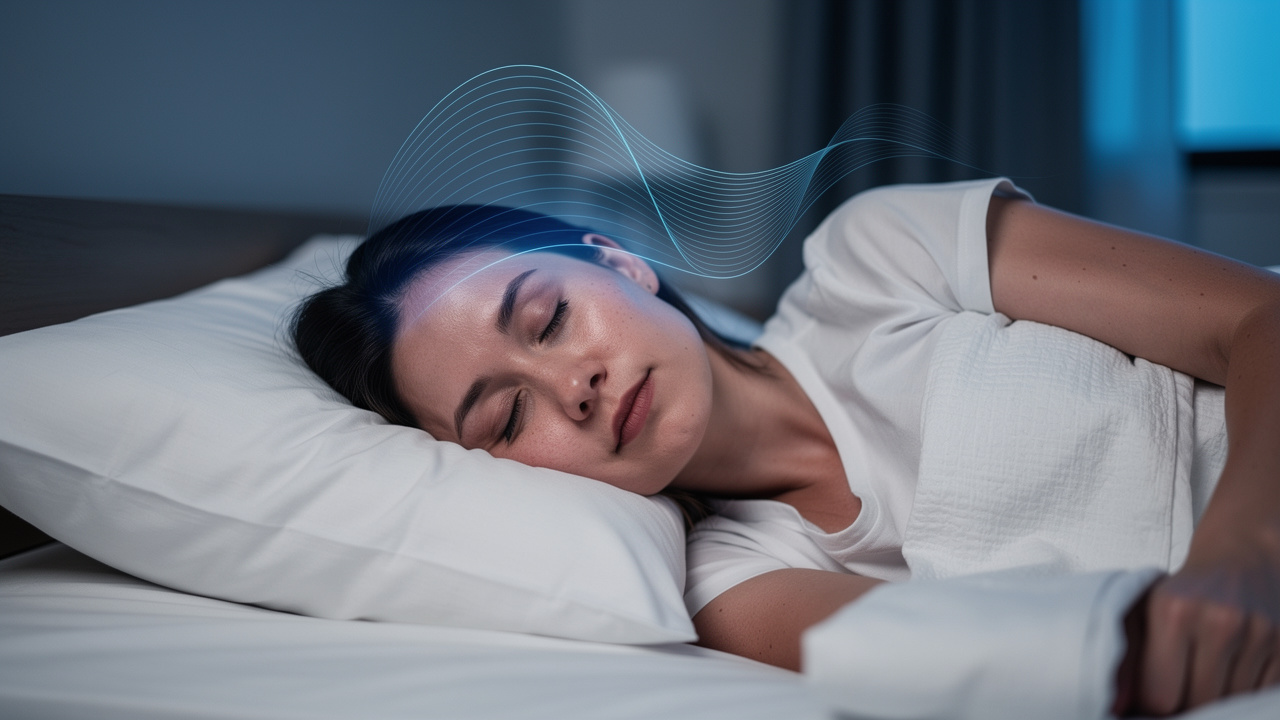
Deep non‑REM sleep, often called slow‑wave sleep, handles much of the body’s night work. During this phase, the nervous system supports good sleep is essential, hormone balance, and orderly glucose control. People who lack slow‑wave sleep can spend long hours in bed and still wake tired.
Studies show that oleamide primarily extends non‑REM sleep rather than lighter or dream stages. EEG recordings confirm the presence of slow, high‑amplitude brain waves typical of true deep sleep, not just drugged immobility. Better representation of this phase supports feeling physically restored in the morning, with steadier energy and clearer thinking. Many sedatives flatten deep sleep or distort the normal pattern, which helps explain why time unconscious does not always equal true rest. Oleamide supports the architecture the brain already tries to build.
Supporting Evidence from Sleep Deprivation Studies
Some of the most powerful data on oleamide’s natural role in sleep come from deprivation experiments. When cats or rats stayed awake for six hours or more, scientists measured a more than threefold rise in oleamide levels within the cerebrospinal fluid. That increase paralleled clear signs of mounting sleep pressure.
When these sleep‑deprived animals then received oleamide, behavioral signs pointed toward sedation and easier entry into sleep. The body, in other words, already moves in that direction by boosting oleamide on its own. Supplemental oleamide for sleep does not introduce a foreign trick; it supports a mechanism already wired into the system.
Oleamide vs. Common Sleep Aids: A Science-Based Comparison
Many shelves promise better sleep, from high‑dose melatonin and herbal blends to prescription sedatives and antihistamine‑based products. Oleamide sits in a different category, closer to internal sleep chemistry than to classic drugs. Understanding how it compares across mechanisms, side effects, and long‑term use helps clarify where it may fit.
Oleamide vs. Melatonin
Melatonin acts as a darkness signal. As light fades, the pineal gland releases melatonin to tell the body that night has arrived. This cue helps circadian rhythm with the outside world and mainly affects when sleep starts, not how deep it runs. Supplemental melatonin therefore works best for circadian timing problems such as melatonin and jet lag.
Oleamide plays a more direct role in the mechanics of sleep itself. Through its actions on endocannabinoid, GABA, and serotonin systems, it supports the brain circuits that quiet arousal and deepen non‑REM sleep. Large surveys of commercial melatonin products have found that the actual content can vary widely from the label, sometimes by several hundred percent. High doses can blunt the body’s own melatonin production and cause morning grogginess. For these reasons, SLP1 keeps its oleamide formulations melatonin‑free, in order to respect natural melatonin rhythms while using oleamide for depth and continuity. Some individuals may still choose low, carefully timed melatonin for timing issues, but the two compounds serve different primary roles.
Oleamide vs. Pharmaceutical Sedatives (Benzodiazepines and Z-Drugs)
Pharmaceutical hypnotics such as zolpidem, eszopiclone, and benzodiazepines act as powerful drivers of the GABA system. They bind tightly to specific sites on the GABA‑A receptor, forcing a strong inhibitory signal across large areas of the brain. This often leads to rapid unconsciousness, but not always to healthy sleep.
Because of their strong binding and repetitive use, these drugs often produce tolerance. People need higher doses over time to get the same effect, and stopping them abruptly can bring rebound insomnia and anxiety. They also tend to flatten deep sleep and reduce REM sleep, reshaping architecture in ways that impair long‑term health. Side effects such as impaired memory, reduced coordination, and next‑day “hangover” feelings are common.
Oleamide operates differently. As an internal molecule with modest receptor affinity and rapid FAAH‑mediated breakdown, it modulates rather than overwhelms GABA signaling. Animal work shows preserved or improved deep sleep, with little change in REM. Synergy with tiny benzodiazepine doses suggests overlapping paths without identical binding, and it hints at possible future strategies that use lower drug doses alongside bio‑identical lipids. For many people who do not meet the threshold for why most sleep aids fail, oleamide offers a way to support natural processes instead of overriding them.
Oleamide vs. Antihistamines and OTC Sleep Aids
Many over‑the‑counter sleep aids rely on first‑generation antihistamines such as diphenhydramine or doxylamine. These compounds block H1 histamine receptors, which reduces wake‑promoting signals and produces drowsiness as a side effect. That drowsiness, however, does not equal deep, organized sleep.
Tolerance to antihistamines often appears within days, so the same dose quickly loses power. At the same time, their anticholinergic properties can lead to dry mouth, constipation, urinary hesitation, blurred vision, and confusion, especially in older adults. Morning cognitive fog is common, and some people experience paradoxical agitation instead of calm. Studies do not show meaningful improvements in sleep architecture with these agents.
In contrast, oleamide engages systems that are central to genuine sleep production. Rather than shutting down a wake signal as a side effect, it supports the positive mechanics of sleep onset, continuity, and depth. That difference in focus makes oleamide better suited for people who want long‑term, physiology‑aligned support rather than quick drowsiness with broad systemic side effects.
Snapshot Comparison of Common Sleep Aids
|
Sleep Aid Type |
Primary Mechanism |
How It Commonly Feels |
Typical Concerns |
Often Best For |
|---|---|---|---|---|
|
Oleamide (e.g., in SLP1 formulas) |
Modulates endocannabinoid, GABA, and serotonin systems |
Natural drowsiness, calmer mind, deeper sleep |
Limited human data; possible morning drowsiness at higher doses |
Supporting depth and continuity of sleep |
|
Melatonin |
Signals darkness and shifts circadian timing |
Helps you feel ready for bed at a different time |
Dosing inconsistency across products; hormone disruption at very high doses |
Jet lag, shift‑work, circadian timing issues |
|
Benzodiazepines / Z‑drugs |
Strong activation of GABA‑A receptors |
Rapid unconsciousness, “knocked‑out” sensation |
Tolerance, dependence, rebound insomnia, altered sleep architecture, accidents |
Short‑term use under medical supervision |
|
Antihistamine‑Based OTC Sleep Aids |
Block histamine H1 receptors |
Groggy drowsiness, heavy eyelids |
Rapid tolerance, next‑day fog, anticholinergic side effects, confusion in elders |
Very occasional use when other methods are not used |
Potential Risks, Side Effects, and Important Safety Considerations
Any compound that meaningfully changes brain signaling deserves respect, even when it occurs naturally in the body. Oleamide has a generally favorable safety profile in research, but thoughtful use still matters. The points below outline what is known so far and where extra care makes sense.
Common Side Effects and Dosage Considerations
Most people who use well‑formulated oleamide for sleep at moderate doses report good tolerance. Common supplemental ranges fall between 50 and 200 milligrams per night. At these levels, side effects tend to be mild when they appear at all. Some individuals report:
-
Temporary morning drowsiness
-
Light headaches
-
Slight digestive discomfort
Higher intakes, especially above 300 milligrams, seem more likely to produce extended sleepiness into the next day. The biphasic nature of oleamide’s GABA modulation also means that very high levels may stop being helpful and begin to blunt the same calming currents they previously supported.
A start‑low, go‑slow approach works best:
-
Begin around 50 milligrams and hold that dose for several nights.
-
Track how quickly you fall asleep, how often you wake up, and how you feel in the morning.
-
If there is no change after a few nights, increase modestly while watching for next‑day grogginess.
Because FAAH clears oleamide relatively quickly, effects do not build unchecked night after night. Quality control still matters, though, so third‑party testing is important to match label amounts with actual content.
Who Should Avoid or Exercise Caution with Oleamide
Several groups should approach oleamide carefully or avoid it unless guided by a healthcare professional:
-
Pregnant and breastfeeding women, since long‑term developmental safety data do not yet exist.
-
People taking sedatives, antidepressants, antipsychotics, or cannabinoid‑targeting drugs, because combined effects on shared neurotransmitter systems could change how these medications feel or work.
-
Individuals with liver disease, since FAAH activity and general lipid metabolism depend heavily on hepatic function.
-
Those with chronic respiratory conditions, including sleep apnea, who should not self‑manage with oleamide in place of medical care.
-
Anyone who reacts poorly to cannabis or high doses of CBD, as endocannabinoid tone plays a role in oleamide’s effects.
-
Children and adolescents, because safety studies focus almost entirely on adults.
If you fall into one of these groups, talk with a qualified clinician before experimenting with oleamide or any other sleep‑focused supplement.
Contamination and Quality Concerns
Outside biology, synthetic oleamide appears widely as a slip agent in plastics, lubricants, inks, and coatings. From that role, it can migrate out of polypropylene containers, including some labware and food packaging. In lab studies, this leaching has caused unintended activation of brain receptors in cell cultures, simply because oleamide slipped in from plastic tools. It has even turned up as a frequent additive in some illicit synthetic cannabinoid products sold as “Spice,” raising concerns about untracked exposure.
These examples underline the difference between industrial‑grade and supplement‑grade oleamide. The latter must go through far tighter purity controls, with strict limits on residual solvents, plasticizers, and other contaminants. Third‑party testing by independent labs should confirm identity, potency, and the absence of heavy metals and microbial contamination. SLP1 builds its oleamide products on pharmaceutical‑grade raw material and publishes transparent batch testing, which provides an extra layer of confidence for people who care about what they swallow along with active ingredients.
How to Use Oleamide Effectively: Dosing, Timing, and Synergistic Stacking
Oleamide works best as part of a thoughtful sleep plan rather than as a stand‑alone fix. When combined with sound habits, consistent timing, and complementary nutrients, it can support a stable, repeatable pattern of restorative sleep that matches the body’s own design.
“You are not healthy unless your sleep is healthy.”
— William C. Dement, MD, PhD
Optimal Dosing Guidelines
For most adults, a useful starting range for oleamide sits between 50 and 150 milligrams per night. Beginning at the lower end and holding that dose for three to five nights gives the nervous system time to show how it responds. If sleep onset, depth, or continuity do not change after that window, a gradual increase in small steps can make sense.
Animal studies often use higher doses scaled to body weight, but those experiments do not translate directly to human capsules. Differences in metabolism, receptor sensitivity, and FAAH activity all shape personal responses. Some people carry genetic variants that slow or speed FAAH function, which changes how long oleamide stays active.
A simple rule of thumb:
-
If you wake heavy or sluggish, the dose likely sits higher than needed and can be reduced on the next night.
-
If you fall asleep more easily and wake feeling clear, the dose is probably close to your personal sweet spot.
This information is educational in nature and does not replace medical advice from a licensed professional.
Timing and Administration

Because oleamide is fat‑soluble, it absorbs well when taken with a small amount of dietary fat, such as part of an evening snack that includes nuts or a bit of olive oil. Taking a capsule about 30 to 60 minutes before the planned bedtime allows time for digestion, absorption, and distribution into the brain. Using it at roughly the same clock time each night also reinforces regular circadian cues.
Pairing oleamide with a deliberate wind‑down routine multiplies its impact:
-
Dim lights and shift away from bright, blue‑heavy screens.
-
Move into quieter activities such as reading, stretching, or light conversation.
-
Avoid strong stimulants (caffeine, pre‑workout formulas, high‑dose nicotine) for four to six hours before bedtime.
These behavioral cues tell the nervous system that night has begun, so oleamide’s biochemical signals arrive in the right context.
Synergistic Ingredients for Stronger Sleep Support
Oleamide rarely needs to stand alone. It often works best alongside other nutrients that touch complementary nodes in the sleep network. Examples include:
-
Magnesium glycinate – Magnesium participates in hundreds of enzymatic reactions, many related to nerve relaxation, and the glycinate form adds gentle calming through glycine’s inhibitory actions. Together with oleamide, it can support both muscle relaxation and quieter brain activity.
-
Glycine – Taken at night, glycine supports lower core body temperature, which makes it easier for the brain to move toward slow‑wave sleep. It also benefits of glycine in several human trials.
-
Reishi mushroom extracts – These extracts contribute adaptogenic support by smoothing stress responses and interacting with GABAergic signaling.
-
L‑theanine – This amino acid from tea encourages alpha brain waves associated with relaxed wakefulness, easing the slide toward sleep without blunt sedation.
-
BHB mineral salts – These introduce ketone bodies that may send helpful metabolic signals to the brain, with early research hinting at calmer nighttime physiology.
SLP1 builds its oleamide‑based products to include these kinds of partners at clinically relevant amounts rather than trace levels. That means each component carries a realistic chance of making a difference, and the combination addresses several pieces of the sleep puzzle at once.
The Role of Sleep Hygiene and Foundational Habits
Even the most thoughtful oleamide formulation cannot fully compensate for poor sleep hygiene. The compound works best when a person also shapes an environment and routine that respect sleep biology. Helpful practices include:
-
Optimize your bedroom – Keep it cool, dark, and quiet. Blackout curtains or an eye mask, earplugs or white noise, and a temperature in the mid‑sixties Fahrenheit all move neurons in the right direction.
-
Anchor your schedule – Maintain consistent sleep and wake times, even on weekends. Pair mornings with bright light exposure and keep evening light softer and warmer.
-
Manage stimulants and heavy meals – Take your last caffeine by mid‑afternoon, and avoid very heavy, late‑night meals that can disturb rest.
-
Move regularly – Steady physical activity during the week supports deeper sleep, as long as intense exercise does not sit directly before bedtime.
-
Downshift stress – Simple practices such as slow breathing, journaling, or a short meditation period help the mind decelerate before bed.
Over weeks, the combination of these habits with oleamide’s neurotransmitter support often brings deeper, more reliable rest.
Introducing SLP1 Protocol: Clean, Science-Backed Oleamide Formulations for Modern Sleep Challenges
All of the science around oleamide for sleep still leaves a practical question. How does someone find a product that respects this biology, avoids common industry pitfalls, and fits into real life? SLP1 built its line around that exact problem.
The SLP1 Formulation Philosophy
SLP1 starts from a simple principle: sleep should feel natural, not forced. Instead of trying to push people into unconsciousness, SLP1 designs oleamide‑centered formulas that support the same pathways the brain uses when it decides to rest. That means no mega doses of melatonin, which can override internal rhythms and cause grogginess. SLP1 products stay melatonin‑free so that the pineal gland can keep doing its own timing work while oleamide and its partners handle depth and continuity.
Every formula follows clean‑label standards:
-
Common allergens, synthetic colors, and artificial flavors stay out of the bottle.
-
The brand avoids vague proprietary blends that hide how much of each ingredient appears in a serving.
-
Doses line up with research ranges rather than decoration levels meant only for marketing copy.
-
Magnesium shows up as glycinate for high bioavailability, not as oxide that mostly passes through.
-
BHB salts and botanical extracts arrive in standardized forms.
On top of that, SLP1 submits every batch to independent labs that test for potency, heavy metals, microbes, and residual solvents. For people who read labels carefully and demand more than slogans, that level of transparency matters.
SLP1 Product Offerings with Oleamide
Within that philosophy, SLP1 offers several oleamide‑containing options that address different sleep patterns:
-
The “Get to Sleep” formulation focuses on people who lie awake for long stretches before drifting off. It combines oleamide with calming cofactors that support GABA and endocannabinoid tone, with the goal of shortening sleep latency without an abrupt drugged feeling.
-
The “Deeper Sleep” formulation leans more toward people who do fall asleep but wake often or feel unrefreshed in the morning. Here, oleamide pairs with magnesium glycinate, glycine, and targeted adaptogens to reinforce deep non‑REM sleep and nighttime continuity.
Beyond stand‑alone products, SLP1 builds structured programs such as “Reclaim Your Sleep: The SLP1 Protocol for Moms to Win Their Sleep Back” and a “Get to Sleep 1 Week Sample.” These combine oleamide formulations with timing guidance, habit recommendations, and education, so that supplements sit inside a complete plan rather than acting as isolated pills.
Real User Experiences with SLP1 Oleamide Formulations
Customer stories help translate mechanisms into real nights.
-
One mid‑career executive arrived at SLP1 after years of lying awake replaying meetings and waking at three in the morning with a racing mind. After two to three weeks on a protocol featuring an oleamide product, he described the change as a quieter mental backdrop. Sleep arrived more easily, nighttime awakenings happened less often, and mornings felt clearer, though never in a jarring or sedated way.
-
A new mother who still needed to wake for nighttime feeding turned to SLP1 hoping not for longer stretches, but for better use of the sleep she did get. With an oleamide‑based formula in place and basic sleep hygiene steps, she found it noticeably easier to fall back asleep after tending to her child and felt less crushed by fatigue in the daytime.
Across many users, similar patterns appear. People speak of gentler support, a sense that the body remembers how to sleep on its own again, and an absence of heavy morning hangover. Not every person responds the same way, and consistency plus lifestyle alignment still matter, but the overall theme is one of cooperation with biology instead of control.
Conclusion
Oleamide stands out among sleep support options because it already lives inside the body. As a fatty acid amide derived from oleic acid, it rises during extended wakefulness, eases the transition into sleep through endocannabinoid, GABA, and serotonin pathways, and then clears quickly through FAAH once rest has done its job. Animal research paints a coherent picture of shorter sleep latency, longer total sleep time, richer deep non‑REM sleep, and preserved REM patterns that match authentic rest more than drugged unconsciousness.
Compared with common aids such as high‑dose melatonin, pharmaceutical sedatives, and antihistamine‑based products, oleamide reinforces natural processes instead of overriding them. Its rapid metabolism and broad but moderate receptor interactions favor consistency without the same concern for dependence or deep distortions of sleep architecture. At the same time, honest science also notes that long‑term human trials remain limited. Responsible use means starting with conservative doses, watching personal responses closely, and consulting a healthcare professional when medical conditions or medications enter the picture.
Many people wonder whether a natural compound like oleamide can still cause morning grogginess or feel habit‑forming. Experience and early data suggest that appropriate doses clear overnight for most users and that reliance risk stays low when it supports, rather than replaces, healthy routines. Another common question involves timing. Using oleamide in the last hour before bed, within a calm, low‑light wind‑down window, gives the compound the best chance to match the brain’s own intentions.
When paired with strong sleep hygiene, thoughtful stacking of synergistic nutrients, and a respect for circadian rhythms, oleamide can help restore the quiet confidence that sleep will arrive when night comes. For people who want that support delivered through clean labels, transparent dosing, and a science‑first mindset, SLP1 offers oleamide formulations designed to work with the body’s gentle chemistry of rest rather than against it.



Leave a comment
This site is protected by hCaptcha and the hCaptcha Privacy Policy and Terms of Service apply.