Introduction
Falling asleep on time yet still waking up foggy can feel like having the right hardware with the wrong software. Everything looks fine from the outside, but something in the internal code is off. That is where compounds such as 5-HTP start to matter, because they plug directly into the chemistry that shapes mood, sleep, and next‑day performance.
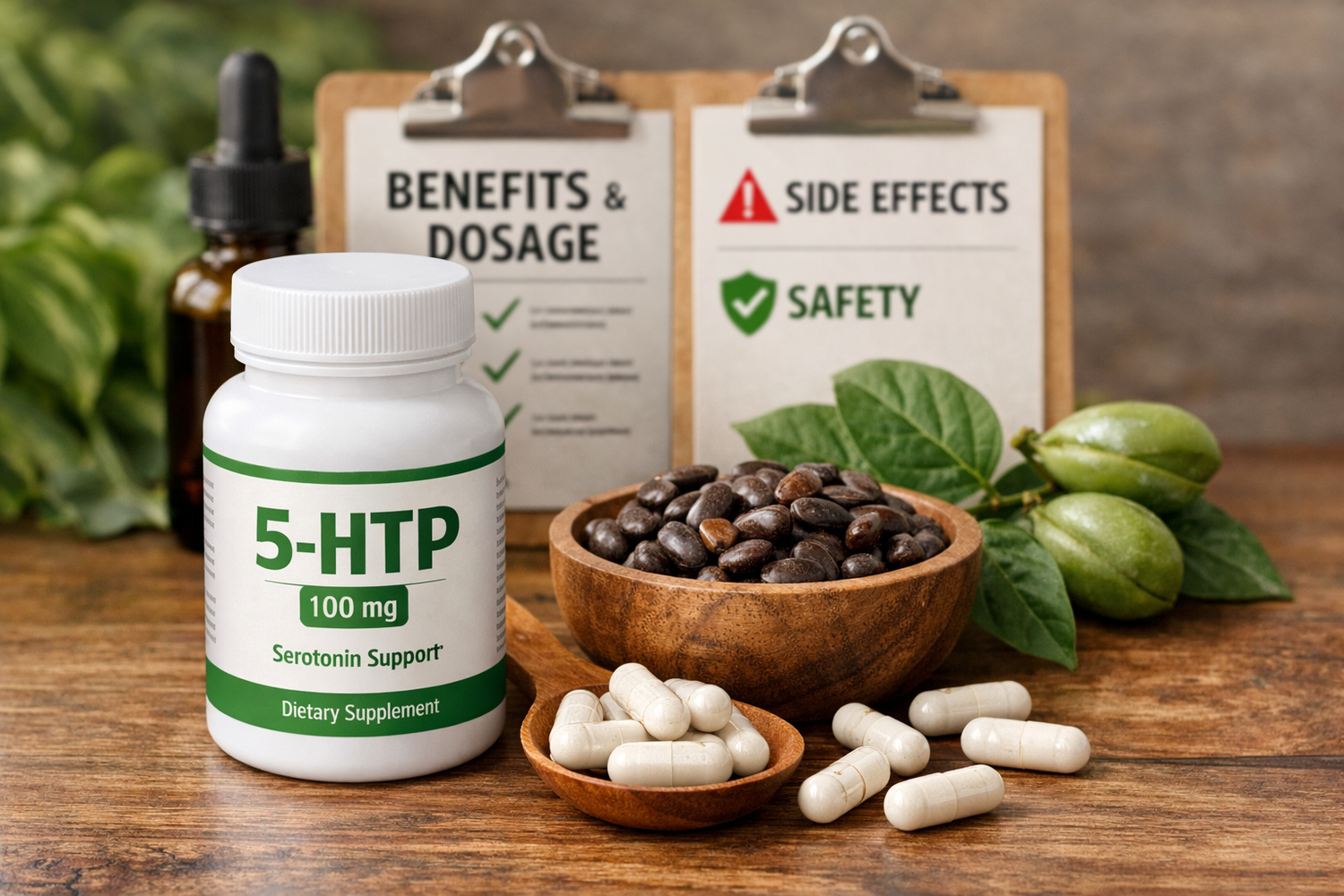
5-HTP, short for L‑5‑hydroxytryptophan, is a naturally occurring amino acid that the body makes from tryptophan. It sits in the middle of a simple but powerful chain that moves from tryptophan → 5‑HTP → serotonin → melatonin. Through that single pathway, 5-HTP influences how calm the brain feels during the day and how smoothly it moves into deep, restorative sleep at night.
Interest in non‑drug approaches to sleep, stress, and mood has grown as people notice the limits of quick fixes. Many are looking for compounds that work with biology instead of knocking it over the head. This article walks through what 5-HTP is, how it works, what the research shows, how to use it safely, and how SLP1 builds it into a melatonin‑free, premium sleep strategy rooted in real physiology rather than trends. By the end, it becomes much easier to decide whether this compound fits into a long‑term plan for better sleep and steadier mood.
Key Takeaways
-
Direct Serotonin Precursor: 5-HTP is the direct building block for serotonin and sits one step closer than dietary tryptophan. This offers a more predictable way to support serotonin levels and related functions.
-
Supports Natural Melatonin: Because serotonin converts to melatonin, 5-HTP supports the body’s own nighttime hormone production instead of adding outside melatonin. That makes it better suited for long‑term, rhythm‑friendly sleep support.
-
Evidence For Mood, Sleep, And Appetite: Clinical research links 5-HTP to benefits for mood, sleep quality, and appetite regulation. Effects are meaningful but gradual and work best with consistent daily use.
-
Quality And Purity Matter: Past contamination events with related compounds raised safety questions. Third‑party testing and clear sourcing are non‑negotiable for this ingredient.
-
Interaction Risks: Combining 5-HTP with serotonergic medications can raise serotonin too high. Medical guidance is essential before stacking it with antidepressants or other drugs that affect serotonin.
A common saying among sleep clinicians is, “You can’t out‑supplement poor sleep habits,” and 5‑HTP is no exception—it works best alongside solid fundamentals.
What Is 5-HTP And How Does It Work In The Body?

5-HTP is a metabolic intermediate, which means it sits halfway through a chemical pathway. The body starts with the essential amino acid tryptophan, turns it into 5-HTP, then quickly turns 5-HTP into serotonin. From there, serotonin can shift again into melatonin, the hormone that helps set the sleep–wake cycle. Because 5-HTP sits in this middle position, it has a direct impact on both mood and sleep architecture.
Serotonin itself is a messenger chemical used throughout the brain and body. It influences:
-
Mood stability and emotional control
-
Appetite and satiety
-
Learning and memory
-
Pain perception
-
Body temperature and other automatic functions
When serotonin is low or poorly regulated, people often notice symptoms such as low mood, irritability, worries that feel hard to shut off, or appetite swings. Supporting serotonin through 5-HTP gives the body more raw material to send those messages in a balanced way.
A key detail is that the step from tryptophan to 5-HTP is slow and tightly controlled. That step uses an enzyme that can easily be limited by stress, inflammation, or nutrient status. 5-HTP bypasses that slow gate. It crosses the blood–brain barrier more efficiently than tryptophan and lands directly inside the brain, where another enzyme called aromatic amino acid decarboxylase (AADC) converts it into serotonin.
Because this second step is fast and not heavily restricted, even modest 5-HTP intake can shift brain serotonin production. The same pathway then allows a portion of that serotonin to move toward melatonin in the pineal gland at night. SLP1’s philosophy centers on this kind of support, where an ingredient feeds into a natural chain instead of forcing a shortcut. That is why 5-HTP sits at the heart of its approach to better sleep and daytime steadiness.
The Science Behind 5-HTP: Biosynthesis And Neurotransmitter Pathways
Inside the body, the story of 5-HTP starts with tryptophan and an enzyme called tryptophan hydroxylase, often shortened to TPH. TPH adds a hydroxyl group to tryptophan and turns it into 5-HTP. This step needs several helpers, including the cofactor tetrahydrobiopterin and ferrous iron. Because the body keeps a close watch on these elements, the TPH reaction acts as the main gate that decides how much serotonin can be made at any given time.
There are two main versions of TPH:
-
TPH1 operates mostly in the gut and the pineal gland, where it drives production of serotonin that circulates in the blood and later supports melatonin output.
-
TPH2 works mainly in brainstem neurons that use serotonin to regulate mood, anxiety, and other central functions.
These two serotonin pools, one peripheral and one central, run partly on their own tracks, which helps explain why a person can have normal gut movement yet still feel low or anxious.
Once 5-HTP exists, the next enzyme in line, AADC, removes a carboxyl group and produces serotonin. This second step is quick and does not slow down much as long as there is enough vitamin B6 around as a cofactor. That is the reason 5-HTP supplementation is considered more direct than adding extra tryptophan through diet. It steps around the TPH gate and feeds into the fast part of the pathway.
Later in the day, particularly after dark, serotonin in the pineal gland converts through two more steps into melatonin. This timing helps shape circadian rhythm, sleep onset, and certain aspects of sleep depth. Rather than dropping melatonin in from the outside, feeding the pathway through 5-HTP gives the body more room to decide how much serotonin to hold back for daytime mood and how much to convert at night. This respect for internal control aligns strongly with SLP1’s design standards and its preference for compounds that nudge natural systems instead of overruling them.
The Role Of Vitamin B6 In Optimizing 5-HTP Conversion
Vitamin B6, especially in its active form pyridoxal‑5‑phosphate (P5P), sits right beside the AADC enzyme that converts 5-HTP into serotonin. AADC needs B6 to do its job. When B6 intake is low or metabolism of B6 is not efficient, this step slows down and 5-HTP may not turn into serotonin as expected. That can blunt the effect of supplementation even when the dose looks appropriate on the label.
Including bioavailable B6 in a 5-HTP formula addresses that bottleneck. SLP1 uses the active P5P form so it is ready for enzyme use with minimal preparation inside the body. This approach supports efficient conversion of each milligram of 5-HTP, rather than simply raising the dose and hoping the body can keep up. It also reflects a bigger distinction between thoughtful formulations that include needed cofactors and one‑dimensional products that focus on a single headline ingredient without considering the chemistry that has to follow.
Natural Sources And Production Methods Of 5-HTP
In nature, 5-HTP appears in small amounts across a range of plants and organisms. The main commercial source is the seed of an African shrub called Griffonia simplicifolia, which contains relatively high levels of 5-HTP compared with most foods. Extracts from these seeds are standardized so manufacturers know how much 5-HTP is present in each batch. That standardization is important for predictable dosing but depends heavily on careful growing, harvesting, and processing practices.
Outside of Griffonia, only trace amounts of 5-HTP appear in some mushrooms and plant tissues. Common diets provide very little direct 5-HTP, which is why supplements focus on concentrated extracts or lab‑based production. Relying solely on agricultural sources has limits, including seasonal swings, local climate issues, and the risk of variable plant chemistry that may also bring unwanted byproducts.
To improve consistency and purity, researchers have developed biotechnological ways to produce 5-HTP using microbes such as E. coli or yeast that have been engineered with the right enzymes. These organisms can take in simple nutrients and convert them into 5-HTP in controlled tanks. The process allows precise control over growth conditions and makes it easier to monitor for contaminants. Once the 5-HTP is produced, it is purified and tested for identity, strength, and safety.
From a consumer standpoint, the exact source matters less than the quality control and transparency around it. Whether a brand uses plant‑derived 5-HTP, microbially produced material, or both, the key is standardized content and careful screening for impurities. SLP1’s approach focuses on premium sourcing partners and verifiable testing rather than the cheapest available material, because for an ingredient with this history, reliability and clarity carry more weight than headline dose alone.
Evidence-Based Health Benefits Of 5-HTP

Research into 5-HTP spans mood, sleep, appetite, pain conditions, and some neurological disorders. The common thread is serotonin, since many of these areas involve serotonin signaling in some way. Not every study is large or perfect, but taken together, the data supports thoughtful use of 5-HTP when the right dose, duration, and safety checks are in place.
A simplified overview of main research areas looks like this:
|
Area |
Main Target |
Typical Outcomes Reported* |
|---|---|---|
|
Mood And Depression |
Serotonin signaling |
Lower depressive scores, steadier mood |
|
Sleep Quality |
Serotonin → Melatonin pathway |
Better sleep continuity, more restorative stages |
|
Anxiety And Stress |
Fear and threat circuits |
Fewer panic symptoms, reduced anxiety ratings |
|
Appetite And Weight |
Satiety and reward pathways |
Earlier fullness, fewer cravings, modest weight loss |
*Based on published clinical and observational studies; results vary between individuals.
Mood Support And Depression
Some of the earliest modern research on 5-HTP focused on depression. Several clinical trials found that oral 5-HTP can ease depressive symptoms, sometimes with effects similar to specific prescription antidepressants such as fluvoxamine. In some studies, scores on standard mood scales dropped meaningfully over a few weeks, especially in people with lower baseline serotonin function.
Other trials explored 5-HTP as an add‑on for people who did not respond fully to antidepressants. Combinations with certain older antidepressants or with creatine have shown stronger improvements than the drugs alone in some groups. Mechanistically, the benefit appears linked to higher serotonin availability at central receptors rather than any sedative effect.
It is important to draw a line between clinically diagnosed major depression, which always deserves medical care, and mild mood dips or stress‑related low mood where a supplement might have a role. In either setting, 5-HTP supports the biochemical foundation over time instead of acting as an instant mood shift.
Sleep Quality And Architecture
Because serotonin converts to melatonin, 5-HTP has clear links with sleep. Controlled studies in healthy adults showed that 5-HTP can increase time spent in rapid eye movement (REM) sleep and influence other stages in a way that suggests deeper restoration. Research in children with sleep terrors found that adding 5-HTP helped calm abnormal arousal patterns and led to lasting improvement in their episodes.
Unlike taking melatonin directly, 5-HTP asks the body to follow its normal steps: make serotonin, then convert what is needed into melatonin as darkness arrives. This respects the daily rhythm of the pineal gland and aligns with SLP1’s melatonin‑free philosophy. Rather than forcing a spike of an outside hormone, it nourishes the pathway so the body can craft its own profile across the night. People often notice that better structure in deeper sleep stages leads to clearer thinking, steadier mood, and more resilient stress responses the next day.
A common reminder from sleep specialists is, “Better sleep is less about knocking yourself out and more about letting natural rhythms do their work.”
Anxiety And Stress Resilience
Anxiety and stress reactions also involve serotonin pathways, especially in brain networks that regulate fear and threat detection. Some studies report moderate reductions in anxiety scores when participants take 5-HTP, likely due to more balanced serotonergic signaling. Research in people with panic disorder is especially telling, since 5-HTP reduced both the number and severity of panic attacks during laboratory challenges compared with placebo.
Improvements in sleep quality may also feed back into lower anxiety, since chronic sleep loss amplifies stress hormones and makes emotional centers in the brain more reactive. By supporting both serotonin and sleep architecture, 5-HTP can indirectly help people respond to daily pressures with more stability. It is not a sedative or numbing agent, but rather a way to steady a system that has been stretched thin.
Weight Management And Appetite Regulation
Serotonin has a well‑known role in appetite and satiety signals, particularly inside the hypothalamus. Several studies on 5-HTP in overweight adults observed that participants felt full sooner, chose fewer calories, and often cut back on carbohydrate‑heavy foods without formal dieting instructions. Over weeks, this pattern led to modest weight loss and lower body mass index compared with placebo groups.
People who struggle with late‑night snacking or intense sugar cravings sometimes notice these urges soften with 5-HTP, which fits with serotonin’s role in reward and impulse control. That said, 5-HTP is not a stimulant or crash diet pill. Its strength lies in quieting the internal push to overeat, making it easier to follow healthy habits without constant white‑knuckle effort. The best results appear when it is paired with thoughtful eating patterns and movement rather than used alone.
Recommended Dosing, Timing, And Administration Best Practices

Thoughtful use of 5-HTP starts with a clear target, conservative dosing, and respect for the compound’s interaction profile. Most adult research uses total daily doses between 150 and 800 milligrams, split into two or three servings. For many people interested in sleep or mild mood support, lower doses within this range are often sufficient when used consistently.
A practical pattern is to begin with 50–100 milligrams once per day, often:
-
In the evening for sleep support, or
-
In the afternoon for mood support
After a week or two, the dose can be increased in small steps if benefits are modest and side effects are minimal. Spreading intake across the day, such as morning and evening doses, may help when the focus is daytime mood rather than sleep alone. For children, published research suggests safety at doses up to 5 milligrams per kilogram of body weight each day, but only under direct medical supervision.
Taking 5-HTP with food can reduce stomach upset, which is the most common early complaint. Because serotonin pathways adjust slowly, consistency matters more than chasing large doses. Many people notice early drowsiness within hours, but deeper effects on sleep quality or mood stability often take several weeks. SLP1 designs its 5-HTP‑containing formulas to fall within clinically observed ranges, balancing efficacy with long‑term tolerability for nightly use.
Combining 5-HTP With Complementary Ingredients
5-HTP rarely needs to stand alone. When paired thoughtfully with other nutrients, its effects can reach several pathways involved in sleep and emotional regulation:
-
Vitamin B6 (P5P): Supports efficient conversion of 5-HTP to serotonin.
-
Magnesium glycinate: A gentle form of magnesium that can calm the nervous system through its influence on GABA and other receptors, easing the body toward rest.
-
Glycine: A simple amino acid that supports temperature regulation and certain aspects of sleep structure when taken at night.
Together with 5-HTP, these nutrients can encourage both mental and physical readiness for bed without heavy sedation. SLP1’s Premium Sleep Formula uses combinations like these not as decoration but as a way to target several scientifically grounded levers at once. Rather than throwing every trendy ingredient into one capsule, it focuses on a small set of compounds with clear roles that add up to more than any single part.
Important Safety Considerations And Potential Side Effects
Like any compound that touches brain chemistry, 5-HTP deserves respect. For most healthy adults, doses within common research ranges appear reasonably safe for months of use, but side effects can still appear, especially at the start or when doses climb quickly. The key is to distinguish between mild, manageable reactions and rare but serious problems that require prompt medical care.
Most side effects are dose‑dependent. This means that risk rises as the daily amount goes up, and many people tolerate low to moderate doses far better than aggressive ones. It also means that a reaction at a high dose does not always predict the same reaction at a lower dose, which is why careful titration matters. Serious complications tend to involve either extreme doses in the gram range or risky combinations with other serotonergic drugs.
Common And Mild Side Effects
The most frequent complaints with 5-HTP occur in the digestive tract. People sometimes notice:
-
Nausea
-
Stomach cramping or discomfort
-
Heartburn
-
Loose stools
These effects often fade as the body adapts over a week or two, particularly if doses are modest and taken with food.
Drowsiness is another common effect, which may be welcome when 5-HTP is taken for sleep in the evening but less helpful if doses are scheduled earlier in the day. Mild headache, a sense of heaviness, or subtle muscle discomfort can also appear. Strategies such as lowering the dose, moving intake closer to bedtime, and making sure the formula includes supportive cofactors like B6 can improve comfort. If symptoms stay strong despite these adjustments, pausing use and talking with a clinician is the safer path.
Serotonin Syndrome: Recognition And Prevention
The most serious risk connected with 5-HTP is serotonin syndrome, a condition in which serotonin activity becomes dangerously high. This reaction is rare when 5-HTP is used alone at common doses but more plausible when it is stacked with other serotonergic drugs.
Symptoms tend to cluster into three groups:
-
Mental changes: Agitation, confusion, restlessness, or unusual behavior
-
Autonomic signs: Rapid heart rate, high blood pressure, sweating, or fever
-
Neuromuscular problems: Tremors, rigid muscles, shivering, or loss of coordination
The main drivers of serotonin syndrome are combinations, not single supplements. Pairing 5-HTP with antidepressants such as SSRIs, SNRIs, MAOIs, certain pain medications, or specific migraine drugs raises risk considerably. For this reason, anyone taking a serotonergic prescription should seek medical guidance before adding 5-HTP. Full disclosure of all supplements, including over‑the‑counter products, helps clinicians judge the overall load on serotonin pathways. If symptoms suggestive of serotonin syndrome appear, emergency care is the right response, not a wait‑and‑see approach. SLP1’s educational materials stress this point, since responsible supplementation starts with a clear view of the whole regimen.
Critical Drug And Supplement Interactions
Because 5-HTP feeds directly into serotonin, it can interact with a wide range of medications that affect the same neurotransmitter. Some interactions are primarily theoretical but others have real‑world case reports behind them. Understanding these categories helps people and their clinicians make good decisions and avoid unsafe combinations.
Antidepressants And Serotonergic Medications
The most important interaction involves antidepressants that already raise serotonin levels. This group includes:
-
SSRIs such as fluoxetine and sertraline
-
SNRIs such as venlafaxine and duloxetine
-
Tricyclics and MAOIs
These drugs slow serotonin clearance or change how it is broken down. When 5-HTP enters the picture and increases serotonin production at the same time, total serotonin activity can climb too high, opening the door to serotonin syndrome.
Some psychiatrists do, in specific cases, supervise combined use of 5-HTP with antidepressants, often at low doses and with close monitoring. That is a medical call, not something to attempt independently. From SLP1’s perspective, the message is simple: anyone on a serotonergic drug should view 5-HTP as a prescription‑level decision and bring it to their clinician before starting, changing doses, or stopping regular use.
Sedatives, CNS Depressants, And Other Interactions
5-HTP can also stack its sedative impact with other central nervous system depressants. Benzodiazepines, barbiturates, many sleep drugs, and opioid pain medications already slow brain activity. Adding 5-HTP, especially at higher doses, can deepen drowsiness, slow breathing, and impair coordination more than expected. Even if serotonin syndrome is not a concern, this combined sedation can still create safety issues, particularly for driving or operating machinery.
Some additional drugs, such as tramadol or cough medications that contain dextromethorphan, carry their own serotonergic actions and can interact with 5-HTP on that level as well. Carbidopa, used with levodopa in Parkinson’s disease, changes how 5-HTP breaks down and can cause dramatic behavioral side effects when combined. For anyone with a complex medication list, a pharmacist or physician review before adding 5-HTP is not a formality. It is an important safety step.
The Historical Context: EMS, Contamination Concerns, And Quality Standards

No discussion of 5-HTP is complete without touching on the history of eosinophilia‑myalgia syndrome (EMS), which surfaced in the late 1980s. At that time, a cluster of serious and sometimes fatal cases of muscle pain, high eosinophil counts, and systemic illness was traced to contaminated batches of synthetic L‑tryptophan from a single manufacturer. As a result, regulators and researchers looked closely not just at tryptophan but at related compounds, including 5-HTP.
Investigations found that some commercial 5-HTP products contained trace contaminants, including one labeled Peak X on chromatograms, later identified as a particular tryptophan derivative. A few of the same impurities seen in the tryptophan disaster also appeared in some 5-HTP samples, raising understandable concerns. However, despite decades of global 5-HTP use, clear, repeated EMS cases linked directly to properly purified 5-HTP have not been confirmed.
This history still matters a great deal. It shows that contamination in amino acid supplements is not an abstract fear and that quality systems need to do more than test for basic identity. It also shaped how regulatory bodies and serious manufacturers think about raw material selection, supplier audits, and advanced testing methods. Techniques such as high‑performance liquid chromatography (HPLC) and mass spectrometry now allow labs to spot even very small amounts of problematic byproducts.
What "Peak X" And Contaminant Testing Means For Consumers
For consumers, the term Peak X represents more than a single molecule. It stands for the idea that trace contaminants in supplements can have real health consequences when quality control is weak. The impurities once labeled as peaks on HPLC charts are now better understood chemically, and modern labs can look specifically for them and related structures. That kind of screening goes far beyond basic tests that only confirm that 5-HTP is present.
Extraction methods, purification steps, and storage conditions all influence whether unwanted compounds hang around in the final product. Third‑party laboratories that specialize in supplement testing can assess batches for known contaminants, unexpected peaks, heavy metals, and microbial growth. Biotechnological production methods, when carefully managed, can also lower some contamination risks by reducing variability in source material. Shoppers should look for brands that:
-
Share certificates of analysis
-
Follow good manufacturing practices (GMP)
-
Describe their testing standards plainly rather than hiding behind vague claims
How SLP1 Ensures Purity And Transparency
SLP1 was created with this history in mind. Every batch of its 5-HTP‑containing products goes through independent testing for potency and a wide panel of contaminants, including known tryptophan‑related impurities, heavy metals, and microbes. These results are not just filed away but form the basis of the brand’s commitment to clear, honest labeling. When SLP1 lists a certain amount of 5-HTP on a label, that number is backed by analytical data, not by assumptions.
Source selection also matters. SLP1 works with suppliers who can document their own quality systems and agree to rigorous specification testing. Formulas are built without artificial colors, flavors, or common allergen fillers so that the label matches what the body receives as closely as possible. In an industry where low price often wins shelf space, SLP1 takes the opposite stance and treats quality as the foundation, not a bonus feature. For an ingredient like 5-HTP, with its powerful effects and sensitive history, that stance is central to long‑term safety and trust.
5-HTP Vs. L-Tryptophan: Understanding The Differences
5-HTP and L‑tryptophan share the same pathway but occupy very different positions in it. Tryptophan is the essential amino acid found in protein foods such as turkey, dairy, and legumes. Before it can influence serotonin, it must enter the brain by sharing transporters with several other amino acids, then pass through the TPH‑controlled step to become 5-HTP. That first enzyme gate is often the limiting factor in serotonin production.
5-HTP skips those hurdles. It does not have to compete as much for entry into the brain and does not rely on TPH to appear inside neurons. Once there, it can move rapidly to serotonin through the AADC step. In practice, this means that 5-HTP gives a more direct and predictable way to affect serotonin levels, milligram for milligram, than adding more tryptophan. It also avoids some of the dietary factors that influence tryptophan transport, such as overall protein intake at a meal.
This does not make tryptophan useless. For some people, modest tryptophan support alongside balanced protein intake and carbohydrate timing can support a broad base of serotonin‑related functions with a gentle touch. Tryptophan may fit better for those who prefer a food‑focused strategy or who cannot use 5-HTP because of medication conflicts. However, when the goal is clear, targeted support for sleep or mood under professional guidance, many practitioners favor 5-HTP for its directness. SLP1’s sleep formulations follow that thinking by placing 5-HTP, rather than tryptophan, at the center of their serotonin support design.
Special Populations And Precautions
Even when an ingredient looks promising for the general population, responsible brands and clinicians think carefully about groups where data is thin or risks are higher. 5-HTP is no exception. Certain life stages and medical settings call for extra caution, reduced doses, or complete avoidance.
Pregnancy And Breastfeeding
Research on 5-HTP during pregnancy and breastfeeding is very limited. Because serotonin and melatonin influence developmental processes as well as maternal function, altering these pathways without clear data is not advisable. For that reason, the conservative stance is to avoid 5-HTP in pregnant or nursing individuals unless a specialist with deep knowledge of both perinatal care and psychopharmacology recommends and supervises it. SLP1 chooses not to position its 5-HTP‑based products for this group and instead encourages focus on sleep hygiene, nutrition, and stress reduction strategies that have long safety records.
Surgical Considerations
Anesthesia drugs and pain medications used around surgery often interact with serotonin pathways. Adding 5-HTP into that mix can raise the risk of serotonin‑related complications, including unstable blood pressure, heart rhythm changes, shivering, or severe agitation. Because of this, standard advice is to stop 5-HTP at least two weeks before planned surgery and to tell the surgical team about any recent use. That window allows time for serotonin levels and receptor activity to return to baseline and reduces the chance of unexpected reactions in the operating room or recovery area.
Children And Adolescents
Some studies have used 5-HTP in children, for example in cases of sleep terrors, at doses up to 5 milligrams per kilogram per day. Results have often been encouraging, but children and adolescents are still developing their brain circuitry, and their responses to serotonergic changes can differ from adults. For that reason, any pediatric use of 5-HTP should only occur under the guidance of a healthcare provider who can calculate weight‑based dosing, screen for interactions, and monitor progress. Self‑directed use in this age group, especially alongside other medications, is not recommended.
How SLP1's Approach To 5-HTP Reflects Our Core Philosophy
SLP1 was founded on a simple but demanding idea: supplements should work with human biology instead of fighting it and should be built on science, not marketing slogans. 5-HTP fits this philosophy very well because it feeds into a pathway the body already uses to shape mood and sleep. Rather than trying to overpower tired systems with heavy sedation, SLP1 aims to restore rhythm and resilience by giving the brain and body the raw materials and cofactors they need.
At every stage, from ingredient selection to dose decisions, SLP1 asks how a compound behaves over months and years, not just over a single night. That long view is especially important with something as sensitive as sleep, where quick fixes often backfire. The company’s use of 5-HTP, vitamin B6, magnesium, and glycine in its Premium Sleep Formula reflects a belief that synergy and balance matter more than headline doses or fads.
Supporting Natural Melatonin Production, Not Overriding It
Many people reach for melatonin when sleep falters, and for short trips across time zones that can make sense. Problems start when high‑dose melatonin stays in place night after night. Some users report morning grogginess, vivid or unpleasant dreams, or a sense that their natural sleep rhythms feel less reliable without the pill. The brain is also receiving a clear message about hormone timing that may not match its own internal clock.
By contrast, 5-HTP supports the internal chain from serotonin to melatonin and lets the pineal gland decide how much hormone to release and when. This gives the body room to keep its own circadian rhythm intact while still benefiting from stronger building blocks. SLP1’s melatonin‑free stance comes from this respect for the body’s timing. The goal is not to push sleep at any cost but to restore the conditions where fall asleep and stay asleep feel natural again.
Premium Formulation Standards: Bioavailability, Cofactors, And Synergy
A supplement is more than a list of ingredients. The forms those ingredients take, the doses used, and the way they interact in the body all change real‑world outcomes. SLP1’s 5-HTP‑centered sleep formula uses active P5P for B6, gentle magnesium glycinate, and carefully selected amounts of glycine and other supporting nutrients. These choices favor absorption, digestive comfort, and predictable effects.
Instead of sprinkling many compounds at token amounts, SLP1 focuses on a tight group of ingredients backed by meaningful research. Doses land in ranges where clinical trials have shown benefits rather than in tiny “label dressing” amounts that look impressive but do little. This formulation style mirrors the way a good recipe relies on the right balance of a few key elements rather than an overcrowded spice rack.
Transparency, Testing, And Trust
SLP1 understands that trust is earned over time. That is why every product batch undergoes third‑party testing for identity, potency, and contaminants, and why the forms and amounts of each ingredient are clearly listed rather than hidden behind proprietary blends. The brand invests heavily in education, offering clear explanations of how compounds like 5-HTP work, who they suit, and when caution is wise.
For customers who have read about EMS, Peak X, or serotonin syndrome, this honesty matters. It signals that SLP1 is willing to address concerns directly instead of glossing over them. In a market crowded with bold promises, SLP1’s approach is to offer steady, science‑based support and let consistent results speak for themselves.
Maximizing Results: Consistency, Patience, And The Compounding Benefits Of 5-HTP
5-HTP does not behave like a sleeping pill that forces unconsciousness within minutes. Its strength lies in steady support of serotonin and melatonin pathways over time. Many people notice a little extra sleepiness on the first night or two, but richer benefits for mood stability, stress tolerance, and morning clarity tend to unfold over two to six weeks. This time frame reflects how slowly neurotransmitter systems and receptor sensitivities reset.
To get the most from 5-HTP:
-
Take it at the same time each day.
-
Stick with one high‑quality brand rather than hopping between products.
-
Record sleep, mood, and energy in a journal or app to spot patterns.
-
Keep doses moderate unless a clinician advises otherwise.
Consistency is the single most important habit for those using 5-HTP. Skipping doses, bouncing between brands, or swinging doses up and down make it harder to judge what the compound is actually doing. When taken at the same time each day, 5-HTP can help rebuild a rhythm where the brain expects rest at night and alertness in the morning. Over time, that rhythm produces compounding effects: better sleep supports better mood, better mood reduces stress reactivity, and lower stress helps sleep deepen again.
Of course, no supplement operates in a vacuum. Sleep hygiene, light exposure, regular movement, and balanced nutrition remain the everyday levers that keep circadian systems on track. 5-HTP works best as part of that broader plan, not as a stand‑alone fix for a chaotic schedule or constant late‑night screen time. SLP1’s philosophy reflects that bigger picture and views premium supplements as investments in sustainable wellbeing rather than quick purchases that promise instant change.
Conclusion
5-HTP occupies a special place in the world of sleep and mood support. As a direct precursor to serotonin and an upstream contributor to melatonin, it bridges daytime emotional steadiness and nighttime restoration through one elegant pathway. Research across several decades points to benefits for depression, anxiety, sleep quality, appetite control, and selected neurological conditions when it is used thoughtfully and with respect for safety limits.
At the same time, 5-HTP is not a casual add‑on. Its connection to serotonin means that dose, duration, and combinations with medications must be handled carefully. High‑quality sourcing, rigorous contaminant testing, and clinically grounded dosing ranges are essential. For anyone already on antidepressants or other serotonergic drugs, medical guidance is mandatory before considering this compound.
SLP1’s use of 5-HTP reflects a deeper sleep commitment to working with natural physiology rather than forcing outcomes. By supporting internal melatonin production instead of relying on nightly hormone intake, and by pairing 5-HTP with cofactors and calming nutrients, SLP1 offers a refined, transparent path toward better sleep and daily performance. For those willing to invest in consistent routines and patient, science‑guided support, 5-HTP can become a reliable part of a long‑term strategy for calmer nights and clearer days. The key is to choose products and partners based on evidence and integrity, not on the loudest marketing message.
FAQs
Can I Take 5-HTP If I'm Already On An Antidepressant?
Combining 5-HTP with antidepressants such as SSRIs, SNRIs, tricyclics, or MAOIs can raise serotonin to unsafe levels. That combination increases the risk of serotonin syndrome, which can involve agitation, rapid heart rate, fever, and muscle stiffness. In some cases, specialists may decide to use 5-HTP alongside prescriptions, but this always involves close monitoring and clear justification. No one should add 5-HTP to an antidepressant regimen on their own or based only on online advice. SLP1 strongly recommends discussing any interest in 5-HTP with the prescribing clinician and sharing a full list of all supplements in use.
How Long Does It Take For 5-HTP To Work?
Some people feel a mild increase in drowsiness within the first few doses, especially when taking 5-HTP in the evening. More meaningful changes in sleep continuity, depth, and morning refreshment tend to appear over two to six weeks of steady use. Mood and stress resilience usually follow a similar timeline, because serotonin pathways need time to adjust. Taking the supplement daily, at a consistent time, is far more important than trying to find a magic single dose. Individual response speed varies based on baseline serotonin status, sleep habits, and other health factors.
Is 5-HTP Better Than Melatonin For Sleep?
5-HTP and melatonin act at different points in the same pathway. Melatonin is the final hormone signal, while 5-HTP sits upstream as a serotonin precursor. Melatonin can be useful for occasional, short‑term use, for example around jet lag or shift changes. For long‑term nightly support, many practitioners prefer 5-HTP because it helps the body craft its own melatonin rhythm instead of supplying outside hormone. That approach fits well with SLP1’s melatonin‑free design, which aims to respect natural circadian timing. In some complex cases, clinicians may use both, but such combinations should always be guided by a knowledgeable professional.
What Should I Look For When Buying 5-HTP Supplements?
Several features separate high‑quality 5-HTP products from the rest:
-
Independent third‑party testing for identity, potency, and contaminants
-
Clear labeling that specifies the exact amount of 5-HTP, its source, and any added cofactors such as vitamin B6
-
Standardized extracts of Griffonia simplicifolia or well‑documented microbial sources
-
Manufacturing under good practices, free from artificial colors, flavors, and unnecessary fillers
SLP1’s products are built around these principles, with testing and transparency treated as core features, not extras.
Can 5-HTP Help With Weight Loss?
Studies suggest that 5-HTP can support weight management by strengthening satiety signals and reducing the urge to overeat, particularly for carbohydrate‑heavy foods. Participants in clinical trials often ate fewer calories and lost modest amounts of weight without structured diets, likely because serotonin influenced appetite control centers in the brain. It is important to view 5-HTP as a support for better choices rather than as a dramatic weight loss pill. Best results appear when it is combined with balanced eating, mindful snacking habits, and regular movement. Setting realistic expectations and focusing on sustainable changes helps this compound play a helpful, grounded role in body‑weight goals.


Leave a comment
This site is protected by hCaptcha and the hCaptcha Privacy Policy and Terms of Service apply.