Introduction
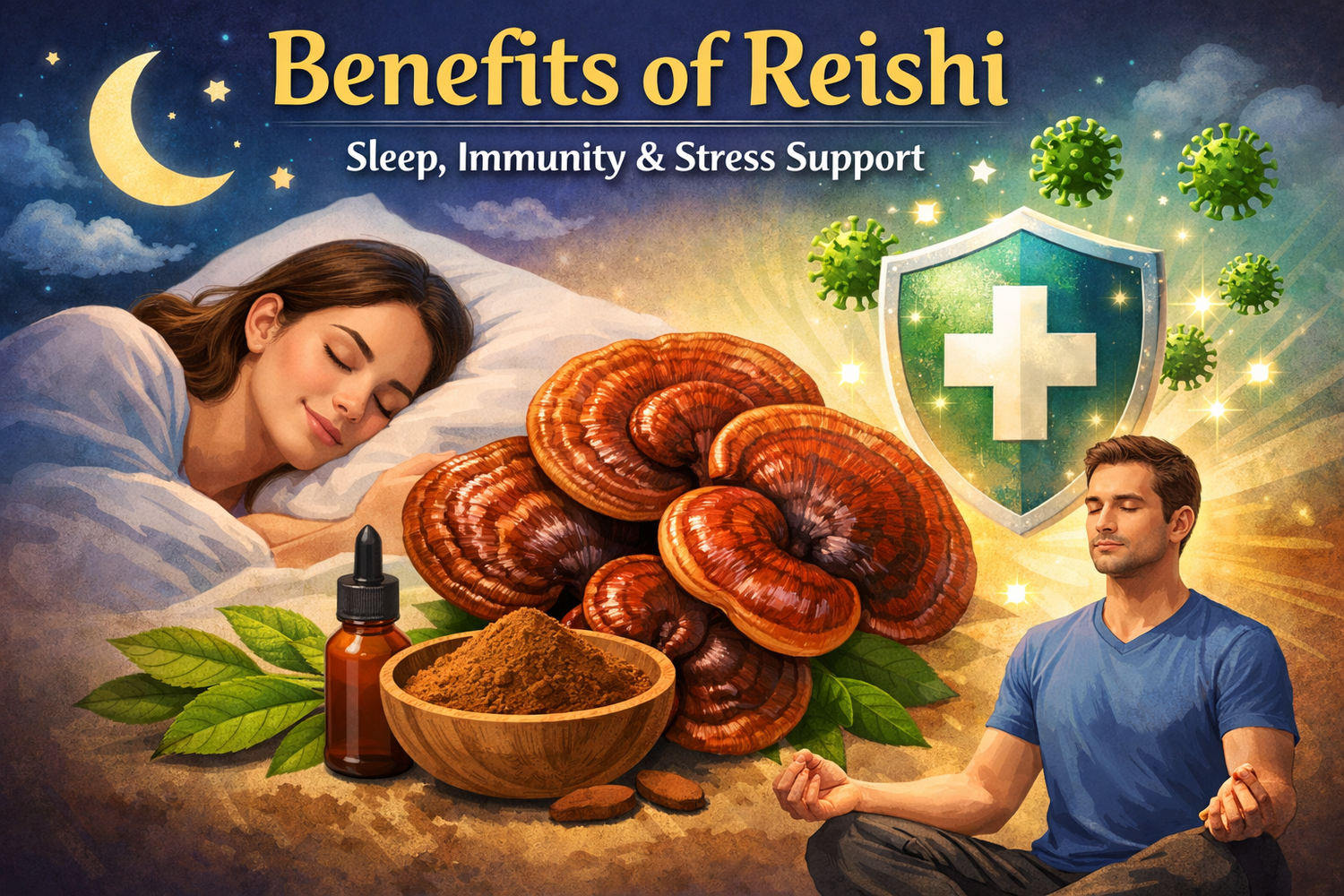
Modern sleep culture has a strange split. There are endless apps, trackers, and pills that promise deep rest, yet many adults still wake up tired, wired, and a little anxious about how they will perform the next day. That gap between effort and actual rest has pushed more people to look for gentler, science-backed options, which is where interest in the benefits of Reishi has started to rise again.
Reishi, or Ganoderma lucidum, is not a new trend. It has more than two thousand years of history in Traditional Chinese Medicine as a mushroom for calm, resilience, and longevity. Researchers now study the benefits of Reishi through the lens of immunology, neurology, and metabolism, and the picture that is forming is very different from a quick knock-you-out sleep aid. Reishi acts more like a long-term training partner for your nervous system and immune system.
Rather than a shortcut, Reishi functions as a foundational adaptogen that can support the natural sleep–wake cycle, stress response, and overall recovery. The benefits of Reishi range from immune modulation and support for cancer patients, to fatigue reduction, cardiovascular and metabolic support, and potential gains in sleep quality and mental well-being. This article walks through what Reishi is, how its compounds work, where the science is strong, where it is still early, and how to use forms such as reishi powder in a smart, safe way.
By the end, you will understand why the benefits of Reishi depend so much on extract quality, dosage, delivery method, and consistency over time. You will also see how a brand like SLP1 Protocol uses Reishi inside a broader sleep and recovery protocol rather than as a stand-alone fix, which matches the way this mushroom has always been used best.
Key Takeaways
-
The main benefits of Reishi come from its role as an adaptogen that supports immune balance, stress resilience, and sleep quality over time rather than forcing rapid sedation. Research links Reishi compounds to immune system modulation, help with fatigue, adjunct support in cancer care, and potential cardiovascular benefits that develop gradually with daily use.
-
Product quality strongly shapes how well the benefits of Reishi show up for any person, since the fruiting body, extraction method, and standardization all change the amount of active compounds you actually absorb. Concentrated extracts often use around a ten-to-one ratio compared with whole mushroom, with many research protocols falling between one and nine grams of whole Reishi per day or the extract equivalent.
-
Safety is good for most healthy adults, but Reishi is not right for everyone, especially people on blood thinners, those with autoimmune conditions, very low blood pressure or blood sugar, children, and pregnant or breastfeeding women. Consistent daily intake, realistic expectations, and medical guidance when needed are key if you want steady, compounding benefits of Reishi rather than disappointment or side effects.
What Is Reishi Mushroom? Understanding The "Mushroom Of Immortality"
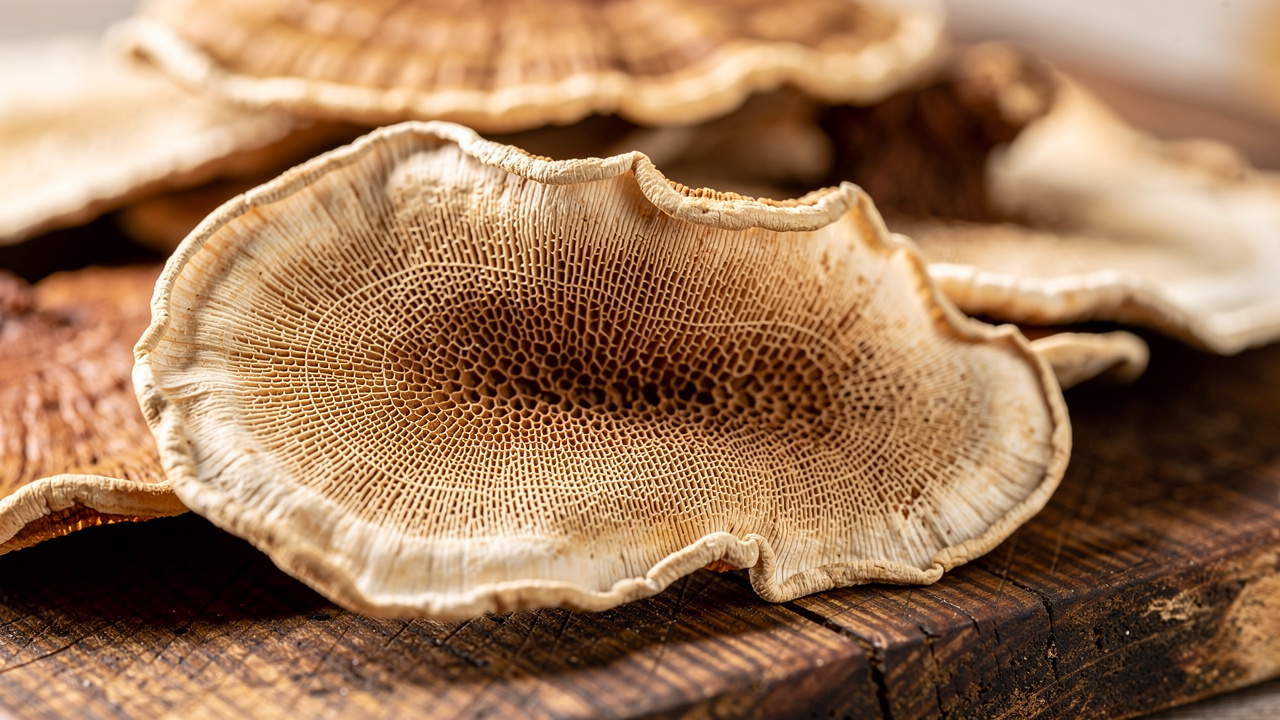
Reishi is the common name for Ganoderma lucidum, a hard, woody mushroom with a glossy red-brown surface and a fan or kidney shape. It is a polypore fungus, which means it releases spores through tiny pores on the underside rather than gills. In nature it grows on dead or dying hardwood trees such as oak, maple, or pyrus species in warm, humid forests across East Asia.
In Chinese medicine, Reishi is called Lingzhi, often translated as a spirit plant or herb of spiritual potency. Historical texts describe it as a symbol of long life that supports the heart, calms the mind, sharpens memory, and promotes graceful aging. Japanese traditions use the name Reishi for the same mushroom, with similar respect for its calming and strengthening effects.
Over time, this mushroom moved from rare wild harvests toward wider use and even official recognition. It appears in both the Chinese Pharmacopoeia and the American Herbal Pharmacopoeia, which signals that it holds a defined place in both traditional and modern herbal practice. In several Asian countries certain Reishi preparations require a prescription, while in the United States most products are sold as dietary supplements on store shelves.
You can find Reishi as dried slices, reishi powder, concentrated extracts, capsules, tinctures, and teas. Each form delivers very different levels of active compounds and convenience. That is one reason the benefits of Reishi seem strong in some studies and weaker in others, and why careful attention to form and extraction becomes so important for consumers who want real effects rather than marketing.
The Science Behind Reishi: 400+ Bioactive Compounds Powering Its Benefits
The benefits of Reishi come from an unusually rich mix of more than four hundred identified bioactive compounds. Instead of a single active ingredient, this mushroom acts more like a small pharmacy that affects several systems at once. The main groups are polysaccharides such as beta glucans, triterpenoids, various antioxidant molecules, and a family of fungal immunomodulatory proteins.
Polysaccharides, especially beta glucans, are long chains of sugar units that bind to receptors on immune cells. When these molecules touch pattern recognition receptors on macrophages and other white blood cells, they signal the immune system to wake up, scan for trouble, and clean up damaged cells more efficiently. This immune “training” effect underlies many benefits of Reishi, from support during infections to better recovery from heavy training.
Triterpenoids give Reishi its bitter taste and include compounds that can calm inflammation and, in lab models, slow the growth of certain tumor cells. They interact with cell-signaling pathways related to inflammation and cell death, which may help explain why the benefits of Reishi show up in cancer adjunct research and cardiovascular studies. Many of these triterpenoids extract better in alcohol than in water.
Antioxidant compounds in Reishi, along with fungal immunomodulatory proteins, add another layer of effect by reducing oxidative stress and fine-tuning immune responses. One key point for anyone who wants practical benefits of Reishi is that these compounds are locked inside tough chitin cell walls in the raw mushroom. Without proper extraction, much of the mushroom passes through the gut unused.
That is where extraction methods and product design matter. Hot water extraction pulls out polysaccharides, while alcohol extraction pulls out triterpenoids, and dual extraction covers both. Fruiting body extracts usually carry far more active compounds than mycelium grown on grain. Brands such as SLP1 use dual-extracted fruiting body material that is standardized and third-party tested, which gives a more predictable and meaningful version of the benefits of Reishi instead of a vague promise.
Immune System Modulation: Reishi's Most Researched Benefit
Among all reported benefits of Reishi, its impact on the immune system has the deepest research base. It is important to separate simple immune stimulation, which can be risky for some people, from immune modulation, which aims for better balance rather than a constant push upward. Reishi appears to act as a modulator, shifting immune activity toward what the body needs in that moment.
Beta glucans from Reishi bind to receptors such as dectin-1 on immune cells, which triggers signaling cascades inside those cells. This process can increase the ability of macrophages to engulf pathogens and debris, and it can raise natural killer cell activity against virus-infected or abnormal cells. At the same time, Reishi can influence helper T cell balance and regulatory T cells, which affects how strongly the immune system reacts and how quickly it calms back down.
Studies in test tubes and animals show clear rises in white blood cell activity and changes in gene expression related to immunity after Reishi exposure. Human data is more mixed, partly because study designs and product quality differ so much, yet there are reports of better immune markers and fewer infections in certain groups. These findings feed into the common use of Reishi during cold and flu season, during high stress periods, or after illness when the immune system needs support.
Because immune modulation links tightly with inflammation control, Reishi triterpenoids also play a part by dialing down chronic low-grade inflammation that contributes to aging and many long-term conditions. However, this same immune influence means that not everyone should use Reishi. People with autoimmune diseases such as rheumatoid arthritis, lupus, inflammatory bowel disease, or psoriasis, especially those on immunosuppressant drugs, may see flares rather than benefits of Reishi and should only consider it with medical supervision.
Reishi As A Cancer Adjunct: What The Research Actually Shows
Cancer is one of the areas where the benefits of Reishi are most often overstated, so a careful look matters. Reishi is not a cure and should never replace chemotherapy, radiation, surgery, or other standard care. Research views it as a complementary tool that might support the immune system and quality of life during and after treatment.
A common principle in oncology is, “Supplements may support care, but they must never replace proven cancer treatment.”
In lab and animal models, Reishi extracts do several interesting things. Beta glucans can slow tumor growth by interfering with cell division signals. Triterpenoids in Reishi can prompt programmed cell death in certain cancer cell lines while sparing normal cells. Other work shows reduced formation of new blood vessels that feed tumors and less ability for cancer cells to invade nearby tissue or spread, which are key steps in metastasis.
Human research is smaller but still worth attention. A 2016 review found that cancer patients who took Reishi along with standard treatment often showed higher white blood cell activity and reported better well-being. More recently, a large survey of over one thousand Chinese cancer patients who used Reishi products reported meaningful improvements in nausea, fatigue, appetite, depression, and drowsiness during treatment.
These reports do not prove that Reishi caused the changes, since the survey was observational, yet they match what the lab mechanisms might predict. The likely picture is that the benefits of Reishi in cancer care center on immune support, lower inflammation, and better tolerance of aggressive treatments, rather than direct tumor removal in humans. Because of this, any person considering Reishi during cancer therapy should clear it with their oncology team, review drug interaction risks, and choose only high quality, tested products.
Fatigue Reduction And Energy Support Beyond Caffeine
Many adults live in a pattern of feeling exhausted yet wired, with coffee or energy drinks propping them up through the day and sleep aids chasing rest at night. One of the more practical benefits of Reishi is that it works on the roots of this pattern instead of adding another stimulant. It helps the body restore its own capacity for steady energy rather than forcing a spike.
Animal and early human studies suggest that Reishi polysaccharides can support mitochondrial function, reduce exercise-induced oxidative stress, and improve endurance. In chronic fatigue settings, some research notes lower fatigue scores after several weeks of Reishi use. In cancer care, where fatigue is one of the most stubborn symptoms, more than half of surveyed Reishi users reported meaningful relief.
Unlike caffeine, Reishi does not push the nervous system harder. It appears to support energy by calming hidden drains such as chronic low-grade inflammation, immune stress, and disrupted hormonal rhythms. Some data points toward gentle support of healthy testosterone levels in men, which can help maintain normal energy without pushing levels far above the natural range.
For many people, the benefits of Reishi for energy feel different compared with a stimulant. People often describe:
-
A quieter baseline with less sense of being “on edge”
-
Fewer afternoon crashes
-
Slightly easier recovery after physical or mental effort
These changes tend to show up after several weeks of use. That slow build fits the adaptogenic nature of the mushroom and makes it particularly appealing for those who are tired of the short high and long crash that come with heavy caffeine intake.
Mental Health Support: Reducing Depression And Anxiety
Stress, low mood, and worry sit at the center of many sleep problems, which is why the mental health related benefits of Reishi matter for anyone chasing better rest. Chronic stress turns the hypothalamic–pituitary–adrenal (HPA) axis into a hair-trigger system, with cortisol staying too high for too long. This pattern feeds anxiety, depression, and shallow, broken sleep.
Several studies in cancer patients, who face intense physical and emotional stress, found that Reishi supplementation linked with lower depression and anxiety scores. In the large 2024 survey, about half of participants reported meaningful improvement in depression while using Reishi products. Smaller controlled trials in breast cancer patients also saw drops in both anxiety and depression markers with Reishi compared with placebo.
Scientists think these effects come from a mix of HPA axis regulation, lower inflammation, and possible shifts in brain signaling related to serotonin and GABA, though the last area still needs more study. Traditional Chinese Medicine texts describe Reishi as a herb that calms the spirit and quiets an unsettled mind, which fits well with modern reports of a smoother mood and less emotional reactivity over time.
It is important to say that Reishi is not a stand-alone treatment for clinical depression or anxiety disorders. The benefits of Reishi in this area appear strongest when it is used as a supportive layer on top of proper medical care, therapy, and lifestyle changes. For many, the gentle calming effect and sleep support that follow help create a better platform for other treatments to work.
Sleep Quality Enhancement: Supporting Your Natural Rhythm

Sleep aids often fall into two camps. High-dose melatonin and sedative herbs can push drowsiness, yet they may disrupt the body’s own hormone rhythms and leave people groggy or dependent. Prescription drugs can knock a person out but may blunt deep sleep stages. In contrast, the sleep related benefits of Reishi come from supporting the body’s built-in rhythm instead of forcing it in one direction.
Reishi is not a knockout mushroom. Most people do not feel an instant wave of sleepiness after a single dose. Instead, Reishi works by calming the nervous system, smoothing the stress response, and lowering background inflammation that can fragment sleep. That approach fits people whose main problem is a racing mind at night, tension in the body, or sleep that feels light and non-restorative.
Mechanistically, Reishi seems to help normalize cortisol patterns so evening levels drop as they should. It may gently influence GABA and serotonin pathways, which both help the brain move into a relaxed yet not drugged state. Its anti-inflammatory actions can reduce pain signals and micro-arousals that break up deep sleep. Rather than replacing melatonin, Reishi supports the brain’s own melatonin production by reducing stress signals that interfere with it.
Traditional use backs this up. For centuries, healers have given Reishi for insomnia tied to worry, palpitations, or an unsettled spirit. Modern research echoes this pattern with improvements in reported insomnia, though a small minority notice more alertness instead, which shows how individual nervous systems differ. The benefits of Reishi on sleep tend to grow over four to eight weeks of nightly use, especially when paired with good sleep habits such as stable bedtimes and low light exposure late in the evening.
This is where SLP1 Protocol focuses much of its work. The SLP1 Deeper Sleep formula uses high quality dual-extracted Reishi fruiting body as a core ingredient inside a broader program for sleep and recovery. The product stays melatonin free, uses clinically relevant amounts of Reishi rather than token doses, and relies on advanced delivery approaches that respect the body’s natural hormone timing. For the high-responsibility professional or exhausted parent who carries stress into the night, this approach offers a calm, steady way to support the sleep system instead of knocking it out for a few hours.
Cardiovascular And Metabolic Health Benefits
Cardiovascular disease and metabolic issues such as insulin resistance build over many years, which has led many people to look toward gentle, daily supports. Among the wider benefits of Reishi, there is early but interesting evidence for heart and metabolic health, though human data is not yet as strong as animal work.
In animal and cell studies, Reishi triterpenoids and polysaccharides help lower triglycerides and improve lipid profiles while raising HDL, often called good cholesterol. Some compounds seem to relax blood vessels and may lower blood pressure in certain models. Reishi also shows anti-inflammatory effects on the vessel wall, which could reduce the slow buildup of plaque that underlies many heart events.
When researchers move into human trials, results are mixed. A few studies suggest small drops in total cholesterol and better triglyceride numbers, while others show little effect. The differences likely come from variations in dose, product quality, and how long the trials last. Even so, the anti-inflammatory and mild anti-clotting actions of Reishi fit with potential cardiovascular benefits, and they also explain why people on blood thinners need to be careful.
Metabolic effects show a similar pattern. In animals, Reishi extracts can lower blood sugar, improve insulin sensitivity, and change how the liver manages glucose. A 2016 human study, however, did not see clear changes in fasting blood sugar or long-term markers. For now, the safest view is that the metabolic benefits of Reishi may help as part of a full lifestyle approach that includes diet, movement, and sleep, rather than as a stand-alone glucose control tool.
Antioxidant Properties And Cellular Protection
Every cell in the body produces free radicals as part of normal metabolism. When those unstable molecules build up faster than the body’s defenses can handle, oxidative stress damages DNA, proteins, and cell membranes. Over time, this stress feeds aging and many chronic illnesses. Some of the benefits of Reishi likely come from its ability to support the body’s antioxidant defenses.
Reishi contains antioxidant polysaccharides, triterpenoids, and phenolic compounds that can neutralize free radicals in lab tests. Some studies in animals and humans show that Reishi intake raises levels of important enzymes such as superoxide dismutase and glutathione peroxidase, both of which help keep oxidative stress in check.
Other trials, though, found no significant change in blood antioxidant markers after weeks of Reishi use. The mixed data may come from differences in dosage, form, and the health status of participants. It also reflects a broader lesson from nutrition science, which is that isolated antioxidant effects rarely tell the whole story about a food or herb.
For practical purposes, it makes sense to see antioxidant actions as one small piece of the benefits of Reishi, woven together with immune modulation and inflammation control. Reishi is not a magic shield against aging on its own, but it can support a body that already has reasonable nutrition, movement, and sleep habits in place.
Reishi Powder Vs Extracts: Understanding Product Forms And Quality
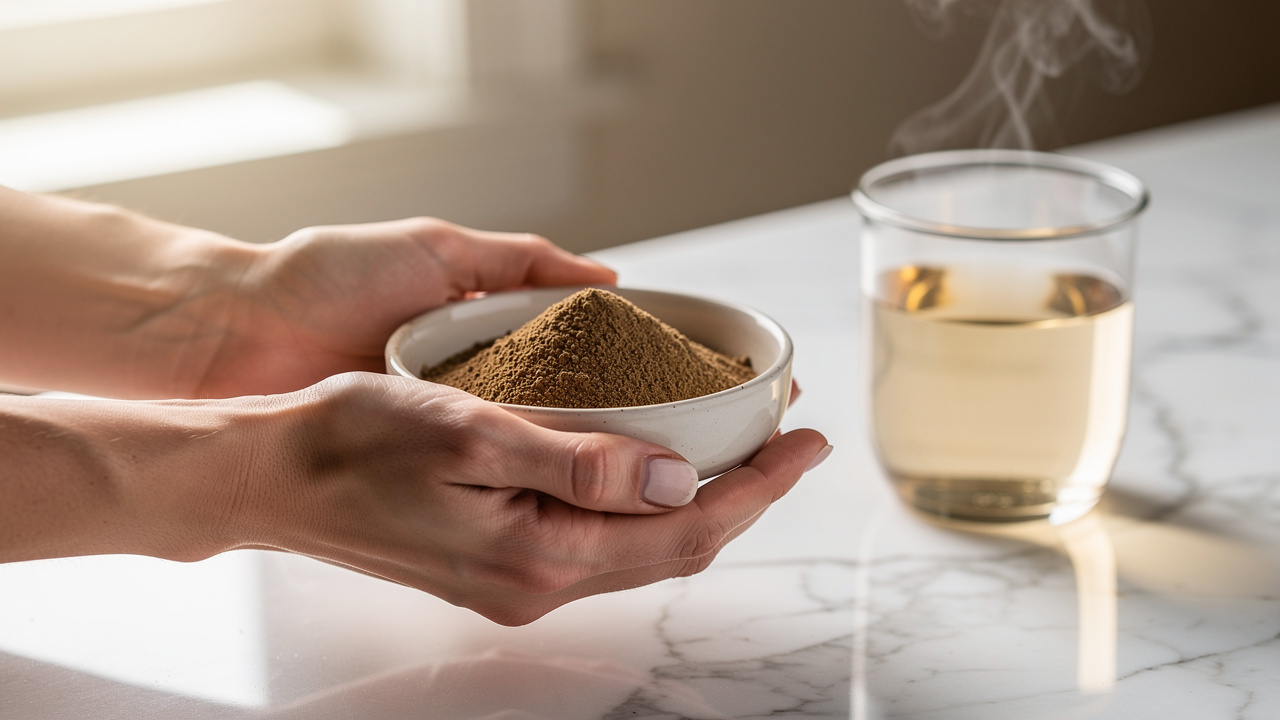
Walk down a supplement aisle and the choices can be confusing. There are Reishi capsules, tinctures, coffees, and loose reishi powder that all promise similar benefits of Reishi, yet they are far from equal. The form you pick greatly affects how much of the mushroom’s active compounds your body actually receives.
Whole dried Reishi slices or powders made from simple grinding of the mushroom are traditional, but the tough chitin cell walls make these products hard to digest. In older herbal practice, people boil Reishi for a long time to extract polysaccharides into a strong tea. Modern extract powders try to offer the same idea in a more concentrated and convenient form.
The key distinction is whether a powder is just ground whole mushroom or a spray-dried extract. Extract powders have already gone through hot water or dual extraction, so their beta glucans and triterpenoids are more available. Capsules can contain either simple powder or extract, and labels are often not clear, which makes it easy to overestimate the benefits of Reishi from a low quality product.
Another major factor is whether the product uses the fruiting body or mycelium grown on grain. The fruiting body is the actual mushroom used in traditional medicine and research, with higher levels of active compounds. Mycelium on grain is cheaper and faster to grow but often carries a lot of residual starch, which dilutes beta glucans. Quality brands state fruiting body clearly on the label and often list beta glucan percentages in the ten to thirty percent range.
Liquid extracts and tinctures offer easy absorption and can capture alcohol-soluble triterpenoids as well as water-soluble polysaccharides when dual extraction is used. Teas bring a calming ritual aspect but usually deliver only water-soluble fractions. No matter the form, meaningful benefits of Reishi depend on extraction, concentration, and transparency more than marketing terms on the front of a bottle.
Dosage Recommendations: How Much Reishi Should You Take
One reason the benefits of Reishi seem inconsistent across users is that doses vary wildly from study protocols to store products. Unlike a prescription drug with a fixed strength, Reishi has no universal standard dose, and needs shift based on the form and the goal.
Most human studies that report clear benefits of Reishi use whole mushroom powder in the range of one and a half to nine grams per day, or around a tenth of that amount when using ten-to-one extracts. Lower amounts can still have value, yet products that offer only one hundred milligrams of material may sit far below levels used in research. For many adults, a daily extract dose in the range of two to six hundred milligrams lands closer to tested amounts.
In practice:
-
Smaller doses are often used for basic immune and heart support.
-
Mid-range doses are common for sleep, stress, or fatigue support.
-
Higher doses are sometimes used short term under practitioner guidance, especially in complex health situations.
For example, someone who wants the sleep related benefits of Reishi might take an extract dose in the mid range during the evening, while a person looking for immune support might divide a lower dose between morning and night. These are broad patterns rather than fixed rules, and medical advice is always wise when health conditions or medications are part of the picture.
Timing matters less than consistency, since Reishi acts as a slow-adjusting adaptogen. Many people start with a lower amount for one to two weeks to watch for digestive changes or other side effects, then slowly move up if needed. If there is no change at all after eight to twelve weeks on a reasonable dose of a high quality extract, it may simply be that the benefits of Reishi are not a good match for that person’s biology.
Potential Side Effects And Safety Profile
With such wide use, safety questions are natural. The good news is that traditional use over centuries and modern studies both suggest that the benefits of Reishi come with a fairly gentle side effect profile for most healthy adults. That said, side effects do occur, and a small number can be serious.
The most common issues are digestive. Some people notice nausea, stomach upset, loose stools, or bloating when they first start Reishi, especially at higher doses or with poorly extracted products. Others report dry mouth, mild dizziness, itchiness, constipation, headache, or changes in sleep such as lighter rest or more vivid dreams. In survey data, only a minority of users report such effects, and many find that lowering the dose or taking Reishi with food helps.
Rare case reports link Reishi use to liver injury, while at least one controlled study found no harm to liver or kidney markers after weeks of Reishi extract in healthy adults. Because these serious events are uncommon and often involve other factors, it is hard to draw firm conclusions, yet they still deserve respect. People with existing liver or kidney conditions should be cautious and discuss Reishi with their doctor before use.
Long-term safety data in modern trials remain limited, although long traditional use suggests that many people can take Reishi for months or even longer without clear harm. Some practitioners suggest occasional breaks, though there is no strong research base for cycling. Each person’s response depends on genetics, gut microbiome, other medications, and health status, which is why the benefits of Reishi feel life changing for some, modest for others, and unpleasant for a small group who experience side effects.
Who Should Avoid Reishi: Important Contraindications
Despite the many benefits of Reishi, this mushroom is not a match for everyone. Because it interacts with blood, immune, and metabolic pathways, certain groups face higher risk and should avoid it or only use it under direct medical care.
People on blood-thinning medications such as warfarin, heparin, aspirin, or clopidogrel should be very careful. Reishi may reduce platelet clumping and shift clotting behavior, which can increase bleeding risk. For anyone heading into scheduled surgery, the usual advice is to stop Reishi at least two weeks before the procedure, both because of bleeding risk and because anesthesia teams need a clear picture of all drugs in the system.
Autoimmune conditions form another group where caution is wise. Reishi’s immune boosting side links to the same beta glucans that make some benefits of Reishi possible. In diseases such as rheumatoid arthritis, lupus, multiple sclerosis, inflammatory bowel disease, or psoriasis, the immune system already overshoots. Adding immune stimulation on top of immunosuppressant drugs can reduce drug effect or trigger flares.
Those with blood sugar or blood pressure issues also need guidance. Because some studies show blood sugar and pressure-lowering effects, Reishi may compound the actions of diabetes drugs or antihypertensives, risking low readings. Children, pregnant women, and breastfeeding mothers should avoid Reishi, since safety data is not strong enough for these groups.
People with known liver or kidney disease deserve special care, given rare but real reports of liver stress with Reishi use. For these individuals, any attempt to capture benefits of Reishi needs monitoring by a clinician who can track lab markers. When in doubt, a direct conversation with a healthcare provider is a safer route than experimenting alone.
How To Choose High-Quality Reishi Supplements
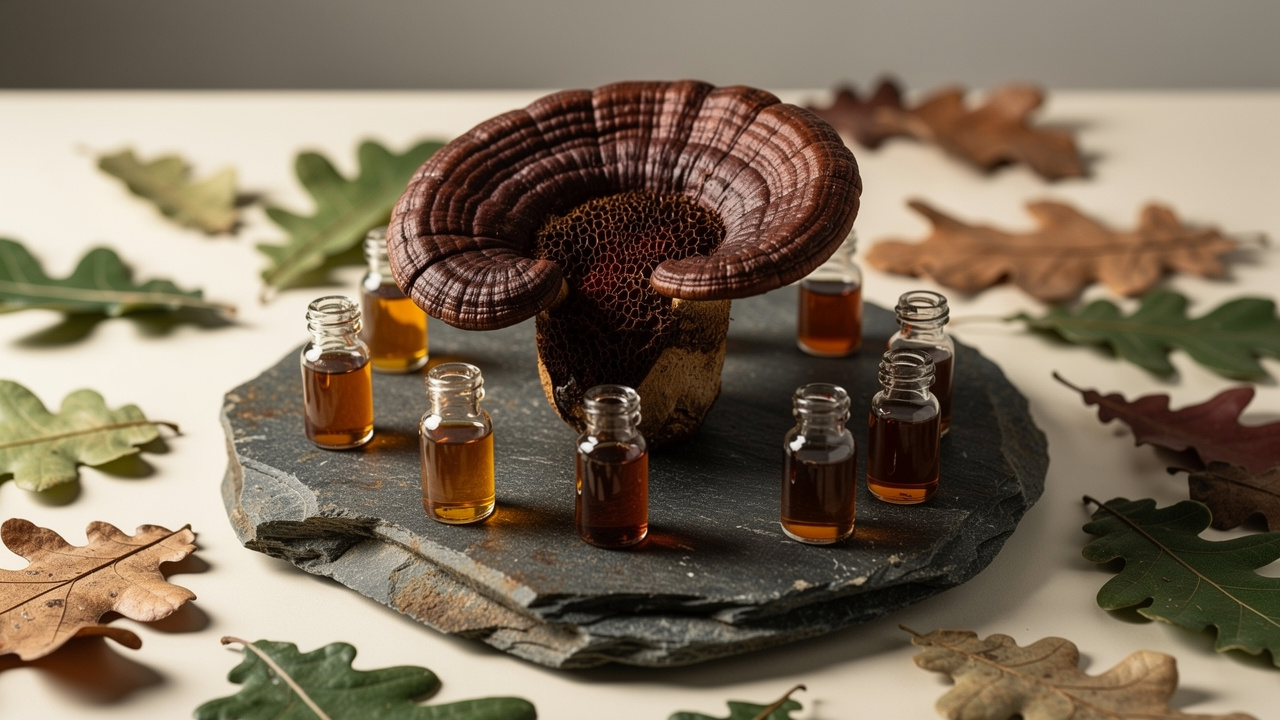
Given the gaps in supplement regulation, the hardest part of gaining the benefits of Reishi might be choosing a product that matches what the label claims. Many items on the market carry Reishi in name yet contain little of the compounds that matter most. A short checklist can help filter the options.
A frequent reminder in integrative health circles is, “If a company will not show you test results, choose a different product.”
Key factors to look for include:
-
Fruiting Body Over Mycelium
Look for clear labeling that says fruiting body rather than mycelium on grain. The fruiting body holds the profile that traditional medicine and most scientific studies rely on, while mycelium products often include a lot of grain starch. -
Beta Glucan And Extraction Details
Scan the supplement facts for beta glucan percentages, with ten to thirty percent as a common range for quality extracts. Vague claims about polysaccharides without solid numbers are less reassuring. Brands that use dual extraction usually state this clearly, since it means both water-soluble polysaccharides and alcohol-soluble triterpenoids have been captured. Without extraction details, a product might be simple reishi powder with low bioavailability. -
Independent Testing
Third-party testing for purity, heavy metals, pesticides, and microbes is another non-negotiable marker of care, especially because mushrooms tend to absorb environmental contaminants. -
Realistic Dosage And Formula Design
Dose honesty also matters. Many formulas sprinkle in tiny amounts of Reishi mainly for marketing. When the entire capsule contains only one hundred or two hundred milligrams of a non-standardized powder, it is hard to expect strong benefits of Reishi. By contrast, brands such as SLP1 design sleep and recovery formulas around clinically meaningful Reishi doses, advanced delivery formats, and transparent lab testing, all inside a melatonin free philosophy that respects natural rhythms. -
Price And Value
Price can give clues but is not a guarantee. Extremely cheap products often cut corners on raw materials or testing, while very expensive ones sometimes rely on branding more than science. Reading labels closely, checking for fruiting body extracts, dual extraction, beta glucan standardization, and posted lab reports gives a better path than trusting fancy packaging.
FAQs
How Long Does It Take To Feel The Benefits Of Reishi?
Reishi works slowly compared with fast acting sleep aids or stimulants. Many people notice subtle shifts in calm, stress tolerance, or sleep depth after one to two weeks of daily use. Stronger changes in fatigue, immune resilience, or mood often need four to eight weeks. Because it acts as an adaptogen, steady daily intake matters more than single high doses.
Can You Take Reishi Every Night For Sleep?
For most healthy adults, nightly Reishi use appears safe, especially at moderate extract doses. The sleep related benefits of Reishi grow with consistency, since the mushroom calms the nervous system and stress hormones over time. It does not replace healthy sleep habits such as dark rooms, steady bedtimes, and lower evening screen use, yet it can support those habits. Anyone with health conditions or medications should check with a clinician before long term daily use.
Is Reishi Safe To Combine With Coffee Or Other Supplements?
Reishi and coffee can be taken on the same day, and some people even mix them in the same drink. The calming benefits of Reishi can soften some of coffee’s edgy effects, though this does not cancel high caffeine intake. When combining Reishi with other supplements for immunity, sleep, or mood, it helps to watch carefully for overlap in effects on blood pressure, blood sugar, and clotting. This is another place where medical guidance gives extra safety.
What Is The Difference Between Reishi Powder And Reishi Extract?
Simple reishi powder is usually ground whole mushroom, which carries the full spectrum of compounds but may offer low absorption without proper brewing. Extracts have already gone through hot water or dual extraction so the active molecules are more concentrated and ready for the body to use. This is why smaller amounts of extract can deliver similar or better benefits of Reishi compared with larger doses of plain powder. Checking the label for extract type and standardization helps avoid confusion.
Can Reishi Replace My Medication For Anxiety, Sleep, Or Heart Health?
Reishi should not replace prescribed medications for mental health, sleep disorders, heart disease, or diabetes. Its benefits are best viewed as supportive, adding gentle help with stress, inflammation, and recovery on top of standard care. Stopping medications without medical supervision can be dangerous, and combining Reishi with drugs that affect blood, blood pressure, or blood sugar can change how those drugs work. A shared plan with a healthcare provider is the safest way to explore the benefits of Reishi alongside existing treatment.
Conclusion
Reishi has moved from ancient scrolls to modern lab benches, yet its core story has stayed the same. The most meaningful benefits of Reishi do not come from quick fixes but from steady support of immune balance, stress resilience, cardiovascular and metabolic health, and deeper, more refreshing sleep. Instead of forcing the body in one direction, this mushroom helps it remember how to regulate itself.
For health conscious professionals, wellness fans, and biohackers who care about clean formulas and real science, the details matter. Fruiting body over mycelium, dual extraction over plain powder, clinically relevant doses instead of marketing sprinkles, and third-party testing all shape whether the promised benefits of Reishi show up in real life. Brands such as SLP1 build on this by weaving high quality Reishi into melatonin free, long term sleep protocols that work with natural biology rather than against it.
A simple rule that many practitioners share is, “Start low, go slow, and pay close attention to how you feel.”
If Reishi feels like a fit, the next step is simple and patient. Talk with a clinician when needed, choose a transparent product, start with a reasonable dose, and give the mushroom enough time to do its quiet work. In a culture that often chases quick fixes, Reishi offers something different, a calmer, steadier path toward better sleep, better days, and a body that feels more at ease.

Leave a comment
This site is protected by hCaptcha and the hCaptcha Privacy Policy and Terms of Service apply.