Introduction
For years, many of us treated wellness like a second job. Count every step, track every macro, chase the perfect sleep score. Lululemon’s research shows that 45% of people now feel wellness burnout, and 61% feel pressure just to be well. That pressure rarely helps anyone fall asleep.
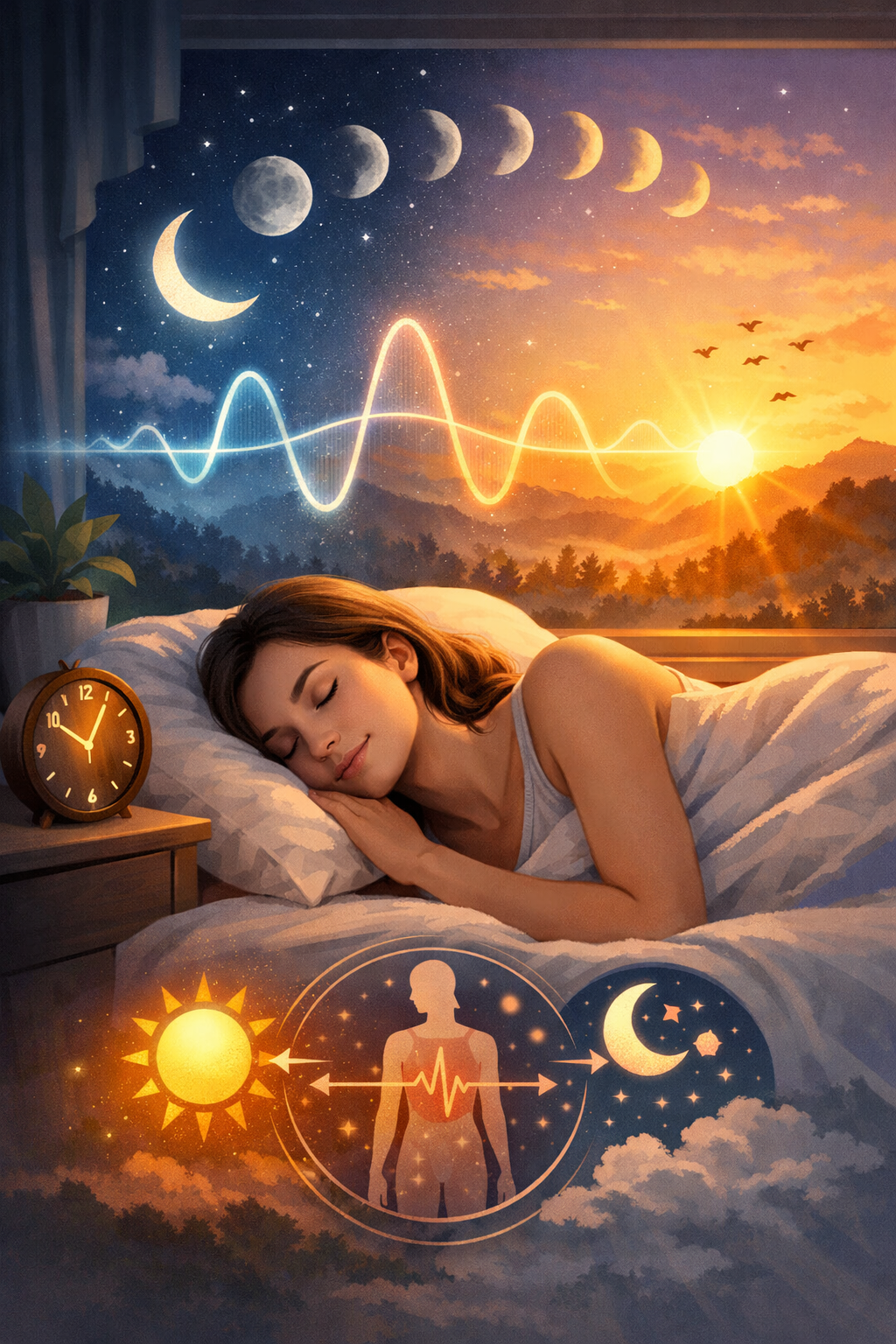
The shift behind natural rhythm is a calmer mindset. Instead of forcing the body to fit strict routines, we’re learning to listen to it. The focus moves from “fixing” sleep with hacks to working with the body’s circadian rhythm, the internal timing system that already knows when to rest, repair, and wake.
At SLP1, our entire approach is built on this idea. We see quality sleep as the result of supporting natural cycles, not overriding them. This article explores the science behind those rhythms, the barriers that pull them off track, and practical, research-based ways to realign. You’ll also see how SLP1’s formulations sit inside this rhythm-first model as gentle support for the body’s own wisdom.
Key Takeaways
-
Natural rhythm–based sleep focuses on aligning with circadian biology and help you gently get to sleep instead of endless self‑optimization, which helps reduce wellness overwhelm and sleep performance anxiety.
-
Sleep architecture (NREM and REM cycles) shapes hormone balance, physical repair, and cognitive function; when cycles flow smoothly, energy and mood feel more stable.
-
Modern disruptors—artificial light, stress, irregular schedules, and pain—commonly disturb circadian timing, but these are misalignments, not personal failures.
-
Light exposure, chrononutrition, movement timing, and natural formulation support can guide the body back toward its own timing, especially when paired with data and professional input.
What Is the Natural Rhythm Wellness Trend? Understanding the Shift From Optimization to Alignment
When we talk about natural rhythm in 2026, we mean living closer to circadian biology instead of fighting it. Nearly every system in the body follows a roughly twenty‑four‑hour cycle that influences sleep, hormones, digestion, temperature, and mood. Rather than asking the body to match our schedule, this trend asks: What if we shaped more of our habits around our internal clock?
The last decade often treated health as a numbers game: perfect bedtimes, ideal macros, rigid routines. Natural rhythm offers a softer, more realistic view. It accepts that energy, focus, and motivation fluctuate and that wellbeing is a moving process, not a fixed target.
“Circadian rhythms are not a preference; they are a basic feature of our biology.” — Dr. Satchin Panda
Scientifically, this shift is grounded in chronobiology, the study of time‑based patterns in the body. Philosophically, it respects that there is real intelligence in those patterns. At SLP1, our in‑house formulations are designed to support circadian alignment and healthy sleep architecture rather than forcing sedation or blunt, short‑term effects.
The Science Behind Your Internal Clock: Circadian Rhythms and Sleep Architecture Explained
Deep in the brain sits a tiny structure called the suprachiasmatic nucleus (SCN). This master clock receives light signals from the eyes and sets daily timing for the rest of the body. Almost every cell has its own clock, but the SCN keeps them coordinated so hormones, alertness, digestion, and sleep follow a coherent rhythm.
Across twenty‑four hours, morning light raises cortisol and body temperature so the brain can focus. In the evening, darkness allows melatonin to rise and temperature to drop, signaling time for sleep. When these signals line up with habits, sleep tends to feel easier and more refreshing.
Sleep itself comes in repeating cycles lasting about 90–110 minutes. Early cycles contain more deep slow‑wave sleep, later ones more REM sleep. The pattern of these stages is called sleep architecture—like a floor plan where each “room” has a job. If stress, screens, pain, or poor timing disturb certain stages, the body misses repair windows and the next day feels heavier.
The Four Stages of Sleep and Their Restorative Functions
Each night, the brain moves through four main stages:
-
NREM Stage 1–2 (Light Sleep):
Transition from wakefulness into sleep; muscles relax, brain waves slow, and the nervous system steps down from daytime alertness. -
NREM Stage 3 (Deep / Slow‑Wave Sleep):
Growth hormone surges, tissues rebuild, and the immune system reinforces its defenses. The brain consolidates certain memories and clears less useful information. -
REM Sleep:
Brain activity looks close to wakefulness; vivid dreams are common. REM supports emotional processing, skill learning, and cognitive flexibility.
These stages repeat several times per night. Disturbing any one of them can ripple through hormone balance, recovery, and mood. SLP1 Protocol focuses on supporting complete cycles rather than just helping people drift off for a few hours.
How Natural Rhythms Regulate Your Hormone Health
Hormones follow circadian patterns as clearly as sleep does:
-
Growth hormone peaks during deep slow‑wave sleep, helping repair muscle tissue, support bone density, and guide metabolism.
-
Testosterone rises during deep sleep in all genders, influencing strength, body composition, drive, and resilience to stress.
-
Cortisol should rise before waking and fall through the day, while melatonin builds in the evening as light fades.
Late‑night light, shift work, alcohol, and chronic stress flatten these curves—keeping cortisol high when it should fall and muting melatonin when the brain needs it most.
“Sleep is the single most effective thing we can do to reset our brain and body health each day.” — Matthew Walker, PhD
At SLP1, we view hormone health and sleep health as one connected system. Our ingredient combinations are selected to support this hormonal “orchestra” instead of drowning it out.
Why Modern Life Disrupts Our Natural Rhythms: Common Barriers to Quality Sleep
Despite growing awareness around rest, many adults still wake up tired. Modern life quietly pulls us away from the sunrise–sunset cues that kept earlier generations synced to nature. We can control our schedules more than ever, yet rarely design them around the needs of our circadian clock.
Standard “sleep hygiene” tips—consistent bedtimes, less caffeine, darker bedrooms—help, but they often miss deeper drivers like mismatched work hours, emotional strain, or underlying health issues. Meanwhile, notifications, streaming, and late‑night emails turn evenings into a second daytime, pushing the brain to stay “on” long after it’s ready to wind down.
At SLP1, we see these barriers as signals rather than signs of failure. Once we identify the main disruptors—screens, stress, pain, or irregular schedules—we can match them with clear, science‑based strategies that give the body a fair chance to recover its timing.
The Digital Age and Circadian Confusion
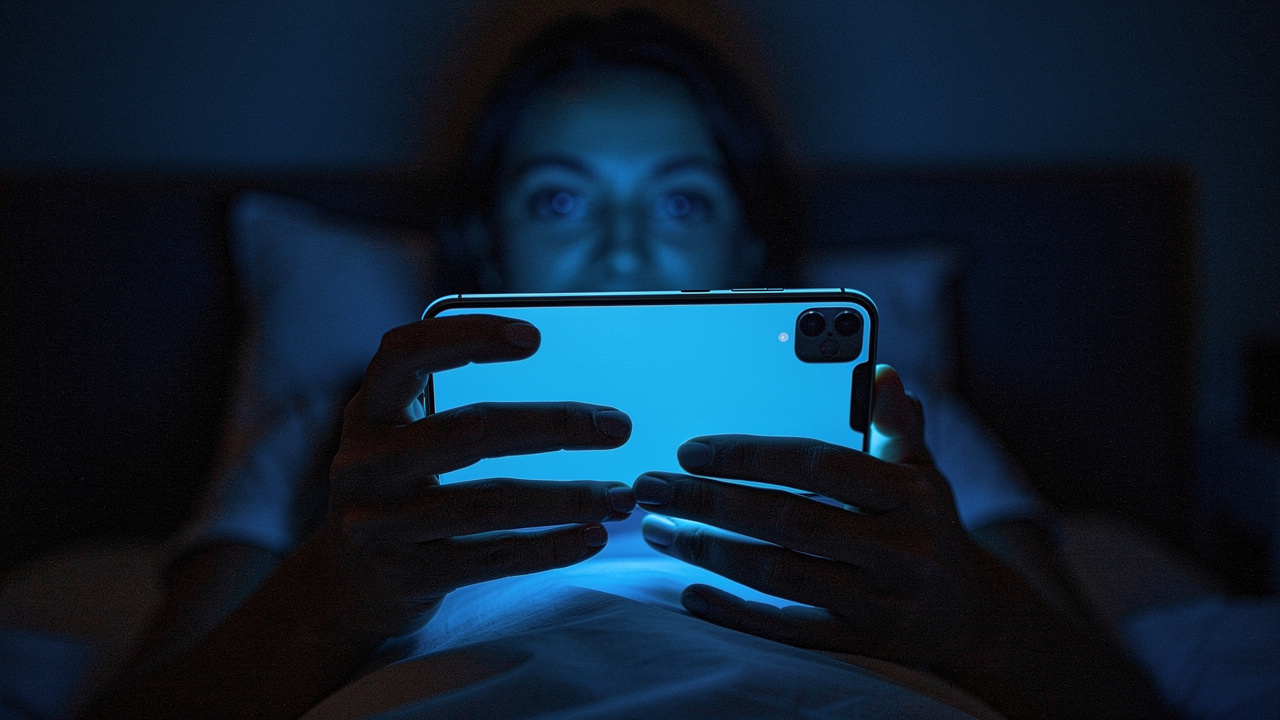
Artificial light, especially from screens, is one of the strongest disruptors of natural sleep timing. Blue‑rich light from phones, laptops, and tablets tells the SCN that it is still daytime, even when it is late evening. This suppresses melatonin and can delay sleep by one to three hours.
Checking a phone during night‑time awakenings adds more bursts of blue light, making it harder to fall back asleep. Over time, this pattern pushes circadian timing later, leaving mornings foggy and evenings wired. Simple shifts—screen curfews, dimmer and warmer lights at night, and keeping devices out of the bed—go a long way.
Stress, Hormones, and the Sympathetic Trap
Chronic stress nudges the body toward sympathetic dominance, the “fight or flight” state. At night, elevated cortisol and adrenaline compete with melatonin, making it hard to fall asleep or stay asleep. Many people finally doze off from exhaustion, then wake at 2 or 3 a.m. with a racing heart and busy mind.
Over time, this cycle raises stress sensitivity, so even small triggers feel large. At SLP1, we look at nervous system balance and sleep architecture together, using lifestyle strategies and natural support to help the brain switch more smoothly into “rest and digest.”
Post-Injury Recovery and Pain-Related Sleep Fragmentation
Pain, whether from surgery, injury, or chronic conditions, often fragments sleep. Each jolt or shift can pull the brain out of deep non‑REM or REM stages just when the body is trying to repair.
That creates a frustrating loop: high‑quality sleep promotes healing, yet pain keeps interrupting it. Non‑drug methods such as acupuncture, gentle movement, and temperature therapies can lower pain enough to allow longer stretches of rest. When combined with rhythm‑aligned support from SLP1, the body has a better chance to move through full cycles and recover.
Science-Backed Strategies to Realign With Your Natural Rhythm
Once you understand how rhythms work and what disrupts them, the next step is aligning your daily “anchors” with your biology. The goal is not a rigid routine, but a set of consistent cues that tell the body what time it is:
-
Light says “day” or “night.”
-
Food timing nudges metabolic clocks.
-
Movement and recovery shape nervous system flexibility.
-
Natural deeper sleep support can steady neurotransmitters and hormones.
Think of it as working with the grain of wood instead of sanding against it.
At SLP1, our formulations are designed to sit underneath these anchors. They are not a substitute for morning light, calmer evenings, or thoughtful nutrition. Instead, they complement those habits, helping the body use them more effectively.
Use the Power of Light: Your Circadian Rhythm's Master Switch

Light is the body’s main time cue. Helpful practices include:
-
Getting 10–20 minutes of outdoor light within an hour of waking, even on cloudy days.
-
Using light therapy glasses in the early morning if natural light is limited.
-
Dimming overhead lights two to three hours before bed and switching to warmer lamps.
-
Considering red‑toned bulbs at night, which are less disruptive to melatonin.
These environmental cues pair well with SLP1 formulations, which support the internal biochemical shifts that follow healthy light habits.
Chrononutrition: Eating in Sync With Your Body Clock

Chrononutrition looks at when you eat, not just what you eat. Our digestive system and insulin sensitivity usually work best earlier in the day, so many people feel better when they:
-
Front‑load calories into breakfast and lunch.
-
Keep dinner lighter and finish eating two to three hours before bed.
-
Favor magnesium‑rich foods, complex carbohydrates, and quality protein in the evening.
SLP1’s absorption‑focused formulations are designed with these rhythms in mind, so they sit comfortably within an evening routine without overloading digestion.
Movement, Recovery, and Nervous System Training
Exercise strongly affects sleep quality, especially when timed well:
-
Morning or afternoon strength work and moderate cardio tend to deepen sleep later that night.
-
Very intense late‑night training, bright gym lights, and loud music can delay deeper sleep stages.
-
If you must train late, focusing on mobility, stretching, or low‑intensity work can reduce sleep disruption.
Practices like contrast therapy (alternating hot and cold) help the nervous system switch between activation and relaxation. SLP1 supports the recovery window that follows movement so the body can use sleep to consolidate gains.
Natural Sleep Support: The SLP1 Approach to Formulation
Our philosophy at SLP1 is clear: real rest comes from healthy sleep architecture, not from being knocked out. We focus on natural ingredients that:
-
Support sleep onset without heavy next‑day grogginess.
-
Encourage deeper slow‑wave stages and smooth REM sleep cycles.
-
Promote calm in the nervous system and steadier circadian hormones.
We design and build formulas in‑house to control how ingredients interact and how well they are absorbed. Because our approach works with existing rhythms, our products are intended as steady, long‑term support that fits neatly alongside light, nutrition, and movement practices.
Personalized Sleep Optimization: Technology and Data-Driven Insights for 2026
As we move into 2026, sleep guidance is becoming far more personal, with health & medicine news regularly highlighting breakthroughs in sleep science and personalized wellness technologies. Two people can spend eight hours in bed and wake up feeling completely different because their chronotype, hormone timing, and stress load do not match.
Wearables, lab tests, and structured questionnaires help reveal these patterns. The key is using data in a calm, curious way, not as another source of pressure. Instead of obsessing over nightly scores, look at trends across weeks: How does deep sleep change after late dinners? Alcohol? Evening high‑intensity exercise?
At SLP1, we see technology as a compass that helps people place rhythm‑aligned sleep support where it matters most, not as a scoreboard.
Advanced Wearables and Sleep Tracking Technology
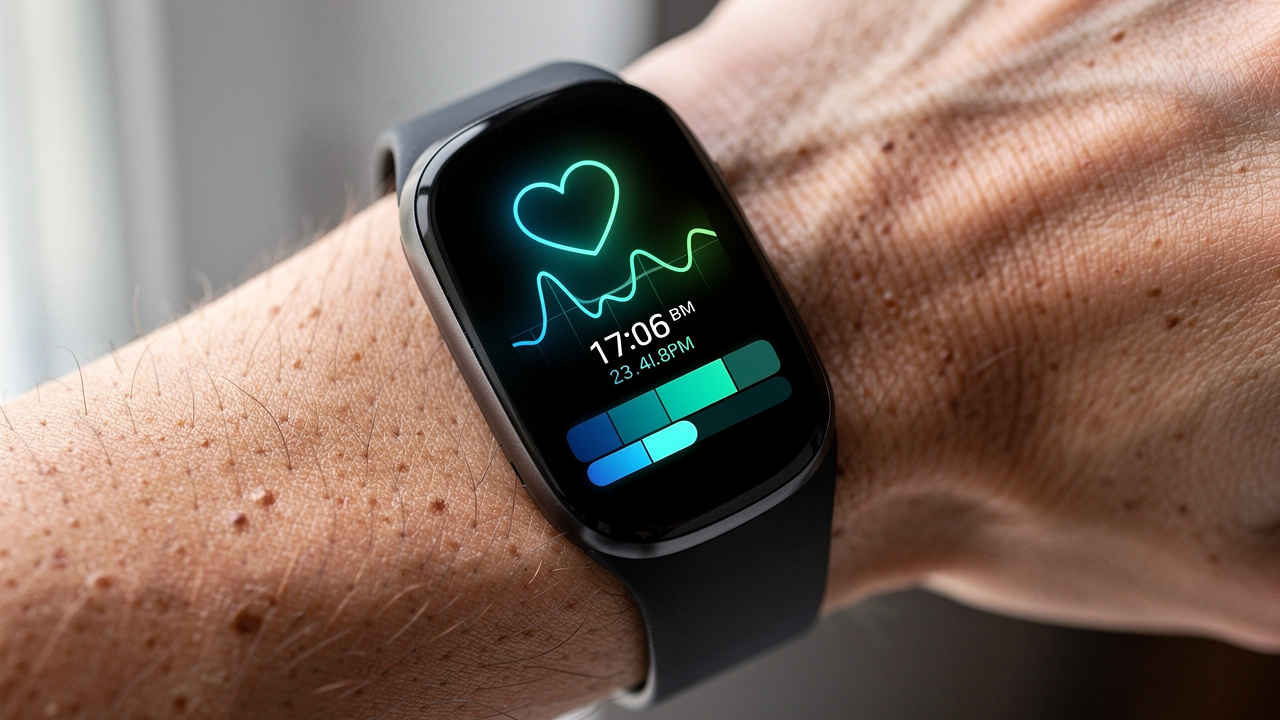
Modern rings, watches, and bands estimate:
-
Sleep stages and total sleep time.
-
Heart rate variability (HRV) and resting heart rate.
-
Skin or body temperature shifts across the night.
Over time, these devices can suggest bed and wake times that better match your natural rhythm. Metrics like HRV and “readiness scores” show how recovered you are and whether a hard workout or a lighter day might serve you better. This objective view helps SLP1 Protocol users decide when to focus more on their evening routine and natural sleep support.
Hormone Profiling and Metabolic Assessments
Blood and saliva tests add another layer to the picture by looking at:
-
Cortisol curves across the day.
-
Sex hormones, thyroid markers, and growth‑related indicators.
-
Blood sugar control, inflammation, and nutrient status.
When these markers are mapped against sleep complaints—trouble falling asleep, early awakenings, or unrefreshing mornings—patterns emerge. Addressing the root causes with nutrition, timing shifts, and SLP1’s rhythm‑focused formulations tends to work better than masking symptoms.
Clinical-Grade Diagnostics: EEG and Home Sleep Studies
Some situations call for medical‑grade assessments:
-
Sleep EEG studies show how brain waves move through sleep stages.
-
Home polysomnography tracks breathing, oxygen, heart rate, and movement to diagnose issues like obstructive sleep apnea.
-
Actigraphy watches rest–activity cycles over days or weeks.
These tools bring precision sleep medicine into everyday life. For mild issues, lifestyle and natural support may be enough. For more serious findings, medical treatment is essential, with SLP1 fitting in as a supportive layer where appropriate.
The Importance of Professional Guidance: Navigating Natural Sleep Optimization Safely
Sleep affects almost every system in the body, so changing it can have wide‑ranging effects. Rhythm‑based strategies—more morning light, earlier meals, natural support—may look simple, but they interact with medications, mental health, and chronic conditions.
Many people try to “fix” sleep alone with a stack of supplements, blue‑light apps, and strict routines. Sometimes this helps briefly, then stalls or backfires. Without a clear view of health history or hidden issues like sleep apnea or major mood disorders, it’s easy to choose tools that don’t fit the situation.
Working with a skilled provider turns guesswork into careful adjustment. At SLP1, we design our formulations to sit comfortably inside comprehensive care plans, not to replace them.
Potential Risks of Self-Directed Interventions
Self‑guided sleep experiments can carry real risks, including:
-
Melatonin timing errors, which can push circadian rhythms in the wrong direction and cause morning grogginess.
-
Hormone tinkering (thyroid, sex hormones, adrenal support) based only on symptoms, which may trade one problem for another.
-
Light therapy misuse, leading to eye strain or headaches when used too close or too long.
-
Supplement–medication interactions, especially with blood pressure, mood, or clotting drugs.
-
Masking serious conditions such as sleep apnea, major depression, or neurological illness.
Persistent or severe sleep problems deserve professional evaluation before big changes are made.
The Value of Expert-Guided Sleep Optimization
Expert guidance turns scattered tips into a coherent plan. A good clinician will:
-
Take a detailed health and sleep history.
-
Decide which labs or sleep studies are worth doing.
-
Blend light timing, meal patterns, movement, stress work, and natural support into one strategy.
-
Adjust the plan as data and symptoms change.
“Good sleep care is rarely about one magic fix; it’s about coordinated changes that respect the whole person.” — Clinical sleep physician
SLP1 designs formulations to work alongside these plans, not against them. We encourage people to share our ingredient lists and usage guidelines with their providers so everything moves in the same direction.
Conclusion
The rise of natural rhythm in 2026 is less a trend than a return to biological common sense. Instead of forcing the body into rigid routines, we’re learning to read its signals and move in step with them. Circadian rhythms and sleep architecture are not abstract ideas; they quietly shape how rested, focused, and resilient we feel each day.
Quality sleep grows from alignment: morning light, calmer evenings, meal timing that respects digestion, and movement that matches energy patterns. When those anchors sit alongside natural formulations that support hormones and nervous system balance, they create a solid base for recovery and long‑term health.
At SLP1, we are committed to this rhythm‑first philosophy. Our in‑house formulations are crafted to work in harmony with the body’s timing, offering support for people who want sustainable rest rather than a quick fix. If you feel stuck in wellness burnout, you are not alone—and you do not have to fight your body. You can partner with it.
FAQs
Question: What Exactly Is a "Natural Rhythm" When It Comes to Sleep, and Why Does It Matter for My Health?
A natural rhythm for sleep refers to the circadian cycle, the body’s built‑in twenty‑four‑hour timing system. It guides when you feel sleepy or alert, when hormones such as melatonin, cortisol, and growth hormone rise or fall, and how metabolism and temperature shift through the day. When your habits line up with this rhythm, sleep feels easier, hormones stay steadier, and thinking and recovery both improve.
Question: How Is the Natural Rhythm Trend Different From Standard Sleep Hygiene Advice?
Standard sleep hygiene offers basic rules—consistent bedtimes, less caffeine late in the day, darker bedrooms. These help, but they don’t always address deeper circadian alignment. The natural rhythm approach looks directly at timing: light exposure, meal schedules, movement, hormone patterns, and nervous system balance. At SLP1, we combine these ideas with science‑backed formulations so people can work with their body’s timing instead of following a generic checklist.
Question: Can I Realign My Circadian Rhythm If I've Had Disrupted Sleep for Years?
Yes. Circadian rhythms are adaptable, though they respond best to steady cues. Many people notice early changes within two to four weeks of consistent habits:
-
Morning light soon after waking.
-
A regular wake time, even on weekends.
-
Less bright light and screen exposure at night.
-
Earlier, lighter dinners and regular movement.
Natural sleep support from SLP1 can ease this transition by supporting the biochemical environment for rest. If sleep has been poor for many years, a clinician can check for hormone or sleep‑disorder issues that need extra attention.
Question: What Role Does Technology Play in Optimizing My Natural Sleep Rhythm?
Technology offers a clearer view of how sleep unfolds instead of relying only on how it feels. Wearables track estimated sleep stages, HRV, and temperature shifts, revealing patterns over weeks. Some devices suggest bed and wake times that better match your natural rhythm. Clinical tools such as sleep EEG and home polysomnography can diagnose conditions like sleep apnea. Used calmly, this information guides light timing, nutrition, movement, and natural sleep support choices rather than creating more stress.
Question: Are Natural Sleep Supplements Like Those From SLP1 Safe for Long-Term Use?
SLP1 formulations are designed with long‑term, rhythm‑aligned use in mind. Rather than forcing heavy sedation, they focus on supporting healthy sleep architecture, circadian balance, and nervous system calm using carefully combined natural ingredients. We are transparent about sourcing and formulation so you can review them with your clinician. Anyone with medical conditions or taking medications should speak with a healthcare provider before adding new supplements to keep everything working together safely.
Question: When Should I Seek Professional Help for My Sleep Issues Instead of Trying Natural Interventions Alone?
Seek professional help when sleep problems are frequent, severe, or long‑lasting—for example:
-
Difficulty falling or staying asleep at least three nights a week for more than three months.
-
Loud snoring, gasping, or choking at night.
-
Heavy daytime fatigue despite enough hours in bed.
-
Major mood changes, anxiety, or depression linked with poor sleep.
If strategies like light timing, chrononutrition, and SLP1 support show no benefit after four to six weeks, deeper testing may be needed. In those cases, natural approaches can still play a role, but within a comprehensive plan guided by a qualified professional.


Leave a comment
This site is protected by hCaptcha and the hCaptcha Privacy Policy and Terms of Service apply.