
Introduction
Think of the body as a group chat where billions of cells are trying to stay on the same page. When the signal is clear, everything feels smoother – energy is steady, mood is stable, sleep comes more easily. Myo-inositol is one of the quiet engineers behind that signal, and many of the most important myo inositol benefits come down to how well our cells can “talk” to each other.
Myo-inositol is a sugar-like compound the body makes from glucose and also receives from food. It used to be called Vitamin B8, but it is really more of a foundational building block than a classic vitamin. It helps insulin signal, shapes how neurotransmitters like serotonin and dopamine work, and supports healthy hormone balance. Habits such as high sugar intake, constant caffeine, chronic stress, and insulin resistance can all drain or disturb this system, which is one reason myo-inositol has become such an important research topic.
Many clinicians describe myo-inositol as “a small molecule with a very wide footprint in human physiology,” because of how many systems depend on its signaling roles.
Most people first hear about myo inositol benefits in the context of PCOS or fertility. That story is real, but it is only one part of the picture. The same signaling roles that help with ovulation and metabolic health also influence mental calm, sleep quality, and long-term tissue protection. At SLP1, myo-inositol sits inside a broader sleep protocol not as a sedative, but as a signal-support nutrient that helps the nervous system shift into a state where sleep can happen more reliably.
By the end of this article, you will understand what myo-inositol is, how it works inside cells, and how myo inositol benefits show up across metabolic health, hormones, mental wellbeing, and sleep. You will also see how SLP1 uses it inside a research-driven sleep system that works with your biology over time rather than forcing quick, short-lived effects.
Key Takeaways
-
Myo-inositol is a sugar alcohol the body makes and uses as a key cellular messenger for insulin, hormones, and neurotransmitters. When this network runs well, blood sugar control, hormone balance, and brain signaling all tend to improve together, which is the basis for many myo inositol benefits.
-
Research links myo-inositol to better metabolic markers, more regular cycles and ovulation in PCOS, calmer mood, and less frequent panic symptoms. These shifts come from restoring clear signaling rather than pushing the body in one direction, which is why myo-inositol fits well with long-term health strategies.
-
For sleep, myo-inositol helps support mental ease and nervous system calm without sedation, especially when combined with magnesium, B vitamins, and other calming compounds as in SLP1 formulations. It works best with steady use as part of an overall plan that also includes solid sleep habits and attention to metabolic health.
What Is Myo-Inositol: Understanding This Essential Compound
Myo-inositol is a type of sugar alcohol, also called a polyol, that the body produces mainly in the kidneys from glucose. On a typical day, each kidney makes around 2 grams. Diet usually adds another 0.5–1 gram from foods such as fruit, beans, whole grains, and organ meats. Because the body can produce it, scientists stopped calling it Vitamin B8, but it still behaves a bit like a vitamin in how widely it supports cell function.
At the structural level, myo-inositol helps form phosphatidylinositol, a major part of cell membranes. These membrane pieces are not just passive walls. They can be cut and reshaped into messenger molecules that carry signals from hormones and neurotransmitters into the cell. This is one of the reasons myo inositol benefits touch so many systems at once, from blood sugar control to mood.
There are nine forms, or isomers, of inositol. The two that matter most in humans are myo-inositol and D-chiro-inositol (DCI). Myo-inositol is the most common, especially in the brain, heart, and ovaries. DCI is more concentrated in tissues that store glucose, such as liver, muscle, and fat. The body converts myo-inositol into DCI through an insulin-dependent enzyme called epimerase, and this conversion is sensitive to insulin resistance.
Under healthy conditions, internal production plus food intake keep inositol status in a good range. Modern stressors can change that. High sugar intake, frequent blood sugar spikes, high caffeine intake, certain medications such as lithium or valproic acid, and chronic stress all either waste inositol or increase the demand for it. That is why dietary patterns and health status matter so much when thinking about myo inositol benefits and who may need extra support.
How Myo-Inositol Works: The Science Of Cellular Signaling
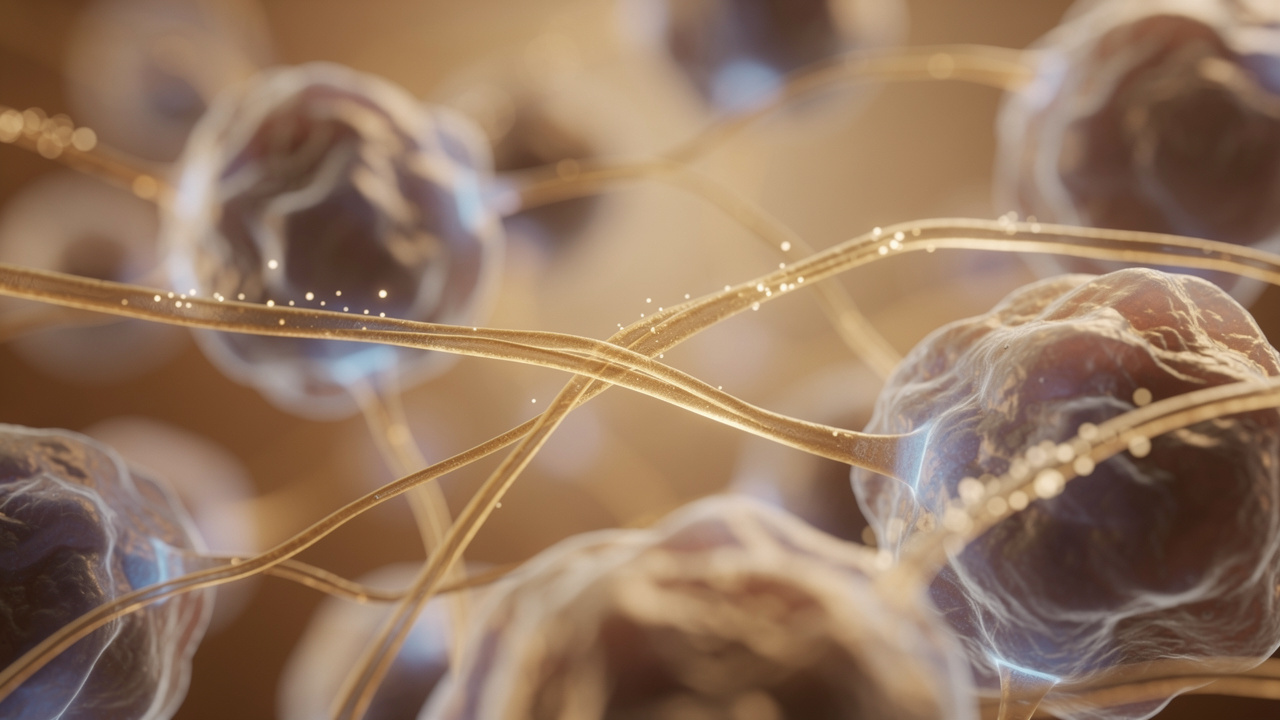
To understand why myo inositol benefits are so broad, it helps to see it less as a “sleep supplement” or “fertility aid” and more as a signaling hub. Many hormones and neurotransmitters do not act directly inside the cell. They bind to receptors on the cell surface, which then trigger second messengers inside the cell. Myo-inositol is a core building block for several of these second messenger systems.
One of the best-studied roles is in insulin signaling. When insulin binds to its receptor, it triggers the release of inositol phosphoglycans inside the cell. These inositol-based messengers help control how much glucose the cell pulls in and whether it burns that glucose for energy or stores it as glycogen. They also influence the movement of GLUT-4 transporters to the cell surface in muscle and fat tissue, which directly affects how much sugar is cleared from the blood.
Myo-inositol also forms the backbone of phosphatidylinositol phosphates such as PIP2, PIP3, and inositol triphosphate (IP3). These molecules carry signals for many hormones, including follicle-stimulating hormone, thyroid-stimulating hormone, and others, as well as neurotransmitters like serotonin and dopamine. When people talk about myo inositol benefits for mood or hormone balance, they are really describing what happens when these signaling pathways work smoothly again.
From a transport standpoint, nearly all free myo-inositol in the gut is absorbed through an active, sodium-dependent system. Special transporters called SMIT1 and SMIT2 move myo-inositol into cells, often against a steep gradient, especially in the brain. High blood sugar is a problem here, because glucose competes for these same transport systems. Chronic hyperglycemia blocks inositol uptake, reduces kidney reabsorption, and drives more inositol out in the urine.
This sets up a depletion cycle:
-
High glucose crowds out myo-inositol at transporters.
-
The kidneys waste more myo-inositol.
-
The sorbitol pathway inside cells shifts osmotic balance in a way that pushes inositol out.
-
Insulin resistance reduces conversion of myo-inositol to D-chiro-inositol in key tissues.
In metabolic tissues, DCI levels often fall, while in the ovaries of women with PCOS, DCI can rise at the expense of myo-inositol. The key idea is that myo-inositol does not force cells to act in a particular way. Instead, it helps rebuild clear lines of communication. When those lines are strong, insulin, hormones, and neurotransmitters can send cleaner signals, and the body’s own regulatory systems can do their work more effectively.
Myo-Inositol Benefits For Metabolic Health And Blood Sugar Control

Metabolic syndrome is a cluster of problems that raises the risk of heart disease, stroke, and type 2 diabetes. It usually shows up as:
-
Extra abdominal fat
-
High blood pressure
-
Elevated fasting glucose
-
High triglycerides
-
Low HDL cholesterol
Because inositol sits inside the insulin signaling network, it has a direct impact on several of these markers at once.
In a year-long study of postmenopausal women with metabolic syndrome, those who took 2 grams of myo-inositol daily saw meaningful shifts in all five key markers. Blood pressure came down, triglycerides dropped, HDL cholesterol went up, and insulin resistance scores improved. By the end of the study, about one in five women taking myo-inositol no longer met the criteria for metabolic syndrome, a finding consistent with broader research on inositol supplementation and body composition outcomes. This is a strong real-world example of myo inositol benefits for long-range metabolic health.
As one review of insulin resistance put it, “improving the way cells respond to insulin may matter even more than how much insulin the body produces.”
Mechanistically, myo-inositol improves insulin sensitivity in several ways:
-
As an insulin second messenger, it amplifies the effect of insulin without raising insulin levels.
-
It can slightly slow glucose absorption in the gut by competing with glucose for transporters, which reduces sharp post-meal spikes.
-
Inside muscle cells, it supports the movement of GLUT-4 transporters to the membrane, which pulls more glucose out of the bloodstream and into storage or energy use.
When compared head to head with metformin in certain groups, myo-inositol has shown similar or even better gains in insulin resistance scores, with far fewer digestive complaints. This has made myo-inositol an attractive option for people who cannot tolerate standard medications or who want to combine lifestyle changes with gentler, signaling-based support.
One of the most striking myo inositol benefits appears in gestational diabetes prevention. In women who are at higher risk during pregnancy, taking 2 grams of myo-inositol twice daily has been shown to lower the rate of gestational diabetes by roughly 40–65% in several trials. These women also tended to deliver closer to term, had fewer very large babies, and saw fewer cases of low blood sugar in their newborns.
There is also evidence for benefits in people who already have type 1 or type 2 diabetes. In type 1 diabetes, a blend of D-chiro-inositol and folate lowered average blood sugar levels and improved insulin sensitivity. Animal research suggests that myo-inositol helps move GLUT-4 to the muscle cell surface more efficiently, which increases glucose uptake and brings down blood sugar.
For SLP1, this metabolic story matters for sleep as well as long-term health. Insulin resistance and unstable blood sugar can disturb circadian rhythms, cause nighttime awakenings, and drive “tired but wired” patterns. One of the less obvious myo inositol benefits is steadier metabolic signaling, which supports both daytime energy and more stable sleep architecture over time.
Myo-Inositol For Preventing Diabetic Complications
Chronic high blood sugar does not only affect fasting glucose readings. It also quietly stresses tissues that are less responsive to insulin, such as nerves, kidneys, and the lens and retina in the eyes. These tissues tend to lose myo-inositol when glucose stays high, and that loss appears to feed into long-term complications.
In diabetic neuropathy models, nerve cells show depleted inositol levels and slower signal conduction. When myo-inositol is added back in animal studies, intracellular levels rise again, motor nerve conduction speed improves, and defects in axonal transport are reduced. This suggests that one of the meaningful myo inositol benefits may be protection of nerve function under glucose stress.
Kidney cells tell a similar story. High glucose can slow the growth of certain kidney tubule cells and alter collagen production in a way that favors scarring. Myo-inositol supplementation has been shown to reverse these changes in cell studies, bringing growth and collagen signals closer to normal. That points toward possible protection against diabetic nephropathy, including glomerulosclerosis and protein leakage.
The lens of the eye is another site where hyperglycemia depletes inositol and raises the risk of sugar-linked cataracts. In animal models, restoring myo-inositol levels in the lens reduces cataract formation. Human trials here are still limited, but the mechanisms are clear enough that many researchers consider tissue protection one of the most important long-term myo inositol benefits for people living with diabetes.
Myo-Inositol Benefits For Women's Health: PCOS, Fertility, And Hormonal Balance
Polycystic ovary syndrome (PCOS) affects an estimated 5–21% of women of reproductive age. It often shows up as irregular or absent cycles, excess androgens such as testosterone, acne, increased facial or body hair, and difficulty with ovulation and fertility. At the root, most women with PCOS have some degree of insulin resistance, which then feeds into hormonal chaos.
When cells do not respond well to insulin, the body compensates by producing more of it. High insulin levels act on the ovaries and increase androgen production. At the same time, the normal signaling between luteinizing hormone and follicle-stimulating hormone becomes distorted. The result is a pattern where follicles start to develop but do not reach full maturity or release an egg, which is why cyst-like structures are so common on imaging.
Myo-inositol supports PCOS at several layers in this chain. In insulin-sensitive tissues such as muscle and liver, insulin resistance blocks the conversion of myo-inositol into D-chiro-inositol, leading to low DCI levels. In the ovaries, however, the opposite happens. The ovaries stay sensitive to insulin and convert too much myo-inositol into DCI, leaving a local shortage of myo-inositol that harms egg quality. This is sometimes called the DCI paradox.
Research on myo-inositol in reproductive management demonstrates that supplementing with myo-inositol helps restore a healthier balance across multiple hormonal pathways. By improving insulin sensitivity, it lowers circulating insulin levels, which reduces the drive for excess androgen production. Across multiple studies, women with PCOS who take myo-inositol, often in a physiologic 40:1 ratio with DCI and with folate, see drops in free testosterone and androstenedione, along with better scores for unwanted hair growth.
Hormonal patterns shift as well. The ratio of luteinizing hormone to follicle-stimulating hormone tends to move toward a more typical range, which supports more predictable follicle development. According to research on myo-inositol effects in women with PCOS, many trials report that between roughly 60–80% of women who were not ovulating at baseline began to ovulate again after a period of myo-inositol use. Menstrual cycles that were absent or very irregular often became more regular over two to three months.
Fertility outcomes mirror these signaling changes. Egg and embryo quality improve in women with PCOS who are trying to conceive, both naturally and with IVF. Several meta-analyses report higher pregnancy and live birth rates in women using myo-inositol compared with various control groups. These reproductive gains are some of the best documented myo inositol benefits in the entire supplement field.
Beyond reproductive endpoints, women with PCOS taking myo-inositol often see improvements in body mass index, blood pressure, and lipid profiles, which ties back to its metabolic effects. Many women also tolerate myo-inositol better than metformin, with fewer digestive issues. For male fertility, research is more limited but suggests that higher inositol levels in seminal fluid relate to better sperm motility and function, and some early work with myo-inositol supplementation is promising.
From SLP1’s perspective, hormonal balance, metabolic health, and sleep are tightly linked. Women with PCOS frequently report insomnia, nighttime awakenings, or non-restorative sleep. By supporting insulin signaling and hormonal rhythm, myo inositol benefits do not stop at fertility or lab values. They help create an internal environment where more regular sleep patterns become possible.
Myo-Inositol Benefits For Mental Health And Neurotransmitter Balance

The brain holds some of the highest concentrations of myo-inositol in the body, especially in glial cells that support neurons. Here, myo-inositol again serves as a backbone for second messengers that carry signals from neurotransmitters such as serotonin and dopamine into the cell. When these systems are strained or depleted, mood and anxiety patterns can shift.
Some imaging studies suggest that people with depression may have lower inositol levels in certain brain regions. That observation helped spark interest in using myo-inositol to support mood. While the science is still developing, several trials point toward meaningful myo inositol benefits for anxiety and panic symptoms in particular.
In one notable study, people with panic disorder took high doses of myo-inositol, up to 18 grams per day. They experienced fewer and less severe panic attacks compared with baseline, with results that compared well to those seen with a standard SSRI medication. At the same time, they reported fewer side effects, especially less nausea and fatigue. This kind of data suggests that supporting second messenger pathways can calm an over-reactive system without dulling it.
For generalized anxiety and depression, results are more mixed but still encouraging. Some participants report less tension, better mood, and improved overall wellbeing on doses between 6 and 12 grams daily. Proposed mechanisms include smoother serotonin signaling, better regulation of the phosphatidylinositol cycle, and indirect effects on GABA receptor sensitivity, which influences the brain’s main calming pathway.
Myo-inositol has also been studied as an add-on in bipolar disorder, especially in people taking lithium or valproic acid. These medications can deplete inositol, and low inositol may contribute both to mood symptoms and side effects such as lithium-related psoriasis. Adding inositol in those settings has sometimes reduced symptom intensity and improved skin findings, though this area needs more research.
Early work has explored myo-inositol for obsessive-compulsive disorder, ADHD, and PTSD. Evidence here is still thin, and it would be premature to frame these as well-established myo inositol benefits. What is clear is that many mental health conditions involve shifts in the same signaling networks myo-inositol helps build.
For sleep, this brain chemistry story matters because anxious looping thoughts, exaggerated stress responses, and unstable mood can all delay or fragment sleep. By smoothing out how serotonin, dopamine, and related pathways fire, myo-inositol can make the mind feel less agitated in the evening. At SLP1, this is exactly the niche where myo-inositol fits inside our sleep formulations. It does not sedate or blunt, but it helps restore a calmer baseline so natural sleep onset can emerge.
Myo-Inositol Benefits For Sleep Quality And Nervous System Calm

Sleep is often treated as a separate problem, but in practice it sits on top of metabolic, hormonal, and nervous system health. Myo inositol benefits touch all three, which is why it has so much promise as part of a sleep support plan, even though it is not a classic sedative.
Sleep scientist Matthew Walker, PhD, has written that “sleep is the single most effective thing we can do to reset our brain and body health each day” — and myo-inositol supports many of the systems that shape that sleep.
Early research has linked myo-inositol to better sleep quality in specific groups, including pregnant women. Participants taking inositol reported deeper, more satisfying sleep and fewer nighttime disturbances. While these studies are small, the results fit well with what we know about the biology. The same second messenger networks that guide mood and stress responses also shape how easily the brain can shift from alertness into rest.
Mechanistically, myo-inositol supports calm neural signaling in several ways:
-
As a second messenger for serotonin, it supports pathways that promote relaxation and a sense of safety.
-
Through its influence on the phosphatidylinositol system, it appears to interact with GABA-related circuits, which are key for quieting overactive brain regions.
-
Better insulin signaling and glucose uptake in the brain also matter at night, since big swings in blood sugar can trigger awakenings and restless sleep.
Unlike sedative drugs or heavy doses of melatonin, myo-inositol does not impose drowsiness or blunt the nervous system. Instead, it improves the “signal quality” of existing networks. Many people who respond well describe it not as a knockout effect but as feeling less wired, less emotionally reactive at bedtime, and more able to let thoughts pass without latching onto them. Over time, this leads to steadier sleep patterns.
The relationship between metabolic health and sleep runs in both directions. Insulin resistance and high evening glucose disrupt circadian rhythms and change the depth and timing of sleep stages. Poor sleep, in turn, worsens insulin resistance and appetite control. One of the long-range myo inositol benefits is the chance to nudge both systems in a better direction at once, rather than trying to fix sleep in isolation.
Within SLP1’s three-part deeper sleep SLP1 Protocol, myo-inositol is one pillar of a coordinated sleep system. It is paired with magnesium glycinate to relax muscles and support GABA activity, active forms of vitamins B6 and B12 to support serotonin and melatonin pathways and circadian timing, and other calming compounds such as glycine and oleamide. Myo-inositol’s job in that stack is to support clean signaling across hormone and neurotransmitter systems so that the rest of the formula can work on a steady foundation.
We use doses that are meaningful but not extreme, aimed at long-term rhythm support rather than a single intense night. For people who lie in bed with racing thoughts, replaying the day or worrying about tomorrow, this systems-based approach can shift the pattern over weeks as the nervous system relearns a calmer baseline.
Additional Emerging Benefits Of Myo-Inositol
While metabolic, reproductive, mental health, and sleep effects are the best documented myo inositol benefits, research continues to explore other areas where this compound might matter.
One area of interest is hair health. Myo-inositol occurs naturally in rice bran, and rice water rinses have been used for centuries in some cultures to support hair strength and shine. Laboratory work suggests that inositol can penetrate hair fibers and may reduce damage from friction and styling. Some early data point toward possible support for hair growth, though well-controlled human studies are still limited.
Another well-supported use is in psoriasis that is triggered or worsened by lithium. Lithium can deplete inositol in the skin and other tissues. In people taking lithium who develop psoriasis, adding myo-inositol has been shown to improve skin lesions and reduce flare intensity. This effect appears specific to lithium-related psoriasis and does not carry over to psoriasis in people not using lithium.
Because inositol is woven into cell membranes and signaling in the brain, scientists are also exploring whether it might support cognitive function or protect neurons under stress. Some animal and cell studies hint at protective effects, but it is too early to claim clear cognitive myo-inositol benefits in humans. A similar situation exists for bone health and inositol’s role in bone formation, as well as for inositol hexaphosphate (IP6) as a potential antioxidant and cellular protector.
The pattern across these emerging areas is consistent. Myo-inositol appears to help tissues maintain structure and communication under stress. Where strong human data are available, such as in metabolic syndrome, PCOS, and certain mental health conditions, this has already shifted practice. In newer areas, it is a promising signal, but not yet a reason on its own to use myo-inositol without guidance.
Factors That Deplete Myo-Inositol Levels: Who Needs More
Although the body can make myo-inositol, that does not mean everyone has the same status. Several common habits and conditions either waste inositol or increase the amount the body needs to keep signaling systems working well.
Major factors include:
-
High-sugar, low-fiber diets: Diets rich in refined carbohydrates and added sugars raise blood glucose frequently, which interferes with inositol transport into cells and reabsorption in the kidneys. Over time, more myo-inositol is lost in the urine, and less is available inside sensitive tissues like nerves and ovaries.
-
Heavy caffeine use and stress: High caffeine intake from coffee, tea, energy drinks, or pre-workouts increases the body’s need for myo-inositol, especially when combined with chronic stress.
-
Metabolic conditions: Insulin resistance, prediabetes, and both type 1 and type 2 diabetes create the depletion cycle described earlier, where inositol synthesis slows, breakdown increases, and urinary loss rises. PCOS and metabolic syndrome both reflect and worsen this imbalance.
-
Kidney or intestinal issues: Kidney or intestinal damage can impair the body’s ability to produce, absorb, or reclaim inositol.
-
Medications: Lithium, often used for bipolar disorder, and valproic acid, used for seizures and mood stabilization, are well-known examples that affect inositol metabolism. Long courses of some antibiotics can alter gut bacteria that help release inositol from food.
-
Low magnesium status: Magnesium is required for myo-inositol biosynthesis, so low magnesium can slow internal production. Very low sodium intake can interfere with the sodium-dependent transport systems that move inositol into cells, though this is less common in typical Western diets.
-
Chronic stress and pregnancy: Elevated cortisol may increase the demand for myo-inositol by placing extra strain on brain and hormone signaling pathways. Pregnancy is another time of increased need, because of rapid tissue growth, shifts in insulin sensitivity, and higher demands on the nervous system.
For many health-conscious professionals, wellness enthusiasts, and biohackers, this list of factors looks familiar. Long workdays, high caffeine use, irregular meal timing, stress, and a history of sleep disruption can all point toward higher inositol needs. Understanding these drivers helps explain why myo inositol benefits can feel so noticeable for some people once they begin consistent support.
Dietary Sources Of Myo-Inositol: Can You Get Enough From Food
Food does provide a steady background of myo-inositol. In a typical 2,000-calorie diet, intake ranges from roughly 250 to 1,600 milligrams per day, with an average near 700 milligrams. Intake depends heavily on how many fruits, vegetables, legumes, whole grains, nuts, and organ meats are on the plate.
Several categories of foods stand out as richer sources:
-
Fruits: Cantaloupe, oranges and other citrus, and blueberries provide meaningful amounts. A small glass of grapefruit juice contains nearly half a gram of myo-inositol, which is a significant contribution in the context of diet.
-
Non-starchy vegetables: Kale, spinach, carrots, cabbage, onions, artichokes, beets, and radishes add more inositol along with minerals and antioxidants.
-
Legumes: Black-eyed peas, chickpeas, lentils, and kidney beans are important here. They provide both free inositol and phytic acid (IP6), which gut bacteria can break down to release additional myo-inositol over time.
-
Whole grains and nuts: Oats, buckwheat, and wheat bran are notable sources, especially when eaten in less processed forms. Bran and many seeds hold inositol mainly as IP6. Almonds, walnuts, and Brazil nuts contribute smaller but steady amounts, along with healthy fats and protein.
-
Organ meats: Liver and kidney are particularly rich, though they are less common in modern diets.
Historical diets likely included more of these foods, especially legumes, whole grains, and organ meats. Modern patterns that lean heavily on refined grains, processed snacks, and low-fiber convenience foods deliver much less. While a strong whole-food diet supports baseline inositol status and general health, therapeutic doses used in studies for PCOS and metabolic or mental health support are in the gram range. For that level of intake, supplementation is usually needed on top of a nutrient-dense diet.
Myo-Inositol Supplementation Forms, Dosing, And Safety Considerations
When people look for targeted myo inositol benefits, diet alone is rarely enough, which is where supplements come in. Most products contain myo-inositol as a powder or capsule, sometimes combined with D-chiro-inositol, folate, or other nutrients. Understanding the main forms and dosing ranges helps set reasonable expectations.
Common forms include:
-
Myo-inositol: The most common form with the strongest research base. It covers metabolic, reproductive, mental health, and sleep-related uses.
-
D-chiro-inositol (DCI): Less common as a standalone but often paired with myo-inositol, especially for PCOS, in a ratio around 40:1 (myo:DCI), reflecting what is seen in healthy circulation.
-
Inositol hexaphosphate (IP6): Appears in some supplements aimed at cellular protection; it serves a somewhat different role than free myo-inositol.
Clinically studied doses vary by goal:
-
PCOS, metabolic syndrome, gestational diabetes prevention: Often 2 grams of myo-inositol twice daily, usually with 200–400 micrograms of folate.
-
General metabolic or sleep support: Commonly 1–2 grams per day, often in the evening or with the main meal.
-
Mental health (especially panic disorder): Higher intakes such as 12–18 grams per day in divided doses have been studied.
At SLP1, we design formulations to sit in the range where meaningful myo inositol benefits appear without using extreme doses that are hard to sustain. Myo-inositol is combined with magnesium glycinate, active B vitamins, glycine, oleamide, and other targeted compounds so that each ingredient can work in its area while supporting the shared goals of nervous system calm and stable sleep rhythms. Formulas are kept clean, without unnecessary fillers or common allergens, and each batch is third-party tested for potency and purity.
Safety is one of myo-inositol’s strengths. It is water soluble, and excess amounts are excreted in urine, which keeps overdose risk low. Studies using 4 grams per day for metabolic and reproductive conditions and much higher doses for mental health support report good tolerance over months of use. When side effects appear, they are usually mild digestive symptoms such as nausea, loose stools, gas, or abdominal discomfort, more often at very high doses. Some people also report temporary fatigue, headache, or lightheadedness.
Because myo-inositol can improve insulin sensitivity and lower blood sugar, people taking insulin or other glucose-lowering medications should work with a clinician and monitor levels if they add it. The same care applies to those on lithium or valproic acid, since inositol can interact with how these drugs act in the body. Pregnant and breastfeeding women should always speak with their healthcare provider, even though many studies of gestational diabetes prevention have shown good safety.
Perhaps the most important mindset is one of patience. Most myo inositol benefits arise gradually as signaling pathways and tissues adapt, not overnight. Consistent daily use over weeks to months, along with supportive habits such as steady bedtimes and balanced meals, usually matters more than pursuing the highest possible single dose.
Myo-Inositol Vs Other Sleep And Metabolic Supplements: What Makes It Different
Myo-inositol often gets compared to other popular sleep and metabolic supplements, but its role is distinct. It acts more like a network engineer than a direct switch, which is part of its value in long-term health plans.
Compared with melatonin, the difference is clear. Melatonin is a hormone that tells the brain when it is time to sleep. Taken as a supplement, it can shift circadian timing and help with short-term sleep onset but may cause grogginess or vivid dreams, and frequent use can feel less helpful over time for some people. Myo-inositol, by contrast, supports neurotransmitter balance and nervous system calm without adding an external hormone. Its sleep-related effects are gentler and build with regular use.
Magnesium, especially forms like magnesium glycinate, calms the nervous system by acting on receptors such as GABA and NMDA. It helps muscles relax and reduces physical tension. Myo-inositol works further upstream. It shapes how receptors respond to neurotransmitters and how signals travel inside the cell after those receptors are activated. Used together, as in SLP1 formulations, magnesium and myo-inositol support different layers of the same calming process.
For metabolic health, people often ask how myo-inositol compares with metformin. Both improve insulin sensitivity, but in different ways. Metformin reduces glucose production in the liver and increases how much glucose the gut uses, which lowers blood sugar. Myo-inositol supports the internal insulin messaging system so that existing insulin works more effectively. Some studies in people with impaired glucose tolerance show myo-inositol improving insulin resistance scores about twice as much as metformin, with fewer digestive complaints, though these findings may not apply to every group.
Adaptogens such as ashwagandha and rhodiola occupy yet another space. They mainly influence the stress axis and cortisol patterns. Myo-inositol, again, focuses on cellular communication pathways that involve insulin, serotonin, and other messengers. Many people do well using both approaches, with adaptogens smoothing stress responses and myo-inositol supporting the signaling network that underlies mood, energy, and sleep.
SLP1’s systems-based approach reflects this understanding. Rather than relying on any single ingredient, we use myo-inositol alongside synergistic compounds to work on several levers of sleep and metabolic health at once. This mirrors how the body operates, with overlapping signals and feedback loops, and it is why myo-inositol is a central but not solitary player in our sleep protocol.
Conclusion
Myo-inositol is easy to overlook because it is not flashy. It is neither a strong stimulant nor a sedative. Yet when you trace how insulin, hormones, and neurotransmitters send their signals, myo inositol benefits appear again and again. Better insulin sensitivity and metabolic markers, more regular cycles and ovulation in PCOS, improved fertility outcomes, calmer mood and fewer panic symptoms, and steadier, more restful sleep all share this common thread of clearer cellular communication.
Modern habits place real pressure on this system. High-sugar diets, frequent blood sugar spikes, heavy caffeine use, chronic stress, certain medications, and underlying conditions such as diabetes or PCOS all either drain inositol or raise the body’s need for it. In that context, adding myo-inositol becomes less about chasing a trend and more about restoring something the body depends on for fine-tuned control.
For sleep and daily performance, the connection is direct. Quality sleep requires balanced metabolism, stable hormones, and a nervous system that can downshift on cue. Myo-inositol sits at the crossroads of those systems. At SLP1, we include it not as a stand-alone miracle but as a core signal-support ingredient inside a wider sleep system that respects how the body actually works.
Supplements are just one part of the picture. Consistent bed and wake times, light exposure, movement, and thoughtful nutrition still matter. But for many people, especially those who recognize themselves in the stress, caffeine, and metabolic patterns described here, well-formulated myo-inositol support can make those habits easier to keep and their benefits easier to feel.
FAQs
Question: What Is Myo-Inositol Good For
Myo-inositol is used by the body as a signaling molecule for insulin, hormones, and key neurotransmitters, so its benefits show up in several areas. Research supports myo inositol benefits for improving insulin sensitivity, supporting metabolic syndrome, helping manage PCOS, restoring more regular ovulation, and boosting fertility outcomes. It can also reduce the frequency and intensity of panic attacks and may support mood in some people. Because it calms neural signaling without sedation, it is increasingly used to support sleep quality and to help protect nerves, kidneys, and eyes in the setting of diabetes.
Question: How Long Does It Take For Myo-Inositol To Work
The timeline for noticing myo inositol benefits depends on the goal and the person:
-
For PCOS and menstrual cycle regularity, many women see clearer changes in 2–3 months, as follicles and hormone patterns need time to reset.
-
For metabolic support, such as better fasting glucose or insulin sensitivity, shifts can appear in 4–6 weeks.
-
For mental calm and sleep quality, some people feel a difference within 2–4 weeks, while deeper benefits continue to build over two to three months.
Consistent daily use matters more than expecting instant results.
Question: What Are The Side Effects Of Taking Myo-Inositol
Myo-inositol is generally very well tolerated, even at higher doses used in mental health studies. When side effects happen, they are usually mild and related to the digestive tract, such as:
-
Nausea
-
Loose stools
-
Gas
-
Abdominal discomfort
These issues tend to appear at doses above about 12 grams per day and often ease when the dose is lowered or spread out. Less common effects include temporary fatigue, headache, or a lightheaded feeling. Because myo-inositol is water soluble, the body can excrete extra amounts in urine, which keeps overdose risk low compared with many medications.
Question: Who Should Not Take Myo-Inositol
Most healthy adults can use myo-inositol safely, but some groups should work closely with a healthcare provider:
-
Pregnant or breastfeeding women should always ask their clinician first, even though many studies in pregnancy show reassuring safety data.
-
People taking lithium, valproic acid, or other drugs that affect inositol metabolism need medical oversight because inositol may change how these medications act.
-
Those on insulin or other diabetes medications should monitor blood sugar, since myo inositol benefits include better insulin sensitivity.
-
Anyone with rare genetic issues involving inositol handling should also get specialist guidance before starting.
Question: Can I Take Myo-Inositol With Other Supplements
Yes, myo-inositol often pairs well with other supplements and is commonly used in combination formulas. Many PCOS and metabolic protocols use myo-inositol together with D-chiro-inositol in a 40:1 ratio, along with folate. For sleep and nervous system calm, myo-inositol works smoothly alongside magnesium glycinate, B vitamins, glycine, and other calming nutrients, which is the approach SLP1 protocol takes in its sleep formulations. It can also be combined with omega-3 fats, adaptogens, and other metabolic support nutrients. It is wise to let your healthcare provider know everything you are taking so they can watch for interactions.
Question: Is Myo-Inositol The Same As D-Chiro-Inositol
Myo-inositol and D-chiro-inositol are related but not identical. They are different forms of the same base molecule, with myo-inositol being the most common type in the body and D-chiro-inositol made from myo-inositol by an insulin-dependent enzyme. Myo-inositol is more concentrated in organs that use a lot of glucose, such as the brain, heart, and ovaries. D-chiro-inositol is found more in tissues that store glucose, like liver, muscle, and fat. The body keeps these forms in a fairly steady ratio, around 40 parts myo-inositol to 1 part DCI in the blood. In PCOS, using both together in that ratio often gives better results than either alone, because it supports balance across several tissues at once.


Leave a comment
This site is protected by hCaptcha and the hCaptcha Privacy Policy and Terms of Service apply.