Introduction
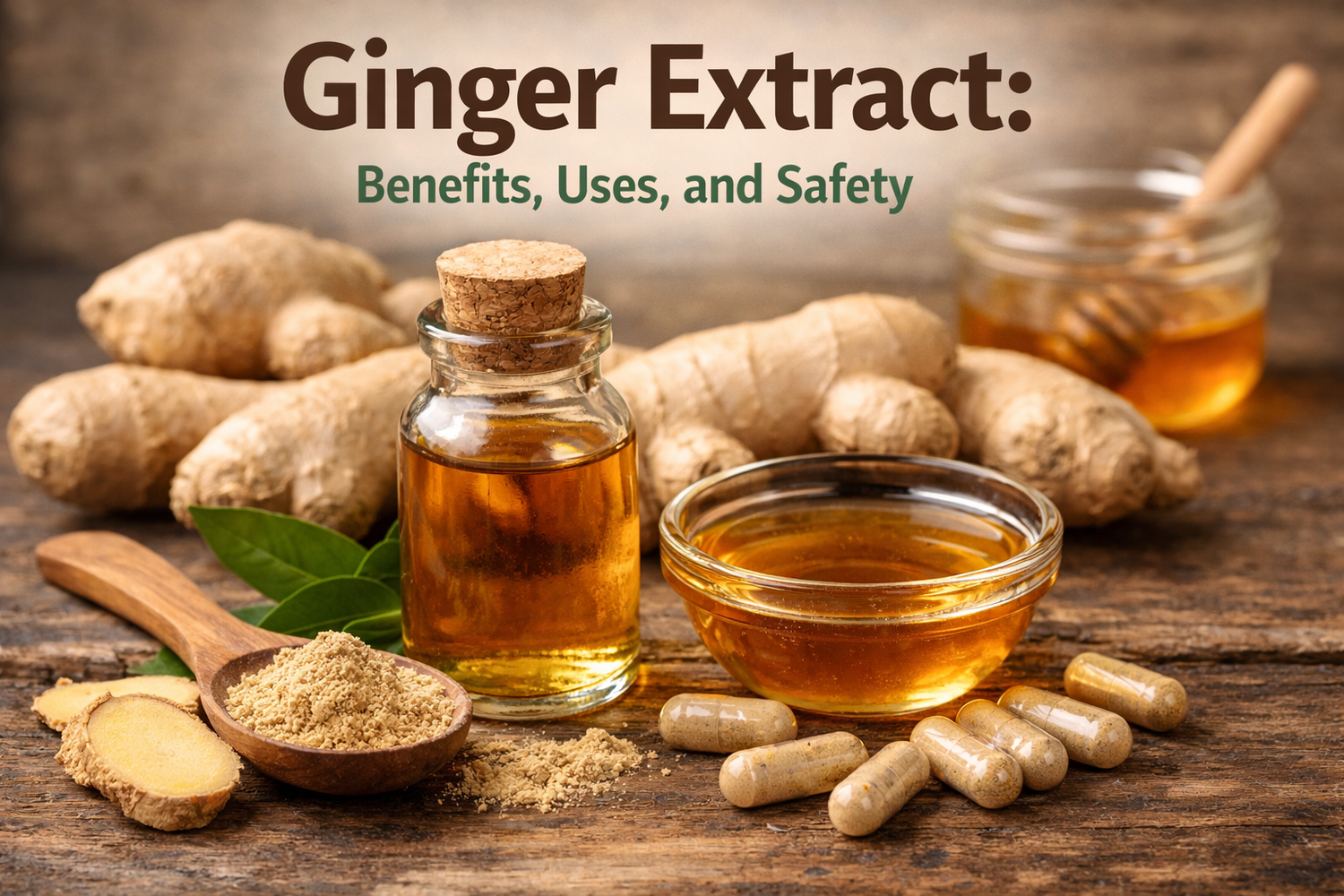
Open a spice drawer in almost any kitchen and there is a good chance a knobby piece of ginger root or a jar of dried ginger is hiding there. For centuries, this humble rhizome has been used from India to China to soothe an upset stomach, warm cold hands, and add a sharp, bright kick to food and drink. Today, that same plant is concentrated into ginger extract, a form that puts its most helpful compounds front and center.
Traditional healers used ginger for nausea, digestive discomfort, and aches long before anyone could name gingerol or shogaols. Modern research has now caught up, showing that key molecules in ginger support gastrointestinal motility, calm queasiness, and help manage inflammation and oxidative stress. Ginger is not only “good for the stomach” in a vague way—it works through clear, measurable actions in the gut and throughout the body.
Ginger extract takes those benefits and concentrates them, whether in a tincture, syrup, capsule, or carefully designed supplement blend. The details matter, though:
-
Extraction method changes which compounds dominate.
-
Dose and form change how the body absorbs them.
-
Combinations with other botanicals can change how ginger feels and functions.
In this guide, we will look at how ginger extract is made, what its main active compounds do, why it shines for digestion and absorption, and how it fits into advanced, clean formulations like those used by SLP1. By the end, it will be much easier to decide how ginger fits into a daily routine for better digestion, calmer inflammation, and even steadier sleep.
Key Takeaways
-
Ginger is a bioactive powerhouse with more than 400 natural compounds, including gingerol, zingerone, and shogaols. These molecules shape its spicy flavor and drive most of its researched actions, from digestive support to antioxidant protection. Different forms of ginger can feel different in the body because they shift the balance among these compounds.
-
When people talk about ginger for digestion or ginger for stomach comfort, they are usually feeling its effect on gastrointestinal motility. Ginger helps food move more smoothly through the stomach, eases nausea in settings like chemotherapy and pregnancy, and can reduce gas and bloating by cutting down on fermentation and trapped air in the gut.
-
Ginger extract also offers cellular protection thanks to strong antioxidant and anti-inflammatory properties. Its compounds help neutralize free radicals and modulate inflammatory pathways, which may support joint comfort, cardiovascular health, and healthy aging when used consistently over time.
-
The way ginger extract is made has a major impact on its chemistry. Cold alcoholic extraction keeps more gingerol and a clean, sharp flavor, while simmering in water shifts the profile toward sweeter, warmer zingerone and, with drying, toward more pungent shogaols. These differences influence everything from taste to potential effects.
-
Most experts favor whole food forms of ginger first—fresh, powdered, tea, and culinary use—because they deliver a balanced mix of compounds with strong safety and better regulation than many supplements. When ginger appears in supplements, quality control, third‑party testing, and thoughtful combinations (such as in SLP1’s sleep formulations) are key, especially at higher doses where drug interactions can appear.
Understanding Ginger Extract: The Science Behind the Rhizome
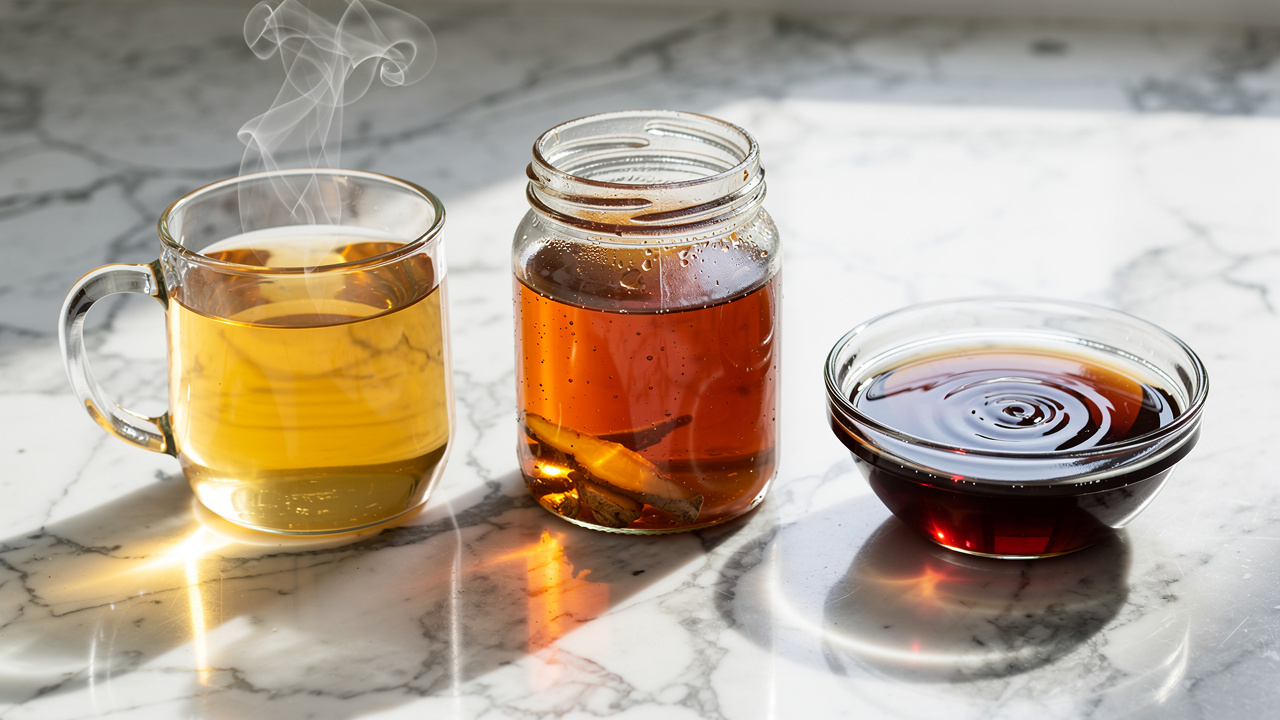
Ginger comes from the plant Zingiber officinale, a flowering species whose underground stem, or rhizome, is the part we slice, grate, or dry. This rhizome is firm and fibrous, with a pale yellow interior and a sharp, fragrant aroma that signals that it is rich in essential oils and other active molecules. In traditional systems of medicine, the rhizome is the part used to calm the stomach and warm the body.
When people talk about ginger extract, they are describing a concentrated preparation made from that rhizome. An extract pulls the key flavor and aroma compounds, along with many of the helpful phytochemicals, out of the tough plant fibers and into a form that is easier to use. That might be a liquid tincture, a syrup, a powdered extract, or a component inside a carefully formulated supplement.
The basic science behind any ginger extract is simple: the more surface area of the root that touches the extracting liquid, the more compounds move out of the plant. That is why recipes call for ginger to be chopped, grated, crushed, or bruised before soaking it in alcohol, water, or another solvent. The solvent then dissolves and carries away the desirable molecules, leaving most of the fiber behind.
Ginger is not a single‑chemical ingredient. Researchers have identified more than 400 compounds in the rhizome, and they work together in complex ways, as detailed in comprehensive systematic reviews of ginger's effects on human health. The choice of extraction method—cold alcohol, hot water, long simmer, dehydration—shifts the balance between these compounds. Some methods favor gingerol, others favor zingerone or shogaols. To make smart choices about ginger extract in the kitchen or in supplement form, it helps to know which molecules sit at the center of ginger’s effects, and that is where gingerol, zingerone, and shogaols come in.
The Active Compounds In Ginger: Gingerol, Zingerone, And Shogaols
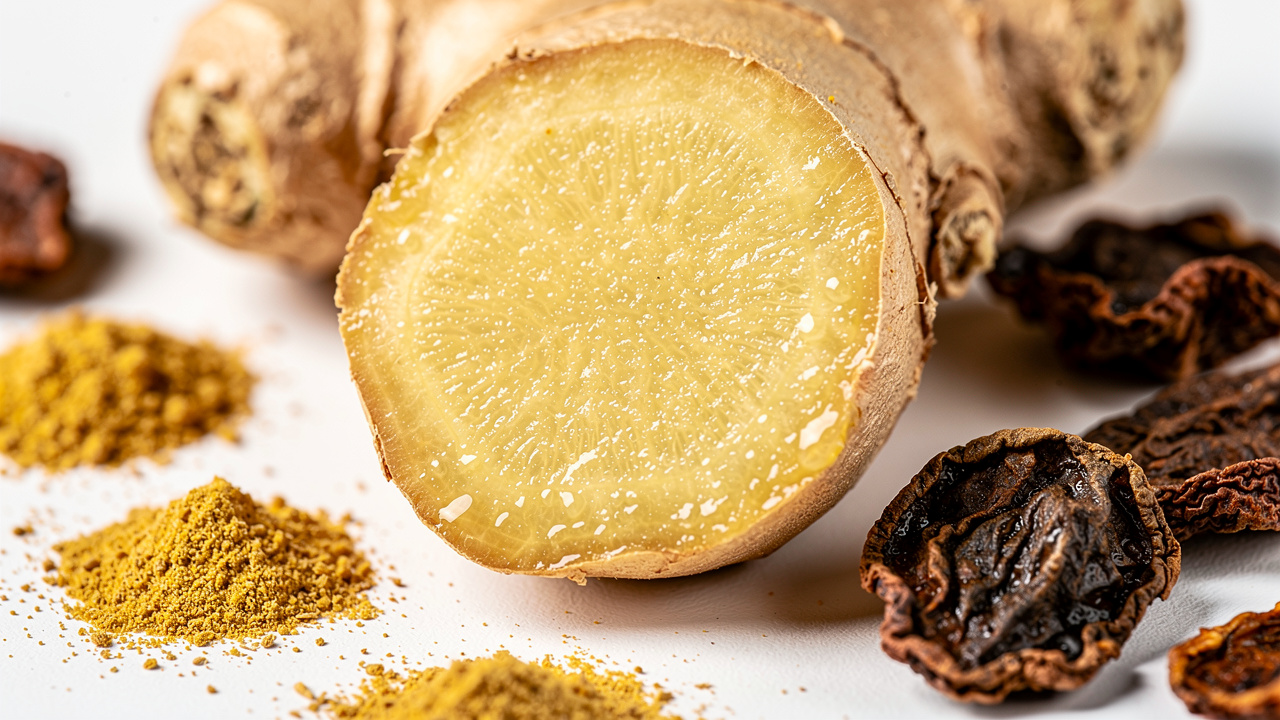
Ginger’s health effects are not magic. They come from a dense mix of phenols, essential oils, and related molecules packed into the rhizome. Among the hundreds of compounds present, scientists keep returning to three families that show up again and again in studies. Gingerol dominates in fresh ginger, zingerone appears when heat is involved, and shogaols rise as ginger is dried.
Together, these compounds define how ginger extract tastes and how it behaves in the body. They influence everything from the sharp “bite” of raw ginger to the warming sweetness of gingerbread. They also drive many of the digestive, antioxidant, and anti-inflammatory properties that make health‑minded people reach for ginger day after day.
A simple way to compare them:
|
Compound |
Mainly Found In |
Key Actions |
Flavor Profile |
|---|---|---|---|
|
Gingerol |
Fresh ginger, cold extracts |
Supports motility, antioxidant, anti-inflammatory |
Sharp, bright, spicy heat |
|
Zingerone |
Cooked ginger, decoctions |
Antioxidant, soothing digestive support |
Warm, spicy‑sweet, gentle |
|
Shogaols |
Dried ginger, aged extracts |
Strong antioxidant and anti-inflammatory actions |
Hotter, more persistent pungency |
Gingerol—The Primary Pungent Principle
Gingerol is the star of fresh ginger. It is an oily resin that lives in the rhizome and gives raw ginger its sharp, spicy kick. When you bite into a thin slice of fresh ginger, the immediate, bright heat you feel on your tongue is gingerol at work.
Beyond flavor, gingerol is one of the most studied compounds in ginger extract. In lab and animal research, gingerol shows strong antioxidant activity, meaning it can neutralize free radicals before they damage cells. It also interacts with inflammatory pathways, which may help explain ginger’s long history of use for aches and stiffness. Importantly for ginger for digestion, gingerol supports gastrointestinal motility—the coordinated squeezing and relaxing that moves food through the stomach and into the intestines.
When motility is sluggish, food lingers in the stomach, leading to heaviness, reflux, and bloating. By gently speeding gastric emptying, gingerol helps food move along at a healthier pace. That, in turn, cuts down on fermentation, gas, and discomfort. Gingerol, however, is sensitive to heat. As the rhizome is cooked or dried, its chemistry shifts, and gingerol becomes other compounds with new properties.
Zingerone—The Sweet, Cooked Derivative
Zingerone is what gingerol becomes when heat enters the picture. Through a chemical change that happens during cooking or simmering, gingerol rearranges into zingerone. This shift softens the bite of raw ginger and replaces it with a warmer, spicy‑sweet character. That is why a mug of long‑simmered ginger tea or a slice of ginger cake tastes gentle and cozy rather than sharply hot.
Even though zingerone feels milder on the tongue, it still offers meaningful biological activity. It carries antioxidant power and contributes to the overall anti-inflammatory profile of ginger extract. Compared to gingerol, zingerone has a different “shape” and may interact with different receptors, which is one reason cooked ginger can feel slightly different in the body. From a practical standpoint, this means heat‑based extraction methods—like syrups and decoctions—tend to be zingerone‑rich, with a flavor and action distinct from cold tinctures.
Shogaols—The Pungency Of Dried Ginger
Shogaols appear when ginger is dehydrated. As water is pulled out of the rhizome during drying, gingerols change again, giving rise to shogaols. These compounds are roughly twice as pungent as gingerols, which explains why dried ginger powder often tastes hotter and more lingering than the fresh root, even when used in small amounts.
Like gingerol and zingerone, shogaols show notable antioxidant and anti-inflammatory activity in research settings. Many ginger extract supplements and powdered spices contain higher levels of shogaols because of the way they are processed and stored. For daily use, this means fresh ginger and dried ginger are not interchangeable twins. They share core benefits but offer distinct sensory and possibly therapeutic profiles, which gives people flexibility when choosing the right form for their needs.
Ginger For Digestion: How It Supports Gastrointestinal Health
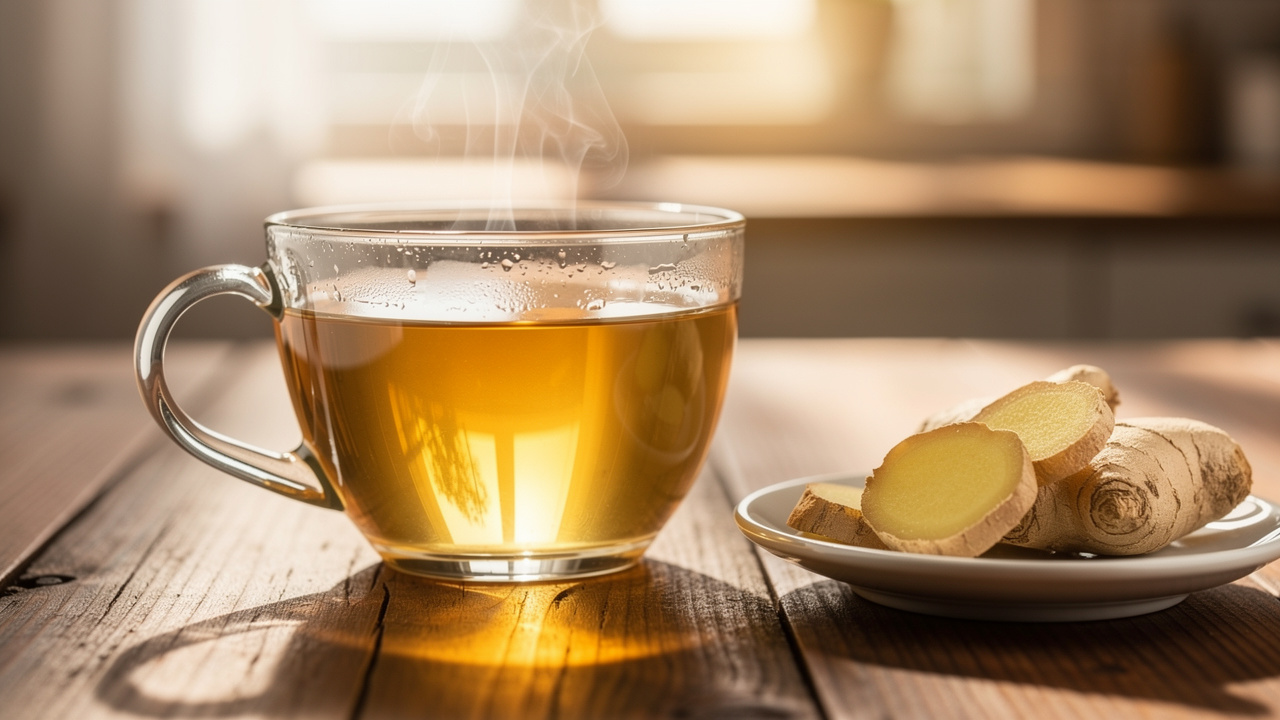
Of all ginger’s benefits, its impact on digestion may be the best known and best studied. Generations have turned to ginger for stomach cramps, queasiness, and that heavy, stuck feeling after a large meal. Modern clinical research reinforces this tradition, showing that ginger extract acts on key steps of digestion, from stomach emptying to gas clearance.
Rather than simply covering up symptoms, ginger addresses foundational aspects of how the digestive tract moves and processes food. This is one reason it shows up across so many settings—from morning sickness to motion sickness to everyday bloating.
Enhancing Gastrointestinal Motility For Efficient Digestion
Gastrointestinal motility is the term for the wave‑like muscle contractions that move food from the stomach through the intestines. When this movement slows, food stays in the stomach longer than it should. People often feel this as long‑lasting fullness, pressure under the ribs, sour reflux, or general discomfort after eating.
Gingerol, along with related compounds in ginger extract, appears to nudge this system back toward a healthier pace. Studies suggest that ginger can speed gastric emptying, meaning the stomach passes its contents into the small intestine more efficiently. With better motility, food does not sit long enough to ferment heavily, pressure from trapped contents drops, and digestion feels smoother.
For individuals dealing with functional dyspepsia or tendencies toward slow stomach emptying, this effect can make a noticeable difference. Using ginger for digestion support in meals, teas, or well‑designed supplements can turn a heavy, lingering meal into something the body handles more comfortably.
Powerful Nausea Relief Across Multiple Conditions
Ginger’s anti‑nausea reputation is not just folklore. Its effect on gastric motility, along with actions on the nervous system, gives it a steady record of helping with queasiness in several demanding settings. It does not simply “coat the stomach.” Instead, ginger extract helps the stomach empty, influences gut‑brain signaling, and calms some of the internal triggers that feed nausea.
In chemotherapy, nausea and vomiting can be exhausting side effects that erode appetite and quality of life. Clinical studies have found that ginger, used alongside standard medications, can reduce the intensity of post‑treatment nausea for many patients. It is not a cure, but it can take the edge off without adding more sedating drugs.
The American College of Obstetricians and Gynecologists (ACOG) recognizes ginger as a reasonable non‑drug option for nausea and vomiting during pregnancy when used at typical doses.
During pregnancy, ginger has long been used to ease morning sickness. ACOG’s stance reflects both its effectiveness and its safety profile at common amounts. Ginger is also commonly used for motion sickness and post‑surgical nausea, with a mix of research and real‑world experience supporting its role.
The National Center for Complementary and Integrative Health (NCCIH) notes that research supports ginger for several types of nausea, including pregnancy‑related and chemotherapy‑related nausea.
In practice, this means that ginger for stomach comfort can be as simple as:
-
Sipping strong ginger tea.
-
Chewing ginger‑rich candies or lozenges.
-
Using a measured ginger extract under the guidance of a clinician, especially in more serious settings like chemotherapy.
Alleviating Bloating And Intestinal Gas
Bloating and gas usually stem from slow digestion, fermentation of undigested food, and pockets of trapped air in the intestines. When food sits too long in the gut, bacteria have more time to ferment carbohydrates, releasing gas that stretches and distends the abdomen. Constipation and tight intestinal muscles can worsen this by making it hard for that gas to move along.
Ginger tackles these issues from several angles:
-
Speeds gastric emptying, so food spends less time fermenting in the upper gut.
-
Acts as a gentle carminative, helping intestinal muscles relax so gas passes more easily.
-
Supports overall motility, which reduces the chance that gas gets stuck in loops of bowel.
For people whose bloating flares with fermentable foods (often called FODMAPs), consistent use of ginger in meals, teas, or mild extracts can make that swelling, tight feeling much less common.
Ginger For Absorption: Bioavailability And Nutrient Synergy
Absorption is where many supplements rise or fall. It does not matter how impressive a label looks if the active compounds never make it from the gut into circulation. Bioavailability describes how much of a compound is absorbed and how quickly it reaches the places where it needs to act. For careful, research‑minded consumers, this is often the missing piece in supplement discussions.
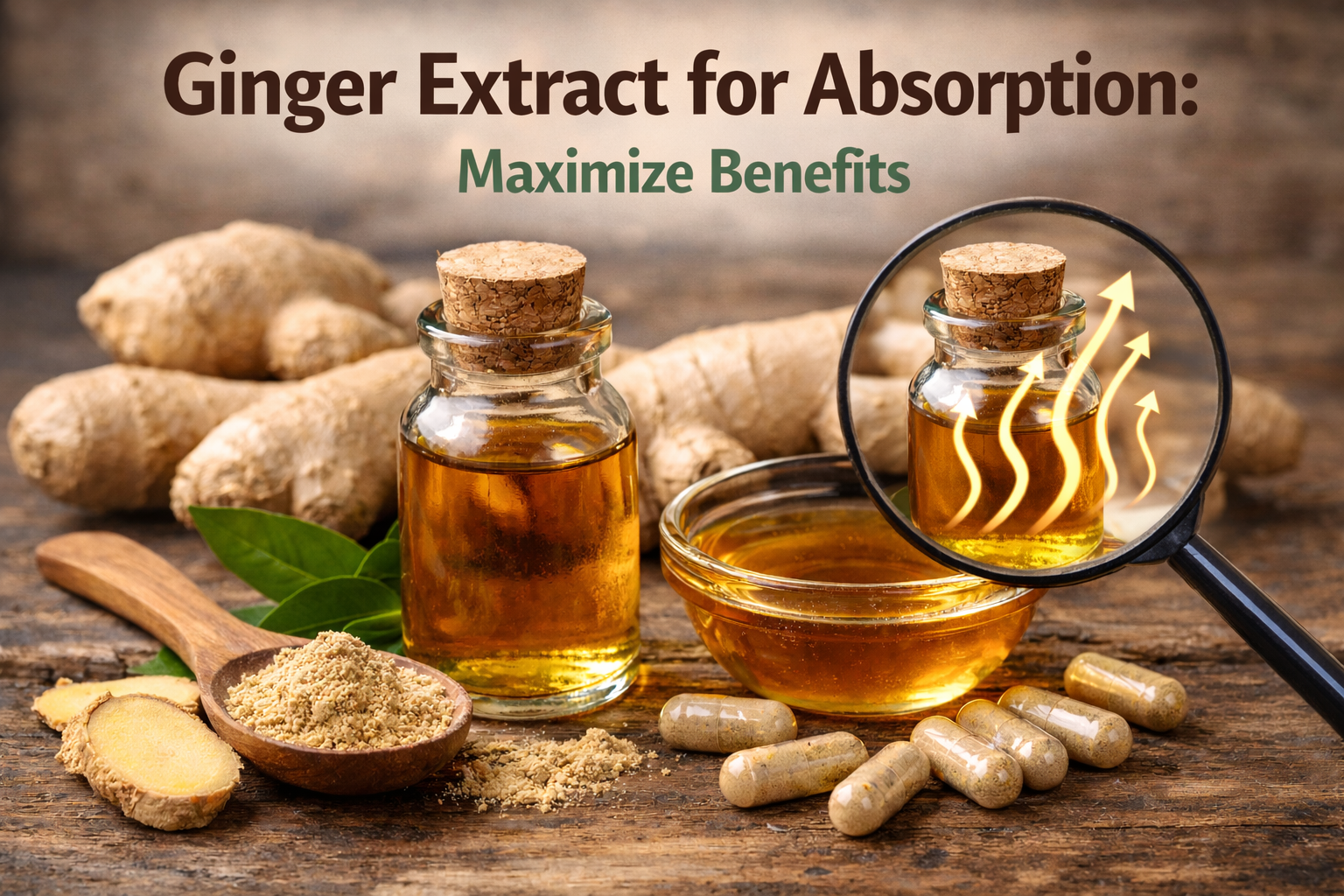
Ginger’s role in this story goes beyond its own direct effects. Emerging studies suggest that ginger extract can help other compounds be absorbed more effectively, particularly certain botanical antioxidants. This has big implications for how ginger is used in advanced formulations that aim for steady, reliable support rather than quick spikes.
Ginger's Role In Improving Compound Absorption
Laboratory and animal research has shown that ginger can increase the absorption of some plant compounds, such as green tea catechins. While the exact mechanisms vary, several themes appear:
-
By improving gut motility, ginger keeps food and supplements moving at a pace that gives the small intestine time to absorb nutrients without long periods of stagnation.
-
Ginger’s anti-inflammatory effects on the gut lining may help keep the intestinal barrier in a healthier state. A calmer, less irritated lining is better at absorbing helpful compounds while still protecting against unwanted ones.
-
Ginger may influence certain transporters and enzymes in the gut, shifting how quickly other molecules are moved across the intestinal wall or broken down.
This combination of actions makes ginger a helpful helper ingredient when paired with other botanicals. People often think of ginger for absorption in the sense of better nutrient uptake. In multi‑ingredient formulas, that can mean getting more out of ingredients like curcumin, green tea extract, or other polyphenols, even when doses are moderate.
Implications For Advanced Supplement Formulations
Modern formulation science pays growing attention to synergy: choosing ingredients that support one another through different pathways. Ginger fits this model well. Its own digestive and anti-inflammatory effects are valuable, but its support for absorption and gut comfort adds another layer of benefit to any blend.
Single‑ingredient supplements can be helpful in narrow situations, yet many people with complex needs—poor sleep, chronic stress, nagging pain—do better with combinations that address several mechanisms at once. Ginger can reduce physical discomfort, support smoother digestion, and help other compounds reach circulation more reliably. That frees the rest of the formula to do its work without being held back by an irritated, sluggish gut.
This is the approach SLP1 takes in its Serezin‑containing sleep formulas, where ginger extract appears alongside botanicals like Boswellia. In that setting, ginger helps ease the kind of background aches and digestive discomfort that keep people restless at night, while also supporting the absorption of other ingredients that act on neurochemical and metabolic pathways. The result is sleep support that feels natural and steady rather than like a sedative shove.
Anti-Inflammatory And Antioxidant Properties Of Ginger Extract
While digestion is the front door through which many people meet ginger, its benefits do not stop there, as research on ginger's nutritional implications demonstrates broader effects on inflammation and cellular health. Ginger extract carries a strong antioxidant profile and interacts with multiple inflammatory pathways. These actions speak to long‑term wellness, from joint comfort to cardiovascular health, and they matter for anyone aiming for sustainable energy and recovery.
Oxidative stress and chronic, low‑grade inflammation sit at the root of many chronic conditions. Botanical ingredients that quietly dial these processes down, day after day, can provide meaningful background support—especially when paired with sleep, nutrition, and activity habits that push in the same direction.
Potent Antioxidant Action Against Free Radicals
Free radicals are unstable molecules that form as normal byproducts of metabolism and from outside exposures like pollution, cigarette smoke, and UV light. When free radicals build up faster than the body can neutralize them, they attack cellular structures: fats in cell membranes, proteins, and even DNA. This imbalance, called oxidative stress, contributes to aging and increases the risk of conditions such as heart disease, neurodegenerative disorders, and some cancers.
Ginger extract is rich in phenolic compounds—including gingerol, shogaol, and zingerone—that act as antioxidants. These molecules can donate electrons to free radicals, stabilizing them before they damage nearby tissues. By doing so, they help keep oxidative stress in check. While no single food or herb can erase all free radical damage, steady intake of antioxidant‑rich plants gives the body more tools to manage these pressures.
Different forms of ginger concentrate slightly different antioxidant compounds:
-
Fresh ginger and cold extracts lean toward gingerols.
-
Heated and dried forms carry more zingerone and shogaols.
-
All three families show antioxidant activity.
This means people can mix and match forms—tea, food, carefully chosen supplements—to build daily protection. Over time, this quiet buffering effect supports healthier aging and more resilient cells.
Anti-Inflammatory Mechanisms And Chronic Disease Potential
Inflammation is the body’s natural alarm and repair system. Short bursts of inflammation help fight infection and heal injury. Problems arise when that system gets stuck in a “low burn” mode, staying switched on at a mild level for years. This chronic inflammation has been linked with arthritis, atherosclerosis, metabolic syndrome, and other long‑term conditions.
Compounds in ginger extract interact with several parts of the inflammatory cascade. Research suggests they can:
-
Reduce the production of pro‑inflammatory signaling molecules such as prostaglandins and leukotrienes by influencing enzymes like COX and LOX.
-
Lower certain cytokines that drive chronic inflammation.
-
Support antioxidant defenses that, in turn, reduce inflammatory triggers.
These actions resemble some of the pathways targeted by non‑steroidal anti‑inflammatory drugs, though ginger works through a broader mix of natural molecules.
Early human studies in people with osteoarthritis and rheumatoid arthritis show promising reductions in pain and stiffness when ginger is used consistently, with controlled trials examining the effects of ginger supplementation on markers of inflammation and functional capacity. Work is ongoing to better define doses, formulations, and who benefits most. What is clear is that ginger’s wide mix of compounds lets it touch several inflammatory levers at once, rather than locking onto a single target.
In SLP1’s sleep‑support formulas, ginger appears alongside strong anti-inflammatory botanicals such as Boswellia. Together, they help ease physical discomfort that can keep people tossing at night, while other ingredients support calming brain chemistry and circadian rhythm. This kind of multi‑pathway design reflects how ginger’s anti-inflammatory strengths fit into a bigger picture of rest and recovery.
Methods Of Ginger Extraction: How Processing Affects Quality And Potency
Not all ginger extracts are created equal. The solvent, temperature, and time used to pull compounds from the rhizome dramatically change what ends up in the final product. Some methods favor fresh, bright gingerol notes, while others lean into the mellow warmth of zingerone or the stronger punch of shogaols.
Despite these differences, every effective extraction starts the same way: by exposing more of the ginger’s interior to the solvent. Slicing, grating, crushing, or bruising the rhizome breaks cell walls and releases oils and phenols. From there, the choice between alcohol, hot water, or steam steers the final chemistry and flavor.
Steeping In High-Proof Spirits (Alcoholic Extraction)
Alcoholic extraction involves submerging sliced or grated ginger in a high‑proof spirit such as vodka and letting it sit at room temperature for weeks. Alcohol is excellent at dissolving essential oils and many of the phenolic compounds that give ginger its flavor and biological action. Because this method uses no heat, it preserves more gingerol and keeps the profile close to that of the fresh root.
The result is a clear, aromatic liquid with a clean, bright ginger flavor and less of the heavy, lingering heat seen in cooked preparations. This kind of ginger extract is often used as a tincture, added by the drop or teaspoon to beverages, or used in tiny amounts in sauces where a fresh top note is desired. It is gingerol‑rich, long‑lasting thanks to the alcohol, and highly concentrated, so small amounts go a long way.
Boiling Or Simmering (Syrup And Decoction)
Heat‑based extraction means simmering ginger in water, sometimes with sugar, for an extended period. As the mixture bubbles, cell walls break down and compounds flow into the liquid. At the same time, gingerol shifts chemically toward zingerone, softening the sharp edges of flavor and giving the liquid a warmer, spicy‑sweet character.
When sugar is added and the mixture is reduced, the result is a thick ginger syrup with an intense, hot‑sweet profile. Without sugar, the same technique yields a strong decoction or tea that many people use as a home remedy for colds and digestive upset. These preparations lean toward zingerone and related compounds. They feel soothing and cozy, but they spoil more quickly and, in the case of syrup, bring added sugar that needs to be considered in the overall diet.
Other Extraction Methods: Infusion, Cold Pressing, And Steam
Several other techniques fill out the ginger extraction toolbox:
-
Hot water infusion: Thin slices of ginger are covered with boiling water and left to steep for at least 10 minutes. This pulls out water‑soluble compounds and some oils, giving a lively, aromatic tea that is less concentrated than a long decoction but easy to make daily.
-
Cold water soaking with pressing: Finely grated ginger is soaked in cool water for hours, then squeezed through cloth or a press. Because there is no heat, the extract keeps more of the sharp gingerol profile found in raw ginger. It tends to be lighter in flavor and potency than alcohol tinctures but offers a very fresh taste that works well in chilled drinks.
-
Steaming or pressure cooking: Steam breaks down tissues and carries volatile oils into a condensate that can be collected. As with other heat‑based processes, this tends to favor compounds like zingerone.
Each method has trade‑offs in terms of concentration, flavor, and shelf life, which is why reading labels and understanding how a product was made matters for anyone choosing a ginger extract.
Forms Of Ginger Extract: Supplements, Powders, And Culinary Options
Because ginger is so versatile, it appears in almost every format a person could want: from whole fresh root and pickled slices to capsules and concentrated tinctures. Each form offers distinct pros and cons in terms of convenience, flavor, dose control, and quality oversight.
For many people, food forms of ginger provide a reliable base. Supplements and strong extracts can then be layered on in specific situations, such as during chemotherapy or as part of an advanced, well‑tested formula like those SLP1 designs.
Dietary Supplements: Capsules, Pills, And Liquid Tinctures
Ginger supplements usually come as capsules, tablets, or liquid drops. Capsules and pills often contain dried ginger powder or a standardized ginger extract with a stated percentage of gingerols or related compounds. These forms are tasteless and convenient, which makes it easy to reach higher daily intakes than most people would get from food alone.
Liquid tinctures based on alcohol or glycerin offer another path. They are highly concentrated and measured in drops or small spoonfuls. This makes dosing flexible and allows quick adjustments based on tolerance and effect. On the positive side, these supplement forms give precise control and portability.
However, they also sit in a less tightly regulated space than ordinary foods. Potency can vary widely from one product to another, and the actual gingerol or shogaol content may not match the label. That is why third‑party testing and transparent manufacturing, practices central to SLP1, are so important when using concentrated ginger extract.
Culinary And Beverage Forms: Fresh Root, Powder, Paste, And Tea
Culinary forms of ginger remain the foundation for most health‑conscious people:
-
Fresh ginger root: Brings the brightest, most complex flavor, with a profile dominated by gingerol. Grated or minced fresh ginger adds bite to stir‑fries, marinades, and sauces, and it can be steeped in hot water to make a powerful tea.
-
Dried ginger powder: As the root dries, gingerols shift toward shogaols, giving the powder a warmer, more persistent heat. It stores well when kept away from light and moisture and is ideal for baking, spice blends, and quick additions to smoothies or oatmeal.
-
Ginger paste: Usually made from finely minced or pureed ginger, sometimes with a bit of oil or salt, and stored in a jar or tube. It brings much of the fresh flavor without the prep and can stay in the fridge or freezer for months.
-
Ginger tea: Whether from commercial tea bags or homemade slices, ginger tea remains one of the easiest ways to use ginger for digestion and daily comfort.
Pickled ginger, often seen alongside sushi, adds a sweet‑tart accent while still delivering ginger compounds and potential probiotic benefits from fermentation. Commercial ginger ales and beers round out the list; they supply flavor and some benefits but often come with high sugar loads, so they are best treated as periodic treats rather than main sources of ginger.
A quick comparison:
|
Form |
Main Compounds Profile |
Advantages |
Considerations |
|---|---|---|---|
|
Fresh root |
Gingerol‑rich |
Bright flavor, versatile in cooking |
Needs peeling, chopping, short shelf life |
|
Dried powder |
Higher shogaols |
Shelf‑stable, easy to measure |
Hotter flavor, less fresh aroma |
|
Tincture |
Concentrated gingerols/oils |
Precise dosing, long shelf life |
Contains alcohol (unless glycerin‑based) |
|
Syrup |
Heat‑shifted to zingerone |
Great for drinks and desserts |
Adds sugar, shorter fridge life |
|
Capsules/tablets |
Standardized extract or powder |
Convenient, tasteless |
Quality varies by brand |
DIY Ginger Extract: Two Proven Home Recipes
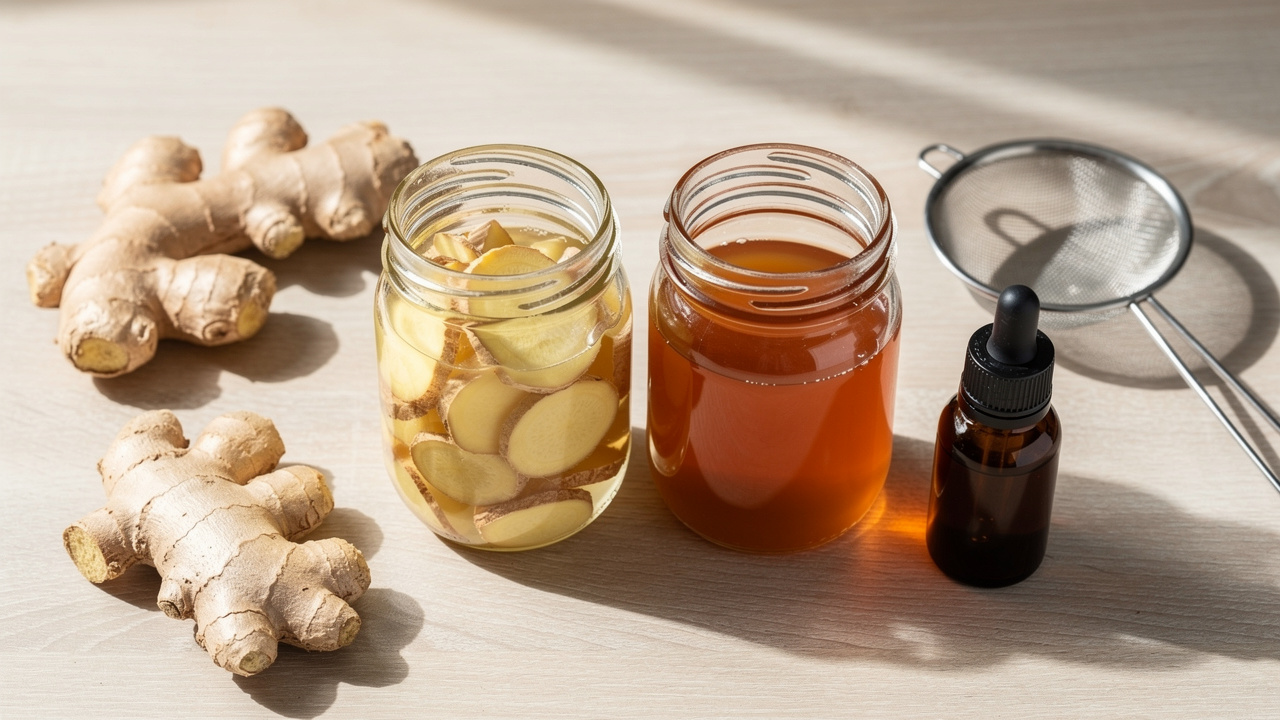
Making ginger extract at home gives complete control over ingredients, intensity, and flavor. For people who care deeply about clean inputs and clear processes, this can be more appealing than mystery blends on a store shelf. With a single fresh root, a basic kitchen, and a bit of time, it is possible to create both a bright tincture and a spicy‑sweet syrup.
The same principle guides both recipes. The ginger must be peeled and either finely sliced or well bruised to expose as much surface area as possible. From there, choice of solvent—alcohol or hot sugar water—sets the chemistry and taste of the final extract.
A helpful rule of thumb with herbs is, "Start low, go slow, and listen to your body"—this applies just as much to homemade ginger tinctures as to store‑bought formulas.
Recipe 1—Clean And Fresh Alcoholic Extract (Tincture)
For a gingerol‑rich tincture:
-
Use about 450 milliliters (just under two cups) of high‑proof vodka.
-
Add 45 grams (around one and a half ounces) of fresh ginger root.
This keeps to a helpful rule of roughly 0.1 gram of ginger for every milliliter of alcohol. Choose a clean, neutral spirit so the ginger aroma is not covered up.
-
Peel the ginger with the edge of a spoon or a small knife, then slice it as thinly as possible. Thin slices expose more interior surface and slip easily through the neck of a jar or bottle.
-
Place the slices in a clean glass container with a tight‑fitting lid and pour the vodka over them until they are fully submerged.
-
Seal the container and store it in a cool, dark cupboard. Shake it firmly at least twice a day to help fresh alcohol reach all parts of the ginger and speed up extraction.
-
After about two weeks, start tasting a drop or two. If a strong, fresh ginger flavor comes through, it can be left as is. If a more intense tincture is desired, let it steep up to six weeks, tasting along the way.
-
When the flavor is where you want it, strain the liquid through a fine sieve lined with a coffee filter, cheesecloth, or a brewing bag to catch all fibers.
-
Transfer the clear ginger extract to a dark glass bottle and store it away from heat and light.
The alcohol acts as a natural preservative, so this tincture keeps its flavor and potency for many months.
Recipe 2—Spicy And Sweet Syrup Extract
For a heat‑based extract with a rich, spicy‑sweet profile, combine:
-
500 milliliters (just over two cups) of water
-
50 grams of fresh ginger
-
100 grams (about half a cup) of granulated sugar
This mixture produces a concentrated syrup ideal for drinks and dessert recipes.
-
Peel the ginger, then bruise it firmly with a rolling pin, meat mallet, or the flat side of a large knife. The goal is to crush the fibers enough to open them up without shredding the ginger into tiny bits that will be hard to strain.
-
Place the bruised pieces and the sugar into a saucepan.
-
Pour in the water and bring the mixture just to a simmer over medium heat.
-
As it simmers gently, stir from time to time and let it cook for 30 to 45 minutes. The liquid will slowly reduce to about half its starting volume, turning a deeper golden color while the ginger softens and becomes slightly mushy.
-
When that point is reached, take the pan off the heat and let the liquid cool fully.
-
Strain the cooled syrup through a fine sieve to remove all ginger solids, then pour the finished extract into a clean jar or bottle and keep it in the refrigerator.
Because this ginger syrup contains water and sugar but no strong preservative, it is best used within two to three days. Its bold, hot‑sweet flavor works beautifully as:
-
A base for homemade ginger ale.
-
A drizzle over yogurt and fruit.
-
A glaze brushed on roasted vegetables or meats.
The cooked ginger pieces can be saved and chopped into stir‑fries or baked goods for an extra punch of flavor.
How To Use Ginger Extract For Health, Flavor, And Performance
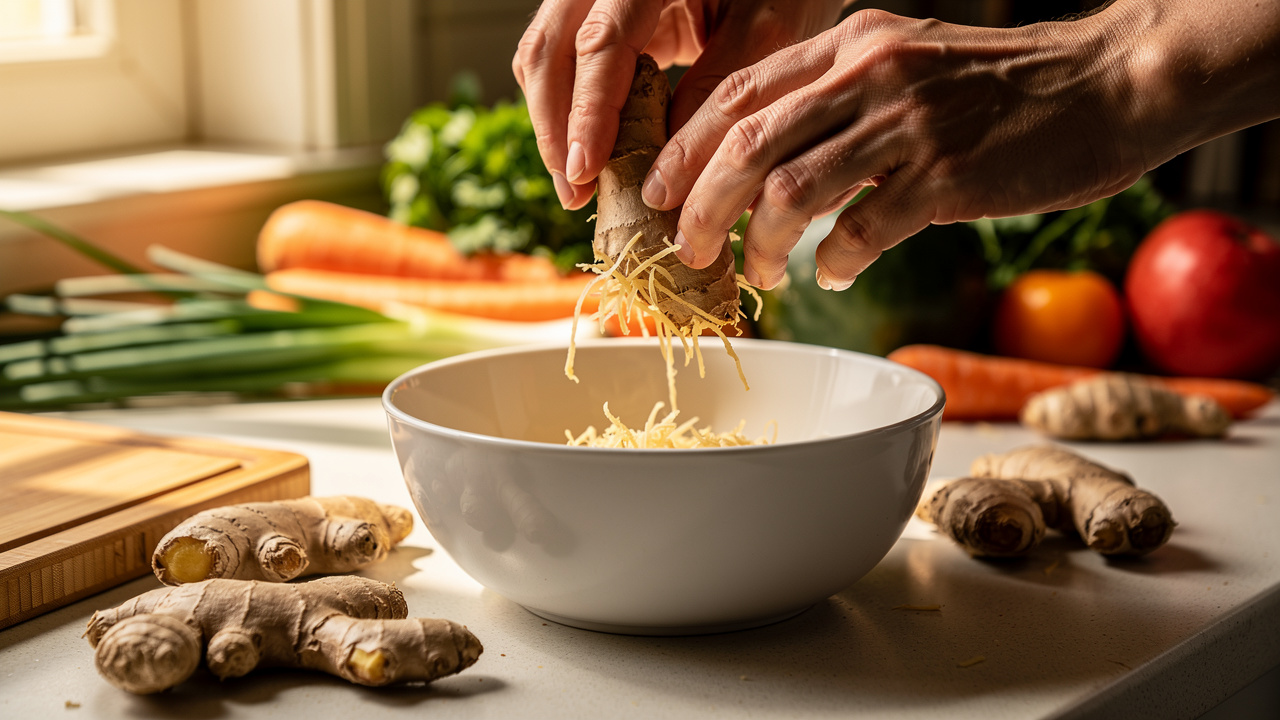
Knowing the science behind ginger is helpful, but daily habits are where the benefits show up. Ginger can slide into meals, drinks, and supplement routines with very little effort, adding flavor and functional support at the same time. For people focused on sleep quality, mental clarity, and steady performance, consistent, moderate use matters more than occasional heavy doses.
Culinary Applications For Health And Flavor
In the kitchen, ginger acts like a bright, sharpening tool. Its zesty notes cut through fatty or very sweet dishes, helping them feel lighter on the palate and often in the stomach. Adding freshly grated ginger to stir‑fries, curries, and broths brings a warm, aromatic layer that pairs well with garlic, scallions, and citrus.
Ginger powder fits easily into baking and breakfast. It is a core spice in gingerbread, cookies, and many fall or winter desserts. Mixed into oatmeal, smoothies, or homemade granola, it adds both flavor and a small daily dose of supportive compounds. Ginger paste offers quick flavor in marinades for fish or poultry, grain salads, and sautéed vegetables when there is no time to peel or chop.
Homemade ginger syrup and tinctures extend these options. For example:
-
A spoonful of syrup can coat roasted carrots or squash, turning simple vegetables into something special while supporting digestion.
-
A dash of alcoholic ginger extract stirred into a sauce or dressing right before serving adds a fresh, high‑note aroma that cooked ginger alone cannot provide.
Beverage Applications And Dosing For Wellness
Drinks are one of the easiest ways to use ginger for digestion and general wellness. A basic fresh ginger tea starts with three to five thin slices of peeled root placed in a mug. Pour a cup of boiling water over the slices, cover the mug, and let it steep for at least 10 minutes. Covering helps keep the volatile oils in the cup instead of letting them drift away with the steam. A squeeze of lemon or lime and a small amount of honey round out the flavor for many people.
Ginger syrup or tincture turns plain liquids into functional drinks with little effort:
-
Stir a quarter to half a teaspoon of syrup into sparkling water for a homemade ginger soda where sugar levels are under full control.
-
Add a few drops of tincture to herbal tea or a smoothie for a fresh ginger accent without changing volume much.
Because extracts are concentrated, it is wise to start with very small amounts and adjust slowly.
For targeted stomach support, studies often use ginger doses around one to one and a half grams per day, spread through the day. That may equal roughly:
-
About a quarter teaspoon of fresh grated ginger or
-
About one‑eighth teaspoon of dried powder several times per day
Exact conversions vary by how finely the ginger is chopped and how densely it is packed. As with most botanicals, using ginger for digestion works best when intake is steady and moderate rather than sporadic and very high. Paying attention to how the body responds and adjusting accordingly is more helpful than chasing a single “perfect” dose.
Ginger Extract Supplements: Evaluating Quality And Necessity
With so much interest in natural health tools, ginger extract has become common in capsules and liquid supplements. For many shoppers, this raises fair questions. Is a pill better than tea or cooking? How can someone tell if a ginger supplement is worth the price? And when does it make sense to go beyond food?
Health experts from respected institutions often suggest a simple rule: start with whole food sources, then add supplements only if there is a clear reason.
The Case For Whole Food Sources Over Isolated Supplements
Food‑based ginger sources come with several clear advantages. Fresh root, dried powder, tea, and pickled ginger deliver the full spectrum of more than 400 compounds, not just one or two isolated molecules. These compounds appear to work together in ways that are hard to copy in a lab, supporting digestion, antioxidant defenses, and inflammation control in a balanced fashion.
Culinary amounts of ginger fall well within known safety ranges for almost everyone. Using ginger in recipes and beverages means doses are naturally spread out and tied to meals, which can be gentler on the stomach than swallowing large capsules all at once. Foods are also subject to stricter safety and labeling standards than many supplements, reducing the risk of hidden contaminants or mislabeled ingredients.
There is also the simple pleasure factor. Working ginger into meals and drinks turns health support into part of daily life rather than another chore. For most people seeking better digestion, mild joint comfort, or general antioxidant support, this food‑first strategy works very well. Higher‑dose supplements may still have a place in specific settings, such as severe nausea during chemotherapy or pregnancy, but those situations call for medical guidance.
Critical Concerns With The Supplement Industry
The supplement market, including ginger products, operates under looser rules than the pharmaceutical world. In the United States, the Food and Drug Administration does not review supplements for safety, effectiveness, or purity before they reach store shelves. Instead, action usually comes only after adverse events are reported.
This gap leaves room for real problems. Some ginger extract supplements may contain far less active compound than their labels claim, while others may contain more. Potential issues include:
-
Contamination with heavy metals, pesticides, or undeclared herbs when raw materials and factories are not carefully monitored.
-
Fillers, binders, and allergens added without clear labeling.
-
Actual gingerol or shogaol levels drifting from batch to batch.
High doses add another layer of concern. Concentrated supplements often deliver far more ginger than anyone would reasonably eat in a normal diet. That can increase both the chances of benefit and the chances of side effects or drug interactions. These issues are not specific to ginger; they reflect broad challenges across the supplement space.
Choosing High-Quality Supplements: Third-Party Verification
For people who still choose or need a ginger supplement, quality checks are non‑negotiable. Marketing language alone is not enough, because every company has an incentive to present its product in the best light. Independent testing offers a more solid foundation.
Look for:
-
Third‑party seals from organizations such as NSF International, U.S. Pharmacopeia (USP), or ConsumerLab.com, showing that a supplement has been tested for potency and screened for many common contaminants.
-
Transparent labels that list all active and inactive ingredients, with clear doses and no vague “proprietary blends.”
-
Reasonable claims, avoiding products that promise overnight results or sweeping cures.
SLP1, for example, builds its formulas with third‑party testing and clean, clearly disclosed ingredients, using ginger extract as part of an integrated design rather than a stand‑alone gimmick.
Safety, Side Effects, And Drug Interactions Of Ginger Extract
Ginger has a long track record of safe use in food. For most healthy adults, adding fresh or dried ginger to meals and drinks is a low‑risk way to support digestion and general well‑being. Problems are more likely to appear when doses climb far above typical culinary levels, especially through concentrated ginger extract supplements.
Side effects at high doses can include heartburn, loose stools, general stomach discomfort, or irritation in the mouth. These reactions are usually mild and fade when intake is reduced or stopped. More serious concerns involve ginger’s effects on blood clotting and blood sugar when combined with certain medications. For that reason, people with specific medical conditions or those taking blood thinners or diabetes drugs should be cautious and speak with a clinician before starting strong ginger supplements.
General Safety In Dietary Amounts
For the general population, using ginger in ordinary cooking and beverages is considered safe and beneficial. Fresh slices in tea, a teaspoon of grated ginger in a stir‑fry, or a sprinkling of powder in baking add up to levels that the body handles easily. Research and long cultural experience both support this everyday use.
At higher intakes, more care is wise. Ginger may have a mild anti‑platelet effect, meaning it can slow blood clotting somewhat. Taken together with prescription blood thinners like warfarin, aspirin, or clopidogrel, this could, at least in theory, increase the risk of bruising or bleeding. Large ginger doses may also influence insulin release and blood sugar, which matters for people managing diabetes with medication.
People who should talk with a healthcare professional before using high‑dose ginger extract include:
-
Anyone with a bleeding disorder.
-
Those taking anti‑coagulant or anti‑platelet drugs.
-
Individuals with diabetes on medication.
-
Pregnant people considering strong ginger supplements rather than food‑level use.
In practice, these groups should limit themselves to culinary amounts of ginger unless a healthcare provider recommends otherwise. This kind of thoughtful, informed use fits well with SLP1’s emphasis on long‑term, sustainable wellness rather than quick, high‑dose fixes.
Conclusion
Ginger is far more than a pleasant spice. From its sharp, gingerol‑rich fresh root to the mellow warmth of zingerone and the stronger kick of shogaols, it offers a wide toolkit for supporting digestion, calming nausea, buffering oxidative stress, and easing low‑grade inflammation. The way it is prepared—tea, syrup, tincture, capsule—shapes not only flavor but also which compounds dominate and how they may act in the body.
For health‑conscious professionals and careful supplement users, this means two practical things:
-
Building a base of whole‑food ginger through cooking and drinks is a smart, safe way to support the gut, which then supports everything from immunity to sleep quality.
-
When concentrated ginger extract is used, it should come from brands that respect biology, dose carefully, and test thoroughly.
That is the lens SLP1 brings to its Serezin‑containing sleep formulas, where ginger appears not as a token, trendy ingredient but as a purposeful part of multi‑pathway support. By easing pain and digestive discomfort and helping other compounds be absorbed more effectively, ginger helps clear the physical obstacles that stand between the body and deep, restorative sleep. Whether used in the kitchen or as part of a carefully crafted formula, ginger earns its long‑held place as one of the most valuable plants for daily wellness.
FAQs
Is Ginger Extract Safe To Take Every Day?
For most healthy adults, using ginger daily in food and drinks is considered safe. Adding fresh ginger to meals, drinking ginger tea, or using small amounts of powdered ginger provides gentle, ongoing support for digestion and antioxidant defenses. Problems are more likely when people take large doses of concentrated ginger extract, especially in supplement form, for long periods. Anyone with a bleeding disorder, on blood thinners, or managing diabetes with medication should talk with a healthcare provider before using high‑dose ginger products every day.
How Much Ginger Extract Should I Use For Digestion?
For general digestive comfort, many studies use the equivalent of one to one and a half grams of ginger per day, divided into several servings. That might look like strong ginger tea with meals, or small amounts of ginger extract spread through the day rather than taken all at once. Because tinctures and capsules vary in strength, it is important to follow product instructions and start at the lower end of any suggested range. If discomfort eases at a modest dose, there is rarely a need to push higher.
Can Ginger Extract Keep Me Awake At Night?
Ginger is not a stimulant in the way caffeine is, so it does not act like a cup of coffee. Most people can drink ginger tea in the evening without feeling wired. In fact, by easing stomach heaviness and some types of pain, ginger often helps the body relax into sleep more easily. That said, very spicy preparations or large doses of ginger extract taken right before bed could cause heartburn or an over‑warm feeling in some people, which may disturb rest. Using moderate amounts earlier in the evening tends to work best.
How Does SLP1 Use Ginger Extract In Its Sleep Formulas?
SLP1 includes ginger extract in its Serezin‑containing sleep formulas as part of a broader, synergistic design. Ginger’s gentle pain‑relieving and anti-inflammatory properties complement ingredients like Boswellia, helping to reduce physical discomfort that keeps people awake. Its support for digestion and absorption also helps other botanicals in the formula reach their targets more effectively. In clinical use of these blends, participants have reported large gains in how quickly they fall asleep, how deeply they sleep, and how refreshed they feel on waking—changes that reflect the combined work of ginger and its partner ingredients rather than any one compound alone.


Leave a comment
This site is protected by hCaptcha and the hCaptcha Privacy Policy and Terms of Service apply.