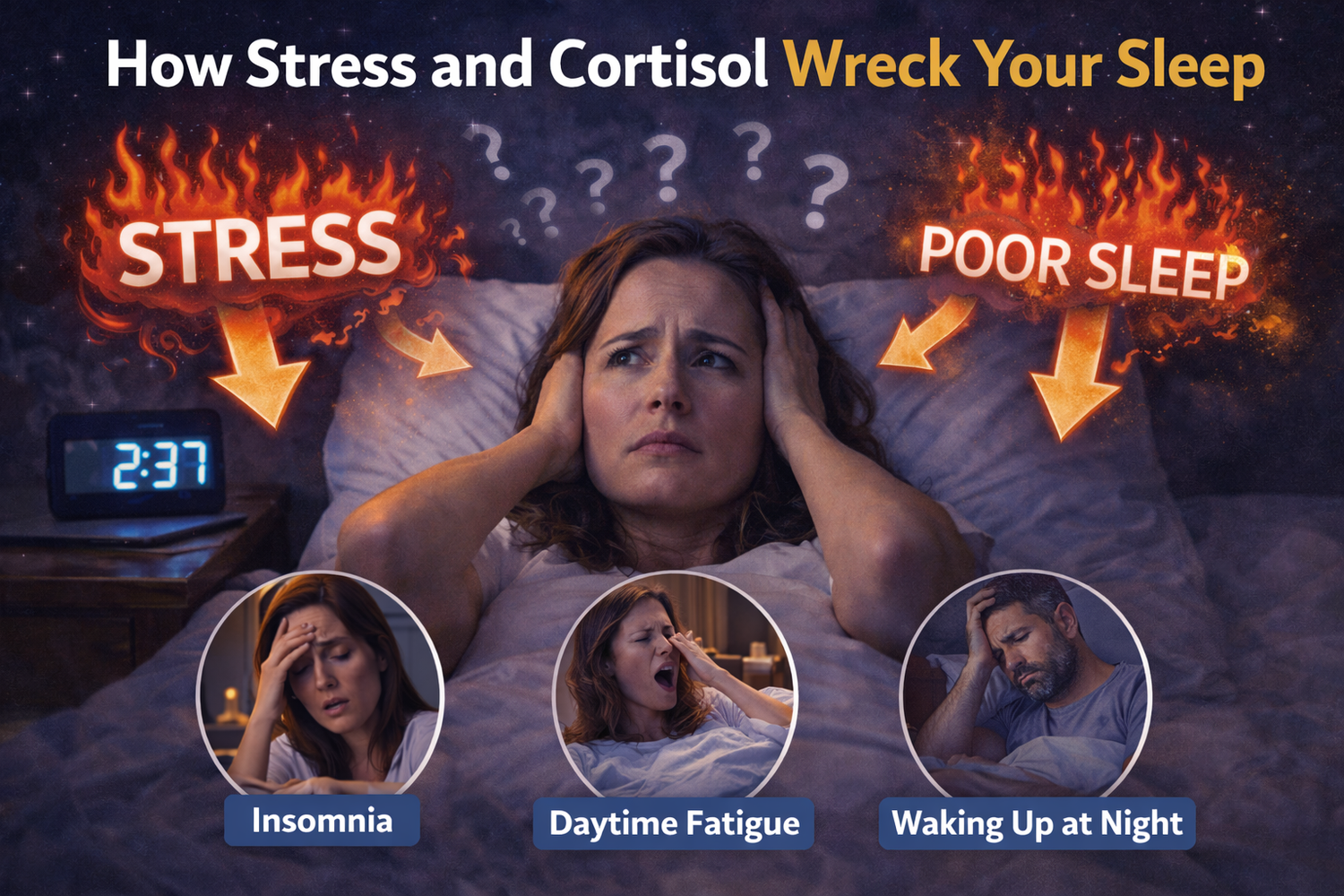
How Stress And Cortisol Wreck Your Sleep
Introduction
When the house is quiet and the clock says you should be asleep, your brain often has other plans. You lie there exhausted, body heavy, yet thought after thought lines up like emails in an inbox. Tomorrow’s meetings, family plans, finances, that thing you forgot to do earlier — they all crowd your mind just when rest should begin.
That frustrating gap between tired and asleep is where stress and sleep collide for many people. Surveys show that about forty‑three percent of American adults say stress has kept them lying awake at least once in the past month. Most only feel the surface of the problem — the racing mind and tight chest — without seeing the hidden hormones and brain circuits that keep the body stuck in alert mode.
At the center of this story sits cortisol, the main stress hormone. Cortisol is designed to keep you alive in an emergency, raising heart rate, blood pressure, and focus so you can react fast. When it stays high into the evening, though, it blocks melatonin, keeps your nervous system revved, and turns bedtime into another stress event.
That is how a vicious loop starts. Stress disrupts sleep, poor sleep raises cortisol and makes stress feel even bigger the next day, and soon nights and days begin to blur. This guide walks through how stress, cortisol, and sleep are connected, what makes some people more vulnerable than others, and which research‑backed steps can help you calm this system down. Instead of quick fixes or heavy sedatives, the focus here is on restoring the natural rhythm of your body so you can fall asleep more easily, stay asleep, and wake with real energy again.
“It’s not stress that kills us, it is our reaction to it.”
— Hans Selye, physician and stress researcher
Key Takeaways
Before diving into details, it helps to see the big picture of how stress, cortisol, and sleep interact. These points summarize what research shows and what you can act on quickly.
-
Even slightly raised evening cortisol keeps your body on alert and pushes back melatonin release. That delay makes falling asleep much harder.
-
Short sleep acts as a stress signal for the brain. The next day cortisol runs higher, feeding the same stress‑and‑sleep problem again at night.
-
Some people have a more sensitive sleep system. Genetics and past stress shape this sleep reactivity. If it runs high, family history can raise risk three to seven times.
-
Racing thoughts and a pounding heart at night are not personal failure. They show a state of hyperarousal, where stress circuits are stuck in fight‑or‑flight mode.
-
Programs that support rhythm, cortisol balance, the nervous system, and mindset together work better than a single pill. Research on combined methods reports improvements for about seventy percent of people. Taking key nutrients in the evening window lines up support with your natural wind‑down.
Understanding The Stress Response: Your Body's Ancient Alarm System
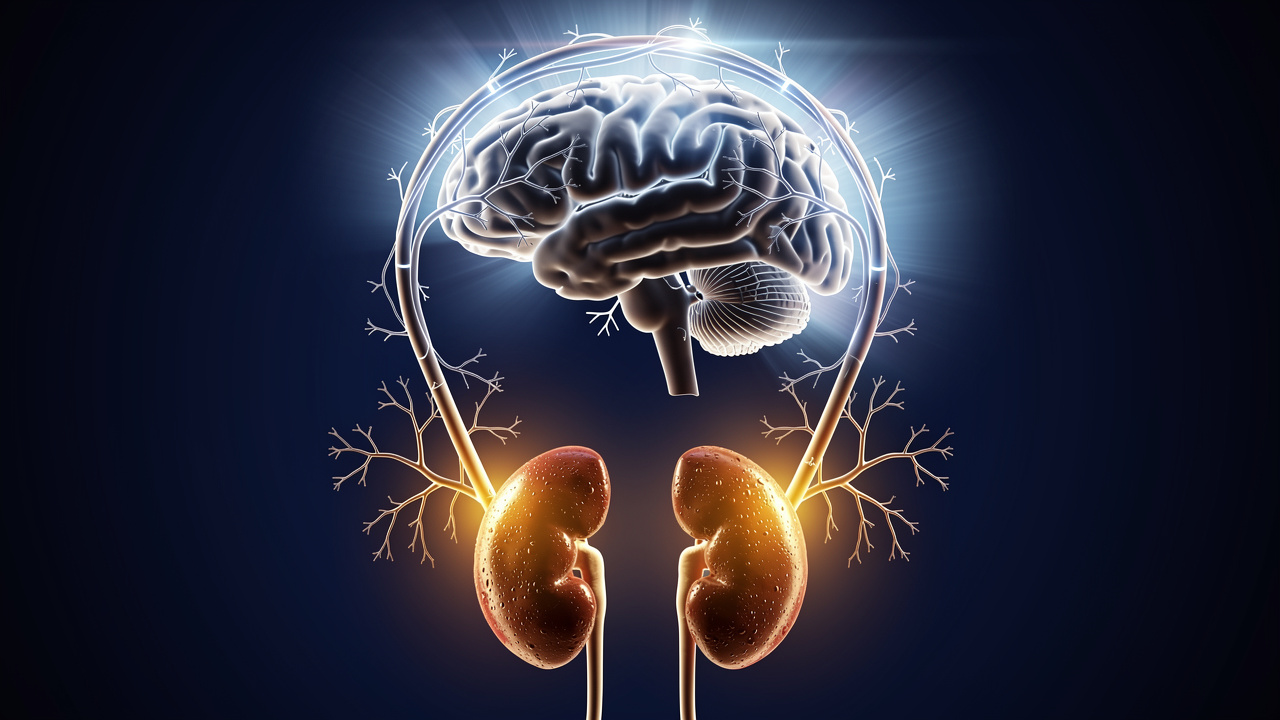
Your body has a built‑in alarm system that kept early humans alive when danger was real and close. When the brain senses a threat — real or imagined — it sends a signal through the hypothalamus to the pituitary and adrenal glands, a chain called the HPA axis.
When the HPA axis fires, the adrenal glands release cortisol and adrenaline:
-
Heart rate climbs
-
Blood pressure rises
-
Stored sugar moves into the blood for fast fuel
-
Senses sharpen and muscles tense
-
The mind locks onto the problem in front of you
For a short burst, this stress response is exactly what keeps you safe.
That same alarm now fires for very different reasons. A tense email from a manager, a buzzing phone late at night, a bill that hits the account, or a fight with a partner all register as threats to the modern brain. The HPA axis does not distinguish between a lion and a calendar packed with deadlines. Each perceived threat brings the same chemical wave, usually with cortisol leading the way. If there were only one or two of these spikes each week, the system would settle again without much trouble.
Problems begin when stress becomes chronic instead of brief. Many people live in a state of low‑level worry all day, with only short breaks between pings, meetings, and tasks. Cortisol never fully returns to its baseline, so the body stays half ready for action, even when someone thinks they are resting on the couch. Over time, this constant activation wears on blood vessels, digestion, mood, and of course sleep. The stress response that once appeared only in a crisis slowly becomes the default setting.
Sleep asks for the exact opposite state: a calm nervous system, loose muscles, and drifting thoughts. When the alarm system stays active into the evening, the body cannot easily cross that line into deep rest. The result is the familiar pattern of feeling exhausted yet unable to settle. Understanding how this ancient alarm works is the first step in changing how stress and sleep interact in daily life.
How Cortisol Controls Your Sleep-Wake Cycle (And What Goes Wrong)
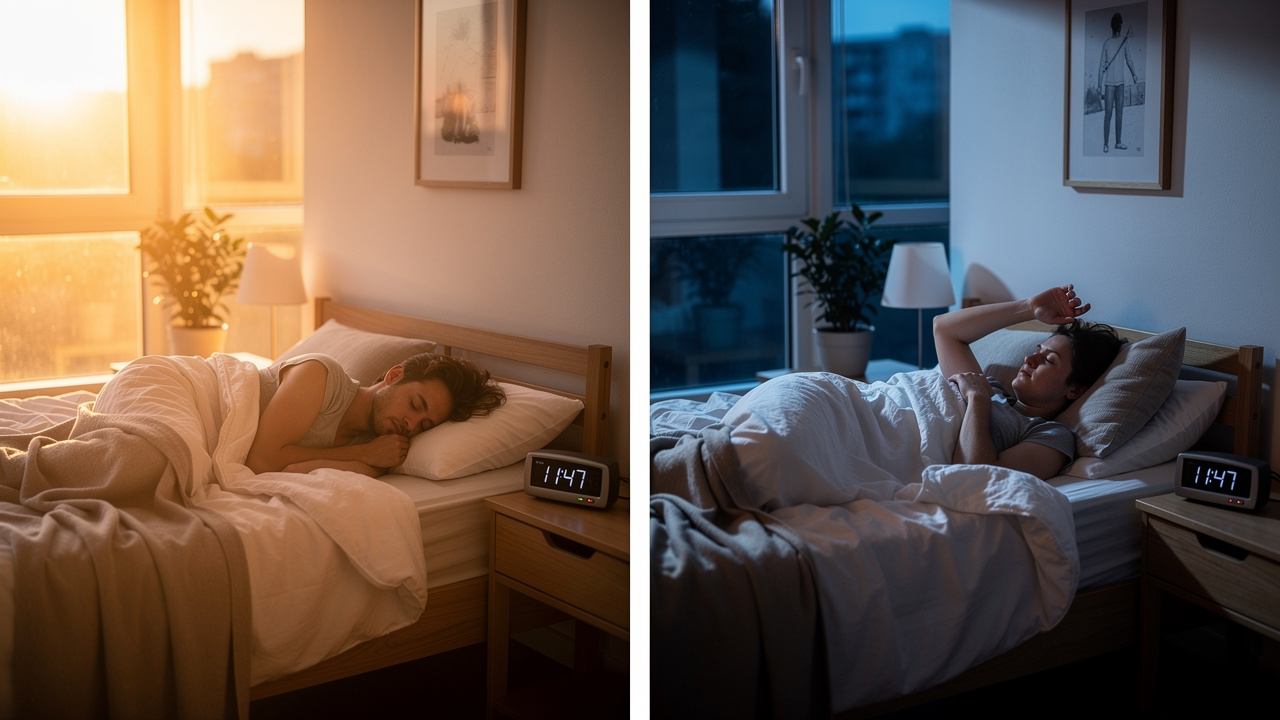
Cortisol follows a daily rhythm that should roughly match the sun. Levels peak within the first hour after waking — a pattern called the cortisol awakening response — which helps you feel alert and ready to move. From there, cortisol slowly declines across the day, with a small bump around lunchtime, then drops to its lowest point a few hours after you fall asleep. When the curve looks like this, both cortisol and sleep support each other.
Melatonin moves in the opposite direction. As evening light fades, the brain releases melatonin to signal that it is time to rest, and normal low cortisol allows that signal to land. When stress pushes cortisol higher at night, the hormone blocks melatonin release and blunts its effect on brain cells. The two work like opposite ends of a see‑saw, and chronic stress keeps the cortisol side pushed down. This is one of the main reasons why cortisol and sleep are so tightly linked.
A simple way to picture the difference:
|
Time Of Day |
Cortisol (Ideally) |
Melatonin (Ideally) |
What You Feel |
|---|---|---|---|
|
First Hour Awake |
High |
Low |
Alert, focused |
|
Afternoon |
Moderate, gently dropping |
Low |
Steady energy |
|
Evening |
Low |
Rising |
Sleepy, winding down |
|
Night (After Sleep) |
Lowest point |
High |
Deep, continuous sleep |
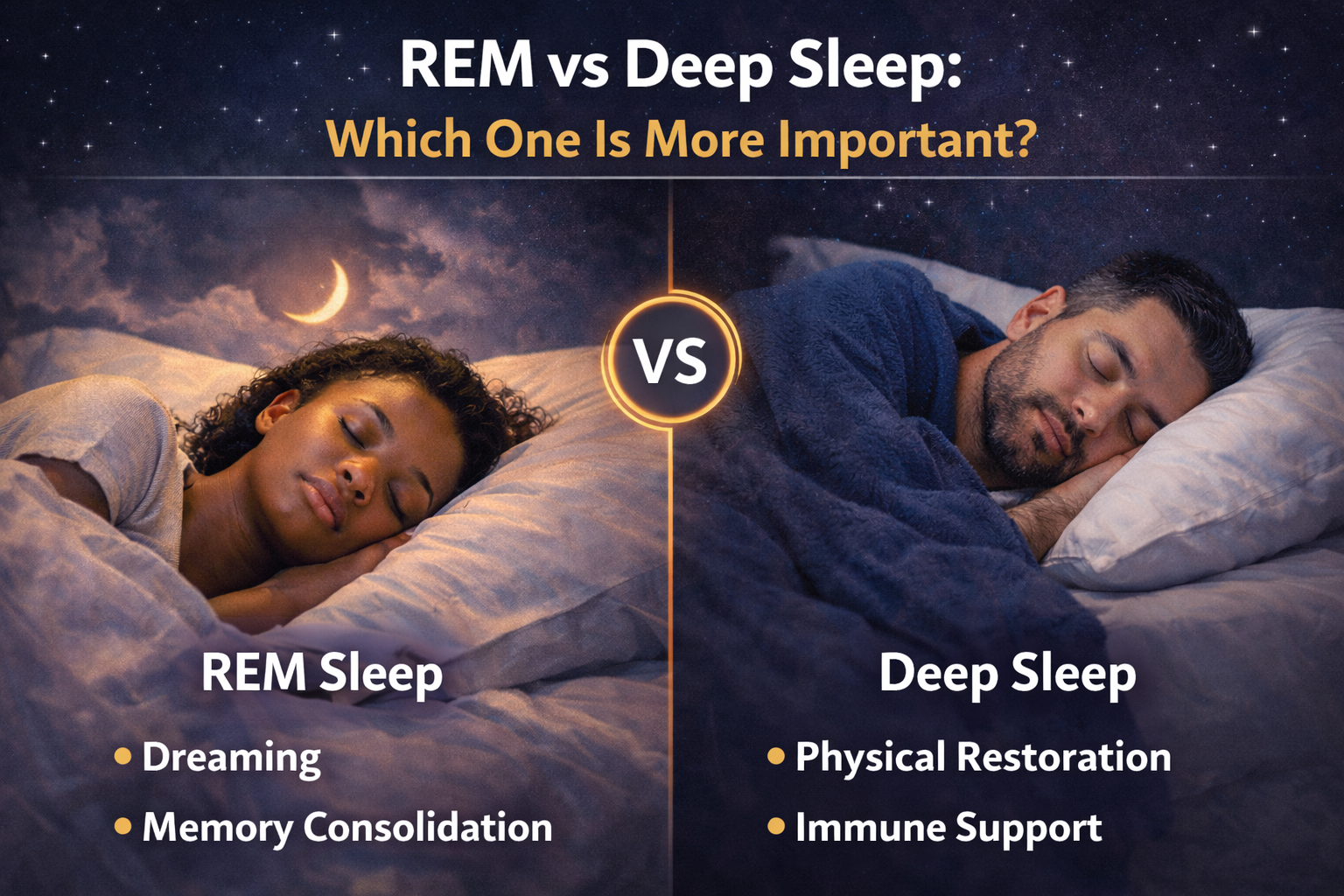
Studies show that even moderate stress can raise evening cortisol by more than a third compared with calm days. People with this pattern often take far longer to fall asleep; one laboratory study found that those with high night cortisol needed about forty‑seven extra minutes to drift off. Elevated cortisol also changes sleep architecture, the pattern of stages across the night:
-
Deep slow‑wave sleep shortens
-
Light stages and brief awakenings increase
-
REM sleep can become fragmented
You may not remember each awakening, yet you wake up feeling as if you never fully sank into rest.
Over time, this pushes the HPA axis toward dysregulation. The link between improvement in sleep and depressed mood has been explored through the role of repetitive negative thinking, showing that poor sleep and mood problems reinforce each other in a bidirectional relationship. In some people, cortisol spikes easily and stays high. In others, it barely rises at all even when stress is intense, a kind of burnout pattern. Both shapes come with the same feeling of being wired but tired — dragging through the day and then perking up when the body should settle. Morning energy suffers as the cortisol awakening response flattens, so getting out of bed feels like lifting a heavy weight.
Long‑term elevation keeps stress circuits sensitized, which means they react faster to smaller triggers. Even after a crisis passes, the body may keep producing extra cortisol at night, almost as if it remembers the danger. Without help, this primed state makes fresh rounds of stress and sleep problems more likely in the future. Shifting cortisol back toward its intended curve is therefore a key focus for any plan that supports lasting sleep repair.
The Vicious Cycle: How Sleep Loss Amplifies Stress
Stress does not just wreck sleep — lost sleep also acts as a stressor on its own. When you sleep fewer hours than your body needs, stress hormones rise the next day even if nothing else has changed. Survey data show that about one in five adults feel noticeably more stressed after a short night, and among people already under heavy stress that number jumps close to half. Average stress ratings climb from the mid‑four range to the mid‑five range on a ten‑point scale when sleep drops under eight hours.
Biology explains why this happens:
-
Deep sleep helps reset the HPA axis
-
The amygdala (which drives fear responses) settles down
-
The prefrontal cortex (focus and self‑control) refuels
When sleep is cut short, the amygdala fires more strongly while the prefrontal “brakes” weaken, so ordinary hassles feel like crises. People report:
-
More irritability
-
Less patience with partners and children
-
More trouble concentrating
-
Lower motivation to handle tasks
That mental fog and emotional volatility usually make the day run less smoothly, which then adds fresh stress to the pile and feeds straight back into the next night’s sleep.
Even a single poor night can raise cortisol by the next afternoon, and several weeks of short sleep can push the stress system toward more lasting change. Researchers call the running total of this wear and tear allostatic load — the cost your body pays for adapting to chronic pressure without enough recovery. The higher that load climbs, the harder it is for stress and sleep to return to a healthy rhythm on their own. The good news is that even small gains in nightly rest start to reverse that buildup and lower day‑to‑day stress. That is why breaking this cycle early with clear strategies matters so much.
Hyperarousal: The State That Keeps You Wired When You Should Be Tired
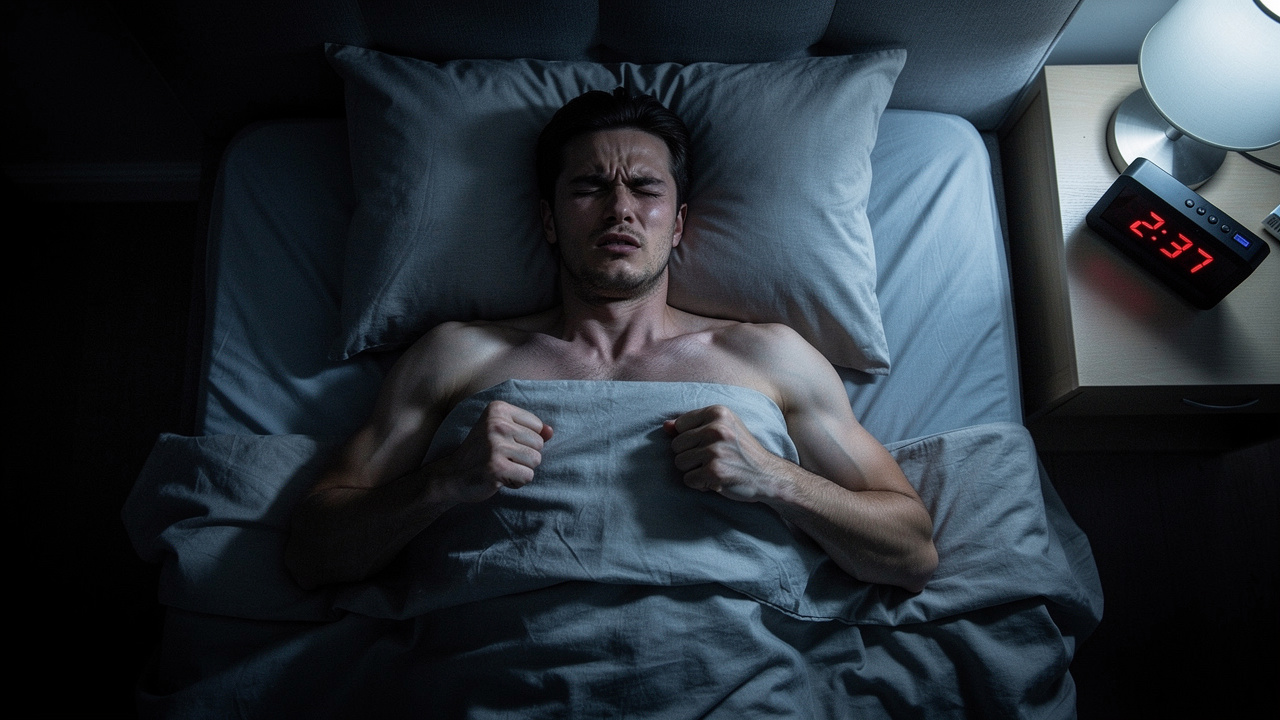
If stress and sleep feel like a constant fight, hyperarousal is usually at the center. Hyperarousal means the brain and body stay in a heightened state of alert even when there is no need for action. Thoughts race, muscles stay tight, and the heart beats a little too fast — especially when you lie down at night. This is not a matter of weak will or bad habits. It is a measurable neurobiological state created by an overactive stress system.
The autonomic nervous system has two main branches:
-
Sympathetic — the fight‑or‑flight side
-
Parasympathetic — the rest‑and‑digest side
With chronic stress, the fight‑or‑flight side dominates while the resting side goes quiet. People in this state often describe feeling tired but wired — sleepy on the couch but suddenly wide awake in bed. Small sounds feel louder, the mind grabs onto worries, and the body refuses to sink into the mattress. Over time, the brain learns to link the bed with effort and frustration instead of calm and sleep.
Laboratory research shows that people with high stress sensitivity sleep very differently from those with resilient sleep. During stressful periods, highly reactive sleepers show lower sleep efficiency, around eighty‑one percent, while low‑reactive sleepers stay closer to eighty‑nine percent. Their brain waves also tell a clear story, with more fast beta activity when slower alpha and theta waves should be rising before sleep. This pattern of cortical hyperactivity reflects a brain that keeps scanning for threats even in the dark.
Hyperarousal does not switch off once sleep finally comes. It can cause frequent micro‑awakenings and rapid shifts between stages, so the night never feels truly deep or restoring. People in this state often feel as if they slept light all night, even when total hours look normal on paper.
The hopeful side of this picture is that hyperarousal is a changeable state. By calming the stress system, supporting parasympathetic activity, and quieting mental noise, you can slowly teach the brain that bedtime is safe again.
Your Sleep Reactivity: Why Stress Destroys Some People's Sleep More Than Others

Not everyone reacts to stress in the same way at night. Some people can go through a demanding week and still fall asleep within minutes, while others lose hours of rest after a single tense meeting. Researchers call this difference sleep reactivity — how easily stress disrupts your sleep system. High sleep reactivity reflects a fragile sleep system that tips out of balance quickly, while low reactivity marks a more stable one. This trait is about biology and learning, not effort or discipline.
Sleep reactivity has a strong genetic component. Twin and family studies suggest that genes explain roughly thirty to forty percent of the differences between people. If one or both parents are highly reactive sleepers or have a history of insomnia, children are three to seven times more likely to show the same pattern. That does not mean poor sleep is guaranteed, but it does mean the threshold for stress‑related sleep trouble is lower. Environment and coping style then add another layer on top of this genetic base.
To study this trait, scientists created the Ford Insomnia Response to Stress Test (FIRST). It is a short questionnaire that asks how likely your sleep is to suffer:
-
Before a big presentation
-
After a stressful day at work
-
During family conflict
-
When drinking caffeine late
People who score high on FIRST tend to sleep poorly the first night in a sleep lab, in unfamiliar hotels, and during intense work weeks. They also take much longer to fall asleep after a moderate dose of caffeine compared with low‑reactive sleepers.
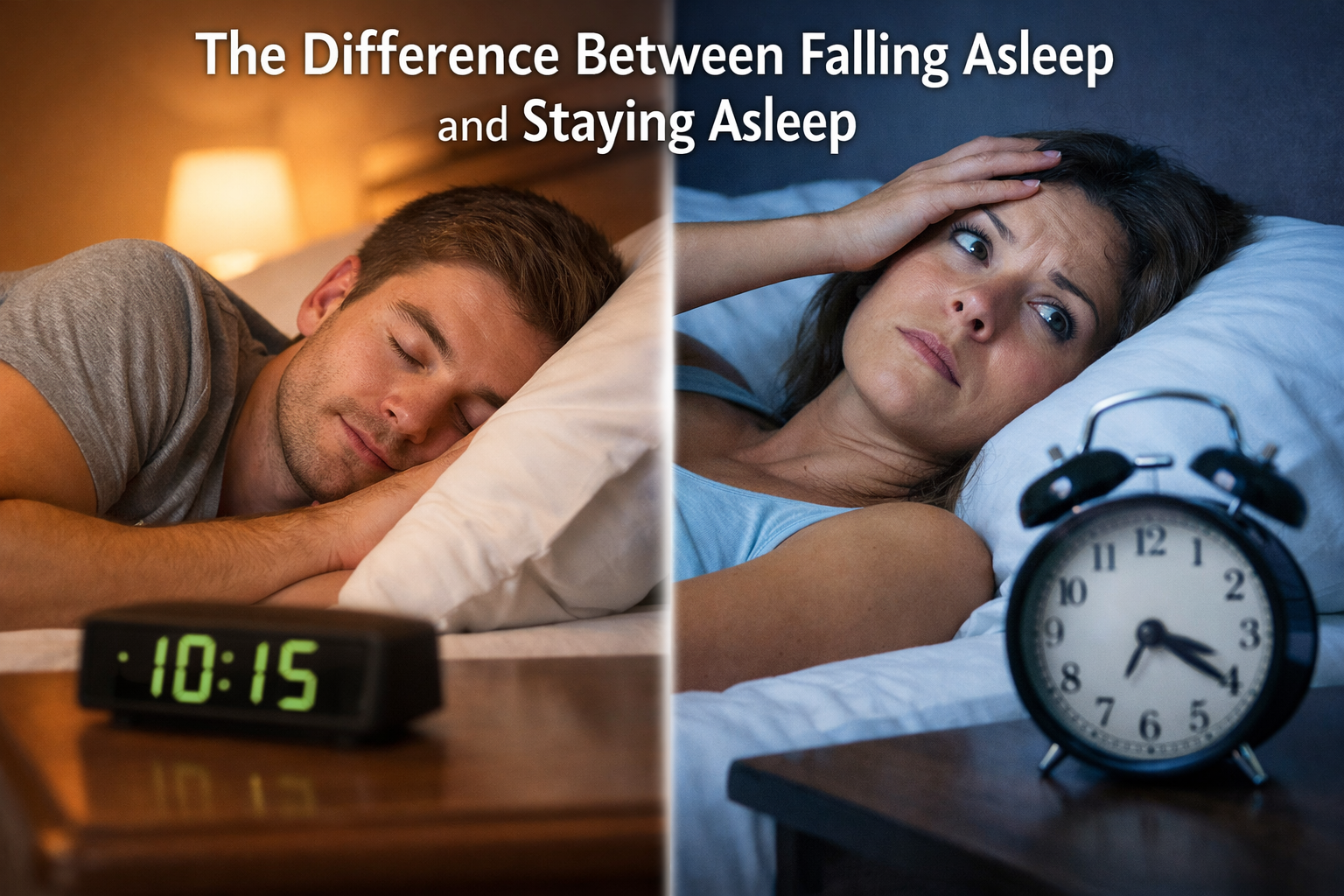
Across several long‑term studies, high sleep reactivity stands out as one of the strongest predictors of who goes on to develop insomnia. Good sleepers with high reactivity are about sixty percent more likely to develop significant sleep symptoms later, and roughly twice as likely to end up with chronic insomnia over a few years. Those who also tend to worry or ruminate in bed carry even higher risk, because mental habits and sensitive biology feed each other. Sleep‑onset insomnia — lying awake for an hour or more before finally nodding off — is especially linked to high reactivity.
Sleep reactivity itself can shift with experience. A major stress event or a period of insomnia can raise reactivity in someone who previously slept well, a process researchers call sensitization or scarring. Even after sleep improves, the system may remain more sensitive than before, which is why some people feel they never fully return to their old easy sleep. Knowing that your sleep system is reactive is not bad news. It simply means early, steady steps to protect stress and sleep are even more important.
The Neurobiology Of A Vulnerable Sleep System
When researchers look under the hood of a sensitive sleep system, they see clear patterns in the body and brain.
Key changes often include:
-
HPA axis quirks: In highly reactive sleepers, the HPA axis may either shoot up higher than average or barely rise at all under stress. Both patterns signal a system that cannot match its response to the size of the challenge. Cortisol levels may also stay higher in the evening, even on days that do not feel especially stressful.
-
Autonomic imbalance: At rest, people with vulnerable sleep tend to have lower parasympathetic activity (often measured as reduced heart‑rate variability) and relatively higher sympathetic tone. Their baseline tilts toward arousal even before anything stressful happens.
-
Brain‑wave patterns: Sensitive sleepers often show elevated high‑frequency brain waves as they try to fall asleep and during sleep itself, especially in the frontal cortex that handles thinking and planning. REM sleep may become shorter and more fragmented during stressful times, which interferes with overnight emotional processing.
-
Inflammation: Some studies link high sleep reactivity with higher levels of inflammatory markers in the blood, which can make the brain more prone to arousal and the body more prone to aches.
Other systems play a role as well, including how the brain responds to the calming neurotransmitter GABA, how quickly adenosine sleep pressure builds, and how easily the body releases heat from the core at night. None of these factors act alone, yet together they describe a sleep system that sits on a hair trigger.
The upside is that each system also offers a point of support — from boosting parasympathetic tone to damping late‑day cortisol and nudging brain waves toward a calmer pattern. Thoughtful strategies can help that fragile system behave more like a steady one over time.
The Psychological Amplifiers: How Your Mind Makes It Worse
Biology sets the stage for stress and sleep problems, but thinking patterns decide much of what happens each night. Rumination — the habit of replaying worries and mistakes over and over — is especially powerful. Bedtime is prime time for rumination because external noise fades and there is little to distract the mind. The brain turns inward and starts reviewing the day, rehearsing tomorrow, and revisiting old stress if that habit is well‑practiced. For someone with a sensitive sleep system, this mental loop can keep the stress response switched on long after the lights go out.
When worry fills that pre‑sleep window, it activates wake‑promoting circuits in the frontal and cingulate regions of the brain. These areas should be stepping back to allow sleep‑friendly networks to take the lead, but instead they stay lit up. Mental images of hard conversations, deadlines, or health concerns send repeated alerts to the stress system. If sleep reactivity is high, even mild concerns can trigger full hyperarousal, which then delays sleep and lightens whatever sleep does arrive.
Over time, people start to worry about sleep itself, a pattern called catastrophic thinking. Thoughts like “If I don’t get eight hours I will fail tomorrow” or “My brain will break if this continues” add a new layer of pressure to bedtime. The bedroom and even the clock can become cues for anxiety because they have been paired with long nights of staring at the ceiling. Surveys show that adults under high stress are many times more likely to say a racing mind keeps them awake compared with those who feel calm. This is conditioned arousal in action, and it locks stress and sleep into a tight spiral.
Personality and coping style influence this process as well. People who score high on measures of neuroticism or who focus on their emotional reactions instead of problem‑solving tend to report more sleep disruption under stress. The important point is that these patterns are learned and can be changed. Cognitive Behavioral Therapy for Insomnia, mindfulness practice, and simple pre‑sleep writing exercises can all weaken the grip of rumination over time. When thinking softens, biology has a better chance to shift back toward healthy sleep.
“I’ve had a lot of worries in my life, most of which never happened.”
— Often attributed to Mark Twain
Who's Most Vulnerable: Demographics Of Stress-Related Sleep Loss
Stress‑related sleep trouble can hit at any age, yet some groups face steeper odds.
Those who tend to struggle most include:
-
Teenagers. Their brains and bodies need more sleep than adults, often nine hours or more, yet school start times and social schedules cut that short. A systematic review and meta-analysis of poor sleep, insomnia symptoms, and stress in undergraduate students confirms that university students experience particularly high prevalence of mental health problems and exacerbation of mental health issues related to inadequate sleep. Surveys suggest teens average just over seven hours on school nights, and more than a third say stress has kept them lying awake in the past month. When teens sleep under eight hours, reports of feeling sluggish, irritable, and unable to concentrate climb sharply.
-
Younger adults. Many Millennials and Gen Xers say they sleep fewer than eight hours most nights, and large numbers rate their sleep quality as only fair or poor. Common reasons include staying up too late on screens, juggling long workdays with family or caregiving duties, and feeling that there are simply too many tasks to finish before bed.
-
Shift workers. When schedules rotate between days and nights, the internal clock never fully lines up with bedtimes, and sleep reactivity becomes especially important. People with high sleep reactivity are far more likely to develop shift‑work disorder than those with low reactivity when they start rotating schedules.
There are several possible explanations for why younger groups struggle more. Greater use of phones and laptops at night exposes eyes to blue light that tells the brain it is still daytime, which delays melatonin and pushes bedtime later. Early career years often bring high pressure with little control, such as long hours, rotating shifts, or frequent travel. Financial strain, student loans, and caring for young children add still more layers of demand. Each of these factors stirs up the stress response and leaves less space for wind‑down time.
Even so, individual factors matter as much as demographics. No matter which group you fall into, understanding your personal mix of stress load and sleep sensitivity is key to choosing the right support.
The Health Consequences: What Chronic Stress And Sleep Loss Are Doing To Your Body
Hearing about the health effects of stress and poor sleep can feel heavy, yet clear information helps you decide where to focus. The goal is not to scare, but to show why small changes in stress and sleep habits pay back in so many areas. Chronic activation of the stress system, paired with short or shallow sleep, touches nearly every organ. The longer that pattern runs, the more strain the body carries. The good news is that many of these changes start to ease once sleep improves.
On the mental side, lack of deep sleep cuts into learning, memory consolidation, and clear thinking. Research on the association between sleep quality and academic performance among undergraduate medical health science students demonstrates that poor sleep directly impairs cognitive function and learning outcomes. The prefrontal cortex, which handles planning and impulse control, works less efficiently after even one night of short sleep. People report more irritability and anger, and studies show that those sleeping under eight hours are more likely to lose patience with children and partners. Feelings of sadness, anxiety, and being overwhelmed climb as nights of poor sleep accumulate. Over time, high sleep reactivity combined with this pattern can double the risk of clinical depression and raise anxiety symptoms as well.
Metabolic and cardiovascular systems also feel the impact:
-
Chronic sleep loss and high cortisol can lower insulin sensitivity
-
Appetite‑regulating hormones shift, making weight easier to gain and harder to lose
-
Blood pressure tends to climb
-
The lining of blood vessels becomes more reactive, setting the stage for heart disease and stroke
The immune system weakens, so colds, flu, and other infections appear more often and linger longer. Hormonal rhythms for sex hormones can shift, which may affect fertility and libido.
Daytime safety is another concern. Drowsiness slows reaction time and blurs judgment in ways similar to alcohol, raising the risk of car crashes and workplace accidents. Researchers also find signs of accelerated biological aging in people under long‑standing stress and sleep loss, including shorter telomeres, which are protective caps on DNA. The risk is highest in those who both have insomnia complaints and sleep under six hours when measured objectively, sometimes called the short sleep phenotype.
“The shorter your sleep, the shorter your life span.”
— Dr. Matthew Walker, neuroscientist and sleep researcher
The encouraging side is that restoring deeper, longer sleep and calming the stress system can lower blood pressure, improve mood, and help many of these risks move in a healthier direction.
Breaking The Cycle: Evidence-Based Strategies For Managing Stress And Cortisol
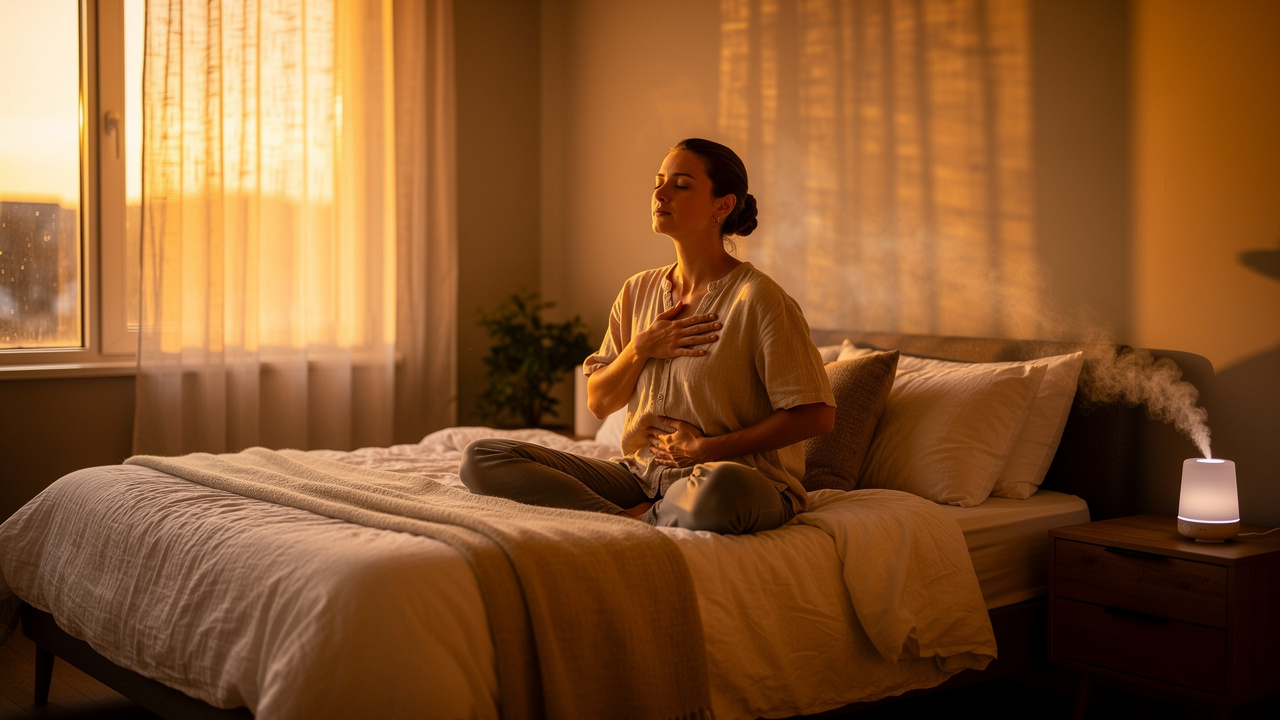
Breaking the grip of stress and cortisol on your nights works best when you support several systems at once. Think of it as building a stable base for stress and sleep rather than reaching for one quick fix. The steps below focus on circadian timing, calming the HPA axis, rebalancing the nervous system, supporting natural sleep stages, and reshaping bedtime thoughts. You do not need to apply everything at once, but combining tools from each group tends to create the strongest long‑term change.
Circadian Rhythm Support
Your internal clock runs on cues like light, timing of sleep, and body temperature. Helpful steps include:
-
Going to bed and waking up at roughly the same time every day, including weekends
-
Getting bright outdoor light within an hour of waking to anchor the morning side of the cycle
-
Using dimmer, warmer light for a couple of hours before bed to tell the brain that night is coming
-
Keeping the bedroom cool (mid‑sixties Fahrenheit)
-
Taking a warm shower or bath about ninety minutes before bed to help your core temperature fall
HPA Axis And Cortisol Management
To calm a wired stress system, evening support for the HPA axis can make a big difference:
-
Finish intense workouts at least four to six hours before bedtime so cortisol has time to fall
-
Practice stress‑reduction breaks during the day instead of waiting until night
-
Consider nutrients like phosphatidylserine, which have been shown to gently lower high evening cortisol for some people and may shorten the time it takes to fall asleep
-
Adaptogenic support from Reishi mushroom, for example, may help the body respond more smoothly to daily stress over weeks, making the link between cortisol and sleep less volatile
Autonomic Nervous System Rebalancing
Shifting the nervous system from fight‑or‑flight toward rest‑and‑digest is another key target:
-
Use slow diaphragmatic breathing, such as inhaling for four counts and exhaling for six, to signal the vagus nerve that it is safe to relax
-
Try gentle nervine herbs like lemon balm and passionflower, which can support GABA receptors and help quiet physical tension without heavy grogginess the next day
-
Practice progressive muscle relaxation, where you tense and then release each muscle group from toes to forehead, training the body to notice and drop hidden tension
Supporting Natural Sleep Architecture
Rather than simply knocking you out, the goal is to support the stages of sleep your brain is built to cycle through. Helpful nutrients often include:
-
Magnesium glycinate to relax muscles and support the brain chemistry that leads toward sleep
-
L‑theanine to smooth mental chatter by modulating excitatory signals
-
Glycine to help lower core body temperature and deepen slow‑wave sleep
-
Apigenin (found in chamomile) to encourage a calmer mental state
When used together in balanced amounts, these nutrients help the brain remember how to move through sleep more smoothly.
Cognitive-Emotional Management
Body‑based tools work best when paired with mind‑based ones:
-
Cognitive Behavioral Therapy for Insomnia (CBT‑I) teaches skills such as limiting time awake in bed, rebuilding a strong bed‑sleep link, and challenging rigid thoughts about sleep
-
Setting aside ten or fifteen minutes a few hours before bed to write down worries and to‑do items can clear mental space
-
Short mindfulness or breathing meditations at the end of your evening routine teach the brain that it can notice thoughts without chasing them
These strategies ask for practice rather than perfection. Stress levels and sleep will still vary from night to night, yet the overall pattern can shift in a healthier direction as these habits stack up. Many people find that combining rhythm support, nervous system calming, and thought work lowers both daytime anxiety and nighttime wakefulness. In the next section, you will see how strategic supplementation can fit into this broader plan.
The Role Of Strategic Supplementation: Supporting Your Sleep System
Behavior and environment lay the foundation for better nights, yet many people still need extra support to quiet stress chemistry. The supplement market is crowded, and it is easy to waste money on products built more for marketing than for results. A science‑based approach to stress and sleep uses targeted compounds, in effective forms and doses, that work with your biology rather than trying to overpower it.
The Limitations Of Single-Ingredient Approaches
High‑dose melatonin or a single strong herb may seem appealing because they promise fast relief. Melatonin can help for jet lag or small timing shifts, yet nightly large doses may blunt your own production and cause grogginess. Sedative products that simply knock you out ignore hormones and nervous system balance, so stress and sleep problems often return as soon as you stop taking them.
The System-Based Approach: Why Protocols Outperform Isolated Ingredients
Stress‑related insomnia touches cortisol, the autonomic nervous system, brain chemistry, and thought patterns all at once. Formulas that support several of these pillars together — such as cortisol balance, muscle relaxation, and GABA and serotonin pathways — tend to create steadier change. Working as a coordinated team, these ingredients help the brain remember its natural steps into sleep instead of forcing a shortcut.
Critical Formulation Factors Most Brands Ignore
Two products can list the same ingredients yet behave very differently in the body. Points to watch for include:
-
Highly absorbable forms (for example, magnesium glycinate rather than magnesium oxide)
-
Clinically meaningful doses instead of “fairy dust” amounts
-
Clean labels without harsh fillers
-
Third‑party testing for purity and potency
These details signal that a product was designed with real sleep support in mind.
Supporting Endogenous Systems Vs. Override
The most helpful supplements nudge your own systems instead of trying to replace them outright. Compounds that support serotonin and melatonin pathways, encourage high evening cortisol to drift toward normal, or modulate GABA receptors allow your body to keep control of its rhythms. This gentle guidance is safer for long‑term use and better aligned with natural sleep architecture.
The SLP1 Difference (Natural Brand Integration)
SLP1 was created around this system‑based view of stress and sleep. Its three‑part protocol — Get to Sleep, Deeper Sleep, and Stay Sleep — layers phosphatidylserine for evening cortisol with magnesium glycinate, lemon balm, passionflower, glycine, Reishi, apigenin, and other researched ingredients to support every phase of the night. The formulas are melatonin‑free, fully transparent, and verified by independent labs.
What To Look For In A Sleep Supplement
When you read a label, check that:
-
Every ingredient and its exact dose are listed
-
Forms are bioavailable rather than simply the cheapest available
-
The company uses outside labs to test for purity and potency
-
Formulas are free of artificial colors and heavy fillers
-
The product addresses stress, the nervous system, and sleep architecture together instead of chasing only one target
Supplements are not stand‑alone fixes, but when they are thoughtfully designed and used with behavioral changes, they can lighten the load that stress and cortisol place on sleep. Choosing products that work with your biology gives every other step you take more room to work. For many people, this combination finally shifts nights from restless to restorative.
Sleep Hygiene And Environmental Optimization: Creating Conditions For Rest
Even the best stress‑management plan can be undercut by a bedroom that keeps sending wake‑up signals. Sleep hygiene sounds basic, yet these physical details often make the difference between drifting off and staring at the ceiling. By shaping your space and evening habits in simple ways, you give your brain and body fewer reasons to stay on alert.
Bedroom Environment Optimization
Temperature, light, and sound all tell the brain whether it is safe to rest:
-
Keep the bedroom in the mid‑sixties Fahrenheit to support the natural drop in core body temperature
-
Use blackout curtains, an eye mask, and cover small LEDs to reduce light that would otherwise signal daytime
-
If outside noise breaks through, use a fan or white‑noise machine to mask sudden sounds that might trigger micro‑awakenings
-
Choose comfortable, breathable bedding and a supportive mattress so muscles can relax instead of fighting pressure points
Behavioral Sleep Hygiene
Habits around the bed matter as much as the room itself:
-
Use the bed only for sleep and intimacy so your brain links that space with rest rather than work, scrolling, or television
-
If you cannot fall asleep within about twenty minutes, get up for a quiet activity in dim light until you feel sleepy again; this prevents the bed from becoming a place of frustration
-
Create a regular wind‑down routine during the last hour before bed, such as gentle stretching, reading a paper book, or a warm shower
-
Cut off caffeine six to eight hours before bedtime and keep alcohol intake modest to protect sleep depth and continuity
Technology Management
Phones and laptops have a double impact on stress and sleep, since they provide blue light and constant mental stimulation. Helpful steps:
-
Set a screen curfew one to two hours before bed and charge devices outside the bedroom
-
Turn on do‑not‑disturb modes or silence non‑urgent notifications so late‑night pings do not pull you back into work mode
-
Replace that last scroll with calmer activities, such as talking with a partner, stretching, or listening to quiet music
These changes might seem small, yet together they create conditions where your other stress‑and‑sleep strategies can work. You do not need perfection, and you can adjust one or two elements at a time. As the bedroom becomes a clearer cue for rest, hyperarousal has fewer hooks to grab onto at night.
Advanced Strategies: For Those With Severe Or Persistent Stress-Related Insomnia
When stress‑related insomnia drags on for months, or daily function starts to slip, home strategies may not be enough. At that point, working with sleep‑focused professionals can reveal hidden causes and provide tools that are not available in self‑help programs. Knowing what is available helps you choose the right level of help instead of guessing.
Cognitive Behavioral Therapy For Insomnia (CBT-I)
CBT‑I is the leading non‑drug treatment for chronic insomnia and is backed by many trials. It uses structured steps such as:
-
Limiting time in bed to match actual sleep time at first
-
Rebuilding the bed‑sleep connection
-
Changing unhelpful beliefs and expectations about sleep
Benefits from this training often last for years and can be combined with supplements like SLP1 when appropriate.
Professional Assessment And Testing
A clinician trained in sleep medicine can check for issues like sleep apnea, limb movements, thyroid problems, and mood disorders that often hide behind insomnia complaints. They may use detailed interviews, sleep diaries, and wearable devices to see patterns over time. In some cases, an overnight lab study is recommended to show exactly what happens during your usual night.
Medication Considerations
Prescription sleep medicines can provide short‑term relief during severe phases or while CBT‑I begins to work. Because many carry risks of dependence and rebound insomnia, they are best used at the lowest effective dose and under close medical supervision. Clear plans to taper help reduce problems when you stop them.
Addressing Co-Morbid Conditions
Anxiety, depression, chronic pain, and post‑traumatic stress can all worsen stress and sleep troubles. Treating these conditions with therapy, movement, and appropriate medication often improves sleep. Better rest then makes mood and pain easier to manage, creating a helpful upward spiral.
Emerging Approaches
Some newer methods aim to fine‑tune sleep regulation, including neurofeedback to guide brain‑wave training and wearable devices that track heart‑rate variability and sleep stages. Personalized nutrient plans based on genetics are also being explored. This field is early and should be approached with healthy skepticism and guidance from qualified professionals.
Seeking this level of care is a strong step toward protecting health, not a sign of weakness. Even long‑standing, stress‑driven insomnia can improve when biological and psychological factors are addressed together with consistent follow‑through.
Measuring Progress: How To Track Your Sleep Recovery
Changing stress and sleep patterns takes time, and progress can be hard to notice from one night to the next. Simple tracking methods help you see real trends, keep motivation up, and fine‑tune what works best for you. They also shift the focus from single bad nights to the bigger picture.
Subjective Measures
A basic sleep diary is one of the most powerful tools you can use. Each morning, record:
-
When you went to bed
-
How long you think it took to fall asleep
-
How often you remember waking
-
How rested you feel on waking
Keeping this for at least two weeks reveals patterns in bedtime, caffeine timing, evening screen use, and how they relate to your stress and sleep quality.
Many people also add quick rating scales for stress, mood, and energy. Writing a number from one to ten for each area takes only a moment. Over time, this shows whether your daytime resilience is improving along with your nights and counters the feeling that nothing is changing.
Objective data from wearables — such as estimated sleep duration, timing, and heart‑rate variability — can add another layer when used as a guide rather than a strict scorecard. Trends toward longer total sleep and fewer long awakenings usually signal progress. Higher heart‑rate variability is another sign that both stress and sleep systems are recovering.
Whatever tools you choose, focus on weeks and months, not single nights. Recovery from stress‑driven sleep loss is gradual. Steady small gains are a sign that your efforts are working over time.
Conclusion
Stress, cortisol, and restless nights can feel tangled into one knot, yet they follow patterns that science understands well. The same systems that kept your ancestors safe from danger now respond to emails, bills, and late‑night thoughts with the same alarm. When that alarm stays active into the evening, cortisol rises, hyperarousal sets in, and the link between stress and sleep becomes painfully tight.
By stepping back, you can see how many parts of this picture are open to change. Supporting your circadian rhythm, calming the HPA axis, strengthening parasympathetic tone, and shifting habits of rumination all pull in the same direction. Over time, these steps can lower evening cortisol, deepen slow‑wave sleep, and make daily stress feel more manageable. Even if your sleep reactivity is high or you have struggled for years, your system is not fixed in its current state.
High‑quality supplementation can stand beside these lifestyle shifts as one more layer of support. A protocol like SLP1 that works with your biology, instead of forcing sedation, helps restore the natural architecture of sleep while respecting long‑term health. You do not have to change everything at once. Choosing one or two steps from this guide and practicing them consistently is enough to start turning stress and sleep from enemies back into allies.
FAQs
How does stress keep me awake even when I feel exhausted?
Stress keeps your brain in a state of threat scanning, so it keeps cycling through tasks, worries, and what‑if scenarios. That mental loop signals the HPA axis to keep releasing cortisol and keeps the fight‑or‑flight side of the nervous system switched on. The result is the tired but wired feeling, where your body craves rest but cannot cross into sleep.
Is high cortisol at night something I can test for?
You can ask your clinician about tests that measure cortisol at several points in the day, often through saliva or blood. These can show whether your pattern is flat, spiking, or high at night. Even without testing, signs like a “second wind” late at night and groggy mornings often point toward disrupted cortisol timing.
Do I need melatonin to fix my stress and sleep problems?
Many people assume melatonin is required for better sleep, yet for most adults it works best in small, targeted doses or not at all. High nightly amounts can make you dependent on a pill for sleep timing and can leave you groggy. Supporting your own melatonin production through light management, temperature shifts, and nutrients such as magnesium and glycine usually fits better with long‑term health.
How should I use SLP1 within a broader sleep plan?
SLP1 is designed to sit inside a broader plan for managing stress and sleep. Most people take it in the evening, in line with the body’s natural wind‑down, while also working on light exposure, nervous system calming, and thought patterns. Because it is melatonin‑free and third‑party tested, it can be used for longer periods while you rebuild healthier rhythms. Many find that pairing SLP1 with tracking tools makes it easier to see how their nights are changing.

Leave a comment
This site is protected by hCaptcha and the hCaptcha Privacy Policy and Terms of Service apply.