Introduction
About one third of life passes with eyes closed. That time is not wasted background time; the stages of sleep quietly decide how sharp, stable, and healthy the other two thirds feel. Deep in the night, the brain and body follow a precise pattern that sets up everything from blood sugar and immune strength to mood and memory.
Many people:
-
Hit the pillow exhausted, get seven or eight hours in bed, yet still wake tired.
-
Fall asleep but snap awake at 3 a.m. and cannot settle again.
-
Drift off easily but never reach the kind of deeper sleep that makes muscles recover and thoughts feel clear.
The problem is not only “how long” you sleep. It is how well you move through each stage.
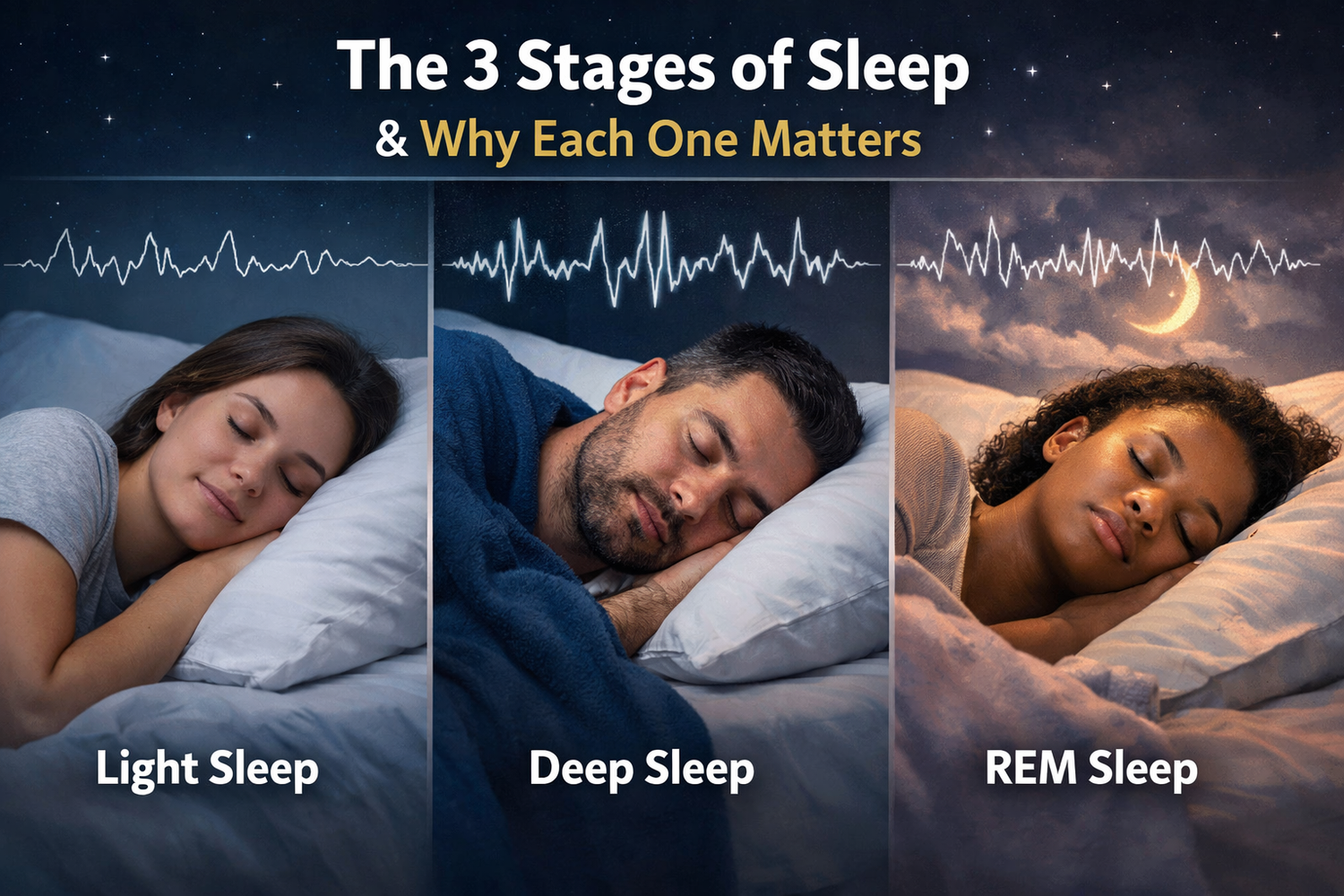
Sleep is not a simple on–off switch. It is an organized progression through three primary stages in repeating cycles. Light NREM sleep opens the door, deep NREM sleep repairs the body, and REM sleep organizes thoughts and emotions. This moving structure is called sleep architecture, and it matters more than most people realize.
By the end of this article, you will understand what happens in each of the three main stages, why each one matters for specific aspects of health, and which habits quietly damage them. You will also see why approaches that support the body’s natural rhythm, like the SLP1 protocol, work very differently from sedatives that simply knock you out. With that knowledge, you can start making clear, science-based changes that help you fall asleep faster, stay asleep longer, and wake up feeling like yourself again.
Key Takeaways
-
Sleep runs in 90–110 minute cycles that repeat four to six times per night, and each cycle includes distinct stages of sleep with different jobs. Light NREM stages help the brain let go of wakefulness, while deeper stages repair tissue and reset many body systems. REM sleep then refines memory and mood before the next day begins.
-
NREM light sleep, which includes stages 1 and 2, sets the bridge from wake to rest and starts early memory work. Deep NREM stage 3 supports physical recovery, metabolic health, and immune strength in a way no pill or nap can copy. REM sleep handles emotional processing, creative insight, and complex learning.
-
Sleep architecture shifts as the night moves forward, with deep sleep packed into the first half and longer REM periods appearing toward morning. Fragmented or shortened nights break this pattern, so even “eight hours in bed” may not include enough time in each stage to feel restored.
-
Understanding how the stages of sleep work helps you choose smarter habits, timing, and supplements instead of chasing quick fixes. Natural, rhythm-supporting strategies, like the melatonin-free SLP1 system, work with your biology so you can get to sleep smoothly, settle into deeper sleep, and stay asleep without forcing sedation.
Understanding Sleep Architecture: The Foundation of Restorative Rest
Sleep architecture is the term sleep scientists use for the structure and pattern of sleep through a night. It describes how a person moves through different stages of sleep, how long each stage lasts, and how the pattern repeats. Rather than being a flat block of unconsciousness, a good night of rest is more like a repeating loop with different “chapters.”
Each complete sleep cycle lasts about 90 to 110 minutes for most adults. Over a typical night, you pass through four to six of these cycles. At the start of a cycle, the brain drifts from wakefulness into light NREM sleep, then slides into deeper NREM sleep, rises back into lighter NREM, and then shifts into REM sleep. After REM, the brain begins another cycle, usually starting in stage 2.
A normal sequence within a cycle often looks like N1 → N2 → N3 → N2 → REM. About 75 percent of total sleep time sits in NREM stages, while roughly 25 percent is in REM. That split is not fixed, though. Early in the night, deep N3 dominates, while later cycles trade some of that depth for longer REM periods. This time-based change is a key part of sleep architecture.
If you could see your night as a chart called a hypnogram, you would see waves of lighter and deeper sleep rising and falling several times. The first two or three cycles dip more deeply into N3. The last one or two cycles often hover closer to light sleep and spend more minutes in REM. This pattern explains why cutting off the last hour or two of sleep can slice away a big chunk of REM.
Duration alone cannot guarantee good rest. Fragmented sleep, where you wake often or hover at the surface, can block your progress through full cycles. You may keep dropping back into N1 or N2 instead of reaching N3 or stable REM. Over days, this pattern builds sleep debt, and the body tries to “pay it back” by prioritizing deep sleep when it can, sometimes at the expense of REM.
Modern sleep trackers do not match a full lab study, but they have confirmed the broad shape of this architecture for many people. They show how bedtime, wake time, caffeine, alcohol, and stress can quietly shift the balance among the stages of sleep. That feedback is valuable, because it keeps the focus where it belongs: not only on hours in bed, but on the quality and structure of those hours.
To keep the big picture straight, it can help to see the three main stages side by side:
|
Sleep Stage |
Approx. Share Of Night |
Main Roles |
|---|---|---|
|
NREM Light (N1 & N2) |
~50–60% |
Transition from wake, early memory processes |
|
NREM Deep (N3) |
~15–25% |
Physical repair, immune support, metabolic reset |
|
REM Sleep |
~20–25% |
Emotional processing, learning, creativity |
“Sleep is not passive downtime. It is active biological work that your body and brain must get done.” —Common teaching in clinical sleep medicine
The Neurobiology Behind Your Sleep-Wake Cycle
Falling asleep and waking up feel simple from the inside, but under the surface, the brain is running a careful “flip–flop switch” between wake networks and sleep networks. When the wake side is active, it strongly suppresses sleep circuits. When the sleep side takes over, it quiets wake-promoting systems. This sharp switch helps you avoid getting stuck in an in-between state.
At the center of timing sits the hypothalamus, a small but powerful region deep in the brain. Inside it, the suprachiasmatic nucleus (SCN) functions as the master clock that responds to light and darkness. The SCN uses signals like daylight, food timing, and activity to set the daily rhythm for hormones and body temperature. Nearby, a cluster called the ventrolateral preoptic nucleus acts as a sleep-promoting hub that sends calming signals to shut down wakefulness when night arrives.
Other brain regions support this rhythm:
-
The thalamus behaves like a sensory gate. During NREM stages, it dampens incoming signals so random sounds or touches are less likely to wake you. In REM sleep, it becomes more active again, feeding images and sensations into dreams.
-
The brainstem houses the reticular formation, which supports wakefulness, and the pons, which triggers REM sleep and the muscle relaxation that keeps the body from acting out dreams.
-
The hippocampus and amygdala become highly active during REM. The hippocampus handles the filing of new memories, while the amygdala adds emotional tone, helping explain why REM dreams often feel vivid and emotional.
On the chemical side, sleep-promoting cells rely heavily on GABA, the main inhibitory transmitter in the brain. When GABA activity rises in sleep centers, it dampens wake circuits and helps the cortex quiet down. Adenosine, a byproduct of energy use, also builds up during the day. As it accumulates, it creates sleep pressure that nudges the flip–flop switch toward the sleep side. Caffeine counters this pressure by blocking adenosine receptors.
Wakefulness depends on a different set of transmitters: acetylcholine, norepinephrine, serotonin, histamine, dopamine, and hypocretin (also called orexin). Hypocretin helps keep these systems steady so you do not slip in and out of sleep randomly. Loss of hypocretin-producing cells leads to narcolepsy, a disorder where REM can intrude abruptly into wakefulness.
Two forces work together to shape when you feel sleepy and how your stages of sleep unfold:
-
The circadian rhythm, run by the SCN, sets a rough schedule based on light.
-
The homeostatic drive, tied to adenosine and time since waking, measures how long you have been awake and how much rest you need.
When both point toward night, the flip–flop switch can flip cleanly into sleep mode.
Understanding these systems matters because it highlights why gentle support of existing pathways is safer than forcing sedation. Nutrients that support GABA, calm cortisol, or steady circadian timing help the body follow its built-in design. This is exactly the approach SLP1 takes with its melatonin-free protocol, which works with these circuits instead of dulling them with heavy drugs.
NREM Light Sleep (Stages 1 & 2): The Gateway To Rest
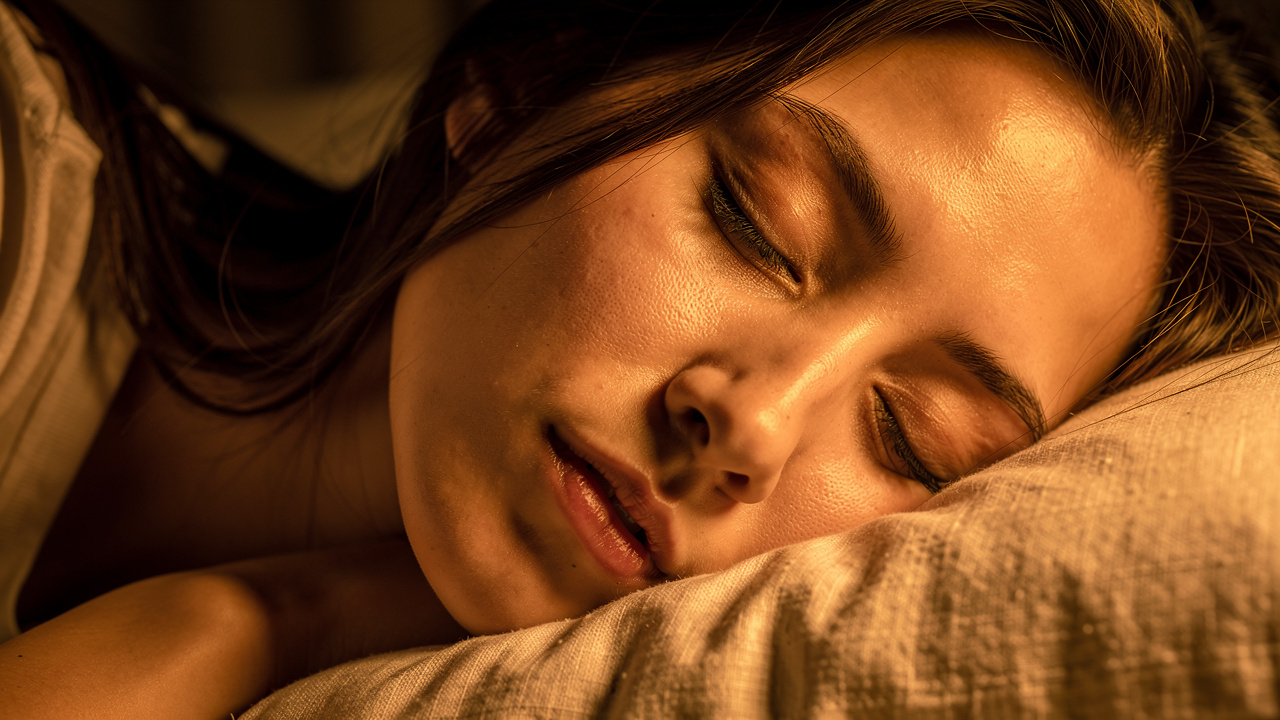
Light NREM sleep covers the first steps away from wakefulness. These early stages of sleep may feel shallow, but they set the stage for everything that follows. If you struggle here, you may have trouble getting to sleep, staying asleep, or reaching deeper stages that restore your body and mind.
Stage 1 (N1): The Sleep Threshold
Stage 1, or N1, is the true threshold between wake and sleep. It usually lasts from one to seven minutes and makes up only about five percent of total sleep time. In this brief window, the brain tests whether it is safe to release control and enter a more vulnerable state.
As you slip into N1, breathing slows, heart rate begins to drop, and muscles start to relax. Many people notice sudden twitches called hypnic jerks, where a limb jumps just as they feel like they are falling. This can be startling, but it is a normal sign that the nervous system is letting go of full wakefulness.
On a brain wave test, relaxed wakefulness shows alpha rhythms. In N1, those give way to slower theta activity and lower overall voltage. Because this change is modest, it is very easy to wake a person from N1. If you are nudged or hear a noise, you may say you were “just resting” even though the brain has already crossed into sleep.
Trouble with N1 shows up as long sleep onset latency, the time from lights out to true sleep. Racing thoughts, pain, blue light, and elevated evening cortisol can all block the flip–flop switch from fully turning. The result is a loop where you drift toward sleep, snap back up, and repeat that surface pattern many times.
Targeted support for this transition focuses on calming the nervous system without leaving you groggy. Practices like slow breathing, dim light, and gentle reading help settle the mind. Nutrients that support GABA and lower excess cortisol make this phase smoother. SLP1’s Get To Sleep formula is built around this idea, sending a clear “night signal” so you can cross N1 quickly and move into the next stages of sleep.
Stage 2 (N2): Memory Consolidation Begins
Stage 2, or N2, is still considered light sleep, but it goes much deeper than N1. In healthy adults, N2 accounts for about 45 to 50 percent of total sleep time, making it the single largest slice of the night. In this stage, the brain begins serious housekeeping, and the body lets down its guard a little more.
During N2:
-
Body temperature falls a bit.
-
Heart rate and breathing become regular.
-
Eye movements stop, and muscles relax further.
You are less aware of the outside world, and it takes more effort to wake you. If someone does wake you, you usually admit you were asleep.
On an EEG, N2 is marked by two striking patterns called sleep spindles and K-complexes. Sleep spindles are short bursts of faster activity that ride on the slower background waves. Research links them to memory processing, especially for new skills and facts learned during the day. K-complexes are large, sharp waves that stand out from the rest of the pattern and often arise in response to quiet sounds.
Sleep spindles and K-complexes appear to protect sleep as well as refine memory. When a harmless sound reaches the thalamus, a K-complex can help keep you asleep by telling the cortex that the signal is not important. Spindles may help block that sound from reaching full awareness. At the same time, these bursts support the early stages of memory consolidation, when the brain starts to file new information.
Each cycle tends to spend more time in N2 as the night goes on. That makes stage 2 a key bridge between the first dip into sleep, the deep recovery of N3, and the later rise into REM. If N2 becomes fragmented by frequent awakenings, your memory of things like names, facts, and motor skills can suffer.
Conditions such as sleep apnea, restless legs, pain, or even a pet jumping on the bed can splinter N2 into short chunks. When that happens, you may still log enough hours in bed but miss out on the smooth, continuous N2 periods that foster learning and skill growth. This is why continuity matters so much, and why SLP1 includes Stay Sleep in its protocol to help support stable cycles, not just the moment you fall asleep.
NREM Deep Sleep (Stage 3): The Physical Restoration Powerhouse
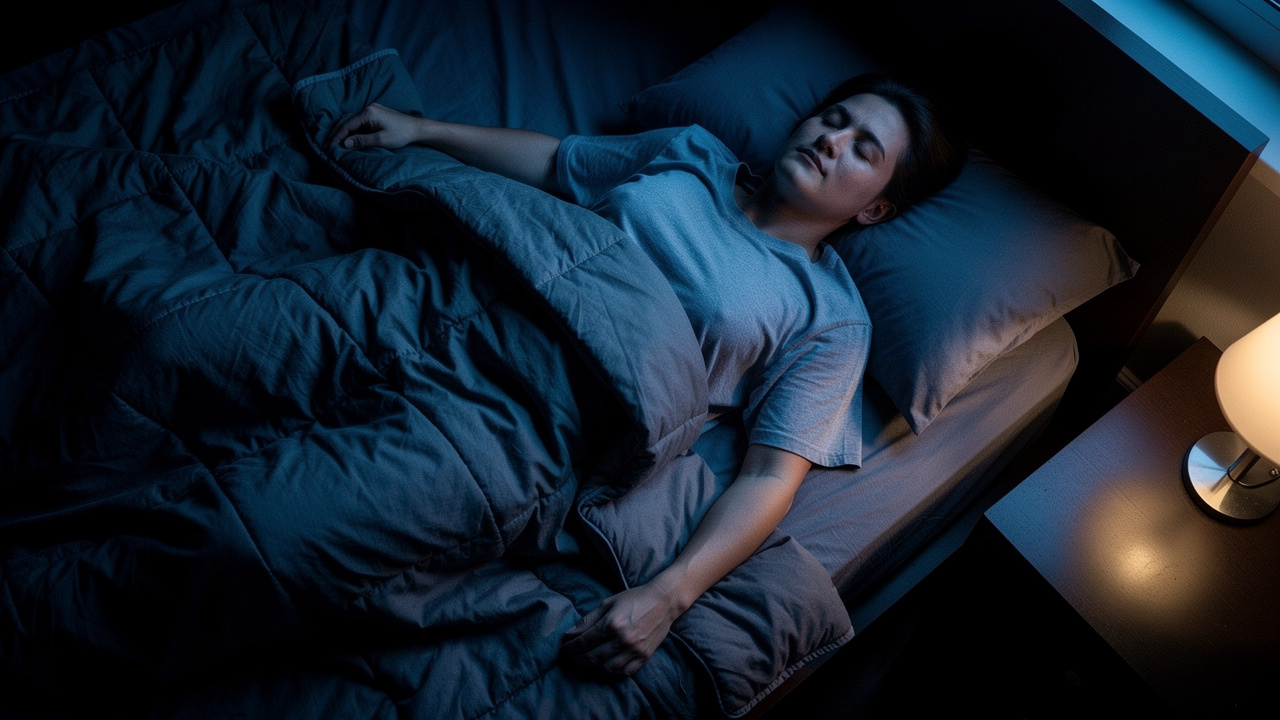
Stage 3 NREM, often called slow–wave sleep or deep sleep, is where the body does some of its heaviest work. In this stage, breathing, heart rate, and brain activity all slow to their lowest levels. On an EEG, large, slow delta waves dominate more than 20 percent of the pattern, showing that many brain cells are firing in a calm, synchronized way.
Deep sleep is more common in the first half of the night, especially in the first two or three cycles. If you clip the early part of your sleep window with a very late bedtime, you tend to steal time directly from N3. That missing deep sleep can show up the next day as sore muscles, foggy thinking, and lower stress tolerance.
“You cannot cheat on sleep and get away with it.” —A frequent reminder from sleep clinicians to their patients
The Critical Functions Of Deep Sleep
During N3, the body directs resources toward repair and growth:
-
Muscle fibers stressed during exercise or daily activity receive increased attention.
-
Protein synthesis runs at a higher rate, and growth hormone pulses upward to support tissue rebuilding.
-
Bones and connective tissues also benefit from this window, which helps maintain physical resilience across years.
The immune system depends heavily on deep sleep. In N3, the body releases higher levels of certain cytokines that help fight infection and dial back inappropriate inflammation. White blood cells renew and prepare for the next day’s challenges. When deep sleep is trimmed night after night, people tend to catch more colds and recover more slowly from illness.
Metabolic regulation also leans on this stage. During N3, the body resets aspects of glucose handling and insulin sensitivity. Hormones that control appetite, including leptin and ghrelin, shift toward a healthier balance when deep sleep is solid. When N3 is short, you are more likely to crave calorie-dense snacks, feel less satisfied after meals, and move in the direction of weight gain and insulin resistance.
The brain uses deep sleep to clear waste and solidify memory. A network called the glymphatic system increases its flow of cerebrospinal fluid through brain tissue during N3. This fluid helps wash out metabolic byproducts such as beta-amyloid, which has links to long-term cognitive decline when it builds up. At the same time, the brain replays and stores key facts and experiences, laying the groundwork for insight and problem solving.
Why Deep Sleep Is Compromised In Modern Life
Many adults spend enough hours in bed yet still get surprisingly little deep sleep. Evening stress is a major reason. When cortisol stays high into the night, the nervous system has trouble dropping into the slow, synchronized delta state that defines N3. You may fall asleep, but the brain hovers in lighter stages instead of dropping into the depth your body needs.
Alcohol adds another layer of trouble. It can make you feel sleepy and may shorten the time it takes to lose consciousness, but that sedation is not the same as natural deep sleep. Alcohol tends to reduce N3 in the early cycles and then causes more awakenings later in the night as it leaves the system. The result is a broken pattern with less time in restorative stages.
Certain disorders directly fragment deep sleep. Obstructive sleep apnea repeatedly pulls you out of N3 as your airway closes and the brain must jolt awake to reopen it. Restless legs syndrome and periodic limb movements can trigger frequent arousals just as you start to sink deeper. Aging shifts architecture as well, with many people over 65 spending much less time in N3 than they did in midlife.
Environment and habits also matter. Noise from traffic, light leaking through curtains, a warm bedroom, or late-night screen use can cause micro-arousals that you may not remember. Late heavy meals, caffeine too close to bedtime, or intense workouts in the evening can all signal the body to stay more alert. The end result is a “tired but wired” pattern where you feel exhausted but cannot reach solid deep sleep.
Supporting Your Body's Transition Into Deep Sleep
To support N3, it helps to think in terms of setting up the first half of the night:
-
Keep a consistent schedule. A regular sleep and wake time trains the body to expect deep sleep early, which can increase the amount of N3 you get in those first cycles.
-
Optimize your bedroom. A dark, cool, and quiet space makes it easier for the brain to stay in N3 once it gets there. Blackout curtains, a fan or white noise, and a comfortable mattress go a long way.
-
Time exercise and food wisely. Plan vigorous workouts earlier in the day and finish big meals two to three hours before bed to avoid sending an “active daytime” signal at night.
Specific nutrients can support the nervous system as it moves into N3. Magnesium in well-absorbed forms such as glycinate and glycerophosphate helps relax muscles and calm the brain. Glycine, an amino acid, has been shown to support deeper, more refreshing sleep, partly by helping lower core body temperature. Adaptogenic herbs like ashwagandha, along with phosphatidylserine, can help ease evening cortisol for people who feel wired at night.
SLP1’s Deeper Sleep formula is designed with these needs in mind. It combines magnesium, glycine, stress-supportive mushrooms like reishi, adaptogens, and nervine herbs to promote real deep sleep rather than drugging you into unconsciousness. Used as part of the broader SLP1 protocol, it gives your body the raw materials and timing support it needs to spend more time in the most restorative of all stages of sleep.
REM Sleep: The Cognitive And Emotional Processing Stage
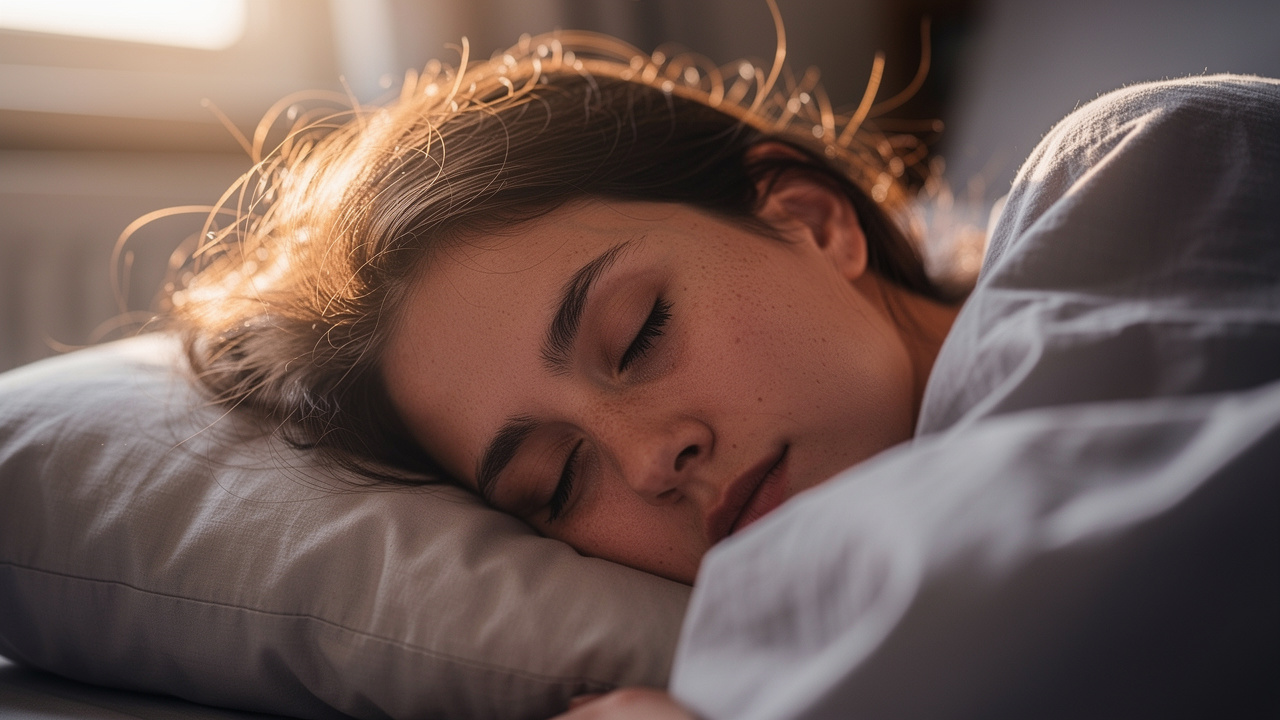
REM sleep, or rapid eye movement sleep, is the third major stage and looks very different from NREM. Brain activity during REM resembles wakefulness, yet most muscles are temporarily paralyzed. Eyes dart back and forth under closed lids, breathing becomes less regular, and heart rate varies more. This is the time when the most vivid dreams occur.
The first REM period usually appears around 90 minutes after you fall asleep. Early REM episodes are short, often about ten minutes. With each cycle, REM takes a bigger slice of time, so the longest episodes often happen in the last third of the night. On average, REM makes up about one quarter of a healthy adult’s total sleep.
The Critical Functions Of REM Sleep
Dreaming is the most obvious feature of REM. These dreams often have storylines, strong emotions, and surprising images. Scientists continue to debate why we dream, but leading ideas suggest that REM helps the brain replay threats in a safe setting, test out responses, and process intense feelings from waking life. The high activity of the amygdala during REM supports the idea that emotional content is central here.
REM sleep plays a major part in memory consolidation, especially for skills and emotional learning. When you practice a physical skill or a complex task, REM helps strengthen the procedural memory that underlies smooth performance. It also appears to sort through emotional memories, so the next day you can recall events without feeling the same raw intensity you felt in the moment.
Creativity and problem solving also benefit from REM. During this stage, the brain makes new connections between ideas that are not obviously related. That “sleep on it” effect, where a solution appears after a night of rest, often reflects REM-driven reorganization. By allowing distant networks to talk to each other, REM sets up the kind of “aha” moments that are hard to force while awake.
Emotional regulation depends strongly on healthy REM. People who get regular, high-quality REM tend to show better mood stability and stress resilience. When REM is cut short or highly fragmented, irritability, anxiety, and swings in mood become more common. Over time, disrupted REM patterns connect with higher risk for depression and other mood disorders, which then feed back into further sleep disruption.
REM Sleep Disruption And Its Consequences
Many common habits interfere directly with REM:
-
Alcohol suppresses REM in the first part of the night, when the sedative effect is strongest. As the body clears the alcohol, REM rebounds in a choppy way, which often leads to vivid, unsettling dreams and frequent awakenings in the early morning hours.
-
Medications, especially some antidepressants, can change REM duration and dream vividness. Sleep apnea is another major disruptor because airway collapses often happen during REM, when muscles are more relaxed, leading to repeated arousals that shatter REM periods.
-
Late bedtimes or very early alarms quietly trim REM opportunity, since the longest REM episodes live in the final cycles before waking.
Chronic REM loss has clear effects. People show weaker learning on complex tasks, reduced creativity, and more difficulty integrating emotional experiences. They may feel reactive, anxious, or overwhelmed by daily stress. Over longer spans, patterns of disrupted REM link with higher rates of mood disorders and possibly with certain forms of cognitive decline.
Supporting Healthy REM Sleep
Protecting REM sleep starts with protecting total sleep time, especially the final third of the night:
-
Set a consistent bedtime that allows for seven to nine hours before your usual wake time so your brain can complete several full cycles with richer REM periods near morning.
-
Avoid alcohol in the few hours before bed.
-
Manage evening stress through gentle stretching, reading, or breathwork to reduce awakenings that would otherwise cut REM short.
Nutrients that support circadian rhythm and neurotransmitter balance, such as active B vitamins and tart cherry extracts, can further steady the pattern.
Most important, REM thrives when the entire sleep architecture is stable. Efforts that help you get to sleep smoothly, stay asleep through the night, and deepen NREM stages tend to support REM indirectly. SLP1’s three-part system was designed around this “full arc of rest” idea, so that better REM is a natural byproduct of stronger overall architecture rather than a narrow focus on dreams alone.
How Sleep Architecture Changes Across Your Lifespan
Sleep architecture is not fixed from birth. The amount of time spent in each of the stages of sleep, and the ease of moving between them, shifts with age. Knowing what changes are normal can reduce worry and guide realistic strategies at each stage of life.
Infants And Children: Sleep Development
Newborns spend most of the day asleep, often 16 to 18 hours split into many short bouts. Their cycles are much shorter, around 50 minutes, and they often enter sleep through an active phase that looks similar to REM. About half of infant sleep resembles this active stage, which appears to support rapid brain growth and wiring.
Around two to three months, circadian rhythms begin to appear. Babies start to group more sleep at night and enter sleep through a quieter NREM-like phase. As children grow, total sleep time drops to around 11 to 13 hours, but they spend a larger share in deep N3. That deep sleep supports intense physical growth and learning during the early school years.
Adolescents: The Circadian Shift
During puberty, the sleep system shifts in a noticeable way. Teenagers still need about 9 to 10 hours of sleep for best health, yet their internal clock pushes them to feel sleepy later in the evening. This natural circadian delay often clashes with early school start times.
At the same time, slow–wave sleep begins to decline from the very high levels seen in childhood, while lighter stage 2 takes a slightly larger share. Many teens collect chronic sleep debt because they stay up late and wake early for school. That debt affects learning, emotional regulation, and mental health, with higher rates of anxiety and low mood linked to short or poor-quality sleep in this age group.
Adults: Maintaining Sleep Quality
In healthy adults, sleep architecture tends to be stable. There is a regular mix of NREM and REM, with deep sleep concentrated early and REM expanding later. Adults usually need seven to nine hours of sleep, though individual needs vary slightly around that range.
Lifestyle often matters more than biology in these years. Chronic stress, long work hours, evening screens, drinking, late meals, and irregular schedules can all chip away at both quantity and quality. Many adults live with persistent sleep debt, which quietly raises the risk of metabolic disease, cardiovascular trouble, and burnout. Investing in steady routines and supportive habits during these decades can protect deep and REM sleep as you age.
Older Adults: Age-Related Changes
Later in life, the sleep–wake pattern changes again. Many older adults feel sleepy earlier in the evening and wake earlier in the morning, a shift known as a phase advance in circadian rhythm. Total sleep time may remain similar, but it is often broken into smaller chunks.
The most marked change is a drop in deep N3 sleep. By age 65 or 70, some people have very little slow–wave sleep left, spending more time in lighter N1 and N2 instead. REM sleep also declines slightly, though less than N3. Nighttime awakenings become more common, and it may take longer to fall back to sleep after each one.
Men tend to have more awakenings and more light sleep, which can lead to daytime drowsiness. Women often keep more slow–wave sleep into later life but report more trouble falling or staying asleep, partly due to hormonal changes. Ongoing health issues such as pain, sleep apnea, and frequent urination also play a part. For older adults, steady routines, a well-optimized bedroom, and carefully chosen supplements like the SLP1 protocol can support the remaining deep sleep and preserve REM without sedatives that further blunt these stages of sleep.
Factors That Disrupt Sleep Stages And How To Address Them
Many forces push against healthy sleep architecture. Some come from daily choices, others from stress and physiology, and others from medications or medical conditions. The more you understand how each one affects the stages of sleep, the easier it becomes to correct course.
Lifestyle Factors
Common lifestyle disruptors include:
-
Alcohol. It can shorten the time it takes to fall asleep and may make the first hour feel heavy, but it cuts into deep sleep and REM. The first half of the night sees less REM, and the second half often includes restless, lighter sleep with more awakenings. Limiting or avoiding alcohol in the three to four hours before bed can protect these vital stages.
-
Caffeine and stimulants. Caffeine has a long half-life, which means afternoon coffee can still be active at bedtime, especially for slow metabolizers. It tends to reduce deep N3 and increase light sleep, leaving people more tired the next day. Many sleep experts suggest stopping caffeine by early afternoon for most people.
-
Late-night eating. Heavy or spicy meals close to bedtime raise the risk of heartburn and discomfort that disturb sleep. Large swings in blood sugar from very high carbohydrate snacks can also cause awakenings. Finishing the last significant meal two to three hours before bed helps align digestion with the early stages of sleep.
-
Evening light exposure. Light from phones, tablets, and laptops sends a daylight signal to the SCN. Blue-rich light lowers melatonin release and delays the natural rise in sleepiness. Dimming house lights, using warm light settings on screens, and setting a screen “curfew” at least an hour before bed can make it much easier for the brain to shift into sleep mode.
Stress And Cortisol Dysregulation
Chronic stress is one of the strongest enemies of healthy sleep. Many people describe feeling “tired but wired,” where the body is exhausted, but the mind feels locked in high gear. Elevated evening cortisol keeps the nervous system on alert, which can stretch out the N1 stage or block entry into deeper stages altogether.
Over time, stress makes sleep more fragmented. You may fall asleep but wake frequently during the night, often around the early morning hours when cortisol naturally begins to rise. These repeated arousals break the structure of N2, N3, and REM, leaving you with fewer full cycles. The result is a drop in sleep efficiency and a day filled with fatigue, irritability, and poorer focus.
This sets up a vicious loop: poor sleep increases baseline stress and makes cortisol patterns even less stable, which then makes sleep even more fragile. Breaking this loop requires both daytime and evening strategies. Relaxation practices such as breathwork, gentle stretching, and time outside help the nervous system downshift.
Adaptogenic herbs like ashwagandha can support more balanced cortisol over several weeks. Phosphatidylserine taken in the evening may gently reduce excess cortisol for people who feel wired at night. Nervine herbs such as lemon balm and passionflower can calm mental overactivity without heavy sedation. SLP1 builds these types of ingredients into its formulas to support the shift from wake mode to the deeper stages of sleep, instead of fighting the nervous system with harsh drugs.
Medications And Substances
Several common medications change sleep architecture in ways many people never hear about:
-
Benzodiazepines, often prescribed for anxiety or insomnia, can reduce both deep N3 and REM sleep. They may help you fall asleep faster, but long-term use tends to leave people with lighter, less restorative sleep and morning grogginess, along with a risk of dependence.
-
Antidepressants, especially SSRI and SNRI classes, often suppress REM sleep. For some people, this may help with particular symptoms; for others, it can flatten dreams and contribute to a sense of emotional dullness or unrestful sleep.
-
Over-the-counter antihistamines frequently appear in “PM” pain relievers and sleep aids. They cause drowsiness by blocking histamine, an important wake-promoting signal in the brain. While they can make you feel sleepy, they do not support natural stages of sleep and often wear off in the middle of the night.
Whenever possible, it is better to support the body’s own sleep systems rather than rely on drugs that blunt or override them. There are times when prescription medication is necessary and life-saving, especially for specific psychiatric or neurological conditions. In many other cases, though, a focus on lifestyle, targeted nutrients, and stress support can restore healthier architecture without the trade-offs of chronic sedative use.
Sleep Disorders
Underlying sleep disorders can disrupt architecture far more than coffee, screens, or stress. Obstructive sleep apnea repeatedly shuts the airway, forcing the brain to wake just enough to breathe again. This pattern prevents deep N3 and REM from lasting long and often leaves people extremely tired, even after nine hours in bed.
Restless legs syndrome creates an uncomfortable urge to move the legs at night. Periodic limb movement disorder causes rhythmic leg movements during sleep. Both can lengthen the time it takes to fall asleep and trigger brief arousals that scatter deep and REM sleep. Insomnia, whether trouble falling asleep, staying asleep, or both, reduces total time across all stages of sleep.
More rare conditions like REM sleep behavior disorder and narcolepsy alter stage timing and muscle control in distinctive ways. Because these disorders have clear medical patterns and risks, professional diagnosis is essential. Lifestyle and supplements matter, but they work best when underlying medical issues are recognized and managed with the help of a qualified clinician.
Common Sleep Disorders That Affect Sleep Stage Progression
Some sleep disorders directly alter how you move through the stages of sleep, not just how many hours you get. Recognizing their patterns can help you know when self-care is not enough and it is time to seek specialized care.
Obstructive Sleep Apnea (OSA)
Obstructive sleep apnea occurs when the muscles of the throat relax too much during sleep and the airway collapses. Breathing stops for brief periods, sometimes dozens or even hundreds of times per night. Each pause forces the brain to rouse enough to tense the airway muscles and restart airflow.
These repeated arousals damage normal stage progression. People with untreated OSA spend a large share of the night in light N1 and N2 while getting very little deep N3 or stable REM. Because their sleep is so fragmented, they often wake unrefreshed, with morning headaches, dry mouth, or sore throat. Loud snoring, gasping at night, and extreme daytime sleepiness are common clues.
Untreated OSA raises the risk for high blood pressure, heart attack, stroke, and metabolic disorders because the body lives through repeated drops in oxygen. Diagnosis relies on overnight polysomnography, which counts the number of apnea and hypopnea events. Standard treatments include CPAP devices that keep the airway open with gentle air pressure, oral appliances that adjust jaw position, weight loss, and sometimes positional or surgical options. Addressing apnea is one of the strongest ways to restore healthy sleep architecture.
Restless Legs Syndrome (RLS) And Periodic Limb Movement Disorder (PLMD)
RLS is marked by unpleasant sensations in the legs that create a strong urge to move them, especially in the evening or at night. Movement brings temporary relief but makes it hard to settle down. PLMD involves involuntary kicking or jerking movements during sleep that the sleeper may not notice but a bed partner often does.
Both conditions interfere with sleep onset and maintenance. The discomfort or movements tend to stretch out N1 and block smooth entry into N2 and deeper stages. During the night, limb movements can cause repeated micro-awakenings that cut N3 and REM into short pieces. Over time, people with these disorders often feel unrefreshed and may report foggy thinking or low mood.
RLS links to factors such as low iron stores, pregnancy, and certain medications. Dopamine pathways in the brain also play a role. Treatments can include correcting iron deficiency, adjusting medications, using dopamine-related drugs, and making lifestyle changes like avoiding caffeine and nicotine. Magnesium support may help in some cases, and it is part of why SLP1 pays close attention to this mineral in its formulas.
Insomnia And Its Subtypes
Insomnia describes persistent trouble falling asleep, staying asleep, or waking too early despite having time and a safe place for sleep. Sleep onset insomnia shows up as long stretches in bed before you enter the first real stages of sleep. Sleep maintenance insomnia means frequent awakenings, while early morning awakening cuts off the last cycles, which are rich in REM.
Chronic insomnia reduces total time across all stages, but it can especially reduce deep sleep and stable REM. The hyperarousal model of insomnia notes that people with this condition often have higher nighttime cortisol, more active brain rhythms, and a more reactive nervous system in general. They are not simply missing a sedative; their entire system is stuck closer to “on.”
Cognitive behavioral therapy for insomnia (CBT-I) is the gold standard treatment and works better long-term than sleeping pills for most people. It combines behavioral steps, like regular wake times and stimulus control, with cognitive work on thoughts about sleep. Supplements that support GABA, ease cortisol, and steady circadian timing can back up CBT-I. SLP1’s stage-specific support aims to work with these mechanisms rather than masking them.
Narcolepsy And REM Sleep Intrusions
Narcolepsy is a neurological disorder marked by an overwhelming need to sleep during the day and disrupted sleep at night. In many cases, it stems from the loss of neurons that produce hypocretin, the wake-stabilizing chemical mentioned earlier. Without steady hypocretin signaling, the brain has trouble keeping the flip–flop switch in one position.
People with narcolepsy often fall into REM sleep very quickly, sometimes within minutes of dozing off. They may also experience cataplexy, a sudden loss of muscle tone triggered by strong emotions, which mirrors REM-related paralysis but happens while awake. Other symptoms include sleep paralysis and vivid hallucinations as they drift into or out of sleep.
Nighttime sleep in narcolepsy is often fragmented, with many awakenings. The overall pattern of stages of sleep becomes irregular, which leaves people very tired despite spending long hours in bed. Treatment usually involves wake-promoting medications during the day and nighttime therapies like sodium oxybate to consolidate sleep and reduce cataplexy.
Testing And Tracking Your Sleep: Tools For Understanding Your Sleep Architecture
If sleep feels off, guessing only goes so far. Objective data can reveal how you are actually moving through the stages of sleep and where things break down. There are two broad paths for this kind of information: clinical testing and consumer tracking.
Clinical Sleep Studies
The most complete test of sleep architecture is an overnight polysomnogram in a sleep lab. During this study, you sleep while sensors measure brain waves, eye movements, muscle tone, breathing, heart rhythm, and oxygen levels. Technicians then score the data to show how long you spent in each stage, how often you woke, and whether events like apnea occurred.
A lab study can diagnose obstructive sleep apnea, central sleep apnea, narcolepsy, REM sleep behavior disorder, periodic limb movements, and certain seizure patterns. It can also highlight fragmented sleep that does not fit a simple label. Because the EEG leads record different brain rhythms, the resulting hypnogram provides a precise map of your cycles across the night.
For people who strongly suspect moderate to severe sleep apnea, home sleep apnea tests offer a simpler option. These portable setups usually track airflow, respiratory effort, heart rate, and oxygen levels without measuring brain waves. They can confirm or rule out significant apnea but cannot show which stages of sleep you reached or how much deep and REM time you had.
Other clinical tests include the multiple sleep latency test (MSLT), which measures how fast you fall asleep in several daytime naps and is key in diagnosing narcolepsy, and actigraphy, which uses a wrist device to track movement over days or weeks. Actigraphy does not distinguish between sleep stages, but it can reveal circadian rhythm problems and patterns of fragmented sleep that a simple diary might miss.
Consumer Sleep Tracking Technology
Wearables and smart devices have made sleep tracking common. Smartwatches, rings, and under-mattress sensors record data such as movement, heart rate, heart rate variability, breathing rate, and sometimes skin temperature. Using machine learning models trained against lab data, they estimate time spent in light, deep, and REM sleep.
These devices offer helpful trend information, but they are not as accurate as polysomnography for stage scoring. They are better at detecting when you are asleep versus awake than at pinpointing exactly which stages of sleep you are in. They often overestimate total sleep time and may mislabel quiet wakefulness as light sleep. Distinguishing between N2 and REM can be difficult, and results vary by person and by brand.
Despite these limits, consumer trackers shine at showing patterns. They can reveal if bedtime drifts later on weekends, whether late alcohol use leads to more awakenings, or how a new routine affects your nights across weeks. Thinking of them as a compass, not a microscope, sets realistic expectations and reduces the risk of “orthosomnia,” the anxiety that comes from chasing perfect numbers.
To use a tracker well:
-
Focus on consistent sleep and wake times, total sleep duration, and trends in disturbances.
-
Notice how changes in caffeine timing, evening light, stress, or supplements like the SLP1 protocol affect your patterns over several nights.
-
If your device suggests severe disruption or you feel very sleepy during the day despite decent scores, treat that as a signal to seek professional evaluation rather than just chase more data.
SLP1 views tracking as a useful feedback loop. When you have a clear picture of your baseline architecture, you can time products like Get To Sleep, Deeper Sleep, and Stay Sleep more precisely. This approach respects your individual rhythm and uses technology to refine, not control, your sleep.
Evidence-Based Strategies For Optimizing Sleep Architecture

Once you understand how the stages of sleep work, the next step is to support them in a practical way. The goal is not a perfect hypnogram but a repeatable pattern where you fall asleep with ease, spend enough time in each stage, and wake with stable energy. That foundation rests on solid sleep hygiene and smart nutritional support.
Sleep Hygiene Fundamentals
A consistent sleep schedule is one of the most powerful tools you have. Going to bed and waking up at the same time every day, including weekends, trains your circadian rhythm. Over time, the brain begins to expect sleep at that hour, which makes it easier to move smoothly through N1 and N2 into deep sleep. Small day-to-day shifts can undo this training, so think of regular timing as a long-term investment.
Your sleep environment should make rest the obvious choice:
-
Keep the room dark to support natural melatonin release.
-
Aim for a cool bedroom in the mid-sixties Fahrenheit to help core temperature drop.
-
Reduce noise with earplugs, a fan, or white noise so sudden sounds do not jolt you out of deeper stages.
-
Reserve the bed for sleep and intimacy only, not work or scrolling, so your brain associates that space with rest.
Light exposure patterns guide your master clock. Bright natural light soon after waking anchors the circadian system and tells the body when “day” begins. In the evening, dimming lights two to three hours before bed and minimizing screen exposure reduces confusing signals to the SCN. Blue-light filters and warm lamp tones are helpful, but reducing emotional stimulation from news and social media matters just as much.
Short naps can be useful when timed well. A brief rest of about twenty minutes early in the afternoon can improve alertness without cutting into nighttime sleep. Very long or late naps, in contrast, can steal some of the homeostatic drive for deep sleep at night. If you need long naps every day to function, that is a sign that your core stages of sleep are not doing their job and deserve attention.
“Good sleep is built during the day just as much as at night.” —Summary of guidance from behavioral sleep specialists
Nutrition And Supplementation For Sleep Architecture Support
Melatonin deserves a clear explanation because it is often misunderstood. Melatonin is primarily a timing signal that tells the body it is night, not a direct sedative. Small, short-term doses can help with jet lag or shift work, but large nightly doses for months can disrupt natural production and cause morning grogginess. Many people take more than they need and expect melatonin to fix issues that really stem from stress, architecture, or medical conditions.
Once timing is in a healthy range, nutrients that support the full sleep cycle can make a real difference:
-
Magnesium (glycinate, glycerophosphate) helps relax muscles and calm the nervous system, assisting both sleep onset and the depth of later stages.
-
Glycine has been shown to improve subjective sleep quality and next-day performance, in part by helping lower core body temperature to support N3.
-
L-theanine, a compound from green tea, promotes calm alertness and eases “thought loops” that keep many people stuck in N1.
-
Apigenin, found in chamomile, supports mental relaxation through its effects on GABA receptors.
-
Ashwagandha, standardized to a reliable withanolide content, acts as an adaptogen that reduces perceived stress and can lower evening cortisol over time.
-
Phosphatidylserine is especially useful for people who feel wired at night despite exhaustion, by moderating excess cortisol signals.
-
Nervine herbs like lemon balm and passionflower soothe the nervous system without causing a heavy drugged feeling.
Additional support comes from:
-
Reishi mushroom, which brings both stress support and immune balance and appears to smooth sleep cycles.
-
Tart cherry extracts, which supply natural compounds that support sleep rhythm and nighttime recovery.
-
Active B vitamins such as B6 (P5P) and B12 (methylcobalamin), which support neurotransmitter production and healthy circadian timing.
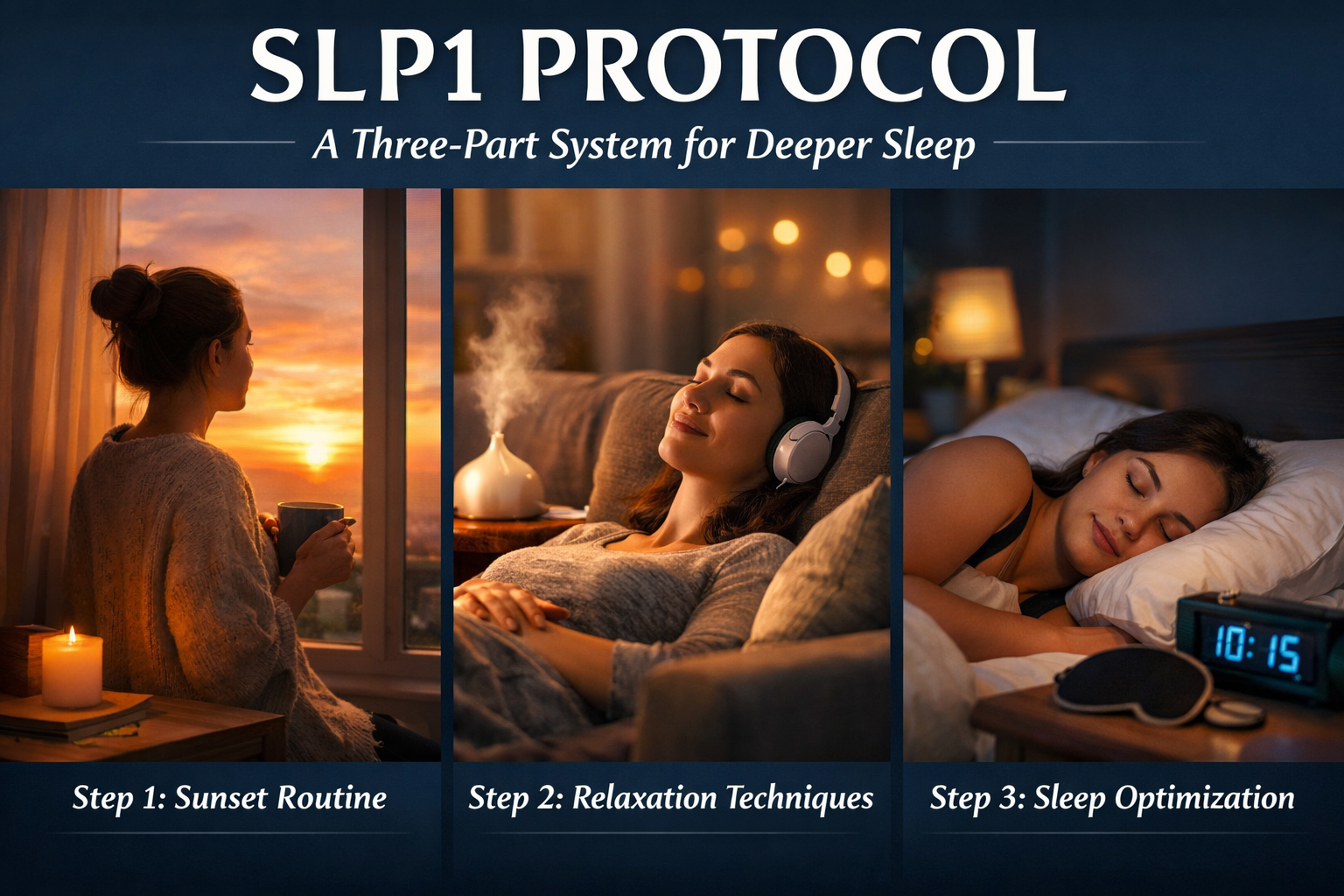
SLP1’s three-part protocol draws these elements together into a coordinated system:
-
Get To Sleep focuses on the front end of the night, using calming nutrients and gentle cortisol support to help you cross the N1 threshold quickly.
-
Deeper Sleep centers on N3 support, with magnesium, glycine, reishi, and adaptogens that help the body settle into the most restorative stages of sleep.
-
Stay Sleep supports continuity through the night so cycles can complete without frequent awakenings.
All SLP1 products are formulated in-house, melatonin-free, and built from clean, clinically relevant doses backed by third-party testing. Instead of chasing trendy ingredients or using tiny “fairy dust” amounts, the protocol works with your biology to restore rhythm. For health-conscious people who want long-term sleep quality rather than another quick sedative, that difference matters.
Conclusion
Sleep is more than a number on a tracker or a simple “good” or “bad” night. It is a repeating pattern of light NREM, deep NREM, and REM stages that each carry out specific work. Light stages guide you from wakefulness into safety and begin memory processing. Deep sleep rebuilds tissue, strengthens the immune system, and stabilizes metabolism. REM fine-tunes memory, creativity, and emotional balance.
When any part of this pattern breaks, daily life shows it. You may struggle to get to sleep, feel stuck at the surface, or wake drained even after enough hours in bed. Fixing that pattern means looking at timing, habits, stress, medical issues, and the nutrients that support your own sleep machinery. It means favoring methods that restore rhythm over ones that simply knock you out.
The SLP1 protocol is built with this view of sleep architecture at its core. By helping you get to sleep smoothly, deepen N3, and stay asleep through full cycles, it supports the “full arc of rest” that underpins clear thinking, stable mood, and steady health. Combined with the lifestyle strategies in this guide, that kind of targeted support can help you reclaim nights that truly restore the other two thirds of your life.
FAQs
What Are The Three Main Stages Of Sleep?
Researchers describe sleep as two broad types, NREM and REM, but in practice you can think of three main stages. Light NREM sleep includes stages 1 and 2, which handle the transition into sleep and start early memory work. Deep NREM sleep, or stage 3, supports physical repair and immune strength. REM sleep, the third stage in this simple model, handles emotional processing, creativity, and complex memory consolidation.
Why Do I Still Feel Tired After Eight Hours Of Sleep?
Feeling tired after a full night often means your stages of sleep were fragmented or unbalanced. You may have spent too much time in light sleep and not enough in deep or REM because of stress, alcohol, caffeine, medications, or an underlying disorder like sleep apnea. Tracking your patterns, cleaning up sleep hygiene, and seeking medical help when needed can reveal where the problem lies. Supportive protocols like SLP1’s system can then help rebuild healthier architecture.
How Can I Tell If I Am Getting Enough Deep Sleep?
Subjectively, solid deep sleep often shows up as feeling physically restored, with less soreness and steadier energy. Objectively, consumer trackers can give a rough estimate of deep sleep time, though they are not perfect. If you wake often, snore loudly, or feel very tired despite long nights, you may be missing N3 and should consider a medical evaluation. Strengthening routines, managing stress, and using targeted nutrients like magnesium and glycine can also support deeper stages.
Is Melatonin Safe To Take Every Night?
Low-dose melatonin can be helpful for short-term timing issues such as jet lag, but high nightly doses are not ideal for many people. Long-term heavy use may blunt natural melatonin production and cause morning grogginess without fixing the real causes of poor sleep. Focusing on circadian cues, stress management, and stage-specific support tends to give better long-term results. This is why SLP1’s formulas are melatonin-free and work with your own rhythm instead.
When Should I See A Doctor About My Sleep?
You should seek medical advice if you snore loudly, gasp for air at night, feel extremely sleepy during the day, or have insomnia that lasts more than a few weeks. Sudden changes in sleep, movements or behaviors during the night, or possible narcolepsy symptoms also deserve prompt attention. A clinician can order studies like polysomnography to map your stages of sleep and detect disorders. Addressing those issues makes all other sleep strategies far more effective.


Leave a comment
This site is protected by hCaptcha and the hCaptcha Privacy Policy and Terms of Service apply.