Introduction
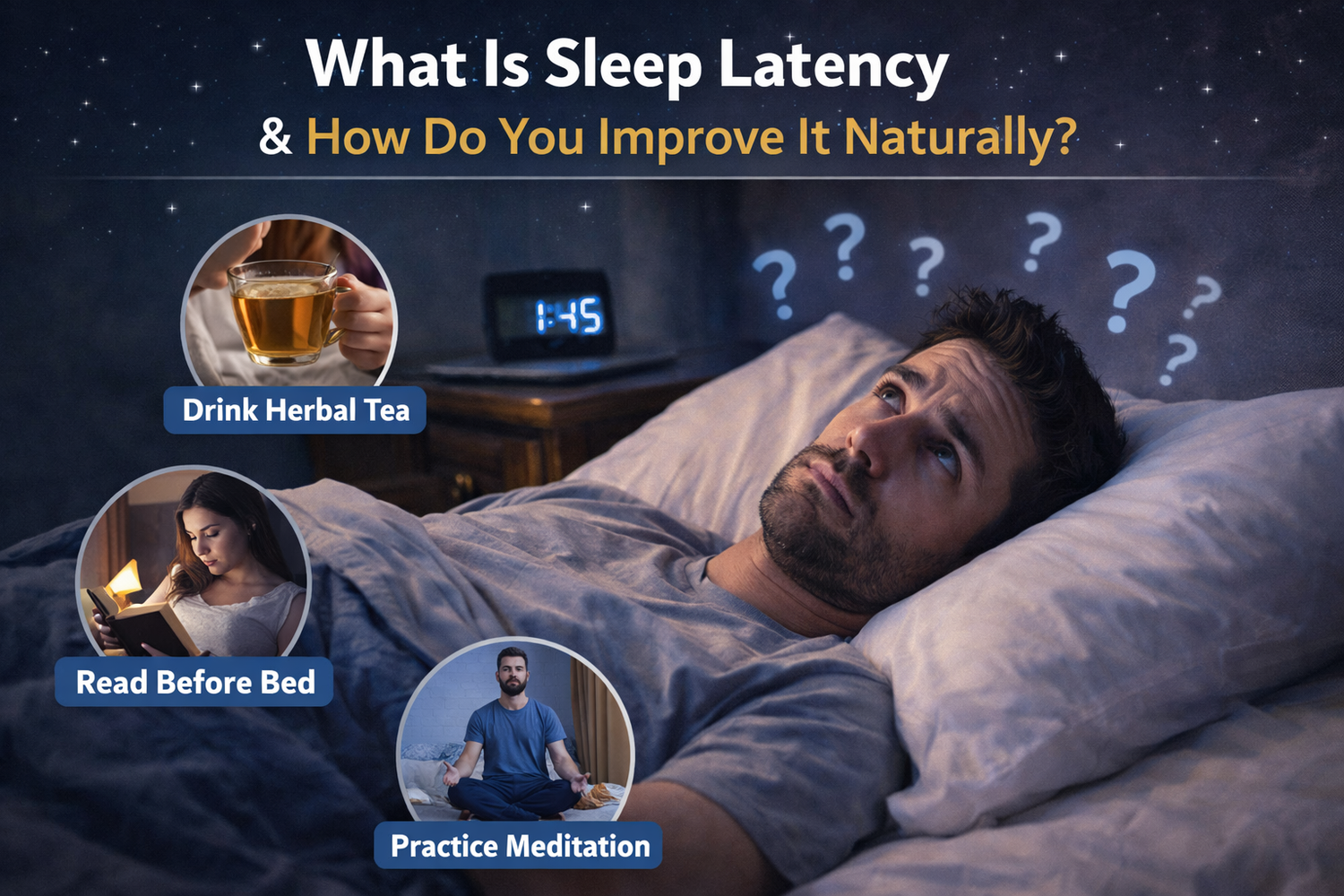
The scene is familiar. Lights off, phone finally set aside, body tired. Yet thirty minutes later, your mind is still replaying meetings, emails, and tomorrow’s to‑dos while the clock keeps shaving minutes off the night. Other nights, sleep arrives the second your head hits the pillow, but the morning feels foggy instead of restored.
Both of these experiences point to the same hidden metric called sleep latency. This is the technical term for how long it takes to move from full wakefulness to actual sleep after deciding to go to bed. It feels like “how long it takes to get to sleep,” but it also reflects what is happening inside your brain and body, far beyond simple annoyance.
Sleep research shows that an optimal sleep latency of about 10 to 20 minutes lines up with healthy sleep stages, better next‑day focus, and more stable long‑term health. Falling asleep in seconds often signals serious sleep debt. Tossing and turning for half an hour or more often points to insomnia or circadian timing problems. Many people reach straight for high‑dose melatonin or prescription pills, yet those often push the brain into sedation instead of restoring its natural rhythm.
“Sleep is the single most effective thing we can do to reset our brain and body health each day.”
— Matthew Walker, Why We Sleep
Modern sleep science, through precise tests that track brain waves and sleep stages, has changed how experts view this one number. In this guide, sleep latency becomes the lens. You will see what it is, how to tell whether yours is in a healthy range, how professionals measure it, and how to improve it with natural, science‑backed strategies that work with biology instead of fighting it. Along the way, you will also see how the SLP1 approach fits this rhythm‑first view of sleep support.
Key Takeaways
Sleep latency can feel abstract at first, so it helps to see the main points in one place before diving into details. These ideas work together and will come up throughout the guide in more depth.
-
Sleep latency is the time it takes to move from lights out to real sleep. For most healthy adults, about 10–20 minutes suggests that sleep pressure and circadian timing are in balance, instead of the body being over‑tired or wired.
-
Falling asleep in under eight minutes can seem impressive, yet it usually signals excessive sleepiness or sleep debt rather than great sleep. When sleep latency drops under five minutes on a regular basis, it often reflects severe sleep deprivation or a central hypersomnia such as narcolepsy.
-
Taking more than 30 minutes to get to sleep several nights a week is a warning sign for sleep‑onset insomnia or circadian misalignment. In those situations, the body is tired, but either the internal clock or the nervous system is not ready for sleep.
-
Sleep latency shapes sleep efficiency, total sleep cycles, and how much deep and REM sleep you get. A long delay at the start of the night creates fewer complete cycles, weaker memory consolidation, more fatigue, and lower performance the next day.
-
Objective tests such as the Multiple Sleep Latency Test (MSLT) measure how fast someone falls asleep during structured nap opportunities. These tests often show more sleep debt than people report, which is why experts rely on them when they suspect sleep disorders.
-
Natural improvement rests on three pillars that work together: circadian alignment, building and protecting healthy sleep pressure, and creating a calm neurological state before bed. Supporting natural melatonin and GABA activity fits this model far better than heavy sedatives.
-
Consistent bedtimes and wake times, steady evening routines, and smart use of clean, science‑backed supplements such as SLP1 can shift sleep latency over two to four weeks. The gains then keep building, night after night.
What Is Sleep Latency? Understanding The Science Behind Sleep Onset
Sleep onset latency, usually shortened to sleep latency, is the time between “lights out” and the first light stage of non‑REM sleep called N1. In research settings, this is not a guess. It is measured from the moment a person is told to try to sleep until brain‑wave patterns on an EEG show that the brain has crossed the line into sleep.
This matters because feeling tired and being physiologically ready to sleep are not the same thing. Many people say they feel exhausted yet lie awake for long stretches, which means their internal drive to sleep is not lining up with their behavior. Sleep latency captures that gap by showing how quickly the brain responds when the lights, screens, and other inputs go quiet.
On any given night, sleep latency reflects a tug‑of‑war between two major forces:
-
Sleep pressure (Process S), which builds the longer you have been awake
-
Circadian timing (Process C), which is set by your internal clock and light exposure
When sleep pressure is high and the clock is sending “nighttime” signals, latency falls into a healthy middle range. When one side dominates, the number shifts.
Researchers think of this healthy middle zone as a “Goldilocks” range for sleep latency. Falling asleep almost instantly often means the brain is starved for rest and is grabbing any chance it can. Struggling for long periods suggests too little sleep pressure, poor timing, or a nervous system that is still in high gear. Both ends of the spectrum carry health costs, even if they look different on the surface.
In daily life, there is no EEG readout on the bedside table. Instead, sleep latency shows up as the gap between deciding to sleep and the moment memory fades. The nights when you stare at the ceiling are nights with long latency. The nights when you do not remember a single thought after closing your eyes are nights with very short latency.
The Normal Sleep Latency Range (And What Falling Outside It Really Means)
Sleep scientists use clear ranges to interpret sleep latency. For most healthy adults who are getting enough rest and have no major sleep disorder, a normal sleep latency sits between 10 and 20 minutes. That span means the body has built enough sleep pressure through the day, and the internal clock is sending strong signals that it is time to sleep.
Within that range, the exact number still tells a story. Work by pioneers like William Dement shows that about 15–20 minutes usually line up with little or no sleep debt. When latency falls around 10–15 minutes, there is often a mild but manageable level of debt. People may feel a bit tired but can function well.
When sleep latency shortens to 5–10 minutes, research describes this as “troublesome” sleepiness. The brain is carrying a meaningful deficit, even if the person says they are used to feeling this way. A latency between 0 and 5 minutes is linked with severe sleep deprivation or central disorders of hypersomnolence, such as narcolepsy or idiopathic hypersomnia.
On the longer side, a consistent sleep latency above 20–30 minutes suggests a problem with falling asleep. Sleep‑onset insomnia is defined by this kind of ongoing delay, often paired with frustration and worry about sleep itself. Circadian rhythm disorders, like delayed sleep phase, also drive long sleep latency when someone tries to go to bed earlier than their internal clock allows.
A quick overview of common ranges:
|
Sleep Latency |
Interpretation (Adults) |
|---|---|
|
0–5 minutes |
Very severe sleepiness / possible sleep disorder |
|
5–10 minutes |
Significant sleep debt |
|
10–20 minutes |
Typical healthy range |
|
20–30 minutes |
Possible insomnia or timing issue |
|
30+ minutes (regularly) |
Likely insomnia or circadian misalignment |
It is normal for sleep latency to shift from night to night. A very active day, a missed hour of sleep, or a later bedtime can shorten it. An early bedtime, a nap, or a stressful evening can stretch it. Patterns matter more than any single night. If sleep latency is usually near that 10–20‑minute window, slight ups and downs are expected. If it is almost always very short or very long, that pattern deserves more attention.
Why Sleep Latency Matters More Than You Think
It is easy to view sleep latency as a small annoyance that only affects how irritated you feel at bedtime. In reality, it acts like a gate at the start of the night. The moment that gate opens shapes:
-
How much time remains for sleep
-
How many full sleep cycles your brain can complete
-
How much deep and REM sleep you can fit in before the alarm
When sleep latency is long, total sleep time shrinks unless you can shift your wake time. Most adults cannot do that because work, family, or school sets a fixed morning. A thirty‑ or sixty‑minute delay at the front end often means cutting off the last cycle at the back end. Over time, that means less deep sleep for physical repair and less REM sleep for memory and emotional processing.
This delay also drags down sleep efficiency, which is the percentage of time in bed actually spent asleep. Clinicians aim for at least 85%. A person can spend eight hours in bed and still have poor efficiency if they spend a big chunk of that time waiting to drift off or waking frequently in the night.
The psychological effects are just as real. When falling asleep is hard night after night, the bed itself starts to feel like a stressful place. People begin to dread bedtime, which raises arousal further and feeds the cycle of long sleep latency. Over months, this pattern chips away at mood, motivation, and even pain tolerance.
Daytime performance does not just depend on how long you slept. It depends on how much of that window turned into high‑quality sleep. Two people can both report “seven hours in bed.” If one falls asleep in 15 minutes and cycles smoothly through sleep stages, while the other spends 60 minutes trying to get to sleep, their brains will feel very different the next day.
Modern work schedules also pull many people away from their natural timing. When a person’s preferred sleep period does not match their required one, sleep latency can stretch out at the start of the night. This “social jet lag” feels like trying to sleep at the wrong local time, even without changing time zones. Reducing that mismatch is one of the fastest ways to bring sleep latency back toward the healthy middle.
Sleep Latency's Direct Impact On Sleep Efficiency And Architecture
Sleep efficiency is a simple fraction that packs in a lot of information. It is calculated by dividing total sleep time by total time spent in bed, then multiplying by 100. Sleep latency eats into that total from the very first minute.
Consider someone who goes to bed at 11 p.m., sets an alarm for 7 a.m., and spends the full eight hours in bed:
-
If sleep latency is 60 minutes and there are brief awakenings during the night, total sleep time might land around 380 minutes. Divide 380 by 480 and efficiency comes out around 79%, below the 85% clinical target.
-
With the same schedule but a 15‑minute sleep latency and only a few short awakenings, total sleep might be closer to 430 minutes. That brings efficiency to about 90%, even though time in bed has not changed.
Sleep latency also changes how many full sleep cycles the brain can complete. Each sleep cycles lasts about 90–120 minutes and includes light N1 and N2 sleep, deep slow‑wave sleep, and REM sleep. A long delay at the start of the night often costs at least part of a cycle. That can mean less N3 deep sleep in the first half of the night and fewer long REM periods near morning.
REM latency, which is the time from lights out to the first REM period, includes sleep latency inside it. When sleep latency stretches, REM latency stretches as well. That delay can push key REM periods closer to wake time, where they are more likely to be cut short by an alarm. Over time, that shortfall can affect learning, emotional balance, and even metabolic health.
Because of these links, clinicians who treat insomnia focus heavily on bringing sleep latency down. Shortening that initial delay often raises efficiency, supports more complete cycles, and gives both deep and REM sleep more room to appear. Changing what happens in the first 20–30 minutes before sleep can ripple through the full seven or eight hours that follow.
The Major Factors That Control Your Sleep Latency
Sleep latency does not come from a single cause. It is the result of many body systems interacting at once. A simple way to understand it is through the two‑process model of sleep regulation:
-
Process S (Sleep Pressure) – tracks how long you have been awake
-
Process C (Circadian Timing) – tracks what “time of day” your body thinks it is
On top of those two, there is the state of the nervous system and the surrounding environment. Stress, blue light, caffeine, late meals, and bedroom comfort all influence whether the brain can move from wake to sleep at the time you want. Understanding which of these factors affects you most is the first step toward changing sleep latency in a natural, targeted way.
Sleep Debt And Homeostatic Sleep Pressure
Sleep pressure is the body’s way of tracking how long you have been awake and how much rest you owe. A key player in this process is adenosine, a chemical that builds up in the brain during wakefulness. As levels rise, adenosine binds to receptors that make you feel sleepy. During sleep, especially deep sleep, that buildup clears, and the drive resets.
When you miss sleep, the brain does not shrug and move on. It treats that lost sleep as a debt that must be repaid. William Dement often described this as the brain keeping an exact ledger. As debt rises, sleep latency falls, sometimes to just a few minutes, because the internal pressure to sleep has become overwhelming.
This creates a confusing picture. Someone who falls asleep the instant they lie down might say they are an excellent sleeper. In reality, very short sleep latency is more like a warning light that the brain is running on empty. The person may have adapted to feeling tired during the day, but their nervous system is still pushing for recovery every chance it gets.
There is also the “second wind” effect. If a person stays up well past their natural bedtime, the circadian system can boost alertness for a while, even on a base of high sleep pressure. That can make it feel easier to stay up for another hour or two. The debt, however, does not disappear. The next time a real chance to sleep appears, sleep latency often collapses.
Across several nights of short sleep, this debt compounds. Sleep latency will usually shorten at night and during daytime nap opportunities until the body finally gets more total sleep and enough deep sleep to reduce the pressure.
“You are not healthy unless your sleep is healthy.”
— William C. Dement, sleep researcher
Circadian Rhythm And Melatonin Timing
While sleep pressure answers “how long have you been awake,” the circadian system answers “what time is it for your body.” At the center of this timing system sits the suprachiasmatic nucleus (SCN) in the brain, which responds especially to light arriving at the eyes.
As evening approaches, this clock triggers a rise in melatonin, often starting two to three hours before your habitual bedtime. Melatonin does not knock you out. Instead, it acts as a signal that the internal night has begun. At the same time, core body temperature starts to drop slightly, which further supports the ability to fall asleep.
Trying to get to sleep before this internal window opens usually leads to longer sleep latency. The circadian alerting signal is still strong, especially during the so‑called “forbidden zone” that often appears two to three hours before your usual bedtime. In that zone, even high sleep pressure has trouble winning the fight against wakefulness.
Chronotype also matters. Natural “night owls” have a delayed melatonin rise and later internal night. When their life demands a very early bedtime or wake time, their sleep latency often stretches, and mornings feel harsh. In more severe cases, this pattern is called delayed sleep phase disorder, and it can make normal work or school hours feel like living in the wrong time zone.
On the flip side, going to bed much later than your internal timing allows can shorten sleep latency, but this usually comes with rising sleep debt. Over time, pushing bedtime later and waking early for work flattens the natural melatonin curve, weakens the link between light and the clock, and makes both sleep latency and sleep quality harder to control.
Neurological State And Evening Arousal
Even when sleep pressure is solid and the circadian clock is pointing toward night, the brain still has to shift out of high gear. Sleep requires a move from sympathetic nervous system activity, which supports fight‑or‑flight responses, toward parasympathetic activity, which supports rest and digestion.
A major chemical helper in this shift is GABA, the brain’s main calming neurotransmitter. When GABA activity rises and excitatory signals fall, brain networks that keep you alert start to quiet. If stress keeps cortisol high in the evening, or if late‑day activities spike adrenaline, that calming shift can stall and sleep latency can rise.
Many people describe this as a racing mind at bedtime. Thoughts loop through problems, plans, and past conversations. This cognitive arousal keeps frontal brain regions active and is directly linked to longer sleep latency in insomnia research. Even when the body feels tired, the brain cannot downshift.
The “wired but tired” state is a close cousin. Intense late‑day workouts, heated conversations, or late‑night screen time can all leave the nervous system activated while physical energy feels low. Blue light from screens adds to the problem by suppressing melatonin and telling the brain that it is still daytime.
Over weeks or months of high stress, this pattern can become chronic. The nervous system learns to stay on guard into the evening. That is why natural approaches to improving sleep latency often include stress management, light changes, and targeted support for GABA activity, not just early bedtimes.
Lifestyle, Substances, And Environmental Factors
Daily choices can either support a smooth drop in sleep latency or push it in the wrong direction. Important players include:
-
Stimulants such as caffeine and nicotine. Caffeine has a half‑life of about five to six hours and blocks adenosine receptors, masking sleep pressure. When coffee or energy drinks show up in the late afternoon, sleep latency that night often stretches.
-
Alcohol, which pulls in the opposite direction at first. It acts as a depressant, so it can shorten sleep latency and make it feel easier to get to sleep. Later in the night, as the body clears it, sleep becomes lighter and more broken.
-
Medications, including stimulant drugs, some antidepressants, beta‑blockers, and bronchodilators, which may all raise sleep latency. Sedating antidepressants can shorten it.
-
Bedroom environment. Cooler temperatures in the mid‑60s Fahrenheit, low light, and quiet conditions help the brain shift into sleep more quickly. New or strange environments often cause a “first‑night effect,” where part of the brain stays alert for safety and sleep latency jumps.
-
Naps. A long or late‑afternoon nap can relieve so much sleep pressure that it takes much longer to get to sleep at night. Shorter naps earlier in the day tend to be less disruptive, especially when total night sleep has been short.
How Sleep Latency Is Measured Clinically
Most people judge their own sleep latency by feel. Yet studies comparing self‑reports with lab measurements show that people are often off by a wide margin, especially when they are very sleepy or very anxious about sleep. For this reason, sleep specialists use objective tests when they suspect a medical sleep disorder.
Clinical testing is not for casual curiosity. It is reserved for cases where symptoms suggest conditions such as sleep apnea, narcolepsy, idiopathic hypersomnia, or chronic insomnia. The goal is to measure sleep latency and sleep stages precisely enough to guide diagnosis and treatment.
Two main tools capture sleep latency in the lab:
-
Polysomnography (PSG) – an overnight study that looks at what happens during a normal sleep period
-
Multiple Sleep Latency Test (MSLT) – measures how fast someone falls asleep during several nap chances the next day
Together, these tests provide a detailed picture of both nighttime sleep quality and daytime sleepiness.
Polysomnography (PSG) — The Overnight Sleep Study
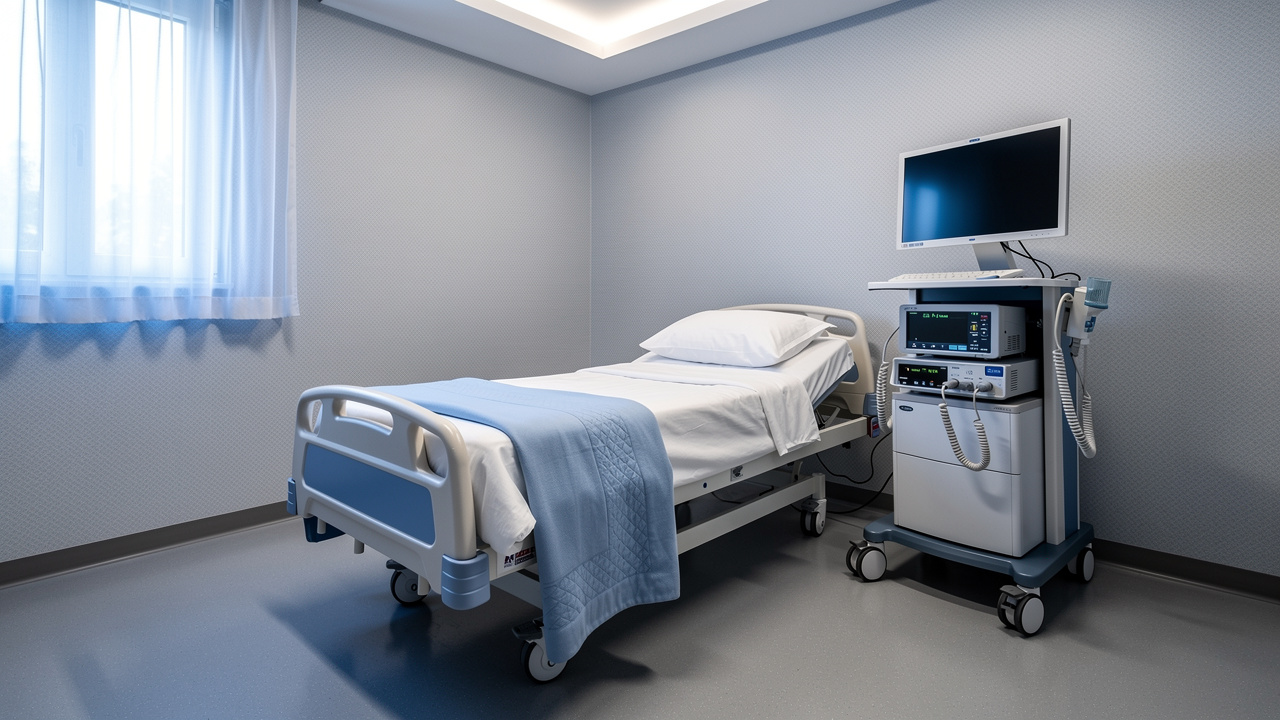
Polysomnography is the gold‑standard overnight sleep study. It takes place in a sleep lab or hospital room that is set up to feel like a quiet bedroom. Before the person falls asleep, a technician places sensors on the scalp, face, chest, and legs to record many body signals at once.
These sensors track:
-
Brain waves (EEG)
-
Eye movements (EOG)
-
Muscle tone (EMG)
-
Heart rhythm (ECG)
-
Breathing effort and airflow
-
Oxygen levels
-
Leg movements and snoring
With these signals, a sleep specialist can see exactly when the brain enters each stage of sleep and how breathing and movement behave across the night.
During PSG, sleep latency is the time from “lights out” to the first scored epoch of sleep, usually Stage N1, based on EEG patterns. Because the timing is tied to clear electrical changes in the brain, it is far more accurate than guessing how long you think you were awake.
PSG is essential for finding disorders such as obstructive sleep apnea, periodic limb movement disorder, or REM behavior disorder. It is also the starting point for MSLT testing on the following day. Without a good understanding of what happened during the overnight study, daytime sleepiness data can be misleading.
The Multiple Sleep Latency Test (MSLT) — Quantifying Daytime Sleepiness
The Multiple Sleep Latency Test is designed to measure physiological sleepiness during the day. After a full overnight PSG, the person returns to the lab bedroom for a series of four or five nap opportunities, usually spaced two hours apart.
For each nap trial:
-
The room is dark and quiet.
-
The person is asked to lie comfortably in bed and try to fall asleep.
-
Sensors similar to those used overnight record brain waves, eye movements, and muscle tone.
Sleep latency for that trial is the time from lights out to the first epoch of any sleep stage.
-
If no sleep occurs within 20 minutes, the nap trial stops and sleep latency is recorded as 20 minutes.
-
If sleep begins, the recording continues for 15 additional minutes to see if REM sleep appears.
At the end of the day, clinicians calculate the Mean Sleep Latency, which is the average across all naps, and count any sleep‑onset REM periods (SOREMPs).
Typical interpretations:
-
Mean latency >10 minutes – generally normal; 15–20 minutes shows high alertness
-
Mean latency ≤8 minutes – pathological sleepiness
-
Mean latency <5 minutes – very severe sleepiness
-
2+ SOREMPs along with short mean latency – strong suspicion for narcolepsy
Because many medications and sleep schedules can change these numbers, patients are asked to keep a regular sleep pattern and avoid certain drugs and substances before the test. When done under good conditions, the MSLT often reveals sleep debt and daytime sleepiness that people did not realize they had.
Natural Strategies To Improve Sleep Latency: The Evidence‑Based Approach
Improving sleep latency is not about forcing the brain to shut down. It is about restoring the natural signals that tell the brain when and how to fall asleep. Sedatives can push you into unconsciousness, but they often distort sleep stages and create dependence. A natural, science‑based approach looks different.
This approach rests on three main pillars:
-
Circadian alignment – getting your sleep period to line up with your internal clock and light exposure
-
Sleep pressure – spending enough time awake and limiting habits that drain that pressure too early
-
Neurological preparation – mental and biological steps that lower arousal before bed
Changes in these areas rarely flip sleep latency overnight. For most people, steady shifts over two to four weeks lead to easier sleep onset and better sleep depth. The benefits then keep building. This is the same philosophy behind the SLP1 Protocol, which was built to support rhythm and recovery over time rather than quick chemical knockouts.
The key is to match the strategy to the main drivers of your own sleep latency. If your issue is late caffeine and a bright bedroom, the plan looks different than if your main problem is a racing mind and high evening cortisol. The sections below walk through each pillar with practical steps.
Circadian Alignment And Working With Your Body's Natural Rhythms

Circadian alignment starts with consistent timing. Going to bed and waking up at roughly the same time every day, including weekends, helps the internal clock predict when to raise melatonin and lower body temperature. Aim to keep bedtime and wake time within about an hour of your usual schedule, even after a poor night.
Key timing steps:
-
Morning light – Get 10–30 minutes of outdoor light within the first hour of waking. Even on cloudy days, outdoor light is far brighter than indoor lamps and helps lock in the start of your biological day, which in turn shapes your sleep latency that night.
-
Evening dimming – Starting two to three hours before bed, begin dimming overhead lights and favor warmer, amber light sources. Reduce screen brightness and use blue‑light filters or glasses if evening device use is non‑negotiable.
-
Temperature cues – A warm bath or shower about 90 minutes before bed warms the skin and draws heat out of the core as you cool afterward. This gentle drop in core temperature supports sleep onset. Keeping the bedroom cool, usually around 65–68°F (18–20°C), continues that support through the night.
-
Meals and exercise – Try to finish dinner at least three hours before bed so your body is not juggling heavy digestion while trying to fall asleep. Vigorous exercise is best placed earlier in the day or late afternoon. Light movement in the evening, such as walking or stretching, can help relax the body without spiking arousal.
Optimizing Sleep Pressure (Homeostatic Drive)
Sleep pressure builds with time awake, so one of the most powerful yet overlooked strategies is simply protecting that stretch. Most adults need about 14–16 hours of wakefulness before sleep latency falls into the healthy range. Sleeping in very late or dozing on and off in the evening can reduce this window and make it harder to get to sleep.
Guidelines for healthy sleep pressure:
-
Keep a steady wake‑up time, even after rough nights. This helps maintain a consistent window of wakefulness.
-
Use naps carefully. Short naps of 20–30 minutes ending before about 2 p.m. can refresh alertness without wiping out too much sleep pressure. Long naps or late‑afternoon naps often do the opposite and lead to extended sleep latency at night.
-
Consider sleep restriction therapy (with professional guidance) if chronic long sleep latency is present. Time in bed is briefly limited to match actual sleep time, raising sleep pressure and making it easier to fall and stay asleep. Over time, the window is widened again.
-
Adjust caffeine use. Because caffeine blocks adenosine receptors, it can hide sleep pressure long after it builds. Cutting off caffeine eight to ten hours before bed allows receptors to clear so that natural signals can reach the brain in the evening.
Creating Optimal Neurological Conditions For Sleep Onset

Even with strong sleep pressure and a well‑timed clock, the brain still needs a clear glide path into sleep. One simple but powerful tool is the 3‑2‑1 rule:
-
3 hours before bed – Finish large meals
-
2 hours before bed – Stop work and intense thinking
-
1 hour before bed – Step away from screens when possible
A consistent wind‑down routine tells the nervous system that sleep is approaching. This might include:
-
Dimming lights and lowering household noise
-
Light stretching or gentle yoga
-
Reading a paper book
-
Listening to calm music or a quiet podcast
The exact activities matter less than repeating them at roughly the same time each night so the brain begins to associate them with lowered arousal and shorter sleep latency.
Relaxation techniques can directly lower physiological tension:
-
Progressive muscle relaxation – Slowly tense and release each muscle group to reduce bodily restlessness.
-
Breathing exercises – Patterns such as 4‑7‑8 breathing or slow, extended exhales increase parasympathetic activity and have been shown to shorten the time it takes many people to get to sleep.
-
Body scan meditations – Guide attention through the body and away from looping thoughts.
Cognitive steps matter as well. Setting aside ten minutes earlier in the evening to write down worries, plans, and next steps can clear mental space. If you find yourself awake in bed for more than about 20 minutes, getting up briefly and doing a quiet, non‑stimulating activity in dim light can prevent the bed from becoming a place associated with struggle.
Nutritional support can also help the nervous system settle. Forms of magnesium that are easy on the stomach, such as magnesium glycinate, support GABA activity and muscle relaxation. Botanicals like lemon balm, passionflower, and chamomile‑derived apigenin can ease tension without heavy next‑day effects. Adaptogens such as ashwagandha and nutrients like phosphatidylserine can gently lower elevated evening cortisol.
This is where products such as the SLP1 Protocol fit well. The Deeper Sleep and Stay Sleep components are designed to calm the nervous system and support continuous sleep, while SLP1 Natural Magnesium Sleep Powder adds a targeted dose of magnesium glycinate in a form that absorbs well at night. Used alongside the behavioral steps above, this kind of protocol helps create a consistent “landing pad” for the brain each evening.
The Role Of Natural Supplements In Sleep Latency Optimization
Behavioral strategies form the base for healthy sleep latency, yet many people also look for targeted nutritional support. The key is to view supplements as helpers for the body’s own sleep systems rather than as chemical overrides.
Many common sleep products center on strong sedatives or very high doses of melatonin. While these can knock someone out, they often flatten normal sleep stages, cause morning grogginess, and can lead to dependence. A better approach is to support pathways the brain already uses, such as GABA signaling, serotonin‑to‑melatonin conversion, and healthy stress hormone patterns.
This is the philosophy behind SLP1. Instead of white‑label blends packed with trendy names, SLP1 designs its own formulas in‑house for synergy and long‑term use. The SLP1 Protocol combines three coordinated products:
-
Get To Sleep – focuses on sleep latency and the first phase of the night
-
Deeper Sleep – supports nervous system unwinding and deeper stages
-
Stay Sleep – supports sleep continuity and fewer overnight awakenings
Most SLP1 formulas are melatonin‑free by design, favoring ingredients such as magnesium glycinate, lemon balm, passionflower, apigenin, ashwagandha, phosphatidylserine, tart cherry, glycine, and reishi. These compounds work with natural biology and are dosed in ranges that match research, then delivered in ways that the body can absorb comfortably in the evening.
The Melatonin Paradox: When To Use It And When To Avoid It
Melatonin is widely known as a “sleep hormone,” yet its primary job is to serve as a timing signal for the circadian clock. It tells the body that it is biological night more than it pushes the brain into sleep by itself. In people with healthy circadian rhythms, internal melatonin already rises naturally in the evening.
There are good uses for melatonin supplements. They can help shift the clock during jet lag, support night‑shift workers who need to sleep during daylight hours, or move sleep earlier in delayed sleep phase patterns. In these cases, smaller doses such as 0.3–0.5 mg often work just as well as or better than large doses, especially when taken one to two hours before the desired sleep time.
Chronic high‑dose use, such as 3–10 mg or more every night, raises concerns. Many over‑the‑counter products contain far more melatonin than their labels claim, and large doses can lead to morning grogginess, vivid dreams, and blunted natural production over time. Because melatonin affects hormone systems in children and adolescents, extra care is needed in younger users.
For these reasons, SLP1’s core sleep formulas are melatonin‑free and instead support the brain’s own production upstream through ingredients such as vitamin B6 and vitamin B12, which help convert tryptophan to serotonin and then to melatonin in the evening. When a targeted melatonin boost is truly needed, SLP1 offers a Melatonin Nasal Spray. This delivery route bypasses digestion, provides rapid absorption with precise dosing, and fits specific use cases like jet lag rather than nightly reliance.
The goal is not to depend forever on an external melatonin source but to restore and respect the body’s own rhythm.
Supporting GABA, Serotonin, And Endogenous Sleep Signals
Sleep onset depends heavily on a calm but flexible nervous system. GABA is central here. It quiets overactive brain circuits and allows sleep‑promoting regions to take the lead. Several natural compounds can support GABA activity without the heavy imprint of prescription sedatives.
Helpful compounds include:
-
Passionflower – modulates GABA receptors, promoting relaxation and shorter sleep latency.
-
Lemon balm – appears to increase GABA availability and reduce anxious thoughts while preserving mental clarity the next morning.
-
Apigenin (from chamomile) – binds to certain sites on GABA‑A receptors in a way that encourages calm without full sedation.
Another important pathway runs from serotonin to melatonin. By supporting serotonin production and function during the day, the brain has the raw materials it needs to build melatonin at night. Vitamins such as B6 and B12, which SLP1 uses in active forms, assist these conversions and support normal circadian timing.
Minerals and adaptogens round out this internal support:
-
Magnesium glycinate – helps regulate neurotransmitter release, calms overactive NMDA receptors, and relaxes muscles.
-
Ashwagandha – supports a more balanced stress response and has been linked to better sleep in several studies.
-
Phosphatidylserine – can gently lower excess evening cortisol, especially in people who feel wired after late workouts or stressful days.
-
Glycine – can slightly lower core body temperature and modulate receptors linked to calm, which can shorten sleep latency for some people.
-
Tart cherry – provides a mild natural melatonin signal along with antioxidants that support recovery.
-
Reishi mushroom – has a long history of use for stress reduction and may help regulate sleep cycles.
SLP1 incorporates many of these compounds in its Get To Sleep and Deeper Sleep products in clinically relevant doses rather than scattered “pixie dust” amounts. The aim is to create an internal chemical climate where sleep arrives smoothly and holds its structure, not to force unconsciousness at any cost.
The Importance Of Absorption And Bioavailability
What the label lists and what your body actually absorbs are not always the same. Bioavailability describes how much of an ingredient reaches the bloodstream and its target tissues. Form and delivery matter a great deal for sleep support.
For example:
-
Magnesium oxide has very low bioavailability and mostly acts in the gut, which is why it is often used as a laxative.
-
Magnesium glycinate, used by SLP1, is bound to the amino acid glycine, absorbs far better, and is gentler on digestion. That means more of it can reach the nervous system where it supports relaxation.
Timing and delivery also shape effect. Evening powders and capsules that are easy to digest fit naturally into a pre‑bed routine and avoid heavy stomach load. SLP1’s focus on absorption shows up in its choice of forms and its Melatonin Nasal Spray, which bypasses the digestive tract when rapid timing adjustments are needed.
Another key point is dosing. Many products sprinkle long ingredient lists in tiny amounts that never match what research used. SLP1 instead chooses shorter formulas with research‑backed doses and runs every batch through third‑party testing. This level of care helps users trust that the product in the bottle matches what the label claims and that they are not adding unwanted contaminants at night.
When To Seek Professional Help For Sleep Latency Issues
Natural strategies and high‑quality supplements can move sleep latency in a better direction, but they are not a replacement for medical care when a true disorder is present. Sleep problems are mental health conditions, not character flaws, and they deserve the same attention as any other concern.
A common threshold for chronic insomnia is:
-
Taking more than 30 minutes to fall asleep
-
At least three nights per week
-
For more than three months
-
Along with distress or daytime impact (fatigue, mood changes, poor focus)
If that sounds familiar even after four to six weeks of steady sleep‑friendly habits, it is time to talk with a healthcare professional.
Other signs call for quicker attention:
-
Regularly falling asleep in less than five minutes during the day
-
Having irresistible sleep attacks
-
Experiencing hallucinations and sleep paralysis around sleep
-
Loud snoring, gasping or choking during sleep, or witnessed breathing pauses
-
Strong, strange leg sensations that are relieved by movement
If your sleep feels unsafe, frightening, or completely out of control, treat it like any other medical warning sign and seek help early.
A primary care clinician can start the evaluation by asking about sleep schedules, health history, medications, and mental health. They may suggest a sleep diary, basic blood work, or initial advice on sleep hygiene. For more complex cases, they can refer you to a sleep specialist, who may order overnight polysomnography, an MSLT, or other targeted tests.
The encouraging news is that many sleep disorders respond well once they are identified. Sleep apnea often improves with CPAP or oral devices. Circadian rhythm disorders may respond to light therapy and structured schedules. Cognitive Behavioral Therapy for Insomnia (CBT‑I) is a first‑line treatment that often reduces sleep latency without medication.
Conclusion
Sleep latency might seem like a small detail compared with big themes like “getting eight hours,” yet it captures an important slice of sleep health. It shows how smoothly the brain crosses from wake to sleep, how well sleep pressure and circadian timing line up, and how calm or wound up the nervous system remains at night.
A healthy sleep latency of about 10–20 minutes marks a sweet spot. Falling asleep in seconds is usually a sign that you are running a sleep debt, not that your sleep is excellent. Lying awake for half an hour or more on a regular basis points toward insomnia, timing issues, or high evening arousal that deserve care.
Because many systems influence sleep latency, improving it works best through a combined approach. Aligning sleep with your internal clock, protecting steady time awake, lowering late‑day stimulants, and building a calm pre‑sleep routine all play a part. Science‑backed supplements from companies such as SLP1 can support these efforts by reinforcing GABA activity, natural melatonin rhythm, and stress balance without heavy sedation or dependence.
Real change takes a few weeks of consistency, yet the rewards go far beyond a shorter delay at bedtime. Better sleep latency supports deeper sleep, more complete cycles, steadier mood, stronger focus, and more reliable energy across the day. With a clearer understanding of this metric and the tools to improve it naturally, you can move sleep from a nightly struggle toward a steady source of recovery.
FAQs
Question 1: Is It Bad To Fall Asleep In Less Than 5 Minutes?
Falling asleep in under five minutes on a regular basis is usually not a sign of excellent sleep. It is often a marker of severe sleep deprivation or excessive daytime sleepiness. In healthy adults, sleep latency more often lands between 10 and 20 minutes. If very fast sleep onset happens often, especially during the day, a clinician should check for sleep debt or disorders such as narcolepsy.
Question 2: Can Sleep Tracking Devices Accurately Measure My Sleep Latency?
Most consumer sleep trackers use movement and heart‑rate patterns to guess when you are asleep, not direct brain‑wave data. They can show trends over time and give a rough estimate of how long it took you to get to sleep, but they cannot pinpoint the exact moment sleep began the way EEG‑based tests do. They also tend to count quiet wakefulness as light sleep. Their best use is to spot patterns, not to provide precise sleep latency numbers.
Question 3: Why Does Alcohol Make Me Fall Asleep Faster But I Wake Up Feeling Terrible?
Alcohol depresses the central nervous system, so it often shortens sleep latency and makes it easier to drift off. The problem is that it changes the structure of sleep:
-
In the first half of the night, alcohol suppresses REM sleep.
-
As it wears off, REM rebounds and awakenings become more frequent, leading to light, broken sleep.
-
Alcohol also relaxes airway muscles, which can worsen snoring and sleep apnea.
Even if you fall asleep quickly, this pattern often leaves you unrefreshed in the morning.
Question 4: How Long Should I Try Natural Methods Before Considering Sleep Medication?
For most people, it makes sense to use behavioral and circadian strategies consistently for four to six weeks before deciding they are not helping. Natural approaches work through slow shifts in biology, so change is gradual. Keeping a sleep diary during this time can make trends in sleep latency easier to spot. If difficulty falling asleep lasts longer than about three months, it is wise to see a clinician and ask about CBT‑I, which is usually tried before medication.
Question 5: Can I Improve My Sleep Latency If I Work Night Shifts?
Night shifts make sleep latency more challenging because they pull your schedule away from natural light and dark cycles. It is still possible to make gains:
-
Use blackout curtains or an eye mask to keep your sleep space dark during the day.
-
Expose yourself to bright light during your work hours to signal “daytime” to your brain.
-
Consider a short nap before your shift if it does not cut into later sleep.
-
Talk with a clinician about low‑dose melatonin timed before your main sleep period.
-
Add calming support such as SLP1’s Get To Sleep to help your nervous system switch off at irregular hours.
-
Keep your sleep and wake times as consistent as possible, even on days off, to reduce ongoing circadian disruption.
These steps will not make night‑shift work effortless, but they can reduce sleep latency and improve the rest you do get.



Leave a comment
This site is protected by hCaptcha and the hCaptcha Privacy Policy and Terms of Service apply.