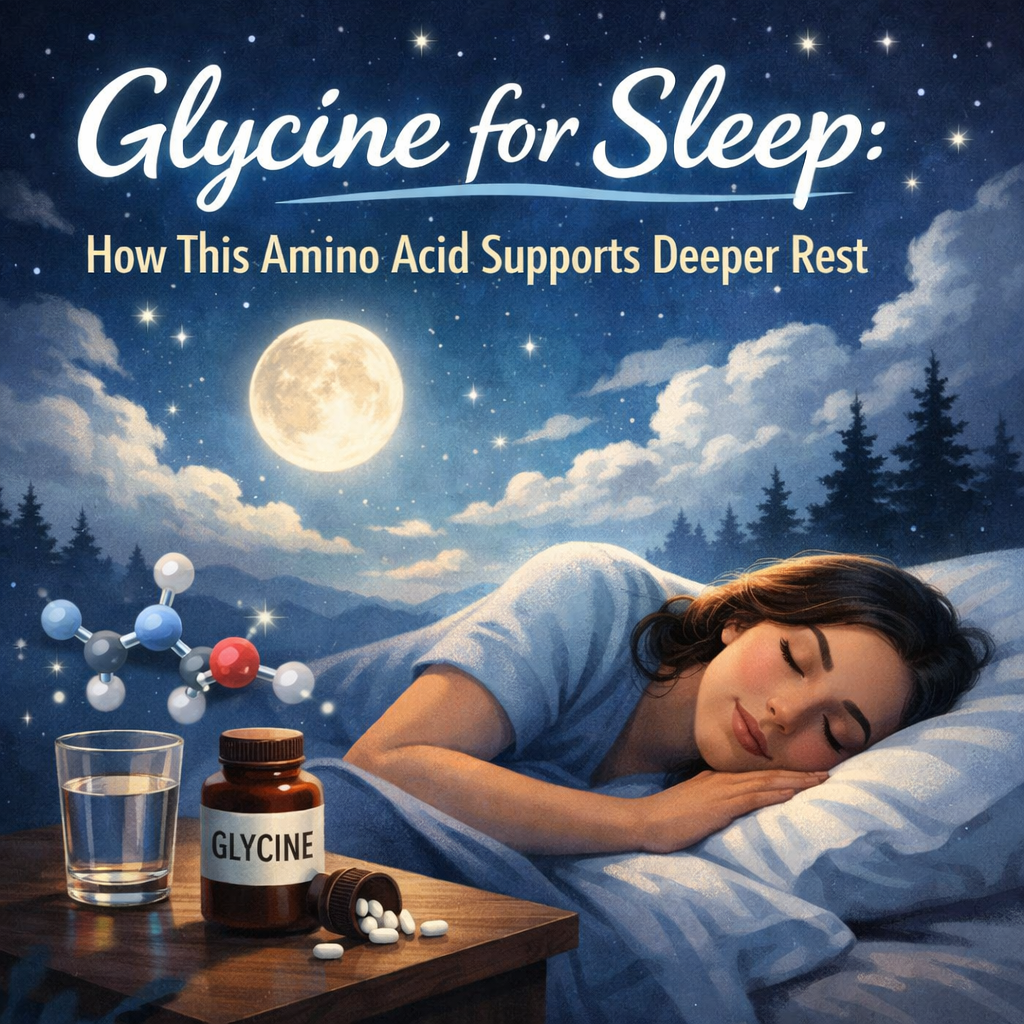
Introduction
Lying in bed exhausted while the mind stays alert feels like pressing a sleep button and getting no response. The room is dark, the day is over, yet the body has not shifted into sleep mode. For many people who start exploring glycine for sleep, the problem is not willpower or time in bed. The missing piece is that the body never sends a strong signal that it is time to rest.
One of the clearest signals the body uses is a small, steady drop in core body temperature. When core temperature falls and the skin of the hands and feet warms, the brain reads this as “safe to sleep now.” If that cooling step is blocked by stress, light exposure, or biology, sleep often feels out of reach no matter how tired someone feels.
This is where glycine becomes especially interesting. Glycine is a simple amino acid, yet research shows it can lower core body temperature in a controlled way and support natural sleep onset. Instead of forcing unconsciousness, glycine for sleep works with the brain’s master clock and with blood vessels in the skin. It sets up the conditions under which sleep happens more quickly and more deeply.
“Sleep is the single most effective thing we can do to reset our brain and body health each day.”
— Matthew Walker, PhD, neuroscientist and author of Why We Sleep
The goal of this article is not to offer a quick fix. It is to explain how body temperature, circadian timing, and glycine fit together, and how thoughtful use of glycine can support long‑term, reliable rest. Along the way, you will see how the science, practical dosing details, broader health benefits, and SLP1’s formulations all connect into a clear, usable strategy.
Key Takeaways
-
Glycine for sleep helps the body fall asleep more naturally by lowering core body temperature and warming the hands and feet.
-
Glycine activates NMDA receptors in the suprachiasmatic nucleus (SCN), the brain’s master clock that coordinates temperature, sleep timing, and hormone rhythms.
-
Human studies using 3 grams of glycine before bed show shorter time to fall asleep, better subjective sleep quality, and less next‑day fatigue without a sedative “knockout” effect.
-
Glycine supports the body’s built‑in cooling and circadian systems instead of forcing sedation, which helps preserve normal sleep architecture.
-
Beyond sleep, glycine supports nervous system calm, collagen production, glutathione formation, detoxification, and liver function.
-
SLP1 uses glycine as a foundation in its sleep formulations, pairing it with other selected ingredients to support calm, cooling, and circadian alignment.
What Is Glycine And Why Does It Matter For Sleep?
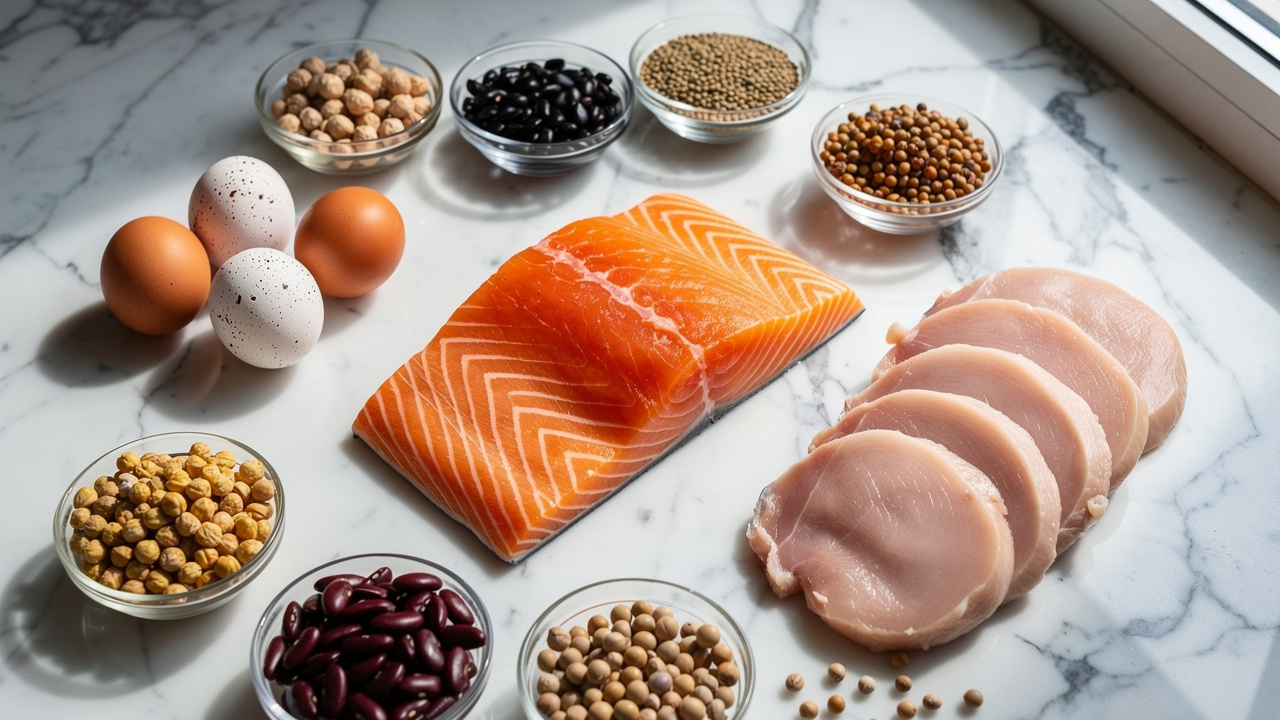
Glycine is the simplest amino acid in the body, yet it plays outsized roles in structure, metabolism, and the nervous system. The body can make glycine, and we also get it from protein‑rich foods. Still, many people look at extra glycine for sleep and recovery because normal dietary intake may not match specific sleep‑related needs.
Roughly one‑third of collagen—the main structural protein in skin, bones, and connective tissue—is made from glycine. It also:
-
Helps build DNA and RNA
-
Contributes to bile acid production for fat digestion
-
Supports glutathione synthesis, a key antioxidant in the liver
From a nervous system point of view, glycine is even more interesting. It can act as a calming neurotransmitter and as a co‑agonist at certain excitatory receptors. This dual behavior helps explain why glycine for sleep tends to feel steady and clear instead of heavy and sedating. Rather than shutting down the brain, it helps tune the signals that say “now is the time to rest.”
Most people get around 3–5 grams of glycine per day from foods such as meat, fish, dairy, and legumes. That intake is spread throughout the day and may not reach the levels used in sleep research. Stress, irregular schedules, and poor sleep routines can also increase the need for targeted support. Supplemental glycine taken shortly before bed allows a defined dose at exactly the time the brain’s master clock and body temperature systems are preparing for night.
Glycine's Dual Role As Neurotransmitter
In the nervous system, glycine wears two hats:
-
Inhibitory neurotransmitter
In the spinal cord and brainstem, glycine activates inhibitory glycine receptors. These receptors open chloride channels, making neurons less likely to fire. This can:-
Reduce muscle tension
-
Create a general sense of bodily calm
-
-
Co‑agonist at NMDA receptors
Throughout the brain, glycine binds to the glycine site on NMDA receptors, which also require glutamate to activate. When both are present, the receptor opens and calcium enters the neuron, supporting processes linked to:-
Learning and memory
-
Timing and plasticity
-
Circadian signaling in the SCN
-
Sleep research suggests that the main sleep‑supportive actions of glycine for sleep come from this NMDA co‑agonist role in the SCN, not from broad activation of inhibitory glycine receptors. Supplemental doses before bed raise brain glycine enough to engage NMDA receptors in key regions without causing a global “shut down,” which matches the calm‑but‑clear feeling most people describe.
The Critical Connection Between Body Temperature And Sleep Onset
Sleep is part of a 24‑hour rhythm that also includes shifts in hormones, digestion, and core body temperature. Core temperature rises during the day, peaks in the late afternoon, then falls in the evening as the body prepares for sleep.
Two features matter:
-
The timing and rate of the evening temperature drop
-
The warming of hands and feet (distal skin areas)
When core temperature starts to fall and the skin of the hands and feet warms, the brain’s sleep centers read this as a strong signal that it is safe to sleep. If that cooling signal is weak or delayed, it often becomes much harder to fall asleep, even when someone feels tired.
This temperature change depends on peripheral vasodilation—blood vessels in the skin, especially in the hands and feet, widen and carry warm blood from the core out toward the surface. Heat then leaves the body into the surrounding air. When this process runs well, core temperature dips and sleep tends to come quickly. When it is blocked by stress hormones, late‑night exercise, a hot bedroom, or tight blood vessels, core temperature can stay too high and sleep onset slows down.
Many common sleep aids increase drowsiness or quiet mental chatter but do not correct this missing temperature signal. If the core stays too warm while the mind is pushed toward sleep, rest can feel shallow or broken. Supporting the natural cooling step often works better than just fighting wakefulness.
Glycine for sleep fits right here. By widening peripheral blood vessels and lowering core temperature in a controlled way, glycine supports this basic thermoregulatory requirement instead of ignoring it. For people who “run hot” at night or toss and turn before finally cooling off, this pathway can matter a lot.
Why Warm Hands And Feet Help You Fall Asleep Faster

Many people notice they fall asleep more easily after a warm bath or once their feet feel comfortably warm under the blanket. That comfort has a physiological reason.
When hands and feet are warm:
-
Blood flow to the skin has increased
-
Warm blood is moving from the core toward the surface
-
Heat is leaving the body—what scientists call distal heat dissipation
Studies show a strong link between this distal heat loss and shorter sleep‑onset latency. The better the body is at sending heat out through the hands and feet, the easier it is to fall asleep.
Simple habits can support this:
-
Wearing warm socks
-
Taking a warm bath 1–2 hours before bed
-
Using a gentle foot warmer
These methods encourage vasodilation, which speeds heat release and triggers the core temperature drop needed for sleep. Even though the skin feels warm, the core is quietly cooling.
Glycine for sleep presses on the same lever from the inside. Instead of warming the feet from the outside, glycine nudges the brain’s master clock to increase blood flow to the skin in a timed, coordinated way. The end result copies what healthy sleepers show: warm hands and feet, a slightly cooler core, and an easier slide into sleep.
How Glycine Lowers Body Temperature: The SCN–NMDA Pathway
The most interesting aspect of glycine for sleep is how specific its pathway is. This is not a vague “relaxing” effect—it is a defined series of steps that begins in the gut and ends in the brain’s sleep centers.
-
Absorption and brain entry
After oral intake, glycine is absorbed through the gut into the bloodstream, then crosses into the brain and cerebrospinal fluid. Sleep‑study doses raise brain glycine enough to change receptor activity for a limited window—roughly the period when people feel more ready for sleep. -
Action in the suprachiasmatic nucleus (SCN)
In the SCN, glycine binds to the glycine site on NMDA receptors. This activation changes firing patterns in SCN neurons in a way that begins a downstream signal toward the autonomic centers that control blood vessel tone. -
Peripheral vasodilation and cooling
Once SCN neurons send their signal, autonomic pathways widen peripheral blood vessels, especially in the limbs. Skin blood flow rises, heat leaves the core more quickly, and core body temperature falls.
Animal studies, including research examining The Sleep-Promoting and Hypothermic effects of glycine through NMDA receptors, show this clearly: after oral glycine, blood flow to the paws increases in a dose‑dependent way, and core temperature drops over the next 30–45 minutes. That timing matches increases in non‑REM sleep and shorter time to fall asleep.
For people using glycine for sleep, this means the amino acid is not forcing sedation. It is orchestrating a cooling signal through the SCN–NMDA pathway so that the natural process of falling asleep can unfold more easily.
The Suprachiasmatic Nucleus: Your Body's Master Clock
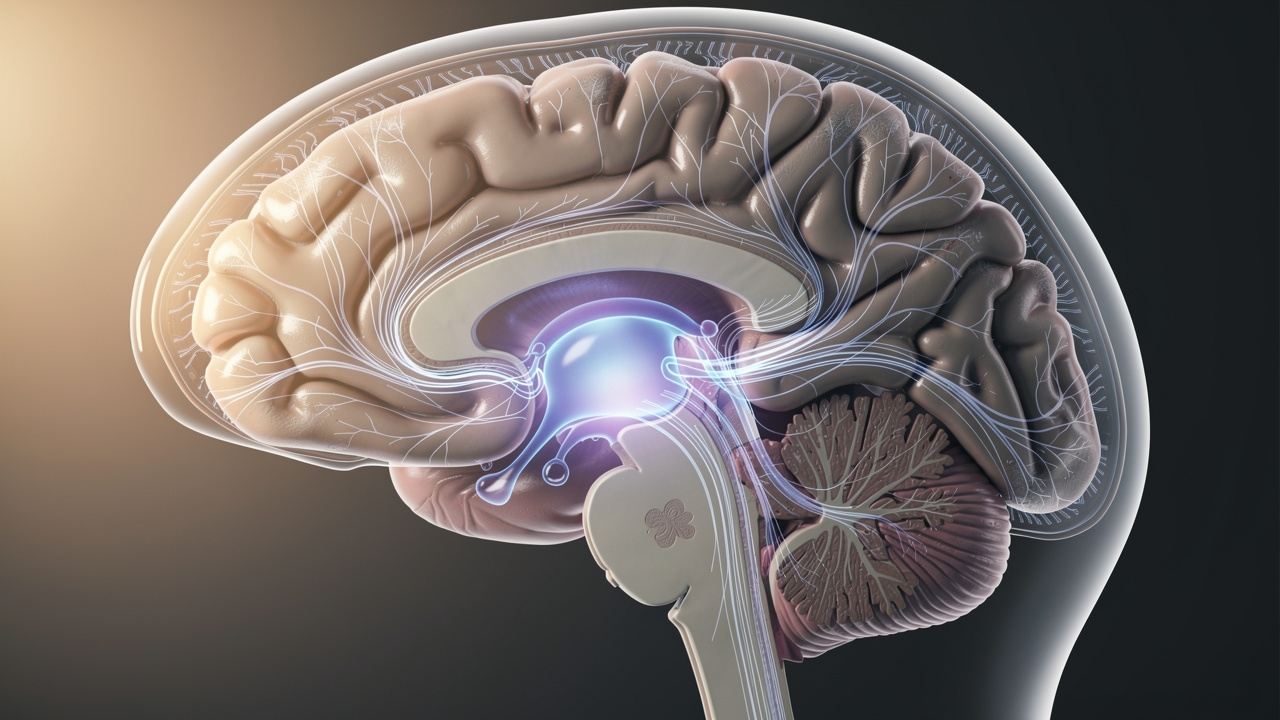
The suprachiasmatic nucleus (SCN) is a tiny structure in the hypothalamus with a huge job. Sitting just above the optic chiasm, it receives light signals from the eyes and keeps internal time across the 24‑hour day. It coordinates rhythms in:
-
Sleep and wakefulness
-
Hormone release
-
Body temperature
-
Digestion and activity levels
Researchers confirmed that the SCN is the main target for glycine’s cooling and sleep effects in several ways:
-
After glycine dosing, markers of neuron activity (such as c‑Fos) rise specifically in parts of the SCN.
-
Microinjections of glycine directly into the SCN increase skin blood flow, while injections into nearby regions do not.
-
When the SCN is damaged or removed in animal models, glycine no longer lowers core temperature or improves sleep.
These findings show that glycine for sleep works through the master clock itself, supporting circadian alignment instead of fighting against it.
NMDA Receptors: Why Glycine Is Not A Sedative
NMDA receptors are glutamate receptors that act as coincidence detectors—they open only when both glutamate and a co‑agonist such as glycine are present. When they open, calcium enters the neuron and triggers downstream effects related to plasticity and gene expression.
To pinpoint which receptors mediate glycine’s effects, researchers used receptor blockers:
-
Blocking inhibitory glycine receptors with strychnine did not stop glycine from increasing skin blood flow.
-
Blocking NMDA receptors or the glycine binding site on NMDA receptors did stop the vasodilation and temperature drop.
These results show that NMDA receptors, not classical inhibitory glycine receptors, are the key drivers of glycine’s cooling effect.
For practical use, this helps explain why glycine for sleep feels gentle and clear. It adjusts excitatory signaling in a specific circadian region instead of depressing the entire nervous system the way many sleep drugs and heavy sedatives do. People usually describe feeling calm and ready for sleep, yet mentally normal.
Scientific Evidence: What Research Shows About Glycine For Sleep
The case for glycine for sleep rests on a combination of human trials and detailed animal studies. While most human studies are modest in size, their results are consistent and match the mechanisms seen in animal work.
In human trials where participants with mild sleep problems took 3 grams of glycine about an hour before bed:
-
Polysomnography (overnight sleep recordings) showed faster entry into deep, slow‑wave sleep.
-
Sleep stages remained balanced and normal; glycine did not distort sleep architecture.
-
People reported better subjective sleep quality, less fatigue, and feeling more refreshed on waking.
In studies where participants were deliberately sleep‑restricted, those who took glycine reported less fatigue and showed better performance on certain cognitive tasks than those on placebo.
Animal models add detail: glycine reduces wake time, increases non‑REM sleep, and shortens the time needed to enter that state. These changes track closely with measured shifts in temperature and skin blood flow.
“If sleep does not serve an absolutely vital function, then it is the biggest mistake the evolutionary process has ever made.”
— Allan Rechtschaffen, sleep researcher
The overlap between human outcomes, animal physiology, and the repeated use of the same 3‑gram dose makes a convincing case for careful, personal use of glycine to support sleep.
Key Findings From Human Clinical Trials
Several human studies form the backbone of what we know about glycine for sleep:
-
Improved subjective sleep quality
Participants with mild insomnia who took 3 grams of glycine before bed reported:-
Better overall sleep quality
-
Less daytime fatigue
-
More refreshed waking compared with placebo nights
-
-
Faster entry into deep sleep
Polysomnography studies found that with 3 grams of glycine:-
Participants entered slow‑wave sleep more quickly
-
Sleep stages shifted less erratically through the night
-
Normal ratios of light and deep sleep were preserved
-
-
Support under sleep restriction
In healthy volunteers allowed only limited sleep:-
Those who took glycine felt less sleepy during the day
-
Certain cognitive tasks were performed more accurately than in the placebo group
-
Across these trials, benefits appeared without the morning “hangover” that often accompanies sedative drugs, and glycine did not cause abnormal brain‑wave patterns.
Animal Studies: Revealing The Mechanism
Animal studies explain how glycine produces these effects.
Key findings include:
-
In stress‑based models of insomnia (such as moving rats into a new cage), oral glycine:
-
Shortened time to non‑REM sleep
-
Increased non‑REM sleep time
-
Reduced brief awakenings in the early rest period
-
-
Laser‑Doppler imaging showed that glycine:
-
Increased skin blood flow to the paws in a dose‑dependent manner
-
Produced a core temperature drop that matched the timing of improved sleep
-
-
When the SCN was removed:
-
Glycine no longer changed skin blood flow or core temperature
-
Sleep‑promoting effects disappeared
-
Together, these observations confirm that glycine for sleep works through circadian and thermoregulatory systems rather than through broad nervous‑system depression.
Glycine's Additional Sleep-Supporting Mechanisms Beyond Temperature
Lowering core body temperature is the best‑studied way glycine for sleep helps, but it is not the only one. Glycine also influences neurotransmitters and brain waves in ways that support calmer, more restorative rest.
-
As an inhibitory neurotransmitter in the spinal cord and brainstem, glycine can:
-
Reduce excessive firing in certain neurons
-
Ease physical restlessness and muscle tension
-
-
Animal research suggests that glycine can increase extracellular serotonin levels in brain regions such as the prefrontal cortex. Serotonin:
-
Shapes mood and emotional balance
-
Serves as a building block for melatonin
-
-
EEG recordings during sleep show that oral glycine:
-
Slightly increases theta power during non‑REM sleep
-
Does not disturb delta power or cause abnormal brain waves
-
These patterns line up with people’s descriptions of sleep on glycine as “more natural” or “unforced,” and with the idea that glycine supports, rather than overrides, normal sleep biology.
Serotonin, Melatonin, And The Sleep–Wake Cycle
Serotonin and melatonin are central to the sleep–wake cycle:
-
Serotonin influences daytime mood and alertness.
-
At night, serotonin is converted into melatonin in the pineal gland via a short enzyme pathway.
Animal studies indicate that oral glycine can raise extracellular serotonin in certain brain areas. While glycine does not directly spike melatonin, better serotonin balance may support more natural melatonin production as darkness falls.
For someone using glycine to get to sleep, this means:
-
The temperature drop and circadian signals from the SCN are reinforced by more coherent hormone timing.
-
Nighttime messages to the brain become clearer: it is dark, core temperature is dropping, and neurochemical signals line up with “time to sleep.”
This influence is gentle and indirect, which fits well with glycine’s overall profile as a modulator rather than a strong sedative.
How To Use Glycine For Sleep: Dosage, Timing, And Practical Guidelines
Knowing how glycine works matters, but sleep only changes when dose, timing, and routine come together in daily life. Research and user experience point to a practical, science‑based starting point that most healthy adults can discuss with their healthcare provider.
Typical starting approach:
-
Dose:
-
3 grams (3,000 mg) once in the evening—the same amount used in most clinical trials.
-
-
Timing:
-
Take glycine 30–60 minutes before planned bedtime.
-
This matches the window when skin blood flow and core temperature changes peak.
-
-
Form:
-
Powder: Easy to mix in water, allows flexible dosing in 0.5–1 gram steps.
-
Capsules: Convenient and portable, with pre‑measured doses.
-
-
With or without food:
-
Many people prefer taking glycine on an empty stomach or between meals.
-
A light snack is usually fine; heavy protein intake at the same time may compete for absorption.
-
Personal response varies. Some people feel clear benefits at 2 grams; others prefer 3–4 grams. Adjustments are best made in small steps over several nights, alongside steady sleep hygiene habits such as:
-
A consistent bedtime
-
Low light in the last hour before bed
-
A cool bedroom
-
Simple stress‑management practices (breathing, stretching, journaling)
What To Expect When You Start Taking Glycine
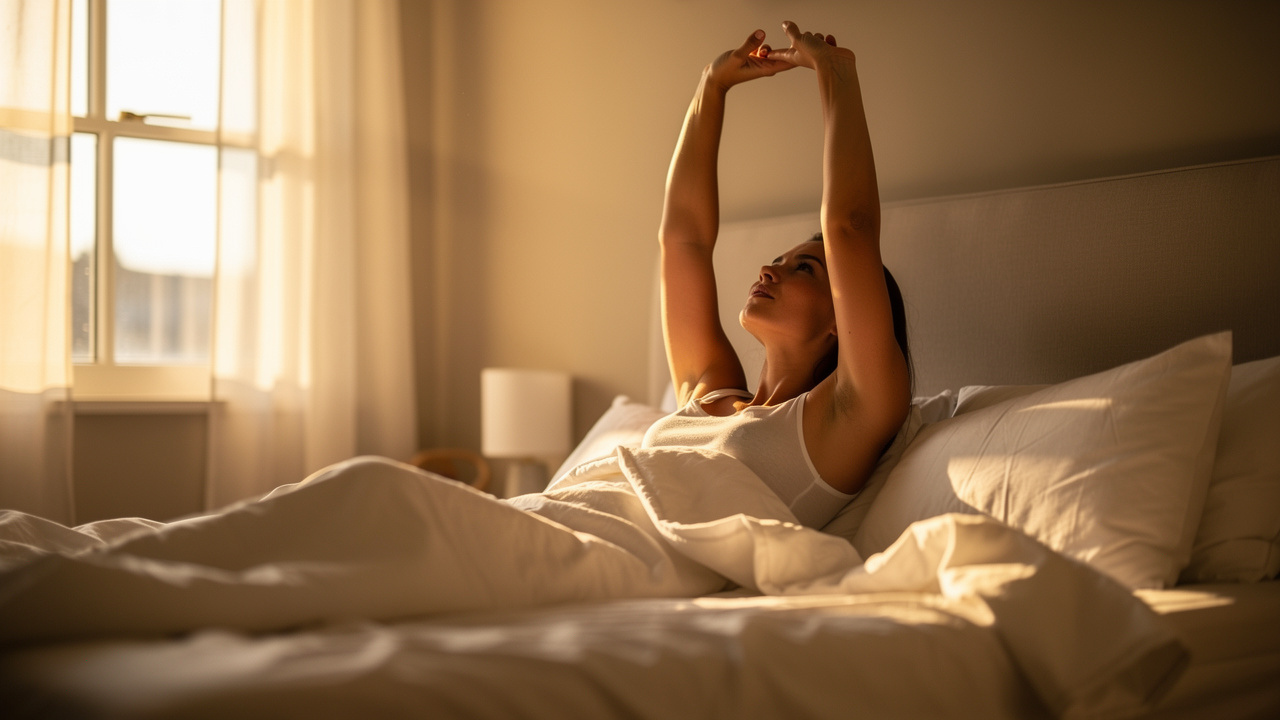
The first few nights with glycine for sleep usually bring gentle changes rather than dramatic shifts.
Common experiences include:
-
A mild sense of calm within 20–30 minutes of taking it
-
Less “edge” on mental and physical tension
-
A subtle awareness of hands and feet feeling comfortably warm as you settle into bed
Unlike heavy sedatives, glycine does not usually create a foggy or drugged sensation. People can still read, talk, or get up if they need to, but they feel more ready to close their eyes and drift off. Sleep onset often feels smoother, with less clock‑watching.
The next morning, many report:
-
Feeling more refreshed and less groggy
-
Clearer thinking and less “sleep hangover” than with strong sleep medications
-
Fewer complaints of night sweats or feeling overly hot, especially among those who typically sleep warm
Some people notice changes on the first night; others need 5–7 nights for patterns to settle. If there is no clear difference after a week at 3 grams, it is worth reviewing timing, bedroom temperature, and overall routine before changing the dose.
Combining Glycine With Other Sleep Supplements
Because glycine for sleep works mainly through thermoregulation and circadian signaling, it pairs well with supplements that act through different pathways.
Common pairings include:
-
Magnesium
Supports the parasympathetic nervous system and GABA activity, helping ease muscle tension and mental stress. Magnesium plus glycine can combine:-
Calmer mind and muscles (magnesium)
-
Better cooling and timing signals (glycine)
-
-
L‑theanine
An amino acid that can reduce mental noise and support relaxed alertness. It pairs especially well for people whose main barrier is racing thoughts at bedtime. -
Gentle herbs
Chamomile, lemon balm, or similar botanicals may support GABA and anxiety circuits without heavy sedation.
A practical approach is:
-
Start with glycine for sleep alone.
-
Observe your response for at least a week.
-
If needed, add one additional compound at a time, at modest doses.
SLP1 follows this layered, intentional strategy. Its formulations use glycine as a foundation and then combine it with:
-
Magnesium glycinate for calm and neuromuscular support
-
Selected botanicals for stress reduction
-
Co‑factors that support the full “sleep arc,” from ease of falling asleep to stable maintenance
This avoids a “kitchen sink” blend and focuses on a few, well‑defined mechanisms that work together smoothly.
Glycine vs. Other Sleep Aids: A Mechanistic Comparison
When planning a sleep strategy, it helps to understand how different tools work instead of treating them as interchangeable. Glycine for sleep stands out because it acts on body temperature and circadian timing, whereas many other aids focus on hormones or broad inhibition.
A simple comparison:
|
Tool |
Primary Target |
Best Use Case |
Common Concerns |
|---|---|---|---|
|
Glycine |
Core temperature, SCN, NMDA receptors |
Slow sleep onset, sleeping hot, mild circadian misalignment |
Rare digestive upset at higher doses |
|
Melatonin |
Circadian phase and timing |
Jet lag, shift work, bedtime shifting |
Vivid dreams, grogginess in some people |
|
Magnesium |
Muscle and nerve relaxation, GABA |
Muscle tension, racing mind, general relaxation |
Loose stools with some forms |
|
Sedative drugs |
Broad CNS depression |
Short‑term insomnia with medical supervision |
Tolerance, dependence, altered sleep |
Glycine’s strengths:
-
Supports a natural cooling signal that many people overlook
-
Works with the SCN rather than bypassing it
-
Preserves normal sleep architecture
It is not a replacement for strong sedatives in complex medical situations, nor a stand‑in for melatonin when large circadian shifts are needed. Instead, glycine for sleep is often ideal when:
-
Falling asleep is slow
-
The body feels “stuck on” at night
-
Nighttime heat or restlessness is a recurring pattern
Glycine vs. Melatonin
Melatonin and glycine for sleep both support nighttime rest, but they act through different systems.
-
Melatonin
-
A hormone secreted at night that signals “it is biological night.”
-
Particularly useful for:
-
Jet lag
-
Shift workers
-
People needing to move their sleep schedule earlier or later
-
-
-
Glycine
-
An amino acid that changes how the SCN communicates with body temperature and autonomic systems.
-
More focused on:
-
Widening skin blood vessels
-
Lowering core temperature
-
Supporting non‑REM sleep onset
-
-
Melatonin can cause vivid dreams or morning grogginess in some people, and some find that nightly use reduces its reliability. Glycine tends not to cause these issues. Many users can take glycine for sleep nightly without tolerance, because it supports existing timing and temperature signals rather than acting as an external hormone.
In some cases, a small, short‑term melatonin dose for schedule shifting plus nightly glycine for thermoregulation can work together, but many people discover that glycine alone meets their needs once circadian timing is roughly in place.
Glycine vs. Magnesium
Magnesium and glycine for sleep are both popular but work on different targets:
-
Magnesium
-
Involved in hundreds of enzymatic reactions.
-
In the sleep context, it:
-
Supports GABA activity
-
Calms the stress response
-
Reduces muscle cramps and tension
-
-
-
Glycine
-
Focuses on:
-
Body temperature control
-
SCN signaling
-
Gentle modulation of neurotransmission
-
-
Someone who feels physically tense or whose mind races might notice a clearer effect from magnesium. Someone who feels physically relaxed but “wired and hot” in bed may respond more strongly to glycine for sleep.
These two can complement each other:
-
Magnesium calms muscles and stress circuits.
-
Glycine supports cooling and circadian cues.
Magnesium glycinate combines them in one compound, although the glycine content from that form alone may be below the 3‑gram dose used in sleep research. SLP1 uses magnesium glycinate alongside additional free glycine so that both mechanisms are active without relying on excessive amounts of either ingredient.
SLP1's Strategic Use Of Glycine: Foundational Calm And Circadian Alignment
SLP1 designs its sleep formulations around the idea that lasting recovery comes from working with the body’s own systems. Glycine for sleep fits this philosophy especially well. It supports nighttime cooling, a gentle sense of calm, and circadian alignment without forcing the nervous system into an artificial shutdown.
For SLP1, glycine is:
-
A cornerstone ingredient that shapes the “arc” of the night
-
A way to help the body cross the threshold into non‑REM sleep smoothly
-
A nightly support that is non‑habit‑forming and well studied
SLP1’s sleep protocol often follows a three‑part structure—Get To Sleep, Deeper Sleep, Stay Asleep. Glycine contributes mainly to the first two:
-
Get To Sleep:
-
Lowers core body temperature
-
Warms hands and feet
-
Encourages the brain to move from wakefulness to non‑REM sleep
-
-
Deeper Sleep:
-
Supports stable non‑REM cycles
-
Works alongside other ingredients that quiet mental stress and physical restlessness
-
SLP1 also pays close attention to ingredient forms and combinations:
-
Magnesium glycinate pairs magnesium with glycine to support digestion, nervous‑system calm, and additional glycine intake.
-
Selected B vitamins and gentle adaptogens appear in amounts designed for steady use, not shock doses.
The result is a system where glycine sets the thermal and circadian stage, while other compounds address stress, muscle tone, and metabolic support.
Why SLP1 Chose Glycine Over Other Calming Amino Acids
Several amino acids are marketed for sleep, including GABA, L‑theanine, and taurine. SLP1 reviewed all of them and chose to center glycine for sleep for three main reasons:
-
Clear brain access and mechanism
-
Oral glycine reliably reaches the brain.
-
Its effects on core temperature and SCN activity are well documented.
-
-
Broader physiological value
-
Supports collagen, glutathione, bile acids, and detoxification.
-
Contributes to connective‑tissue and liver health at the same time as sleep.
-
-
Strong safety data
-
Clinical studies have used doses far above sleep‑support levels without serious adverse effects.
-
By contrast:
-
Oral GABA has uncertain brain penetration in many people.
-
L‑theanine is excellent for reducing mental tension but does not directly influence body temperature or the SCN in the way glycine does.
This combination of clear mechanism, wide‑ranging support, and extensive safety information made glycine a natural foundation for SLP1’s sleep systems.
Customer Experiences With SLP1's Glycine-Based Formulations
Customer stories help illustrate how the science of glycine for sleep shows up in daily life.
-
Racing thoughts, cooler nights
One SLP1 client, a corporate professional, often replayed meetings and to‑do lists at night. Physically tired, mentally wired. After starting an SLP1 protocol with a meaningful evening dose of glycine, she reported that thoughts still appeared, but they felt less gripping. She fell asleep faster and woke feeling clearer, with fewer episodes of tossing off the covers from feeling overheated. -
Fragmented sleep to smoother nights
Another user had spent years waking multiple times each night. After several weeks on SLP1’s glycine‑centered system, they described what felt like their first “normal” nights in a long time. Brief awakenings still occurred, as in all normal sleep, but they drifted back to sleep quickly instead of lying awake for long stretches.
Across many reports, common themes are:
-
Sleep onset feels natural rather than forced.
-
Dreams feel normal, not bizarre or overly vivid.
-
Mornings bring clearer headspace instead of heaviness.
-
People who usually sleep hot notice fewer night sweats and less need to constantly adjust the covers.
SLP1 treats these stories as real‑world reflections of its scientific choices and continues to monitor both research and feedback to refine how glycine and partner ingredients are combined.
Beyond Sleep: Glycine's Additional Health Benefits
While this article focuses on glycine for sleep, research including The effect of glycine administration on physiological systems demonstrates that the same amino acid supports many other aspects of health. Because glycine is both a structural building block and a metabolic helper, ongoing use can support systems that quietly influence how the body feels every day.
Key areas include:
-
Collagen production and connective‑tissue repair
-
Liver function, bile acids, and antioxidant defenses
-
Cognitive function and nervous‑system stability
A nightly dose of glycine before bed does not act only on body temperature. It also contributes raw material and metabolic support while the body carries out much of its repair work during sleep.
Collagen Production And Connective Tissue Health
Collagen is the most abundant protein in the human body. It forms the framework for:
-
Skin
-
Bones and cartilage
-
Tendons and ligaments
-
Many blood vessels
Glycine makes up about one‑third of collagen’s amino acids. When glycine intake falls short of needs, the body may struggle to keep up with:
-
Joint and tendon repair
-
Skin maintenance
-
Wound healing
By adding glycine for sleep at night, a person also supplies extra building blocks during the hours when many repair processes peak. For people concerned with graceful aging, joint comfort, or athletic recovery, this overlap between sleep support and collagen support is appealing.
Liver Function And Detoxification Support
The liver handles a wide range of tasks: processing medications and hormones, managing blood sugar, and clearing byproducts of normal metabolism. Glycine assists these jobs in several ways:
-
It is a precursor for glutathione, a key antioxidant that protects liver cells.
-
It contributes to bile acid conjugation, helping digest fats and escort certain waste products out of the body.
Studies in various models of liver stress suggest that glycine can reduce oxidative damage and support more normal liver enzyme patterns. This does not turn glycine into a treatment for liver disease, but it underlines how nightly intake can support an organ that works hard while we sleep.
When someone uses glycine for sleep, they also give the liver an amino acid it can use during the same overnight window when detoxification and repair run at high speed.
Cognitive Function And Nervous System Health
Glycine’s roles in the brain extend beyond sleep onset:
-
As a co‑agonist at NMDA receptors, it participates in processes linked to learning, memory, and synaptic plasticity.
-
As an inhibitory neurotransmitter in lower brain regions, it helps maintain a stable background tone in the nervous system.
Research using high‑dose glycine in neurological and psychiatric contexts has shown improvements in certain cognitive measures and symptoms, suggesting that glycine has meaningful effects on brain function.
People who use glycine for sleep often report that, over time, they feel:
-
More mentally clear during the day
-
Less overwhelmed by minor stressors
-
Better able to focus after a full night of rest
High‑quality sleep is one of the strongest supports for long‑term cognitive health. Glycine contributes both directly—through its receptor roles—and indirectly, by improving sleep quality.
Safety, Side Effects, And Considerations For Glycine Supplementation
Any supplement used regularly should have a clear safety profile. Glycine has been studied across a wide range of doses and settings and is generally well tolerated when used sensibly.
Key points:
-
In the United States, glycine is sold as a dietary supplement. It is not reviewed like a prescription drug, so brand quality and third‑party testing matter.
-
Human studies on glycine for deeper sleep use 3 grams per night and report no serious side effects.
-
Other medical research has used doses up to about 31 grams per day under supervision without major problems.
At high doses, the most common issues are mild digestive complaints such as:
-
Nausea
-
Stomach discomfort
-
Occasional loose stools
As with any amino acid, more is not always better. A steady, research‑backed amount such as 3 grams and gradual adjustments keep risk low. People with existing health conditions, those on complex medication regimens, and anyone who is pregnant or nursing should check with a healthcare professional before adding glycine for sleep.
When combined with careful manufacturing, third‑party testing, and realistic expectations, glycine stands out as one of the gentler long‑term tools for sleep support.
Who Should Exercise Caution With Glycine
Although glycine for sleep is safe for many healthy adults, some groups should take extra care:
-
Pregnant or nursing women
-
There is limited research on glycine supplements during pregnancy and breastfeeding.
-
Any use should be discussed with an obstetrician or midwife.
-
-
People with kidney or liver disease
-
These organs process amino acids.
-
Changed function can alter how glycine is handled.
-
A doctor familiar with current labs and history should guide dosing.
-
-
Individuals on psychiatric or neurological medications
-
Drugs that act on the brain, such as antipsychotics, may interact in complex ways with glycine.
-
For example, there is discussion in the literature about glycine’s relationship with clozapine.
-
Always consult the prescribing clinician before adding glycine.
-
-
Those scheduled for surgery
-
Many surgeons and anesthesiologists ask patients to pause most supplements several days before procedures.
-
Glycine should be treated like any other supplement in this regard.
-
-
Children and teenagers
-
Growing bodies handle amino acids differently from adults.
-
Parents interested in glycine for sleep for younger people should work with a pediatrician.
-
These cautions are not meant to create fear but to support thoughtful, individualized use.
Choosing A High-Quality Glycine Supplement
Not all glycine products are created with the same care. When selecting glycine for sleep, look for signs of quality and transparency:
-
Third‑party testing
-
Independent labs verify that the product:
-
Contains the stated amount of glycine
-
Is free from concerning levels of heavy metals, microbes, and other contaminants
-
-
-
Clean labels
-
Short ingredient lists without unnecessary fillers, artificial colors, or common allergens
-
Clear indication of:
-
Glycine amount per serving
-
Any added minerals (such as magnesium in magnesium glycinate) and their elemental content
-
-
-
Manufacturing standards
-
Mention of Good Manufacturing Practices (GMP)
-
Certifications from respected auditing organizations when available
-
Brands that share details about sourcing, testing, and formulation show a level of transparency that matters in a lightly regulated market.
SLP1 structures its sleep formulations with these principles in mind:
-
Glycine appears in clinically relevant doses, not token amounts.
-
It is paired with magnesium glycinate and other ingredients in forms selected for gentle digestion and reliable absorption.
-
Each batch goes through third‑party testing, and labels are written to be clear about what is in the bottle.
No supplement choice should rest on marketing alone, but quality practices like these support both safety and consistent results.
Frequently Asked Questions About Glycine For Sleep
Question: How Long Does It Take For Glycine To Work For Sleep?
Most people notice the main effects of glycine for sleep within 30–45 minutes of taking it. This matches research showing that:
-
Skin blood flow increases
-
Core temperature begins to drop
-
Non‑REM sleep becomes more likely
Some individuals feel more relaxed and ready for bed on the first night, while others notice clearer changes after several uses. Because glycine works by reinforcing temperature and circadian signals, its effects can build with consistent nightly use. A trial of 5–7 nights at a steady dose is a reasonable test window.
Question: Can I Take Glycine Every Night Long-Term?
For most healthy adults, using glycine for sleep every night appears safe within typical doses. Human studies at 3 grams per night report no serious side effects, and other research has used higher doses for different purposes under medical supervision.
Important considerations:
-
Glycine is an amino acid the body already uses daily.
-
It does not typically lead to tolerance where larger and larger doses are needed.
-
Because it supports rather than overrides circadian and thermoregulatory systems, many people benefit from steady, long‑term use.
Anyone with ongoing medical conditions, significant medication use, or special circumstances (such as pregnancy) should confirm nightly glycine use with a healthcare provider.
Question: What Is The Best Time To Take Glycine For Sleep?
The best time to take glycine for sleep is 30–60 minutes before your planned bedtime. This window:
-
Allows glycine to be absorbed
-
Matches the peak in:
-
Skin blood‑flow changes
-
Core temperature drop
-
Increased readiness for non‑REM sleep
-
Taking glycine much earlier may allow its effects to fade before you get into bed. Taking it right at lights‑out may not give enough time for the cooling effect to develop.
Practical tips:
-
Pick a consistent time in that 30–60 minute window.
-
Many people take glycine after dinner has settled but before any final pre‑bed routine (teeth brushing, reading, etc.).
-
A light snack is usually fine; very heavy or high‑protein meals at the same moment may slightly slow absorption.
Question: Can Glycine Help With My Specific Sleep Problems?
People often wonder if glycine for sleep can help with particular patterns such as:
-
Lying awake for a long time despite feeling tired
-
Sleeping hot, with frequent tossing, turning, or night sweats
-
Trouble drifting back to sleep after late‑evening stress
Glycine is most directly helpful when:
-
The body’s cooling signal is weak (slow drop in core temperature)
-
There is mild circadian misalignment but not a severe shift‑work pattern
-
Sleep onset is slow, especially in people who feel physically warm at night
Glycine is less likely to address problems that stem mainly from:
-
Breathing disorders such as sleep apnea
-
Significant pain conditions
-
Serious psychiatric or neurological disorders that disrupt sleep
In those situations, glycine may still support overall sleep quality and next‑day function, but medical evaluation and a broader plan are essential. Think of glycine for sleep as a well‑studied, gentle tool that works best as part of a larger approach that may also include lifestyle changes, medical care, and other targeted supplements.
Conclusion
Sleep works best when the body’s signals line up: a cooling core, warm hands and feet, a rise in melatonin, and a quieter nervous system. Glycine to stay asleep supports several of these signals at once, especially the temperature drop that tells the brain it is time to rest. By acting through NMDA receptors in the suprachiasmatic nucleus, glycine increases skin blood flow, lowers core body temperature, and shortens the time it takes to enter stable non‑REM sleep.
Unlike many sleep aids, glycine does not force sedation or distort normal sleep architecture. People often feel calm yet clear, fall asleep more easily, and wake without fog. At the same time, nightly use supports collagen, liver function, antioxidant defenses, and brain health, making glycine a foundation for broader recovery rather than a narrow fix.
Used in clinically informed doses—typically around 3 grams before bed—glycine offers a straightforward, science‑backed way to work with the body instead of against it. SLP1 builds on this evidence by placing glycine at the center of its sleep formulations and pairing it with magnesium glycinate and other carefully chosen ingredients. For health‑conscious professionals, wellness enthusiasts, and anyone seeking steady, reliable rest, understanding and using glycine wisely can be a meaningful step toward more restorative nights and clearer days.

Leave a comment
This site is protected by hCaptcha and the hCaptcha Privacy Policy and Terms of Service apply.