Introduction
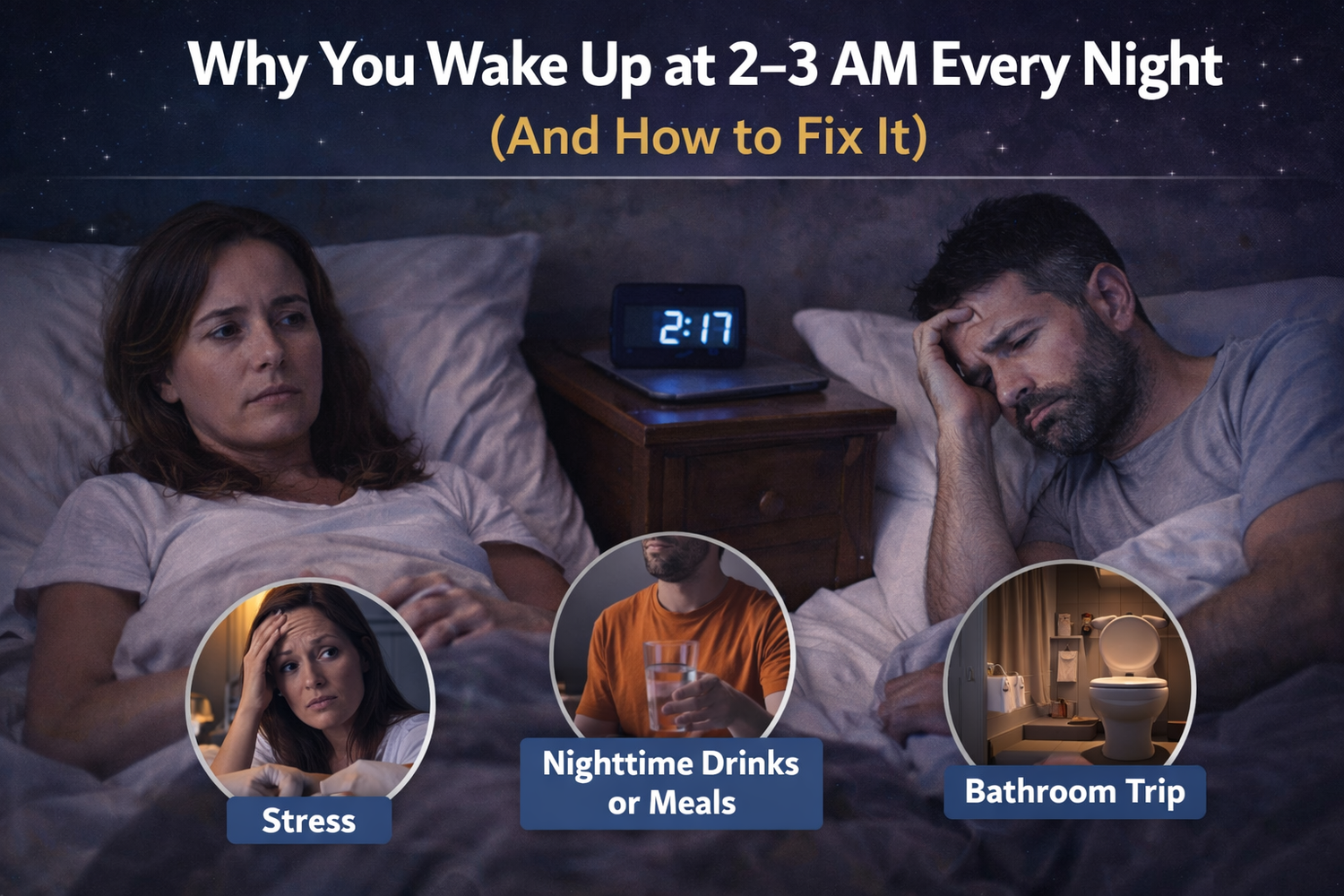
The room is quiet, the clock is dark, and the same thing happens again. Your eyes snap open, your mind switches on, and the numbers read 2:47 or 3:02. That pattern of waking up at 3am or close to it can start to feel almost spooky, like an alarm set inside the body that no one asked for.
This pattern is far more common than it seems in the middle of the night. Research shows that more than one third of adults wake up in the night at least three times a week, and many notice a repeat time around 2–3 AM. After a while, these broken nights add up. Mornings feel heavy, focus at work slips, workouts feel harder, food cravings rise, and even small stressors hit harder than they should.
There is a reason this timing keeps showing up. The hours between 2 and 3 AM sit at a sensitive point in the sleep cycle when lighter sleep, hormone shifts, body temperature, and even blood sugar all change at once. For some, that shift is smooth. For others, it turns into waking up at 3am every night and struggling to stay asleep afterward.
This guide walks through both sides of the issue. First, it explains the science of what the brain and body do at that time of night. Then it moves into practical steps to fix the problem, from habits and environment to nutrition and rhythm-based support like the SLP1 Protocol. The key idea is that repeated 2–3 AM wake-ups are not random. They are signals from the body that can be read and changed with the right approach.
As sleep scientist Matthew Walker, PhD, often says, "Sleep is the single most effective thing we can do to reset our brain and body health each day."
Key Takeaways
-
Waking up at 3am again and again often lines up with normal sleep cycle timing. Around that time, the brain spends more time in lighter REM sleep, so even small triggers such as a change in temperature, a passing car, or a stressful thought can push a person from light sleep into full wakefulness. Knowing this makes the pattern feel less mysterious and more manageable.
-
The most common drivers of repeated 2–3 AM wake-ups include rising cortisol, drops in blood sugar, stress and anxiety, menopausal shifts, pain, and small bedroom issues like light, noise, or a warm room. A single trigger might not cause problems, but several stacked together often lead to waking up at 3am and finding it hard to stay asleep.
-
Short, brief awakenings between sleep cycles are normal and usually forgotten in the morning. The problem starts when those brief moments turn into long periods awake with a racing mind. That change often points to stress, poor sleep habits, or a medical issue that blocks the body from sliding back into the next cycle.
-
The most reliable fixes focus on root causes instead of quick knockout pills. That means steady sleep and wake times, a darker and cooler room, better stress control, stable evening blood sugar, and science-backed support that works with the body’s own rhythms. Rhythm-based products like SLP1 focus on supporting natural melatonin and serotonin signals rather than forcing sedation.
-
Many people can calm waking up at 3am within two to four weeks once they line up habits, environment, and targeted support. If awakenings still appear three or more nights a week after that, especially with heavy daytime fatigue or symptoms like gasping, pain, or low mood, it is time to speak with a healthcare professional.
The Science Behind Your 2–3 AM Wake-Up And Sleep Architecture

Sleep is not one long, steady state. The brain moves through repeating sleep cycles that each last about ninety minutes, and every part of that loop has a different job. Early in the night, those cycles include more deep, slow sleep that repairs tissues and clears waste from the brain. Later in the night, lighter stages and REM sleep take over, which is where dreams, memory work, and emotional processing happen.
For someone who goes to bed around 10 or 11 PM, the 2–3 AM window lands four to five hours into the night. By then, the body has already passed through several deep sleep periods and is spending more time in REM and lighter non-REM stages. These stages are much easier to disturb, so the same sound or thought that would not wake a person at midnight can snap them awake near 3 AM.
With age, deep sleep tends to shrink and light sleep grows. That means older adults spend even more time in these fragile stages, which is one reason waking up at 3am becomes more common with every decade. The shift itself is normal, but if the body struggles to glide from one stage to the next, the pattern turns into full awakenings instead of tiny, forgotten blips.
Why Your Brain Cycles Through Sleep Stages
Sleep stages are not random. Each one supports a different kind of repair.
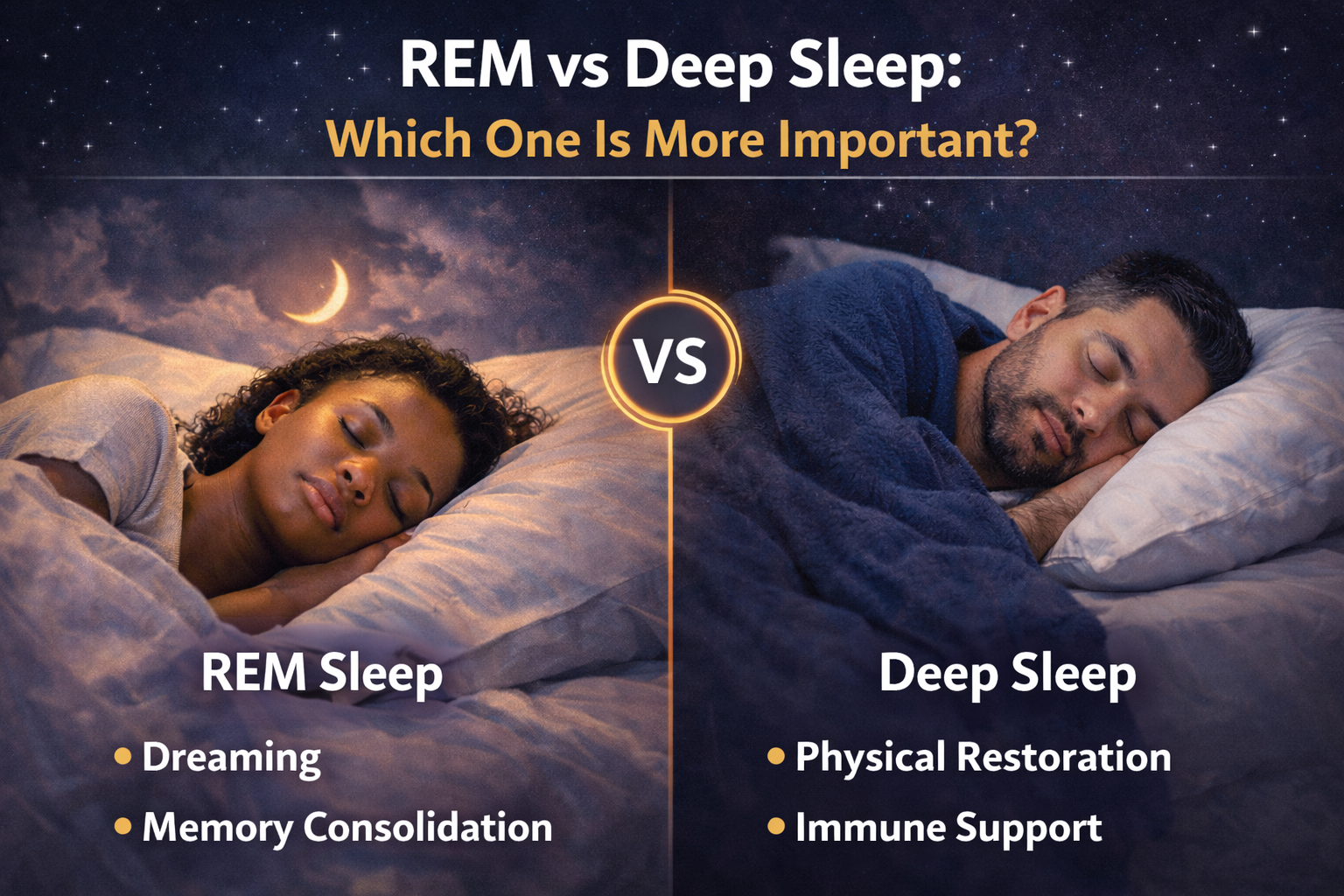
In Stage 1 non-REM, the brain starts to drift from wake to sleep. Muscles relax, but a person still wakes easily. Stage 2 brings deeper sleep, lower heart rate, and less awareness of the outside world while the brain starts sorting simple memories. Stage 3, often called deep or slow-wave sleep, is where physical repair peaks as growth hormone rises, immune work increases, and tissues recover from daily strain.
REM sleep looks different. The brain becomes more active again, breathing and heart rate shift, and most dreaming happens. This stage helps with memory and emotional reset, and it grows longer in the second half of the night. When several full cycles run without long breaks, the brain and body both gain the most benefit. That is why broken sleep often feels worse than short but solid sleep.
A simple way to see the roles of each stage:
|
Sleep Stage |
Type |
When It Dominates |
Key Roles |
|---|---|---|---|
|
Stage 1 |
Light NREM |
Just after falling asleep |
Transition from wake to sleep, easy to wake |
|
Stage 2 |
Light NREM |
Most of the night |
Heart rate and temperature drop, basic memory processing |
|
Stage 3 |
Deep NREM |
First half of the night |
Physical repair, immune support, growth hormone release |
|
REM |
Dream sleep |
Second half of the night |
Dreams, emotional reset, complex memory and learning |
The 2–3 AM Vulnerability Window Explained
Take a common schedule with sleep from about 10:30 PM to 6:30 AM. Ninety-minute cycles stack across that window. By 2–3 AM, a person is usually entering the third or fourth cycle. Deep Stage 3 sleep becomes shorter at that point, and REM plus light non-REM fill more of the time.
During these lighter phases, the brain stays more aware of both outside and inside changes. A small drop in blood sugar, a passing siren, a warm pillow, or one sharp thought about work can be enough to pull someone fully awake. Short pauses between cycles are normal and often last only a few seconds, but stress, irregular bedtimes, late caffeine, or pain can push those pauses into long, clear wakefulness. That is when waking up at 3am stops being an occasional blip and turns into a nightly pattern.
Hormonal Triggers And Other Chemical Culprits
Hormones act like timekeepers that tell the body when to wake, eat, repair, and rest. When these signals stay in sync, the body glides through the night. When they drift, those same signals can spark waking up at 3am with a pounding heart or a hungry, wired feeling. The good news is that many of these patterns respond well to changes in stress, food timing, and targeted support.
Two of the main chemical players are cortisol, often called the stress hormone, and insulin, which guides blood sugar. Sex hormones like estrogen and progesterone also play a major part for many women. When any of these swing high or low at the wrong time, the brain reads that shift as an alert sign and pulls sleep apart.
Key hormone drivers include:
-
Cortisol – rises toward morning to help you wake; high baseline levels can trigger early morning alertness.
-
Insulin and blood sugar – help keep fuel steady for the brain; big swings can wake you with jitters or hunger.
-
Estrogen and progesterone – support temperature control and calm; shifts during perimenopause and menopause can disturb sleep.
Cortisol's Natural Rise And Stress Amplification
Cortisol follows a daily rhythm. Levels sit lowest around midnight, then start to climb between about 2 and 3 AM so a person can feel alert near morning. On its own, that rise is helpful. The trouble begins when daily stress pushes the whole curve upward.
If the baseline level of cortisol is high all day, the normal pre-dawn bump rides on top of that high line. That mix can flip into waking up at 3am with a racing heart, tight chest, or restless, “wired but tired” feeling. Poor sleep then adds more stress to the body, which raises cortisol again and keeps the loop going.
Daytime stress work such as movement, therapy, and breathing practice is one of the strongest tools for night sleep because it lowers that baseline. Adaptogens such as Reishi Mushroom, used in SLP1 formulas, are studied for their ability to smooth the stress response and support steadier cortisol, which can soften these early morning surges.
Blood Sugar Crashes And Metabolic Awakenings

Food timing also plays into waking up at 3am. Picture a dinner at 6 PM, bed at 10 PM, and a 3 AM wake-up. By then, nine hours have passed since the last full meal. If dinner was light, low in protein, or high in fast carbs, blood sugar can drift low in the early morning hours.
The brain depends on steady glucose, so when it senses a drop, it calls for help through hormones like cortisol and adrenaline. Those hormones pull stored sugar into the blood, but they also raise heart rate and alertness. Many people feel this as sudden wide-awake energy in the middle of the night.
Balanced evening meals that include protein, fiber, and healthy fats lower the chance of a sharp drop. Some people do better with a small snack 30–60 minutes before bed, such as Greek yogurt, half an apple with almond butter, or a handful of walnuts. Magnesium, a key part of several SLP1 products, supports insulin sensitivity and healthy glucose handling, which can further steady the night.
Menopause, Estrogen, And Progesterone Fluctuations
Women in perimenopause and menopause often report waking up at 3am long before they notice hot flashes in the daytime. As estrogen falls, temperature control shifts, which can lead to night sweats that peak in the early morning hours. At the same time, progesterone, which has a calming, sleep-supportive effect, also drops.
These changes make sleep more fragile and can turn mild bedroom warmth into a full wake-up soaked in sweat. Cooling the room, using breathable bedding, and wearing light, moisture-wicking sleepwear all help. Extra attention to nervous system calm through stress work, magnesium, and gentle evening routines matters a lot in this phase, since the body is adjusting to a new baseline.
Psychological Factors When Your Mind Will Not Let You Rest
For many people, the main problem is not the body but the mind. Once the house is quiet and there are no emails, children, or coworkers pulling attention, thoughts rush into the space that used to belong to sleep. That flood is often what keeps waking up at 3am going night after night.
Sleep and mental health affect each other in both directions. Poor sleep makes mood swings, anxiety, and low mood worse. In turn, those states raise arousal and keep the brain from sliding back into deeper stages of sleep. Facing this head on is not a sign of weakness. It is a smart way to protect both brain and body health.
CBT‑I therapists often remind patients, "You cannot force sleep, but you can create the best possible conditions for it to arrive."
Stress And The Overactive Mind
Unfinished tasks, conflict, money worries, or a packed calendar can keep the stress system turned on long after the workday ends. The sympathetic nervous system stays in fight or flight mode, heart rate sits a bit higher, and muscles stay tense. When a normal light stage of sleep appears near 3 AM, the brain only needs a small nudge from these stress signals to wake fully.
Once awake, thoughts often spin. A simple concern shifts into worst case thinking in the dark, and the brain starts to tie the bed itself to this spiral. That is how waking up at 3am turns into dread before bedtime. Helpful tools include:
-
Writing down worries earlier in the evening.
-
Setting a short “worry time” during the day.
-
Gently replacing catastrophic thoughts with more balanced ones.
Nutrients like L-Theanine, used in SLP1 formulas, support a calm but clear mental state and can help the mind slow down without a drug-like knockout effect.
Anxiety, Depression, And Clinical Sleep Disruption
Anxiety disorders raise the odds of insomnia by a large margin. People with high anxiety often report both trouble falling asleep and waking too early with a heavy wave of worry. Post-traumatic stress can also cause vivid dreams or night terrors that leave a person wide awake and afraid to close their eyes again.
Depression often shows up as early morning waking. Someone may fall asleep without too much trouble, then find themself waking up at 3am or 4 AM and lying awake in the dark with low mood and heavy thoughts. This creates a painful loop where poor sleep worsens depression, which then further harms sleep.
Cognitive Behavioral Therapy for Insomnia (CBT‑I), and therapy for mood in general, are very effective here. SLP1 supports mood and sleep chemistry by providing 5-HTP along with vitamins B6 and B12 to help the body build its own serotonin and melatonin, but that kind of support works best beside, not instead of, proper mental health care.
Environmental Disruptors Your Bedroom May Be Sabotaging Your Sleep

The bedroom can act like a personal lab for better sleep. Unlike work or family stress, this space is usually under direct control. Even small sources of light, noise, or heat matter far more during the light sleep that appears around 2–3 AM. Cleaning up this space often gives some of the fastest wins for people who keep waking up at 3am.
Think of the room in terms of light, sound, temperature, and what activities happen there:
-
Light – how dark the room is at all hours of the night.
-
Sound – steady or sharp, inside or outside the home.
-
Temperature – how cool or warm the air and bedding feel.
-
Use of the room – whether the space is linked with rest or with work and screens.
Each of these layers can either nudge the brain toward a smooth night or poke it awake just when sleep grows fragile.
Light As The Master Circadian Disruptor
Light is the main signal the brain uses to time sleep and wake. When light hits the eyes, even through closed lids, it sends a message to the master clock in the brain that daytime might be starting. That signal lowers melatonin, the hormone that helps start and maintain sleep.
Street lamps slipping through curtains, glowing alarm clocks, hallway lights, or tiny LEDs on chargers and electronics can all add up. Tools such as blackout curtains, sleep masks, and covering or removing glowing devices keep the room dark enough for the brain to feel safe staying asleep.
SLP1 takes a rhythm-based approach by supporting the body’s own melatonin production through 5-HTP and B vitamins in its formulas instead of flooding the system with large doses of external melatonin at random times.
Noise Pollution And Auditory Sensitivity
Even during sleep, the brain keeps one ear “open” for sounds that might signal danger. Deep sleep blocks most of these, but light and REM sleep do not. This is why the same neighbor parking a car may not wake someone at midnight but does wake them at 3 AM.
Irregular or sharp sounds such as sirens, traffic, a partner’s snoring, a pet jumping off the bed, or a loud refrigerator cycle often match perfectly with waking up at 3am. Soft, steady background noise from a white or pink noise machine, a fan, or an air purifier helps by covering those spikes. Earplugs can also help, and if a partner snores, it is worth speaking with their doctor since snoring may signal sleep apnea.
Temperature And The Goldilocks Zone For Sleep
The body cools itself at night as part of normal sleep onset and maintenance. A room that is too warm blocks this cooling and pushes the body toward waking. This becomes even more likely for people who run hot or who go through menopausal night sweats, where even a slight heat rise can trigger waking up at 3am.
Most adults sleep best in a bedroom between about 60 and 67°F (15–19°C). Breathable cotton or linen bedding, moisture-wicking sleepwear, and a fan that moves air without blowing directly on the face all support this range. Magnesium, which relaxes muscles and calms the nervous system, can also help the body release tension that builds up when a room is stuffy or uncomfortable.
Lifestyle Habits That Silently Sabotage Sleep Continuity
Daily habits often look harmless on the surface. A late espresso, a heavy dinner, or a long nap might feel fine in the moment yet still feed into waking up at 3am every night. The pattern usually comes from several small choices stacked together rather than one big mistake.
Some of the most common habit triggers are:
-
Late or heavy use of alcohol.
-
Afternoon or evening caffeine.
-
Large meals close to bedtime.
-
Long or late naps.
-
Irregular sleep and wake times.
The good news is that these habits respond quickly once a person adjusts timing and dose. By lining up drinks, food, rest, and movement with natural rhythms, the brain has a much easier time staying asleep through that fragile early morning window.
Alcohol's Deceptive Sedation Effect
Alcohol is one of the most common self-medications for sleep. It often brings a wave of drowsy calm that makes falling asleep faster, so it looks helpful at first glance. The problem is that as the liver clears alcohol in the second half of the night, sleep becomes lighter and more broken.
REM sleep stays blocked early in the night, then rebounds later with more frequent awakenings, vivid dreams, and restless tossing. Alcohol also worsens snoring and sleep apnea in many people. To protect sleep, it helps to:
-
End drinking at least three to four hours before bed.
-
Keep intake modest, especially on work nights.
-
Swap in relaxing rituals like herbal tea, a warm bath, stretching, or reading.
Caffeine's Extended Half-Life
Caffeine can linger far longer than most people expect. The average half-life is around five or six hours, which means a late afternoon coffee still sends a strong signal well into the night. Caffeine blocks adenosine, a chemical that builds up sleep pressure over the day.
Some people break down caffeine slowly due to their genes, so even a single mid-afternoon drink can show up as waking up at 3am with a restless, light form of sleep. A safe rule for many is to:
-
Avoid caffeine after about 2 PM.
-
Watch out for hidden sources such as chocolate, some teas, and energy drinks.
-
Notice how even small changes in timing shift sleep quality.
Meal Timing And Digestive Disruption
Going to bed with a very full stomach makes sleep harder for several reasons. Digestion needs blood flow and energy, which pulls resources away from repair work that should happen at night. Lying flat also lets stomach acid move back toward the throat, which can trigger heartburn or a choking feeling that pulls someone awake.
Spicy, fatty, or very large meals close to bedtime are common triggers. Helpful steps include:
-
Finishing the last substantial meal at least three hours before bed.
-
Avoiding trigger foods such as heavy spice, grease, or large portions late at night.
-
Choosing a small snack with protein and complex carbs if truly hungry near bedtime.
Magnesium can support smoother digestion and may relieve some of the muscle tension and reflux that show up when gut and sleep timing clash.
The Napping Paradox
Short naps can feel wonderful after a rough night. The problem comes when a nap is long, very late in the day, or both. Sleep pressure, the natural drive that builds the longer someone is awake, then drops too much before bedtime.
With less sleep pressure, the night becomes lighter and more broken, which may lead to waking up at 3am and starting the cycle again. For most adults, the sweet spot is:
-
A nap of about 20 minutes.
-
Finished by early afternoon.
There are clear exceptions such as shift workers or new parents, but in general it pays to guard the depth of nighttime sleep even if that means skipping tempting late naps.
Physical Causes Pain Urinary Issues And Medical Conditions
Sometimes the reason for waking up at 3am is simple discomfort. In the quiet dark, aches, cramps, or pressure in the bladder become much harder to ignore. Nighttime shifts in hormones and circulation can also make pain feel stronger during the night than it did during the day.
Physical issues like these are easy to dismiss at first, but when they repeat often, they deserve attention. Many are treatable, and addressing them can give both better sleep and better long-term health.
Common physical drivers include:
-
Chronic pain conditions.
-
Frequent nighttime urination (nocturia).
-
Medication side effects.
-
Breathing or digestive problems that flare when lying down.
Chronic Pain And Nighttime Flare Ups
Conditions such as back pain, arthritis, nerve pain, fibromyalgia, migraines, and menstrual cramps all tend to flare at night. Natural drops in cortisol, which has anti-inflammatory effects, lower blood flow and body temperature, and the absence of daytime distractions all raise awareness of pain. That mix can turn a small ache into a major barrier to sleep.
Poor sleep then drops pain tolerance, so the next night feels even worse. Position also matters. A mattress that sags, a pillow that bends the neck, or side sleeping without proper leg support can strain joints and muscles. Helpful steps include:
-
Using pillows to keep the spine aligned.
-
Gentle stretching before bed.
-
Testing whether a different mattress firmness helps.
-
Keeping the room cool.
Magnesium’s muscle-relaxing effect, such as in SLP1’s Natural Magnesium Sleep Powder, may ease cramps and tension that hit hardest in the middle of the night. Ongoing or strong pain should always be discussed with a healthcare provider.
Nocturia Frequent Nighttime Urination
Getting up once at night to use the bathroom is common. Waking two or more times on a regular basis has a name, nocturia, and it fragments sleep in a major way. The risk rises with age due to changes in bladder capacity and hormones.
Other causes include:
-
Prostate enlargement in men.
-
Urinary infections.
-
Diabetes or blood sugar problems.
-
Heart or kidney issues.
-
Evening use of diuretic drugs.
-
Large amounts of fluid in the two to three hours before bed.
Large evening drinks often show up as waking up at 3am with a full bladder. Helpful steps include limiting evening fluids, making a bathroom visit right before lights out, and using a “double void” practice where a person waits a few minutes after peeing and then tries again. If bathroom trips remain frequent, a urologist or primary care doctor should check for deeper causes.
Medication Side Effects
Many common drugs change sleep without people realizing it. Blood pressure drugs such as beta blockers, several antidepressants, stimulant drugs for ADHD, steroids used for inflammation, decongestants, and water pills all have the potential to disturb sleep or trigger more bathroom trips.
Sometimes the fix is as simple as shifting a dose to earlier in the day. In other cases, a doctor may suggest an alternative drug with fewer sleep effects. The key is to bring up waking up at 3am and other night problems with the prescribing clinician instead of stopping medicine on one’s own.
The Impact Of Aging On Sleep And Why 2–3 AM Awakenings Increase With Age
More than half of adults over 65 report ongoing sleep problems. Part of this comes from natural changes in the sleep system. Deep, restorative sleep shrinks, while lighter stages take up more of the night. Awakenings grow more frequent and last longer.
The internal clock also tends to drift earlier with age. Many older adults feel sleepy sooner in the evening and wake earlier in the morning, even without an alarm. Lower melatonin production, changes in body temperature control, and higher sensitivity to light and noise all play a part. Chronic health problems, more medications, less daytime movement, and more daytime naps often stack on top of these changes.
The goal is not to chase the sleep of a teenager but to support the best sleep possible at each age. Strong daily anchors such as a consistent wake time, morning sunlight, regular physical activity, and social contact help keep the clock steady. Rhythm-based support, like the SLP1 Protocol that builds the body’s own melatonin signals through 5-HTP and cofactors instead of replacing them, can be especially helpful later in life when those natural signals fade.
Underlying Sleep Disorders When It Is More Than A Bad Habit
Sometimes waking up at 3am is not just about stress or coffee. It can be a sign of a sleep disorder that needs medical care. A general rule is that if awakenings happen three or more nights a week for over three months and cause clear daytime problems, it is time to look deeper.
Sleep disorders are medical conditions, not a lack of willpower. Many respond well to specific treatments once they are named. Knowing what to watch for helps a person decide when self-guided steps are not enough.
Sleep Maintenance Insomnia
Insomnia is not only trouble falling asleep. Sleep maintenance insomnia refers to a pattern where a person wakes in the night and cannot return to sleep for a long time. A classic version is waking up at 3am most nights, lying awake for an hour or more, and then dragging through the next day.
Triggers include stress, mood disorders, medical problems, and major life changes. Over time, habits such as clock watching, spending long hours in bed awake, or going to bed earlier “just in case” keep the cycle going by teaching the brain that the bed is a place for worry. CBT‑I is the top treatment, with methods like sleep restriction and stimulus control to reset the link between bed and sleep. Rhythm-friendly supports such as SLP1 can pair with this work by making it easier for the body to stay asleep once behavioral patterns improve.
Obstructive Sleep Apnea OSA
Obstructive sleep apnea (OSA) happens when the airway partially or fully collapses over and over during sleep. Each time breathing stops, oxygen levels drop and the brain sends a jolt to wake the muscles just enough to reopen the airway. These events are most common during REM sleep, which grows more frequent near 2–3 AM.
Signs include:
-
Loud snoring.
-
Gasping or choking sounds during the night.
-
Dry mouth in the morning.
-
Morning headaches.
-
Heavy daytime sleepiness.
People with apnea may not remember waking, but their partners often notice pauses. This pattern harms the heart and blood vessels and raises the risk of high blood pressure, stroke, and metabolic problems. A sleep study at home or in a lab is needed for diagnosis. Treatment with CPAP, oral devices, position changes, weight loss, or surgery can improve health and reduce early morning awakenings.
Other Sleep Disorders Such As GERD And Restless Legs Syndrome
Two other common problems can hide behind waking up at 3am.
-
Gastroesophageal reflux disease (GERD) allows stomach acid to slide back into the esophagus, especially when a person lies flat. This can cause heartburn, chest discomfort, coughing, or a sour taste that snaps someone out of sleep. Helpful steps include eating smaller evening meals, avoiding trigger foods, raising the head of the bed, and using medicines such as acid blockers under medical guidance.
-
Restless Legs Syndrome (RLS) brings an intense urge to move the legs, often with crawling, tingling, or pulling sensations. Symptoms usually worsen at night when the body tries to rest, which delays sleep and can cause repeated awakenings. Treatment might include checking iron stores, adjusting medicines, adding movement or leg stretches, or using specific drugs for RLS.
A doctor or sleep specialist can sort through these patterns and match care to the cause.
Evidence Based Strategies For Stopping Waking Up At 2–3 AM

Calming waking up at 3am for good works best with a layered plan. No single pill or hack can rewrite biology, but steady changes in environment, timing, stress, and gentle support for brain chemistry can shift the whole pattern over a few weeks. The goal is not to knock the brain out but to let its own sleep system run the way it is built to run.
SLP1 follows that rhythm-first approach. Instead of forcing sedation, its formulas help the body create and respond to its own sleep and calm signals. Paired with the steps below, this style of support can help many people move from broken nights to steady ones.
Optimize Your Sleep Environment For Continuity
Think of the bedroom as a device built for only two things: sleep and intimacy. Everything else adds noise. Helpful changes include:
-
A dark room with blackout curtains or an eye mask to keep melatonin high.
-
Covering or removing lights from alarm clocks and electronics so the room stays as close to cave-dark as possible.
-
Soft, steady sound from a fan or white noise machine to smooth sharp noises.
-
A cool room in the 60–67°F range, breathable sheets, and sleepwear that does not trap heat.
-
A supportive mattress and pillows matched to back, side, or stomach sleeping to reduce pain-related awakenings.
-
Removing work papers, screens, and clutter so the brain links the room with rest rather than to-do lists.
Master Sleep Hygiene And Circadian Rhythm Alignment
Sleep hygiene is about small daily habits that either support or fight the body clock. Strong anchors include:
-
A consistent sleep and wake time, even on weekends.
-
Morning light exposure for ten to thirty minutes within an hour of waking.
-
Lower indoor lights and screen time in the hour before bed.
-
A simple wind-down routine such as stretching, reading a paper book, or a warm shower.
-
Keeping naps short and early to protect nighttime depth.
These habits set the stage so that any support from SLP1 has a steady rhythm to work with.
Strategic Nutritional And Supplement Support
Food and supplements can either steady or shake the night:
-
Cut off caffeine by early afternoon.
-
Stop alcohol three to four hours before bed.
-
Finish large or heavy meals at least three hours before lying down.
-
For those who feel hungry or notice waking up at 3am with a jittery, low blood sugar feeling, use a small snack with protein and complex carbs 30–60 minutes before bed (such as Greek yogurt, cottage cheese with berries, or a small serving of nuts).
-
Limit fluids in the late evening to reduce bathroom trips.
Magnesium-rich foods such as leafy greens, nuts, seeds, legumes, and whole grains support hundreds of reactions in the body, many tied to calm and insulin control. SLP1 builds on this with its Natural Magnesium Sleep Powder, which uses gentle, well-absorbed forms like magnesium glycerophosphate to relax muscles and deepen sleep without stomach upset.
The SLP1 Protocol includes three coordinated products:
-
Get To Sleep – for smoother sleep onset.
-
Deeper Sleep – for richer sleep depth.
-
Stay Sleep – made specifically for overnight continuity.
The Stay Sleep formula targets the exact problem of waking up at 3am. Across the line, ingredients such as 5-HTP, vitamin B6, and B12 help the body build its own serotonin and melatonin. L-Theanine and Apigenin quiet mental chatter without heavy sedation, and Reishi Mushroom supports a more balanced stress response and circadian rhythm. Clean labels, bioavailable forms, and third-party testing reflect a focus on long-term health rather than quick fixes.
Stress Management And Mind Body Techniques
Since stress feeds so directly into sleep problems, daily stress care acts like sleep care. Regular movement during the day, from walking to strength training, lowers stress chemicals and improves deep sleep, as long as hard workouts finish several hours before bed. Practices such as yoga, breath work, or short meditation sessions help teach the nervous system how to shift out of fight or flight.
In the evening, writing down worries and tomorrow’s tasks can calm the mind. If waking up at 3am still happens, gentle body scans, 4–7–8 breathing, or guided sleep meditations can help the body slide back toward rest. Over time, these practices smooth the cortisol curve and make night wake-ups less intense and less frequent.
The American Psychological Association notes that "relaxation techniques can reduce stress and improve sleep when practiced regularly."
What To Do When You Wake Up At 2–3 AM In The Moment Strategies
Even with the best habits, everyone has rough nights. How a person responds in the middle of the night can decide whether they stay awake for ten minutes or two hours. The goal is to avoid teaching the brain that the bed is a place for stress, clocks, and screens.
If waking up at 3am happens, first try to rest quietly and see if sleep returns within what feels like about fifteen to twenty minutes. If full alertness sets in and the mind starts to spin, it is time to change something.
Helpful steps in the moment:
-
Leave the bedroom and go to a different, dimly lit room.
-
Choose a calm task:
-
Read something fairly dull.
-
Listen to gentle music or a slow, low-key podcast.
-
Practice relaxed breathing.
-
Sip a warm, caffeine-free herbal tea.
-
-
Jot down brief notes about any worries to clear mental space.
The key is to pick activities that are quiet, not exciting, and do not carry strong emotion.
Things to avoid during a 2–3 AM wake-up:
-
Phones, tablets, and TVs that send bright light into the eyes.
-
Checking work email, reading news, or scrolling social media.
-
Bright overhead lights and constant clock checking.
-
Household tasks, like cleaning or answering messages, that reward being awake.
Mind-body tools can help shift gears. Methods such as 4–7–8 breathing (inhale for four counts, hold for seven, exhale for eight) quiet the stress system. A simple body scan that moves attention slowly from toes to head, relaxing each area, can do the same. Visualizing a calm scene with gentle details keeps the mind busy without waking it further. Most of all, it helps to remind oneself that occasional wake-ups are normal and that one bad night does not erase all progress.
When To Seek Professional Help Red Flags And Medical Evaluation
Self-guided changes can go a long way, especially for mild or short-term problems with waking up at 3am. Still, there are clear times when a doctor or sleep specialist should join the picture. No one needs to accept months or years of broken sleep as normal aging or stress.
A good rule is to ask for help if night awakenings happen three or more nights each week for longer than three months and lead to clear daytime trouble. Daytime signs include heavy fatigue, trouble focusing, memory slips, low mood, irritability, or lower performance at work or in relationships. Other red flags include:
-
Waking with gasping or chest pain.
-
Very loud snoring.
-
Choking feelings.
-
Leg movements that feel impossible to control.
-
Regular heartburn at night.
-
Strong low mood or thoughts of self-harm.
A primary care doctor is often the best first step. They can review medical history, current drugs, and mental health, and can screen for issues such as thyroid disease, diabetes, heart problems, or depression that affect sleep. If basic sleep hygiene changes have not helped after several weeks, that is worth sharing. The doctor may adjust medicines that harm sleep or suggest lab tests.
The American Academy of Sleep Medicine advises, "You should talk with a health care professional if difficulty sleeping lasts for three months or more and affects your daytime functioning."
Sleep Specialist Referral
When a sleep disorder such as apnea, Restless Legs Syndrome, or complex insomnia seems likely, the next step is a referral to a sleep specialist. This clinician can order a sleep study in a lab or at home to measure breathing, oxygen levels, brain waves, and movements through the night. Those data show whether waking up at 3am links to breathing pauses, leg kicks, or other patterns.
Based on the results, the specialist may recommend treatments such as CPAP for apnea, structured CBT‑I sessions for insomnia, iron support for RLS, or other targeted care. Many people see large gains in their health, mood, and daily energy once these conditions receive proper treatment.
Conclusion
Frequent waking up at 3am is not just random bad luck. It usually reflects how sleep cycles, hormones, stress, habits, and health conditions interact in one body. Once that pattern makes sense, it feels less like a mystery and more like a project that can be changed step by step.
The core pieces are clear. Sleep cycles shift toward lighter stages in the second half of the night, so this window is sensitive. Cortisol rises, blood sugar can drift, and any pain, bathroom trips, light, noise, or stress thoughts have a bigger chance of pulling someone awake. By working on steady sleep and wake times, darker and cooler bedrooms, better food and drink timing, and daily stress relief, many people see fewer and shorter night awakenings within a few weeks.
For those who want extra support without feeling drugged, rhythm-based supplements such as the SLP1 Protocol can play a helpful role. By focusing on magnesium, L-Theanine, Apigenin, Reishi, and serotonin and melatonin precursors instead of heavy sedatives, SLP1 aims to work with natural biology rather than fight it. The Stay Sleep formula, in particular, directly targets the pattern of waking up at 3am and struggling to stay asleep.
If broken sleep continues despite careful effort, or if signs like gasping, severe heartburn, or low mood appear, it is time to bring in a healthcare professional. With proper support, nearly everyone can move toward nights that feel calmer, deeper, and more reliable, and days that feel clearer and more stable.
FAQs About Waking Up At 3 AM
Why Do I Keep Waking Up At 3 AM Every Night
Most people who keep waking up at 3am fall into light or REM sleep at that time, which is easy to disturb. Small triggers such as rising cortisol, low blood sugar, a warm room, or mild noise can then wake them fully. Stress and worry often jump in once a person is awake, which makes it even harder to drift back to sleep.
Is Waking Up At 3 AM Bad For My Health
Occasional middle of the night waking is normal. It becomes a health concern when waking up at 3am happens many nights in a row and leads to daytime fatigue, poor focus, or mood changes. Long-term, chronic poor sleep raises the risk of weight gain, high blood pressure, blood sugar problems, and low mood, so it is worth addressing early.
How Long Will It Take To Fix My 3 AM Wake Ups
Most people who actively adjust their schedule, environment, stress level, and nutrition start to see change within two to four weeks. The body clock needs repeated, steady signals to shift. Adding rhythm-focused support like the SLP1 Protocol during that time can help the body hold new patterns. Very long standing sleep issues or medical conditions may take longer and usually respond best to care from a doctor or sleep specialist.
Should I Take Melatonin If I Keep Waking At 3 AM
Low dose melatonin can sometimes help people fall asleep, but large or late doses do not always fix waking up at 3am and may even shift the body clock in unhelpful ways. Many people do better with support that helps the body make its own melatonin instead of relying on daily external doses. SLP1 follows this approach by using 5-HTP, B6, and B12 to support natural melatonin production and then pairing that with calming nutrients such as magnesium and L-Theanine.
When Do I Need To See A Doctor About My Night Awakenings
It is wise to see a doctor if waking up at 3am or at other times happens three or more nights per week for over three months, if you feel very tired or foggy during the day, or if you have signs like loud snoring, gasping, chest pain, night sweats, or strong low mood. These may signal sleep apnea, GERD, depression, or other conditions that deserve medical care. A primary care doctor or sleep specialist can help identify the cause and suggest targeted treatment.


Leave a comment
This site is protected by hCaptcha and the hCaptcha Privacy Policy and Terms of Service apply.