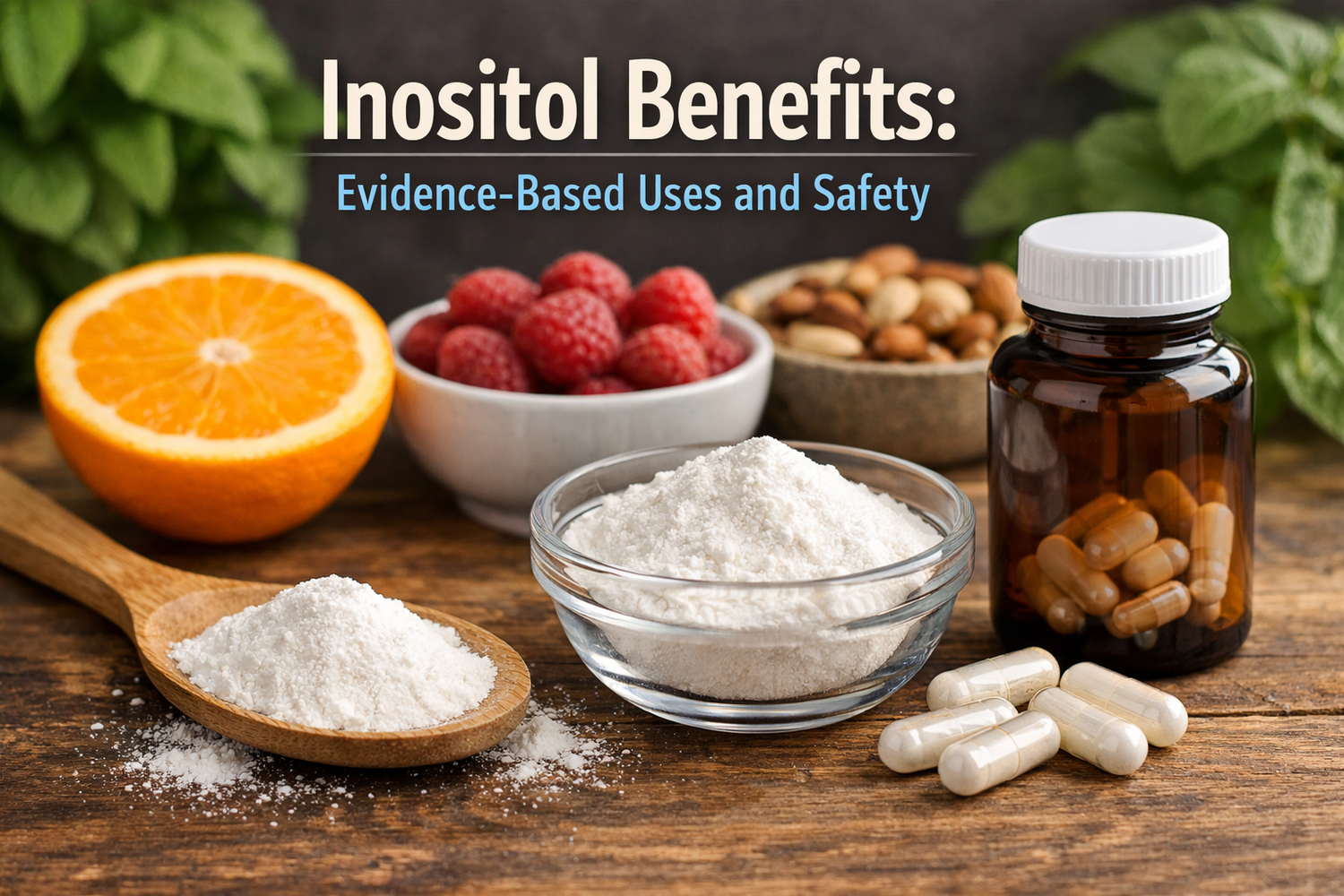
Inositol Benefits, Uses, Dosage, and Side Effects (Evidence-Based Guide)
Imagine if one small, vitamin-like molecule quietly supported how cells talk to each other, how insulin works, how hormones stay in balance, and maybe even how well a person sleeps. That is the core of many inositol benefits. Not as flashy as trendy herbs, but deeply woven into basic biology.
Interest in inositol has grown fast. People read about inositol benefits for metabolic health, PCOS, mood, and now inositol for sleep. Yet most only know fragments. Many associate it with PCOS or insulin, while its roles in cell membranes, brain signaling, and nervous system calm stay in the background. On top of that, supplement marketing often races ahead of the science, which makes careful readers skeptical.
This guide steps back from that noise. It gathers peer‑reviewed research, clinical trial data, and emerging work on inositol benefits, then connects those findings to real‑world goals like steady energy, hormone balance, mental ease, and deeper rest. Along the way, it reflects SLP1’s view that better health comes from working with biology, not overpowering it.
By the end, readers will know what inositol is, how it works inside cells, where the research is strongest, where it is early, how dosing changes by goal, what side effects to watch for, and how inositol fits into a broader strategy for sleep and long‑term wellness. That knowledge makes it easier to judge any inositol product, and to see why SLP1 designs sleep formulas around restoring rhythm rather than forcing rest.
Key Takeaways
For a quick overview, it helps to see how the main ideas fit together before diving into details. The points below highlight the most practical findings on inositol benefits for metabolism, hormones, mood, and sleep. They also show how inositol fits with the SLP1 approach to calm, sustainable sleep support.
-
Inositol is a sugar-like compound that acts as a key cellular messenger. It sits inside signaling chains for hormones like insulin and for brain chemicals like serotonin and dopamine. Many inositol benefits come from making those messages clearer and more efficient.
-
The strongest research on inositol benefits covers metabolic health and PCOS. Studies show better insulin sensitivity, lower blood sugar, improved lipids, and more regular ovulation. Early data for mood, anxiety, and inositol for sleep is promising, yet not as deep as the PCOS evidence.
-
Diet usually provides about 1 gram of inositol each day. Clinical trials use far higher amounts, often 2 to 18 grams per day, depending on the condition. That gap is why meaningful inositol benefits usually require supplementation rather than diet alone.
-
Inositol is generally well tolerated at research doses. When side effects appear, they are usually mild stomach issues, like nausea or loose stools, and they tend to show up at higher intakes. Care is still needed for certain groups, especially people with bipolar disorder or diabetes.
-
Rather than forcing sleep, inositol supports nervous system balance and metabolic stability. That fits SLP1’s principle of restoring rhythm, not forcing rest, and explains why inositol for sleep works best as one part of a broader nervous system support formula.
-
Benefits from inositol build over time as cell signaling adapts. Most studies run for weeks or months, and the same holds for day‑to‑day use. Consistent intake matters much more than any single dose.
What Is Inositol? Understanding This Essential Cellular Messenger

Inositol is a naturally occurring carbohydrate with a structure similar to glucose. It is sometimes nicknamed vitamin B8, but that label is misleading because the body can make its own inositol, mainly in the kidneys. Many inositol benefits come from this built‑in supply, topped up by food and supplements like help to stay asleep.
Chemically, inositol is a type of sugar alcohol known as a polyol. It is built into phospholipids that form cell membranes, especially phosphatidylinositol. That means every cell depends on inositol for structural integrity. It is found across the body, yet levels are highest in the heart and brain, which hints at how important it is for both cardiovascular and nervous system health.
Beyond acting as a building block, inositol takes part in cell signaling. When hormones and neurotransmitters bind to receptors on the cell surface, inositol‑containing molecules inside the cell help pass that signal inward. This is where many inositol benefits begin, because more precise signaling can mean better responses to insulin, more stable mood regulation, and calmer nervous system activity.
In addition, inositol supports fat processing in the liver and contributes to proper muscle and nerve function. Together, these actions link inositol to metabolic balance, hormone health, and brain function, which explains the wide range of research on conditions such as metabolic syndrome, PCOS, anxiety, and insomnia.
The Nine Forms of Inositol – Myo-Inositol and D-Chiro-Inositol Explained
Inositol is not a single substance in practice. There are nine stereoisomers, which are forms with the same chemical formula but different three‑dimensional shapes. Among them, myo‑inositol and D‑chiro‑inositol are the most relevant for human biology and for most inositol benefits seen in research.
Myo‑inositol is the dominant form in nature and in human tissues. It handles the bulk of structural roles in membranes and participates widely in intracellular signaling. When people talk about general inositol benefits for mood, metabolism, and nervous system balance, they are usually describing effects of myo‑inositol.
D‑chiro‑inositol appears in smaller amounts yet plays a key part in insulin signaling and glycogen storage. The body converts myo‑inositol into D‑chiro‑inositol through an enzyme called epimerase, adjusting the ratio in different tissues. This internal conversion is one reason combined myo and D‑chiro supplements make sense for insulin‑related issues.
Plant foods often store inositol as inositol hexaphosphate, also called IP6 or phytic acid. Gut bacteria break down this compound so the body can absorb usable inositol. Even so, most supplement studies focus on purified myo‑inositol and D‑chiro‑inositol in known ratios. For PCOS, for example, a 40 to 1 ratio of myo to D‑chiro appears to support ovary function while still capturing insulin‑related inositol benefits.
How Inositol Works – The Science of Cellular Signaling and Neurotransmitter Balance
To understand why inositol benefits are so broad, it helps to look at how it works inside cells. Many hormones and neurotransmitters cannot cross the cell membrane. Instead, they bind to receptors on the outside, which then trigger a series of events inside. Inositol sits in the middle of these chains as a secondary messenger.
One key system is the phosphatidylinositol pathway. In this system, inositol is bound into membrane phospholipids. When a receptor activates, enzymes cut those phospholipids into signaling molecules such as inositol triphosphate, known as IP3, and diacylglycerol, often called DAG. These molecules control calcium release inside the cell and switch on protein kinases that change cell behavior.
Because this pathway exists in almost every cell type, inositol benefits can show up in many organs. In muscle and fat cells, inositol signaling affects insulin sensitivity. In neurons, it shapes how receptors for serotonin, dopamine, and other transmitters respond to incoming signals. In reproductive tissues, it takes part in insulin‑hormone cross‑talk that influences ovulation.
Inositol also forms part of inositol phosphoglycans, another class of insulin mediators. These small molecules continue the message after insulin binds to its receptor, and they influence glucose uptake and storage. Disruptions in this system can contribute to insulin resistance, while restoring it can support more stable blood sugar and lower long‑term risk.
Inositol's Role in Insulin Signaling and Metabolic Regulation
Insulin’s main job is to help cells take in glucose from the blood. When insulin binds to its receptor on the cell surface, that receptor activates a chain of enzymes inside the cell. One part of this chain produces inositol phosphoglycans, which act as downstream messengers and help carry out insulin’s instructions.
D‑chiro‑inositol is especially important in this context. It supports steps related to glucose uptake and glycogen synthesis, which is how the body stores glucose in liver and muscle. If this inositol‑based signaling is weak, cells may not respond well to insulin even when insulin levels in the blood are high.
Several studies suggest that in conditions with insulin resistance, such as metabolic syndrome, type 2 diabetes, and PCOS, there may be a shortfall or imbalance in these inositol mediators. Supplementing with myo‑inositol and D‑chiro‑inositol appears to replenish that system and improve insulin sensitivity. As a result, inositol benefits in this area include lower fasting insulin, better glucose handling, and more stable day‑long energy.
By supporting more efficient insulin action, inositol can also affect triglycerides, HDL cholesterol, blood pressure, and even markers of inflammation. That is why metabolic inositol benefits have ripple effects on cardiovascular risk and overall health.
Inositol's Influence on Neurotransmitter Systems
In the brain, many receptors for serotonin, dopamine, and other transmitters are linked to the phosphatidylinositol pathway. When these receptors activate, they use inositol‑based messengers like IP3 to shape how strongly neurons fire and how circuits adjust over time. This gives a direct route for inositol benefits in mood and anxiety.
Serotonin is a central player for mood, appetite, and sleep regulation. Several of its receptor subtypes use inositol‑dependent signaling. Adequate inositol may help these receptors respond in a stable, predictable way, which in turn supports more even mood and more regular sleep patterns. Because serotonin is also a building block for melatonin, inositol for sleep makes sense at a biochemical level.
Dopamine pathways also intersect with inositol signaling. These circuits are involved in motivation, pleasure, focus, and learning. Changes in how receptors respond can influence behavior and subjective mental state. Some early work found that people with depression had lower inositol levels in their cerebrospinal fluid, which helped spark trials on inositol benefits to get to sleep.
Inositol does not push neurotransmitter levels up or down in a forceful way. Instead, it helps the cell machinery interpret signals more accurately. That is why many people describe its effects as smoother and gentler than classic sedatives or stimulants. For sleep, this means less racing mind and fewer stress spikes, rather than instant drowsiness.
Inositol Benefits For Metabolic Health – Blood Sugar, Insulin Sensitivity, and Weight Management
Metabolic health shapes almost every part of daily life, from how alert a person feels in the afternoon to long‑term risks for heart disease and stroke. Insulin resistance and unstable blood sugar can drain energy, distort appetite, and even disrupt sleep. Many of the best‑documented inositol benefits target this metabolic layer.
Modern eating patterns, long sitting time, and chronic stress make insulin resistance common. In this state, cells stop responding well to insulin, so the pancreas has to produce more of it. Over time, fasting blood sugar rises, triglycerides climb, HDL cholesterol falls, and blood pressure tends to creep upward. Together, these issues often group into metabolic syndrome.
By supporting insulin signaling through inositol phosphoglycans and the phosphatidylinositol pathway, inositol can move this metabolic picture in a better direction. Several trials show that people taking inositol often see lower fasting glucose and insulin, improved oral glucose tolerance test results, and better lipid profiles. These inositol benefits appear even in some people who do not lose significant weight.
Because blood sugar swings can wake people at night, better insulin sensitivity can also support steadier sleep. That link between metabolism and rest is one reason SLP1 views metabolic support as part of serious sleep design.
“Let food be thy medicine and medicine be thy food.” – Hippocrates
Managing Metabolic Syndrome Risk Factors
Metabolic syndrome is a cluster of conditions that appear together and raise the risk of type 2 diabetes and cardiovascular disease. It is usually defined by the presence of at least three out of five features, such as large waist size, high triglycerides, low HDL cholesterol, elevated blood pressure, and high fasting glucose.
Inositol supplementation efficacy in improving key cardiometabolic and anthropometric indices shows encouraging patterns across systematic reviews and meta-analyses. A systematic review and meta‑analysis published in 2019 found that inositol supplementation improved insulin sensitivity and reduced fasting blood sugar across several trials. These benefits appeared even when body weight stayed mostly stable, which points directly to better signaling rather than just weight loss.
Other studies link inositol intake with lower systolic and diastolic blood pressure, lower triglyceride levels, and higher HDL cholesterol. Typical doses in this context range from about 2 to 4 grams of myo‑inositol daily. Many participants also follow diet and movement advice, and the combination can strengthen effects.
Because each risk factor in metabolic syndrome affects the others, improvements in insulin signaling can start a positive chain reaction. Better glucose handling reduces the strain on blood vessels and the liver, which improves lipid handling and blood pressure. Over months and years, these inositol benefits may lower long‑term risk for serious illness.
Insulin Sensitivity and Blood Sugar Control
Insulin resistance means cells do not respond to insulin’s signal to take in glucose. The body responds by pumping out more insulin. At first this may keep blood sugar in range, but over time both sugar and insulin levels tend to rise. That pattern increases inflammation, stresses the pancreas, and raises cardiovascular risk.
By boosting inositol‑dependent signaling inside cells, inositol helps restore that message. Randomized controlled trials report that myo‑inositol can cut fasting insulin levels, lower fasting glucose, and improve long‑term markers like HbA1c in people with insulin resistance or early type 2 diabetes. These inositol benefits appear both in men and women, although PCOS trials often get the most attention.
Better insulin sensitivity also means fewer sharp up‑and‑down swings in blood sugar after meals. Those swings often feel like sudden energy crashes, strong sugar cravings, or middle‑of‑the‑night wakeups with pounding heart. Smoother blood sugar curves can translate to steadier energy in the day and a calmer nervous system at night.
For people who already use medication for diabetes, adding inositol may change glucose control enough that doses need adjustment. That is why medical supervision is important in this group, even though overall inositol benefits in blood sugar control look positive.
Inositol For Women's Health – PCOS, Fertility, and Pregnancy Support

Among all research themes, inositol benefits for women’s health, especially PCOS and related fertility concerns, have some of the most consistent data. PCOS affects an estimated 6 to 12 percent of women of reproductive age and often brings irregular cycles, difficulty with ovulation, acne or excess hair, and weight gain.
A major driver of these symptoms is insulin resistance. High insulin levels signal the ovaries to produce more androgens, or so‑called male hormones, which disrupt normal follicle development and ovulation. Because inositol improves insulin signaling, it can work near the root of this process.
Over the past decade, many randomized trials and reviews have examined inositol benefits for PCOS. They report better metabolic markers, more regular cycles, improved ovulation, and higher pregnancy rates. Some work even compares inositol with metformin, a standard insulin‑sensitizing drug, and finds similar outcomes with fewer side effects.
Polycystic Ovary Syndrome (PCOS) Management
PCOS is usually defined by at least two of three features, which are irregular or absent periods, clinical or lab signs of high androgens, and polycystic ovaries on ultrasound. Many women with PCOS also show insulin resistance, weight gain centered around the waist, and an unfavorable lipid profile.
Inositol targets both the metabolic and hormonal layers of PCOS. Myo‑inositol and D‑chiro‑inositol support insulin sensitivity, which lowers fasting insulin and improves glucose tolerance. As insulin levels drop, the ovaries receive fewer signals to overproduce androgens. That shift can lower testosterone and raise sex hormone binding globulin, which together reduce acne and excess hair.
Cycle regularity often improves as well. Many trials report that women taking myo‑inositol, often in a 40 to 1 mix with D‑chiro‑inositol and sometimes with folic acid, see more frequent ovulation and more predictable menstrual cycles. These inositol benefits lead to higher natural pregnancy rates for women seeking conception.
Cardiometabolic markers change too. Several studies note lower blood pressure, lower triglycerides, and higher HDL cholesterol after months of inositol use. Some show modest drops in body mass index, especially when supplements are combined with nutrition and movement changes.
Usual daily doses for PCOS range from 2 to 4 grams of myo‑inositol, often paired with a smaller amount of D‑chiro‑inositol. Many protocols run for at least 3 to 6 months, since endocrine and cycle patterns need time to shift. While not every woman responds, the consistency of inositol benefits across trials has led some experts to suggest that inositol deserves a place alongside first‑line treatments.
Pregnancy-Related Applications – Gestational Diabetes and Preterm Birth Prevention
Gestational diabetes is a form of high blood sugar that develops during pregnancy. It raises the risk of complications for both parent and baby, including high birth weight, C‑section, and later metabolic issues. Insulin resistance naturally increases during pregnancy, and in some people that shift goes too far.
Studies on inositol benefits for gestational diabetes prevention suggest that supplementing with myo‑inositol can lower this risk, especially in women who are overweight or who have risk factors such as a history of gestational diabetes. Typical research doses are 4 grams of myo‑inositol per day, usually combined with 200 to 400 micrograms of folic acid.
The likely mechanism is improved insulin sensitivity in the parent. When insulin works better, blood sugar stays in range more easily even as hormones of late pregnancy rise. Some data also link inositol use with reduced rates of preterm birth, which may relate to better blood sugar control and fewer pregnancy complications.
While these inositol benefits look encouraging, pregnancy is a special case. Any supplement during this time, including inositol, should be used only under the guidance of an obstetric provider. So far, trials report good tolerance, yet long‑term data across lifetimes are still limited.
Inositol For Mental Health – Depression, Anxiety, Panic Disorder, and OCD
Because inositol is woven into serotonin and dopamine signaling, researchers have long wondered whether inositol benefits might extend to mental health. Early findings of low cerebrospinal fluid inositol in some people with depression helped spark clinical trials.
The picture that has emerged is mixed. For some conditions, like panic disorder, the data are quite promising. For others, like major depression, results are scattered. Mental health conditions have many causes and many subtypes, which may explain why a single nutrient does not produce uniform outcomes.
It is also important to view inositol as a supportive tool rather than a stand‑alone cure. Good care for anxiety, depression, or OCD combines lifestyle, therapy, sometimes medication, and targeted nutrients. In that context, several inositol benefits can still matter, even if they do not replace standard treatment.
Depression – Mixed Evidence Requiring Further Research
One small double‑blind study gave 12 grams of inositol daily to people with depression for four weeks. The group taking inositol showed more improvement in mood scores than the placebo group, which raised hopes that inositol benefits might offer a new tool for low mood.
However, later studies have not all agreed. A trial in people with severe, treatment‑resistant depression found no added benefit when inositol was layered onto standard antidepressant medicine. Other research questioned whether low inositol levels are a consistent feature of depression in the first place.
There are many possible reasons for these mixed results. Depression describes a wide range of patterns with different biological roots. Some people may have signaling issues where inositol helps, while others do not. Study designs, sample sizes, baseline diets, and coexisting health conditions can all change the outcome.
A small trial in premenstrual dysphoric disorder also did not find clear benefit. Taken together, this suggests that while some individuals may notice mood support from inositol, current evidence does not support using it as a primary or only treatment for depression.
Panic Disorder and Anxiety – Promising Clinical Evidence
Panic disorder involves sudden, intense episodes of fear, often with physical symptoms like a racing heart, shortness of breath, and chest discomfort. These attacks can feel random and may lead to ongoing worry about when the next one will strike.
Here, inositol benefits look more consistent. In one double‑blind study with 21 participants, those who took 12 grams of inositol each day had fewer and less severe panic attacks than those on placebo. A later crossover study compared 18 grams of inositol daily directly with the SSRI drug fluvoxamine.
In that head‑to‑head trial, inositol performed at least as well in reducing panic episodes and came with fewer reported side effects. This does not mean inositol should replace prescribed medication in all cases, yet it does suggest that inositol can play a real role for some people.
The likely mechanism involves serotonin signaling in circuits that control fear and arousal. By smoothing receptor responses, inositol may reduce overreaction to triggers and lower baseline anxiety. Typical daily doses in these studies are quite high, often between 12 and 18 grams, divided into multiple servings to limit stomach upset.
Because such doses are much higher than those used for general wellness or mild inositol benefits, it is wise to work with a clinician when trying inositol for panic disorder, especially alongside other treatments.
Other Mental Health Applications – OCD, Bipolar Disorder, and PTSD
Obsessive‑compulsive disorder involves intrusive thoughts and repetitive behaviors that feel hard to control. Small pilot studies have explored inositol benefits for OCD and found some symptom improvement with high doses, similar to those used for panic disorder. Yet sample sizes are small, so stronger evidence is still needed.
In bipolar disorder, the picture is more complicated. One small study adding inositol to standard treatment did not show clear statistical benefit, although there were trends that interested researchers. At the same time, there are reports that inositol can trigger manic or hypomanic episodes in some people with bipolar disorder. That makes unsupervised use risky in this group.
Early work in post‑traumatic stress disorder and conditions like ADHD or Alzheimer’s disease has not produced strong or consistent results yet. For now, these areas are better viewed as open research questions rather than established indications for inositol benefits.
Inositol For Sleep – Emerging Evidence and Mechanisms for Nervous System Support

Compared with metabolic health or PCOS, direct studies on inositol for sleep are still sparse. There are not many large trials where inositol is tested purely for insomnia. Even so, the same biology that underpins mood and metabolic inositol benefits has clear links to sleep quality.
Sleep depends on a coordinated dance between hormones, brain circuits, and body clocks. Stress hormones need to fall at night, serotonin and GABA systems need to support calm, and blood sugar must stay within a stable range. Because inositol touches all these systems indirectly, it has real potential as a sleep support ingredient.
Rather than pushing someone into sleep, inositol tends to smooth out overactive signaling and support a calmer baseline state. That is why SLP1 includes inositol not as a sedative, but as part of a larger network of ingredients that aim to restore normal sleep rhythm.
“Sleep is the best meditation.” – Dalai Lama XIV
The Biological Connection Between Inositol and Sleep Quality
Serotonin links inositol and sleep in several ways. Serotonin helps regulate mood in the daytime and acts as a building block for melatonin at night. Many serotonin receptors use inositol‑based pathways. When those pathways work well, the brain can shift from daytime alertness to nighttime rest more gracefully. That indirect support is one path for inositol benefits around sleep.
GABA is another calming neurotransmitter that quiets excessive firing in the brain. While inositol is not a direct GABA agonist, better balance in upstream signaling can make GABA’s job easier. People often describe a quieter internal “noise level” when stress circuits are less jumpy, which can make it easier to wind down.
Stress hormones matter too. The hypothalamic‑pituitary‑adrenal axis, which governs cortisol release, can become overly active under chronic stress. High evening cortisol is a common barrier to falling asleep. By easing anxiety and smoothing serotonin pathways, inositol may help tone down this stress axis and move the body toward a more restful state.
Metabolic factors enter the picture as well. Blood sugar dips in the night can trigger adrenaline release and sudden awakenings. Since inositol benefits include better insulin sensitivity and smoother blood sugar control, especially when used in higher doses for metabolic goals, it may also contribute to fewer of these disruptive jolts.
Overall, inositol acts less like a sleeping pill and more like a quiet tuning tool. It supports the biological conditions that make deep, continuous sleep more likely.
Inositol In Comprehensive Sleep Formulations – The SLP1 Approach
SLP1 builds its sleep products around one core idea, which is to restore rhythm rather than force rest. Instead of knocking the brain out with heavy sedatives or large melatonin doses, SLP1 works with the nervous system and circadian biology so that sleep can unfold more naturally. In this model, inositol benefits are a key piece.
Inositol in SLP1 formulas supports smoother cell signaling in brain regions that handle stress, mood, and arousal. It works alongside calming minerals such as magnesium, gentle botanicals, and rhythm‑supporting nutrients to reduce mental overactivity at bedtime. The aim is steady, predictable sleep, not a sudden, drug‑like drop into unconsciousness.
Because SLP1 avoids melatonin, its products do not override the body’s own hormone production. Instead, inositol for sleep helps serotonin and related pathways function in a balanced way, which in turn supports the body’s natural melatonin rhythm. That fits well with how optimization‑minded consumers think about long‑term sleep health.
In comprehensive formulas, inositol acts as a complementary ingredient. It magnifies the effects of other components without causing tolerance or dependency. Over weeks, as nervous system signaling calms and metabolic inositol benefits accumulate, many people see improved onset, fewer night awakenings, and more refreshed mornings. For SLP1, that steady, compounding change is far more valuable than a single strong knockout effect.
Natural Dietary Sources of Inositol and Nutritional Considerations
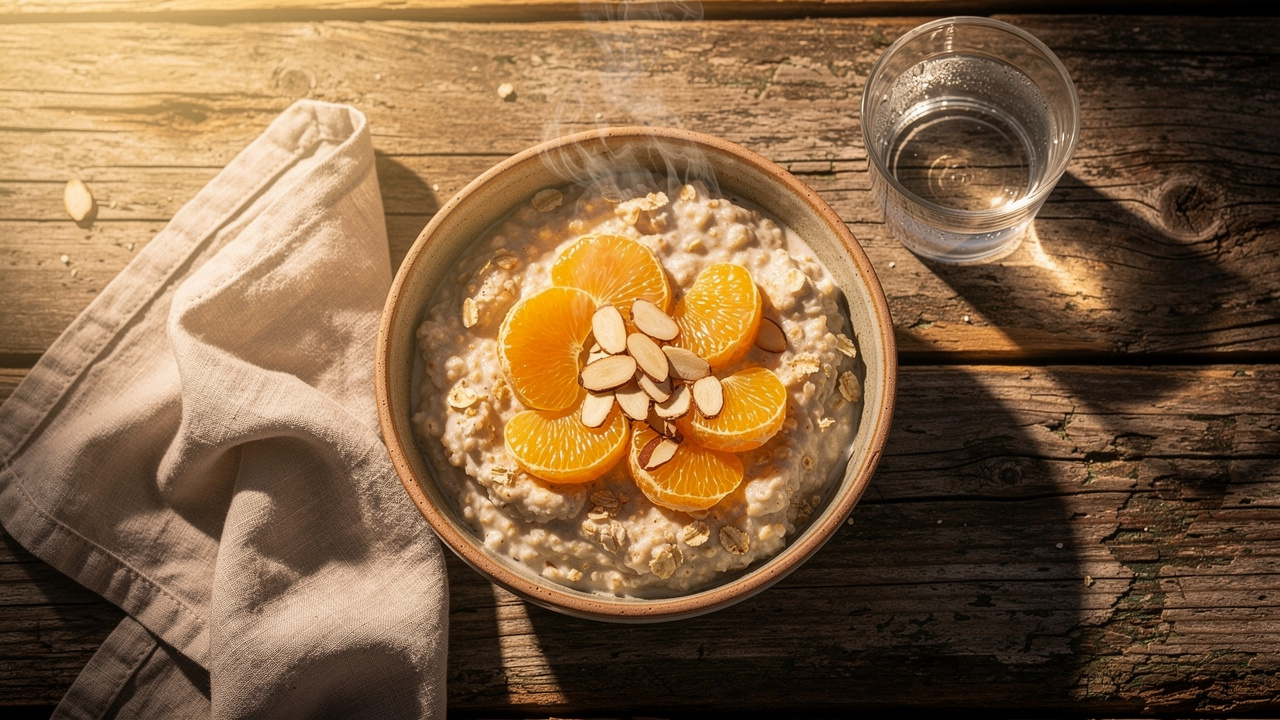
Even though the body can make inositol, diet still adds to overall levels. People who eat many whole plant foods often consume meaningful amounts of inositol, mostly in the form of phytic acid. Animal foods such as organ meats also contribute smaller amounts of myo‑inositol directly.
Estimates suggest that a typical American diet provides around 1 gram of inositol per day. That intake is likely enough to cover structural and basic signaling needs in healthy people. However, it sits well below the doses used in clinical trials that show clear inositol benefits for PCOS, metabolic syndrome, or panic disorder.
Diet also delivers a mix of minerals, vitamins, and phytonutrients that work alongside inositol. Magnesium, B vitamins, and omega‑3 fats, for example, all interact with metabolic and nervous system pathways. So while food alone rarely reaches therapeutic inositol levels, it sets a strong foundation for how well supplements can work.
Top Food Sources of Inositol
Plant foods tend to store phosphorus and inositol together as inositol hexaphosphate, or IP6. In the gut, bacteria break down IP6 and release free inositol, which the body can then absorb. Different food groups offer different amounts, yet many whole foods contribute something.
|
Food Category |
Specific Sources |
Approximate Inositol Content |
|---|---|---|
|
Fruits |
Cantaloupe, oranges, grapefruit |
Rich in inositol precursors from phytic acid |
|
Grains |
Whole wheat, brown rice, oats, wheat bran |
Very high in phytic acid that yields inositol |
|
Legumes |
Pinto beans, navy beans, lentils |
Excellent sources of IP6 for later inositol release |
|
Nuts and Seeds |
Almonds, walnuts, sesame seeds, flaxseeds |
Dense in phytic acid, especially in the outer layers |
|
Vegetables |
Corn, lima beans, peas |
Moderate inositol contribution within regular portions |
|
Animal Sources |
Organ meats such as heart and liver |
Provide free myo‑inositol without bacterial conversion |
Cooking and processing can change inositol content. Soaking, sprouting, and long cooking may lower phytic acid levels in some foods, which can slightly reduce inositol yield but often improves mineral absorption. Even in diets rich in these foods, however, daily intake usually stays in the one to two gram range.
When Supplementation Makes Sense
Because meaningful inositol benefits in research often show up at doses between 2 and 18 grams per day, food alone rarely reaches these levels. Eating enough whole grains, legumes, and nuts to get that much inositol would add a huge calorie load and might raise digestive discomfort for many people.
Supplements make it possible to take precise, higher doses without that burden. Myo‑inositol and D‑chiro‑inositol powders or capsules provide forms that the body can use right away, without waiting for gut bacteria to free them from IP6. For PCOS, metabolic syndrome, or panic disorder, that direct route is especially helpful.
At the same time, supplements work best on top of a nutrient‑dense diet rather than instead of one. A strong base of fiber, protein, healthy fats, and micronutrients gives the body what it needs to make full use of any inositol benefits delivered in concentrated form.
Inositol Dosage Guidelines – Evidence-Based Recommendations for Different Health Goals
One reason people get confused about inositol benefits is the wide range of doses used in studies. A wellness product for gentle sleep support might include a few hundred milligrams, while a panic disorder study could use 18 grams per day. Both can be valid; they just aim at different targets.
Research doses are not official treatment rules, yet they give useful starting points. Most metabolic and PCOS trials use 2 to 4 grams of myo‑inositol per day. Mental health studies often use 12 grams or more. Many run for at least 8 to 12 weeks, and PCOS work often extends to six months or longer.
As with any supplement, individual needs and tolerances vary. People on medication for diabetes or psychiatric conditions should always talk with their clinician before trying high‑dose inositol. Even at more modest intakes, it is smart to pay attention to how the body reacts and adjust as needed.
Condition-Specific Dosage Recommendations
The table below summarizes typical doses from clinical research and how they connect to major inositol benefits. Actual needs may differ, and medical guidance is important for higher ranges.
|
Health Condition |
Typical Daily Dosage |
Common Formulation |
Duration in Research |
|---|---|---|---|
|
Metabolic Syndrome |
2 to 4 grams |
Myo‑inositol |
At least 12 weeks |
|
PCOS |
2 to 4 grams |
Myo‑inositol with D‑chiro‑inositol in a 40 to 1 ratio, often with 200 to 400 micrograms folic acid |
About 3 to 6 months |
|
Gestational Diabetes Prevention |
4 grams |
Myo‑inositol with 200 to 400 micrograms folic acid |
Throughout pregnancy with medical supervision |
|
Insulin Resistance or Prediabetes |
2 to 4 grams |
Myo‑inositol |
At least 12 weeks |
|
Depression |
12 grams |
Myo‑inositol split into two or three doses |
About 4 to 8 weeks |
|
Panic Disorder |
12 to 18 grams |
Myo‑inositol split into two or three doses |
At least 4 weeks |
|
OCD |
12 to 18 grams |
Myo‑inositol split into two or three doses |
At least 6 weeks |
|
General Sleep or Nervous System Support |
500 milligrams to 2 grams |
Myo‑inositol as part of a multi‑ingredient formula |
Ongoing, with effects building over time |
|
Lithium‑Induced Psoriasis |
6 grams |
Myo‑inositol |
About 4 to 10 weeks |
Higher doses above 12 grams often bring a higher chance of stomach upset. Dividing the total into several servings across the day can reduce that problem. Powder forms are often more practical at these levels because many capsules would be needed to reach the same dose.
Practical Dosing Tips and Timing Considerations
-
Start low and increase gradually. Beginning with 1–2 grams per day and stepping up over a week or two lets the digestive system adjust and makes it easier to spot any side effects.
-
Take inositol with food when possible. For metabolic or PCOS‑related inositol benefits, doses split across breakfast and dinner work well for many. For inositol for sleep, some people like to take most or all of their dose one to two hours before bed as part of a wind‑down routine.
-
Focus on consistency. There is no single best time that fits everyone. Daily use matters more than the exact timing, so cell signaling can adapt and stay stable. People using inositol alongside medications or other supplements should review the full plan with a healthcare provider to check for any concerns.
Safety Profile and Potential Side Effects – What the Research Shows
Across controlled trials, inositol appears to have a very good safety record. Even at doses of 12 to 18 grams per day for several weeks, serious adverse events are rare. That gives some reassurance for people looking at higher‑dose inositol benefits for conditions like PCOS or panic disorder.
Most safety data, however, come from studies lasting a few months at most. There is less information about daily use over many years. That does not mean long‑term use is unsafe, but it does mean caution and regular check‑ins with a clinician make sense, especially for people with other health conditions.
As with any bioactive compound, more is not always better. Very high doses bring a higher chance of side effects without always adding more benefit. Thoughtful dosing, quality products, and attention to the body’s feedback go a long way in keeping inositol use safe.
Common Mild Side Effects
When side effects do happen, they are usually mild, short‑lived, and related to the digestive system. They tend to show up more often at doses above about 12 grams per day, though some people are sensitive at lower amounts.
Common reports include:
-
Nausea, especially if a large dose is taken on an empty stomach
-
Diarrhea or loose stools
-
Gas, bloating, or cramping
These issues often fade as the body adjusts or when the dose is split into several smaller servings.
Less common effects include fatigue, headache, or dizziness. These are not widespread, yet they appear in some trial reports and individual stories. For most people taking moderate amounts for metabolic or PCOS inositol benefits, side effects are rare or very mild.
Simple steps can prevent many problems. Taking inositol with food, starting at a low dose, and increasing gradually often keep digestion comfortable. Drinking enough water also helps, especially when using powder mixed into liquids.
Important Precautions and Contraindications
While inositol is safe for many, there are several groups that need extra care. Understanding these limits is part of responsible use and supports the trustworthy side of inositol benefits.
Key situations where caution is needed include:
-
Bipolar disorder: There are reports that inositol can trigger manic or hypomanic episodes in this condition. Any inositol use in bipolar disorder should happen only under close psychiatric supervision, with careful tracking of mood shifts.
-
Diabetes: Because inositol can lower blood sugar by improving insulin sensitivity, it may change how much medication is needed. Adding inositol on top of drugs like insulin or sulfonylureas without adjustment could raise the risk of low blood sugar episodes.
-
Pregnancy and breastfeeding: Pregnant and nursing women should only use inositol when their healthcare provider recommends it. Trials on gestational diabetes prevention suggest good short‑term safety, yet long‑term data across parent and child lifespans are still limited. Safety data in breastfeeding and in young children are even more sparse.
-
Kidney or liver disease: People with severe kidney or liver disease should not assume that standard inositol benefits and doses apply to them. These organs help handle many compounds, and altered function can change how inositol is processed.
Finally, because many people now take psychiatric or metabolic drugs, it is wise to review all medications and supplements with a clinician before starting inositol. Direct interactions appear rare, yet a full picture helps prevent surprises. Choosing products that go through third‑party testing also lowers the risk of contaminants, which becomes more important at higher gram‑level doses.
Choosing Quality Inositol Supplements – What to Look for and Avoid
Supplement regulation in the United States is lighter than drug regulation, so product quality can vary a lot. Two inositol powders on the shelf might look similar yet differ in purity, dose accuracy, or contaminant levels. Since many inositol benefits depend on taking grams per day, quality and testing matter even more.
Smart shoppers treat inositol like any serious health tool. They look beyond marketing slogans and check the label for form, dose, testing, and excipients. They also consider whether a given product makes sense alone or as part of a comprehensive formula, especially when the goal is better sleep.
SLP1 builds its products with these same questions in mind. Every ingredient, including inositol, is there for a clear reason, at a researched or physiologically logical dose, and backed by third‑party testing for purity and potency.
Key Quality Markers for Inositol Supplements
Several label details can quickly show whether an inositol product is likely to deliver the inositol benefits seen in studies. Looking for these features helps narrow down good options.
-
Form specificity: The label should state clearly whether the product contains myo‑inositol, D‑chiro‑inositol, or a mix, and it should list the ratio in combined formulas. This is important because most research on PCOS and metabolic inositol benefits uses myo‑inositol alone or in a 40 to 1 mix with D‑chiro‑inositol.
-
Transparent dosing: The supplement facts panel should list exact milligram or gram amounts per serving, not hide them in vague descriptions. Clear dosing makes it possible to match research levels and adjust intake based on personal needs.
-
Independent testing: Seals from groups such as NSF International, USP, ConsumerLab, or Informed‑Choice show that an outside lab has checked for potency and contaminants. This is especially relevant at higher doses, where even small impurities can add up.
-
Clean label practices: Short ingredient lists without artificial colors, flavorings, or unnecessary fillers are easier on digestion and reduce exposure to things that add no health value. Allergen information should also be clear.
-
Full disclosure in blends: For multi‑ingredient formulas, like SLP1’s sleep support products, every included compound and its dose should be listed. That level of disclosure allows health‑conscious buyers to understand how inositol works alongside magnesium, calming botanicals, or circadian nutrients toward sleep and nervous system inositol benefits.
Red Flags and Marketing Tactics to Avoid
Some common tactics on supplement labels should make buyers pause. Recognizing these patterns helps avoid products that may not match the standards needed for meaningful inositol benefits.
Products that list inositol inside a proprietary blend without showing its exact amount are a concern. Without clear numbers, there is no way to tell whether the dose approaches research levels or is simply there for marketing.
Claims of instant cures or overnight results are another warning sign. Inositol works by slowly improving cell signaling and metabolic balance, which takes weeks and depends on other lifestyle factors. Any bottle that promises dramatic change in a few days is not aligned with how inositol actually works.
Extremely cheap products from unknown companies may cut corners on raw material quality or skip important purity tests. At best, that means inconsistent dosing. At worst, it could mean contaminants that undermine health.
SLP1 takes the opposite approach. It favors full transparency on ingredients and doses, uses inositol at meaningful levels in the context of well‑designed sleep systems, and relies on third‑party testing for every batch. That way, when people look for inositol for sleep or for broader inositol benefits, they can trust that what is on the label is what they are putting into their bodies.
Frequently Asked Questions About Inositol
Question 1 – How Long Does It Take for Inositol to Work?
The timeline for inositol benefits depends on the goal and on each person’s biology. For metabolic health and insulin sensitivity, many trials see measurable changes in fasting insulin and blood sugar within four to eight weeks. In PCOS, improvements in ovulation and cycle regularity often appear after about three to six months of steady use.
For anxiety and panic disorder, some people notice calmer feelings within two to four weeks at higher doses, though six to eight weeks is a more common window. When using inositol for sleep or general nervous system support within a multi‑ingredient formula, subtle shifts such as easier wind‑down or fewer night awakenings may arise in two to three weeks, with clearer inositol benefits often building over two to three months. In every case, consistent daily intake matters more than any single dose.
Question 2 – Can I Take Inositol With Other Supplements?
Inositol usually combines well with other nutrients and is often part of integrated protocols. For PCOS and pregnancy‑related goals, many studies pair inositol with folic acid. It may also work alongside vitamin D, omega‑3 fatty acids, magnesium, and other B vitamins, which share roles in metabolic and nervous system health.
Because inositol benefits include better insulin sensitivity, it can amplify the effects of other blood sugar‑supporting supplements such as alpha‑lipoic acid, berberine, or chromium, so people using several of these together should watch glucose carefully. Inositol also appears in comprehensive sleep formulations like those from SLP1, where it works with minerals and botanicals in a coordinated way. As always, it is wise to show a healthcare provider a full list of supplements and medications so they can spot any possible concerns.
Question 3 – Is Inositol Safe For Long-Term Use?
Short‑term studies lasting up to about six months show a strong safety record, even at the higher doses used for conditions like PCOS and panic disorder. In these trials, inositol benefits come with few serious side effects, and most people tolerate the supplement well. That said, there are fewer controlled data sets that follow people taking inositol for many years.
For general wellness, nervous system support, or inositol for sleep within moderate daily doses, many clinicians view ongoing use as reasonable for otherwise healthy adults. People with bipolar disorder, diabetes, pregnancy, kidney disease, or complex medication regimens should have regular check‑ins with their healthcare provider if they plan to use inositol over long periods. Periodic reviews help confirm that inositol benefits continue to outweigh any risks and that dosing still makes sense as health status changes.
Conclusion
Inositol is both simple and surprisingly deep. On the surface, it looks like a small sugar‑like compound that cells build into membranes. Underneath, it sits at the center of key signaling pathways for insulin, serotonin, dopamine, and more. That position explains why inositol benefits span metabolic health, women’s hormones, mood, and even sleep quality.
The strongest evidence supports its use for PCOS and metabolic issues, where doses of 2 to 4 grams per day often improve insulin sensitivity, lipids, blood pressure, and cycle regularity. Mental health data are more mixed, yet clearly promising for panic disorder and some anxiety patterns at higher doses. For sleep, inositol’s role is indirect, yet real, as it supports the calm, metabolic stability, and rhythmic signaling the brain needs each night.
For careful consumers, the next step is not to chase a single miracle ingredient, but to place inositol in a thoughtful plan. That means choosing third‑party tested products, matching dosage to goals, and pairing inositol with nutrition, movement, and stress tools that support the same systems. SLP1 follows that same logic, weaving inositol into melatonin‑free sleep formulas that respect biology rather than fight it. Used this way, inositol becomes less of a trend and more of a quiet ally in steady, long‑term health.
“Sleep that knits up the ravell’d sleave of care.” – William Shakespeare


Leave a comment
This site is protected by hCaptcha and the hCaptcha Privacy Policy and Terms of Service apply.