Introduction
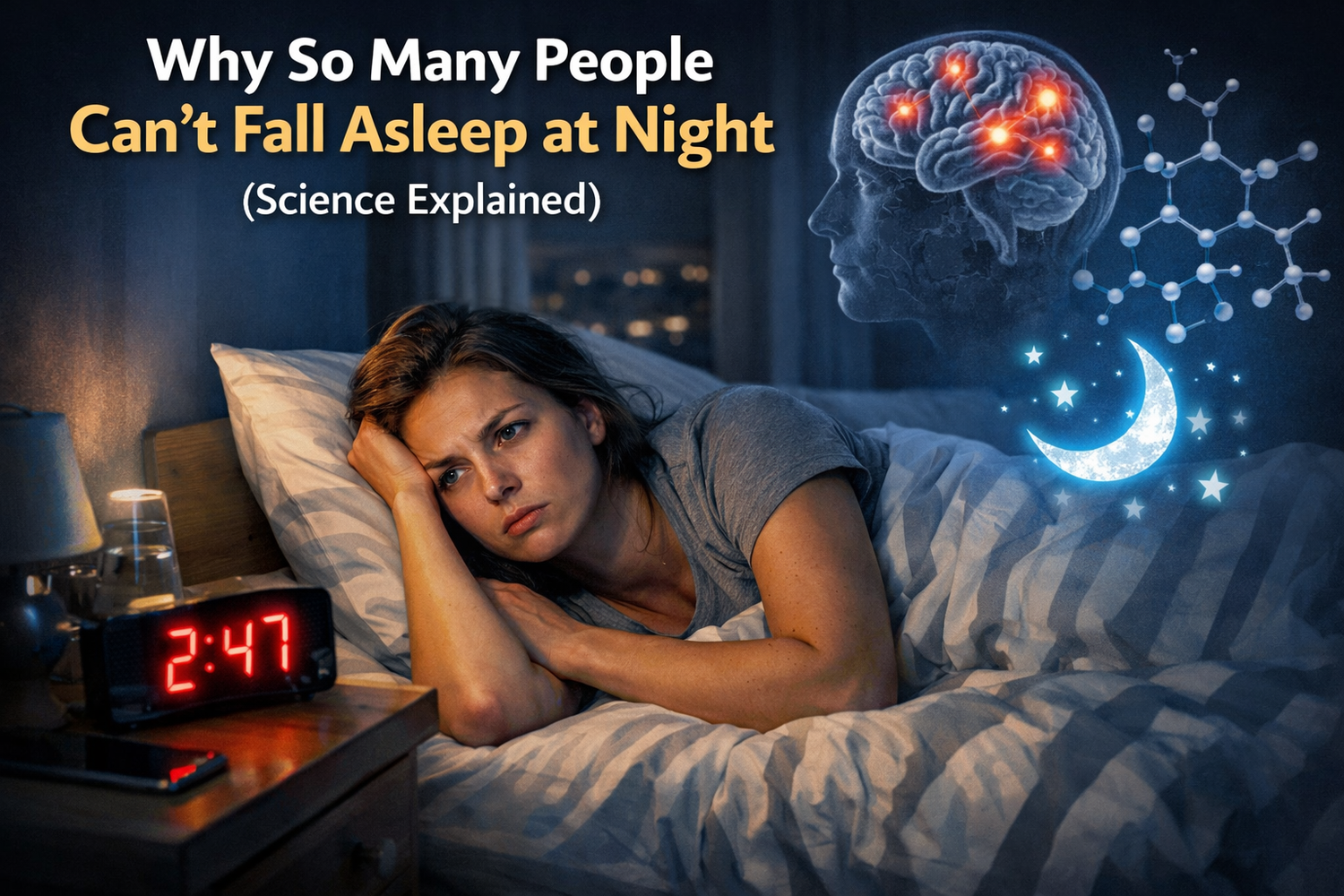
The clock says 11:30 p.m., then 12:15, then 1:00 a.m.
The body feels tired, but the mind refuses to slow down. Thoughts loop, the phone glows nearby, and the simple act of falling asleep starts to feel like a test that keeps being failed. For many people who can’t fall asleep at night, this scene plays out several times a week.
This is not a rare problem. Roughly one in three adults reports insomnia symptoms, and trouble falling asleep is one of the most common complaints. It can feel personal and frustrating, as if everyone else has a “sleep switch” that works and something in the brain is broken. In reality, difficulty at sleep onset almost never comes from a single cause. It usually reflects a mix of brain chemistry, stress levels, daily habits, light exposure, and underlying health.
Sleep is a biological process, not a willpower test. The brain needs the right timing, the right signals, and the right chemical environment before it can get to sleep. When those pieces are slightly off, lying awake is the predictable result. That is why simply trying harder rarely helps.
“Sleep is not an optional lifestyle luxury; it is a non‑negotiable biological necessity.”
— Matthew Walker, PhD, neuroscientist and author of Why We Sleep
This article walks through the science behind falling asleep, in plain language. It covers how the brain decides it is time to sleep, how modern habits work against that process, which medical and mental health conditions can stand in the way, and which behavioral tools work best. It also explains how SLP1’s rhythm-aligned, three-part system is designed to support deep, stable sleep by working with biology rather than forcing sedation. By the end, there is a clear picture of why sleep onset can feel so fragile—and a set of practical next steps to change it.
Key Takeaways
Before diving into the details, it helps to see the big picture of why so many people can’t fall asleep at night.
-
Sleep onset problems affect a large share of adults, and they almost always come from several factors working together rather than one simple cause. Brain chemistry, circadian timing, stress, and behavior all interact, so lasting change means addressing more than one piece at a time.
-
The brain needs a specific chemical setting to get to sleep. Calming signals from GABA and serotonin need to rise, while stress and wake signals like cortisol and orexin need to fall. Melatonin has to peak at the right time, and bright light and caffeine can easily throw off that balance.
-
Modern routines make this harder. Late-night screens, irregular schedules, evening caffeine, intense exercise, and constant stress keep the nervous system in “on” mode. Over time this can lead to chronic insomnia, circadian misalignment, and stress systems that no longer quiet down on their own.
The Neuroscience of Falling Asleep: What Your Brain Needs to Initiate Sleep
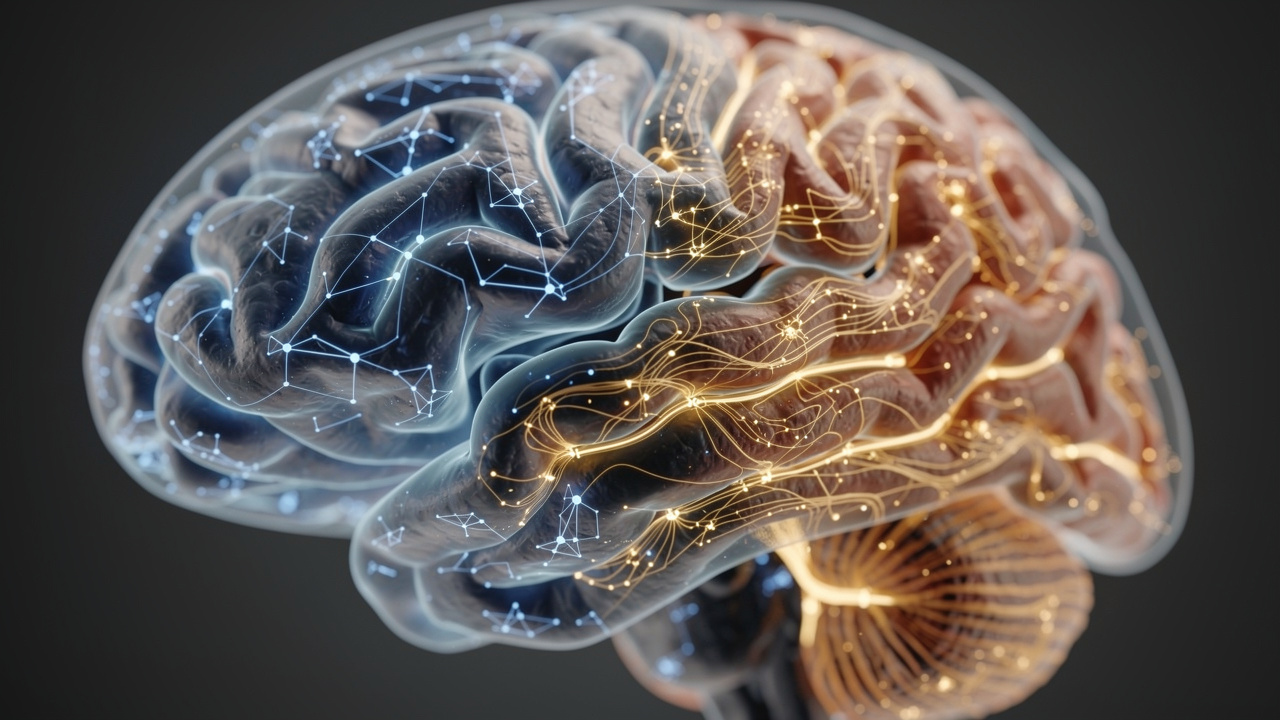
Falling asleep is not like flipping an off switch. It is more like landing a plane, with different systems in the brain slowly shifting from alertness to rest. When that landing sequence is smooth, sleep comes easily. When any step is off in timing or intensity, a person can’t fall asleep at night even if they feel exhausted.
Across the day, the brain tracks how long someone has been awake through a chemical called adenosine, and MIT neuroscience research examining This is your brain without sleep reveals just how dramatically adenosine accumulation and sleep deprivation alter neural function and decision-making capacity. As waking hours pass, adenosine builds up and creates what scientists call sleep pressure. The longer someone is awake, the stronger that pressure becomes, which is why a late night feels heavier than an early one. Caffeine blocks adenosine’s signal, which is one reason late coffee can quietly sabotage that natural drive to sleep.
At the same time, the brain’s master clock, the suprachiasmatic nucleus (SCN) in the hypothalamus, keeps track of day and night. It responds mainly to light, especially bright morning light. This internal clock helps decide when melatonin should rise, when body temperature should fall, and when the brain should switch control from wake circuits to sleep circuits. When light exposure and daily timing are inconsistent, that handoff becomes sloppy.
Deep inside the brain there is also a “flip-flop switch” between sleep and wake states. One side, in an area called the ventrolateral preoptic nucleus (VLPO), promotes sleep by sending calming signals. The other side includes several arousal centers that release wake-promoting chemicals like norepinephrine, histamine, and orexin. In healthy sleep, one side is on while the other stays off. In insomnia, this switch tends to wobble, so wake systems keep firing even when someone is in bed and wants to sleep.
Understanding this brain wiring helps explain why willpower does not fix insomnia. The problem is rarely a lack of effort. More often, the brain is not receiving the right timing cues or chemical messages to let the sleep side of the switch fully take over.
The Essential Neurochemical Environment for Sleep Onset
To actually drift off, the brain needs a very specific chemical setup. Several key neurotransmitters and hormones shift in a coordinated way, and if any of them are out of range, falling asleep becomes much harder.
-
GABA (gamma-aminobutyric acid) is the main calming neurotransmitter in the brain. It acts like a brake pedal on overactive circuits, especially in areas that keep thoughts racing. When GABA activity is strong in the evening, the constant “mental chatter” quiets down, muscles relax, and the body feels ready to get to sleep. If GABA is relatively low, the brain stays busy, even when the body is tired.
-
Serotonin plays a second role. It helps regulate mood and the sleep–wake cycle and also serves as the raw material for melatonin. In the evening, the brain converts serotonin into melatonin in the pineal gland. Without enough serotonin, or if that conversion process is off, melatonin peaks later or at a lower level. That delay often shows up as lying awake, tired but wired.
-
Melatonin is sometimes called the “darkness signal.” Its levels start to rise about two to three hours before a person’s natural bedtime. It tells the brain and body that night has arrived, nudging body temperature downward and helping the sleep circuits of the flip-flop switch gain strength. Bright light, especially blue light from screens, can cut melatonin output dramatically and push this signal later into the night.
-
At the same time, stress and wake chemicals need to drop. Cortisol, the main stress hormone, should be highest in the morning and lowest late in the evening. Orexin (also called hypocretin) is a wake-promoting peptide that keeps people alert and interested in their surroundings. When cortisol and orexin stay high at night—because of stress, late work, or habits like intense evening exercise—the brain receives mixed messages and hangs onto wakefulness.
SLP1’s formulations are built around supporting this evening environment instead of forcing heavy sedation. Ingredients like apigenin interact with GABA receptors to support a calmer mind without drug-like effects. 5-HTP feeds into the serotonin and melatonin pathways, giving the brain the building blocks it needs to time sleep correctly. Ashwagandha and phosphatidylserine help manage nighttime cortisol, while magnesium supports relaxation in both nerves and muscles. By working on several pathways together, SLP1 aims to help the brain reach this ideal chemical setting so sleep can begin naturally and hold through the night.
Modern Lifestyle Disruptors: How Daily Habits Sabotage Your Sleep Onset
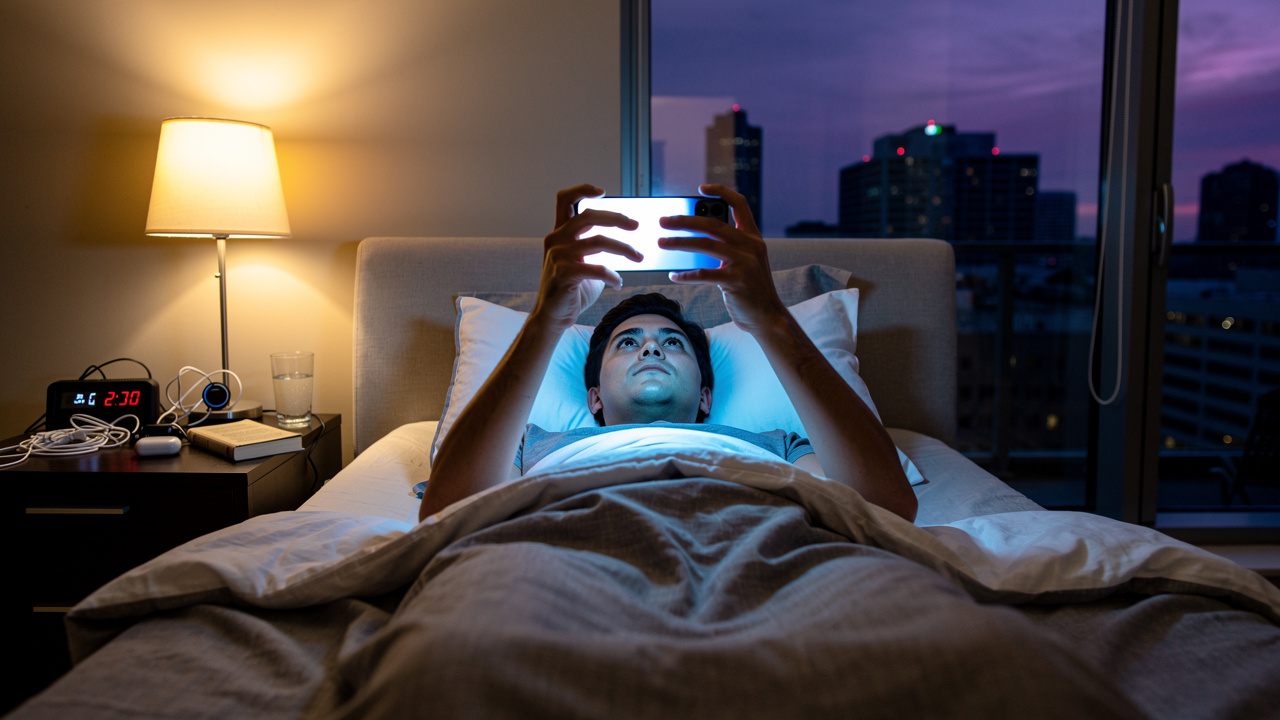
For many people who can’t fall asleep at night, the main problem is not inside the brain’s wiring. It is in daily habits that constantly send “stay awake” signals at the wrong times. Modern routines often clash with the body’s ancient sleep systems, and the result feels like insomnia.
These patterns are not character flaws or bad discipline. They are predictable responses to light, caffeine, stress, and stimulation. Once someone sees these links, it becomes much easier to adjust behavior in ways that the brain can read as “safe to sleep.”
The Blue Light Problem: Digital Device Impact on Melatonin Suppression
Evening screens play a much larger role in sleep onset insomnia than most people realize. The eyes contain special cells called intrinsically photosensitive retinal ganglion cells (ipRGCs) that are especially sensitive to blue light in the 450–480 nanometer range. This is exactly the kind of light that phones, tablets, laptops, and many LED bulbs produce in large amounts, and research from Stanford's Lifestyle Medicine program on How Staying Up Late affects mental health shows these patterns have measurable consequences beyond just feeling tired.
Those ipRGCs send a direct signal to the SCN, the brain’s master clock. When they detect blue light at night, the clock reads that input as “daytime.” In response, the pineal gland reduces melatonin production sharply. Studies show that even short periods of bright screen use before bed can cut melatonin levels by as much as half.
“Exposure to blue light in the evening can shift the body’s natural sleep-wake rhythm and suppress melatonin.”
— Harvard Medical School, Division of Sleep Medicine
Lower melatonin means the brain’s internal night is delayed. That pushes the natural sleep window later, so someone who wants to be asleep at 10:30 p.m. may not feel truly drowsy until after midnight. Content makes this worse. Scrolling social media or answering late work emails adds emotional arousal and mental stimulation on top of the light exposure.
A practical target is to keep bright screens out of the last 90 to 120 minutes before planned bedtime. If that feels unrealistic, dimming screens, using warm light settings, and switching to less stimulating tasks (like reading in a low, warm light) can still help. Just as important, getting morning light within an hour of waking gives the SCN a clear “daytime” signal that anchors the whole circadian rhythm.
Circadian Rhythm Disruption: The Cost of Irregular Sleep Schedules
The circadian system thrives on consistency. When bedtime and wake time shift by several hours between weekdays and weekends, the brain struggles to know when night actually starts. This mismatch between social life and biology is often called social jetlag.
For example, someone might wake at 6:30 a.m. during the week but sleep until 9:30 a.m. on weekends. That three-hour swing feels to the body like flying across three time zones every Friday night and back every Sunday. Melatonin release drifts later, body temperature patterns shift, and the timing of sleep pressure becomes less predictable.
Over time, this irregularity flattens the strength of circadian timing. The difference between “day mode” and “night mode” becomes less clear, making it harder to fall asleep and harder to feel truly awake. People who can’t fall asleep at night often try to “catch up” by sleeping in, which then pushes their next bedtime later and keeps the cycle going.
Shift work and frequent travel across time zones make this problem even stronger. For most people, aiming for a consistent bedtime and wake time, with no more than a 30–60 minute difference between days, gives the circadian system a stable anchor. SLP1’s rhythm-aligned formulations work best against this steady backdrop, where chemical support can line up with predictable internal timing.
Evening Stimulation: Caffeine, Exercise, and Stress Response Activation
Many daily habits that seem harmless during the day cast a long shadow into the night. Caffeine is a clear example. It has a half-life of about five to six hours, which means that half the dose is still active that long after drinking it. A late afternoon coffee can still be around at bedtime, blocking adenosine and dulling the normal sense of sleep pressure.
Intense exercise also needs careful timing. A hard workout raises core body temperature and often boosts cortisol and adrenaline. Those changes are excellent in the afternoon but work against sleep if they land within two to three hours of bedtime. The brain reads a hot, revved-up body as a sign that it is not time to rest.
Psychological stress does something similar. Arguments, heavy work, or money talks late in the evening activate the sympathetic nervous system and trigger cortisol release. That process is helpful in true danger and much less helpful at 10:00 p.m. when someone is trying to get to sleep.
A better pattern is to:
-
Finish caffeine by early afternoon, especially for people who already struggle with sleep onset.
-
Schedule the hardest workouts earlier in the day, leaving evenings for lighter movement or stretching.
-
Keep the final waking hours as calm and predictable as possible, with relaxing routines and fewer stressful conversations.
SLP1’s use of calming nutrients like magnesium glycinate and adaptogens like ashwagandha is meant to support that evening shift from “on” mode to “off” mode.
The Stress-Insomnia Connection: Understanding Hyperarousal and the Anxiety Loop
Stress is one of the most common reasons people can’t fall asleep at night. The issue is not that stress exists—no one can remove all stress from life. The real problem is when the nervous system stops turning down its stress response in the evening and stays stuck in high gear.
This state is often called hyperarousal. Heart rate runs slightly higher, muscles stay tense, and thoughts jump from topic to topic. On the surface, someone might be lying still in bed. Inside, their brain and body are acting as if they need to be ready for action. Sleep and this kind of alertness do not mix well.
Cortisol Dysregulation: When Your Stress Hormone Won’t Turn Off
Under healthy conditions, cortisol follows a reliable daily rhythm. It surges in the first hour after waking to help someone feel alert and ready for the day. From there, levels slowly fall over the afternoon and reach their lowest point late in the evening, clearing the way for melatonin and sleep.
Chronic stress flattens and shifts this pattern. When a person spends weeks or months dealing with constant tension at work, financial worries, or family conflict, the body’s stress system—the HPA axis—stops responding in a crisp, on–off way. Instead of dropping toward bedtime, cortisol stays higher than it should be. That raises heart rate, keeps core body temperature slightly elevated, and sends steady “stay alert” messages.
Elevated evening cortisol is directly at odds with sleep onset. It promotes wakefulness, interferes with melatonin production, and may activate orexin neurons that normally quiet down at night. Everyday thoughts about work emails, health fears, or relationship issues are interpreted by the amygdala as threats, which further feeds this stress loop.
The pattern becomes self-reinforcing. Stress leads to poor sleep. Poor sleep weakens stress resilience, so the next day’s problems feel even heavier. That extra strain pushes cortisol even higher the following night. Alongside stress management practices, nutrients can help smooth out this curve. Adaptogens like ashwagandha and phosphatidylserine, included in SLP1’s formulations, have been studied for their potential to reduce excessive evening cortisol, giving the nervous system a better chance to settle.
The Anxiety-Insomnia Loop: When Sleep Worry Becomes the Problem
For many people, the fear of not sleeping becomes as powerful as the original stress. As evening approaches, they start thinking, “What if I can’t fall asleep at night again?” That thought sparks anxiety, which raises arousal, which then makes it harder to sleep. When the night goes badly, the experience “proves” the worry was right, so the fear grows stronger for the next night.
Over time, the brain starts to pair the bed and bedroom with frustration, not rest. This is a classic form of conditioning. Just walking into the bedroom can make the heart beat faster or bring on a wave of dread. The sympathetic nervous system kicks in, breathing becomes shallow, and muscles tighten. Instead of drifting off, the person lies there in a tense, effortful state, trying to force sleep.
This is the opposite of what sleep needs. Falling asleep is a passive process; it happens when the brain lets go. The more someone tries to control it, the more the wake systems stay active. Cognitive Behavioral Therapy for Insomnia (CBT-I) directly targets this pattern. Techniques like stimulus control are designed to break the link between bed and anxiety.
“Cognitive behavioral therapy is recommended as the first-line treatment for chronic insomnia in adults.”
— American Academy of Sleep Medicine
On the chemical side, ingredients such as L-theanine, apigenin, and magnesium—found in well-designed sleep supports like SLP1’s Get to Sleep formula—encourage calmer brain waves and mental quiet without knocking a person out.
Acute Stress Events vs. Chronic Stress Patterns
Not all stress-related insomnia is the same. Short-term, or acute, insomnia is very common. A breakup, a job loss, a major deadline, or a health scare can disrupt sleep for days or weeks. In those situations, trouble falling asleep is a normal reaction to a sharp stress spike, and sleep often improves as the event passes and routines settle.
Chronic insomnia is different. It means having sleep problems at least three nights a week for three months or longer. Often it starts during a stressful time but then continues even after the original problem eases. People might start relying on alcohol, irregular bedtimes, or strong sleep medications in ways that keep their nervous system off balance. They may also develop strong negative beliefs about sleep itself.
Acute insomnia can often be eased by addressing the current stress and returning to solid sleep habits. Chronic insomnia usually needs a more structured plan, such as CBT-I combined with a rhythm-based support system like the SLP1 protocol. The goal is not just to get through a stressful chapter but to rebuild a sleep system that is steady in the long term.
Medical Conditions and Sleep Disorders That Prevent Sleep Onset
Sometimes, the reason someone can’t fall asleep at night has very little to do with screens or coffee. Instead, another medical issue or primary sleep disorder is standing in the way. In those cases, relaxation apps and sleep hygiene tips may offer only minor relief.
It is important to see persistent sleep onset problems as a possible symptom, not just a habit issue. Seeking medical input is not a sign of weakness. It is often the most direct path to understanding what the brain and body are dealing with.
Primary Sleep Disorders: Restless Legs Syndrome and Circadian Rhythm Disorders
Two sleep disorders interfere with falling asleep more than with staying asleep.
Restless Legs Syndrome (RLS) creates an almost irresistible urge to move the legs when a person is resting. The legs may feel like they are crawling, tingling, pulling, or aching on the inside. These sensations are worst during periods of stillness, such as sitting on the couch or lying in bed, and they usually get stronger in the evening and at night. Moving the legs, walking around, or stretching brings temporary relief, but the discomfort returns when the person lies back down.
Because bedtime is a time of stillness, RLS can make it feel nearly impossible to get to sleep. Instead of feeling relaxed in bed, a person feels driven to pace or fidget. RLS is more common in women and often shows up during pregnancy. Iron deficiency is a frequent contributor, so doctors often order a serum ferritin test. Certain medications, such as some antihistamines or antidepressants, can also make symptoms worse.
Circadian rhythm sleep disorders are another major cause of delayed sleep onset. In Delayed Sleep Phase Syndrome (DSPS), the body’s natural clock is shifted two or more hours later than average. A person with DSPS may not feel truly sleepy until 2:00–4:00 a.m., even if they are exhausted from lack of sleep. Waking up early for work or school then feels brutal, leading to chronic sleep debt. This pattern is common among teens and young adults and often has a genetic component. Advanced Sleep Phase Syndrome (ASPS) is the reverse, with very early sleep and wake times, and is more common in older adults.
Shift work disorder and jet lag are forms of circadian disruption driven by the environment rather than internal wiring, but they share the same core issue: the clock and daily life are out of sync. Treatment usually involves carefully timed light exposure, sometimes small doses of melatonin, and strict schedules to shift the clock. Regular morning sunlight—about 30 minutes within one to two hours of the desired wake time—is one of the strongest tools for anchoring the rhythm.
Mental Health Disorders: Depression, Anxiety, and PTSD
Mental health and sleep are tightly linked. Roughly half of people with chronic insomnia meet criteria for at least one mental health condition. Poor sleep can worsen mood, and mood disorders can block sleep, creating a loop that is hard to break.
Anxiety disorders often involve racing thoughts, physical tension, and a constant feeling of being on guard. Generalized anxiety, panic disorder, and post-traumatic stress disorder (PTSD) all increase arousal at night. In PTSD, nightmares, flashbacks, and fear of sleep itself can make the idea of lying in the dark feel unsafe. That leads to late bedtimes, heavy screen use for distraction, and frequent awakenings.
Depression is sometimes tied to early morning awakenings, but many people with depression also have trouble falling asleep. They may lie awake feeling hopeless, ruminating about the past or fearing the future. Lack of sleep then worsens mood, energy, and focus the next day. Treating the underlying condition—through therapy, medication, or both—often improves sleep at the same time. Some psychiatric medications are calming, while others are stimulating, so working with a prescriber to choose timing and type with sleep in mind is important. Combining mental health treatment with CBT-I and rhythm-based tools like the SLP1 protocol usually gives the best results.
Physical Medical Conditions: Chronic Pain, Sleep Apnea, and Metabolic Issues
Physical health problems can also keep someone from falling asleep, even if their sleep systems are otherwise working well.
Chronic pain conditions such as arthritis, fibromyalgia, or long-standing back pain make it hard to find a comfortable position. Pain often becomes more noticeable when everything else is quiet, so lying in bed can draw attention to every ache. Gastroesophageal reflux disease (GERD) and heartburn cause burning discomfort when lying down, especially after large or late meals, which can delay sleep and lead to repeated awakenings.
Undiagnosed sleep apnea often shows up as snoring, gasping, or frequent night wakings, but it can also create fear about going to bed. Someone may worry about not breathing well, or a snoring partner may keep them from relaxing. Endocrine and metabolic problems also play a role. An overactive thyroid speeds up heart rate and metabolism, making sleep feel out of reach. Diabetes can cause swings in blood sugar at night along with trips to the bathroom. Enlarged prostate or bladder issues lead to frequent urination (nocturia), which can make people hesitant to lie down or fall asleep.
If someone has persistent trouble falling asleep, along with pain, strong snoring, weight changes, heat intolerance, or other body symptoms, a medical evaluation is essential. Treating the underlying condition often leads to surprisingly quick gains in sleep quality.
The Role of Medications and Substances in Sleep Onset Difficulty
Medications and common substances are often overlooked reasons why people can’t fall asleep at night. Even when habits look solid, a prescription drug, over-the-counter remedy, or evening drink can quietly keep the brain in wake mode.
Reviewing every pill, supplement, powder, and beverage with a healthcare provider can reveal patterns that are easy to miss. The goal is not to stop important treatments but to adjust timing, doses, or choices so needed therapies do not come at the cost of sleep.
|
Type |
Examples |
Possible Effect On Falling Asleep |
|---|---|---|
|
Prescription stimulants or activating antidepressants |
Some SSRIs, SNRIs, ADHD medications |
Raise alertness and make it harder to wind down |
|
Hormonal or anti-inflammatory drugs |
Prednisone, high-dose thyroid hormone |
Mimic stress hormones, keeping cortisol higher at night |
|
Decongestants and bronchodilators |
Pseudoephedrine, some asthma inhalers |
Act like mild stimulants and increase heart rate |
|
Caffeine-containing products |
Headache tablets, pre-workouts, energy drinks |
Block adenosine and reduce sleep pressure |
|
Alcohol |
Beer, wine, spirits near bedtime |
Sedates at first, then fragments sleep later in the night |
Prescription Medications That Disrupt Sleep
Several common prescription drug classes list insomnia as a side effect. Stimulating antidepressants, including some SSRIs and SNRIs, can increase serotonin and other brain chemicals in ways that raise alertness when taken at night. In many cases, shifting the dose to the morning eases this effect.
Beta-blockers, often used for blood pressure or heart rhythm problems, may reduce melatonin production and are linked with vivid dreams or night wakings. Corticosteroids like prednisone are well known for causing wired, restless nights because they mimic stress hormones. Some asthma drugs, including theophylline and certain bronchodilators, have stimulant properties that keep the brain awake.
Decongestants such as pseudoephedrine, sometimes prescribed or combined with allergy medications, act like mild stimulants too. Thyroid hormone replacement can cause insomnia if the dose is too high, leading to signs of an overactive thyroid. Some antihistamines can worsen Restless Legs Syndrome, even though they are sedating for many people. It is very important not to stop any prescription medication without medical guidance. Instead, talk with the prescriber about side effects; in some cases, they can choose a different drug or adjust the timing to be more sleep-friendly.
Over-the-Counter Products and Their Hidden Stimulants
Many over-the-counter products that seem harmless during the day contain ingredients that interfere with sleep at night. Some headache and pain relievers, such as certain branded migraine tablets, include caffeine in doses similar to a small cup of coffee. Cold and allergy medicines often combine antihistamines with decongestants like pseudoephedrine or phenylephrine, both of which stimulate the nervous system.
Weight-loss pills and “fat burners” frequently contain caffeine, synephrine, or plant extracts that act like stimulants. Herbal products such as ginseng or guarana can also raise alertness and heart rate. Pre-workout powders and energy supplements may use extended-release caffeine that lasts well into the evening. Reading labels carefully and avoiding these items later in the day can remove a hidden barrier to falling asleep.
Alcohol and Sleep: The Seductive Sedative That Steals Quality Rest
Alcohol is a special case because it often feels like a sleep aid at first. A drink or two in the evening can bring on drowsiness and make it seem easier to nod off. That leads many people who can’t fall asleep at night to use alcohol as a regular tool.
Under the surface, alcohol acts on GABA and other receptors in a way that first sedates and then disrupts the brain. As the body breaks it down—usually three to four hours after drinking—withdrawal effects kick in. Heart rate rises, brain waves become lighter and more active, and awakenings become frequent. Alcohol also reduces REM sleep and alters normal sleep architecture, so even if a person stays in bed for eight hours, the rest is shallow.
This pattern creates a loop: poor sleep from alcohol leads to fatigue and more stress the next day, which leads to another drink at night to “help” with sleep. For deeper, more stable rest, it is best to avoid alcohol within three to four hours of bedtime. Other calming practices and supports, including non-sedating options like SLP1, are far better matches for the brain’s need for real, restorative sleep.
Age-Related Changes in Sleep Onset Ability
Sleep changes across the lifespan. Babies sleep much of the day, teens tend to feel sleepy late at night, and older adults often wake earlier than they would like. These shifts are normal, but they can make it feel as though something is wrong when patterns do not match social expectations.
Understanding how age alters circadian timing, sleep depth, and medical risk can help separate healthy change from true insomnia. While some variation is expected, lying awake night after night is never an automatic part of getting older.
Sleep in Older Adults: Why Falling Asleep Becomes More Challenging
As people age, their internal clock often shifts earlier. This phase advance means that evening sleepiness shows up sooner, and wake-up time naturally creeps earlier. At the same time, total sleep time may shorten slightly, and deep slow-wave sleep tends to decrease.
Older adults also experience lighter and more fragmented sleep. They wake more easily to noise or changes in temperature, and they may have a harder time returning to sleep after a brief awakening. Several factors add to this:
-
More medical problems such as arthritis, back pain, prostate enlargement, bladder issues, and heart or lung disease.
-
Higher rates of sleep apnea and Restless Legs Syndrome.
-
Reduced daytime movement and daylight exposure, especially after retirement or with limited mobility.
-
More frequent daytime naps that reduce nighttime sleep pressure.
Even though older adults may need slightly less total sleep than younger adults—often around seven to eight hours instead of eight to nine—high-quality, restorative sleep is still vital. A consistent schedule, morning light, regular gentle exercise, and attention to medical issues can greatly improve sleep onset and depth.
Hormonal Influences: Women’s Sleep Across Life Stages
Hormones have a strong influence on women’s sleep across different life phases. During the menstrual cycle, shifts in estrogen and progesterone can lead to breast tenderness, cramps, headaches, and temperature changes that disturb sleep. Many women notice that they can’t fall asleep at night as easily in the days before a period, when progesterone drops and mood symptoms of PMS rise.
Pregnancy brings its own sleep challenges. In the first trimester, rising progesterone can cause daytime sleepiness and fragmented nighttime sleep. In the third trimester, physical discomfort, back pain, leg cramps, heartburn, and frequent urination make finding a comfortable sleep position difficult. Restless Legs Syndrome also becomes more common. Anxiety about childbirth and parenting can further raise nighttime arousal.
Perimenopause and menopause are another key phase. Declining estrogen affects temperature control, leading to hot flashes and night sweats that wake women up or prevent them from falling asleep. Mood shifts and higher rates of anxiety and depression during this time also weigh on sleep. Strategies that focus on cooling the bedroom, using breathable bedding, and supporting hormone-related systems—such as magnesium glycinate for relaxation and mood—can help. For women seeking natural, rhythm-aligned support, comprehensive formulations like those from SLP1 can be especially relevant when combined with medical guidance.
“Most adults need between seven and nine hours of sleep per night for optimal health.”
— National Sleep Foundation
Evidence-Based Behavioral Strategies to Improve Sleep Onset
No matter the cause, behavioral strategies form the base of almost every effective plan for people who can’t fall asleep at night. These approaches reshape how the brain links bed with sleep, strengthen sleep pressure, and send clearer timing signals through the circadian system.
They may sound simple on paper, but their power comes from consistent use over weeks, not from one perfect night. When combined with thoughtful nutritional support, such as the SLP1 protocol, these methods give the brain and body a far better chance to settle into reliable sleep.
Sleep Restriction Therapy: The Counterintuitive Strategy That Builds Sleep Pressure
Sleep Restriction Therapy is a core part of CBT-I and has strong research support. The idea sounds odd at first: a person who feels sleep-deprived is asked to spend less time in bed, not more. The goal is to match “time in bed” more closely to “time actually asleep.”
For example, if someone spends eight and a half hours in bed but only sleeps about six hours total, they might start by limiting their time in bed to six and a half hours—and some experts are also exploring whether techniques like cognitive shuffling Can Cognitive Shuffling Help interrupt racing thoughts that keep people from falling asleep during these restricted windows. This tighter window boosts adenosine-based sleep pressure and increases the brain’s drive to fall asleep quickly and stay asleep. As a result, sleep becomes more dense and efficient, with fewer long periods of lying awake.
Over several weeks:
-
The person keeps a simple log of when they are in bed and when they are asleep.
-
Time in bed is set close to average sleep time (with a safe minimum, often around six hours).
-
When sleep efficiency rises above about 85 percent for a week, time in bed is increased by 15–30 minutes.
-
This gradual expansion continues until the person reaches a stable, satisfying sleep duration.
Because this method can be challenging and may not suit everyone—especially those with seizure disorders, bipolar disorder, or certain medical issues—it is best done with guidance from a clinician trained in CBT-I.
Stimulus Control: Retraining Your Brain to Associate Bed with Sleep
Stimulus Control targets the learned association between bed and wakefulness. For many people with insomnia, the bed has turned into a place for worrying, watching videos, scrolling, working, or staring at the ceiling. The brain learns that “bed” means “time to think,” not “time to sleep.”
To reverse this, classic stimulus control uses a few firm rules:
-
Go to bed only when you feel genuinely sleepy, not just tired or bored.
-
Reserve the bed for sleep and sex only; move reading, television, and phones to another room.
-
If sleep does not come within about 15–20 minutes, get out of bed and go to a quiet, dimly lit space to do something calm, such as reading a paper book. Return to bed only when sleepiness returns.
-
Keep wake-up time fixed every day, even after a bad night, and avoid daytime naps at first.
At first, this approach can feel tiring, because it reduces time spent lying in bed. Over one to two weeks, though, the brain begins to relearn that bed equals sleep. Many people who could not get to sleep for hours start to fall asleep faster as this new association takes hold.
Optimizing Sleep Environment: Temperature, Light, Sound, and Comfort
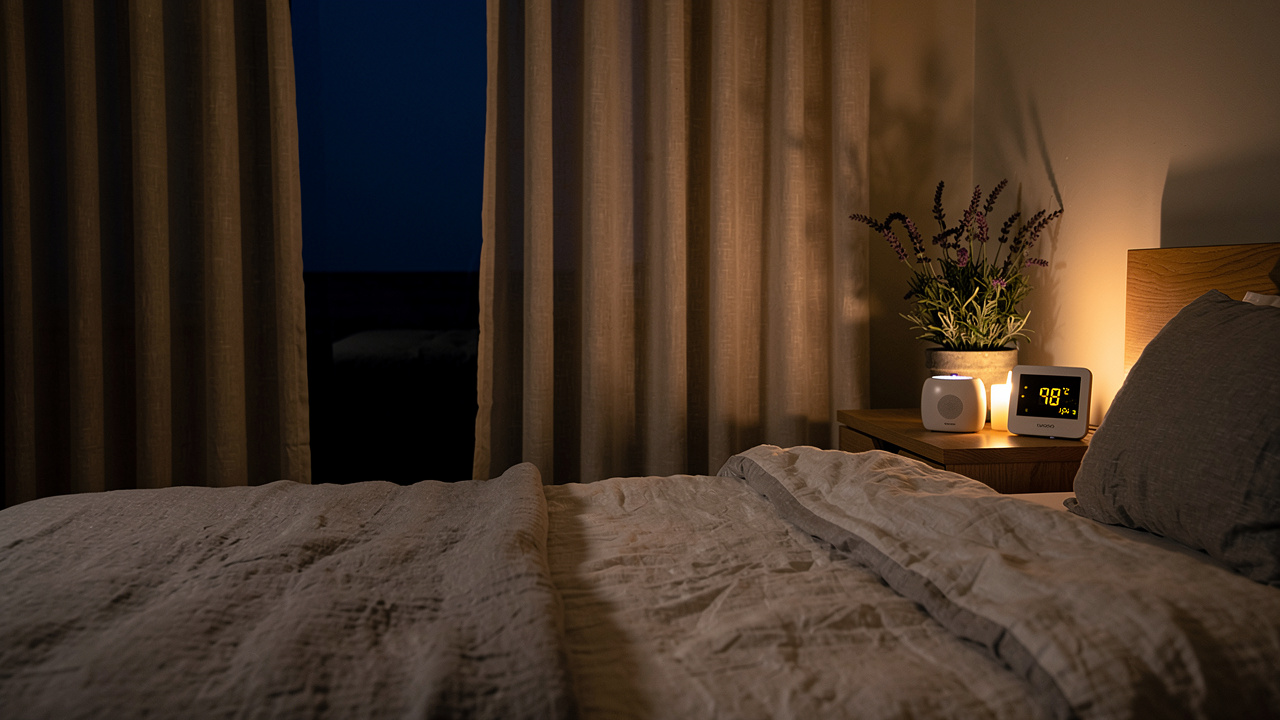
The bedroom environment sends powerful signals about whether it is safe and comfortable to rest. Small changes in this space can make it much easier for the brain to flip into sleep mode.
-
Temperature: The body needs to cool slightly to fall asleep, and most people sleep best in a room between 60 and 67 degrees Fahrenheit. A warm bath or shower one to two hours before bed can help by warming the skin and then allowing body heat to drop as the person dries off.
-
Light: A dark room—with blackout shades, no glowing LEDs, and, if needed, a sleep mask—removes one of the brain’s strongest “daytime” cues.
-
Sound: A quiet room is ideal, but when that is not possible, a steady background noise, such as white or pink noise, can mask sudden sounds. Earplugs may help in noisy settings.
-
Comfort: Comfortable bedding, a supportive mattress, breathable sheets, and the right pillow height all reduce body discomfort that would otherwise pull attention away from sleep. A tidy, uncluttered space also sends a subtle message of calm, which can ease pre-sleep tension.
Pre-Sleep Routine: Creating a Wind-Down Ritual
The 30 to 60 minutes before bed act like a runway for sleep. A consistent, soothing routine during this window tells the nervous system that it is time to shift gears. Examples include:
-
Gentle stretching or yoga.
-
A warm shower or bath.
-
Quiet reading under warm-toned light.
-
Simple breathing exercises or a short mindfulness practice.
-
Brief journaling to move worries from mind to paper.
The content matters less than the pattern. Doing the same few calming activities in the same order each night builds a strong association between that routine and sleepiness. Keeping lights dim during this period supports melatonin production. Many SLP1 users choose this window to take the Get to Sleep formulation so its calming, rhythm-aligned support peaks right as the wind-down ends and lights go out.
The SLP1 Approach: Comprehensive, Rhythm-Aligned Sleep Support
Many sleep products on the market focus on knocking people out quickly, without much attention to what that state does to sleep quality or long-term health. SLP1 takes a different route for those who can’t fall asleep at night and want a science-first, rhythm-based plan.
The SLP1 protocol was designed in-house, not copied from generic formulas, with the goal of supporting the full arc of sleep—falling asleep, reaching restorative depth, and staying asleep—without creating dependence or harsh morning fog. Its ingredients work with natural biology and timing signals instead of overriding them.
Why Conventional Sleep Aids Fall Short: The Sedation vs. Restoration Problem
Many most sleep aids fail. Benzodiazepines and “Z-drugs” can make people unconscious faster, but they often reduce deep sleep and REM sleep, alter brain waves, and create tolerance and dependence over time. People may sleep longer on paper but wake feeling dull, forgetful, or unsteady.
Common antihistamine-based pills, including those that use diphenhydramine, are marketed as gentle. In practice, they can cause grogginess the next day, blurred thinking, and anticholinergic effects that concern many neurologists, especially with long-term use. Alcohol, as discussed earlier, starts as a sedative but then fragments sleep structure and raises wakefulness later in the night.
Single-ingredient natural products, such as low-dose melatonin or valerian, may help in specific situations but usually target only one pathway. They may not be enough for someone dealing with stress, circadian disruption, and racing thoughts at the same time. SLP1’s philosophy focuses on “sleep that holds”—rest that feels natural, with intact architecture and steady benefits that build night after night. Rather than forcing sleep, SLP1 aims to create the conditions in which the brain can choose sleep on its own.
The Three-Part SLP1 Protocol: Addressing the Full Arc of Sleep
SLP1’s system is built around three coordinated formulations, each aimed at a different phase of the night.
-
Get to Sleep is the front-end support, designed for the period before and just after bedtime. It combines apigenin from chamomile, which interacts with GABA receptors to encourage mental calm, with 5-HTP, the direct precursor to serotonin and melatonin. Magnesium glycinate, a gentle and highly absorbable form of magnesium, helps relax muscles and quiet the nervous system. Ashwagandha extract and phosphatidylserine help moderate evening cortisol, supporting a smoother shift from stress to rest.
-
Deeper Sleep focuses on the middle of the night, when the brain cycles through deep slow-wave sleep and REM sleep. This formula includes compounds that support GABA activity and promote healthy alpha brain waves, which are linked with a relaxed but stable sleep state. The goal is not just staying asleep but spending enough time in the stages that repair tissues, consolidate memories, and reset emotional circuits.
-
Stay Sleep supports overnight continuity and brain energy. Ingredients such as beta-hydroxybutyrate (BHB) provide a clean fuel source for the brain, which may help reduce the small, subtle dips that cause some people to wake up. Glycine aids thermoregulation and can reduce nighttime awakenings for some users.
Together, these three products are meant to be used consistently so their effects compound over weeks, supporting a rhythm where sleep begins more easily and holds more reliably.
Ingredient Transparency: Why Bioavailability and Synergy Matter
What goes into a supplement—and how those ingredients are delivered—matters as much as the label promises. SLP1 places strong emphasis on using forms that the body can absorb well and on combining them in ways that make biological sense.
Magnesium is a good example. Many cheap products rely on magnesium oxide, which the body absorbs poorly and which often causes stomach upset. SLP1 uses magnesium glycinate instead, a chelated form that is well tolerated and directly supports calming pathways. Doses are chosen to match what research suggests is effective, rather than dusting formulas with tiny amounts that look good in marketing but do little in practice.
synergistic sleep formulas is another design principle. Apigenin and magnesium both support GABA signaling, but they do so through different mechanisms, which may add up to a stronger calming effect. 5-HTP paired with vitamin B6 feeds the serotonin–melatonin pathway more effectively than either alone. Ashwagandha and phosphatidylserine both influence cortisol, giving two gentle levers for stress regulation. SLP1 products avoid artificial colors, flavors, and common allergens, and they are third-party tested so users know what they are taking. For health-conscious people who research every label, this focus on clean, science-grounded design separates SLP1 from generic, white-labeled sleep stacks.
When to Seek Professional Help: Recognizing Chronic Insomnia
Self-directed changes can go a long way, but there comes a point when professional help is the most efficient step. If someone can’t fall asleep at night for months on end, and daytime life is clearly affected, it is time to treat sleep as a medical concern, not a side project.
Seeking help from a primary care doctor, sleep specialist, or mental health professional does not mean giving up on natural methods. It means adding expert insight, better testing, and a wider set of tools to the plan.
Defining Chronic Insomnia: The 3-3 Rule and Impact on Functioning
Clinicians use a simple rule to define chronic insomnia. Sleep problems—such as difficulty falling asleep, staying asleep, or waking too early—must occur at least three nights per week for at least three months. This happens despite having enough time set aside for sleep and a reasonable opportunity to rest.
Equally important, the sleep problem must cause clear distress or daytime impairment. That might show up as fatigue, mood changes, poor focus, lower work performance, or strain in relationships. Occasional bad nights are normal and do not meet this bar. When trouble getting to sleep turns into a long-running pattern, though, it rarely fades on its own. Addressing it early can prevent years of mental and physical wear.
The Diagnostic Process: Sleep Studies and Specialist Evaluation
A medical evaluation for insomnia usually starts with a detailed conversation. The clinician will ask about bedtime and wake time, how long it takes to fall asleep, how often someone wakes, and what their daytime energy feels like. They will also review medical history, medications, and substance use. Many providers ask patients to keep a sleep diary for one to two weeks to give a clearer picture of patterns.
A physical exam can turn up clues to problems such as sleep apnea or Restless Legs Syndrome. For apnea, a doctor might check neck size, look at the throat and tongue, and ask about snoring or breathing pauses. For suspected RLS, blood tests for iron status, especially serum ferritin, are common. Thyroid function and other metabolic markers may also be checked.
Not everyone with insomnia needs a formal sleep study, but when one is ordered, it is called polysomnography. This overnight test, usually done in a sleep lab, measures brain waves, breathing, heart rate, oxygen levels, and muscle activity while the person sleeps. In some cases, a simpler home study is used to look for obstructive sleep apnea. Actigraphy—a watch-like device that tracks movement—can help map sleep–wake patterns over weeks. For suspected narcolepsy, a Multiple Sleep Latency Test measures how quickly someone falls asleep during a series of daytime naps. These tools, combined with clinical judgment, help sort out whether insomnia is primary or part of another condition.
Conclusion
Being the person who can’t fall asleep at night while everyone else seems to drift off easily is frustrating, lonely, and draining. Yet when the science is laid out, that experience starts to make sense. Falling asleep depends on a precise blend of brain chemistry, circadian timing, environment, and emotional state. Modern life pushes against many of those systems at once, and medical or mental health conditions can layer on additional barriers.
The good news is that these systems can shift back toward balance. Regular schedules, less evening light and stimulation, better sleep associations, and realistic use of tools like Sleep Restriction Therapy and Stimulus Control all give the brain clearer signals. At the same time, it is wise to check for underlying issues like RLS, apnea, anxiety, or hormonal shifts so that hidden drivers of insomnia do not go unaddressed.
For people who want support that respects this full picture, SLP1’s three-part protocol offers a thoughtful option. By focusing on rhythm, bioavailable ingredients, and the entire arc of sleep—from getting to sleep to staying asleep and waking clear—it aims to help rebuild “sleep that holds” rather than just pressing an off button. Paired with behavioral change and, when needed, professional care, it is possible to move from endless clock-watching to nights that start more smoothly and mornings that feel steady again.
FAQs
What is the difference between being a “night owl” and having insomnia?
Some people naturally feel more alert at night and prefer late bedtimes and wake times. That pattern is called an evening chronotype and is not, by itself, a disorder. Insomnia means having distressing sleep problems—such as taking a long time to fall asleep or waking often—despite wanting and trying to sleep at a certain time. A night owl who can fall asleep easily at 1:00 a.m. and wake at 9:00 a.m. feeling fine does not have insomnia, but may still run into trouble when work or school requires early mornings.
How long should it normally take to fall asleep?
Most sleep specialists consider 10 to 20 minutes a typical time to fall asleep. Taking a few minutes less or more is not a problem if sleep feels refreshing. Consistently needing 30 minutes or longer, especially along with worry, frustration, or daytime tiredness, may point toward sleep onset insomnia. Looking at caffeine use, screen time, stress, and schedule regularity is a good first step before seeking professional input.
Is it safe to take melatonin every night?
Low to moderate doses of melatonin are generally considered safe for short-term use in adults, especially for shifting circadian timing, as in jet lag or Delayed Sleep Phase Syndrome. Long-term nightly use is less well studied. Very high doses can cause morning grogginess or vivid dreams and may shift the clock in unwanted ways. Many people do better with a broader support plan—like SLP1’s multi-pathway approach—that helps the body produce and time its own melatonin more effectively.
Can improving sleep really help with daytime anxiety and performance?
Yes. Sleep is a major regulator of emotion, attention, and decision-making. When someone moves from fragmented, late sleep to more consistent, deeper sleep, they often notice fewer mood swings, less reactivity, and sharper focus. This does not replace therapy or medication when those are needed, but it can make other treatments work better and daily life feel more manageable.



Leave a comment
This site is protected by hCaptcha and the hCaptcha Privacy Policy and Terms of Service apply.