Introduction
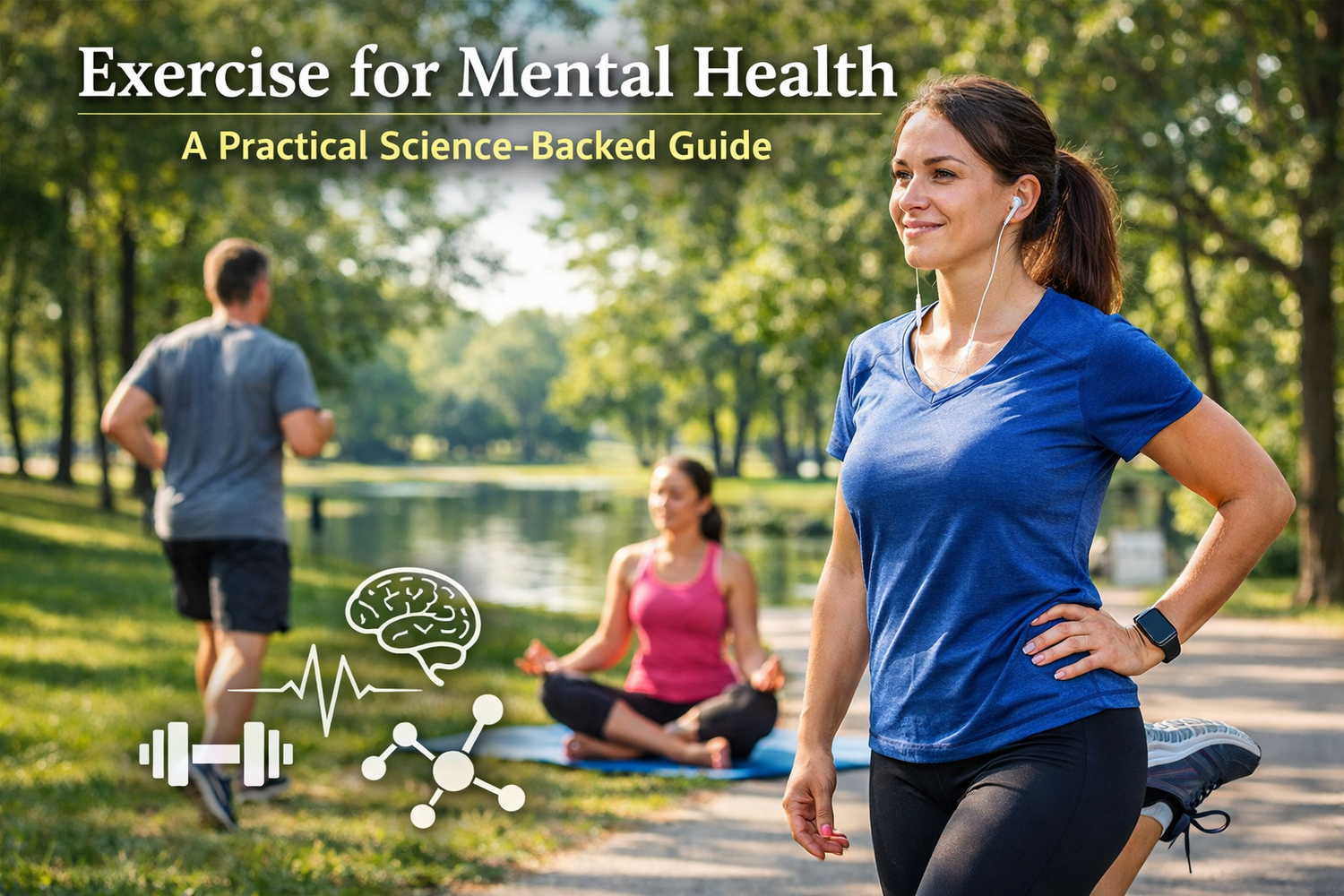
Mental health conversations usually focus on therapy, medication, and stress management. Yet one of the most powerful tools sits right in front of us: regular movement and exercise for mental health. Consistent activity can change how the brain works, how stress feels, and how well someone sleeps — all without a prescription.
Clinical research shows that exercise for mental health can:
-
Lower anxiety and depression
-
Ease negative mood and irritability
-
Improve self-esteem, thinking speed, and focus
It helps the brain release helpful chemicals, quiets the stress system, and supports better sleep. Still, many people know this in theory and feel stuck in practice. Busy schedules, low energy, health issues, or confusing advice can make it hard to start, let alone stay consistent.
This is where clear science and simple structure matter. This guide walks through how exercise for mental health changes brain chemistry, which conditions respond best, how much activity is needed, and what types of movement work. It also explains why sleep and recovery complete the picture and how the SLP1 Protocol can support that recovery in a precise, non-sedating way. By the end, the goal is a calm, science-backed plan that makes exercise for mental health feel doable, sustainable, and worth the effort.
Key Takeaways
-
Exercise for mental health reshapes brain chemistry in measurable ways. It boosts endorphins and key neurotransmitters and steadies the stress response, which together ease anxiety and depression. These shifts also support clearer thinking and a more stable mood across the day.
-
A full gym program is not required to feel better. About 30 minutes of moderate movement three days each week can shift mood, with even shorter bouts adding up. Both structured workouts and everyday movement matter, and consistency counts more than intensity.
-
Exercise works best as part of a wider mental health plan. Therapy, medication when needed, and high-quality sleep all add to the effect. Because sleep is the recovery window that locks in exercise benefits, many active people use science-backed sleep support such as SLP1 to make that cycle more reliable.
How Exercise Reshapes Brain Chemistry For Better Mental Health

Exercise for mental health is not just about “blowing off steam.” It sets off a series of changes in the brain and body that look a lot like the effects of common antidepressant and anti-anxiety treatments, with added physical benefits.
One of the first shifts comes from endorphins. These natural chemicals act as the body’s own comfort system, easing pain and creating a sense of well-being often called a runner’s high. Along with endorphins, movement raises levels of serotonin, dopamine, and norepinephrine. These neurotransmitters are the same targets for many mood medications, and higher, better-balanced levels are linked with less anxiety, fewer depressive thoughts, and more motivation.
Exercise for mental health also works on the stress system known as the HPA axis. This system controls cortisol, the main stress hormone. When someone is active on a regular basis, the HPA axis reacts to stress more smoothly and returns to baseline faster. Several brain regions play into this:
-
The limbic system helps control motivation and emotional balance.
-
The amygdala triggers fear and alarm; consistent exercise tends to calm down its overreaction.
-
The hippocampus supports memory and mood, and it often shrinks under chronic stress; aerobic exercise can help it grow new cells and regain function.
Better blood flow is another key effect. During exercise, the brain receives more oxygen and nutrients. Over time this supports clearer focus, sharper memory, and less mental fatigue. When exercise for mental health becomes a habit, these changes add up, and many people notice they think more clearly and bounce back from stress more easily.
On top of biology, movement brings psychological gains that work like amplifiers:
-
Focusing on breathing or movement gives the mind a break from looping worries.
-
Each completed session builds a record of small wins, which feeds self-efficacy and confidence.
-
If activity happens in a shared space or group, even light social contact pushes back against isolation.
“Exercise influences the same neurochemical pathways as antidepressant medication — but with compounding physical benefits and no prescription required.”
Specific Mental Health Conditions That Respond To Exercise

While almost anyone can use exercise for mental health as a general mood boost, research shows especially strong effects in several diagnosed conditions.
Depression and anxiety are the best-studied areas. Regular aerobic exercise such as jogging, swimming, or brisk walking often reduces sadness, worry, and physical tension. For some people with mild to moderate symptoms, exercise for mental health can work about as well as therapy or medication on its own, and for many others it strengthens those treatments. It also seems to lower the chance that symptoms will return after a good phase.
People living with schizophrenia and other serious mental illnesses often face two linked problems. Symptoms can limit activity, and medications can raise appetite, weight, blood pressure, and blood sugar. This combination pushes the risk of heart disease and diabetes much higher. Structured exercise programs help on several fronts. Participants tend to improve weight control and exercise tolerance, lower blood pressure, and gain more day-to-day energy. Many also report better self-esteem and reduced social withdrawal, which ties directly to quality of life. Importantly, adherence rates in these programs look similar to those in the general public, which means exercise is realistic, not just ideal, in this group.
Exercise for mental health also helps people who see themselves as “just stressed.” Repeated activity can lower resting cortisol, sharpen emotional control, and create a stable outlet for frustration or overload. Over time, this builds a buffer against daily pressures, so spikes in stress feel less overwhelming and pass more quickly.
Some research also points to benefits for conditions such as ADHD and post-traumatic stress. In these cases, rhythmic aerobic exercise may support better focus, calmer arousal, and a greater sense of control over physical tension. While activity is not a stand-alone treatment, it can be a valuable add-on alongside professional care.
|
Condition |
Key Benefit |
Best Exercise Type |
|---|---|---|
|
Depression |
Better mood and brain growth in the hippocampus |
Aerobic activity such as walking or jogging |
|
Anxiety |
Calmer fear response and less body tension |
Steady rhythmic aerobic movement |
|
Schizophrenia |
Weight control, more energy, higher self-esteem |
Structured conditioning with support |
|
General Stress |
Smoother cortisol pattern and more resilience |
Any movement done on a regular schedule |
Exercise Guidelines And The Types Of Activity That Work

Knowing that exercise for mental health helps is one thing. Knowing how much is needed and which types to choose makes it far easier to act.
For healthy adults, the US Department of Health and Human Services advises at least 150 minutes of moderate aerobic activity each week or 75 minutes of vigorous activity. That could look like 30 minutes of brisk walking on five days, or shorter but faster sessions such as jogging. For mental health benefits, research suggests an even more reachable threshold: about 30 minutes of moderate exercise three days per week can lead to noticeable mood changes in many people.
Those 30 minutes do not have to come all at once. Three brisk 10-minute walks spread through the day can work as well as one longer session. For someone busy or struggling with motivation, this small-block approach can turn exercise for mental health from a big task into bite-size actions.
Aerobic activities have the strongest support in the research:
-
Jogging or running lifts heart rate and oxygen use and often gives a strong endorphin response.
-
Swimming offers a full-body workout with minimal impact on joints and has a calming, rhythmic feel.
-
Cycling can happen outdoors for fresh air or indoors on a stationary bike.
-
Brisk walking may be the most friendly starting point since it needs no special gear or setting.
-
Dancing blends movement with music and expression, which can make it emotionally rewarding as well as physically helpful.
It also helps to widen the lens beyond “workouts.” Climbing stairs, gardening, washing a car, carrying groceries, or playing tag with children all count as meaningful physical activity. Structured exercise is planned and repeated with a fitness goal in mind. General physical activity is any muscle movement that burns energy. Both support exercise for mental health when they happen often enough.
If you are not sure what “moderate” feels like, a simple rule of thumb helps: you can talk in full sentences but not sing. For “vigorous” effort, you can say only a few words at a time before needing a breath.
Consistency matters more than intensity. A simple routine that feels good and fits real life will do more for mental health than a harsh plan that collapses after two weeks.
How To Build And Sustain An Exercise Routine For Mental Health

The main reason exercise for mental health falls short is not lack of science. It is the gap between intention and follow-through. Building a pattern that lasts means starting where life actually is, not where someone thinks it “should” be.
Set goals that are truly realistic. Instead of aiming for long, intense workouts every weekday, begin with something that feels almost too easy, such as a 15-minute walk three times per week. Once that feels normal, add a little more time or one more day. This slow, steady increase keeps the stress on the body and schedule manageable and reduces the urge to quit.
Next, take an honest look at the obstacles that tend to show up.
-
Some people feel uncomfortable in gyms or public spaces. They can start with home-based options such as video classes, simple strength work using body weight, or walking in quieter areas while listening to music or a podcast. With time, comfort often grows.
-
Others need someone to expect them to show up. A workout partner, small class, or online community can provide gentle pressure and a sense of shared effort. Knowing someone else is waiting often makes exercise for mental health easier to honor.
-
Money can be a concern. The good news is that many effective options are free. Walking, jogging in a park, simple bodyweight circuits, or using public outdoor equipment all support mental health without adding cost.
-
Lack of time is one of the most common reasons people give. Here, short sessions help. Three 10 to 15 minute bouts can slide into breaks, lunch windows, or moments between tasks and still create a strong exercise for mental health effect.
Small habits around each workout can also keep the pattern going:
-
Laying out shoes and clothes in advance
-
Blocking off activity time in a calendar
-
Tracking sessions on a simple checklist or app
Enjoyment may be the single strongest predictor of long-term success. If a person hates running, they are unlikely to keep it going. Walking with a friend, cycling on quiet streets, weekend hikes, dance classes, or even active play with kids can all serve as exercise for mental health when done often. When the activity itself feels good, motivation starts to come from inside, not just from discipline.
Finally, it helps to treat movement like a mental health appointment. Exercise for mental health belongs in the same category as therapy sessions or important medication. It is not an extra reward for a perfect day; it is one of the tools that keeps hard days from getting worse. Everyone misses days at times. The key is to avoid shame, notice what got in the way, and then step back into the pattern.
“You do not rise to the level of your goals. You fall to the level of your systems.” — James Clear
That idea applies directly to mental health: a simple, repeatable movement system usually beats grand plans that are hard to maintain.
“The goal is not perfection. The goal is a pattern — and patterns compound over time.”
The Sleep Exercise Connection And Why Recovery Completes The Mental Health Cycle
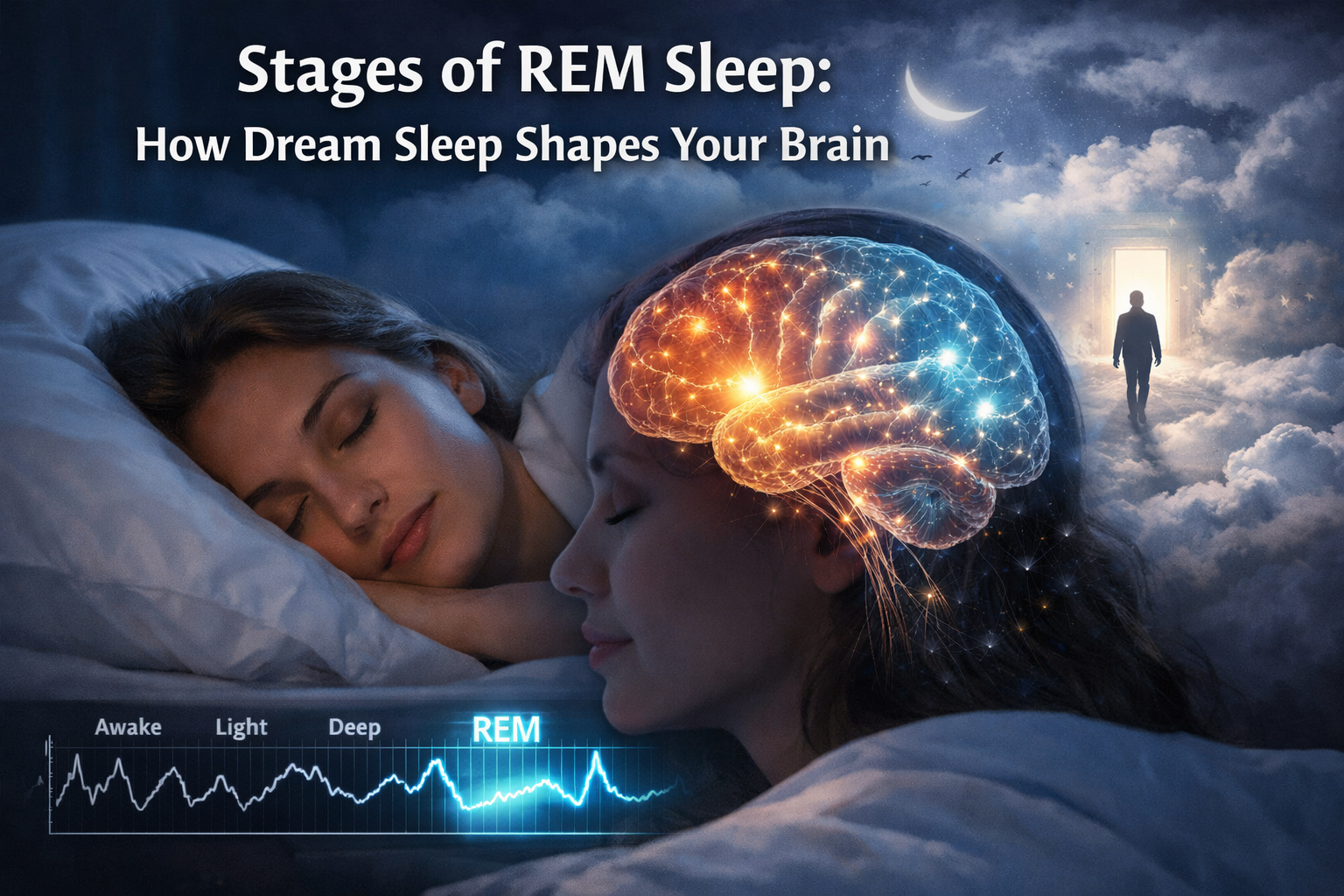
Exercise for mental health starts the process, but sleep is where many of the benefits settle in. Physical activity helps tune the body’s clock, making it easier to fall asleep and reach deeper stages of rest. During that deep sleep, the brain processes emotions, strengthens new connections between nerve cells, and resets stress hormones. In simple terms, sleep turns each workout into the next day’s calmer mood and clearer mind.
There is a twist though. Hard training late at night, bright lights in gyms, and stimulating music can keep heart rate and cortisol higher for longer. For some people, that means exercise for mental health accidentally delays sleep and cuts into deep stages. Instead of waking up restored, they wake up wired and tired. Over time, this can blunt the very mood benefits they are trying to gain.
The recovery window during the night is when the nervous system quiets, muscles repair, and mental load from the day gets sorted. Poor or choppy sleep after exercise can lead to more irritability, sharper anxiety, and a sense of burnout. That is why many health-conscious people focus not only on movement but also on high-quality, reliable sleep as part of their plan.
You can support this sleep–exercise link with a few simple habits:
-
Finish vigorous workouts at least a few hours before bedtime.
-
Dim lights and lower screen use in the hour before sleep.
-
Use calming routines such as stretching, breathing drills, or a warm shower after late workouts.
SLP1 was created with this link in mind. The SLP1 Protocol is a three-part system — Get to Sleep, Deeper Sleep, and Stay Sleep — all designed to work with natural biology rather than push heavy sedation. Each part plays a role in making exercise for mental health more effective over time.
-
Ashwagandha and phosphatidylserine help bring down extra evening cortisol, which is common after late workouts or stressful workdays. By softening that stress spike, they make it easier for the body to shift into a calmer state without forcing sleep.
-
Magnesium glycinate supports relaxation in both muscles and nerves. After activity, this can ease tightness and restless feelings so the body can enter deep sleep more smoothly and wake up without heavy grogginess.
-
Tart cherry powder gently supports the body’s own sleep hormones and may reduce next-day soreness. That combination can make it easier to fall asleep and to keep training without feeling worn down.
-
Apigenin and plant-based nervines such as lemon balm and passionflower quiet mental chatter and support GABA activity, which is part of the brain’s calming system. They ease tension while still allowing a person to wake up clear and focused.
-
Vitamins B6 and B12 back healthy circadian rhythm and help convert tryptophan into serotonin and melatonin. This supports both mood balance in the day and smoother sleep at night, which feeds into the exercise for mental health cycle.
The aim is not to knock someone out. SLP1 is designed to help restore healthy sleep patterns so that each night becomes a reliable recovery phase. For people using exercise for mental health, that kind of steady, high-quality sleep turns every workout into a stronger long-term investment in mood, stress control, and daily performance.
Conclusion
Exercise for mental health is one of the most powerful and accessible tools available. It changes brain chemistry, steadies the stress response, and lowers symptoms across conditions such as depression, anxiety, and chronic stress. These gains come not from rare heroic workouts but from regular, realistic movement that fits the rest of life.
The effects build slowly, then more clearly, as weeks of practice turn into months. That is why consistency matters so much more than perfection. When exercise for mental health is paired with high-quality sleep, the benefits compound. Nighttime becomes the period when the brain and body file away the rewards from each session and prepare for the next day.
SLP1 sits inside this cycle as a support for the recovery side. By working with natural sleep architecture instead of fighting it, the SLP1 Protocol helps active people move, rest, and think more clearly without chasing quick fixes. A practical path forward starts with simple movement, repeated often, and sleep that truly restores. Start where you are, build a pattern that feels possible, and let both exercise and recovery work together for your mental health.
FAQs
Question 1: How Much Exercise Do I Need For Mental Health Benefits
Most adults do well aiming for about 150 minutes of moderate aerobic activity each week or 75 minutes of vigorous activity. For many people, 30 minutes of brisk walking three days per week is enough to notice better mood and lower stress. Shorter sessions can add up, so even 10 to 15 minute walks matter. The key is steady, repeatable exercise for mental health rather than rare, exhausting efforts.
Question 2: Can Exercise Replace Therapy Or Medication For Mental Health
Exercise for mental health is a powerful tool, but it is not a complete replacement for therapy or medication when those are needed. Research shows that regular activity can match some treatments for mild to moderate depression and anxiety in certain people. However, anyone with strong or lasting symptoms should work with a doctor or mental health professional. Exercise works best as one part of a full care plan.
Question 3: Does Exercise Help With Sleep And Mental Health At The Same Time
Yes, exercise for mental health often helps sleep at the same time. Regular movement supports a more stable sleep–wake rhythm and promotes deeper, more restorative sleep. Better sleep then feeds back into lower anxiety, more balanced mood, and clearer thinking. If hard workouts close to bedtime disturb sleep, systems such as SLP1 can support a smoother shift from high activity to calm rest.
“Sleep is the golden chain that ties health and our bodies together.” — Thomas Dekker
Question 4: What Type Of Exercise Is Best For Anxiety And Depression
Aerobic exercise has the strongest support for anxiety and depression. Brisk walking, jogging, swimming, and cycling all raise heart rate in a steady way that calms the nervous system over time. The best exercise for mental health is the one a person can stick with, so enjoyment matters. Even lighter activities such as relaxed walking or gardening can help when they become a regular part of the week.

Leave a comment
This site is protected by hCaptcha and the hCaptcha Privacy Policy and Terms of Service apply.