Introduction
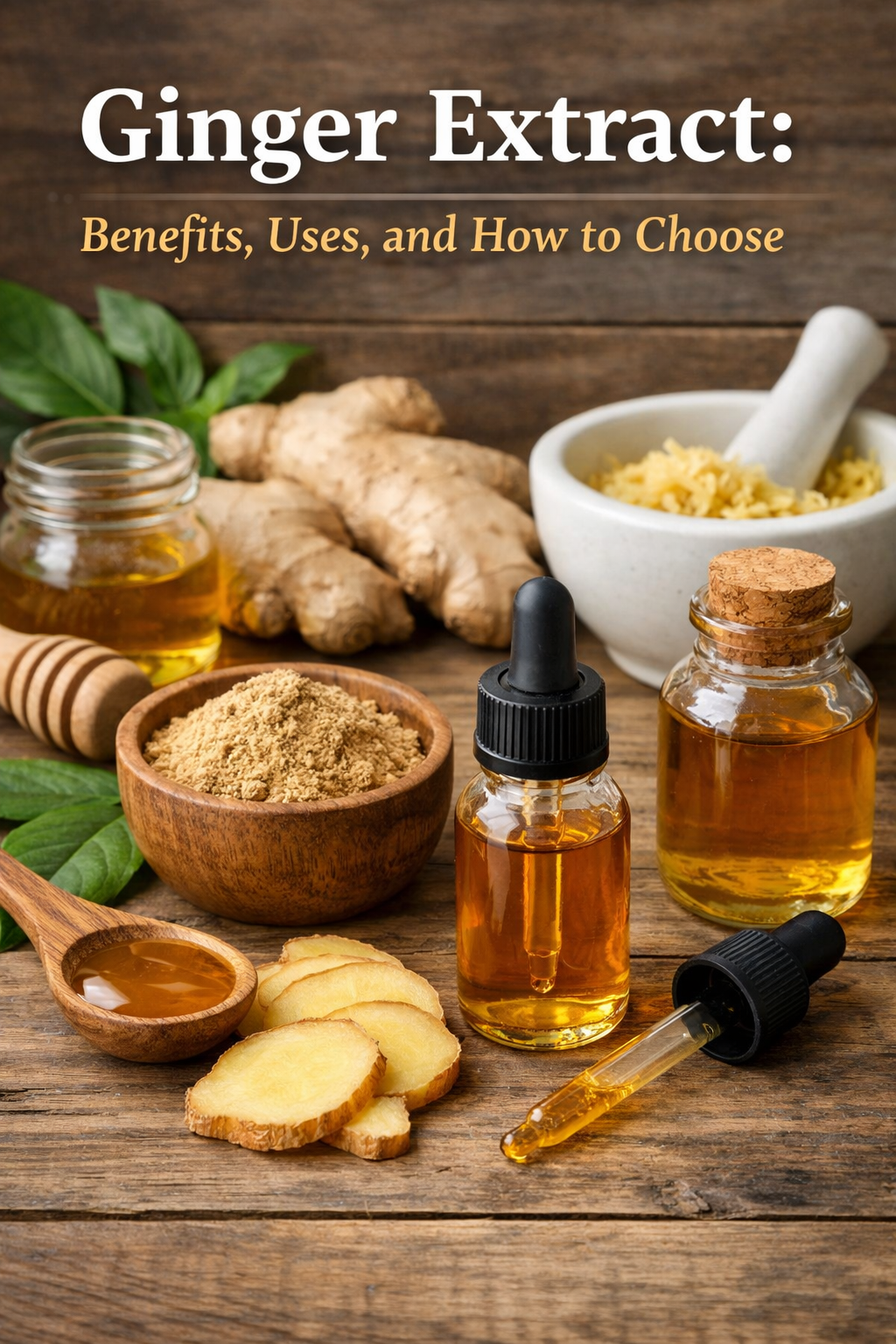
Ginger extract sits at an interesting crossroads between ancient kitchen spice and modern clinical research. For thousands of years, healers in China, India, the Caribbean, and Mexico reached for ginger root to calm upset stomachs, warm the body, and support overall comfort. Now the same plant, Zingiber officinale, appears in lab studies, supplement protocols, and sleep programs for high-performing adults.
Raw ginger in a stir-fry or tea still has value. Yet the concentrated form called ginger extract gives much more predictable results. Through careful extraction, manufacturers pull out and concentrate active compounds such as gingerols and shogaols. That step turns a traditional spice into a precise tool that fits into structured routines for digestion, inflammation, circulation, and even sleep quality.
The problem is that the supplement aisle does not make this simple. Bottles list extract ratios, percentages, and fancy extraction methods, often without clear explanation. Some products rely on marketing language, while others use meaningful standardization and testing. For someone who cares about sleep, long-term health, and clean ingredients, it can be hard to tell which ginger extract actually does anything.
As many herbal clinicians like to say, “The form you will take every day is the one that works best.”
This guide walks through the science, forms, and quality markers that matter. It explains how ginger extract works in the body, why extraction method and standardization change the effect, and how SLP1 uses ginger as part of its sleep-support formulas. By the end, any health-conscious reader can scan a label with confidence and see exactly where ginger extract fits in a broader wellness and performance plan.
Key Takeaways
-
Ginger extract is a concentrated preparation of Zingiber officinale that focuses the plant’s active compounds, especially gingerols and shogaols. This concentration allows more predictable support for digestion, inflammation, circulation, immune balance, and physical comfort than culinary ginger alone.
-
The benefits of ginger extract extend far beyond simple stomach relief and reach into anti-inflammatory joint support, cardiovascular health, and immune resilience. When physical discomfort drops, many people notice easier sleep onset and fewer nighttime awakenings, even though ginger itself is not a sedative.
-
Product quality makes the difference between a meaningful ginger extract and an expensive spice capsule. Standardization for gingerols, clear extract ratios, thoughtful extraction method, and clean-label formulations without unnecessary additives all point toward a more effective supplement.
-
Ginger extract is powerful enough that some people need guidance before use, especially during pregnancy or while taking blood-thinning or heart medications. A brief check-in with a healthcare professional is wise for anyone with chronic conditions or complex drug regimens.
What Is Ginger Extract? Origins, Active Compounds, and Why Concentration Matters
Ginger comes from a tropical flowering plant whose underground stem, or rhizome, has served as both food and medicine for thousands of years. Historical texts from Ayurveda and Chinese Medicine describe ginger as a warming herb that supports digestion, circulation, and general vitality. That long record of use sparked modern interest in isolating the specific compounds that give ginger its effects.
Fresh ginger root and dried ginger powder both contain these compounds, but in modest and variable amounts. The flavor of a cup of ginger tea can change with the age of the root, growing region, and preparation. For someone seeking targeted support from ginger extract, that natural variation makes dosing through food alone difficult.
Ginger extract solves this by separating the active molecules from the bulky plant fiber, then concentrating them. Manufacturers start with large amounts of ginger rhizome and run it through a chosen extraction method. The result can be a liquid, resin, or dry powder that holds a much higher percentage of the compounds linked with ginger’s benefits. In supplement form, this allows a small capsule or dropperful of ginger extract to match grams of raw root, with far more consistent potency from batch to batch.
In simple terms, concentration matters because it gives you:
-
A known amount of active compounds in every serving
-
A smaller volume to swallow or mix into drinks
-
More reliable effects from day to day
The Active Compounds That Drive Ginger's Benefits

The effects most people associate with ginger extract trace back to several families of compounds inside the rhizome. They work together rather than in isolation, which is why full-spectrum extracts matter.
Gingerols sit at the center of this picture. In fresh ginger, 6-gingerol is the most studied of these sharp-tasting phenolic compounds. Research links gingerols with anti-inflammatory and antioxidant actions, as well as support for nausea relief and digestive comfort, as detailed in this Research Breakdown on Ginger from Examine. They give fresh ginger much of its trademark heat.
When ginger dries or heats, some gingerols shift into shogaols. These related compounds, especially 6-shogaol, can show even stronger anti-inflammatory and antioxidant activity in certain lab models. This change explains why the preparation of ginger extract influences its specific benefit profile. An extract made from dried ginger often carries a different balance of gingerols and shogaols than one based on fresh root.
Alongside these pungent molecules, the rhizome holds volatile oils that shape both aroma and effect. Compounds such as zingiberene and bisabolene contribute to the spicy scent and appear to act together with gingerols and shogaols. High-quality ginger extract often lists a standardization value, such as 5 percent or 20 percent gingerols, to signal consistent levels of these core actives.
A simple comparison helps show why many practitioners favor standardized ginger extract over culinary use alone.
|
Feature |
Fresh Ginger Root |
Standardized Ginger Extract |
|---|---|---|
|
Potency per gram |
Lower, variable content of gingerols |
Much higher, with defined gingerol or shogaol levels |
|
Dose consistency |
Changes by batch and preparation style |
Consistent from serving to serving |
|
Practical convenience |
Requires peeling, chopping, or brewing |
Simple capsule or measured liquid dose |
The Science-Backed Health Benefits of Ginger Extract
Ginger extract has earned attention because its traditional uses now line up with a growing body of modern research. Instead of relying on claims alone, scientists look at gingerols, shogaols, and related compounds in controlled settings. The result is a clearer picture of how ginger extract supports several systems at once.
Digestive Health and Nausea Relief

Digestive support is still the most common reason people reach for ginger extract. Studies show that ginger can speed up gastric emptying, which means food moves from the stomach into the small intestine more efficiently. That shift often leads to:
-
Less bloating
-
Fewer feelings of uncomfortable fullness
-
Reduced gas after meals
Ginger extract also shines in the area of nausea relief. Research and clinical experience suggest it may help with:
-
Motion sickness on boats, planes, or long car rides
-
Post-operative nausea after certain surgeries
-
Chemotherapy-related queasiness (as part of a supervised plan)
-
Morning sickness in pregnancy, under medical guidance
Many prenatal care providers discuss ginger with patients dealing with morning sickness, though that conversation should always happen before starting any supplement.
Traditional systems describe ginger as warming, which matches the observation that it supports blood flow to the digestive tract. Better circulation in that area may contribute to smoother digestion and a calmer gut. For sudden nausea, a liquid ginger extract often acts faster than a capsule, because it does not wait for the shell to break down before absorption starts.
One integrative physician summed it up this way: “For unsettled stomachs, ginger is often the first plant I think of and the last one I give up.”
Anti-Inflammatory Properties and Joint Support
The same compounds that help the stomach also influence inflammatory pathways in the body. Gingerols and shogaols can reduce the activity of enzymes and signaling molecules that drive inflammation, including certain prostaglandins and cytokines. This pattern looks similar to how common non-steroidal drugs work, though ginger extract does not carry the same side-effect profile in healthy adults when used appropriately.
For people with joint concerns, that matters. Research on osteoarthritis, especially in the knee, has found that consistent use of ginger extract may reduce pain levels and stiffness scores. The effect is not instant; benefits tend to build with steady daily use over weeks.
Many joint formulas pair ginger extract with turmeric and Boswellia:
-
Turmeric contributes curcuminoids that also calm inflammatory markers.
-
Boswellia targets another inflammatory pathway linked with joint discomfort.
-
Together they support mobility and everyday comfort in a way that one plant alone might not match.
Research suggests that shogaols, formed when ginger is dried or heated, may carry even stronger anti-inflammatory power than gingerols themselves, a finding supported by studies examining Gingerol-Enriched Ginger Extract Effects on inflammatory and neurological pathways.
This anti-inflammatory and pain-relieving support does more than help knees and hands. It also matters at night, when subtle discomfort can interrupt sleep without ever reaching the level of clear “pain.”
Cardiovascular and Immune System Support
Ginger has a long history as a warming herb that supports circulation, and modern observations fit that theme. Ginger extract appears to promote healthy blood flow, which helps oxygen and nutrients reach muscles and organs. Black ginger, a related species called Kaempferia parviflora, has drawn interest in this area for its potential role in physical performance and healthy vascular function.
Several studies also point toward a modest effect of ginger extract on cardiometabolic markers when used alongside a sound lifestyle. It may help maintain healthy cholesterol levels and support normal blood pressure ranges, though it is never a replacement for prescribed care.
The antioxidant side of ginger extract supports both heart and immune health. By neutralizing free radicals, ginger’s compounds help limit oxidative stress, which plays a role in aging and many long-term conditions. Its mild antimicrobial and anti-inflammatory properties together create a foundation for immune resilience. These cardiovascular and immune effects build with consistent use, not with sporadic doses.
Extraction Methods and Forms How to Evaluate What You Are Actually Buying
Not all ginger extract on a label means the same thing inside the capsule or bottle. The method used to pull compounds from the rhizome, and the final form that reaches the shelf, both change how the body receives and uses those compounds. Learning a few key terms makes shopping far less confusing.
Understanding Extraction Methods
Alcohol extraction, often called a tincture when sold as a liquid, is one of the oldest and most respected techniques. Food-grade alcohol penetrates plant tissue and dissolves a broad range of compounds, from volatile oils to phenolic gingerols. The result is a full-spectrum ginger extract with a long shelf life, though it does leave some alcohol in the finished product.
Some brands start with alcohol extraction, then carefully remove the alcohol through a low-temperature process. They often add vegetable glycerin afterward for stability and a smoother taste. These alcohol-removed ginger extract products deliver the same broad spectrum of actives but suit people who avoid alcohol for personal or medical reasons. They differ from true glycerites.
Glycerites use glycerin as the main solvent from the beginning. Glycerin has a gentle, sweet taste and works well for some herbs. For ginger, however, it does not pull the full profile of compounds as effectively as alcohol. That can mean lower potency ginger extract unless compensated with a much higher starting amount of plant material.
Supercritical CO₂ extraction takes another path. Under high pressure and low temperature, carbon dioxide behaves like a solvent and strips selected compounds from the rhizome. This method produces a very pure, concentrated ginger extract rich in volatile oils, often in a thick, resin-like form that goes into softgels with a carrier oil.
A quick table highlights the tradeoffs.
|
Extraction Method |
Relative Potency Spectrum |
Alcohol In Final Product |
Best Fit Scenario |
|---|---|---|---|
|
Alcohol tincture |
Broad, full-spectrum |
Yes |
General wellness, long shelf life |
|
Alcohol-removed extract |
Broad, full-spectrum |
No |
Those avoiding alcohol, seeking strong potency |
|
Glycerite |
Narrower, often lower potency |
No |
Sensitive users prioritizing taste above strength |
|
Supercritical CO₂ |
Very concentrated volatile oils |
No |
Softgels aimed at high-potency use |
Choosing Your Delivery Form
Liquid extracts use a dropper and go directly into the mouth or a small glass of water. Because they do not pass through a capsule shell, absorption can start quickly. That makes liquid ginger extract attractive for sudden nausea, though the intense, spicy taste can surprise new users.
Capsules and softgels remain the most common form of ginger extract. They hide the flavor, provide precise dosing, and travel well in a work bag or carry-on. Absorption starts once the shell dissolves in the stomach, so the onset is slightly slower than with liquids, but still very dependable for daily routines.
Powders made from ginger extract give maximum flexibility. A scoop can go into smoothies, protein shakes, or homemade wellness drinks. This form often costs less per dose, yet it does require careful measuring and a tolerance for ginger’s strong flavor in whatever it touches.
Gummies appeal to people who dislike swallowing pills. They often taste pleasant and feel like a treat, but many carry added sugars and only small amounts of actual ginger extract. Labels in this category need especially close reading to see whether the product behaves more like candy or like a serious supplement.
A useful rule of thumb: “Pick the form you will use consistently, then make sure the dose and quality are high enough to matter.”
The best form is the one you will use on a consistent schedule, but it still needs enough standardized ginger extract inside to matter. Convenience never replaces careful label reading.
Ginger Extract for Sleep The Overlooked Connection

Most people think of ginger extract for an upset stomach or achy knee, not for better nights. Yet physical discomfort is one of the quietest sleep disruptors. It rarely makes the problem list in a doctor’s visit, but it shows up at 2 a.m. as tossing, turning, and half-awake frustration.
Low-grade inflammation, joint soreness, or muscle tension can make both falling asleep and staying asleep harder. Even when pain does not feel strong enough to name, the nervous system still senses it. The body responds with micro-awakenings, position changes, and shallow sleep. Over time, this chips away at deep, restorative rest and the ability to wake up clear and ready.
Ginger extract offers an indirect way to ease this pattern. Its anti-inflammatory and pain-relieving actions support more comfortable joints and muscles. That does not knock anyone out. Instead, it lowers a physical barrier that often goes unnoticed but still pulls the body away from restful sleep.
Unlike sedative drugs or heavy doses of certain botanicals, ginger extract does not blunt the nervous system. For health-conscious professionals and performance-focused individuals, that matters. The goal is to feel clear in the morning, not dulled. By helping settle the body rather than forcing the brain, ginger extract can fit smoothly into a sleep plan that respects natural rhythms.
This is where ginger moves from a simple digestive aid to a quiet but important player in multi-pathway sleep support, especially when combined intelligently with other ingredients.
How SLP1 Integrates Ginger Extract in Its Sleep Formulations
SLP1 builds its sleep support philosophy on a simple idea: the body already knows how to sleep. The real work is to remove the barriers that block that process and then support the signals that keep sleep deep and stable. Ginger extract fits this model as a tool for easing physical discomfort, not as a sedative.
In SLP1’s sleep formula Serezin, ginger extract appears alongside neurochemical and metabolic support ingredients. Its role is to provide complementary pain-relieving action, so nagging aches and low-level inflammation step out of the way. When that happens, the rest of the formula can focus on calming the mind, stabilizing sleep architecture, and supporting overnight recovery.
Participants who used Serezin in SLP1’s outcome tracking reported notable changes compared with their own baseline data. On average, they saw an 85 percent larger improvement in the ability to fall asleep. Overall sleep quality scores rose by 93 percent more than before, and the feeling of waking refreshed climbed by 64 percent. Ginger extract is not the only reason for those gains, but it plays a clear supporting part within the broader formulation.
Behind the scenes, SLP1 relies on standardized botanical extracts, ginger included, at clinically relevant doses. Each batch goes through third-party testing for potency and contaminants, and the formulas avoid common allergens, artificial colors, and unnecessary fillers. That clean-label approach appeals to biohackers and wellness enthusiasts who want supplements to match the standards they apply to food and training.
SLP1 also designs its sleep formulations, including those with ginger extract, to slot into a wider evening pattern. That pattern may include light exposure management, smart timing of food, and planned wind-down routines. In this context, ginger extract becomes one piece of a thoughtful sleep system rather than a stand-alone fix.
How to Choose a High-Quality Ginger Extract A Label-Reading Guide
With so many bottles claiming to contain ginger extract, knowing what to look for on the label protects both health and wallet. A few simple markers separate serious formulas from products that rely on spicy flavor and marketing.
Reading Potency Indicators on the Label

Standardization is the single most informative word on a ginger extract label. A line that reads “standardized to 5 percent gingerols” tells you that every batch contains at least that amount of the key active compounds. Without such a statement, potency can drift from lot to lot, even if the milligram number on the front looks impressive.
Extract ratios add another piece of the picture. A 10:1 ginger extract means that ten units of raw rhizome went into one unit of extract. A 200 milligram serving of a 20:1 ginger extract delivers the active compounds found in about 4,000 milligrams of raw ginger powder. That explains how a single capsule can match multiple grams of the root.
For daily use, supplement doses usually range from 250 milligrams up to around 2,200 milligrams of ginger extract, depending on the ratio and health goal. Higher is not always better. Someone using ginger mainly for gentle digestive support may do well at the lower end, while joint or sleep-related plans might call for the upper middle of that range under professional guidance.
Serious brands also talk about testing and certifications. Helpful indicators include:
-
Mention of cGMP-compliant manufacturing
-
Third-party lab checks for potency and contaminants
-
Seals such as USDA Organic, Non-GMO Project Verified, gluten-free, or vegan (when relevant to your preferences)
These signals do not guarantee that a product will be perfect for every person, but they show that quality control was taken seriously.
Red Flags and Green Flags in Formulation
Several label habits point toward a thoughtful ginger extract product. Green flags include:
-
The full botanical name Zingiber officinale along with the word “rhizome”, showing clear plant identity and part used
-
A stated standardization percentage for gingerols and/or shogaols
-
A short list of other ingredients, such as plant cellulose capsules and minimal flow agents
-
Reference to cGMP facilities or identity-testing technologies
On the other hand, some warning signs should prompt a second look or a pass:
-
“Ginger extract” listed with no mention of gingerols, shogaols, or standardization
-
A long block of additives, including artificial colors, flavors, or unnecessary binders such as titanium dioxide
-
Gummies with several forms of sugar and only a token amount of ginger extract
Marketing-heavy gummies can be especially tricky. A bright label may shout about ginger, yet the supplement facts panel sometimes reveals only tiny amounts of ginger extract next to multiple sweeteners. Instead of steady, measurable support, such products function more like candy with a spice accent.
Natural variation in the color, aroma, or texture of ginger extract from batch to batch is normal and reflects real plant material, not a fault in quality. Consistent testing matters more than identical appearance.
Dosage, Timing, Safety, and Synergistic Combinations
Once someone chooses a ginger extract that meets quality standards, the next steps involve how to take it, how it fits into the day, and how it plays with other supplements and medications.
Dosage and Timing Recommendations
Liquid ginger extract servings often fall between 1 and 2 milliliters, one to three times per day. Most bottles provide a marked dropper so that each squeeze delivers a predictable volume. Mixing the drops into a small amount of warm water or juice can soften the intense ginger taste while still allowing quick absorption.
Capsule or powder products usually provide between 250 milligrams and 2,000 milligrams of ginger extract per day. Many people divide that dose into two servings, morning and evening, especially when using ginger for joint or sleep-related aims. Taking capsules with food helps reduce the chance of stomach upset in sensitive users.
Timing varies with goals:
-
For digestive comfort, taking ginger extract with or just after meals tends to work best.
-
For motion sickness or other predictable nausea, a dose 30 to 60 minutes before the event gives the body time to absorb the compounds.
-
Joint support and cardiovascular goals favor steady, daily intake over many weeks.
-
Sleep and recovery plans, like SLP1’s approach, often place ginger extract within an evening routine to help ease physical tension as the night begins.
Starting with the lowest dose recommended on the product label, then increasing only if needed, gives the body a chance to respond without unnecessary risk.
Safety Considerations and Potential Interactions
For most healthy adults, ginger extract is well tolerated, especially at moderate doses. When side effects appear, they tend to involve the digestive tract. Some people notice:
-
Heartburn
-
Mild nausea
-
Loose stools
-
A warm feeling in the stomach
Taking the supplement with food and avoiding very high doses often solves these issues.
Certain groups should loop in a healthcare professional before adding ginger extract:
-
Pregnant or nursing individuals, even those who have heard of ginger for morning sickness, deserve a personalized conversation about dose and timing.
-
People who take blood-thinning drugs such as warfarin need careful guidance, because ginger may slow clotting and raise bleeding risk when mixed with those medications.
-
Doctors usually advise anyone with a scheduled surgery to stop ginger extract at least two weeks before the procedure.
-
Those with diabetes should monitor blood sugar closely when they start ginger extract, since it may nudge glucose downward and interact with medications.
-
People with known heart conditions benefit from asking a cardiologist about appropriate dosing and possible interactions.
In well-designed formulas, ginger extract often works better alongside other ingredients. Useful synergistic pairings include:
-
Turmeric plus black pepper extract (often listed as BioPerine): gingerols and curcuminoids may absorb more efficiently when combined with piperine.
-
Boswellia with ginger extract: a common duo in joint support blends targeting several inflammatory pathways.
-
Artichoke extract with ginger: often used in digestive products, where one supports bile flow while the other promotes gastric motility.
-
Vitamin B6 with ginger: sometimes included in nausea-focused formulas, including those discussed for pregnancy, though medical supervision is vital in that setting.
Conclusion
Ginger extract stands out as one of the most studied and time-tested botanicals in modern supplementation. It bridges a long history of traditional use with current research on digestion, inflammation, circulation, immune balance, and physical comfort. That mix of heritage and science explains why so many health-conscious people now consider ginger extract a staple rather than a passing trend.
The quality of the ginger extract inside a capsule or dropper, however, determines the real-world effect. Standardization for gingerols and shogaols, thoughtful extraction methods, and clean, transparent formulations do more than look good on paper. They shape how much active compound reaches the bloodstream, how predictable the response feels, and how safely the product fits into long-term routines.
One of the most interesting shifts in recent years is a growing focus on ginger’s indirect influence on sleep quality. By easing low-level pain and inflammation, ginger extract helps remove a barrier that often keeps high-performing people from deep rest. In multi-pathway sleep formulas such as SLP1’s Serezin, ginger does quiet but important work behind the scenes while other ingredients support the nervous system and sleep architecture.
Like most meaningful habits, the value of ginger extract grows with consistent, intentional use. When paired with smart lifestyle choices and guided by careful label reading, it can support smoother days, calmer nights, and better recovery. For those ready to treat sleep and daily performance with the same seriousness as training and nutrition, exploring ginger’s role within a structured, science-backed protocol is a natural next step.
FAQs
What is ginger extract good for?
Ginger extract offers support across several areas at once. It can ease nausea and general digestive discomfort, help reduce inflammation and joint pain, and support healthy circulation and cardiovascular markers when used with sound lifestyle habits. Its antioxidant and mild antimicrobial actions also assist immune function. In sleep-focused formulas, ginger extract helps by reducing physical discomfort that quietly disrupts rest, even though it does not act as a sedative on its own.
What is the difference between ginger root and ginger extract?
Ginger root is the whole fresh or dried rhizome used in cooking and home remedies. Ginger extract is a concentrated preparation that pulls out and focuses active compounds such as gingerols and shogaols, often with a stated standardization level. This makes each capsule or dropper of ginger extract far more predictable than a slice of root or a teaspoon of powder, which can vary widely in strength.
How much ginger extract should I take per day?
Most adults use between 250 milligrams and 2,000 milligrams of ginger extract per day, depending on the extract ratio, health goal, and individual tolerance. Liquid products often suggest 1 to 2 milliliters one to three times daily. The safest plan is to follow the instructions on a high-quality label, start at the lower end of the range, and consult a healthcare provider for specific therapeutic dosing, especially for ongoing conditions.
Are there any side effects of taking ginger extract?
At typical doses, side effects are usually mild and involve the digestive system, such as heartburn, stomach upset, or loose stools. These often improve when ginger extract is taken with food or when the dose is reduced. More serious concerns relate to interactions with blood-thinning medications, effects on blood sugar in people with diabetes, and bleeding risk before surgery. Pregnant individuals, those on anticoagulants, and anyone with heart issues should speak with a healthcare professional before starting ginger extract.
Can ginger extract help with sleep?
Ginger extract does not make people sleepy in the way sedative herbs or medications do. Its role in sleep support is indirect but meaningful, because it can reduce low-level pain and inflammation that interfere with falling asleep and staying asleep. Brands such as SLP1 use ginger extract inside comprehensive sleep formulas like Serezin, where it helps remove the physical discomfort barrier so other ingredients can support the brain’s natural sleep rhythms without forcing sedation.


Leave a comment
This site is protected by hCaptcha and the hCaptcha Privacy Policy and Terms of Service apply.