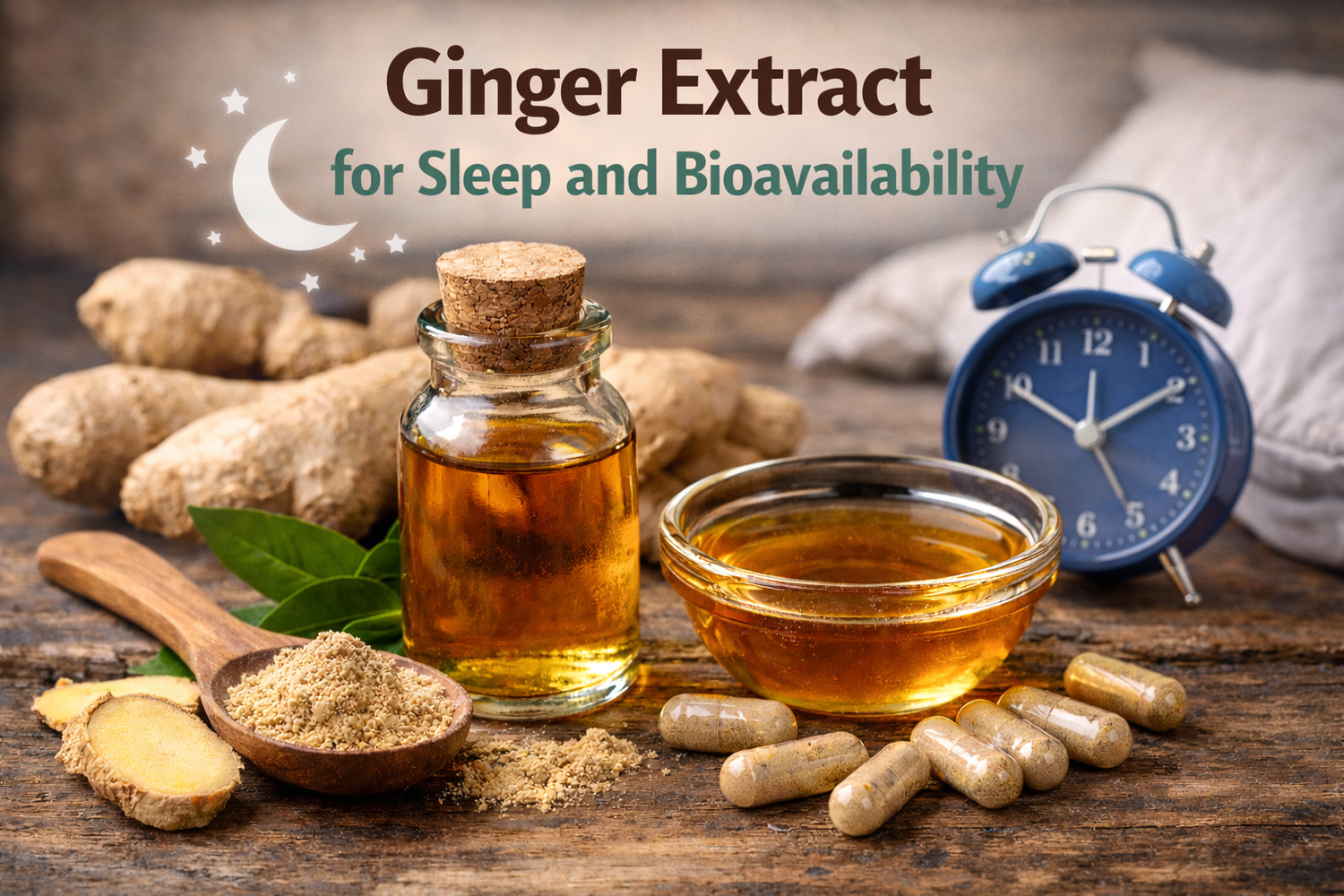
Introduction: The Hidden Power of Ginger Extract in Modern Wellness Formulations
Think of a supplement cabinet full of beautiful herbal bottles that never quite live up to their promises. The label looks impressive, the milligram counts are high, yet sleep still feels shallow, focus still slips, and mornings still feel heavy. For many people, the missing link is not the herbs themselves, but how well the body can actually use them. This is where ginger extract steps out of the kitchen and into serious formulation science.
Most brands treat ginger extract as a pleasant add-on for digestion or nausea. In reality, it can act as a quiet force multiplier for other botanicals, especially in sleep and recovery formulas. The rhizome of Zingiber officinale contains hundreds of compounds that do far more than warm the stomach, as documented in comprehensive research on ginger's effects on human health spanning 109 randomized controlled trials. The right form of ginger can move food through the gut at the right pace, change how the intestinal wall absorbs compounds, and even influence liver enzymes that decide how long plant molecules stay in circulation.
That is the difference between swallowing isolated herbs versus taking intelligently paired formulations. When ginger extract sits next to ingredients like Boswellia, valerian, hops, or lemon balm, it does not just add its own benefits. It helps those herbs reach their targets, at doses that are reasonable for long-term use, without the “more milligrams must be better” trap.
By the end of this article, you will see how ginger extract supports better use of almost any herb, especially in sleep-focused formulas like those in the SLP1 protocol. You will learn how extraction methods change ginger’s chemistry, how it supports bioavailability, what to look for on supplement labels, and how SLP1 uses ginger as part of a systems-based approach to deep, sustainable sleep.
Key Takeaways
-
Ginger extract is more than a digestion aid. It can improve how companion herbs are absorbed, processed, and delivered, which helps a well-designed formula work with lower, steadier doses.
-
The way ginger is processed changes which compounds dominate. Cold extraction favors gingerols, drying increases shogaols, and heat drives the shift toward zingerone, so the extraction method matters for both flavor and therapeutic effect.
-
When ginger sits inside a synergistic formula, it supports absorption windows, eases physical discomfort, and clears the way for sleep-focused herbs like valerian, hops, and lemon balm to do their jobs.
-
High-quality ginger extract supplements disclose standardization to active compounds, extraction methods, and third-party testing. Brands such as SLP1 use these practices so the ingredient list on the label matches what the body actually receives.
What Is Ginger Extract? Understanding the Science Behind the Rhizome
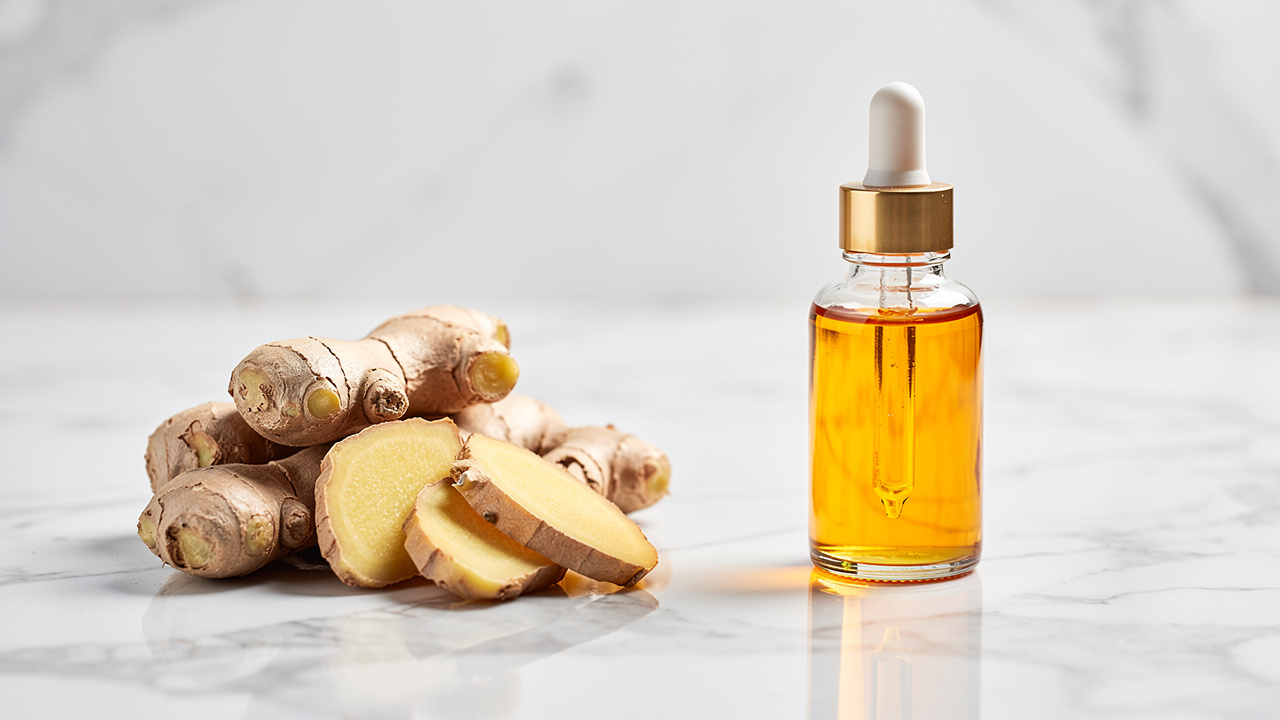
Ginger comes from the underground stem, or rhizome, of Zingiber officinale, a flowering plant used for centuries in both food and traditional medicine. The rhizome is dense, fibrous, and packed with aromatic oils and pungent compounds. When you slice fresh ginger, that sharp, spicy scent comes from dozens of active molecules leaving the plant tissue at once.
Inside that pale yellow tissue sit more than four hundred identified natural compounds, and recent reviews of ginger's nutritional implications have mapped how these molecules interact with multiple body systems simultaneously. This richness helps explain why ginger seems to act on digestion, inflammation, nausea, and even cellular stress at the same time. Rather than behaving like a single drug, ginger behaves like a small community of compounds that work along several pathways.
Ginger extract is created when those compounds are pulled out of the rhizome into another medium. That can be alcohol, supercritical CO2, hot water, or other solvents. The key scientific principle is surface area. The more finely the rhizome is chopped, grated, or crushed, the more plant cells open up, and the more compounds move into the extracting liquid or gas.
Whole ginger root and ginger extract do not behave the same way in the body. Fresh slices in a stir-fry or tea give broad, gentle coverage, with variable amounts of key compounds in each serving. A standardized extract, in contrast, is designed to deliver a known level of molecules like gingerols and shogaols in every dose. For clinical use or precise multi-herb pairing, that predictability is essential.
The Bioactive Trinity: Gingerol, Shogaol, and Zingerone
When people talk about ginger’s “kick,” they are really describing a family of related molecules. Among these, three stand out for their roles in both sensation and physiology. Together they explain why raw, dried, and cooked ginger feel so different in the mouth and act differently in the body.
-
Gingerol dominates in fresh ginger. It brings the sharp heat that clears the sinuses and wakes up the stomach. In lab settings, gingerols show strong antioxidant behavior and support healthy inflammatory responses. They also help food leave the stomach at a steady pace, which supports smoother digestion and better comfort after meals.
-
Shogaol tends to appear when ginger is dried or stored for longer periods. As gingerol loses a water molecule, it becomes shogaol, which is more pungent and, in some studies, more intense in certain biological effects. This shift means that a dried ginger extract can feel hotter and may carry a slightly different balance of anti-inflammatory and antioxidant activity compared with a fresh ginger extract.
-
Zingerone forms when heat has more time to act, such as in long simmering or syrup making. It smells sweet-spicy, more like baked gingerbread than raw ginger. Zingerone is less sharp on the tongue but still active in the body, and it helps explain why cooked ginger feels “warmer” and more soothing. For supplement design, knowing which of these three is most present helps match the extract to the goal, whether that is digestive motility, warming comfort, or focused anti-inflammatory support.
Why Extraction Method Determines Therapeutic Outcome
Behind every “ginger extract” label lies a specific extraction process, even if the brand never mentions it. That choice shapes which compounds end up in the final product and in what ratios. Two ginger supplements can both claim the same milligram dose while behaving very differently in the body.
-
Cold alcohol extraction usually happens at room temperature. It tends to preserve gingerols and the lighter aromatic compounds that give ginger its fresh, bright profile. This kind of extract often suits formulas that focus on gastric motility, mild anti-inflammatory effects, and clean flavor.
-
Heat-based methods, such as decoctions and syrups, push the chemistry toward zingerone and, depending on drying steps, shogaols. The result feels deeper, hotter, and more comforting, but the relative levels of specific actives change.
-
Supercritical CO2 extraction sits in a different category, using pressurized carbon dioxide to draw out target compounds with precision and without solvent residue.
Most commercial labels never describe these differences, which leaves consumers guessing. For multi-herb formulations, this matters because the extraction method influences bioavailability, onset time, and synergy. Brands like SLP1 treat extraction as a core design choice, not a hidden detail.
The Bioavailability Crisis: Why Most Herbal Supplements Fail to Deliver Results

Many herbs look impressive on paper. In cell cultures or small clinical trials, they show promising effects on sleep, stress, inflammation, or metabolism. Yet when these same herbs are stuffed into capsules and sold as standalones, real-world results often fall flat. The problem is not just quality. It is bioavailability.
Bioavailability describes how much of a compound reaches systemic circulation in a form the body can use. With many botanicals, three failure points keep that number low:
-
Compounds struggle to cross the gut wall during a short absorption window.
-
The liver rapidly modifies or clears what does get through, a process known as first-pass metabolism.
-
Whatever survives must still reach and bind to target receptors in tissues like the brain.
The supplement industry often reacts by raising doses. You can see this in ever-higher milligram counts and marketing that leans on “extra strength” claims. This ignores the real issue. If absorption and processing are poor, more powder does not mean more effect. It often just means more waste and higher risk of side effects.
Sleep supplements provide a clear example. Many products push a single ingredient, such as very high melatonin, without considering digestive timing, liver enzyme peaks, or physical discomfort that blocks relaxation. When circadian rhythms, gut motility, and pain are left out of the picture, calming herbs cannot fully express their potential.
Ginger extract sits right at the heart of this bioavailability problem. Its effects on gastric motility, inflammation, and even certain enzymes make it one of the few botanicals that can both help on its own and support better delivery of other herbs. SLP1 builds on this by pairing ginger with ingredients that work at receptor sites in the brain and along inflammatory pathways in the body.
Understanding Compound Absorption Windows
Every time you swallow an herbal capsule, there is a limited window before it passes beyond the main absorption zones in the small intestine. This window can be shortened or stretched by stomach emptying speed, gut motility, and the presence of food or other compounds. If an herb moves too fast, it passes by before much can cross. If it moves too slowly, it may ferment and cause discomfort instead of benefit.
Once compounds reach the intestinal wall, they face another challenge. The liver receives blood from the gut first and quickly modifies many molecules. This first-pass metabolism can deactivate a high percentage of plant actives in a short time. At the same time, drug transporters in the gut lining, such as P-glycoprotein, can push compounds back into the intestinal lumen.
Enzyme activity and transporter behavior do not stay flat across the day. They follow daily rhythms. That means an herb swallowed at 8 a.m. may be processed very differently than the same herb taken at 9 p.m. Standalone products rarely account for this. In a well-built formula, supporting herbs like ginger help keep compounds in the absorption window longer and guide more of them across the gut wall.
The Physical Barrier Problem in Sleep Formulations
Sleep does not depend only on neurotransmitters. Physical discomfort can block rest even when calming chemicals are present. Inflammation, joint pain, muscle tension, or gut distress send constant “threat” signals that keep the nervous system on alert. In that state, valerian, hops, or lemon balm have to work against a loud background of discomfort.
When a sleep formula ignores these physical barriers, people may feel dull or sedated without feeling truly restored. Pain at night also changes sleep architecture, increasing awakenings and lowering deep sleep time. So herbs that soothe the mind struggle to perform their role.
Ginger brings gentle pain-relieving and anti-inflammatory activity through several mechanisms, including effects on COX-2 and prostaglandin balance. When paired with stronger anti-inflammatory botanicals such as Boswellia, which acts on COX-2 and 5-LOX, it helps lower the body’s “noise floor” at night. In SLP1 formulations that include Serezin, this barrier-removal step has been linked with an eighty-five percent improvement in the ability to fall asleep.
By easing physical tension and gut unease, ginger extract lets neurochemical sleep support operate in a calmer internal environment. That is systems thinking in practice, not just stacking more sedating herbs.
Ginger Extract as a Synergistic Catalyst: The Science of Botanical Pairing
Herbs rarely work best alone. In traditional systems, practitioners combined plants to support different aspects of the same problem. Modern pharmacology now shows why this works. When compounds act along several connected pathways, the overall effect can be greater than the sum of each piece. Ginger extract is one of the best examples of this principle.
At a basic level, ginger supports digestion, nausea relief, and inflammatory balance. At a deeper level, it also influences absorption, gut motility pacing, and certain liver enzymes. When you place ginger alongside herbs that affect the brain, immune system, or stress axis, it can boost their real-world impact without pushing doses into stressful territory.
This is very different from simple add-on effects. In an additive model, each herb brings its own outcome, and you just stack them. In true synergy, one herb changes the context so another herb can work better. Ginger often plays that second role, reshaping the environment in the gut and tissues so partner compounds stay active longer and reach their targets more reliably.
“Herbs work best when they are thoughtfully combined, not used in isolation.” — Traditional clinical insight
Research on ginger paired with other botanicals, such as green tea extract, suggests stronger physiological responses than either alone. SLP1 uses that same idea in sleep support, pairing ginger with Boswellia and calming herbs, then aligning the whole combination with natural evening rhythms.
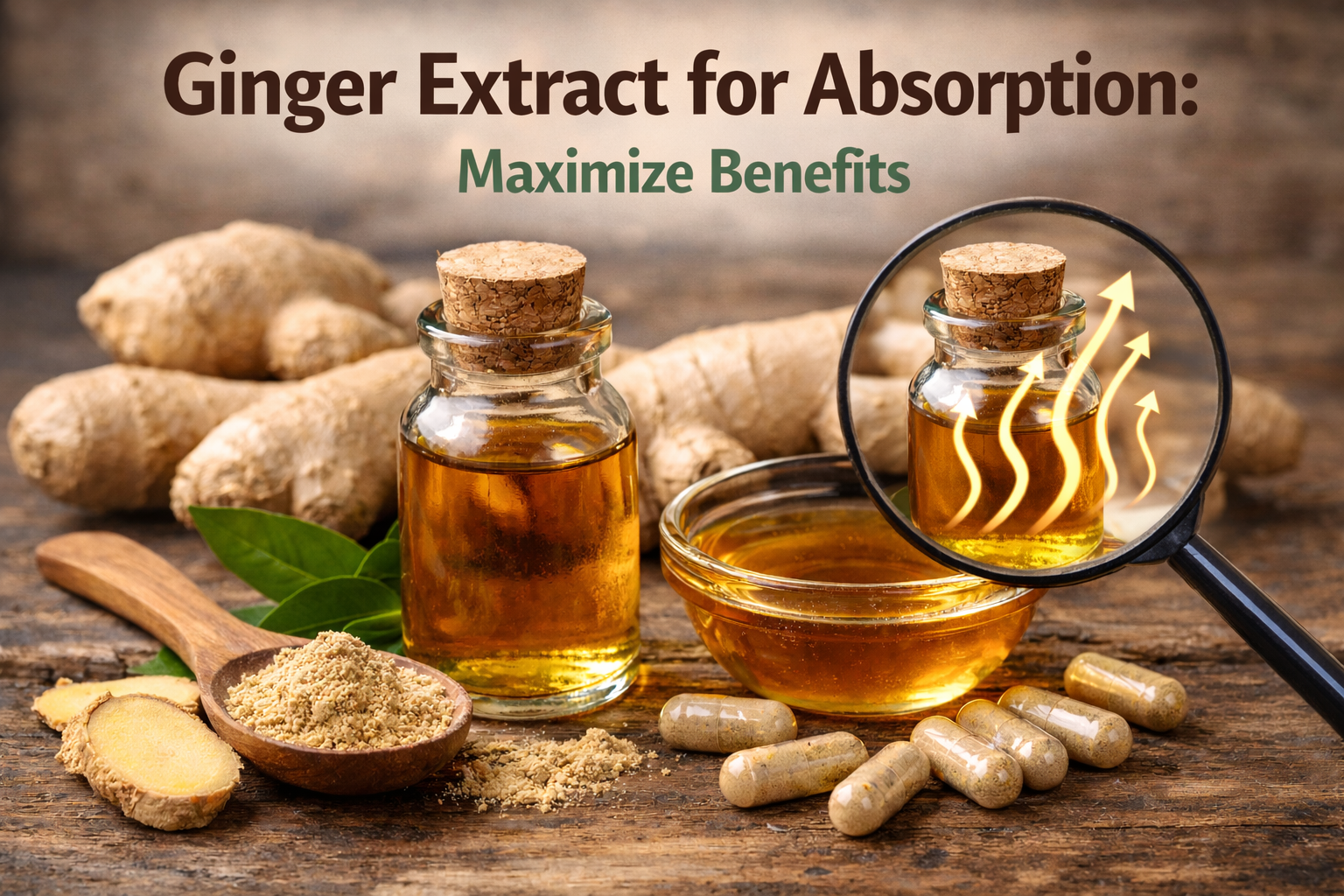
How Ginger Extends Absorption Windows for Companion Herbs
Ginger affects gastric motility in a “just right” way. It helps the stomach empty more efficiently, so food and supplements do not sit and ferment, but it does not rush material through the intestines so fast that absorption fails. This balanced pacing lengthens the time herbs such as ashwagandha, valerian, or hops spend in contact with the gut wall.
There is also evidence that ginger can influence intestinal permeability and transporter proteins. By adjusting how tightly intestinal cells hold together and how transporters behave, it may allow slightly higher passage of certain plant compounds into circulation. It does not act like a drug that blasts the gates open, but rather as a gentle organizer of the traffic flow.
In the liver, ginger compounds may modulate enzymes involved in phase I and phase II metabolism. These families of enzymes decide how quickly the body modifies and clears many herbal constituents. By smoothing their activity, ginger can slow the clearance just enough for companion herbs to maintain helpful levels for longer periods.
This combination of effects means a well-formulated product can rely on moderate doses. Instead of dumping very high amounts of herbs into the gut and hoping some gets through, a ginger-inclusive formula such as those in the SLP1 protocol focuses on better use of each milligram. That supports long-term use without the fatigue, dependency, or “hangover” that often comes from aggressive single-ingredient dosing.
Ginger and Boswellia: A Case Study in Complementary Anti-Inflammatory Action
Inflammation travels across several signaling pathways. Boswellia species, rich in boswellic acids, are known for strong effects on COX-2 and 5-LOX, two key enzymes that drive inflammatory mediators. This gives Boswellia a focused ability to lower certain types of pain and swelling.
Ginger works along overlapping but not identical routes. It influences COX-2 as well, but also touches prostaglandin balance and other messengers. On its own, ginger may ease everyday soreness and gut irritation. When it sits beside Boswellia, you get coverage of more branches of the inflammatory tree without resorting to drug-level suppression.
For sleep, this matters. Pain signals are one of the most common silent killers of quality rest. By lowering these signals in the background, the ginger–Boswellia pair in SLP1’s Serezin-containing formulas clears the way for valerian, hops, and lemon balm to influence GABA and other calming neurotransmitters. In internal data, this multi-pathway strategy has lined up with a ninety-three percent improvement in overall sleep quality.
The point is not that ginger “fixes” everything. It is that, when placed inside a thoughtful network of herbs, it helps clear physical barriers so the rest of the formula can work with less resistance.
Chrono-Pharmacology: Timing Ginger Extract for Maximum Impact
Your gut and liver do not behave the same at noon and at midnight. Enzymes rise and fall, transporter proteins change expression, and motility patterns shift across the day. Chrono-pharmacology studies these timing patterns to decide when substances should be taken for best effect.
In SLP1 sleep formulas, ginger extract is timed for evening use. At that point, normal digestive rhythms slow slightly, and certain liver enzymes move through their nightly peaks. Ginger helps keep gastric emptying on track and supports comfortable digestion at a time when heavy food can otherwise sit and cause discomfort.
This timing also means partner herbs reach circulation during hours when the brain is ready to move into sleep cycles. By pairing ginger’s gastrointestinal support with circadian-aware dosing of calming botanicals, SLP1 makes moderate doses feel more like they “land” where they should, instead of just passing through.
“Sleep is the foundation on which mental and physical health rest.” — Sleep science perspective
Evidence-Based Health Benefits of Ginger Extract Beyond Synergy
Even without other herbs, ginger extract has a solid record of benefits, with herbal medicine literature documenting the amazing and mighty properties of this ancient remedy across digestive, inflammatory, and cellular pathways. These come from its actions on the digestive tract, nausea pathways, inflammatory processes, and oxidative stress. Modern research supports many of the traditional uses that cultures have leaned on for generations.
In the digestive system, ginger helps food move smoothly from the stomach into the small intestine. This supports relief from bloating, gas, and that heavy feeling after big meals. It also shows benefits in certain types of nausea, including pregnancy-related queasiness and chemotherapy-induced nausea, when used under professional guidance.
At the cellular level, ginger’s antioxidant compounds help neutralize free radicals that would otherwise damage lipids, proteins, and DNA. Its anti-inflammatory molecules add another layer of support by calming chronic, low-grade inflammation that can interfere with sleep, mood, and long-term tissue health.
For someone focused on sleep and next-day performance, these broader actions still matter. A calmer gut, lower inflammatory load, and better managed oxidative stress all create a body that is more willing to enter deep, restorative sleep when given the right cues.
Gastrointestinal Optimization: The Foundation for Herbal Absorption
Gingerol, the main active found in fresh ginger, has a direct effect on gastric motility. It helps prevent both extremes: sluggish emptying that makes you feel overly full, and overly rapid emptying that sends food racing through before nutrients can be absorbed. This balanced movement keeps digestion comfortable and consistent.
When food or supplements sit too long in the stomach or upper intestine, bacteria start to ferment carbohydrates, which produces gas and bloating. That pressure can physically interfere with blood flow to the gut wall and can make you less likely to stick with a supplement routine. By reducing these discomforts, ginger supports a digestive environment where herbs can be absorbed instead of causing distress.
The gut and brain communicate constantly through neural, hormonal, and immune signals. If the gut is irritated, that conversation often turns anxious and tense, which can disturb sleep patterns. By supporting smoother digestion and less fermentation, ginger helps keep that gut-brain dialogue calmer at night. In SLP1’s view, this sets the stage for sleep botanicals to work in a more peaceful internal setting.
Antioxidant and Anti-Inflammatory Properties: Cellular Protection
Every cell in your body faces ongoing stress from free radicals. These unstable molecules come from normal metabolism, stress, pollution, and other sources. If they build up faster than the body can manage, they cause oxidative stress, which contributes to aging and many chronic conditions.
Compounds in ginger, including gingerols and shogaols, can donate electrons to stabilize free radicals and limit their harmful effects. At the same time, ginger influences pathways that control inflammatory mediators such as cytokines. This double action—less oxidative stress and better managed inflammation—helps tissues maintain normal structure and function over time.
Sleep and inflammation are tightly linked. Inflammatory signals can change how long you stay in deep sleep, how often you wake, and how rested you feel in the morning. By supporting calmer inflammatory patterns and better antioxidant defense, consistent intake of well-made ginger extract may help preserve healthy sleep architecture over weeks and months, especially when combined with targeted sleep herbs as in SLP1 formulas.
Forms and Bioavailability: Not All Ginger Extracts Are Created Equal
Walk through any supplement aisle and you will notice ginger in many forms. There are capsules with powdered root, standardized extracts, liquid drops, teas, and even candies. All carry the word “ginger,” but they do not deliver the same compounds in the same ways.
Fresh ginger root is excellent for cooking and tea. It offers a broad spread of compounds, but the actual dose of gingerols and related actives depends on plant age, storage, and how thick the slices are. Dried powder is more concentrated, especially in shogaols, yet still variable from batch to batch.
Extracts aim to bring more control. By using specific solvents and ratios, manufacturers can raise the concentration of target compounds and keep it consistent. That consistency is vital when ginger sits inside a clinical formula, because it lets formulators know exactly how much support for motility, inflammation, or enzyme modulation they are building into each serving.
The challenge is that the supplement market has limited pre-market oversight. Some products cut costs with low-grade raw material, weak extracts, or undisclosed fillers. Others hide under vague “proprietary blends” that list ginger without giving real amounts. For bioavailability support, this vagueness is a problem. Brands like SLP1 respond by using standardized ginger extracts, disclosing doses, and backing them with third-party testing.
Standardization and Potency: What the Labels Should Tell You
When you read a ginger supplement label, you should see more than just “ginger root” or “ginger extract.” The best products state:
-
The plant part used
-
The extract ratio (such as 10:1)
-
The standardization to key actives (often total gingerols or related compounds)
Standardization means each batch is adjusted to hit a target level of these actives. That way, one capsule taken in January matches one taken in July. This is especially important when ginger is part of a precise multi-herb formula. Without it, the whole design can drift as raw material quality changes.
Extraction ratios, such as ten to one or twenty to one, tell you how much raw plant equivalent sits in each milligram of extract. Combined with standardization, these numbers help you compare products. Red flags include blends that lump ginger with many other herbs without listing amounts, or labels that mention “ginger extract” with no information on gingerol content.
SLP1 prioritizes clinically meaningful dosing, standardized botanicals, and clean labels to help you stay asleep. That means no hidden fillers, artificial colors, or cheap binders that take up capsule space better used for active ingredients. Third-party testing then confirms that the labeled potency and purity match what is in the bottle.
Fresh vs. Dried vs. Extract: Choosing the Right Form for Your Goals
Each form of ginger has a place:
-
Fresh root is excellent for everyday cooking, teas, and simple digestive support. A few slices in hot water can ease mild nausea or post-meal heaviness, and it brings extra antioxidants to meals.
-
Dried powder is convenient for baking, spice blends, and quick additions to smoothies. It tends to contain more shogaols than fresh ginger, which may change its warmth and effect profile. However, scooping powder with a kitchen spoon gives very rough dosing, which is fine for food but less ideal for targeted therapeutic goals.
-
Liquid extracts and tinctures offer faster absorption and flexible dosing, though the alcohol base can be an issue for some.
-
Standardized capsules and tablets sit at the center of clinical use. They allow precise, repeatable dosing, which is why they are favored in research and in carefully constructed products like those from SLP1.
Food-based ginger should form the base layer of intake for most people, adding flavor and gentle support. When the goal includes specific outcomes—such as deeper sleep through multi-herb synergy—concentrated, standardized extracts become essential.
Extraction Methods Deep Dive: How Processing Shapes Therapeutic Profile
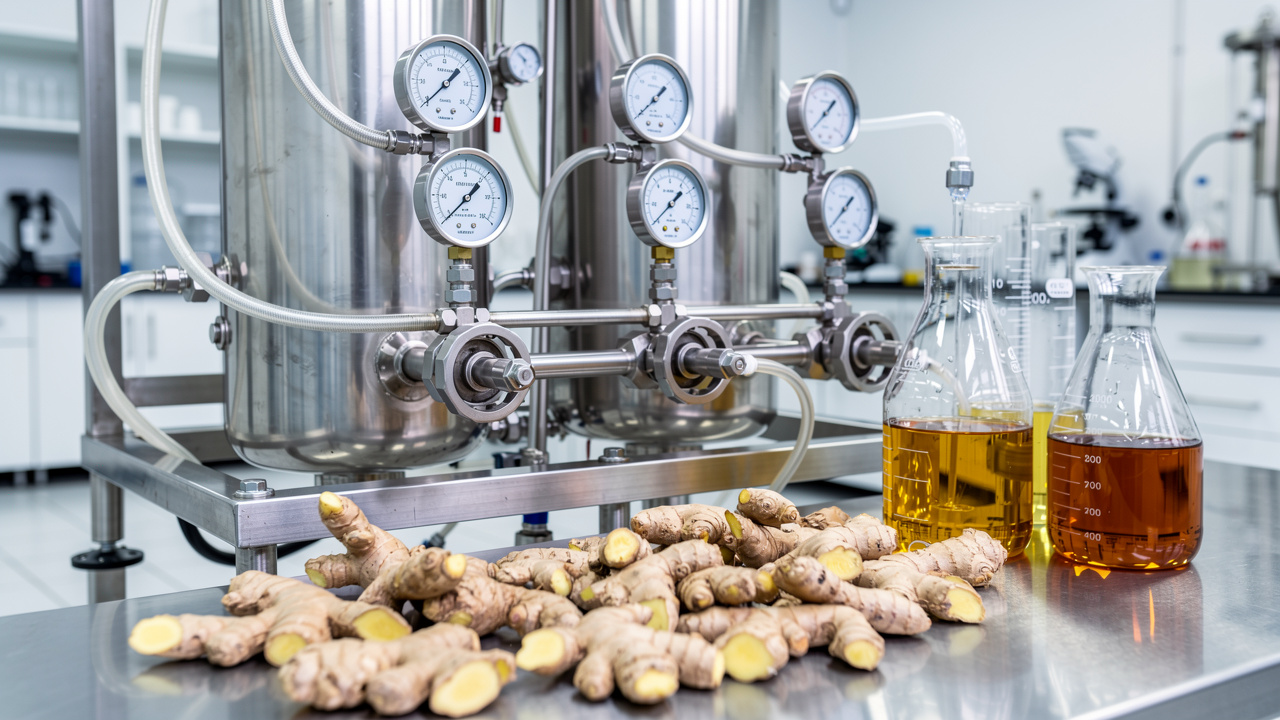
Behind every ginger extract is a method that pulls compounds from the rhizome into another medium. Each method has its own strengths and weaknesses, and each shapes the final profile of active molecules in different ways. For serious formulators, extraction is not a minor production step. It is part of the therapeutic design.
Solvent-based extraction often uses ethanol or water-ethanol mixtures. By adjusting solvent strength and temperature, manufacturers can select for certain types of compounds. Supercritical CO2 extraction uses carbon dioxide under high pressure and moderate heat to draw out lipophilic constituents with high purity. Steam distillation, meanwhile, produces ginger essential oil, which captures volatile aromatics but not many of the heavier gingerols or shogaols.
Particle size and surface area also matter. Finely ground rhizome exposes more cell walls to the solvent, which speeds and deepens extraction. Heat adds another layer of change, driving the conversion of gingerol into zingerone and affecting the balance between different compound families.
From a safety view, extraction methods must manage solvent residues and potential contaminants. Poorly controlled processes can leave traces of unwanted chemicals or degrade sensitive compounds. SLP1 partners only with manufacturers that use tightly controlled methods and verify purity through independent testing, because extraction quality directly affects both effect and safety.
Supercritical CO2 Extraction: The Gold Standard
Supercritical CO2 extraction uses carbon dioxide under conditions where it behaves like both a gas and a liquid. In this state, CO2 can penetrate plant material like a gas while dissolving certain compounds like a liquid. By adjusting pressure and temperature, technicians can fine-tune which molecules are pulled from the ginger.
This method offers several advantages:
-
It leaves no solvent residue, since CO2 simply returns to a gas and dissipates.
-
It runs at relatively low temperatures, which helps protect heat-sensitive compounds that might degrade during hot water or long decoction processes.
-
It can produce a clean, potent extract with a well-defined profile.
Because equipment and control systems are costly, supercritical CO2 extracts tend to sit at the premium end of the market. For brands committed to high bioavailability and purity, such as SLP1, this investment makes sense. These extracts fit well into clinical-grade formulas where both potency and safety must be consistent from batch to batch.
Traditional Methods: Alcohol and Heat-Based Extraction
Traditional ginger preparations still matter, both for culture and for certain use cases. Alcohol tinctures, made by steeping fresh or dried ginger in ethanol, are very good at preserving gingerols and many aromatic compounds. They offer long shelf life and easy blending into liquids.
Heat-based methods, like simmered syrups or decoctions, change ginger’s chemistry more. Prolonged heat drives the gingerol to zingerone shift, producing a sweeter, warmer flavor profile with a different balance of effects. These preparations shine in culinary applications and simple home remedies.
However, traditional methods offer less precise control over exact compound levels. Potency can vary with temperature, time, and raw material quality. For serious therapeutic work and multi-herb clinical formulations, they are often replaced or supported by standardized, professionally manufactured extracts with tight quality controls.
Practical Applications: Integrating Ginger Extract into Your Wellness Routine
Bringing ginger extract into a wellness routine works best when you match form, dose, and timing to your goals. Someone who wants a little digestive support after heavy meals has different needs than someone looking to improve sleep quality over months.
A food-first approach still makes sense. Regular use of fresh or dried ginger in meals and teas offers a steady background of support for digestion and antioxidant defense. On top of that base, targeted supplementation can help address specific issues such as nighttime pain, restless sleep, or poor tolerance of other herbs.
One important point is that botanicals are not pharmaceutical quick fixes. They tend to build effects over weeks, especially when working through inflammation and cellular stress. SLP1’s design philosophy reflects this. Its ginger-containing formulas use moderate doses that support compounding benefits rather than short bursts followed by crashes.
“Let food be thy medicine and medicine be thy food.” — Attributed to Hippocrates
Culinary Integration: The Foundation Layer
Practical steps to add ginger to daily life are simple:
-
Thin slices in hot water after dinner make a calming tea.
-
Grated ginger in stir-fries, soups, or marinades adds flavor while supporting digestion.
-
Smoothies can hide a small amount of fresh or powdered ginger for those who dislike the taste.
Culinary amounts give a gentle level of gingerols and related compounds. This supports basic gastric motility and provides some antioxidant protection, but usually at levels below those used in clinical trials or targeted formulas. Potency can also swing quite a bit from one piece of root to another.
That is why food should be seen as the foundation rather than the complete strategy for someone with clear goals, such as better sleep or lower nighttime discomfort. It works well alongside, not instead of, standardized extracts in a well-built supplement routine.
Supplementation Strategy: When and How to Use Ginger Extract
Concentrated ginger extract makes the most sense when you need repeatable, measurable support. That can include chronic inflammatory concerns, frequent nighttime discomfort, or the need to improve how other herbs are absorbed. In the sleep realm, it fits best in evening formulas that also address neurochemical and psychological aspects of rest.
A conservative dosing approach is wise:
-
Start with the recommended serving on a quality product.
-
Take it with food, especially at first.
-
Watch for your own response over a couple of weeks before adjusting.
People using ginger within SLP1’s multi-herb formulas benefit from this built-in moderation, since doses are chosen for synergy rather than brute force.
Timing also matters. Ginger taken with an evening meal or shortly before a sleep supplement can support comfortable digestion through the night. For daytime digestive support, earlier use may fit better. Standalone high-dose ginger supplements, by contrast, often ignore such timing and do not consider how ginger should work with other herbs.
The key idea is consistency. Most people see the most meaningful changes from ginger-containing regimens when they stick with them for several weeks. This gives inflammatory pathways, enzyme systems, and sleep patterns time to shift in a steady, sustainable way.
Safety Considerations and Potential Interactions
For most people, ginger in food and moderate supplemental doses has a strong safety record. Billions of meals across many cultures include ginger without trouble. Still, concentrated extracts and long-term daily use deserve careful thought, especially for people with certain medical conditions or who take specific medications.
The most common side effects at higher intakes are mild digestive complaints such as heartburn, loose stools, or stomach upset. These usually appear when doses climb well beyond typical culinary amounts. Starting low and taking ginger with food can reduce these problems.
Medication interactions are a more serious concern. Ginger can affect blood clotting and may influence blood sugar control. That means people on blood thinners, anti-platelet agents, or diabetes drugs need to discuss ginger supplements with their healthcare provider before starting. High-quality brands like SLP1 factor this into dose choices and focus on synergy rather than aggressive ginger levels.
Blood Thinner Interactions: What You Need to Know
Some research suggests that ginger can reduce platelet aggregation, which is one of the steps in blood clot formation. While this may partly explain its benefits for circulation and inflammation, it also raises caution when combined with drugs that thin the blood.
Medications of concern include warfarin, aspirin, clopidogrel, and other prescription anticoagulants. In these cases, high-dose ginger supplements could, in theory, increase bleeding risk, especially around surgery or if other risk factors are present. Normal food use, such as ginger in meals, is generally considered safe.
Because current data are not fully settled, the safest course for anyone on these medications is clear communication with a clinician. In well-designed multi-herb products such as SLP1’s sleep formulas, ginger appears in moderate amounts that support synergy while staying below levels used in high-dose single-ingredient products. Even so, medical guidance remains important.
Considerations for Specific Health Conditions
Ginger may influence insulin sensitivity and blood glucose levels. For people living with diabetes or on glucose-lowering medications, large supplemental doses could push blood sugar lower than intended. Culinary amounts remain acceptable for almost everyone, but concentrated extracts should be used only with medical input.
Pregnant individuals often turn to ginger for nausea, and professional bodies such as the American College of Obstetricians and Gynecologists recognize it as an option for morning sickness. Even so, supplement doses during pregnancy should be discussed with a care provider, especially when other medications are involved.
Before surgery, many practitioners advise stopping ginger supplements several days in advance because of the potential impact on clotting. This advice again applies mainly to higher-dose products rather than food use. Thoughtfully formulated products like those from SLP1 use ginger in a context that supports safety—moderate doses, third-party testing, and clear labeling—yet individual medical situations always come first.
Choosing Quality Ginger Extract Supplements: A Buyer's Guide
With so many ginger products on the market, separating high-quality extracts from glossy but weak offerings can feel confusing. The lack of strict pre-market review by regulators means consumers must pay closer attention to labels, testing, and brand behavior.
A good starting point is to look for clear, detailed information. High-grade supplements state the plant part used, the extract ratio, and the standardization to active compounds. They also list all inactive ingredients, so you can see whether the capsule includes unnecessary fillers, artificial colors, or potential allergens.
Third-party testing is another major marker. Independent labs check that what is in the capsule matches the label and that levels of heavy metals, pesticides, and microbes stay within safe limits. Brands such as SLP1 protocol treat this as mandatory rather than optional, with each batch checked for both potency and purity.
Finally, consider the broader design. A standalone ginger pill with a mega-dose may not serve you as well as a moderate amount inside a well-planned multi-herb sleep formula. When synergy and bioavailability are the goals, a product’s logic matters as much as its ingredient list.
Third-Party Testing: Your Quality Assurance Safeguard
Because supplements do not go through the same pre-approval process as drugs, label claims can vary widely in reliability. Third-party testing steps into this gap. Independent organizations buy or receive product samples and run detailed analyses on them.
Groups such as NSF International, U.S. Pharmacopeia (USP), and ConsumerLab.com check whether a supplement contains the stated amount of active compounds, whether contaminants like heavy metals and pesticide residues fall below safety thresholds, and whether manufacturing practices meet quality standards. Some programs certify entire facilities, while others test individual product batches.
These seals on a label are more than marketing badges. They signal that outside experts have looked at what sits inside the capsule, not just the design of the bottle. SLP1 uses rigorous third-party testing for every batch, so when the label mentions ginger extract at a certain standardized level, you can trust that number. You can usually confirm certifications by checking the testing organization’s website against batch codes on the product.
Evaluating Multi-Herb Formulations: Beyond the Ginger
Ginger extract does its best work inside smartly designed, multi-herb products. When you evaluate such formulas, you should ask whether the blend shows real thought or simply piles many trendy names together. Ingredient count alone does not equal quality.
Look for full disclosure of doses for each herb. If a product hides behind a “proprietary blend,” you have no way to know whether ginger or any other plant appears at a meaningful level or just as label decoration. Standardized extracts with stated active percentages show more care than vague “herb powder” entries.
Formulation logic also matters. Good sleep products, for example, combine physical comfort support (ginger and Boswellia), calming neural support (valerian, hops, lemon balm), and bioavailability support, all at doses that make sense together. This is the model SLP1 follows, with fewer ingredients used at therapeutic levels rather than dozens in trace amounts. That approach respects how the body works instead of chasing marketing trends.
The SLP1 Approach: Ginger Extract in Synergistic Sleep Optimization
SLP1 builds its products around three core ideas: synergy, bioavailability, and alignment with natural physiology. Ginger extract sits at the center of this approach for sleep support. It is not treated as a simple digestion add-on, but as a structural piece that helps the whole formula function better.
In SLP1 sleep formulations that include, ginger appears alongside Boswellia, valerian, hops, lemon balm, and other supportive nutrients. Ginger and Boswellia help reduce physical discomfort and inflammatory noise. Valerian, hops, and lemon balm focus more on the brain’s calming pathways. Together, they create a web of support that addresses both body and mind.
Data from SLP1’s internal evaluations show impressive outcomes with this system. Users reported an eighty-five percent larger improvement in their ability to fall asleep, a ninety-three percent larger rise in overall sleep quality, and a sixty-four percent increase in waking feeling refreshed when using containing regimens. Those gains come not from one superstar herb, but from many well-chosen pieces working together, with ginger extract as one of the key anchors.
Removing Physical Barriers: Ginger and Boswellia in Action
SLP1 looks at sleep trouble through the lens of barriers. One of the biggest barriers is physical discomfort, whether obvious pain or subtle joint and muscle tension that never quite stops. These signals keep the nervous system alert even when the mind feels tired.
Ginger helps lower these signals through its gentle pain-relieving and anti-inflammatory effects. Boswellia adds stronger, targeted action on COX-2 and 5-LOX pathways. When these two herbs are combined at meaningful doses, people often notice fewer aches when lying down and fewer nighttime awakenings due to discomfort.
This clearing of physical noise allows the calming herbs in the formula—valerian, hops, lemon balm—to influence neurotransmitters more effectively. Instead of fighting against a body that feels sore or inflamed, they can guide the brain into deeper, more continuous sleep. Feedback from SLP1 users lines up with this model, showing big improvements in sleep metrics without the heavy grogginess that often follows high-dose sedative approaches.
Timing and Bioavailability Optimization in SLP1 Formulations
SLP1 does not stop with ingredient choice. The timing of delivery is just as important. Sleep products are designed for evening use, when digestive patterns, hormone levels, and brain readiness for sleep all line up. Ginger’s support for gastric motility fits this timing well, helping the formula move through the gut in a way that favors steady absorption rather than spikes.
By extending the absorption window and smoothing digestive comfort, ginger helps moderate doses of each herb reach the bloodstream during the hours when they can best support natural sleep cycles. This avoids the “take any time” mindset that ignores circadian biology. In the broader SLP1 protocol, timing, dosing, and ingredient choice all work together, so the body receives the right support at the right time rather than a random mix of herbs.
The Future of Ginger Extract Research and Applications
Research on ginger continues to grow. Scientists are exploring how its compounds influence drug transporters, how different extraction methods change clinical outcomes, and how ginger pairs with a wide range of botanicals beyond the usual digestion and nausea settings. Better tools for measuring gingerols, shogaols, and zingerone are also helping refine standardization.
One clear trend is a shift away from single-ingredient thinking toward systems-based herbal strategies. Instead of looking for the “one perfect herb” for sleep or inflammation, more teams are studying pairs and groups of botanicals that act along several pathways at once. Ginger often appears in these studies as a partner that boosts comfort, absorption, or both.
New extraction and delivery technologies will likely play a role as well. Improved supercritical CO2 processes, cleaner solvents, and smarter encapsulation can all support better stability and bioavailability. For consumers who care about transparency and data, this is good news.
SLP1 plans to stay close to this growing body of science. As new findings arise about ginger’s interactions with enzymes, transporters, and partner herbs, formulas can be refined to keep doses moderate and outcomes strong. The goal remains the same: long-term wellness support built on understanding, not on quick marketing trends.
Conclusion: Ginger Extract as the Synergistic Key to Optimal Herbal Utilization
Across this discussion, a clear pattern appears. Ginger extract is valuable not only for its own benefits, but for how it helps the body use other herbs more effectively. It supports digestion, eases nausea, manages inflammation, and protects cells from oxidative stress, all of which matter for sleep and next-day performance.
Just as important, ginger helps solve the quiet bioavailability problem that holds many herbal supplements back. By supporting gastric motility, influencing intestinal absorption, and modulating certain liver enzymes, it gives companion herbs more time and better conditions to reach their targets. That means well-designed formulas can rely on lower, steady doses instead of chasing results with ever-larger milligram counts.
Extraction method, standardization, and third-party testing turn this theory into practice. Cold versus heat, solvent versus supercritical CO2, and weak powder versus concentrated extract all change what “ginger extract” means. Brands like SLP1 treat these details as central, not secondary, to product design.
The broader lesson is that true herb optimization does not come from do-it-yourself ingredient stacking or high-dose single herbs. It comes from professional, systems-based formulation that respects synergy, bioavailability, and timing. Ginger extract is a clear example of this philosophy in action within SLP1 sleep protocols.
If you already use supplements, this is a good moment to look at them through a new lens. Ask whether your current products consider synergy, digestive context, and quality, or whether they rely on big numbers and slogans. Choosing thoughtful, transparent formulations—especially ones that use ginger extract as a genuine partner, not just a label addition—can move you closer to the calm nights and clear mornings you are working toward.
Frequently Asked Questions (FAQs)
FAQ 1: What Is Ginger Extract, and How Is It Different From Fresh Ginger?
Ginger extract is a concentrated form of compounds taken from the ginger rhizome using methods such as alcohol, water, or supercritical CO2. While fresh ginger gives a broad mix of molecules in varying amounts, a good extract is standardized so each dose contains a known level of active compounds like gingerols and shogaols. This makes effects more predictable and suitable for clinical use. Fresh ginger works well for everyday cooking and mild digestive support, whereas extract is better for targeted outcomes and precise synergy with other herbs.
FAQ 2: Can Ginger Extract Improve the Effectiveness of Other Herbs in Supplements?
Yes, ginger extract can support the effectiveness of partner herbs through several mechanisms. It helps regulate gastric motility so compounds spend more time in the key absorption zones of the gut without causing stagnation. Ginger also influences intestinal permeability and certain liver enzymes, which can reduce how quickly some plant actives are cleared. At the same time, its pain-relieving and anti-inflammatory actions lower physical discomfort that often blocks sleep-focused botanicals. In professional formulations like those from SLP1, this means herbs such as valerian and hops have a better chance to do their work at reasonable doses.
FAQ 3: What Should I Look For When Buying a Ginger Extract Supplement?
A quality ginger extract supplement clearly states the part used, the extract ratio, and the standardization to actives such as total gingerols. Third-party testing from groups like NSF International, USP, or ConsumerLab.com is a strong sign that potency and purity have been checked. You should see transparent dosing information for ginger, not just its name hidden inside a proprietary blend. Clean labels with minimal fillers and no unnecessary additives are another plus. For complex goals like sleep support, consider whether ginger appears as part of a balanced multi-herb formula, as in SLP1 products, rather than as a high-dose standalone.
FAQ 4: Is Ginger Extract Safe to Take Daily?
For most healthy adults, moderate daily intake of ginger extract from a reputable brand is considered safe. Side effects are uncommon at these levels and tend to be mild digestive complaints when they do appear. People who take blood thinners, diabetes medications, or who are preparing for surgery should speak with a healthcare provider before using concentrated ginger, because it can affect clotting and blood sugar. Food-level ginger in meals and teas is broadly safe, while supplemental doses call for a bit more care and attention to product quality.
FAQ 5: How Long Does It Take to See Benefits From Ginger Extract Supplementation?
Some benefits, such as relief of mild digestive discomfort or support during queasiness, may be noticed within hours to a few days. Effects that depend on changes in inflammation, oxidative stress, or sleep patterns usually take longer. Many people need two to four weeks of steady intake to notice meaningful shifts, and four to eight weeks to see the full impact of a multi-herb formula that includes ginger extract. Consistency is key, and expectations should match the slower, steady pace of botanical support rather than the rapid effect of many drugs.
FAQ 6: What’s the Difference Between Gingerol and Shogaol in Ginger Extract?
Gingerol is the main active compound found in fresh ginger and is responsible for much of its sharp heat, digestive support, and anti-inflammatory activity. Shogaol forms when gingerol loses water during drying or extended storage, which makes it more pungent and, in some research, more intense in certain effects. The balance between gingerol and shogaol in an extract depends on how the ginger was processed before and during extraction. Both contribute to health benefits, which is why standardization to total gingerols and related compounds helps keep results consistent from one batch of extract to the next.


Leave a comment
This site is protected by hCaptcha and the hCaptcha Privacy Policy and Terms of Service apply.