Introduction
A quiet bedroom, a dark screen, and still the mind stays wired. Many people know that feeling of watching the clock edge toward midnight, then 1 a.m., then 2 a.m., while tomorrow’s meetings or training sessions stack up in the mind. Standard sleep aids can knock a person out, yet often leave grogginess, dependence, or that flat, disconnected feeling the next morning.
That gap between being “knocked out” and truly restored sleep is where tart cherry has become so interesting to sleep researchers and wellness professionals. This small, sour fruit appears again and again in clinical studies for its natural melatonin content, anti-inflammatory compounds, and gentle impact on sleep quality. Unlike heavy-handed sedatives, tart cherry works with the body’s own clock rather than forcing it to shut down.
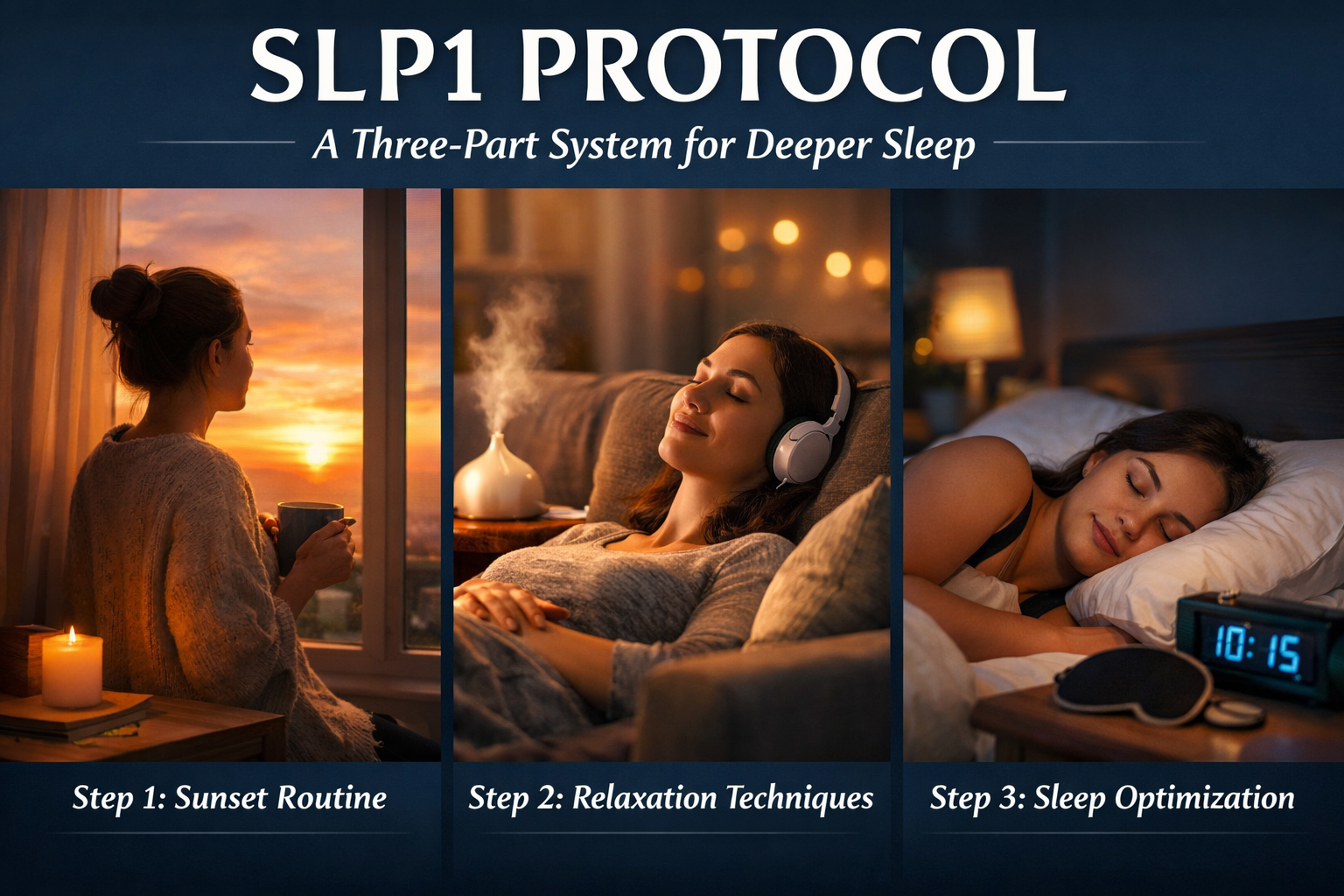
SLP1 Protocol builds on this research with a simple idea: better sleep comes from restoring rhythm, not overriding biology. Throughout this article, tart cherry sits at the center of that story. The sections ahead walk through what the plant actually is, how it supports circadian timing and deep sleep, what human trials show, and how it also supports recovery, cardiovascular health, and brain function. The final sections bring this into daily life, with practical dosing guidance and a look at how SLP1 uses concentrated Montmorency tart cherry extract inside integrated sleep formulations that support the entire night, not only the first hour after the head hits the pillow.
“Sleep is the single most effective thing we can do to reset our brain and body health each day.”
— Matthew Walker, PhD, neuroscientist and author of Why We Sleep
Key Takeaways
-
Tart cherry, especially Montmorency, is a rare whole-food source of melatonin. It naturally provides bioavailable melatonin along with anthocyanins and phenolic compounds. These compounds support circadian rhythm alignment, calm inflammation, and protect cells from oxidative stress, all of which matter for steady, restorative sleep.
-
Clinical studies show measurable improvements in sleep. In older adults and healthy volunteers, tart cherry juice or concentrate has been linked to gains in total sleep time, sleep efficiency, and shorter time to fall asleep. Some trials report close to an hour or more of extra sleep per night, along with higher nighttime melatonin levels.
-
Effective research doses are well defined. Human studies most often use Montmorency tart cherry juice or concentrate in doses around 240–480 mL of juice or about 30 mL of concentrate daily. SLP1 uses concentrated Montmorency extract instead, which delivers these therapeutic compounds without the large sugar load or fluid volume of juice, making consistent long-term use more practical.
-
Tart cherry has a gentle safety profile with broad benefits. Side effects tend to be mild digestive upset at high intakes, and serious adverse events are rare in studies. This gentle profile, paired with its benefits for sleep, recovery, cardiovascular health, joint comfort, and brain function, makes tart cherry a strong foundation for people who want natural, science-backed sleep support they can use night after night.
What Is Tart Cherry? Understanding The Botanical Foundation
Before tart cherry appears as a sleep-supportive ingredient in a capsule or powder, it starts as a very specific tree. Tart cherry comes from Prunus cerasus, a species in the same family as apples and plums, yet distinct from the sweet cherry (Prunus avium) that people usually eat fresh. This distinction matters, because the sour fruit brings a different mix of compounds, flavor, and health effects.
Botanists describe Prunus cerasus as a smaller tree, usually standing between 13 and 33 feet tall. The branches look twiggy, and the fruit sits on shorter stalks than sweet cherries. The cherries themselves appear crimson to nearly black, with a bright, acidic pulp that explains the “sour” and “tart” names used in many countries. On a basic nutritional level, the fresh fruit is about 85 percent water, with most of the remaining dry weight made up of carbohydrates and only a small amount of fat.
From a genetic point of view, tart cherry tells a hybrid story. Researchers believe it formed when the sweet cherry and the ground cherry (Prunus fruticosa) crossed in regions around the Iranian Plateau and Eastern Europe, where their native ranges overlap. Over many generations, the hybrid stabilized into its own species, carrying the smaller size and sharp flavor from ground cherry and traits from sweet cherry as well.
Humans have valued sour cherries for a very long time. Historical records show Greek, Persian, and Roman use as far back as 300 BC. The Romans carried the tree into Britain, and by the 16th century it had become a favored crop under Henry VIII, especially in Kent. Over time, growers selected many named varieties for baking, preserves, drinks, and—most relevant here—health properties that depend on exact cultivar and growing conditions.
For sleep and wellness, that last point matters. Not all cherries carry the same balance of melatonin, anthocyanins, and other phenolics. Formulations that name their cultivar and use well-studied varieties provide better consistency than products that list only “tart cherry” with no further detail.
Montmorency Vs. Other Cultivars—Why Variety Matters
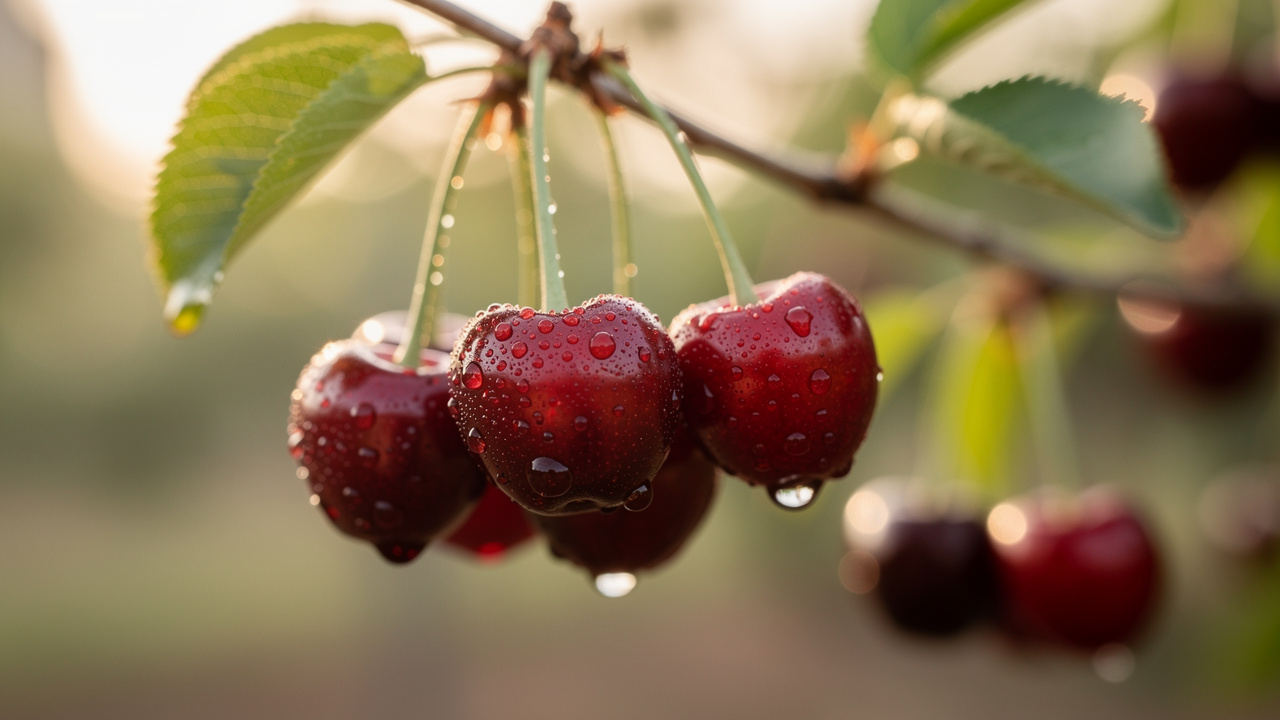
Within tart cherries, growers and scientists focus on two main groups. Morello types have dark red flesh and juice, while Amarelle types carry lighter red skin, paler flesh, and clear juice. The Montmorency cherry, which appears in most sleep and recovery trials, sits in the Amarelle group and dominates plantings in places like Michigan.
Montmorency stands out because researchers have studied it more than any other tart cherry cultivar. Repeated lab tests show reliable levels of melatonin and a rich profile of anthocyanins and other phenolics. That consistency matters when sleep data depends on exact intake of these compounds. In contrast, darker Morello types such as Balaton or English Morello also provide valuable bioactives yet do not appear as often in published sleep trials.
Several other cultivars have regional importance—North Star for home gardens, Pándy or Kütahya in parts of Europe and Turkey, and Oblačinska in Serbia. Each brings a slightly different mix of color, acid, sweetness, and phytochemicals. These differences are interesting for food and farming, yet they introduce variation that can blur results when a supplement does not specify which cherries it uses.
For a health-conscious consumer, this is more than a label detail. Products that refer only to “tart cherry” or “cherry extract” may mix cultivars with varied melatonin and anthocyanin content. SLP1 avoids this uncertainty by working only with Montmorency tart cherry extract, so the ingredient profile aligns with the clinical data people expect when they invest in a premium sleep product.
The Sleep Science—How Tart Cherry Supports Natural Rest
Good sleep is not just the moment a person drifts off. It is a nightly rhythm guided by internal clocks, hormones, and signals from the immune and nervous systems. Many standard sleep aids act by sedating the brain, which can bring unconsciousness without proper cycling through deep and REM stages. Tart cherry works differently. It supports the timing and chemistry that guide those stages instead of forcing a shutoff.
Tart cherry does this through several overlapping paths:
-
It provides natural melatonin, which helps the brain and body read “night” more clearly.
-
It brings anthocyanins and other phenolic compounds that calm inflammation, ease oxidative stress, and support blood flow.
-
It contains small amounts of tryptophan and related compounds that feed into serotonin and melatonin production.
Together, these features support both sleep onset and the quality of time spent asleep.
This multi-pathway approach matches how SLP1 views sleep. Sleep problems usually reflect misaligned rhythms, chronic inflammation, stress hormones that stay high after dark, or some mix of these factors. A single, sharp sedative does not solve those patterns and sometimes makes them worse over time. Ingredients like tart cherry can help move the body back toward its natural curve of rising sleep pressure and falling arousal as evening progresses.
One important point from the research is that tart cherry works best with repeated, daily use. People in trials often take juice or concentrate for at least a week or two before the biggest gains appear. This makes sense if the main actions involve resetting rhythms and lowering inflammatory load rather than simply overwhelming the brain in one night. SLP1 builds on this by designing routines that make consistent nightly use easy rather than chasing instant, one-off effects.
Within that broader picture, three mechanisms stand out: melatonin support, anti-inflammatory action, and antioxidant protection for stress-sensitive tissues, especially in the brain.
“Healthy sleep is as important as proper nutrition and regular exercise for our health and well-being.”
— American Academy of Sleep Medicine
Natural Melatonin Content And Circadian Regulation

Melatonin acts like a darkness signal. As evening light fades, the pineal gland in the brain releases more melatonin into the bloodstream, telling organs and tissues that night has arrived. This rise helps body temperature dip, slows digestive activity, and prepares the brain for sleep. In many adults—especially older ones or those exposed to bright screens at night—this melatonin rise becomes blunted or delayed.
Montmorency tart cherry is one of the rare fruits that contain measurable, bioavailable melatonin. Lab studies have detected this hormone in both Montmorency and Balaton tart cherries, and human trials show that drinking tart cherry (Prunus cerasus) concentrate can raise circulating melatonin levels. This increase lines up with measured gains in total sleep time and sleep efficiency.
Because the melatonin arrives in a food matrix, the absorption curve differs from a standard pill. The fruit’s fiber and other compounds slow the rate at which melatonin enters the bloodstream. This gentler profile can support a more natural-looking night curve, rather than the quick spike and drop that high-dose synthetic tablets sometimes produce.
Groups that often benefit from this kind of support include:
-
Shift workers and frequent travelers, whose internal clocks are regularly out of sync with local time.
-
Older adults, whose natural melatonin production declines with age.
-
High-stress professionals and heavy screen users, who expose their eyes to bright light late into the evening.
In each case, tart cherry offers a way to support the body’s signal without replacing it with a drug-like dose.
SLP1 uses this property by pairing Montmorency tart cherry extract with tryptophan, which feeds the serotonin-to-melatonin pathway, so the body receives both a direct signal and better raw material supply for its own hormone production.
Anti-Inflammatory Pathways—Reducing The Biochemical Barriers To Deep Sleep
Inflammation often hides behind sleep issues. When levels of inflammatory messengers such as IL‑6, TNF‑α, and CRP stay chronically elevated, they can disturb the structure of sleep, shorten deep stages, and trigger more night awakenings. At the same time, poor sleep pushes those same markers higher, forming a vicious cycle where the immune system and sleep centers keep irritating each other.
Tart cherry contains anthocyanins and other phenolic compounds that act on these inflammatory pathways. In cell and animal studies, these compounds can reduce activity of COX enzymes, which are the same targets as common pain relievers like ibuprofen, though tart cherry does this in a gentler and more gradual way. Human trials in athletes, older adults, and people with metabolic concerns show lowered inflammatory markers after regular tart cherry intake.
Breaking the inflammation–sleep loop has clear benefits:
-
For athletes and active people, hard training days create muscle damage and local inflammation.
-
For high-stress professionals, psychological stress drives low-grade inflammation that can disturb both mood and sleep.
-
For older adults, baseline inflammation often runs higher, contributing to both joint pain and fragmented sleep.
Tart cherry’s anti-inflammatory action supports the overnight repair window. By lowering inflammatory noise in the background, it allows the body to move into deeper stages of non-REM sleep where tissue repair, hormone balance, and immune housekeeping take place. People may notice fewer night awakenings, less tossing from discomfort, and a more refreshed feeling on waking—even if total sleep time only rises modestly.
SLP1 adds to this by combining tart cherry with ingredients such as glycine, which supports body temperature regulation and calm nervous system activity. Together, these elements help bring the system into a quieter, less inflamed state during the night.
Antioxidant Protection And Stress Physiology
Oxidative stress is another channel that links busy lives to poor sleep. When free radicals build up faster than the body can neutralize them, cells send out stress signals that feed into the hypothalamic–pituitary–adrenal (HPA) axis. The HPA axis controls cortisol, the main “get up and deal with things” hormone. If oxidative signals stay high late in the day, cortisol may stay elevated into the night, pushing sleep off and keeping the mind on alert.
The brain is especially sensitive here. It uses a lot of oxygen, contains many fragile lipids, and has limited built‑in antioxidant reserves. That means oxidative stress can disturb neurotransmitters involved in sleep, mood, and focus.
Tart cherry carries a dense mix of antioxidants, including anthocyanins such as cyanidin‑3‑glucoside and cyanidin‑3‑rutinoside, along with quercetin, chlorogenic acid, and other phenolics. Lab work shows these compounds can protect neurons from oxidative damage and support healthier signaling. In sports studies, tart cherry intake has also been linked to lower post‑exercise cortisol spikes, suggesting a calmer stress response after intense effort.
Over time, this kind of antioxidant support can help night repair run more efficiently. Less oxidative noise means smoother neurotransmitter balance, steadier mood, and a nervous system that can shift from “fight or flight” into “rest and digest” more reliably when evening arrives. That, in turn, sets up better cognitive performance, emotional control, and resilience the next day.
Clinical Evidence—What The Research Actually Shows About Tart Cherry And Sleep
Modern interest in tart cherry to get to sleep does not rest on folklore alone. Over the past fifteen to twenty years, several groups have run controlled trials to see whether tart cherry products change measurable sleep outcomes. These studies are often small, yet many share similar designs and reach similar conclusions, which strengthens the overall signal.
Most trials use Montmorency tart cherry juice or concentrate, given once or twice per day for a period ranging from a week to a month. Researchers track both subjective measures, such as sleep diaries and questionnaires, and objective measures, such as actigraphy (wrist-worn sleep trackers) or lab sleep studies when possible. They also sometimes measure markers like melatonin, inflammation, or oxidative stress.
The consistent themes across studies are modest but meaningful gains in total sleep time, sleep efficiency, and reduced time awake after falling asleep. These gains are especially clear in older adults with insomnia, yet they also appear in healthy volunteers during stressful periods or unusual schedules. In some cases, average nightly sleep time rises by an hour or more compared with placebo conditions.
It is important to be honest about limits. These are not massive pharmaceutical-scale trials with thousands of subjects. Sample sizes often sit in the tens, not hundreds, and durations are usually a few weeks rather than years. That said, the pattern of positive, repeatable outcomes across different labs and populations suggests a real effect aligned with tart cherry’s known biology.
SLP1 takes these findings seriously but does not exaggerate them. Tart cherry is not presented as a cure for every sleep disorder. Instead, it is framed as a powerful, natural tool that fits into a broader program for rhythm restoration and overnight recovery.
Improved Sleep Duration And Efficiency In Older Adults
One of the strongest lines of evidence for tart cherry and sleep comes from older adults with insomnia. This group often struggles with both falling asleep and staying asleep, and many already use or have tried sedative medications with mixed results and side effects.
A pilot study published in the Journal of Medical Food gave older adults with insomnia a tart cherry juice beverage twice daily for two weeks. Compared with placebo, participants reported lower insomnia severity, less time awake after sleep onset, and improved sleep quality scores. Objective measures supported these self-reports, pointing to real changes rather than only perception.
Another study in a similar population reported an average increase in total sleep time of around 84 minutes per night with tart cherry juice. Gains of that size matter, especially in older adults, because they can change daytime functioning, mood, and physical safety. More consolidated sleep also reduces the need for daytime naps, which themselves can disrupt night sleep patterns.
Older adults are a telling group for another reason. Their natural melatonin production declines with age, so they have a clear biological reason to respond to a melatonin-containing food. The improvements seen with tart cherry align with what lower doses of melatonin supplements can do, yet they come from a whole-food source with added anti-inflammatory and antioxidant benefits.
These studies still carry limits, such as small sample sizes and short follow‑up, and more long‑term work would be helpful. Even so, the consistency of benefits has made older adults a key focus for tart cherry research and a group where SLP1’s Montmorency-based formulations fit especially well.
Enhanced Sleep Quality Across Diverse Populations
The story does not end with older adults. Other trials have looked at healthy adults across a range of ages. One study in the European Journal of Nutrition gave healthy volunteers Montmorency tart cherry juice concentrate for a week. Participants saw increases in time in bed, total sleep time, and sleep efficiency compared to placebo. Blood tests showed higher melatonin levels during the night, linking the behavioral changes to measurable hormone shifts.
Athletic populations also show interesting responses. During periods of heavy training or competition, athletes who include tart cherry often report better sleep quality alongside reduced soreness. In some studies, actigraphy data suggest more time spent asleep and fewer night awakenings, although these outcomes are sometimes secondary to performance and recovery metrics.
Not every study has found improvements. A paper in Nutrients examined a single, commonly used dose of tart cherry powder in individuals with overweight or obesity and did not see significant sleep gains. This result points to important variables: the specific form (powder versus juice or concentrate), the dose of active compounds, and the metabolic state of participants all shape outcomes.
For that reason, formulation quality matters. Extracts that standardize anthocyanin and phenolic content can more closely match the doses used in successful trials than generic powders of ground fruit. SLP1 focuses on concentrated Montmorency extract at levels aligned with positive studies, rather than minimal doses that look good on a label but fail to move real-world sleep metrics.
For health-conscious professionals, wellness enthusiasts, and biohackers, this body of research suggests that tart cherry can improve sleep quality in real-life settings, especially when dosing and product quality match the conditions that produced benefits in trials.
Beyond Sleep—Tart Cherry's Comprehensive Health Benefits
Sleep does not sit in its own box. It connects with recovery, cardiovascular status, metabolic health, joint comfort, and brain performance. That is one reason SLP1 favors ingredients like tart cherry, which influence several of these systems at once. The same anthocyanins and phenolics that help a person sleep also support blood vessels, reduce muscle damage, and protect neurons.
These links work in both directions. Better sleep improves insulin sensitivity, blood pressure patterns, and appetite control. Lower inflammation and smoother blood flow, in turn, support deeper and more stable sleep. When a single food ingredient touches several of these domains, it fits well into a long-term wellness plan.
Tart cherry has been studied for athletic performance, joint health, cardiovascular markers, and cognition. The findings suggest consistent anti-inflammatory and antioxidant effects, along with more specific actions such as modest lowering of blood pressure in certain groups or reduced muscle soreness after hard exercise.
For someone who cares about sustainable performance—whether that means running, lifting, or long days of mental work—it makes sense to choose inputs that support multiple goals. In this way, tart cherry plays a central role in SLP1’s sleep-focused yet system-aware approach.
Athletic Performance And Muscle Recovery

Hard training brings micro-tears in muscle fibers, an inflammatory response, soreness, and temporary losses in strength and power. This process, known as exercise-induced muscle damage, is part of adaptation, yet when it becomes too intense or happens too often, it can disturb sleep and day-to-day function.
Tart cherry has drawn attention among coaches and athletes because several trials suggest it can ease this damage and speed recovery. A meta-analysis in the Journal of the American College of Nutrition reported that tart cherry concentrate improved endurance exercise performance. The proposed explanation is better blood flow, lower oxidative stress, and reduced inflammatory signaling in working muscles.
Individual studies back this up. In the British Journal of Sports Medicine, athletes who drank a tart cherry juice blend before and after strenuous exercise reported less muscle pain and showed less strength loss compared with placebo. Other work in runners and strength athletes has found lower levels of inflammatory markers like IL‑6 and CRP when tart cherry is part of the routine.
These recovery gains matter for sleep. Soreness and inflammation can make it hard to find a comfortable position, keep the nervous system on alert, and raise nighttime cortisol. By reducing both pain and the inflammatory load, tart cherry creates a better internal environment for deep, continuous sleep on heavy training days.
For weekend warriors, CrossFit participants, runners, cyclists, or professionals who squeeze intense workouts into busy schedules, this matters. It allows for hard training without paying the price in restless nights. SLP1’s use of Montmorency tart cherry extract in sleep formulations aims to support this overnight recovery window so that people wake ready for both work and movement.
Cardiovascular And Metabolic Health Support
Healthy blood vessels and steady metabolic function help the body maintain stable sleep. When blood pressure stays high at night, or when blood sugar swings widely, the brain and heart receive signals that do not match a restful state. Tart cherry appears to nudge both systems in a more favorable direction.
A study in the American Journal of Clinical Nutrition found that Montmorency tart cherry concentrate reduced systolic blood pressure in men with early hypertension. Researchers suggest that polyphenols in the cherry improve endothelial function, meaning the inner lining of blood vessels relaxes and responds more flexibly. A meta-analysis pooling several cherry trials supported modest benefits on blood pressure.
On the metabolic side, a pilot trial in adults with metabolic syndrome reported improvements in certain cardiometabolic biomarkers with Montmorency tart cherry juice. Animal studies add more detail, showing that tart cherry intake can reduce abdominal fat, improve blood lipid profiles, and lessen fatty liver development in rodents on high-fat diets. Human data here are still early, yet trends are promising.
These cardiovascular and metabolic effects loop back to sleep. Conditions like insulin resistance, elevated triglycerides, and stiff arteries relate to sleep-disordered breathing and shallow, fragmented sleep. Nighttime dipping of blood pressure—a healthy pattern—also supports better recovery. By supporting vascular flexibility and more stable metabolic markers, tart cherry helps build a physical base for consistent, high-quality sleep.
For health-conscious professionals who want clear thinking, steady energy, and long-term heart health, this combination is appealing. SLP1 sees tart cherry as an ingredient that not only supports better nights but also contributes to a healthier cardiovascular and metabolic picture over the long term.
Anti-Inflammatory Benefits For Joint Health And Pain Management
Nighttime pain is one of the most common reasons people wake up and cannot fall back asleep. Joint stiffness, throbbing knees, or sharp flares in toes and feet can all cut sleep short, raise stress hormones, and erode quality of life. The link between pain, inflammation, and broken sleep creates a triangle that can be hard to break without support on more than one side.
Tart cherry’s history includes a long folk use for joint complaints. Modern research now shows that this reputation was not empty. The same anthocyanins and phenolic acids that help athletes recover also reach joints and connective tissue, where they can calm inflammatory pathways. By acting on COX enzymes and other signals, tart cherry shifts the balance toward less swelling and pain.
What makes this attractive compared with standard non-steroidal anti-inflammatory drugs is the gentler profile. Regular NSAID use raises the risk of stomach irritation, ulcers, and some cardiovascular issues, especially at higher doses or over long periods. Tart cherry products in food-like amounts have not shown these problems in trials, which makes them appealing for ongoing support.
Two joint-related conditions stand out in the research: gout, which involves uric acid crystals in joints, and osteoarthritis, which wears down cartilage over time. Both can disturb sleep through pain and can respond, at least partly, to tart cherry intake.
Gout And Uric Acid Management
Gout attacks often strike at night. A person may go to bed feeling fine and wake up hours later with intense pain in a big toe, ankle, or knee. These attacks occur when uric acid levels rise high enough that sharp crystals form in joints, triggering a powerful inflammatory response.
Several human studies suggest tart cherry can help manage uric acid, especially in people with higher baseline levels. Research published in Current Developments in Nutrition found that overweight and obese adults who drank 100 percent tart cherry juice saw reductions in serum urate, the blood form of uric acid. Another study with Montmorency concentrate observed lower uric acid levels that did not depend only on specific anthocyanin absorption, suggesting multiple active components.
The proposed mechanisms include mild inhibition of xanthine oxidase, the enzyme that produces uric acid, and support for kidney excretion of uric acid. By nudging both production and clearance in a better direction, tart cherry may help keep levels below the point where crystals form.
At the same time, not every study shows benefits in people with diagnosed gout, and tart cherry should not replace prescribed medicines for acute management. Its strengths may lie more in prevention and in supporting broader uric acid control rather than serving as a stand‑alone treatment during flares.
From a sleep perspective, fewer gout attacks and lower background joint irritation can mean fewer nighttime shocks of pain and more nights that pass without being pulled from deep sleep to wide-awake discomfort.
Osteoarthritis And Chronic Joint Pain
Osteoarthritis affects millions of adults, particularly in the knees, hips, and hands. It brings stiffness, friction, and swelling in joints that bear weight or see repetitive use. Night brings some relief from loading, yet many people with osteoarthritis still feel throbbing or ache when lying down, and turning over in bed can wake them.
A randomized, double-blind crossover study published in Osteoarthritis and Cartilage tested a tart cherry juice blend in people with knee osteoarthritis. Participants who drank the tart cherry blend reported less pain and better physical function than when they consumed a placebo beverage. Lab markers of inflammation also shifted in a favorable direction.
Animal research backs up these human findings. In rat models of arthritis, cherry intake reduced both inflammatory markers and oxidative damage in joint tissues. These results point toward real physiological changes, not just subjective pain masking.
Compared with standard arthritis medications, tart cherry offers a gentler approach. It does not carry the same risks of stomach bleeding or kidney strain seen with long-term high-dose NSAID use. For many aging or active adults, regular tart cherry intake can form part of a broader joint-care plan that includes movement, weight management, and physical therapy.
Better-managed joint pain feeds directly into better sleep. When knees or hips complain less during the night, people spend more time in deeper stages of non-REM sleep and wake less often. SLP1’s formulations aim to support this by bringing tart cherry’s joint-friendly properties into the same product that supports circadian rhythm and nervous system calm.
Cognitive Performance And Neuroprotection
Sleep and brain performance are tightly linked. During deep sleep and REM stages, the brain clears metabolic waste, reinforces memories, and prunes unneeded connections. When sleep falters, memory, attention, mood, and decision-making all suffer. At the same time, oxidative stress and inflammation in the brain can disturb sleep-regulating structures, creating another feedback loop.
Tart cherry sits in the middle of this relationship. Its antioxidants and phenolics can protect neurons from oxidative damage, and its effects on sleep can in turn support the nightly maintenance work the brain needs. Recent human trials suggest that regular Montmorency tart cherry intake may improve certain aspects of cognition, especially in older adults and middle-aged people under mental load.
This two-way connection fits SLP1’s focus on both night and day performance. Better sleep supports sharper thinking, and better-protected neurons help maintain healthy sleep circuits.
“Sleep is essential for learning and memory, and lack of sleep impacts mood, motivation, judgment, and perception of events.”
— National Institutes of Health
Improved Memory And Learning In Older Adults
As people age, both sleep quality and cognitive function tend to decline. Many notice more trouble remembering names, learning new tasks, or recalling where they left objects. At the same time, sleep may become lighter and more fragmented, with fewer stretches of slow-wave sleep that support memory consolidation.
A randomized controlled trial in the journal Food & Function examined the effects of daily Montmorency tart cherry juice in older adults. After the intervention period, participants showed improvements in several cognitive measures, including visual memory and learning tasks, compared with placebo. These changes appeared alongside trends toward better sleep, though the study focused mainly on cognitive outcomes.
Researchers suggest that phenolic compounds in tart cherry help shield brain cells from oxidative stress, which is known to contribute to cognitive aging. Better protection may help neurons maintain function, while improved sleep provides the nightly environment needed for memory consolidation and network cleaning.
From a practical angle, gains in memory and learning help older adults stay independent, engaged, and confident. Because sleep and cognition reinforce each other, even modest support in both domains can bring noticeable life quality changes.
Enhanced Focus And Reduced Mental Fatigue
Cognitive demands do not stop at older ages. Many people in their thirties, forties, and fifties juggle careers, family responsibilities, and personal goals, all of which require sustained attention and mental stamina. When sleep runs short or low quality for even a few nights, focus fades and fatigue creeps in.
A study in the British Journal of Nutrition tested polyphenol-rich tart cherry supplementation in healthy middle-aged adults over three months. Participants who consumed tart cherry showed better sustained attention, felt more alert, and reported less mental fatigue than those on placebo. These effects suggest improvements in day-to-day cognitive resilience, not only disease-related changes.
Possible mechanisms include improved cerebral blood flow, reduced neuroinflammation, and support for neurotransmitters involved in attentional control. Better sleep quality driven by tart cherry could also play a role, giving the brain a more consistent recovery window each night.
For high-performing professionals and optimization-focused individuals, these findings are compelling. A natural ingredient that gradually improves both night sleep and daytime focus fits well within a long-term performance strategy. SLP1 designs tart cherry-centered formulations with that cycle in mind—supporting nighttime restoration so that next-day mental clarity becomes the norm, not the exception.
Practical Application—How To Use Tart Cherry For Sleep And Wellness
Theory and lab results matter, yet most people want to know how to use tart cherry in real life. The research suggests a few simple principles:
-
Consistency matters more than any single dose.
-
The form of tart cherry—juice, concentrate, powder, or extract—affects both practicality and sugar intake.
-
Benefits often appear after one to two weeks of daily use, not after a single serving.
SLP1 encourages viewing tart cherry as part of a nightly routine rather than a last-minute fix. That might mean an evening drink with concentrate or powder stirred in, or a capsule taken alongside other sleep-supportive nutrients. The key is regular timing, ideally at a similar hour each night, to reinforce circadian signals.
At the same time, there is room for personal experimentation. Some people feel best with a single evening dose, while others prefer splitting intake earlier and later in the day, especially if they also use tart cherry for training recovery or joint comfort. The different forms each bring their own strengths and trade-offs.
Available Forms—Comparing Juice, Concentrate, Powder, And Extract
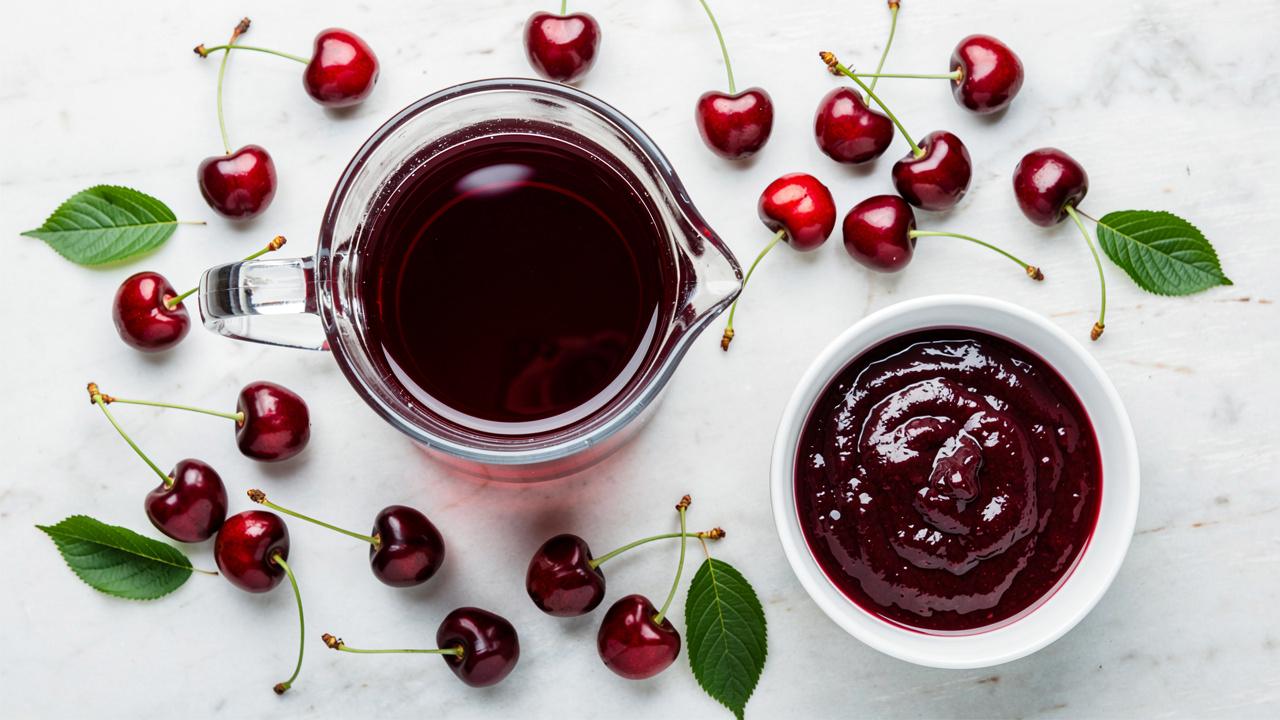
Tart cherry reaches consumers in several main forms, each with its own profile for taste, convenience, sugar content, and consistency:
-
100 Percent Tart Cherry Juice
This form stays closest to whole fruit in flavor and overall nutrient composition. Studies often use 8–16 ounces per day. The main limitations are volume and sugar. That much juice adds significant natural sugar and calories, which may not fit for people managing blood glucose, weight, or digestive comfort. -
Juice Concentrate
Juice concentrate removes much of the water, leaving a thick syrup. Standard servings in research sit around 1 ounce, usually diluted in water. This makes dosing easier and cuts volume while keeping the flavor quite strong and sour. Sugar content remains, just in a smaller, more intense package. -
Powdered Tart Cherry
Powder forms start with juice or whole fruit, then dry and grind it. Powders mix well into smoothies, yogurt, or oatmeal and travel more easily than liquids. However, the drying process can change or reduce some volatile compounds, and not all powders have consistent levels of anthocyanins and phenolics. Quality varies widely across brands. -
Standardized Extract
Extracts take concentration further. These products standardize tart cherry to specific levels of active compounds such as anthocyanins or total phenolics. Because they remove much of the sugar and bulk, extracts allow precise therapeutic dosing in capsule or small powder servings.
For people who want the sleep and recovery benefits without extra sugar, extract forms make daily use more practical. SLP1 chooses concentrated Montmorency tart cherry extract for its sleep formulations. This approach delivers reliable, research-aligned levels of active compounds in small, easy-to-take servings, without the sugar load of juice. It also makes it simple to blend tart cherry with other sleep-supportive nutrients in integrated formulas.
Evidence-Based Dosing And Timing Recommendations
Human trials provide helpful guardrails for practical dosing. Many studies that report sleep benefits use:
-
8–16 ounces (240–480 mL) of tart cherry juice per day, often split into two servings.
-
Around 1 ounce (30 mL) of juice concentrate, taken once or twice daily and diluted into water.
For powders and extracts, exact dosing depends on the concentration of anthocyanins and phenolics. Products that clearly state standardized amounts, rather than only milligrams of raw powder, make it easier to compare with trial doses. Looking for extracts that match or slightly exceed the anthocyanin content used in successful studies is a reasonable strategy.
Timing also matters. For sleep-focused use, most people take tart cherry in the evening, around one to two hours before bed, giving time for digestion and absorption before melatonin levels should rise. Those who also use tart cherry for athletic recovery sometimes split intake, taking some around training sessions and some in the evening.
Patterns in research suggest that meaningful changes appear after about one to two weeks of consistent daily intake. This fits with the idea of rhythm support and inflammation reduction, both of which accumulate over time. If no changes in sleep, soreness, or general recovery appear after three to four weeks at a solid dose, it may be worth adjusting the amount, switching forms, or checking in with a healthcare provider.
SLP1 weaves tart cherry into structured protocols that pair it with other ingredients such as tryptophan, glycine, and magnesium. These routines support both sleep onset and the depth and continuity of rest across the night.
SLP1's Approach—Tart Cherry In Integrated Sleep Formulations
Many supplements focus on a single ingredient at a catchy dose, then market it as a cure for all sleep issues. Real sleep science paints a more complex picture. Stress hormones, circadian timing, inflammation, neurotransmitters, and muscle tension all interact. Addressing only one of these often brings partial relief at best.
SLP1 starts from the idea that sleep works as a system. Tart cherry fits this system well, yet it cannot do everything alone. It excels at supporting melatonin signaling, calming inflammation, and protecting against oxidative stress. To support the entire overnight window—from relaxing into bed through deep non-REM to late-night REM cycles—other nutrients can add their strengths alongside tart cherry.
This integrated view shapes SLP1’s formulations. Every ingredient has a clear role, and doses reflect research, not marketing headlines. Rather than sprinkling tiny amounts of many trendy compounds, SLP1 focuses on a smaller number of well-supported ingredients at levels likely to move real-world outcomes.
Montmorency tart cherry extract sits at the heart of products like “Deeper Sleep,” where it works in concert with amino acids and minerals to create a calmer, more sleep-ready internal state each night.
Why We Use Montmorency Tart Cherry Extract
SLP1’s choice of Montmorency tart cherry extract follows both the published science and practical considerations for long-term use. Montmorency is the cultivar most often used in sleep and recovery trials and has a well-characterized profile of melatonin, anthocyanins, and other phenolics. Using this specific variety keeps ingredient effects close to what the data describe.
Extract form offers several advantages over whole juice or plain powder:
-
It allows standardization. Each batch can be tested and adjusted to reach target levels of anthocyanins and total phenolics, so every serving matches the intended therapeutic range.
-
It removes most of the sugar and water, which reduces calories and makes dosing easier for people managing blood sugar or calorie intake.
-
It fits more comfortably inside combination formulas, where capsule and powder space is limited.
Quality control rounds out the picture. SLP1 uses third-party testing to confirm purity, potency, and absence of contaminants such as heavy metals or pesticide residues. In a supplement market where many “cherry” products never declare their cultivar or test for active compounds, this focus on clear sourcing and verification sets a higher bar.
The business model also aligns with long-term use. SLP1 aims for people to feel consistent benefits and choose to keep tart cherry in their nightly routine, rather than pushing high-margin, low-effect formulas that disappoint after a few weeks.
Synergistic Ingredients In SLP1 Formulations
Tart cherry works best when paired with other nutrients that solve different parts of the sleep puzzle. SLP1’s “Deeper Sleep” style formulations bring several of these together in carefully balanced ways:
-
Tryptophan
This essential amino acid feeds directly into serotonin and melatonin pathways. While tart cherry supplies natural melatonin, tryptophan supplies the raw material the body needs to make more of its own. Together, they support both direct signaling and endogenous hormone production. -
Glycine
Studies show that evening glycine intake can lower core body temperature slightly and promote a calmer nervous system, both of which favor deeper stages of sleep. Glycine supports sleep architecture—the pattern of cycling through light, deep, and REM stages—so people spend more time in restorative phases. -
Magnesium
Magnesium is a mineral cofactor for hundreds of reactions, including those involving GABA receptors, which help quiet neural activity. Many adults fall short on magnesium intake, and gentle evening supplementation can support muscle relaxation and nervous system balance.
When combined, these ingredients form a network. Tryptophan primes melatonin pathways, tart cherry delivers natural melatonin and anti-inflammatory action, glycine deepens sleep stages and eases restlessness, and magnesium calms muscle and nerve activity. The whole effect is larger than any ingredient by itself.
SLP1 offers these combinations in both powder and capsule forms. Powders suit people who enjoy an evening ritual drink or snack, while capsules help travelers or those who prefer a simple swallow-and-go pattern. Clear timing guidance and simple routines make it easier to keep these ingredients in place night after night, which is where compounding benefits arise.
Safety, Considerations, And Who Should (And Shouldn't) Use Tart Cherry
Any serious discussion of a sleep-supportive ingredient needs to address safety and edge cases, not just benefits. Tart cherry has a long history as a food and has been used at higher intakes in modern trials with good tolerability. Still, certain people and situations call for extra care or medical input.
SLP1 emphasizes informed choice. That means being clear about both the strengths and the limits of tart cherry, plus the kinds of side effects that can appear at higher doses. It also means recognizing that not all products on the market meet the same quality standards, so sourcing and testing matter.
For most healthy adults, especially those using a well-formulated extract at research-aligned doses, tart cherry represents a gentle, long-term-friendly way to support sleep, recovery, and general wellness. People with medical conditions, those who are pregnant or breastfeeding, and those on certain medications should loop their healthcare provider into the decision.
General Safety And Common Side Effects
Tart cherry fruit and juice hold GRAS status—Generally Recognized As Safe—when used in normal food amounts. Clinical trials that push intakes above typical dietary levels, such as daily juice or concentrate for weeks, report few serious adverse events. This pattern supports the view that tart cherry is well tolerated in most people.
The most common side effect reported is mild digestive upset, especially loose stools or diarrhea. This seems linked to sorbitol, a natural sugar alcohol found in cherries that can draw water into the gut. People prone to sensitive digestion or irritable bowel symptoms may notice this at higher juice or concentrate doses. Reducing the amount or switching to extract forms that remove most of the sugar often relieves the issue.
Occasional reports mention mild stomach discomfort, especially when tart cherry is taken on an empty stomach or alongside very rich food. Spreading intake with a snack can reduce this. No consistent serious side effects have appeared in published trials using tart cherry in adults.
Medication interactions appear rare, and no strong, well-documented conflicts have surfaced yet. Even so, it remains wise to list supplements like tart cherry when speaking with a doctor or pharmacist, particularly for those managing chronic conditions.
SLP1 reinforces safety by using clean raw materials, third-party testing, and conservative dosing aligned with what the research supports, rather than pushing extremes.
Special Populations And Precautions
Certain groups should approach tart cherry supplementation with more caution and professional guidance:
-
Pregnant and breastfeeding individuals can safely eat tart cherry fruit in normal amounts, yet there is limited data on concentrated extracts or high doses in these stages. SLP1 encourages anyone in this category to discuss supplements with an obstetrician or midwife before use.
-
People with diabetes or those tracking blood sugar closely need to pay attention to form. Juice and concentrate carry meaningful natural sugar. Extract capsules or low-sugar powders avoid this issue and often make better choices.
-
Individuals with kidney conditions or a history of stones should check with a nephrologist or primary care provider before adding concentrated supplements, even though tart cherry is not especially high in oxalates.
-
Those scheduled for surgery may want to clear tart cherry intake with their surgical team. As with many supplements, pausing use a couple of weeks before elective surgery is a common precaution.
-
Children can enjoy tart cherry as food, yet there is limited research on concentrated supplemental forms in younger ages. Parents considering tart cherry supplements for a child’s sleep or joint complaints should involve a pediatrician.
-
People on blood thinners, diabetes medications, or immunosuppressants should discuss tart cherry with their prescriber. While firm interaction data are lacking, theoretical overlaps exist through inflammation, metabolism, and immune tone.
In these cases, a brief conversation with a clinician can prevent surprises and fine-tune dosing.
Comparing Tart Cherry To Other Natural Sleep Aids
Tart cherry sits alongside many other natural sleep-supportive substances on store shelves and in online discussions. Each option has its own strengths, limits, and ideal use cases. No single ingredient works perfectly for every person or every type of sleep issue.
What sets tart cherry apart is its combination of gentle, food-based melatonin support with broad anti-inflammatory and antioxidant actions. Many other aids focus on neural calming alone, such as herbs that increase GABA activity, or on higher melatonin doses without additional health effects. Tart cherry instead acts more like a nightly health food that also improves sleep.
This does not mean tart cherry replaces every other tool. In some cases, combining it with nutrients like magnesium, glycine, or calming amino acids makes sense. In others, people may still choose to use low-dose synthetic melatonin for very specific scenarios, such as short-term jet lag, while relying on tart cherry for long-term rhythm support.
Understanding how tart cherry compares with synthetic melatonin pills and with other nutrients helps people design a stack that matches their needs and risk tolerance.
Tart Cherry Vs. Synthetic Melatonin Supplements
Synthetic melatonin pills deliver a purified hormone often in doses ranging from 0.5 mg to 10 mg or more. In contrast, tart cherry provides melatonin in microgram amounts, wrapped in a matrix of fiber, water, and plant compounds. This difference in both dose and delivery leads to different behavior in the body.
Pills can create a sharp rise in blood melatonin followed by a drop, depending on release design. For some people and situations—such as adjusting to a new time zone or resetting a delayed sleep phase—this strong signal can be helpful. For others, high doses bring side effects such as next-day grogginess, vivid dreams, headaches, or dependence on the pill for sleep onset.
There is also concern that very high, long-term melatonin doses might reduce the sensitivity of melatonin receptors, though human evidence remains limited. Food-level melatonin from tart cherry does not appear to raise the same worries. Instead, it nudges the body’s own rhythm rather than overwhelming it.
Tart cherry also brings benefits synthetic melatonin lacks. Its anthocyanins and phenolics lower inflammation and oxidative stress, helping joints, muscles, vessels, and neurons. Over time, that broader support can matter as much as the melatonin signal itself.
For someone who wants a long-term, nightly support that respects natural biology, tart cherry often makes a better anchor. Synthetic melatonin can still play a role as a short-term, higher-intensity tool when needed. SLP1 sees natural melatonin from Montmorency tart cherry as the foundation, not a replacement, for the body’s own hormone rhythms.
How Tart Cherry Complements Other Sleep-Supportive Nutrients
Tart cherry works best as part of a thoughtful sleep stack rather than in isolation. Several other nutrients and botanicals can pair well with it, each addressing different aspects of the sleep process:
-
Magnesium supports relaxation of muscles and the nervous system, mainly through its role in GABA-related pathways and hundreds of enzymatic reactions. When combined with tart cherry, magnesium handles the “tension” side of sleep while tart cherry addresses circadian timing and inflammation.
-
L‑theanine, an amino acid found in tea, promotes calm alertness and smoother alpha brain waves. It can quiet racing thoughts without sedation. Used with tart cherry, L‑theanine can calm mental noise while tart cherry supports the timing and depth of sleep.
-
Glycine improves sleep architecture and helps lower core body temperature. Taken with tart cherry, glycine tends to make deep sleep more abundant and more refreshing.
-
Gentle calming herbs such as valerian root or passionflower work on GABA and related pathways. In some people, small amounts of these herbs, alongside tart cherry, magnesium, and glycine, can bring enough extra quieting to handle particularly stressful periods.
SLP1 uses this complementary logic within its formulations, making sure that each added ingredient has a clear, non-overlapping role so the combined effect is smooth and predictable rather than jarring.
FAQs
Questions often come up when someone first considers tart cherry for sleep and recovery. The points below address some of the most common ones in a straightforward way.
How long does it take for tart cherry to work for sleep?
Most trials report noticeable changes after about one to two weeks of daily use. Some people feel small improvements sooner, especially in sleep continuity, yet full rhythm and inflammation benefits tend to build over several weeks. Consistency matters more than expecting a dramatic shift after the first dose.
Can tart cherry make a person groggy the next day?
Next-day grogginess is rare with tart cherry, especially compared with higher-dose synthetic melatonin pills. Because the melatonin content is closer to food levels and absorbs more gradually, the signal tends to fade by morning. If any morning heaviness appears, reducing the dose or moving it slightly earlier in the evening usually helps.
Is tart cherry safe to use every night?
Current data and long food history suggest that nightly tart cherry use at reasonable doses is safe for most adults. Digestive upset is the main side effect to watch for, and extract forms with low sugar usually reduce that risk. People with medical conditions or those on medications should still check with their clinician.
Do I need juice, or is extract enough?
Juice can work, yet it brings extra sugar and calories, and research-level doses require a fair amount of fluid. Standardized extract delivers the same key compounds in a smaller, sugar-free serving. For many health-conscious adults, especially those watching blood sugar, extract in capsules or measured powder form is more practical.
Can tart cherry replace my sleep medication?
Tart cherry should not be viewed as a direct replacement for prescribed sleep drugs without medical guidance. It can support better sleep quality and may allow dose changes over time in partnership with a clinician, yet any adjustment to prescription medicines should be managed carefully to avoid withdrawal, rebound insomnia, or other issues.
Conclusion
Tart cherry has moved from pie filling and traditional remedies into the center of serious sleep and recovery research. The picture that emerges from botanical studies, lab work, and human trials is consistent. Montmorency tart cherry delivers natural melatonin, anthocyanins, and other phenolics that gently support circadian timing, calm inflammation, and protect sensitive tissues from oxidative stress.
These actions reach far beyond simple “knockout” effects. They support the body’s own rhythm, ease the biochemical pressures that break sleep, and create a better environment for overnight repair of muscles, joints, vessels, and brain networks. Gains may feel modest at first—a bit more deep sleep, a smoother drift into rest, less soreness in the morning—but they stack over weeks and months.
For health-conscious professionals, wellness enthusiasts, and performance-focused individuals, this makes tart cherry a powerful nightly ally. Used in the right form and dose, it fits comfortably into routines aimed at better sleep, sharper cognition, steadier mood, and sustainable training. SLP1’s Montmorency tart cherry extract, combined with tryptophan, glycine, magnesium, and clear protocols, reflects that broader vision. Rather than forcing rest, it supports the rhythms the body has always tried to follow, turning bedtime from a fight into a return to a more natural, restorative pattern.


Leave a comment
This site is protected by hCaptcha and the hCaptcha Privacy Policy and Terms of Service apply.